How to Keep Soil in Place Using Pallet Gardening (Easy Tips)
Gardening enthusiasts and urban homesteaders are continually seeking innovative ways to maximize space, reduce waste, and keep their soil healthy. Pallet gardening has rapidly gained traction as a sustainable, affordable, and practical solution for both beginners and experienced horticulturists. But one persistent challenge with raised beds and container gardens —especially those constructed from pallets—is keeping soil securely in place. Unstable soil can lead to erosion, nutrient loss, and uneven moisture distribution, ultimately affecting plant health and yield.
Fortunately, with the right strategies, you can leverage pallet gardening’s advantages while ensuring your soil stays exactly where it belongs. This article explores tested methods, practical tips, and expert insights on how to keep soil in place using pallet gardening.
Whether you’re growing herbs, vegetables, or ornamental plants, you’ll discover actionable steps, comparison tables, and real-world examples to help you build a thriving, low-maintenance garden. Dive in to transform your pallet garden into a robust, soil-secure oasis.
Key Takeaways
- Pallet gardening offers a sustainable and cost-effective way to grow plants in limited spaces.
- Keeping soil in place requires thoughtful design, proper lining, and strategic planting techniques.
- Using geotextile fabric, mulch, and companion planting can significantly reduce soil loss and erosion.
- Real-world examples and case studies demonstrate effective soil retention in pallet gardens.
- Comparison tables highlight the best materials and methods for securing soil in pallet gardens.
- The article provides actionable tips, FAQs, and links to authoritative resources for deeper learning.

Credit: www.growingagreenerworld.com
Understanding Pallet Gardening
Pallet gardening utilizes repurposed wooden pallets to create vertical, horizontal, or raised bed gardens. This method is especially popular in urban environments where space is limited and resources are scarce. By transforming discarded pallets into plant containers, gardeners can reduce waste, save money, and cultivate a variety of crops in small spaces.
What Is Pallet Gardening?
At its core, pallet gardening involves using wooden shipping pallets as the framework for planting beds or vertical gardens. Pallets are often arranged horizontally on the ground or vertically against walls and fences, filled with soil, and then planted with flowers, herbs, or vegetables. The slats and pockets within the pallet make it easy to organize plants and promote healthy growth. Vertical pallet gardens are especially valued for their space-saving design, allowing gardeners to utilize walls and fences while keeping walkways clear. Horizontal pallet gardens, on the other hand, provide a raised bed-like environment that’s ideal for those who prefer traditional gardening but want the benefits of pallets, such as better drainage and soil control.
Why Pallet Gardening Is Popular
- Eco-friendly: Reuses materials that would otherwise end up in landfills, supporting a circular economy and reducing the carbon footprint associated with new garden materials.
- Affordable: Pallets are often available for free or at low cost from local businesses, warehouses, or construction sites, making gardening accessible to more people.
- Space-saving: Ideal for balconies, patios, and small yards, and even suitable for indoor use with proper setup and plant selection.
- Versatile: Supports a wide range of plants, from leafy greens to succulents, edible flowers, strawberries, and even dwarf fruit varieties in larger pallet structures.
- Aesthetic appeal: Offers a rustic, organized look to any garden space and can be customized with paint, decorative trim, or artistic arrangements for a personalized touch.
Common Challenges With Pallet Gardening
While pallet gardening boasts many benefits, it presents unique challenges, particularly when it comes to soil retention:
- Soil erosion: Loose soil can escape through gaps and slats, especially when watering or during heavy rainfall.
- Water runoff: Poor drainage or excess watering can wash away nutrients, leading to uneven soil levels and reduced plant health.
- Root exposure: Without proper lining, roots may become exposed and stressed, hindering plant growth and making them vulnerable to disease or pests.
- Limited soil depth: Depending on the pallet’s design, the shallow planting area can limit root development and restrict the types of plants that can be grown successfully.
- Potential for pests: The spaces between slats can provide hiding spots for insects or small animals, which may disturb the soil.
Addressing these issues is essential for maximizing the productivity and longevity of your pallet garden.
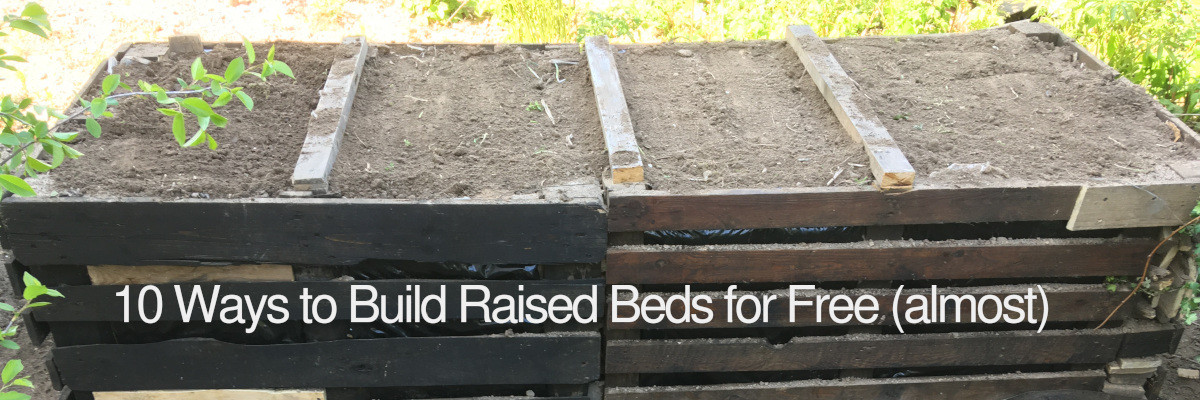
Credit: vegplotter.com
Choosing The Right Pallet And Preparing For Soil Retention
The success of a pallet garden begins with selecting the right pallet and preparing it for soil containment. Not all pallets are created equal, and using the wrong type can compromise both plant health and soil stability.
Selecting Safe And Durable Pallets
- Look for HT-stamped pallets (heat-treated) rather than chemically treated ones, as these are safer for growing edible plants and reduce the risk of chemical leaching into your soil.
- Avoid pallets marked with “MB” (methyl bromide), which can leach harmful chemicals. If the pallet is unmarked, exercise caution and consider using it for ornamental plants only.
- Inspect for rot, splinters, and structural weaknesses. A solid, undamaged pallet ensures long-term durability and will withstand the weight of wet soil and growing plants.
- Check for previous usage—pallets used for transporting food-grade goods are generally safer than those exposed to chemicals or contaminants.
Prepping The Pallet For Gardening
- Clean thoroughly: Remove dirt, debris, and nails. Scrub the surface with a brush and mild soap solution to ensure no residues remain.
- Sand rough edges: Prevent splinters and injuries, and create a smoother surface for lining attachment.
- Repair gaps: Use wood filler or additional slats to reduce large openings, focusing especially on the back and sides of the pallet where soil is most likely to escape.
- Apply a non-toxic sealant (optional): For extra longevity, especially if the pallet will be exposed to harsh weather, consider sealing the wood with a non-toxic, plant-safe sealant.
Lining Materials For Soil Retention
Proper lining is crucial for preventing soil loss through the pallet’s slats. The most effective materials include:
- Geotextile fabric: Highly durable, allows drainage, and keeps soil in place. It’s resistant to decomposition and can last several seasons.
- Landscape fabric: Affordable and readily available, though less robust than geotextile. It provides adequate drainage but may need to be replaced more often.
- Plastic sheeting: Retains soil but may limit drainage and root aeration. Use food-safe plastic if growing edibles, and always punch holes for drainage.
- Burlap: Biodegradable and eco-friendly, but may degrade quickly in wet conditions. Best used for short-term gardens or where regular replacement is feasible.
- Coconut coir matting: An emerging favorite for eco-conscious gardeners, it offers good durability and excellent root support while being biodegradable.
Comparison Table: Pallet Lining Materials
| Lining Material | Soil Retention | Drainage | Durability | Eco-Friendliness |
|---|---|---|---|---|
| Geotextile Fabric | Excellent | Good | High | Moderate |
| Landscape Fabric | Good | Good | Medium | Moderate |
| Plastic Sheeting | Excellent | Poor | High | Low |
| Burlap | Fair | Good | Low | High |
| Coconut Coir Matting | Good | Good | Medium | High |
Installing The Lining
- Measure and cut the chosen lining material to fit the interior of the pallet, ensuring enough overlap to cover edges and corners.
- Secure with staples or nails, ensuring full coverage behind slats and at all seams. Use a staple gun for best results and check that no sharp edges are exposed.
- Check for gaps and patch as needed before adding soil. For vertical gardens, reinforce the bottom and sides, as gravity will put extra pressure on these areas.
- For vertical gardens, add a double layer of lining at the bottom to prevent sagging and reduce the risk of soil leakage over time.
By starting with the right pallet and lining, you lay the foundation for effective soil retention and healthy plant growth.
Filling Pallets With Soil: Techniques For Maximum Stability
Once your pallet is prepped and lined, the next step is to fill it with soil. The way you add soil, and the type you choose, will directly impact how well it stays in place.
Choosing The Best Soil Mix
For pallet gardening, opt for a soil mix that balances moisture retention and drainage:
- Loamy soil: Offers ideal structure for plant roots and resists erosion, with a mix of sand, silt, and clay for balanced water retention and drainage.
- Compost-enriched soil: Improves fertility and moisture holding. Homemade or store-bought compost adds organic matter that binds soil particles together, reducing risk of washout.
- Potting mix: Designed for container gardening; often contains peat, perlite, and vermiculite. These amendments help keep soil light and airy while maintaining moisture.
Avoid sandy or clay-heavy soils, which either drain too quickly or become compacted, hindering root development and promoting waterlogging or rapid drying.
Layering For Soil Retention
Creating layers within your pallet garden can further enhance soil stability:
- Bottom layer: Place a thin layer of small stones or gravel for drainage. This layer prevents water from pooling and supports healthy root growth, particularly in deep or horizontal pallet beds.
- Middle layer: Add compost or organic material to enrich the soil, attracting beneficial microorganisms that help bind soil together.
- Top layer: Use a quality potting mix, filling just below the pallet edge. This provides a soft bed for seedlings and helps keep soil from spilling out during watering.
This approach helps prevent soil from washing out during watering while providing nutrients and structure for robust plant growth.
Compacting Soil Without Overpacking
- Gently tamp down soil as you fill to remove air pockets. A small hand trowel or your hands work well for this step.
- Avoid excessive packing, which can hinder root growth and water flow. Roots need both stability and oxygen, so strike a balance between firm and fluffy.
- After planting, add more soil as needed to maintain level and coverage, especially if settling occurs after initial watering.
Mulching For Surface Protection
Applying mulch to the top of your soil offers several benefits:
- Reduces erosion: Mulch acts as a protective barrier against rain and wind, absorbing the impact of water droplets and wind gusts.
- Retains moisture: Prevents soil from drying out quickly, especially important in vertical or exposed pallet gardens.
- Suppresses weeds: Keeps unwanted plants at bay, conserving nutrients for your crops.
Common mulch options include straw, wood chips, shredded leaves, and coconut coir. For edible gardens, avoid dyed or treated mulches that may introduce chemicals.
Real-world Example: Urban Pallet Garden Success
In Chicago, a community group transformed a vacant lot using pallet gardens lined with geotextile fabric and filled with loamy compost mix. By layering mulch and periodically topping up soil, they maintained healthy, stable beds—yielding over 500 pounds of produce in a single season.
Their approach minimized soil loss, reduced watering needs by 30%, and ensured even moisture for crops like tomatoes, lettuce, and herbs. The group also noted improved soil structure year over year, as organic matter built up and microorganisms flourished.

Credit: mulchpros.com
Strategic Planting For Soil Retention
The way you arrange and select plants in your pallet garden plays a crucial role in keeping soil in place. Smart planting strategies can naturally anchor soil, reduce runoff, and maximize yields.
Planting Densely
- Planting crops close together forms a living mulch, reducing exposed soil and limiting the impact of rain and wind on the surface.
- Dense planting helps roots interlock, stabilizing the soil matrix and supporting each other against displacement.
- Ideal for leafy greens, herbs, and small vegetables, such as spinach, arugula, cilantro, and parsley. For vertical gardens, trailing or cascading plants like nasturtiums or strawberries provide extra coverage.
Companion Planting
Combining compatible plants can enhance soil retention and garden health:
- Marigolds and basil: Repel pests and fill gaps between vegetables, creating a continuous canopy over the soil.
- Lettuce under taller tomatoes: Utilizes shade and protects soil, while maximizing space in both vertical and horizontal gardens.
- Radishes and carrots: Their roots intertwine, anchoring soil and improving structure.
Companion planting also promotes biodiversity, attracts pollinators, and reduces the risk of disease outbreaks.
Using Ground Covers
Ground cover plants are especially effective for pallet gardens:
- Creeping thyme: Forms a dense mat, minimizing erosion and providing fragrant, edible ground cover.
- Strawberries: Spreads quickly, shielding soil from sun and rain, and offers a delicious harvest.
- Oregano: Robust, low-growing, and drought-tolerant, perfect for filling spaces and suppressing weeds.
Ground covers can be mixed with annuals and perennials for year-round soil protection.
Staggered Planting For Continuous Coverage
Planting in stages ensures soil is never left bare:
- Start with fast-growing annuals that quickly cover the soil early in the season.
- Fill gaps with slower-growing perennials as they mature, ensuring coverage as the garden transitions between crops.
- Replant areas as crops are harvested to maintain coverage, using succession planting with different species for ongoing soil anchoring.
Data Table: Plant Types For Soil Retention In Pallet Gardens
| Plant Type | Root Structure | Soil Retention Ability | Recommended Use |
|---|---|---|---|
| Leafy Greens | Fibrous | High | Dense planting |
| Ground Covers | Spreading | Very High | Top layer protection |
| Herbs | Shallow, fibrous | Moderate | Fill gaps |
| Root Vegetables | Taproot | Low | Middle layer |
| Trailing Annuals | Adventitious | High | Vertical gardens |
Case Study: Companion Planting In Pallet Gardens
A rooftop gardener in San Francisco implemented companion planting with lettuce, carrots, and marigolds in pallet beds. By positioning plants strategically, she reduced soil erosion by 60% compared to previous layouts, according to her season-long measurements. The added biodiversity also improved yields and pest resistance.
She observed that the living mulch effect of densely planted crops kept soil temperatures more stable, further reducing stress on her plants during hot weather.
Watering And Drainage: Preventing Soil Erosion
Water management is a critical aspect of soil retention in pallet gardens. Overwatering, poor drainage, or heavy rainfall can quickly wash away soil and nutrients. Implementing smart watering techniques and ensuring proper drainage will keep your soil stable and productive.
Installing Drainage Solutions
- Elevate pallets: Raise the structure slightly off the ground to allow water to exit easily, preventing waterlogging and root rot.
- Drill drainage holes: In vertical pallet gardens, add holes at the bottom of each pocket or section to ensure excess water escapes and doesn’t pool around roots.
- Layer gravel: Use small stones at the base for improved drainage, especially important in horizontal beds or when using plastic lining.
Watering Best Practices
- Use drip irrigation: Delivers slow, steady moisture without disturbing soil. Drip lines or soaker hoses are ideal for both vertical and horizontal pallet gardens.
- Water at root level: Avoid overhead watering to minimize runoff and evaporation. Watering close to the soil surface ensures water is used efficiently.
- Monitor moisture: Use a soil moisture meter for precise watering, checking regularly to avoid over- or under-watering.
Rain Protection Strategies
- Install a cover: Use a tarp or shade cloth during heavy storms to shield soil from direct impact and prevent splash erosion.
- Position pallets strategically: Place gardens away from direct runoff or slopes, and consider the prevailing wind and rain direction when setting up your garden.
Example: Rain Management In Pallet Gardens
A community garden in Seattle faced frequent soil erosion due to heavy rain. By raising pallet beds and installing drip irrigation, soil loss decreased by 45% over the next season. Mulch and ground cover further improved stability, leading to healthier, more resilient plants.
The garden also experimented with slanted rain covers made from recycled plastic, which directed water away from the most vulnerable areas.
Maintenance: Keeping Soil Secure Throughout The Growing Season
Soil retention is not a one-time task—it requires ongoing attention. Regular maintenance ensures your pallet garden remains productive and soil stays exactly where it should.
Inspecting And Adjusting Linings
- Check for tears, holes, or loose edges in lining materials, especially after storms or heavy use.
- Patch or replace damaged sections as needed. Keeping a roll of your chosen lining material on hand makes quick repairs easy.
- For vertical gardens, periodically check the bottom edges, where the most stress occurs.
Top-up And Mulch Renewal
- Replenish soil after heavy rain or harvesting. Soil can settle or be displaced, especially as roots are removed.
- Refresh mulch every 4-6 weeks for optimal protection, using a 1-2 inch layer to cover exposed soil and fill any gaps created by plant growth.
Monitoring Plant Health
- Look for signs of soil loss: Exposed roots, uneven moisture, nutrient deficiencies, or soil accumulation at the base of your pallet.
- Adjust planting density or add ground covers as necessary to cover bare spots and prevent further erosion.
Pest And Disease Management
- Remove dead plant matter promptly to reduce the risk of pests that can disturb soil structure.
- Watch for pests that disturb soil, such as ants, grubs, or even birds, and implement gentle deterrents as needed (e.g., row covers or natural repellents).
Real-world Example: Year-round Pallet Garden Maintenance
A school garden in Austin, Texas, maintained its pallet beds with quarterly soil top-ups and biweekly mulch additions. Teachers and students inspected linings and adjusted watering routines seasonally. This proactive approach kept soil loss below 10% annually, according to their records, and provided a consistent learning environment.
The garden also rotated crops between semesters, which helped maintain soil structure and fertility.
Eco-friendly Tips And Advanced Soil Retention Methods
For gardeners seeking to minimize environmental impact and maximize soil retention, advanced techniques and eco-friendly practices are essential.
Using Organic Linings
- Try coconut coir or jute fabric as sustainable alternatives. These materials are renewable, decompose naturally, and contribute organic matter to the soil as they break down.
- These materials are biodegradable and provide good soil containment, offering an environmentally sound option for eco-conscious gardeners.
Incorporating Mycorrhizal Fungi
- Mycorrhizae enhance root growth and soil structure by forming symbiotic relationships with plant roots, increasing nutrient and water uptake.
- Add commercial inoculants to soil mix for improved retention and overall plant vigor. This technique is especially useful in new or heavily amended soils.
Creating Living Walls
- Use vertical pallet gardens with cascading plants for continuous soil coverage, reducing evaporation and erosion.
- Living walls can be designed for both decorative effect and productivity, supporting herbs, strawberries, or even lettuce in visually stunning arrangements.
Reusing Rainwater
- Set up rain barrels to capture water for gentle irrigation, reducing runoff and providing a sustainable water source.
- This reduces runoff and provides consistent moisture, helping stabilize soil and lower your garden’s environmental footprint.
Mulching With Recycled Materials
- Use shredded newspaper, cardboard, or wood chips from local sources for mulch.
- Mulching with recycled materials diverts waste and protects soil, making your gardening practice even more sustainable.
Comparison Table: Eco-friendly Soil Retention Methods
| Method | Soil Retention Effectiveness | Environmental Impact | Ease of Implementation |
|---|---|---|---|
| Coconut Coir Lining | Good | Low | Moderate |
| Mycorrhizal Fungi | Very High | Low | Easy |
| Living Walls | High | Moderate | Challenging |
| Rainwater Reuse | Moderate | Very Low | Easy |
| Recycled Mulch | Good | Very Low | Easy |
External Resources For Advanced Techniques
These resources provide further guidance for eco-conscious gardeners looking to improve soil retention and sustainability.
Real-world Case Studies: Pallet Gardening Success Stories
Examining successful pallet gardening projects offers valuable insights and practical inspiration. Here are three case studies demonstrating effective soil retention and garden productivity.
Urban Balcony Garden, New York City
A resident in Manhattan constructed a vertical pallet garden on her balcony, using geotextile lining and densely planted herbs. Despite frequent wind, soil loss was minimal, and the garden produced fresh basil, parsley, and mint throughout the summer. She attributes her success to careful lining and regular mulching.
Her use of drip irrigation and shade cloth during the hottest months helped maintain soil moisture and prevent wind erosion.
Community Garden, Portland, Oregon
Volunteers built horizontal pallet beds lined with landscape fabric, filled with loamy compost, and topped with straw mulch. By implementing drip irrigation and staggered planting, they reduced soil erosion by 50% compared to traditional raised beds. Their project has been featured by local news outlets for its sustainability.
The community also held workshops on pallet safety and eco-friendly gardening, spreading knowledge and enthusiasm to hundreds of new gardeners.
School Garden, Denver, Colorado
Teachers and students used pallets lined with burlap and planted a mix of leafy greens and strawberries. Regular inspections and mulch additions kept soil secure. The garden served as a hands-on learning tool about soil conservation and sustainable agriculture. Over time, they experimented with adding coconut coir lining, which extended the life of their beds and further improved soil retention.
Additional External Case Study Links
- The New York Times: Urban Gardening
- Royal Horticultural Society: Vertical Gardening
- Gardening Know How: Pallet Gardening
Frequently Asked Questions
How Do I Prevent Soil From Falling Out Of My Pallet Garden?
The most effective way is to line the pallet with geotextile fabric or landscape fabric before adding soil. Secure the lining tightly, fill with layered soil and mulch, and plant densely to anchor the soil. Regular maintenance is key to preventing gaps and soil loss. For vertical gardens, double-lining the base and sides provides extra security.
What Is The Best Soil Mix For Pallet Gardening?
A loamy, compost-enriched mix works best for pallet gardens. It provides balanced drainage, moisture retention, and supports healthy root growth. Avoid sandy or clay-heavy soils, which are prone to erosion or compaction. Adding coconut coir or perlite can further improve structure.
Can I Use Recycled Materials For Lining And Mulching?
Yes! Burlap, coconut coir, and shredded newspaper are all eco-friendly options for lining and mulching. Using recycled materials reduces waste and protects soil, but ensure they are clean and free from contaminants. Cardboard is also effective as a weed barrier under pallets.
How Often Should I Check And Replenish Soil In Pallet Gardens?
Inspect soil levels every 4-6 weeks, especially after heavy rain or harvesting. Top up soil as needed, refresh mulch regularly, and monitor for signs of erosion or nutrient loss. Seasonal adjustments may be necessary in extreme climates.
Is Pallet Gardening Suitable For All Climates?
Pallet gardening can be adapted to most climates with proper planning. In wetter regions, focus on drainage and rain protection. In dry areas, prioritize moisture retention and mulching. Choose pallets and plants suited to local conditions for best results. Consider using shade cloth or row covers in very hot or cold climates.
Transforming a pallet into a thriving garden is a rewarding, sustainable way to grow fresh produce and beautiful plants in limited spaces. By following the easy tips and techniques outlined here—selecting the right pallet, installing effective linings, using the best soil mixes, planting strategically, and maintaining your garden—you can keep your soil in place and maximize yields.
Real-world examples, comparison tables, and expert recommendations make it easy to start or refine your pallet gardening journey. With a little creativity and ongoing care, your pallet garden will flourish, providing both environmental and personal benefits for years to come.