Is Soil a Homogeneous Or Heterogeneous Mixture? Clear Answer
Soil is one of the most fundamental components of life on Earth, underpinning agriculture, ecosystems, and human civilization itself. Yet, despite its familiarity, the question of whether soil is a homogeneous or heterogeneous mixture often sparks confusion even among science enthusiasts and professionals. This seemingly simple inquiry opens the door to a deep exploration of soil’s physical, chemical, and biological complexity—a journey that reveals why this answer is not just academic, but critical for fields from environmental science to engineering and food production.
Understanding the nature of soil’s composition is more than a textbook exercise. It impacts how we manage farmlands, remediate polluted sites, design construction projects, and predict ecological responses to climate change. Whether you’re a student, a gardener, an environmental scientist, or simply curious, knowing if soil is homogeneous or heterogeneous clarifies its behavior, its classification, and the best ways to interact with this essential natural resource.
Key Takeaways
- Soil is a heterogeneous mixture, composed of various particles, organic matter, water, air, and living organisms.
- Its properties and composition vary widely by location, depth, and environmental conditions.
- The distinction between homogeneous and heterogeneous mixtures is crucial for soil science, agriculture, and engineering.
- Real-world examples and case studies illustrate soil’s heterogeneous nature and its impact on practical applications.
- Understanding soil composition guides effective land management, environmental protection, and sustainable agriculture.
- Expert insights, research data, and visual comparison tables reinforce why soil cannot be classified as a homogeneous mixture.

Credit: www.chegg.com
Understanding Mixtures: Homogeneous Vs. Heterogeneous
To address the question directly, we must first clarify what homogeneous and heterogeneous mixtures are, and how these scientific definitions apply to soil.
Definitions And Differences
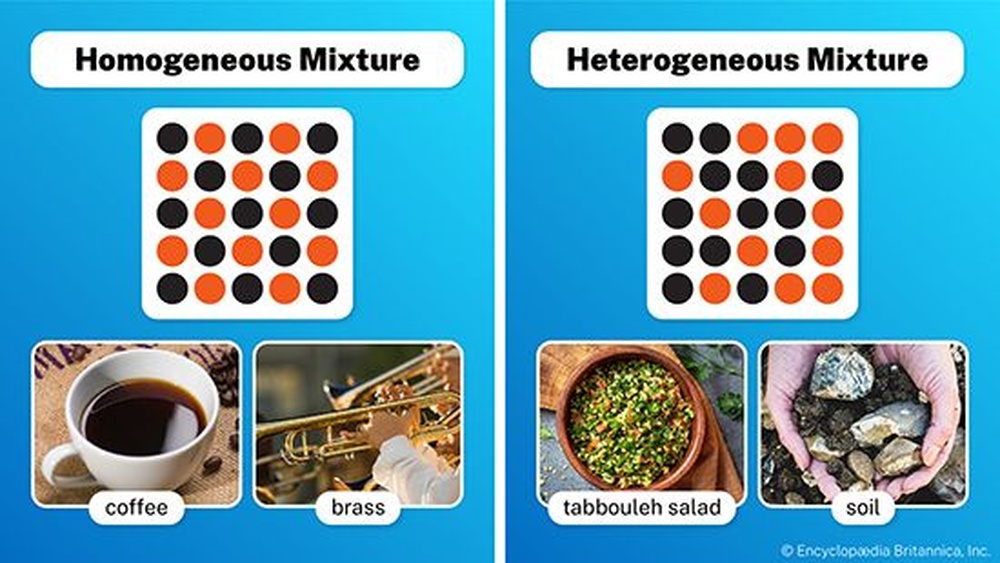
A homogeneous mixture is a substance in which the components are uniformly distributed throughout, and the composition is the same no matter where you sample it. Common examples include saltwater or air (when pure). These mixtures look the same to the naked eye and under a microscope.
Conversely, a heterogeneous mixture is one where the individual components remain distinct and are not uniformly distributed. The different parts can often be seen or separated physically. Examples include salad, concrete, or granite.
Scientific Criteria For Classification
To distinguish between homogeneous and heterogeneous mixtures, scientists evaluate:
- Particle size and distribution
- Uniformity of composition
- Ability to physically separate components
- Appearance under magnification
These criteria are not just theoretical—they are actively used in laboratory and field settings to classify samples and materials. For instance, water samples might be tested for dissolved solids to confirm homogeneity, while soil samples are routinely examined for texture and composition variance.
Soil, as we will see, does not display uniformity at either the macroscopic or microscopic level.
Application To Soil
When examining a handful of soil:
- You can see different colors, textures, and particles—evidence of heterogeneity.
- Components such as sand, silt, clay, organic matter, roots, rocks, and microfauna are all present.
- Soil’s composition varies significantly from one spot to another, even within a small area.
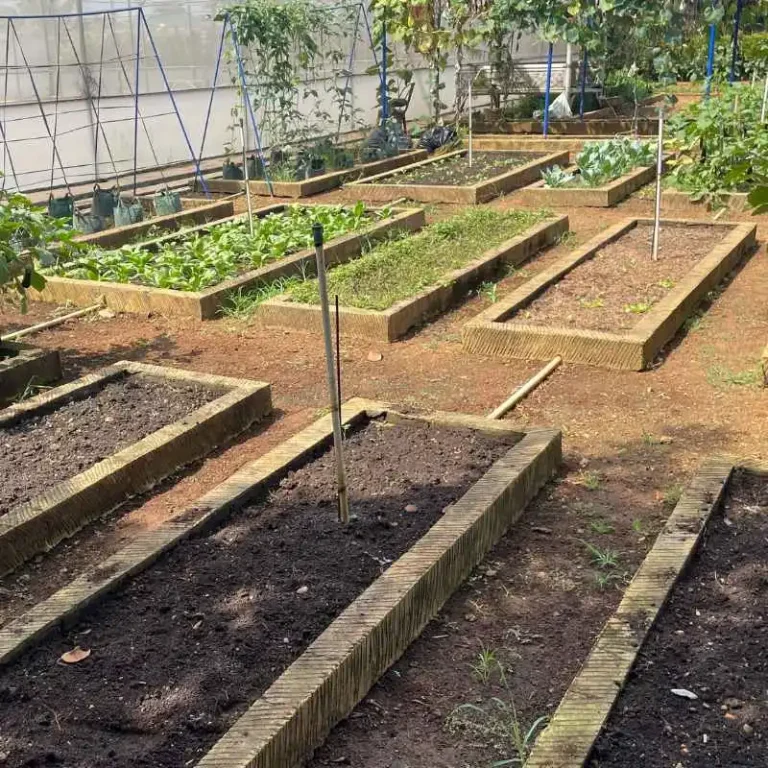
Even a simple garden bed can illustrate this: one corner may have more organic matter and moisture, while another is drier and more compacted. This initial observation already points toward soil being a heterogeneous mixture.
Soil Composition: What Makes Up Soil?
A closer look at what constitutes soil illuminates its inherent complexity and supports its classification as a heterogeneous mixture.
Major Components Of Soil
Soil is a dynamic blend of:
- Mineral particles: Sand, silt, and clay, derived from the weathering of rocks.
- Organic matter: Decomposed plant and animal material.
- Water: Occupying pore spaces between soil particles.
- Air: Also filling soil pores, essential for root and microbial respiration.
- Living organisms: Bacteria, fungi, earthworms, insects, and more.
Each component serves a unique function and is distributed unevenly within the soil matrix.
Example: Soil In A Forest Ecosystem
A forest soil typically contains a thick layer of leaf litter, rich organic matter, and is home to numerous organisms like ants, beetles, and fungi. However, move a few meters away and you may find compacted soil beneath tree roots, with different moisture levels and fewer organisms.
This spatial variation is a hallmark of heterogeneity.
The Soil Profile And Horizons
Soils are organized into layers or horizons, each with distinct characteristics:
- O Horizon: Organic-rich layer of decaying material
- A Horizon: Topsoil, high in organic content and biological activity
- B Horizon: Subsoil, with minerals leached from above
- C Horizon: Weathered parent material
- R Horizon: Unweathered bedrock
The variation among these horizons further demonstrates soil’s heterogeneous nature.
Example: Soil Horizons In Farmlands
In a cultivated field, the O and A horizons may be mixed through plowing, but differences persist. The B horizon often contains more clay, affecting drainage and root penetration. Farmers must understand these layers to manage crops effectively, as each horizon supports different plant needs.
Microscopic Diversity
Even under a microscope, soil reveals a mosaic of differently sized particles, organic fragments, and microhabitats. No two microscopic fields of view look exactly alike, reinforcing the absence of homogeneity at any scale.
Microhabitats
Microhabitats within soil support specialized bacteria and fungi, which may only survive in certain pockets rich in organic matter or moisture. This contributes to soil’s patchwork of biological diversity.
Real-world Example: Agricultural Field
Consider a typical cornfield. Even within a single acre, soil composition can shift dramatically:
- Patches with more clay retain water longer, while sandy areas drain quickly.
- Fertilizer and organic matter may be unevenly distributed.
- Roots, worms, and microbial populations cluster in certain microenvironments.
Agronomists routinely take multiple soil samples across a field to capture this variability, proving soil’s heterogeneous character.
Additional Example: Home Garden
A home gardener may notice that certain vegetables thrive in one part of the garden while others struggle. This is often due to differences in soil texture, organic matter, and drainage within the same plot, underscoring the practical impact of soil heterogeneity.

Credit: www.geeksforgeeks.org
Scientific Evidence: Soil As A Heterogeneous Mixture
Extensive scientific research confirms that soil fits the definition of a heterogeneous mixture in every relevant context.
Physical Evidence
- Particle size analysis shows a distribution of sand, silt, and clay, not a uniform blend.
- Soil color varies visibly, even in small volumes.
- Soil texture and structure differ from one clump to another.
Example: Soil Texture Triangles
Soil scientists use texture triangles to classify soils based on the proportion of sand, silt, and clay. These proportions are rarely consistent across a landscape, even in well-managed fields.
Chemical Evidence
- Nutrient content (nitrogen, phosphorus, potassium) fluctuates across small distances.
- PH and salinity are rarely uniform, even within a garden bed.
- Organic matter is patchily distributed, affected by plant litter and microbial decomposition.
Example: Nutrient Mapping
Precision agriculture often relies on nutrient mapping technologies to reveal chemical heterogeneity. Maps show significant variation in nutrient levels, guiding targeted fertilizer application.
Biological Evidence
- Different microbial communities and soil fauna populate different micro-zones.
- Root density and distribution are uneven, influenced by soil structure and moisture.
Example: Microbial Diversity
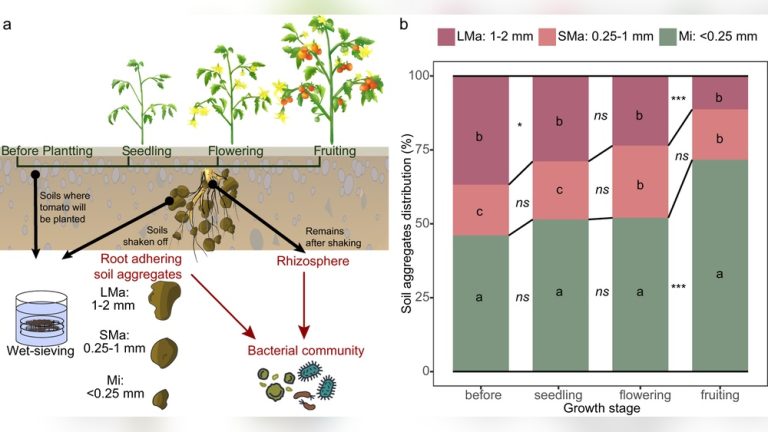
Studies show that microbial populations can vary dramatically within a single cubic centimeter of soil, depending on organic matter and moisture availability.
Case Study: Urban Soils
In urban environments, soil heterogeneity is heightened by construction, pollution, landscaping, and human activity. Studies from the US Department of Agriculture show dramatic variability in soil composition within city parks, roadside verges, and residential lots (USDA Soil Science).
Additional Example: Urban Community Garden
In urban community gardens, imported soils, compost, and mulch create further heterogeneity. Soil tests often reveal a patchwork of properties, even within a single raised bed.
Data-driven Comparison Table
Below is a table illustrating differences between homogeneous and heterogeneous mixtures as applied to soil:
| Property | Homogeneous Mixture | Heterogeneous Mixture (Soil) |
|---|---|---|
| Visual Uniformity | Same throughout | Varies, visible differences |
| Component Distribution | Evenly mixed | Uneven, patchy |
| Separation Ease | Difficult | Possible by physical means |
| Examples | Saltwater, air | Soil, salad, granite |
Credit: learnbps.bismarckschools.org
Why The Distinction Matters: Practical Implications
Understanding that soil is a heterogeneous mixture is not just semantics—it has profound consequences in science, engineering, agriculture, and environmental management.
Soil Testing And Sampling
- Agricultural scientists and farmers take multiple samples across fields to account for variability.
- Recommendations for fertilizer, irrigation, and crop selection depend on recognizing soil’s heterogeneous nature.
- One sample rarely represents an entire field or ecosystem.
Example: Fertilizer Application
Variable-rate fertilizer technologies apply nutrients based on soil test results from multiple locations, maximizing crop performance and minimizing waste.
Environmental Assessment And Remediation
- Pollutants in soil spread unevenly, requiring detailed mapping for cleanup efforts.
- Remediation strategies must address “hotspots” of contamination, not assume uniform distribution.
Example: Oil Spill Remediation
After an oil spill, remediation teams use grid sampling to identify contaminated areas. Cleanup efforts are concentrated where pollutant levels are highest, ensuring efficient resource use.
Construction And Engineering
- Geotechnical engineers conduct soil surveys to determine load-bearing capacity, drainage, and stability.
- Variability in soil properties can impact foundation design and infrastructure safety.
Example: Foundation Design
Engineers may reinforce foundations in areas where soil is weaker, reducing the risk of structural failure. Acknowledging heterogeneity is essential for safe building practices.
Case Study: Road Construction
A road built on variable soil will experience uneven settling, leading to cracks and failures. Engineers mitigate this by compacting soil, adding gravel, or replacing problematic zones—actions only possible because soil’s heterogeneity is acknowledged.
Ecological Restoration And Conservation
- Restoring habitats requires understanding local soil variation to select suitable plants and management techniques.
- Biodiversity depends on microhabitats formed by heterogeneous soil conditions.
Example: Wetland Restoration
Wetland restoration projects map soil moisture and organic matter to guide planting and water management, supporting native species and ecosystem functions.
Factors Contributing To Soil Heterogeneity
The reasons for soil’s heterogeneity are numerous and rooted in both natural processes and human activities.
Parent Material And Weathering
- Soils form from weathered rock (parent material), which varies in mineral composition and structure.
- Topography influences erosion, deposition, and water movement, creating diverse soil profiles.
Example: Hillside Vs. Valley Soils
Soils on hillsides may be shallower and rockier due to erosion, while valley soils are deeper and richer from sediment deposition.
Climate And Weather
- Rainfall, temperature, and wind affect chemical weathering, leaching, and organic matter breakdown.
- Microclimates within a landscape (shaded vs. sunny areas) create local differences.
Example: Shade And Sun Exposure
Soils under tree canopies retain more moisture and organic matter, while those in open areas dry out and decompose organic material faster.
Biological Activity
- Plant roots, earthworms, insects, and microbes mix, aerate, and enrich soil unevenly.
- Decomposition rates differ by location, affecting organic matter content.
Example: Earthworm Activity
Earthworm populations create nutrient-rich patches in otherwise less fertile soil, contributing to micro-scale heterogeneity.
Human Influence
- Agriculture, construction, pollution, and landscaping alter soil composition and structure.
- Fertilizer and pesticide application, irrigation, and tillage create artificial heterogeneity.
Example: Land Reclamation
Land reclamation projects often import soils of varying quality, resulting in mixed patches that require ongoing management.
Real-world Example: Community Garden
In a community garden, plots may have:
- Differing soil amendments (compost, manure, lime)
- Varying irrigation levels
- Unique histories (former lawns, parking lots, natural ground)
This leads to visibly and chemically distinct soils in plots just feet apart.
Further Example: Sports Fields
Sports fields are often amended and maintained differently across sections, leading to patchy soil compaction and nutrient levels.
Analyzing Soil Heterogeneity: Methods And Tools
Soil scientists and practitioners use various techniques to quantify and map soil heterogeneity.
Soil Sampling Strategies
- Grid sampling: Taking samples at regular intervals to map variability.
- Zone sampling: Dividing fields into management zones based on known differences.
- Profile sampling: Collecting soil from different depths to assess vertical variation.
Example: Grid Sampling In Golf Courses
Golf course managers use grid sampling to monitor soil moisture and nutrient distribution, ensuring optimal turf health.
Laboratory Analyses
- Particle size distribution (hydrometer, sieve analysis)
- Nutrient testing (N, P, K, micronutrients)
- PH and EC measurement
- Organic matter content
Example: Laboratory Soil Testing
Soil samples sent to laboratories are analyzed for texture, nutrients, and contaminants, providing detailed maps for management.
Remote Sensing And Gis
- Satellite imagery and drones detect soil moisture, organic matter, and texture differences over large areas.
- Geographic Information Systems (GIS) allow integration of soil data with topography, vegetation, and land use.
Example: Drone Soil Mapping
Drones equipped with sensors can scan fields for soil moisture and temperature, guiding irrigation and planting decisions.
Case Study: Precision Agriculture
Modern precision agriculture uses GPS-guided equipment to apply water, fertilizer, and pesticides based on soil variability maps. This maximizes yields, conserves resources, and reduces environmental impact—practical proof that soil is not homogeneous.
Further Example: Variable Rate Seeding
Variable rate seeding technology plants crops at different densities based on soil conditions, optimizing growth and yield.
Comparison Table: Soil Sampling Approaches
| Approach | Purpose | Best For | Limitations |
|---|---|---|---|
| Random Sampling | General overview | Small, uniform areas | May miss hotspots |
| Grid Sampling | Systematic mapping | Fields, large sites | Time-consuming, costly |
| Zone Sampling | Targeted sampling | Known variable areas | Requires prior info |
| Profile Sampling | Vertical variation | Soil studies, remediation | Labor-intensive |
Soil Homogeneity: Can Soil Ever Be Homogeneous?
While soil is fundamentally heterogeneous, certain laboratory or industrial processes can create artificially homogeneous soils for research or production.
Laboratory Blends
- Soils can be mechanically mixed to create uniform test samples for experiments.
- Commercial potting mixes are blended to provide consistency for horticulture.
Example: Research Soil Preparation
Research facilities blend soils to remove variability for controlled experiments, ensuring results are due to the tested variable, not soil differences.
Limitation Of Homogenization
- Even carefully mixed soils tend to separate over time due to differences in particle size, density, and moisture.
- In natural settings, ongoing biological and environmental processes restore heterogeneity.
Example: Settling In Potting Soil
After watering, finer particles may settle, and roots will create new microhabitats, breaking down initial homogeneity.
Real-world Example: Greenhouse Potting Mix
Commercial potting soils are designed to be homogeneous for consistent plant growth. However, once exposed to watering, root growth, and microbial activity, even these mixes begin to develop micro-heterogeneity.
Example: Nursery Operations
Nurseries use homogeneous potting mixes to ensure uniform seedling growth, but differences emerge as plants develop and interact with the mix.
Summary Table: Natural Vs. Artificial Soil Homogeneity
| Soil Type | Homogeneity | Persistence | Example Use |
|---|---|---|---|
| Natural Soil | Heterogeneous | Permanent | Farms, forests |
| Mixed Potting Soil | Homogeneous (initially) | Temporary | Greenhouses |
| Lab Test Soil | Highly homogeneous | Short-term | Scientific studies |
Soil Heterogeneity In Global Contexts
Soil diversity is not just a local phenomenon; it shapes landscapes, agriculture, and ecology worldwide.
Soil Diversity Across Biomes
- Tropical soils (Oxisols, Ultisols) are deeply weathered and often nutrient-poor, but heterogeneity arises from microtopography and vegetation.
- Desert soils (Aridisols) are patchy, with areas of sand, gravel, and organic “islands” under shrubs.
- Temperate soils (Mollisols, Alfisols) display variations based on parent material, rainfall, and land use.
Example: Mountainous Terrain
Mountain soils can change rapidly over short distances due to slope, drainage, and vegetation, creating a mosaic of soil types.
International Soil Classification
Global efforts, like the World Reference Base for Soil Resources (FAO/WRB), recognize over 30 major soil groups and hundreds of subgroups, reflecting tremendous heterogeneity.
Example: Soil Mapping Projects
International soil mapping projects help scientists understand regional variations and support efforts in sustainable agriculture and land management.
Case Study: Rice Paddies In Asia
Farmers in Southeast Asia adjust planting strategies based on micro-variations in soil fertility and drainage, even within a single paddy field. Soil heterogeneity directly influences yield, pest management, and sustainability (IRRI Rice Knowledge Bank).
Example: Terraced Rice Fields
Terraced rice fields exploit differences in water retention and fertility, demonstrating how farmers leverage soil heterogeneity to maximize productivity.
Soil Health And Food Security
- Variability in soil organic matter and fertility impacts global food production.
- Sustainable practices (crop rotation, cover cropping, reduced tillage) aim to manage and leverage soil heterogeneity for resilience (Nature: Soil Health).
Example: Climate Change Adaptation
Farmers adapt to changing climate by monitoring soil variability, adjusting practices to protect soil health and food security.
Case Studies: Soil Heterogeneity In Practice
To further illustrate soil’s heterogeneous nature and its practical significance, here are three focused examples from different fields.
Case Study 1: Vineyard Terroir
The concept of terroir in wine production is based on the recognition that soil differences within a vineyard—sometimes just meters apart—affect grape flavor, yield, and quality. Winemakers in regions like Bordeaux and Napa Valley map these microvariations to optimize vine selection and management.
Example: Soil Mapping In Vineyards
Detailed soil mapping informs irrigation, fertilization, and grape variety selection, supporting premium wine production.
Case Study 2: Urban Soil Remediation
In the city of New York, cleaning up brownfields (previously contaminated industrial sites) requires detailed soil surveys. Pollutant levels such as lead or petroleum hydrocarbons vary block by block, even lot by lot, demanding targeted rather than blanket remediation efforts (US EPA Brownfields).
Example: Neighborhood Differences
Different neighborhoods may require distinct remediation approaches, depending on soil history and contamination patterns.
Case Study 3: Precision Crop Management
A soybean farm in Illinois adopted variable-rate fertilizer application after grid sampling revealed significant differences in soil potassium and organic matter. Yields increased by 12% and fertilizer use dropped by 15%, saving money and reducing runoff—a direct benefit of acknowledging soil heterogeneity (Successful Farming).
Example: Technological Integration
Precision farming technologies integrate soil maps with planting and harvesting equipment, allowing real-time adjustments based on soil variability.
Frequently Asked Questions
Is Soil A Pure Substance, A Compound, Or A Mixture?
Soil is a mixture, not a pure substance or a compound. It consists of minerals, organic matter, water, air, and living organisms, all physically blended but not chemically bonded, making it a classic example of a mixture.
Can Soil Ever Become Homogeneous In Nature?
In natural environments, soil remains heterogeneous due to ongoing biological, chemical, and physical processes. Artificially mixed soils in labs or greenhouses may start homogeneous, but natural processes quickly reintroduce heterogeneity.
Why Is Recognizing Soil Heterogeneity Important For Agriculture?
Acknowledging soil heterogeneity allows farmers to optimize fertilizer, irrigation, and crop selection based on local conditions, leading to better yields, resource efficiency, and environmental protection.
How Do Scientists Measure Soil Heterogeneity?
Scientists use soil sampling, laboratory analysis, remote sensing, and GIS mapping to quantify and visualize differences in soil properties across landscapes and depths.
Does Soil Heterogeneity Affect Plant Growth?
Yes, soil heterogeneity influences water availability, nutrient distribution, root penetration, and microbial interactions, all of which impact plant growth and ecosystem health.
Soil is unequivocally a heterogeneous mixture, composed of diverse particles, organic matter, and living organisms distributed unevenly across space and depth. This complex variability is not just a scientific curiosity—it’s a foundational reality that shapes agriculture, engineering, ecology, and daily life. Recognizing soil’s heterogeneity empowers us to manage land more sustainably, engineer safer structures, produce healthier food, and restore ecosystems more effectively. For anyone working with or studying the earth beneath our feet, this understanding is not just important—it’s essential.