How to Improve Soil Under Existing Lawns
Improve soil under an existing lawn by matching the fix to the problem: relieve compaction with core aeration, add compost only as a thin 1/4-inch topdressing, and correct drainage before feeding more fertilizer. If you skip diagnosis, grass keeps thinning, water runs off, and fertilizer mostly feeds the top inch. This guide shows how to tell compaction, low organic matter, poor drainage, and pH issues apart, then choose the right repair.
Why lawn soil fails under grass



Established turf usually fails below the surface first. Compaction squeezes out pore space, so air and water move poorly, roots stay shallow, and the lawn responds with thin growth, puddling, or drought stress. Low organic matter, poor pH, and weak infiltration can pile on top of that.
Native soil is not mostly organic matter. Organic matter is only a small fraction of mineral soil, while air and water make up a much larger share of the pore space. That is why simple topdressing, aeration, and testing matter more than dumping on more soil.
What you’ll need
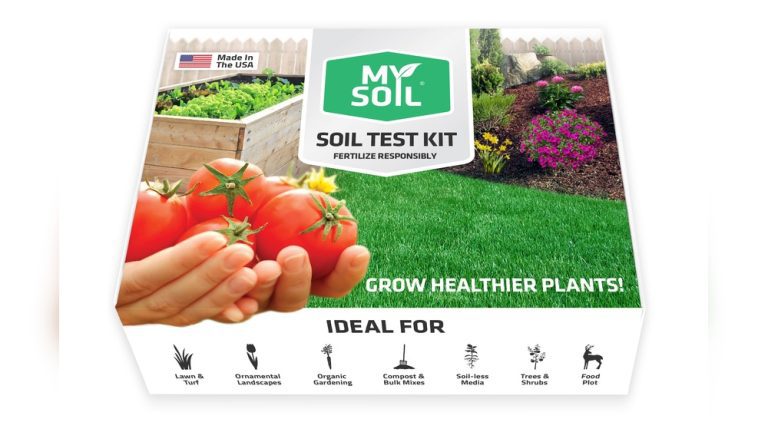
- A soil test kit or lab submission form
- A core aerator for established turf
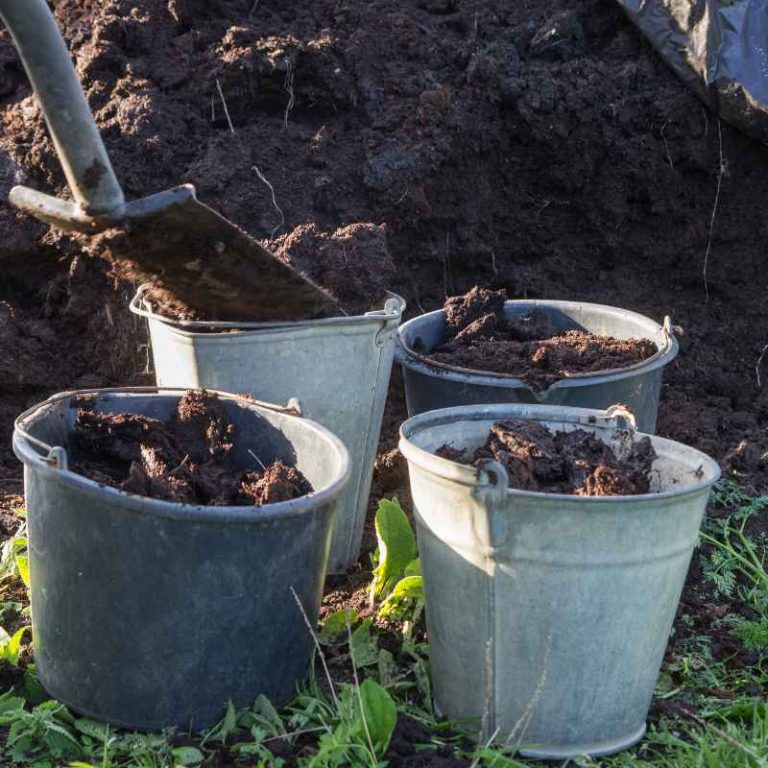
- Compost screened for lawn use
- A rake or leveling rake
- A push broom or drag mat
- A hose or sprinkler for light watering
- Optional lime or fertilizer only after testing
- Work gloves and eye protection
How to improve soil under an existing lawn
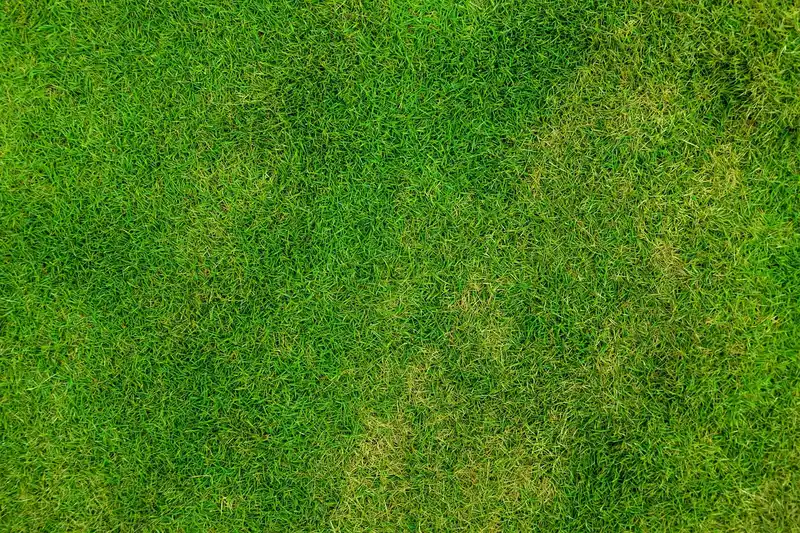
The lightest useful fix is usually the right one. On established turf, core aeration comes first when compaction is the main issue, because it removes soil plugs and creates channels for air, moisture, and nutrients. After that, a thin compost topdressing can improve organic matter without smothering grass blades.
-
Test the soil first.
Pull several samples from about five inches deep and send them for pH and nutrient analysis. Use the result to decide whether lime, fertilizer, or neither is justified before you touch the lawn. -
Aerate when grass can recover.
Use a core aerator on established turf when growth is active and the lawn is not stressed by heat or drought. Cool-season lawns generally rebound best in spring or fall, while warm-season lawns usually respond best in late spring through summer when they are actively growing. Avoid aerating during heat or drought stress, when recovery is slower. -
Topdress lightly.
Spread compost at about a 1/4-inch depth, then rake or drag it so blades stay exposed. A half-inch is a common upper limit; thicker layers can bury turf and create uneven spots. For best recovery, topdress when the grass is actively growing, and keep the application thin enough that the lawn remains visible through the compost. -
Water it in.
Apply enough water to settle the compost into the holes and surface voids, not enough to wash it downhill. The goal is to improve infiltration over time, not to float material around the yard. -
Repeat gradually.
Add organic matter in small rounds over time instead of trying to fix the whole profile at once. That approach fits both clay and sandy soils, since gradual additions improve structure, porosity, and water holding without smothering roots.
Do not overdo the topdressing. If grass blades disappear under compost, the layer is too thick and turf growth can stall. A common first-timer mistake is to treat compost like fill dirt; on an existing lawn, it is usually a surface treatment, not a blanket.
What to do first under an existing lawn
Use the symptom to pick the first move. Hard soil after rain usually points to compaction, droughty thin turf often needs more organic matter and better infiltration, runoff or puddling needs aeration first, and yellow grass with decent watering deserves a soil test before any lime or fertilizer goes down.
| Symptom | Likely soil issue | Best first fix | What not to do |
|---|---|---|---|
| Hard soil after rain | Compaction limiting pore space and infiltration; confirm with the screwdriver test | Core aerate, then topdress lightly with compost | Do not add a thick compost layer or more fertilizer first; if the soil stays hard, repeat aeration in the next suitable season |
| Droughty thin turf | Low organic matter and shallow rooting; confirm with a quick root check and a soil test if color is also off | Aerate, then add 1/4-inch compost | Do not assume the answer is only more water; if the lawn still struggles, test pH and nutrient levels before feeding again |
| Runoff or puddling | Poor infiltration, often from compaction; confirm with an infiltration test after watering | Core aerate and watch how water moves afterward | Do not topdress so heavily that water sheets across the surface; if puddling persists, check for low spots or repeat aeration when grass can recover |
| Yellow grass with decent watering | Possible pH or nutrient imbalance; confirm with a soil test before adding anything | Soil test, then apply lime or fertilizer only if results justify it | Do not apply lime as a default fix; if pH is already in range, look at compaction, drainage, or mowing instead |
If that first pass does not help, move one step deeper instead of piling on more inputs. For compaction, that means another aeration cycle in the next suitable season. For pH trouble, it means adjusting based on test results, not guessing from leaf color alone.
Will lime help your lawn soil?
Lime is generally used when the soil is too acidic. It raises pH, and that can improve nutrient availability when the test shows low pH. If the soil is already near the target lawn range around 6.5 to 7.0, lime is not the answer, and too much can create other uptake problems.
When lime helps
Use lime when a soil test shows acidity that is outside the target range. That is the situation where pH adjustment can improve nutrient uptake and help grass use the fertilizer already in the soil. A test-driven lime plan is better than spreading it because the lawn looks pale.
When to skip lime
Skip lime when the problem is compaction, runoff, shade, drought stress, or poor mowing habits. Lime does not open pore space, and it does not replace organic matter. It also will not fix alkaline soil; in fact, alkaline soils above 7.5 may already be prone to iron chlorosis.
For a yellow lawn that still gets regular water, soil test results matter more than color alone. If the test shows low pH, lime can help. If the test shows acceptable pH, the better move may be aeration, organic matter, or a fertilizer correction instead.
Common mistakes
The most common mistake is trying to improve every lawn problem with compost alone. Compost helps, but too much at once can bury turf and create uneven spots. Another mistake is aerating after the lawn is already too stressed to recover well.
- Applying compost thicker than 1/2-inch on live turf
- Skipping the soil test and guessing on lime
- Bagging healthy grass clippings instead of leaving them to decompose
- Aerating in the wrong season for the grass to rebound
- Expecting one round of topdressing to fix years of compaction
Grass clippings are a free source of organic matter when mowing conditions are normal. Leave them in place unless they are excessive mats after a missed mow. Lawn clippings should not be bagged and disposed of, and they can help return nutrients and suppress weeds.
For cost and labor, DIY aeration is cheaper if you can handle the machine and the cleanup, while hiring a service saves time on large yards or tight schedules. Topdressing adds labor either way, because spreading compost evenly takes time and attention. The tradeoff is simple: more precision usually means more work.
Frequently asked questions
How do I improve soil on an existing lawn?
Start with a soil test, then fix the biggest limitation first. If the lawn is hard or puddles, core aeration comes before compost. If pH is off, lime or fertilizer should be based on the test. Improvements are gradual, so repeat light treatments rather than using one heavy application.
How to improve soil under lawn without starting over
Use the least disruptive approach: core aerate established turf, then topdress with about 1/4-inch of compost. That combination improves air, moisture, and nutrient movement without stripping the lawn bare. It is the right path when the turf is still worth saving.
Do I need to aerate before topdressing an existing lawn?
Yes, when compaction is part of the problem. Aeration opens channels for compost and water to move downward instead of sitting on the surface. If the soil is already loose and the issue is mostly pH, a soil test may come first, but compacted lawns benefit from aeration before topdressing.
Can I add compost to an existing lawn?
Yes, but keep it thin. A quarter-inch layer is the practical target for established turf, and a half-inch is a common upper limit. Spread it evenly so the grass blades still show through. Thick compost can smother turf and create a bumpy surface.
How often should I aerate and topdress my lawn?
A common schedule is aeration in spring and fall when the grass can recover, with topdressing as needed after aeration rather than in thick repeated layers. Cool-season lawns usually fit that spring-and-fall timing best, while warm-season lawns are better suited to late spring through summer. The right frequency depends on traffic, soil type, and how fast compaction returns. Clay-heavy or heavily used lawns usually need attention more often.
Will lime help improve lawn soil?
Lime helps only when a soil test shows the soil is too acidic. It raises pH and can improve nutrient uptake, but it does not fix compaction or drainage. If pH is already near 6.5 to 7.0, lime is usually unnecessary and can push the soil the wrong way.
How do I fix compacted soil under grass?
Core aerate the lawn, then topdress lightly with compost if the turf can recover. Aeration removes soil plugs and improves movement of air, moisture, and nutrients. On severe problem spots, repeat in the next suitable season rather than burying the area under more soil.
Should I leave grass clippings on the lawn?
Yes, when the clippings are light and the lawn is healthy. They decompose and return organic matter to the soil. Do not leave heavy mats after an overlong mow, but normal clippings are better left in place than bagged and hauled away.