How Soil Testing Results Influence Your Gardening Plans
Gardening success is often thought to depend on sunlight, water, and the right plants, but a crucial factor lies hidden beneath your feet: the soil. Whether you’re nurturing a backyard vegetable patch or cultivating an ornamental flower bed, the unseen world within your garden’s soil can make or break your efforts. Soil testing—the process of analyzing your garden’s earth for nutrients, pH, and contaminants—transforms guesswork into actionable insight, guiding every decision from fertilizer selection to crop rotation.
Recent studies show that more than 65% of home gardeners encounter plant growth issues directly related to soil conditions. Yet, only a small percentage actually perform comprehensive soil tests. By understanding and applying your soil testing results, you unlock the full potential of your gardening plans, ensuring healthier plants, higher yields, and a more sustainable approach to land stewardship. This article walks you through how soil testing results influence your gardening, from the science behind the test to the practical, day-to-day decisions in your garden.
Key Takeaways
- Soil testing reveals critical data on nutrients, pH, and contaminants that directly affect plant health and productivity.
- Interpreting soil test results helps gardeners choose the right plants, fertilizers, and amendments, ensuring optimal growth.
- Real-world examples highlight the dramatic difference soil-informed decisions make in yield, disease resistance, and sustainability.
- Regular soil testing can save money and reduce environmental impact by preventing over-fertilization and runoff.
- Understanding your results empowers you to correct problems before they impact your garden, turning challenges into opportunities.
Credit: frameitall.com
The Science Behind Soil Testing
Understanding the science behind soil testing is crucial to appreciating its impact on gardening decisions. Soil is not just dirt—it’s a complex ecosystem teeming with minerals, organic matter, microorganisms, air, and water. Each element plays a unique role in supporting plant growth, and the balance among these factors can significantly affect your gardening outcomes.
What Soil Testing Measures
A comprehensive soil test typically evaluates:
- Macronutrients: Nitrogen (N), Phosphorus (P), and Potassium (K) are the primary nutrients needed in large amounts. Nitrogen drives leafy growth; phosphorus supports root development and flowering; potassium influences water movement and disease resistance.
- Secondary nutrients: Calcium (Ca), Magnesium (Mg), and Sulfur (S) are needed in moderate amounts. Calcium strengthens cell walls; magnesium is central in photosynthesis; sulfur is involved in protein synthesis.
- Micronutrients: Iron (Fe), Manganese (Mn), Zinc (Zn), Copper (Cu), Boron (B), Molybdenum (Mo), though needed in smaller quantities, are vital for enzyme function, hormone regulation, and overall plant health.
- Soil pH: Indicates acidity or alkalinity, which affects nutrient availability. Many nutrients become inaccessible outside the optimal pH range.
- Organic Matter Content: Impacts soil structure, water retention, and nutrient cycling. Healthy soils have visible earthworms and a crumbly texture, thanks to organic matter.
- Cation Exchange Capacity (CEC): Measures soil’s ability to hold nutrients. Soils with high CEC retain nutrients better and are more forgiving to fertilization errors.
- Contaminants: Heavy metals (lead, arsenic), excess salts, or pesticide residues can hinder plant growth and pose health risks.
How Soil Samples Are Collected
Proper sample collection is essential for accurate results. Best practices include:
- Take multiple samples from different spots to account for variation—especially if your garden spans a large area or includes different beds.
- Dig 6–8 inches deep for garden beds. For lawns, 3–4 inches suffices. Use a clean tool to avoid contamination.
- Mix subsamples in a clean bucket for a composite sample. This ensures the lab receives an average representation of your soil.
- Air-dry samples before shipping. Avoid plastic bags, which can retain moisture and alter chemistry.
- Label samples clearly if testing multiple areas.
Laboratory Analysis Process
Labs analyze the sample using chemical extraction, separating nutrients and contaminants. Spectrophotometry measures concentrations with high precision. Some labs also offer advanced tests for biological activity or soil texture.
A typical turnaround is 1–2 weeks, but peak gardening seasons may see longer wait times. Many labs provide digital reports, often accompanied by recommendations tailored to your region and intended crops.
Why Soil Testing Is More Accurate Than Diy Guesswork
Visual clues—such as yellow leaves or stunted growth—can be misleading. For example, yellowing may indicate nitrogen deficiency, overwatering, or disease. Soil testing removes ambiguity, providing a reliable foundation for action. Symptoms often overlap: magnesium deficiency and iron deficiency both cause chlorosis but require different solutions. Soil testing prevents costly, ineffective interventions.
For further reading on soil science, visit Soil Science Society of America.
Interpreting Soil Test Results
Once you receive your soil test report, the real challenge begins: interpreting the data to inform your gardening strategy. The following subsections break down the key elements of a typical soil test report.
Understanding The Main Components
Soil test reports generally present the following data:
- Nutrient levels (in ppm or lbs/acre)
- PH value
- Recommendations for amendments
Below is a sample summary from a typical soil test:
| Parameter | Result | Optimal Range | Status |
|---|---|---|---|
| Nitrogen (N) | 15 ppm | 20–40 ppm | Low |
| Phosphorus (P) | 30 ppm | 25–50 ppm | Optimal |
| Potassium (K) | 180 ppm | 150–250 ppm | Optimal |
| pH | 5.8 | 6.0–7.0 | Slightly Acidic |
Nutrient Levels And Plant Needs
- Nitrogen (N): Essential for leafy growth. Low levels lead to poor vigor; excess can cause lush leaves but weak roots. For example, lettuce and spinach will perform poorly in nitrogen-deficient soils, while too much nitrogen can cause tomatoes to produce foliage at the expense of fruit.
- Phosphorus (P): Crucial for root and flower development. Deficiency limits fruit set and can cause purple tinges on leaves. Root crops like carrots and beets especially need phosphorus for robust development.
- Potassium (K): Regulates water balance and disease resistance. Adequate potassium improves drought resilience and fruit quality. Potassium-deficient soils can lead to weak stems and poor fruit storage.
If your report flags a deficiency, you must amend the soil before planting sensitive crops. Some labs also flag excessive levels, cautioning against over-fertilization which may damage plants or impact soil ecology.
Ph And Its Impact
Soil pH affects nutrient availability. Most vegetables and flowers prefer a pH of 6.0–7.0. Out-of-range pH can lock up nutrients, even if present in adequate amounts. For example, iron becomes unavailable in alkaline soils, leading to chlorosis.
- Acidic soils: May require lime to raise pH. Acid-loving plants like blueberries will thrive, but most vegetables will struggle.
- Alkaline soils: May need sulfur or organic matter to lower pH. Calcium and magnesium are abundant, but micronutrients like iron and zinc may become inaccessible.
Organic Matter And Structure
Soil with less than 3% organic matter often struggles to retain water and nutrients. Adding compost or manure improves structure and fertility. Organic matter acts like a sponge, holding moisture during dry spells and providing a slow-release source of nutrients.
High organic matter (>7%) is ideal for intensive vegetable gardens but may be excessive for some ornamental beds. Organic matter also fosters beneficial microbes and earthworms, improving soil health.
Identifying Toxic Elements
Some tests detect lead, arsenic, or salt. High levels necessitate remediation or selecting tolerant plants. In urban gardens, lead contamination is common due to historic paint or industrial activity. The report will flag these and recommend safety measures, such as raised beds or avoiding edible root crops.
For a deeper dive, refer to USDA Soil Education.

Credit: www.iscapeit.com
How Soil Testing Shapes Your Garden Design
Soil testing results do more than inform fertilizer choices; they shape the entire blueprint of your garden. From plant selection to bed layout, your soil’s profile dictates what will thrive and where.
Selecting The Right Plants For Your Soil
Different plants have distinct nutrient and pH needs:
- Blueberries thrive at pH 4.5–5.5, requiring acidic soils. They may suffer chlorosis and poor fruiting in neutral or alkaline soils.
- Roses prefer pH 6.0–6.5 and need moderate phosphorus and potassium. Alkaline soils may reduce their fragrance and flower production.
- Carrots need loose, stone-free soil with moderate potassium. Heavy clay or compacted soils cause misshapen roots.
Matching your plant list to your soil’s strengths saves time and money. For example, if your soil is alkaline, you might focus on beets, spinach, and asparagus, while avoiding acid-loving ornamentals.
| Soil pH | Best Crops | Crops to Avoid |
|---|---|---|
| 4.5–5.5 | Blueberries, Azaleas | Cabbage, Asparagus |
| 6.0–7.0 | Tomatoes, Beans, Roses | Potatoes (prefer slightly acidic) |
| 7.5–8.5 | Beets, Spinach | Strawberries, Rhododendrons |
Zoning Beds Based On Soil Variation
If your yard has variable soils, create microclimate zones:
- Plant acid-lovers together in naturally acidic spots or areas amended with sulfur.
- Place drought-tolerant species in sandy, low-organic matter areas.
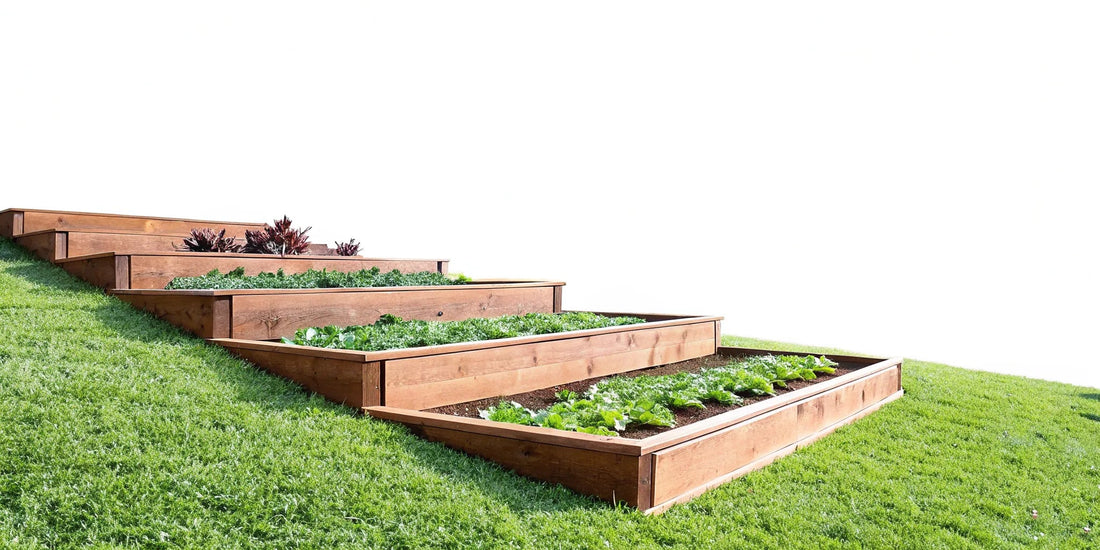
- Use raised beds where contamination or drainage is problematic.
This approach maximizes productivity, reduces maintenance, and ensures each plant receives optimal conditions.
Case Study: Urban Community Garden
A community garden in Chicago conducted soil tests and found high lead levels in several plots. By building raised beds with imported soil and selecting leafy greens less prone to uptake lead, they produced safe, abundant harvests. This simple response turned a potential hazard into a thriving project. The garden also educated members about soil health, leading to more informed crop choices and safer practices.
Amending Soil Before Planting
Test results guide you on:
- How much lime or sulfur to apply for pH adjustment. Labs often provide precise quantities—e.g., 5 lbs per 100 sq ft.
- Type and quantity of compost/fertilizer for nutrient deficiencies. Recommendations may specify organic or synthetic sources.
- Timing of amendments: Some, like lime, require several months to take effect, while others (like fertilizer) can be applied closer to planting.
Correcting these factors before planting means fewer problems during the growing season. It also saves money and labor, preventing the need for emergency interventions.
Explore more about plant-soil relationships at Gardener’s Supply Company.
Tailoring Fertilizer And Amendment Strategies
Applying fertilizer blindly can harm plants and the environment. Soil test results allow for precise, targeted amendments that optimize growth while minimizing waste.
Matching Fertilizer Types To Soil Needs
If your soil is low in phosphorus but rich in potassium, a balanced N-P-K fertilizer may not be appropriate. Tailor your approach:
- Use single-nutrient amendments (e.g., superphosphate for P, potassium sulfate for K). This avoids overloading other nutrients.
- Organic options: Blood meal (N), bone meal (P), kelp meal (K). These slow-release sources also improve soil structure.
- Customized blends: Some suppliers mix fertilizers based on your soil test data. This is ideal for large gardens or commercial growers.
Calculating Application Rates
Soil test reports often recommend specific amounts per square foot or acre. Over-application can cause:
- Nutrient runoff into waterways, contributing to pollution and harming aquatic life.
- Plant toxicity (e.g., fertilizer burn, leaf scorch).
- Wasted money on unnecessary products.
A well-calculated amendment plan keeps your garden—and the environment—healthy. For example, if your test shows 10 ppm phosphorus, and optimal is 40 ppm, you can use the lab’s formula to determine the precise pounds per acre needed.
Timing And Frequency
- Nitrogen: Apply in spring for leafy crops, split doses for long growers. Nitrogen is mobile in soil and prone to leaching, so timing is crucial.
- Potassium/Phosphorus: Incorporate before planting. These nutrients stay put and are best applied at root depth.
- Lime or sulfur: Apply at least 3–6 months before planting for pH adjustments. Allow time for chemical reactions to stabilize.
Some crops, like tomatoes and peppers, benefit from side-dressing during the growing season. Soil testing can inform when and how much to apply, avoiding excess.
Case Study: Tomato Yield Improvement
A grower in California saw poor tomato yields despite regular fertilization. Soil testing revealed excessive potassium but low calcium and magnesium. Switching to a tailored amendment plan boosted yields by 30% in a single season. The grower’s soil became more balanced, plants showed fewer signs of blossom end rot, and fruit quality improved.
For more fertilizer guidance, see Penn State Extension.
Managing Soil Health For Long-term Success
Soil testing is not a one-time event—it’s the foundation of ongoing soil health management. By tracking changes and making incremental improvements, you foster a resilient garden ecosystem.
Building Organic Matter
Adding compost, cover crops, or mulches increases soil organic matter, which:
- Improves water retention.
- Boosts microbial activity.
- Reduces erosion.
- Provides a slow-release source of nutrients.
Organic matter also improves soil texture, making clay soils easier to work and sandy soils better at retaining moisture. Cover crops like clover or vetch fix nitrogen and break up compacted soil.
Aim for at least 5% organic matter in vegetable beds. If your soil is below this, annual additions of compost or aged manure can gradually raise levels.
Rotating Crops And Preventing Depletion
Repeatedly growing the same crop can deplete specific nutrients and encourage disease. Soil testing helps you rotate crops effectively and replenish what’s lost. For example, tomatoes and potatoes both deplete potassium; rotating with beans (which fix nitrogen) balances the soil.
Crop rotation also breaks pest cycles. Soil test data can inform which nutrients need replenishing after each rotation, keeping your garden healthy year after year.
Monitoring Contaminant Levels
Urban and suburban gardens may face issues like lead or arsenic from past land use. Annual testing ensures your produce remains safe. If contamination is detected, you can:
- Use raised beds.
- Grow ornamental, non-edible plants in contaminated areas.
- Follow remediation steps recommended by experts.
Some contaminants, like salt or sodium, may enter soil from irrigation or road runoff. Testing helps you spot these early and apply corrective measures.
Real-world Example: School Garden Restoration
An elementary school garden in New Jersey suffered stunted growth for years. Soil testing showed high sodium from winter de-icing salts. By adding gypsum and switching to salt-tolerant species, the garden bounced back and became a model for the district. Students learned about soil health, and the garden became an educational resource.
Tracking Progress With Successive Tests
Yearly or biennial soil tests let you:
- Verify amendment effectiveness.
- Catch emerging problems early.
- Adapt your gardening plans proactively.
- Monitor organic matter and biological activity.
Over time, you build a soil health record, enabling smarter decisions and greater yields. Some gardeners keep a “soil diary” tracking test results, amendments, and crop outcomes.
To learn more about sustainable soil health, visit USDA Soil Health.
Environmental And Economic Impacts Of Soil-informed Gardening
Soil testing doesn’t just benefit your garden—it has broader environmental and financial implications. Responsible gardening conserves resources and protects local ecosystems.
Reducing Fertilizer Runoff And Pollution
Overuse of fertilizers contributes to algal blooms and waterway pollution. By applying only what your soil needs:
- You prevent nutrient runoff into rivers and lakes.
- You support pollinator health by avoiding chemical overload.
- You reduce the risk of groundwater contamination.
According to the EPA, targeted fertilizer use can reduce nutrient runoff by up to 60%. In areas near sensitive habitats or watersheds, this is especially important.
Saving Money On Inputs
Soil testing can save gardeners $50–$200 per season by eliminating unnecessary fertilizer and amendment purchases. Large-scale growers may save even more by preventing crop loss and optimizing input use.
By knowing exactly what your soil needs, you avoid spending on products that won’t help—or might even harm—your garden.
Enhancing Crop Resilience
Balanced soils are less prone to disease and drought stress, reducing crop loss and the need for costly interventions. Healthy soils also reduce the need for pesticides and supplemental irrigation.
For instance, soils with adequate potassium and organic matter can help plants survive heat waves and droughts. Disease-resistant crops benefit from balanced micronutrients.
Supporting Local Food Security
Healthy, productive gardens contribute to urban agriculture and community food programs. Informed soil management leads to higher yields and safer produce. Community gardens, school plots, and backyard growers all play a role in local food systems.
Soil testing ensures these gardens are both productive and safe, supporting food access and sustainability.
For more information on the environmental impact of soil management, visit EPA Nutrient Pollution.
Overcoming Common Soil Challenges With Test-based Solutions
Every garden presents unique challenges, but soil testing turns obstacles into manageable tasks. Here’s how to address common issues with data-driven solutions.
Acidic Soils
- Symptoms: Poor vegetable growth, moss in lawns, reduced flowering.
- Solution: Apply agricultural lime based on test recommendations. Retest after 6–12 months. Lime slowly raises pH and supplies calcium.
Alkaline Soils
- Symptoms: Chlorosis (yellow leaves), poor uptake of iron or manganese, stunted growth.
- Solution: Add elemental sulfur or peat moss. Choose tolerant plants if adjustment is impractical. Sulfur lowers pH gradually, while peat moss adds organic matter.
Compacted Or Poor-draining Soils
- Symptoms: Water pooling, stunted roots, hard soil surface.
- Solution: Incorporate organic matter, use raised beds, or plant cover crops to break up soil. Deep-rooted plants like daikon radish or alfalfa can also help.
High Salinity Or Sodicity
- Symptoms: Leaf burn, crusty soil surface, poor seed germination.
- Solution: Apply gypsum, improve drainage, and leach salts with extra water. Gypsum replaces sodium with calcium, improving structure and reducing toxicity.
Heavy Metal Contamination
- Symptoms: Often invisible, but indicated by test results. May cause stunted growth or leaf discoloration.
- Solution: Build raised beds with clean soil, avoid root crops, or remediate as needed. Some plants, like sunflowers, can help extract contaminants (phytoremediation).
Case Study: Turning Clay Into Productive Soil
A Texas gardener struggled with dense clay soil. After testing revealed low organic matter and poor drainage, they added composted leaves and grew daikon radishes as a bio-drill. Within two years, water infiltration improved by 40% and vegetable yields doubled. The gardener also noted fewer weeds and easier cultivation.
For further reading on soil problem-solving, see University of Minnesota Extension.
Frequently Asked Questions
How Often Should I Test My Garden Soil?
It’s recommended to test your garden soil every 2–3 years, or annually if you’re making major changes or troubleshooting issues. Regular testing helps track nutrient levels, pH, and organic matter, allowing for timely adjustments. For intensive gardens or commercial operations, annual testing is ideal.
Can I Use Home Test Kits Instead Of Laboratory Analysis?
Home test kits offer quick, basic readings for pH and some nutrients, but laboratory tests are more accurate and comprehensive. Labs can detect micronutrient deficiencies and contaminants that home kits often miss. Home kits are best for ongoing monitoring, but lab tests set the baseline.
What Should I Do If My Soil Contains Heavy Metals?
If your soil test shows elevated heavy metals (like lead or arsenic), avoid growing edible root crops and leafy greens in that area. Consider building raised beds with clean, imported soil or follow expert remediation recommendations for safe gardening. Some crops, like corn or squash, are less prone to uptake.
Is It Possible To Adjust Soil Ph Too Quickly?
Yes. Rapid pH changes can shock plants and disrupt soil biology. Always follow test-based recommendations for lime or sulfur application, and retest before making further adjustments. Gradual change is safer for plant health. Over-liming can cause micronutrient deficiencies.
How Do I Interpret Conflicting Recommendations On My Soil Test Report?
If your report includes conflicting advice (e.g., add both lime and sulfur), consult with your local extension service or a soil scientist for clarification. Prioritize the most critical issues (like extreme pH or contamination) before secondary adjustments. Extension agents can help decipher complex reports.
Soil is the living foundation of your garden, and soil testing is the key to unlocking its full potential. By understanding your soil’s unique profile, you can make informed decisions that foster vigorous growth, abundant harvests, and a more sustainable relationship with the land.
Investing in regular soil testing and acting on the results transforms challenges into opportunities—ensuring that your garden not only survives but thrives for years to come.