How to Survive Farming Cotton on Bad Soil (Practical Tips)
Farming cotton has always been a high-stakes endeavor, but the challenge intensifies when your soil is less than ideal. Across the globe, millions of farmers must coax a viable crop from poor, depleted, or marginal land—often with limited resources and unpredictable weather. Surviving—and even thriving—on bad soil is not impossible. With the right strategies, technologies, and mindset, you can turn adversity into opportunity and maintain a profitable cotton operation.
This comprehensive guide dives deep into the practical techniques, real-world examples, and expert recommendations you need to survive farming cotton on bad soil. Whether you’re a smallholder in the developing world or managing a large-scale operation in a challenging environment, you’ll find actionable advice, innovative solutions, and data-driven insights to help you make the most of every acre.
Key Takeaways
- Soil testing and targeted amendments are critical for diagnosing and correcting deficiencies in poor soils.
- Resilient cotton varieties and strategic crop rotations can significantly boost yields on marginal land.
- Water management, erosion control, and organic matter improvements are essential to long-term soil health.
- Precision agriculture tools and data-driven decision making enable more efficient use of inputs.
- Learning from real-world case studies provides actionable insights for overcoming specific challenges.
- Continuous monitoring and adaptability are key to sustainable cotton production on bad soil.
Credit: www.agweb.com
Understanding Bad Soil: Challenges And Assessment
Cotton’s performance is closely tied to soil quality—but what exactly constitutes “bad soil,” and how can you accurately assess and address its limitations?
Common Types Of Poor Soils In Cotton Regions
Cotton is grown in diverse environments, but problematic soils often fall into these categories:
- Saline or sodic soils: High salt content impedes water uptake and root growth. These soils are common in arid and semi-arid regions, where irrigation water quality or natural salt deposits build up over time. Sodium-dominated soils often become hard and crusted, blocking root expansion and reducing oxygen availability.
- Acidic soils: Low pH (<5.5) restricts nutrient availability, especially phosphorus and micronutrients. Common in tropical and subtropical regions, acidity can stem from heavy rainfall leaching bases, use of acid-forming fertilizers, or parent material composition. Acidic soils are also prone to aluminum and manganese toxicity, further hampering root development and overall plant health.
- Sandy soils: Poor water and nutrient retention. Their coarse texture means nutrients and water drain quickly, demanding more frequent irrigation and fertilization. Sandy soils are also susceptible to wind erosion and can suffer from rapid temperature changes, stressing young cotton plants.
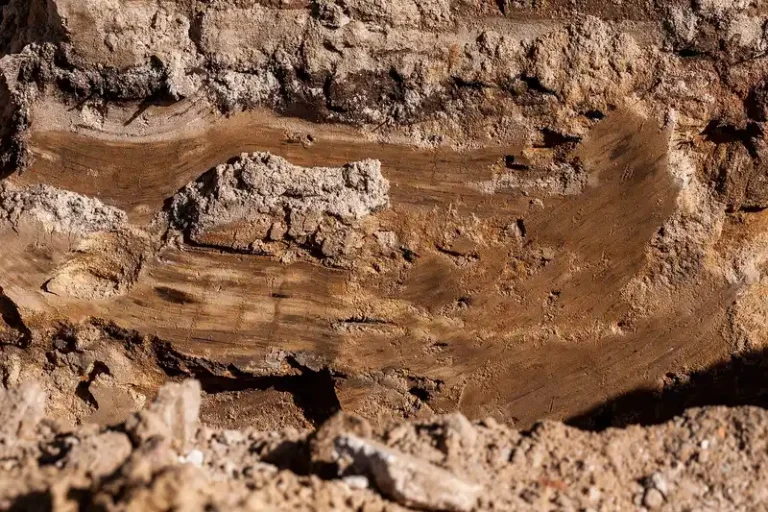
- Compacted or heavy clay soils: Impaired root penetration, drainage, and aeration. Heavy clays form dense layers, sometimes called “hardpans,” that roots cannot easily penetrate. Waterlogging is a frequent problem, and in dry seasons, these soils can become as hard as concrete.
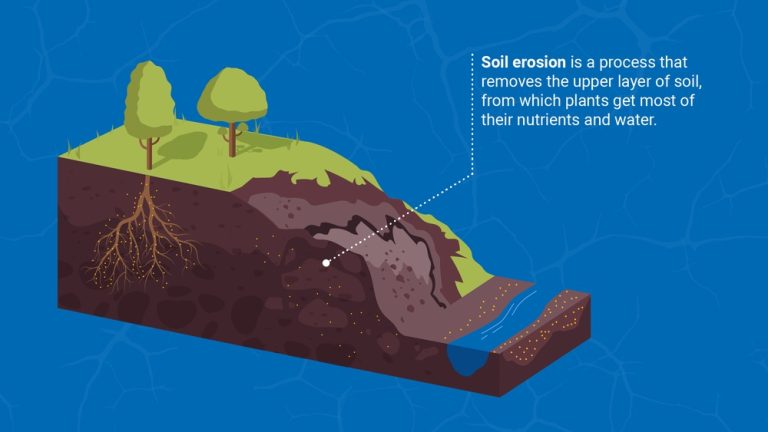
- Eroded/depleted soils: Low organic matter and fertility, often due to over-cultivation or deforestation. Topsoil loss exposes subsoil layers with poor fertility and structure, severely limiting productivity and increasing vulnerability to drought and heat.
Signs Your Soil Is Holding You Back
If you notice any of the following, your soil may be limiting your cotton yields:
- Stunted plants and poor seedling emergence, particularly in patches, often indicate underlying issues such as compaction or localized nutrient deficiencies.
- Yellowing leaves (nutrient deficiencies) can be a sign of nitrogen, iron, or magnesium shortage, often pronounced on poor soils lacking organic matter.
- Uneven growth or patchy stands may suggest variable soil fertility, salinity spots, or poor seed-to-soil contact due to cloddy or crusted surfaces.
- Waterlogging or standing water after rain is symptomatic of poor drainage, common on heavy or compacted soils, leading to root diseases and oxygen starvation.
- Hardpan layers impeding roots are often revealed when digging up plants; roots may grow horizontally rather than vertically, restricting access to deep soil moisture.
Soil Testing: The First Step To Survival
Comprehensive soil testing is non-negotiable for diagnosing problems and planning interventions. Reliable tests should measure:
- PH to identify acidity or alkalinity that can restrict nutrient uptake.
- Electrical conductivity (salinity) to assess salt levels that could impair germination and growth.
- Macro and micronutrients (N, P, K, S, Zn, B, Fe, etc. ), as deficiencies or toxicities directly impact plant health and yield.
- Organic matter content to evaluate biological activity, water retention, and structure.
- Texture and structure for understanding water movement, compaction risks, and amendment needs.
Soil tests should be taken from representative field areas at consistent depths (usually 0–15 cm for topsoil). It’s wise to sample problem spots separately to tailor interventions. Regular soil testing (every 1-2 years) provides a baseline for tracking improvements and fine-tuning your management strategies. For guidance, consult resources like the USDA NRCS Soil Health or local agricultural extension offices.
Real-world Example: Diagnosing Salinity In Texas
In the Texas High Plains, many cotton farmers contend with saline soils due to shallow groundwater and evaporation. Routine soil tests revealed EC (electrical conductivity) values above 4 dS/m—a threshold for yield loss. By mapping salty zones and adjusting their irrigation and amendment plans, several growers improved yields by 15-25%. In some cases, blending surface water with lower-salinity water and applying gypsum helped reclaim problematic patches, demonstrating the value of data-driven soil assessment.

Credit: www.sciencedirect.com
Soil Improvement Strategies For Cotton
Once you understand your soil’s constraints, the next step is targeted remediation. While perfect soil isn’t always achievable, even small improvements can make a big difference in cotton productivity.
Organic Matter: The Cornerstone Of Healthy Soil
Building organic matter is one of the most impactful—and affordable—ways to improve poor soil. Benefits include:
- Increased water-holding capacity: Soils with just a 1% increase in organic matter can hold 20,000 more gallons of water per acre, buffering against drought.
- Improved nutrient retention and cycling: Organic matter acts as a reservoir, slowly releasing nutrients as plants need them and reducing leaching losses.
- Better soil structure and aeration: Aggregates formed by decomposing organic matter create pore spaces, aiding root penetration and oxygen flow.
- Enhanced microbial activity: Diverse microbial communities help suppress disease, decompose residues, and form beneficial symbioses with cotton roots.
Key practices:
- Cover cropping: Planting off-season legumes or grasses (e.g., cowpea, rye) returns biomass and fixes nitrogen. Cover crops also suppress weeds and shield the soil from erosion and crusting.
- Compost and manure: Applying well-composted manure or crop residues can increase organic matter and nutrients. Even modest applications (5–10 tons/ha) can jump-start biological activity.
- Reduced tillage: Minimizing soil disturbance preserves structure and beneficial organisms. Techniques like strip-till or no-till keep residue on the surface, reducing erosion and promoting moisture retention.
Amending Soil Ph And Fertility
Lime application is essential for acidic soils, raising pH and unlocking nutrients. Lime also improves microbial activity and the efficiency of fertilizers. For saline or sodic soils, gypsum (calcium sulfate) can help displace sodium ions, promoting better soil aggregation and drainage.
Tailor your fertilizer program to soil test results, prioritizing:
- Balanced N-P-K: Match rates to realistic yield goals, and consider split applications to reduce losses, especially on sandy or leached soils.
- Micronutrient supplements: Zinc, boron, and iron are commonly deficient in bad soils. Foliar sprays or chelated forms can provide rapid correction.
Erosion Control And Structure Repair
Bad soils are often vulnerable to erosion—especially on slopes or after heavy rain. Key measures include:
- Contour farming: Planting across slopes reduces runoff and soil loss, protecting valuable topsoil.
- Grass waterways and buffer strips: Trap sediment and slow water flow, especially at the edges of fields.
- Deep ripping or subsoiling: Breaks up hardpans, improving root penetration and drainage. This is best done when soils are sufficiently dry to shatter compacted layers.
Additional options include:
- Terracing on steep land, though labor-intensive, can be effective for smallholder systems.
- Windbreaks using trees or shrubs can reduce wind erosion on sandy soils.
Data Table: Soil Amendment Effectiveness In Cotton
| Amendment Type | Main Benefit | Yield Increase (Typical Range) | Cost ($/acre) |
|---|---|---|---|
| Composted Manure | Organic matter & nutrients | 10-20% | 25-60 |
| Lime | Raises pH | 5-15% | 30-80 |
| Gypsum | Improves structure (sodic soils) | 8-18% | 40-100 |
| Cover Crops | Builds organic matter | 7-15% | 20-50 |
Note: Yield increases are averages from studies cited by USDA ARS and may vary widely.
Short Case Study: Cover Cropping In India
In Maharashtra, India, smallholder cotton growers who adopted cowpea cover crops saw soil organic matter increase by 0.5% in two years, with average lint yields rising from 850 to 1020 kg/ha—a 20% improvement (Source: ResearchGate). Farmers also reported improved soil tilth, easier planting, and reduced weed pressure. This demonstrates that even resource-limited growers can realize tangible gains with low-cost soil-building practices.
Credit: www.farmprogress.com
Selecting The Right Cotton Varieties
No soil improvement strategy can compensate for a mismatched variety. Choosing cotton types bred for resilience is vital to survive—and profit—from bad soils.
Traits To Look For In Tough Conditions
Prioritize varieties with:
- Drought tolerance: Essential for sandy or low-water soils. Look for traits like deep taproots, waxy leaves, and proven performance in rain-fed trials.
- Salinity tolerance: Key for sodic or saline land. Some varieties exclude sodium or maintain favorable ion balances in their tissues.
- Early maturity: Reduces risk in short or erratic seasons, allowing harvest before late-season drought or heat.
- Root vigor: Deep, robust roots exploit marginal soil layers, accessing water and nutrients missed by shallower types.
- Disease resistance: Protection against soil-borne pathogens like Fusarium and Verticillium wilts, nematodes, and blights.
Also consider fiber quality, as stress-tolerant varieties sometimes compromise on staple length or strength. Local adaptation is critical—use on-farm trials to compare options before investing at scale.
High-performing Varieties For Marginal Soils
Leading seed companies and public breeders now offer cotton cultivars specifically suited to challenging soils. Examples include:
- Deltapine 1646 B2XF: Drought tolerant, widely used in the US Southwest. It features good boll retention under stress and is often paired with conservation tillage systems.
- CIM-632: Salinity tolerant, popular in Pakistan’s Sindh region. This variety has outperformed others in fields with EC levels above 3 dS/m.
- JKC 777: Early-maturing, adopted in Central India. Its short duration allows double-cropping with wheat or chickpea and fits unpredictable monsoon patterns.
Always consult local extension agents and trial data to pick the best fit for your conditions. Participatory breeding and farmer field schools can help identify promising lines for unique microclimates.
Comparison Table: Varieties For Poor Soils
| Variety | Key Tolerance | Lint Yield Potential (kg/ha) | Recommended Region |
|---|---|---|---|
| Deltapine 1646 B2XF | Drought | 1,500-2,100 | US Southwest |
| CIM-632 | Salinity | 1,200-1,800 | Pakistan (Sindh) |
| JKC 777 | Early Maturity | 1,100-1,600 | Central India |
| Stoneville 4747GLT | Root Vigor | 1,400-1,900 | US Southeast |
Example: Drought Tolerance Pays Off In Arizona
A grower near Casa Grande, Arizona, switched from conventional cotton to Deltapine 1646 B2XF after years of water shortages. Despite only 16 inches of annual rainfall, yields improved by 22% compared to the regional average, and water use efficiency increased by 15% (see University of Arizona Extension). The new variety’s performance was particularly notable in a year with record-high temperatures, showing the value of matching genetics to environment.
Water And Irrigation Management On Poor Soils
Water management is often the single biggest constraint on cotton grown in suboptimal soils. Sandy, compacted, or saline soils each present unique challenges—but smart techniques can maximize every drop.
Efficient Irrigation For Marginal Soil
- Drip irrigation: Delivers water directly to the root zone, reducing evaporation and runoff. Particularly effective on sandy or saline soils, drip systems can reduce water use by up to 40% compared to flood methods and allow fertigation (application of fertilizer in irrigation water) for precise nutrition.
- Alternate furrow irrigation: Wetting every other row saves water and prevents waterlogging on heavy clays. This method can also reduce crusting and is suitable for sloping or irregular fields.
- Soil moisture sensors: Enable precise scheduling, avoiding both drought stress and overwatering. Simple tensiometers or advanced capacitance probes give real-time data for informed decisions.
Other practices:
- Irrigation scheduling apps help time water applications based on weather forecasts and crop growth stage.
- Night irrigation can reduce evaporation losses, especially in hot climates.
Mulching And Surface Management
Applying organic mulches (straw, compost, crop residue) or synthetic films can:
- Reduce evaporation losses by 20-40%
- Moderate soil temperature extremes, protecting roots from heat spikes or cold snaps
- Suppress weed competition, reducing input costs and labor
Mulching is especially valuable on sandy or degraded soils, where surface sealing and crusting are common. In addition, organic mulches slowly decompose, adding to soil organic matter and improving structure.
Addressing Waterlogging And Drainage
Poorly drained soils can devastate cotton. Solutions include:
- Raised beds/ridges: Elevate roots above saturated layers, improving early season vigor and reducing disease risk.
- Tile drainage: Used in heavy clays (where feasible), tile drains lower the water table and speed drying after rain.
- Deep ripping: Improves infiltration and breaks up compaction, though it should be done with care to avoid bringing up saline subsoil.
In regions with high rainfall, combining surface drains with in-field water harvesting structures can help manage excess water and provide supplemental irrigation during dry spells.
Data Table: Water Use Efficiency In Cotton
| Irrigation Method | Water Use (m³/ha) | Lint Yield (kg/ha) | Water Use Efficiency (kg/m³) |
|---|---|---|---|
| Flood Irrigation | 7,800 | 1,500 | 0.19 |
| Furrow Irrigation | 6,100 | 1,450 | 0.24 |
| Drip Irrigation | 4,800 | 1,700 | 0.35 |
| Mulched Drip | 4,200 | 1,800 | 0.43 |
Source:ScienceDirect
Case Study: Mulching In Uzbekistan
Facing declining yields due to sandy, saline soils, farmers in Karakalpakstan, Uzbekistan, began using straw mulches with drip irrigation. Over three seasons, average lint yields rose from 1,050 to 1,420 kg/ha, while irrigation needs dropped by 30%. Farmers also observed lower soil surface temperatures and improved seedling establishment, leading to more uniform stands.
Crop Rotation And Intercropping For Soil Recovery
Monoculture cotton exacerbates bad soil problems. Diversifying your cropping system can restore fertility, break pest cycles, and stabilize yields—even on poor land.
Rotational Strategies That Work
- Legume rotation: Alternating cotton with pulses (soybean, cowpea, mung bean) boosts nitrogen and breaks disease cycles. Legumes leave behind nitrogen-rich residues, reducing fertilizer needs for subsequent cotton.
- Cereal rotation: Adding wheat or sorghum helps manage nematodes and deepens rooting. Cereal crops also provide ground cover during the off-season, limiting erosion.
- Fallow periods: Short (1-year) fallows with cover crops rebuild soil organic matter. Managed fallows (with regular weeding or grazing) are more productive than bare fallows.
Intercropping For Resilience
Growing cotton alongside compatible crops (e.g., peanut, sesame, or pigeon pea) can:
- Increase total biomass and ground cover, reducing erosion and weed invasion.
- Provide supplemental income from intercrops, buffering against cotton price swings.
- Enhance biodiversity, which supports pest predators and beneficial insects.
Intercropping also spreads labor demands and may allow for more efficient use of irrigation and fertilizer.
Real-world Example: Intercropping In Burkina Faso
Smallholder farmers in Burkina Faso adopted cotton-pigeon pea intercropping on degraded soils. After three years, they reported:
- 18% higher cotton yields, attributed to improved soil fertility and reduced pest damage.
- 23% reduction in fertilizer needs, as pigeon pea residues contributed nitrogen.
- Improved household food security, as pigeon pea provided both food and fodder.
Such systems demonstrate the potential for ecological intensification—doing more with less by harnessing crop interactions.
Bullet List: Best Rotation/intercrop Partners For Cotton On Bad Soils
- Cowpea: Nitrogen fixation, short season; fast ground cover prevents erosion.
- Pigeon pea: Deep roots, drought tolerance; breaks up hardpans and brings up nutrients.
- Sesame: Low nutrient demand, weed suppression; fits well in dry, marginal zones.
- Sorghum: Erosion control, nematode reduction; can be grown with minimal inputs.
Maximizing Rotation Benefits
- Use residue incorporation to return biomass to the soil and enhance organic matter.
- Monitor for pest and disease shifts with each new crop; rotation can break cycles but may introduce new challenges.
- Adjust fertilizer rates to reflect legume contributions and reduce input costs.
Precision Agriculture: Leveraging Technology For Marginal Land
Recent advances in precision agriculture are transforming how cotton is farmed on bad soils. Even small investments in tech can deliver outsized returns when resources are limited.
Soil Mapping And Variable Rate Technology
- Grid soil sampling: Identifies variability in pH, nutrients, and texture at a fine scale, allowing for targeted interventions.
- Variable rate application: Fertilizers and amendments applied only where needed, reducing waste and cost. This approach is especially valuable on fields with patchy degradation, where “hot spots” of deficiency can be corrected without over-applying elsewhere.
Remote Sensing And Drones
- Satellite or drone imagery: Detects crop stress, waterlogging, or nutrient deficiencies in real time. Frequent overflights allow rapid response to emerging problems, reducing yield loss.
- NDVI mapping: Highlights areas of poor growth for targeted intervention. NDVI (Normalized Difference Vegetation Index) is a simple measure of plant vigor that correlates well with yield potential.
Decision Support Tools
- Mobile apps: Track weather, irrigation needs, and pest alerts. Many apps now integrate with field sensors for real-time recommendations.
- Yield monitors: Help pinpoint consistently poor areas for remediation, guiding future soil improvement investments.
Short Example: Smallholder Tech Adoption In Brazil
In the Bahia region, groups of small farmers pooled resources to rent drone imaging services for midseason scouting. As a result, they detected potassium deficiency in a low-lying field and were able to spot-treat, salvaging 10% of the expected crop loss. This collaborative approach reduced costs and allowed rapid scaling of technology that would otherwise be unaffordable.
External Resources For Precision Ag
Managing Pests, Diseases, And Weeds On Poor Soils
Bad soils often exacerbate pest and disease problems, as stressed plants are less able to resist attack. Integrated pest management (IPM) is crucial for sustaining yields.
Common Problems On Marginal Cotton Land
- Root-knot nematodes: Thrive in sandy, low-organic matter soils. Infestations can reduce root function and yield by 30% or more.
- Verticillium and Fusarium wilts: More severe in stressed plants. These fungi clog vascular tissue, causing wilting and premature death.
- Weed invasions: Poor stands allow aggressive weeds to dominate, increasing competition for light, water, and nutrients. Weeds like pigweed and Johnson grass can quickly overtake thin cotton stands on poor soil.
Practical Ipm Tactics
- Resistant varieties: Choose cultivars with nematode, wilt, or insect resistance. Use certified seed to reduce disease introduction.
- Biological controls: Encourage beneficial insects and soil microbes. For example, releasing Trichoderma fungi can suppress soil-borne pathogens, while cover crops attract predatory beetles and parasitic wasps.
- Cultural practices: Timely weeding, residue management, and crop rotation. Early weed control is especially critical on poor soils, where competition is most damaging.
- Targeted chemical use: Only when thresholds are exceeded. Rotate modes of action to avoid resistance and minimize non-target effects.
Table: Integrated Approaches For Key Challenges
| Problem | Key Strategy | Expected Yield Protection (%) |
|---|---|---|
| Nematodes | Resistant varieties, crop rotation | 20-40% |
| Fusarium wilt | Soil amendments, resistant seed | 15-35% |
| Weeds | Mulching, timely cultivation | 10-25% |
Example: Ipm Success In West Africa
Farmers in Benin who adopted IPM (resistant seeds + cover crops + biocontrol) on marginal soils cut pesticide use by 30% and increased net income by 17% over three seasons (CABI). Reduced pesticide use also improved beneficial insect populations and reduced health risks to farm families.
Economic Survival: Inputs, Markets, And Risk Management
Surviving cotton farming on poor soil isn’t just about agronomy—it’s also about smart economics. Managing inputs, accessing markets, and reducing risk are as vital as what you do in the field.
Input Cost Management
- Bulk purchasing: Cooperatives or farmer groups can negotiate better prices on seed, fertilizer, and amendments. Sharing transportation and storage further reduces costs.
- Prioritize ROI: Invest in amendments and practices with the highest return per dollar (see soil amendment table above). Avoid low-impact inputs when budgets are tight.
- Reduce waste: Use precision tools and record-keeping to avoid over-application. Regular field walks and visual crop assessments can catch problems early and reduce unnecessary treatments.
Market Access And Value Addition
- Diversified marketing: Sell both cotton lint and by-products (seed, stalks) where possible. Cottonseed oil, cake, and stalks for fuel or fiber can boost total returns.
- Quality premiums: Improved practices can boost fiber quality—target premium markets. Some gins and traders offer bonuses for longer staple, better color, or sustainable practices.
- Certification programs: Organic or sustainable cotton schemes may pay more for resilient, low-input production. See Better Cotton Initiative. Participation may also open doors to technical assistance, microfinance, or group marketing.
Insurance And Financial Risk Tools
- Crop insurance: Shields against catastrophic loss from drought, flood, or pest outbreaks. Index-based insurance (linked to rainfall or yield levels) is becoming more available in developing countries.
- Forward contracts: Lock in prices to reduce market volatility risk. Some producer organizations offer group contracting to improve bargaining power.
Financial literacy and business planning are as important as agronomic skills for long-term survival. Keep accurate records, review input-output ratios annually, and seek out extension support for marketing and risk management.
Case Study: Cooperative Input Savings In Mali
A cotton farmers’ cooperative in Sikasso, Mali, negotiated a 15% discount on bulk fertilizer purchases and pooled funds for a community compost project. Over four years, average yields rose by 18%, and collective income increased by 22%. Members also reported improved resilience to drought, as compost-amended fields stayed green longer during dry spells.
Frequently Asked Questions
What Are The Best Soil Amendments For Cotton On Degraded Soils?
Composted manure, lime, gypsum, and cover crops are among the most effective amendments. Manure and compost boost organic matter and fertility, lime corrects acidity, and gypsum improves structure on sodic soils. Always base amendment rates on soil test results. The combination of organic matter and correct pH adjustment often delivers the greatest long-term improvement.
Can Cotton Be Grown Profitably On Sandy Soils?
Yes, but it requires specific management: drought-tolerant varieties, frequent light irrigation (preferably drip), organic matter additions, and careful fertilization. Mulching and cover cropping are also crucial for maintaining moisture and reducing erosion. Avoiding deep tillage helps maintain any structure present.
How Do I Choose The Right Cotton Variety For Poor Soil?
Focus on traits matched to your soil’s main problem (e.g., drought, salinity, early maturity). Consult local trial data, extension agents, and seed company recommendations. Prioritize varieties with proven yields on marginal land. Field days and demonstration plots can provide valuable hands-on comparisons.
What Are The Risks Of Using Too Much Fertilizer On Bad Soil?
Over-fertilizing can waste money, pollute groundwater, and harm crops (e.g., salt buildup, nutrient imbalances). Poor soils often require precise, site-specific fertilization—always follow soil test recommendations and monitor plant responses. Salt-sensitive soils are especially prone to “fertilizer burn” if rates are too high.
How Can I Access Technical Support For Cotton Farming On Bad Soil?
Contact your local extension service, agricultural university, or farmer cooperative. Many organizations offer field visits, testing services, and training. Online resources like the CottonInfo portal also provide region-specific guidance. Participating in farmer field schools and on-farm research projects can also build skills and networks for long-term success.
Surviving—and even thriving—when farming cotton on bad soil is a testament to resilience, innovation, and adaptability. By investing in soil health, choosing resilient varieties, leveraging precision tools, and collaborating with other growers, you can overcome the odds. Bad soil does not have to mean bad business; with the right strategies, your cotton farm can be productive, profitable, and sustainable for years to come.