How Deep Should Good Garden Soil Be?
As a common rule of thumb, many garden soils should be about 12 inches deep for flowers and many vegetables, around 18 inches for deeper-rooted crops and shrubs, and about 24 inches or more for trees, large shrubs, and containers that need real root room. Shallow soil cuts root space, dries fast, and wastes money on fill. This guide shows how to match soil depth to plant type, bed type, and site limits.
Garden soil depth matrix


Soil depth is not one number for every bed. Topsoil is the upper layer where most cultivated roots grow, while subsoil sits below it and can slow roots if it is compacted, rocky, or wet. The right target depends on the plant’s root depth, the bed layout, and what lies underneath.
Use the table below to match common garden uses to a practical minimum depth. The second column shows what usually goes wrong when the soil is too shallow.
| Garden use | Minimum recommended depth | If too shallow, what fails |
|---|---|---|
| Salad greens and lettuce | 6 to 8 inches | Roots crowd the base, plants dry out fast, and growth stays small. |
| Herbs and bedding annuals | 8 to 12 inches | Plants lean, watering becomes frequent, and stems stall early. |
| Peppers and bush beans | 12 to 18 inches | Yield drops, roots heat up fast, and the bed loses moisture quickly. |
| Tomatoes and root crops | 24 to 36 inches | Roots hit a hard stop, fruiting suffers, and carrots or beets fork or stay short. |
| Perennials | 12 to 18 inches | Crowns sit too high, winter stress rises, and plants recover slowly. |
| Shrubs | 18 to 24 inches | Establishment slows and drought stress shows up sooner. |
| Containers | Crop-specific; often 8 to 24+ inches | Pot-bound roots, fast drying, and weak top growth. |
Most vegetables grow well in the top 6 to 12 inches of soil, but some crops need 24+ inches. Tomatoes need about 24 to 36 inches of depth. Lettuce can grow in a much shallower space. Root depth by crop matters more in containers and raised beds than it does in open ground, where roots can often move into native soil.
How deep should vegetables be planted?
For vegetables, aim for at least 12 inches of workable soil for most crops, then move to 18 inches or more for deeper-rooted plants. Shallow-rooted greens can manage less, but the bed still needs enough depth to hold moisture and keep roots from hitting compacted soil too soon.
Shallow crops: salad greens and herbs
Lettuce, spinach, and many herbs can grow in a shallow bed because their root systems stay near the surface. Six to eight inches can work for these crops, but shallow soil dries faster and needs more frequent watering. That is the main tradeoff.
A common mistake is building a 6-inch bed for every crop. That may work for lettuce in spring, then fail badly for basil, peppers, or anything that needs steady moisture and more room below the crown.
Medium crops: peppers and bush beans
Peppers and bush beans do better with 12 to 18 inches of soil. That range gives roots enough room to anchor the plant and buffer heat and dryness. In a short bed, these crops often stay alive but produce less.
Deep crops: tomatoes, carrots, and other root crops
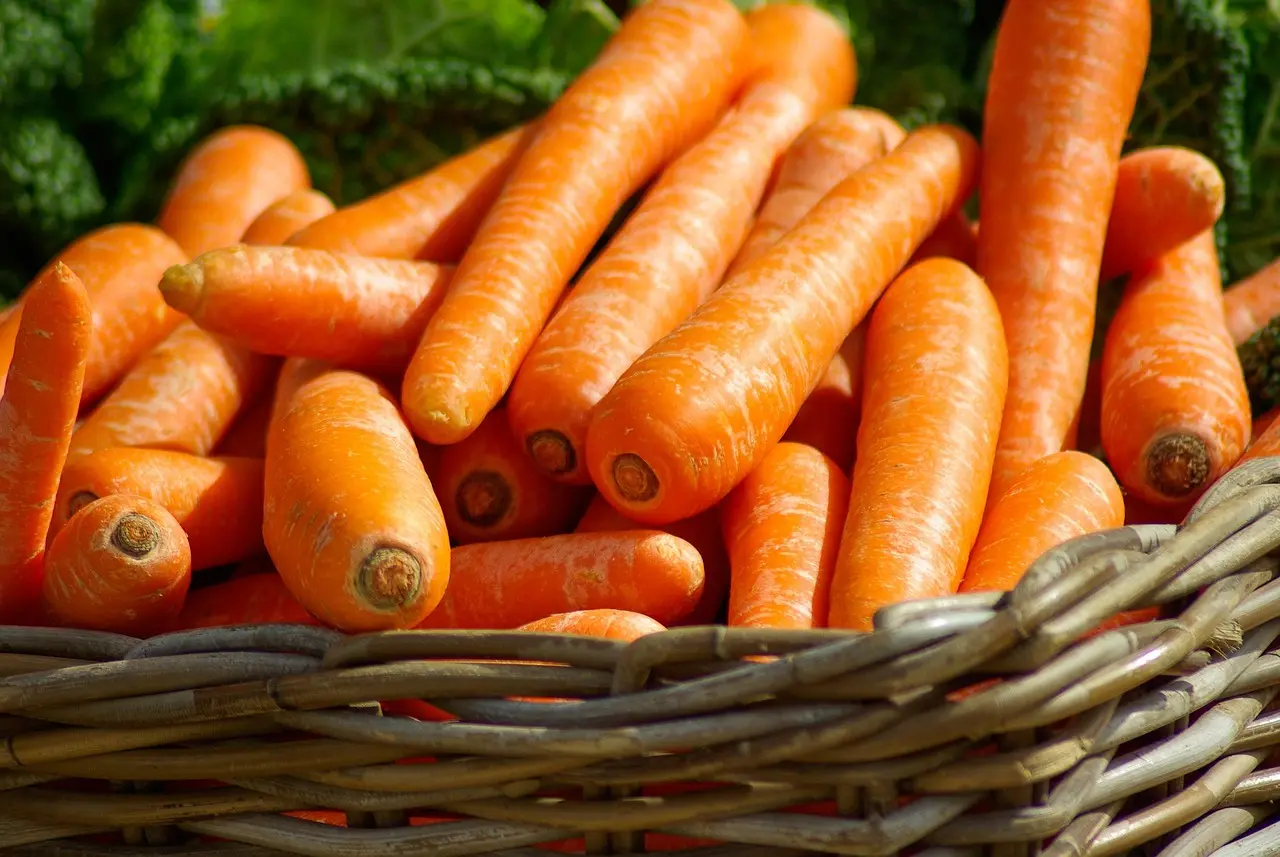
Tomatoes need about 24 to 36 inches of depth. Carrots, beets, and other root crops also need loose, stone-free depth so the edible root can move straight down. If the soil turns hard halfway down, the crop may fork, twist, or stop early.
Suppose you want carrots in a raised bed that sits on concrete. An 8-inch fill layer will let the tops grow, but the roots will hit the base fast. A 24-inch bed or a deeper container is the better choice.
How deep should raised beds be?
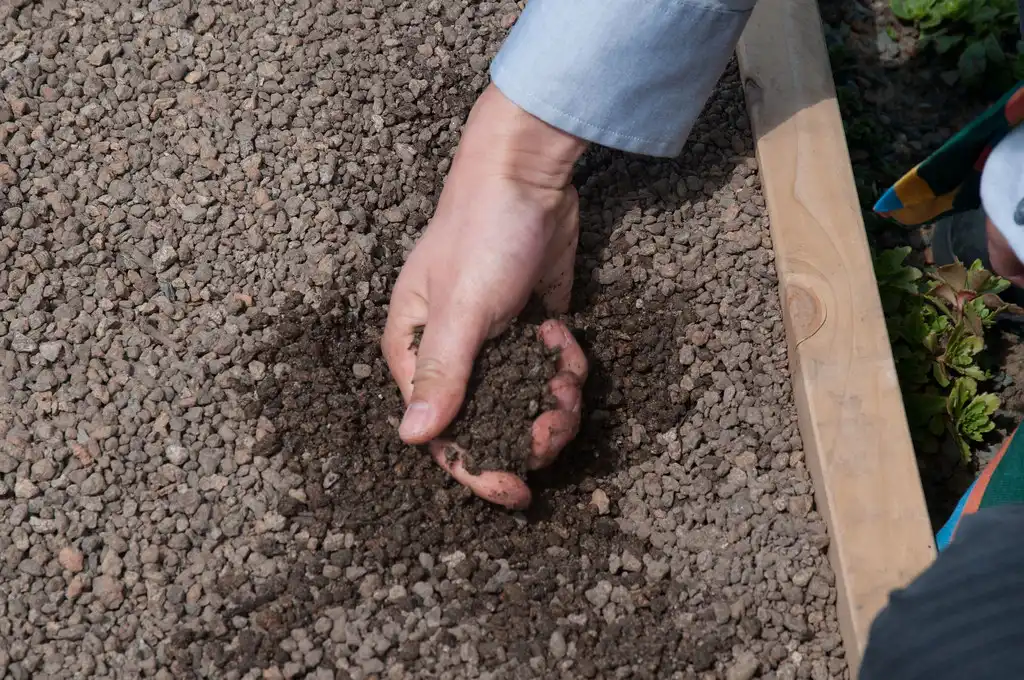
A standard height for a raised bed is about 10 to 12 inches, and that works for many flowers, herbs, and shallow vegetables. The ideal raised bed height depends on what you are growing. Deeper beds help when crops need more root room, the site drains poorly, or the native soil below is weak.
When 10 to 12 inches is enough
Ten to 12 inches is often enough for annual flowers, lettuce, herbs, and other shallow-rooted crops. That depth also keeps soil easier to fill and manage. If the bed is open at the bottom and the soil underneath is friable, the real rooting zone can extend beyond the bed height.
When 18 to 24 inches helps
Choose 18 to 24 inches when you want better drought buffering, easier access, or room for crops with deeper roots. This is especially useful for tomatoes, root crops, and beds built over poor native soil. Deeper beds also help if the top layer is thin and the subsoil is slow to drain.
Why open-bottom beds can use native soil below
Raised beds are open at the bottom. That means roots can move into the ground below if the native soil is loose and well drained. If the soil underneath is friable, the depth doesn’t matter as much. If it is compacted, rocky, or soggy, the bed height matters far more.
Picture a 12-inch open-bottom bed over decent loam. The planted soil may be only 12 inches deep, but roots can keep going. Put the same bed over hardpan, and the roots may behave as if the bed were much shallower.
How deep should flower beds and borders be?
Most flower beds do well with 12 inches of soil, but perennials and shrubs often need more. Annuals can stay in the shallower range, while larger plants benefit from 18 inches or more. The more mass the plant builds above ground, the more root room it usually needs below.
Annuals and bedding plants
Annuals and bedding plants usually fit well in 8 to 12 inches. That gives enough room for root spread without buying extra fill you do not need. Keep the soil loose and even, because shallow beds dry quickly in sun and wind.
Perennials with deeper crowns
Perennials often need 12 to 18 inches, especially when the planting area is exposed or the soil dries fast. The goal is not only depth, but also stable moisture and decent drainage around the crown. Shallow soil can leave perennials stressed after each hot spell.
Shrubs that need more root room
Shrubs usually perform better with 18 to 24 inches of workable soil. They need room for spreading roots and steady moisture during establishment. If the site has a thin topsoil layer over compacted subsoil, consider adding a deeper bed or building up the planting area.
What limits root depth on problem sites?
Depth is limited by more than bed height. Compaction, hardpan, rocks, tree roots, and poor drainage can stop roots even when the soil looks deep from above. Subsoil is the lower layer below topsoil, and if it is tight or wet, roots may stop there instead of spreading downward.
Compaction and hardpan
Clay soil drains slowly and can become hard and compacted when dry. Dense subsoil can act like a floor under your planting area. Tilling the surface may help the top few inches, but it will not fix a hard layer below that.
Do not assume compost alone solves a tight base. Compost helps structure and nutrient supply, but it cannot turn compacted subsoil into good rooting space overnight.
Rocks, tree roots, and poor drainage
Rocks and buried roots shorten the effective depth even if the measured soil looks deep. Poor drainage creates the same problem from the other direction: roots may have space, but they cannot use it if the zone stays wet and air-poor. These sites often need taller beds, not just more mixing.
How subsoil changes the depth target
If the subsoil is loose and drains well, root depth can extend beyond the visible topsoil. If it is dense or waterlogged, use the subsoil as the limit, not the promise. In that case, a taller bed or container gives you a cleaner result than trying to force roots through a bad layer.
How do you check existing soil depth?
Check the soil before you buy fill or pick a bed height. You need to know how much usable topsoil is already there and what sits below it. A simple probe and dig test can tell you whether you are working with open, friable soil or with a shallow layer over a problem base.
Simple probe and dig test
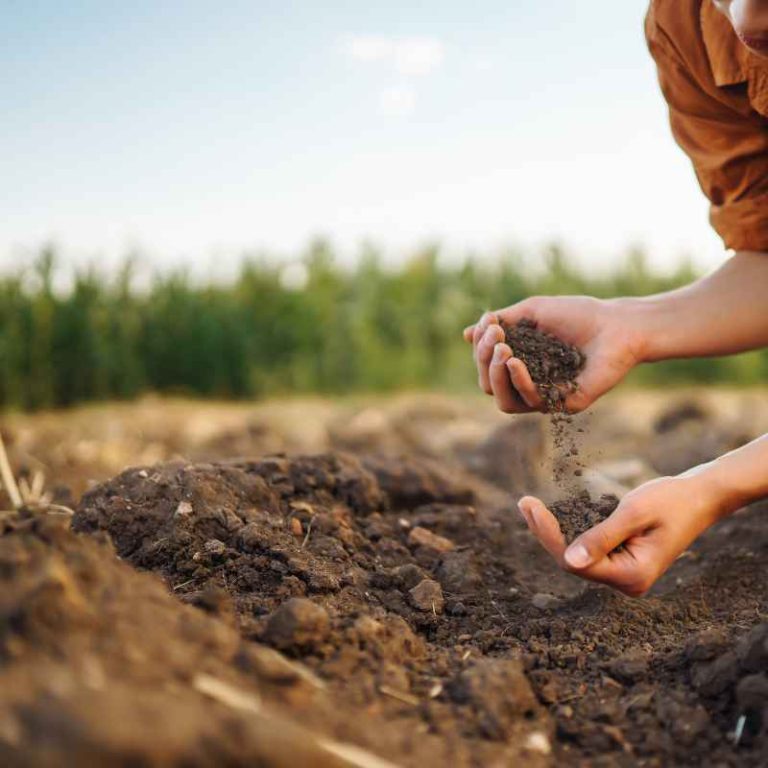
Push a shovel, trowel, or metal rod into the planting area in several spots. Note where resistance starts. Then dig a small hole and look at the layers. If the top layer is dark and crumbly, that is topsoil. If the layer below is pale, dense, rocky, or sticky, that is subsoil.
- Check at least three spots in the bed area.
- Measure the depth to the first hard layer or major obstacle.
- Look for rocks, roots, or standing water in the hole.
- Compare the result to the crop depth you need.
- Stop adding fill if native soil below is already loose and usable.
Reading topsoil versus subsoil
Topsoil is usually darker and more active biologically. Subsoil often looks lighter, denser, and less crumbly. The line between them matters because most cultivated roots live in the upper layer, but subsoil quality decides whether deeper rooting is possible.
When to stop and build up instead
If you hit rock, hardpan, persistent wet soil, or a tangle of tree roots, stop digging deeper and build up. Adding more depth above the problem is often more practical than trying to correct the base in place. That is especially true for bed-on-patio setups and sites with shallow native soil.
When should you add soil, compost, or loosen the base?
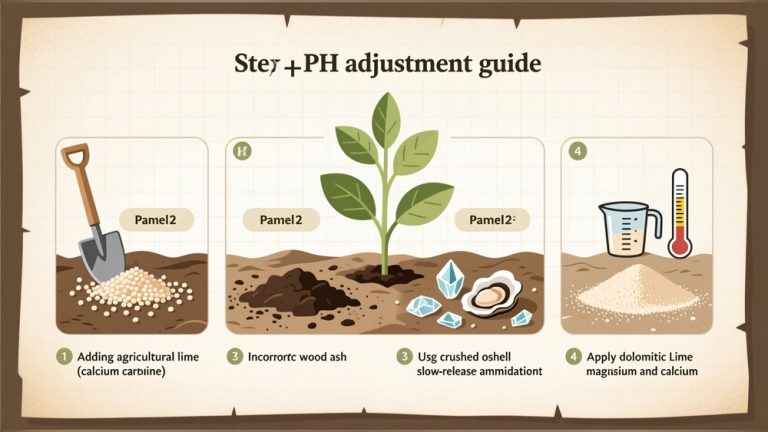
Add soil when the bed is genuinely too shallow for the crop. Add compost when you need better structure, water holding in sand, or better aeration and friability in clay. Loosen the base only when the underlying soil is actually workable; do not use tilling as a fix for rocks, hardpan, or severe drainage limits.
Adding fill for shallow topsoil
If your site has only a thin topsoil layer, adding fill can make sense. Match the added depth to the crop. For example, salad greens need less than tomatoes, and shrubs need more than annual flowers. The point is to match root space, not to pile on extra material without a plan.
Using compost to improve structure
Compost is a common organic amendment used to improve soil structure and nutrient supply. Organic matter improves water-holding in sand, improves aeration and friability in clay, and feeds soil organisms. That said, compost is a helper, not a substitute for missing depth.
When containers or taller beds make more sense
Choose containers or taller raised beds when the site has shallow topsoil, dense subsoil, rocks, or poor drainage that would cap root growth. Most plants prefer slightly acidic soils with a pH of 6 to 7, and large departures from that range can reduce nutrient availability. Loam is the ideal soil for most plants, but even good texture cannot make up for a bed that is too shallow.
Frequently asked questions
How deep should garden soil be for vegetables?
Most vegetables do well in 12 inches of soil, and many grow well in the top 6 to 12 inches. Deep-rooted crops need more. Tomatoes need about 24 to 36 inches, and root crops do best when the soil stays loose and stone-free below the surface.
How deep should garden soil be for flower beds?
For flower beds, 12 inches works for many annuals, while perennials and shrubs often need 18 inches or more. The main issue is whether roots can spread without hitting compacted subsoil, rocks, or wet layers that cut off oxygen and slow growth.
How deep should raised garden soil be?
A standard raised bed height is about 10 to 12 inches, which suits many shallow-rooted plants. If you are growing tomatoes, root crops, or shrubs, taller beds often make more sense. Open-bottom beds can also root into good native soil below.
How much garden soil do I need?
Measure length, width, and target depth, then multiply those three numbers to get volume. Use the crop’s minimum depth, not a guess. A lettuce bed needs far less fill than a tomato bed, and shallow native soil may let you reduce how much you add.
How deep should garden soil be tilled?
Till only as deep as the soil is workable and loose enough to benefit from mixing. Tilling does not fix rocks, hardpan, or poor drainage below the tilled zone. For those problems, build above the bad layer or switch to a bed system that gives roots usable depth.
How deep should potting soil be in containers?
Container depth should match the crop. Lettuce and herbs can work in shallow containers, while tomatoes and many root crops need much deeper pots. A shallow container dries fast and limits roots quickly, so choose the deepest pot that fits the plant’s root system.