How to Get Rid of Fruit Flies in Houseplant Soil for Good
Fruit flies buzzing around your beloved houseplants can quickly turn your indoor oasis into a source of frustration. These tiny insects seem to appear out of nowhere, hovering over your foliage and multiplying in the soil . Not only are they a nuisance, but persistent infestations can also signal deeper issues with plant health and soil care.
For plant lovers, understanding how to eliminate fruit flies from houseplant soil—and keep them away for good—is crucial for maintaining a healthy, pest-free indoor environment.
This comprehensive guide will equip you with everything you need to identify, eliminate, and prevent fruit flies in houseplant soil. We’ll dive into the science behind infestations, effective eradication methods, long-term prevention strategies, and real-world examples. With expert tips, actionable advice, and data-driven comparisons, you’ll be empowered to protect your plants and reclaim your indoor space from these persistent pests.
Key Takeaways
- Fruit flies in houseplant soil are typically fungus gnats, which thrive in moist, organic-rich conditions.
- Eliminating fruit flies requires a multi-step approach: Identification, eradication, and prevention.
- Natural remedies, traps, and soil management are highly effective; chemical solutions are a last resort.
- Regular monitoring and proper plant care are key to keeping your home pest-free long-term.
- Understanding the life cycle of fungus gnats helps target every stage and prevent re-infestation.

Credit: www.thespruce.com
Understanding Fruit Flies In Houseplant Soil
Fruit flies found in houseplant soil are almost always fungus gnats—not the same as the fruit flies that swarm over-ripe produce. It’s vital to distinguish between these pests to apply the right control methods.
The Biology Of Fungus Gnats
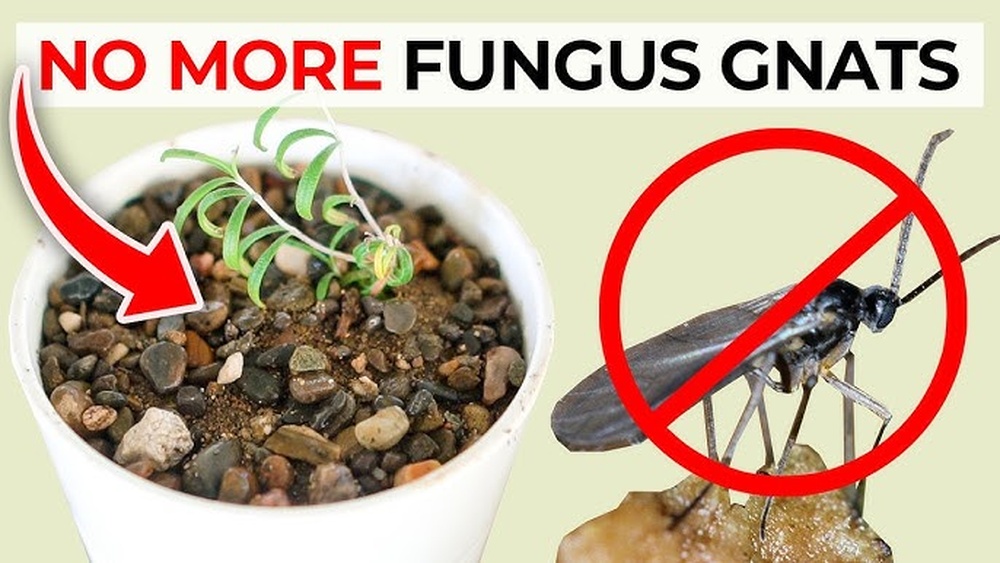
Fungus gnats (family Sciaridae) are tiny, dark-colored flies (1.5–3 mm long) with long legs and antennae. Adults are weak fliers and are often seen walking on the soil or foliage. Their larvae, which are white and thread-like with black heads, feed on organic matter and fungi in moist soil. In severe infestations, larvae may damage plant roots, stunting growth and increasing susceptibility to disease.
Fungus gnats go through four main life stages: egg, larva, pupa, and adult. Eggs are laid in clusters in moist soil, where they hatch within days. The larval stage, which does the most damage, can last up to two weeks, and larvae can number in the hundreds in a single pot. After pupating, adults emerge to repeat the cycle. The entire lifecycle can be as short as three to four weeks under optimal indoor conditions.
Understanding this lifecycle is crucial, as it informs the timing and frequency of control measures. Targeting only adults will not be sufficient if larvae are left to mature in the soil, and vice versa.
How Infestations Start
Most fungus gnat infestations begin when:
- Potting soil is too wet or contains decaying organic material.
- Overwatering creates persistently damp conditions.
- New plants or contaminated soil are introduced.
Gnats are attracted to the smell of damp, organic-rich soil, where females lay up to 300 eggs at a time. Within 3–4 days, larvae hatch and feed for about two weeks before pupating and emerging as adults.
Infestations can also be inadvertently introduced by bringing home new plants from nurseries or garden centers. Even a single gnat can lay enough eggs to seed a significant problem. Additionally, using old, unsterilized potting mix, or compost that hasn’t been properly processed, can introduce gnat eggs or larvae into your indoor garden.
Why They’re A Problem
While adult gnats are mostly a nuisance, larvae can harm plant health by feeding on root hairs and transmitting plant pathogens. This is especially problematic for seedlings and sensitive species.
Over time, the damage from larvae can lead to root rot, stunt plant growth, and make the plant more susceptible to other pests and diseases. Young plants, cuttings, and slow-growing species are particularly vulnerable, as their root systems are easily overwhelmed by larval feeding.
Real-world Example: Rapid Infestation
A Boston-based plant enthusiast noticed a few tiny flies around her peace lily after watering. Within a week, dozens were swarming the pot, and the plant began to wilt. Investigation revealed soggy soil and white larvae. Overwatering and dense potting mix had created an ideal breeding ground.
Even after the initial adult gnats were removed, the infestation recurred because the larvae in the soil were not addressed. Only after adopting a multi-step approach—drying the soil, using sticky traps, and applying BTi—did the problem resolve.
How To Identify Fruit Flies In Houseplant Soil
Correct identification is the first step toward effective eradication. Misidentifying pests can lead to wasted time and resources.
Visual Differences: Fungus Gnats Vs. True Fruit Flies
| Feature | Fungus Gnats | Fruit Flies |
|---|---|---|
| Size | 1.5–3 mm | 2–4 mm |
| Color | Dark gray or black | Tan/yellow with red eyes |
| Flight Pattern | Weak, short flights | Hovering, agile |
| Location | Soil and plant pots | Near fruit/food |
| Larvae | White, worm-like | Cream, maggot-like |
Knowing how to tell these pests apart ensures you’re using the right treatment. Fungus gnats are usually spotted crawling on the soil surface or resting on the lower leaves, while true fruit flies are more likely to be found hovering near fruit bowls or garbage bins.
Signs Of Infestation
- Adult gnats crawling on soil or leaves
- Tiny larvae visible when soil is disturbed
- Plants showing signs of stress: Wilting, yellowing, or stunted growth
- Increased pest activity after watering
You may notice a sudden uptick in flying insects after a heavy watering or if you’ve recently added compost or organic matter to your pots. Larvae are often most visible when you gently dig into the top layer of soil or when using the potato slice test (detailed below).
Confirming The Presence
Try the potato slice test: Place a raw potato slice on the soil surface for 24–48 hours. If you see small, translucent larvae on the underside, you have fungus gnats.
This simple trick works because fungus gnat larvae are attracted to the potato’s moisture and starch, congregating for easy identification. You can also try using a magnifying glass to inspect the soil for moving larvae, especially near the base of stems or in soil crevices.
Case Study: The Potato Trap
A home gardener in Seattle suspected fungus gnats but wasn’t sure. After placing a potato slice on her monstera’s soil, she discovered larvae feeding on the underside—confirming the infestation and informing her next steps.
This straightforward test helped her avoid unnecessary chemical treatments and target the root of the problem directly, leading to a quick resolution of the infestation.
Credit: loveofdirt.com.au
Eradication: How To Get Rid Of Fruit Flies In Houseplant Soil
Eliminating fungus gnats requires targeting both adults and larvae. Integrated pest management combines multiple tactics for best results.
Step 1: Remove Adult Flies
Sticky Traps
Yellow sticky traps are highly effective at capturing adult gnats. Place them just above the soil or attach to plant stems. Change traps every 1–2 weeks or when covered.
Sticky traps use color and scent to lure gnats, helping reduce the adult population quickly. They’re also a useful monitoring tool, allowing you to track the effectiveness of your other control efforts.
Homemade Vinegar Traps
Set shallow dishes with apple cider vinegar and a drop of dish soap near infested plants. The scent lures adults, and the soap breaks surface tension, causing them to drown.
These traps are inexpensive and easy to make at home. For added effectiveness, cover the dish with plastic wrap and poke small holes for gnats to enter. This can prevent spills and keep pets out of the solution.
Step 2: Target Larvae In The Soil
Let Soil Dry Out
Fungus gnat larvae require moist conditions. Allow the top 1–2 inches of soil to dry before watering. This interrupts the life cycle and kills larvae.
If you’re worried about under-watering, remember that most houseplants tolerate a dry period between waterings—and this is one of the most effective ways to break the gnat cycle.
Bottom Watering
Water plants from the base rather than the top, keeping the upper soil layer drier and less hospitable to gnats.
Bottom watering also encourages roots to grow deeper and stronger. Use a saucer under the pot and allow the plant to absorb water for 30 minutes, then discard any excess.
Soil Top Dressings
Add a ½-inch layer of horticultural sand or fine gravel on top of the soil. This creates a physical barrier, preventing adult gnats from laying eggs and deterring larvae.
Sand and gravel dry quickly and make it difficult for larvae to move through the soil surface. Avoid using organic mulches, which can trap moisture and provide more food for gnats.
Biological Controls
- Bacillus thuringiensis israelensis (BTi): A beneficial bacterium, often sold as mosquito dunks, kills larvae but is harmless to plants and pets. Crumble and sprinkle on the soil, then water in.
- Nematodes: Predatory nematodes (e.g., Steinernema feltiae) can be mixed with water and applied to soil, where they infect and kill gnat larvae.
Biological controls are especially helpful for persistent infestations or for those with large plant collections. Both BTi and nematodes target larvae specifically, providing a long-term solution with minimal risk to plants and pets.
Natural Soil Treatments
- Hydrogen peroxide solution: Mix 1 part 3% hydrogen peroxide with 4 parts water. Soak the soil; the solution kills larvae on contact and quickly breaks down into harmless water and oxygen.
- Cinnamon powder: A natural fungicide, cinnamon can inhibit fungal growth, reducing food sources for larvae. Sprinkle on soil surface.
Hydrogen peroxide is a fast-acting, accessible remedy, but should not be overused as it can affect soil microbiota. Cinnamon is best used as a supplemental measure, especially in combination with other controls.
Step 3: Repotting Severely Infested Plants
If populations persist after multiple treatments, consider repotting:
- Gently remove the plant and shake off old soil.
- Rinse roots under lukewarm water.
- Discard old soil (do not reuse) and wash the pot with soap and water.
- Replant in fresh, sterile potting mix.
Repotting gives you a clean slate and removes both larvae and eggs from the environment. Always use high-quality, sterile potting soil to reduce the risk of re-infestation.
Step 4: Vacuum And Clean Surroundings
Vacuum adult gnats from windowsills and nearby surfaces. Clean up decaying plant matter and spilled soil to remove breeding sites.
Regularly wiping down surfaces and keeping the area around your plants tidy can greatly reduce the number of adult gnats and the risk of reinfestation. Remember to empty vacuum bags or canisters outside immediately, as they can harbor eggs or adults.
Step 5: Monitor And Repeat As Needed
Continue using sticky traps and soil treatments for several weeks, as new gnats may emerge from hidden eggs or larvae.
Patience is key. Even after adult gnats seem to disappear, keep monitoring for signs of larvae and maintain preventive measures for at least a month to ensure all stages of the lifecycle are disrupted.
Real-world Example: Multi-plant Infestation
An office in Houston with 15 potted plants suffered a severe gnat outbreak. By combining sticky traps, bottom watering, and BTi treatments, the infestation was under control within three weeks—with no harm to plants or people.
This case demonstrates the importance of using multiple strategies in tandem, especially in environments with a high density of plants.

Credit: www.youtube.com
Prevention: Keeping Fruit Flies Out Of Houseplant Soil For Good
Long-term prevention is essential for keeping your houseplants healthy and your home fly-free. Preventative strategies focus on moisture control, proper soil management, and ongoing vigilance.
Watering Best Practices
- Water only when needed: Check soil moisture with your finger or a moisture meter before watering.
- Drainage: Ensure pots have drainage holes and avoid letting water sit in saucers.
- Use well-draining soil: Mixes with perlite, pumice, or sand reduce water retention.
Adopting a “soak and dry” approach—watering thoroughly, then allowing soil to dry out before the next watering—can drastically reduce the risk of gnat infestations. Remember that different plant species have varying moisture needs, so tailor your watering schedule accordingly.
Good Soil Hygiene
- Sterilize new soil: Bake at 180°F for 30 minutes or use commercial sterile mixes.
- Inspect new plants: Quarantine and check for pests before introducing to your collection.
- Clean up debris: Remove fallen leaves and decaying material regularly.
Proper soil hygiene also includes cleaning pots before reusing them and avoiding the use of outdoor garden soil indoors . Periodically turning the top layer of soil can help it dry out and discourage egg-laying.
Regular Monitoring
- Sticky traps: Keep a few in place as early warning.
- Potato slice test: Use periodically, especially after bringing new plants home.
- Visual inspection: Check for adult gnats and larvae at watering time.
Frequent monitoring allows you to catch infestations early, before they have a chance to spread to other plants. Integrating these checks into your regular plant care routine is an effective way to stay ahead of pest problems.
Environmental Controls
- Increase airflow: Use fans or open windows to reduce humidity.
- Avoid overcrowding: Space plants so air can circulate.
Lowering humidity not only deters fungus gnats but also helps prevent other common houseplant pests and diseases. If your indoor environment is naturally humid, consider using a small dehumidifier in rooms with many plants.
Quarantine New Additions
Always isolate new houseplants for 2–3 weeks to monitor for hidden pests before integrating them with others.
This simple practice can prevent major outbreaks in established plant collections and is particularly important after acquiring plants from online sources, plant swaps, or big-box stores.
Data Table: Preventative Measures Comparison
| Preventative Method | Effectiveness | Effort Required | Cost |
|---|---|---|---|
| Letting soil dry | High | Low | None |
| Sticky traps | Moderate | Low | Low |
| Soil top dressing | High | Moderate | Low–Moderate |
| Biological controls | High | Moderate | Moderate |
| Repotting | Very High | High | Moderate–High |
Natural And Chemical Solutions: Pros And Cons
Choosing between natural and chemical solutions depends on the severity of infestation, plant sensitivity, and your household’s safety needs.
Natural Remedies
- Safe for pets and children
- Minimal impact on beneficial insects and plant health
- Include sticky traps, bottom watering, sand top dressing, hydrogen peroxide, cinnamon, and biological controls
Natural remedies are highly effective when implemented consistently and are recommended for most home gardeners. They also support long-term soil and plant health by preserving beneficial microbes and insects.
Chemical Pesticides
- Usually pyrethrin or imidacloprid-based sprays or granules
- Can quickly kill adult and larval stages
- Risk of phytotoxicity (plant damage) and may harm beneficial insects or pets
- Should be a last resort, and always follow label directions
Chemical options can provide rapid knockdown of severe infestations but should be used judiciously, particularly in homes with children, pets, or sensitive individuals. Residues can linger in the soil and may affect plant growth or introduce toxins into your indoor environment.
Table: Natural Vs. Chemical Control
| Control Type | Effectiveness | Speed | Safety | Cost |
|---|---|---|---|---|
| Natural Remedies | High | Moderate | High | Low–Moderate |
| Chemical Pesticides | Very High | Fast | Low–Moderate | Moderate–High |
When To Use Chemicals
- Severe infestations unresponsive to other treatments
- Large collections where manual controls are impractical
Always consult local guidelines and product labels. For more, visit the EPA’s Safe Pest Control resource.
Advanced Tactics For Stubborn Infestations
Some infestations persist despite best efforts. Advanced methods can offer a final line of defense.
Soil Solarization
This method uses heat to sterilize soil:
- Remove the plant and expose soil in a black plastic bag.
- Leave in the sun for 2–3 days (when outdoor temperatures exceed 85°F).
- Replant with sterilized soil.
Soil solarization is especially effective for large, valuable plants or when reusing pots and soil is necessary. The heat kills not only fungus gnat larvae, but also many other soil-borne pests and pathogens.
Diatomaceous Earth
Sprinkle a thin layer of food-grade diatomaceous earth on the soil surface. The fine particles damage larvae and adult gnats, causing dehydration.
Diatomaceous earth is safe for most plants and pets when used as directed, but it should not be inhaled. Reapply after watering, as moisture can reduce its effectiveness.
Beneficial Predators
Introduce predatory insects, such as Hypoaspis miles (soil mites) or rove beetles, in large collections or greenhouses. These predators consume fungus gnat larvae naturally.
In professional greenhouse settings, these natural predators are often combined with other biological controls to provide ongoing, sustainable management of gnat populations.
Environmental Modification
- Lower indoor humidity with dehumidifiers.
- Increase light exposure to discourage adult gnats.
Altering environmental conditions can make your home less hospitable to fungus gnats and other pests, further supporting your eradication and prevention efforts.
Real-world Example: Greenhouse Rescue
A university greenhouse in California faced a recurring fungus gnat issue. By implementing soil solarization and introducing beneficial nematodes, they reduced pest populations by 85% within a month, as documented by UC Agriculture & Natural Resources.
This case highlights the value of combining multiple advanced tactics, especially in high-density plant environments.
Common Mistakes And How To Avoid Them
Eliminating fungus gnats is often hampered by a few common errors.
Overwatering
The most frequent mistake is keeping soil constantly moist. Allowing the topsoil to dry out is essential to breaking the gnat life cycle.
Even drought-tolerant plants can suffer from overwatering, which not only encourages pests but can also cause root rot and other plant diseases. Always check soil moisture before adding more water.
Incomplete Treatment
Stopping control measures too soon allows surviving larvae to mature and restart the infestation. Maintain treatments for at least 2–3 weeks.
Consistency is critical: continue monitoring and treating your plants until you’re sure all life stages have been addressed.
Ignoring New Plants
Failing to quarantine or inspect new additions often introduces fresh pests.
New plants should always be kept separate from your main collection and monitored for at least two weeks. Inspect both the foliage and soil closely for signs of gnats or other pests.
Using Non-sterile Soil
Reusing old soil or using non-sterile mixes can reintroduce fungus gnat eggs and larvae.
Investing in high-quality, sterile potting mix is a simple, effective way to prevent infestations from the start.
Inappropriate Use Of Chemicals
Overusing pesticides can harm plants, beneficial insects, and household members. Always use chemicals as a last resort.
Misapplication of chemicals can also cause phytotoxicity, leaf burn, and environmental contamination. Always follow label instructions and prioritize natural methods when possible.
Case Study: Mistakes In Treatment
A Chicago apartment dweller treated gnats with sticky traps but continued to overwater and never addressed larvae in the soil. The infestation persisted until she switched to bottom watering, used BTi, and let the soil dry—eliminating gnats entirely.
This underscores the importance of a comprehensive, lifecycle-based approach to gnat control.
Supporting Your Houseplant’s Health
Healthy plants are less susceptible to pests. Integrate gnat prevention with overall plant care.
Optimize Plant Placement
- Place plants in areas with good airflow and light.
- Avoid crowding to reduce humidity and disease spread.
Choose locations that mimic your plants’ natural environments—this encourages strong growth and resilience.
Fertilize Wisely
- Use slow-release or organic fertilizers; excess nutrients promote fungus and gnat breeding.
Over-fertilizing can lead to nutrient buildup in the soil, which encourages both fungal growth and gnat reproduction. Feed plants sparingly and according to their specific needs.
Prune And Clean Regularly
- Remove dead leaves, stems, and flowers.
- Wipe down leaves to remove dust and pests.
Regular cleaning and pruning not only improve plant appearance but also reduce hiding places and food sources for pests.
Repot When Needed
- Refresh soil every 1–2 years or when plants outgrow their pots.
- Use only sterile, high-quality potting mixes.
Repotting gives plants room to grow and reduces the accumulation of organic matter that can attract gnats.
Monitor Plant Health
- Watch for signs of stress, discoloration, or wilting.
- Early intervention prevents pest outbreaks.
A proactive approach to plant health makes it easier to spot and address pest issues before they escalate.
Further Reading
For more in-depth houseplant care tips, visit the Gardener’s Supply Company or the Royal Horticultural Society.
Safe Practices For Pets, Kids, And Sensitive Individuals
If you share your home with pets or children, safety is paramount when choosing pest control methods.
Pet- And Child-safe Solutions
- Sticky traps (placed out of reach)
- Biological controls (BTi, nematodes)
- Soil top dressings (sand, gravel)
- Natural treatments (hydrogen peroxide, cinnamon)
Prioritize treatments that pose no risk of toxicity. Always read labels and be mindful of product placement.
Avoid Harmful Chemicals
Many insecticides are toxic to pets, especially cats and dogs. Always opt for the least toxic solution, and consult your veterinarian if unsure.
Take extra care if your pets are prone to digging in plant pots or chewing on leaves.
Safe Application Tips
- Apply treatments when pets and kids are away.
- Store all pest control products securely.
- Rinse leaves and surfaces after chemical use.
Consider using plant stands or shelves to keep treated plants out of reach until treatments are complete.
Useful Resources
For pet-safe pest control strategies, see ASPCA Household Hazards.
Frequently Asked Questions
What Causes Fruit Flies To Appear In Houseplant Soil?
Fruit flies in houseplant soil are usually fungus gnats attracted to moist, organic-rich soil. Overwatering, decaying plant material, and using contaminated soil are common causes. Females lay eggs in damp soil, and larvae hatch to feed on organic matter and roots.
Are Fungus Gnats Harmful To My Plants?
Adult fungus gnats are mainly a nuisance, but larvae can damage plant roots, stunting growth and increasing susceptibility to disease—especially in seedlings and sensitive plants.
How Long Does It Take To Get Rid Of Fungus Gnats?
With consistent treatment—sticky traps, soil drying, and biological controls—most infestations are controlled within 2–4 weeks. Severe cases may require repotting and ongoing monitoring.
Can I Use Vinegar To Kill Fungus Gnats In Soil?
Vinegar traps are effective for catching adult gnats but do not kill larvae in the soil. To eliminate the infestation, combine vinegar traps with soil drying, top dressings, or biological controls.
Is It Safe To Use Hydrogen Peroxide On Houseplants?
Yes, a diluted hydrogen peroxide solution (1 part 3% H2O2 to 4 parts water) is safe for most houseplants and kills gnat larvae on contact. Always water thoroughly and avoid overuse.
References And Further Reading
- EPA: Safe Pest Control
- University of California: Fungus Gnat Management
- Royal Horticultural Society: Fungus Gnats
- ASPCA: Household Hazards
- Gardener’s Supply Company: Houseplant Care
- Wikipedia: Fungus Gnat
A pest-free home and flourishing houseplants are within reach with the right knowledge and consistent care. By understanding the life cycle of fungus gnats, applying layered eradication strategies, and maintaining preventive practices, you can eliminate fruit flies from your houseplant soil for good—and enjoy a healthier, more beautiful indoor garden.