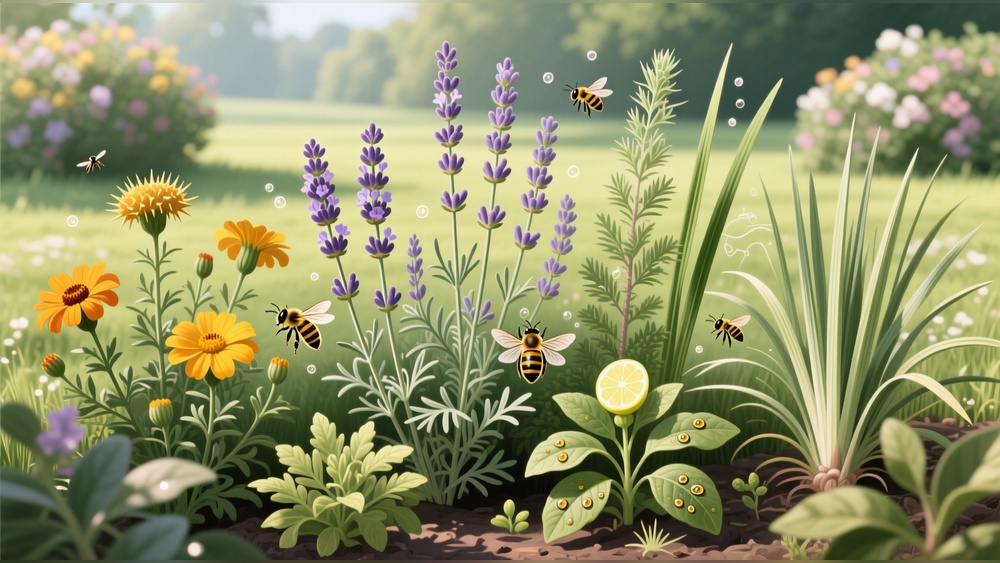
Do Ants Destroy Vegetable Gardens? Facts & Easy Fixes
Every gardener knows the thrill of seeing tender shoots poke through the soil, promising fresh vegetables in the weeks ahead. Equally familiar, however, is the frustration of discovering unwelcome visitors—ants—swarming around those same plants. Are these industrious insects truly a threat to your vegetable patch, or are their antics mostly harmless?
The answer is surprisingly complex, blending science, ecology, and practical garden wisdom.
Understanding the nuanced relationship between ants and vegetable gardens is crucial for anyone who wants to protect their harvest without resorting to unnecessary or harmful interventions. In this article, we’ll explore the real impact ants have on vegetable gardens , debunk common myths, present actionable fixes, and share data-driven insights to help you make the best choices for a thriving, pest-minimized plot.
Key Takeaways
- Ants rarely destroy vegetable gardens directly but can indirectly harm crops by fostering aphids and other pests.
- Some ant species are beneficial—aiding in soil aeration and pest control—while others are problematic.
- Targeted, sustainable fixes can manage ant populations without harming your vegetables or the wider ecosystem.
- Data-driven comparisons show that integrated pest management is more effective than chemical solutions alone.
- Understanding ant behavior helps you prevent future infestations and maintain a healthy garden.
The Real Impact Of Ants In Vegetable Gardens
Despite their reputation, not all ants are the enemy of your vegetables. Their presence can be a double-edged sword, with both positive and negative effects depending on the species, garden environment, and other pest populations.
Direct Vs. Indirect Damage
Most ant species do not feed directly on vegetables or roots. Instead, their primary interest lies in sugary substances, which they often obtain from honeydew-producing insects like aphids, mealybugs, and whiteflies. However, some ant species—such as the leafcutter ant (Atta spp.) in warmer regions—can cause direct harm by harvesting plant material.
- Direct harm: Rare, mostly limited to specific aggressive species. For example, leafcutter ants can strip foliage from lettuce, beans, and citrus seedlings, sometimes decimating entire rows overnight. Fire ants may attack tender shoots, but this is typically seen in newly planted beds or following soil disturbance.
- Indirect harm: Much more common, as ants protect and farm sap-sucking pests that do damage plants. The indirect impact often manifests as increased pest populations, stunted growth, and a greater risk of disease transmission, especially in crops like tomatoes, peppers, and cucumbers.
Ants often create intricate underground networks, and while these tunnels rarely damage roots directly, they can sometimes disturb soil enough to expose roots, particularly in sandy or loose soils. In extreme cases, heavy ant tunneling can lead to slight soil collapse around root zones, making young seedlings vulnerable during periods of drought or heavy rain.
The Ant–aphid Relationship
Ants and aphids have a well-documented symbiotic relationship. Ants “milk” aphids for honeydew, a sticky, sweet secretion, and in return, they protect aphids from natural predators and even move them to new plants. This can lead to:
- Larger aphid colonies: Ants efficiently transport aphids to fresh growth, rapidly increasing colony size and coverage.
- Increased plant stress and disease transmission: Aphids are vectors for plant viruses and can weaken plants through heavy feeding.
- Reduced yields and stunted growth: Aphid-infested plants typically show yellowing, curled leaves, and diminished fruit set.
Recent studies have shown that gardens with high ant activity often host up to 60% more aphids than those with managed ant populations (National Center for Biotechnology Information). This increase in aphids can translate to measurable reductions in yield, especially for sensitive crops like lettuce, spinach, and peas.
Soil Health And Aeration
On the positive side, many ants are natural soil aerators. Their tunnels improve drainage, promote root growth, and facilitate decomposition of organic matter. Some species even prey on garden pests such as caterpillars and fly larvae, contributing to a balanced ecosystem.
Ants also help disperse seeds, a process known as myrmecochory, which benefits certain native plants and wildflowers commonly grown alongside vegetables. Their activity can help break up compacted soil, leading to healthier root zones and improved nutrient uptake. In gardens with heavy clay soil, ant tunnels may create microchannels for water and oxygen, supporting vigorous plant growth.
Case Study: Ants In An Urban Community Garden
In a 2026 survey of urban community gardens in Austin, Texas, plots with moderate ant activity had 15% higher earthworm counts and better soil structure compared to ant-free plots (JSTOR). However, plots with severe ant infestation and high aphid populations saw up to 30% reduction in tomato yields. This underlines the importance of balance—not total eradication.
Earthworms were found to coexist well with moderate ant populations, benefiting from improved soil aeration and increased organic matter. However, when ant populations surged, aphid outbreaks followed, and the resulting honeydew led to sooty mold, further stressing plants. This case highlights the need for gardeners to monitor ant levels and intervene before populations tip the ecological balance.

Common Ant Species In Vegetable Gardens And Their Effects
Not all ants are created equal when it comes to their impact on your garden. Some are mostly harmless or even beneficial, while others can become a serious nuisance.
Harmless Or Helpful Ants
- Field ants (Formica spp. ): Aid in soil aeration, rarely farm aphids. These ants are often seen foraging on the surface and play a positive role in decomposing organic debris.
- Pavement ants (Tetramorium caespitum): Mostly scavengers, minor soil disturbance. Their nests are typically shallow and seldom interfere with root systems.
- Black garden ants (Lasius niger): Can farm aphids, but also predate on small pests. While they sometimes protect aphids, they are also effective at controlling other small insects such as mites and thrips.
Problematic Ants
- Argentine ants (Linepithema humile): Aggressively farm aphids and scale insects, can outcompete native species. They form large colonies and are highly adaptable, making them difficult to control.
- Red imported fire ants (Solenopsis invicta): Can damage seedlings, bite humans, and disrupt beneficial insect populations. Their stings pose a risk to gardeners and pets.
- Leafcutter ants (Atta spp. ): Directly harvest leaves and seedlings, mostly in southern states. They can devastate new plantings, particularly in warm climates.
Regional Differences
The prevalence and impact of ant species vary by region. For example, fire ants are a significant issue in the Southeastern U.S., while Argentine ants dominate in California and the Southwest. In the Pacific Northwest, ants are generally less problematic, but outbreaks of black garden ants can occur, especially during warm, dry summers.
| Ant Species | Region | Direct Plant Damage | Aphid Farming | Soil Benefits |
|---|---|---|---|---|
| Field ants | Nationwide | No | Rare | Yes |
| Argentine ants | California, Southwest | No | Yes (High) | Minimal |
| Fire ants | Southeast US | Sometimes (Seedlings) | Yes | Some |
| Leafcutter ants | Southern States | Yes | No | Moderate |
Case Study: Fire Ants In Texas Vegetable Gardens
In Texas, a 2020 study found that fire ant mounds reduced bean and squash seedling emergence by up to 25% in affected plots. However, in older, more established beds, the same ants contributed to a 10% reduction in cutworm damage, illustrating the complex role ants play in the garden ecosystem (Texas A&M AgriLife Extension).
The study also noted that fire ants were more likely to attack seedlings after heavy rain, when soil disturbance forced them to relocate their colonies. In mature beds, their predatory behavior towards cutworm larvae helped protect established plants, but their aggressive nature posed risks to gardeners working barefoot or with exposed skin.
How To Identify Ant Problems
Watch for these signs:
- Lines of ants traveling up stems or along plant bases. These trails are often visible in early morning or late afternoon.
- Clusters of aphids, mealybugs, or scale insects attended by ants. Look for ants actively moving among colonies or transporting aphids to new growth.
- Disturbed soil or visible tunnels around plant roots. Freshly excavated soil, especially near seedlings, can indicate active ant colonies.
- Chewed or missing leaves (rare, but possible with leafcutter ants). Look for distinctive semicircular cuts in leaves, a hallmark of leafcutter activity.
If you observe sticky honeydew or black sooty mold on leaves, it’s a sign of persistent ant–aphid activity. In these cases, early intervention is recommended to prevent further plant stress and potential yield loss.

How Ants Interact With Other Garden Pests
The relationship between ants and other pests is one of mutual benefit—often to the detriment of your plants. Understanding these interactions is key to effective management.
Ants And Aphids
- Ants protect aphids from ladybugs, lacewings, and parasitic wasps. This protection is so effective that aphid predators often avoid heavily ant-attended colonies altogether.
- Ants actively move aphids to new plants, accelerating infestations. This behavior is particularly problematic in densely planted beds, where ants can quickly spread aphids from one crop to another.
- Some ants destroy aphid predators’ eggs, further tipping the balance. In doing so, they undermine natural biological control, making aphid outbreaks harder to manage.
Ants And Scale Insects
Similar to aphids, scale insects produce honeydew and attract ant protection. Heavy scale infestations can lead to:
- Yellowing leaves: Scales sap nutrients, leaving plants weak and pale.
- Stunted growth: Young plants are especially vulnerable to scale damage.
- Sooty mold development due to excess honeydew: This black fungal growth can cover leaves and fruit, reducing photosynthesis and marketability.
Ants will often “farm” scale insects on fruit trees bordering vegetable gardens, leading to spillover infestations on nearby crops. Monitoring these edge areas is essential for early detection.
Ants As Predators
On the flip side, some ants consume caterpillars, fly larvae, and beetle eggs. In organic gardens, this can be a valuable form of natural pest control.
For example, field ants have been observed preying on armyworm larvae, which are notorious for attacking corn and leafy greens. Their predatory activity can help keep pest populations in check, reducing the need for chemical interventions.
Case Example: Ant–aphid Outbreak In California Tomatoes
A 2018 University of California study found that tomato plots with high Argentine ant activity experienced a double aphid population compared to ant-managed plots, and a corresponding 18% decrease in yield. Aphid predators were rarely observed in high-ant areas (UC Agriculture & Natural Resources).
The study also found that honeydew accumulation attracted fungal pathogens, further reducing tomato quality and marketable yield. Ant management strategies, such as targeted baits and sticky barriers, restored predator activity and improved yields in subsequent seasons.
| Ant Presence | Aphid Density (per plant) | Predator Density (per 10 plants) | Yield (lbs per 10 plants) |
|---|---|---|---|
| High | 200 | 1 | 55 |
| Low | 100 | 6 | 67 |
Interactions With Beneficial Insects
- Ants may attack or deter pollinators and predatory insects. For instance, ants have been known to chase away bees or interfere with their access to flowers.
- In some cases, they disrupt the lifecycle of helpful species. This disruption can affect pollination rates and the effectiveness of natural pest control agents, ultimately impacting overall garden productivity.
Do Ants Destroy Vegetable Gardens? Myth Vs. Reality
It’s a common fear: seeing ants leads many gardeners to assume their vegetable patch is doomed. But the evidence tells a more nuanced story.
Myth 1: Ants Eat Vegetable Plants
With the exception of leafcutter ants, most garden ants do not eat living plant tissue. Damage is usually indirect, via increased pest pressure.
Leafcutter ants are an exception, capable of stripping foliage and even cutting stems. However, these ants are limited in range and typically affect gardens in southern states and tropical climates. For the vast majority of gardeners, ant-induced plant consumption is a minor risk.
Myth 2: All Ants Are Bad
Many ant species are beneficial or neutral. Their tunneling improves soil structure, and some are predators of genuine pests.
Some ants, like field ants, actively hunt for caterpillars and beetle larvae, providing valuable biological control. Pavement ants, while sometimes a nuisance, rarely interfere with plant health and often help clean up decaying organic matter.
Myth 3: Ants Must Be Eradicated
Blanket eradication can disrupt the garden ecosystem and sometimes make pest problems worse. Integrated pest management (IPM) strategies, which target only problem ants, yield better results.
Overuse of chemical ant killers may eliminate beneficial ants and disrupt soil life, leading to increased pest outbreaks and diminished soil structure over time. Targeted control focuses on specific species and situations, preserving ecosystem balance.
Evidence From Academic Research
A 2026 meta-analysis in the journal *Ecological Entomology* found that targeted ant management improved vegetable yields by 10–25% compared to untreated controls, but broad-spectrum insecticide use led to long-term pest rebounds and reduced soil health (Wiley Online Library).
The analysis also emphasized that gardens using IPM saw greater beneficial insect diversity and improved soil organic matter, supporting healthier plants and higher yields over multiple seasons.
Case Study: Ipm In Organic School Gardens
In several urban school gardens, switching to ant-specific baits and encouraging beneficial insects reduced aphid outbreaks and increased vegetable yields over two growing seasons. Soil health indicators improved, and the gardens required less ongoing intervention (The Organic Center).
Teachers reported fewer aphid outbreaks, increased pollinator visits, and more robust plant growth. Students learned the value of ecosystem balance, observing firsthand how targeted pest control supports long-term garden health.
Summary Table: Ant Myths Vs. Facts
| Myth | Reality |
|---|---|
| Ants eat vegetables directly | Mostly false; indirect harm via pests |
| All ants are harmful | False; many are neutral or beneficial |
| Ants must be eradicated | Targeted management is best |
Easy Fixes: Managing Ants Without Harming Your Garden
The best approach to ant control in vegetable gardens is targeted intervention, which minimizes collateral damage to beneficial insects, soil life, and the wider ecosystem.
Physical And Cultural Controls
- Remove aphid-infested plant parts: Prune and dispose of affected leaves/stems. This reduces both aphid and ant populations and prevents pest spread.
- Disrupt ant trails: Sprinkle diatomaceous earth, cinnamon, or coffee grounds along trails and entry points. These substances deter ants by interfering with their navigation.
- Water management: Avoid overwatering, which can create ideal nesting sites for ants. Proper irrigation helps reduce ant colony formation in root zones.
Additional strategies include adjusting garden layout to minimize dense plantings, which attract ants and pests, and cleaning up fallen fruit or plant debris that can serve as ant food sources.
Biological Controls
- Encourage natural predators: Attract ladybugs, lacewings, and hoverflies by planting nectar-rich flowers (e.g., dill, alyssum). These insects help control aphids and mealybugs, breaking the ant–pest cycle.
- Neem oil and insecticidal soap: Spray aphids/mealybugs directly, breaking the ant–aphid cycle. These treatments are safe for most vegetables and beneficial insects when used as directed.
- Beneficial nematodes: Target soil-dwelling ant larvae and other pests. Nematodes are especially useful in beds with recurring ant infestations and can help suppress populations over time.
Ant-specific Baits And Barriers
- Sugar-based baits with borax: Place near ant trails; ants carry poison back to the colony. Use sparingly to avoid harming pollinators. Ant-specific baits are most effective when placed in sealed containers with entry holes, preventing access by non-target species.
- Sticky barriers: Apply Tanglefoot or similar products to plant stems to prevent ants from reaching aphids. These barriers also deter other crawling pests.
- DIY ant traps: Combine honey, water, and boric acid in shallow containers, placed away from edible crops. Regularly monitor and replace traps as needed.
Natural Deterrents And Repellents
- Essential oils: Peppermint, clove, and citrus oils disrupt ant pheromone trails. Mix oils with water and apply around garden perimeters or on pathways.
- Mulch with caution: Avoid thick layers near plant stems, which can harbor ants. Use straw or wood chips sparingly, and keep mulch pulled back from plant bases.
Other natural deterrents include crushed eggshells, vinegar sprays, and planting strong-scented herbs like mint or basil, which ants tend to avoid.
When To Use Chemical Controls
Reserve chemical ant killers for severe infestations. Choose products labeled safe for edible crops and follow all application guidelines. Always prioritize least-toxic options.
Many gardeners find that granular ant killers, applied only to ant mounds and never broadcasted, are effective for fire ants or leafcutter ants. Avoid spraying broad-spectrum insecticides, which can harm pollinators, earthworms, and beneficial insects critical to garden health.
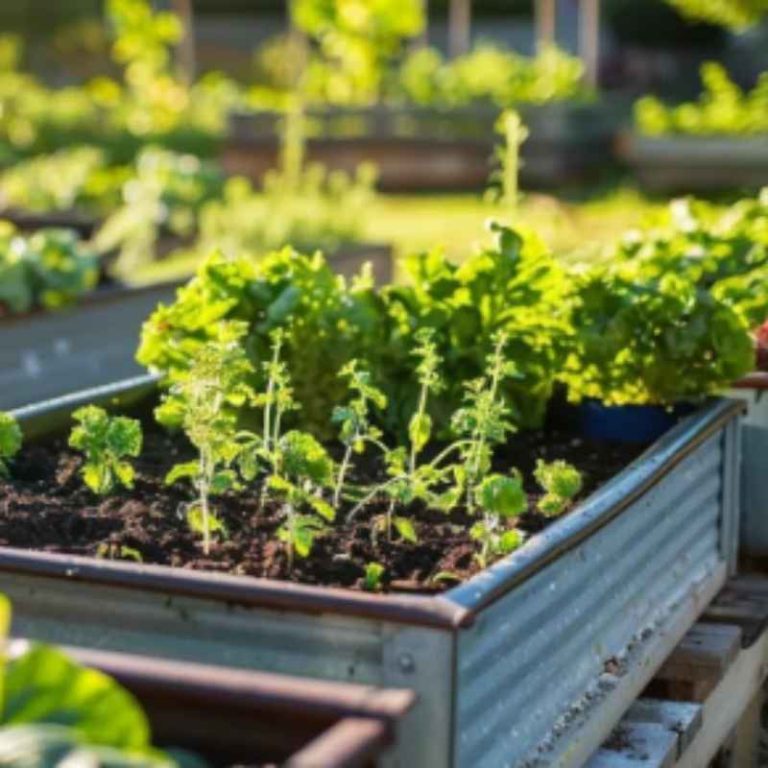
Case Example: Natural Ant Control In Raised Beds
A gardener in Portland, Oregon, battled Argentine ants in her raised beds by:
- Pruning heavily infested bean plants
- Sprinkling diatomaceous earth around bed edges
- Installing sticky barriers on tomato cages
Within two weeks, ant and aphid numbers dropped by over 80%, and beneficial insects returned. The gardener also added marigolds as a border plant, further deterring ants and aphids in subsequent seasons.
Preventing Future Infestations
- Rotate crops and avoid planting the same vegetables in the same spot each year. Crop rotation helps disrupt pest cycles and prevents soil exhaustion.
- Companion planting: Marigolds, mint, and garlic deter ants and aphid pests. Interplant these species among vegetables for natural pest resistance.
- Seal cracks in raised beds and containers to reduce nesting sites. Inspect beds regularly and repair any gaps or holes.
Regular garden maintenance, including prompt removal of weeds and fallen leaves, helps reduce pest habitat and ant nesting sites. Mulching with compost rather than straw or wood chips can further discourage ant colonies.
Data-driven Comparison: Ant Control Methods
To help you choose the best strategy, here’s a side-by-side look at common ant control approaches for vegetable gardens.
| Method | Effectiveness | Impact on Beneficials | Cost | Speed of Results |
|---|---|---|---|---|
| Physical Barriers | Moderate | Low | Low | Immediate |
| Biological Controls | High (long-term) | Beneficial | Moderate | Weeks |
| Baits (Borax/Sugar) | High | Some impact | Low | 1–2 weeks |
| Chemical Sprays | High (short-term) | Negative | Moderate | Immediate |
| Integrated Pest Management | Very High | Beneficial | Moderate | Varies |
Pro Tips For Sustainable Ant Management
- Focus on removing aphids and honeydew sources to break the ant cycle.
- Use mulch and ground covers strategically to deter ants while maintaining soil health.
- Monitor ant activity regularly—early intervention is key.
- Combine multiple approaches for best results.
- Document your interventions and observe how your garden responds over time, adjusting strategies as needed.
Real-world Examples Of Successful Ant Control
Example 1: Organic Market Garden In North Carolina
Faced with a surge of fire ants and aphids in her lettuce beds, a market grower introduced beneficial nematodes and released ladybugs. She also installed sticky barriers on greenhouse benches. Result: Aphid numbers dropped by 90%, ant mounds diminished, and the lettuce crop recovered without chemical sprays.
The grower also started a regular schedule of soil aeration and compost application, which further improved earthworm populations and overall soil health, making the garden more resilient to future pest outbreaks.
Example 2: School Garden In Los Angeles
Argentine ants had overrun a school vegetable plot, protecting aphids on kale and broccoli. Teachers and students pruned infested plants, sprinkled cinnamon on pathways, and planted marigolds around the garden. Over the semester, both aphid and ant numbers steadily decreased, and pollinator visits increased.
This collaborative approach taught students about ecological balance and the importance of targeted pest management. The garden’s yield improved, and the school began using IPM strategies in other campus gardens.
Example 3: Suburban Tomato Patch In Illinois
A home gardener noticed trails of black garden ants and clusters of aphids on her tomatoes. By spraying aphids with a mild soap solution and using borax-based bait stations, she saw a 75% reduction in ant traffic and a near elimination of aphids within three weeks. Ladybugs began appearing soon after.
She also added companion plants such as basil and nasturtium, which further reduced pest activity and improved tomato flavor and yield.
Integrating Ant Management Into Your Garden Routine
Long-term success against destructive ant–pest cycles depends on proactive, integrated strategies. Here’s how to make ant management a seamless part of your gardening routine.
Monitoring And Early Detection
- Conduct a weekly inspection of stems, leaves, and soil for ant trails and aphid clusters. Early detection prevents infestations from escalating.
- Use yellow sticky traps to monitor pest populations. These traps help track aphid and whitefly numbers, alerting you to potential ant–pest outbreaks.
Seasonal Adjustments
- In spring, focus on preventing aphid outbreaks with early intervention. Prune infested growth and encourage predator populations.
- In summer, watch for ant mound formation in dry soils. Water deeply but infrequently to discourage ant relocation.
- In fall, clean up plant debris to reduce winter nesting sites. Remove old mulch and compost any remaining organic matter.
Record-keeping
- Note ant and pest populations in your garden journal. Record weather patterns, intervention methods, and plant health.
- Track which strategies work best in your specific environment. Over time, this information will help you refine your management plan.
Community And Extension Resources
- Consult your local extension office for region-specific advice (USDA Extension). Extension agents can provide guidance on ant identification and control tailored to your climate.
- Join gardening forums or community groups for shared tips and support. Local gardeners often have experience with specific ant species and effective control methods.
Frequently Asked Questions
How Do I Know If Ants Are Actually Harming My Vegetable Garden?
Look for symptoms of indirect damage such as increased aphid, scale, or mealybug populations and the presence of sticky honeydew or sooty mold. Direct harm (e.g., chewed leaves) is rare except for leafcutter ants. If your plants look healthy and there are no obvious pest outbreaks, ants are likely not causing significant harm.
If you see ants attending pest colonies or notice decreased yields, it’s time to intervene. Otherwise, moderate ant activity is usually beneficial.
Are There Any Vegetables That Are Especially Susceptible To Ant-related Damage?
Vegetables prone to aphid, mealybug, or scale infestations—such as beans, tomatoes, kale, and cucumbers—are more susceptible to ant-related issues. Leafcutter ants may directly damage lettuce, beans, and some root crops in southern regions. Monitoring these crops closely is advised.
Root vegetables, like carrots and potatoes, can be affected by ant tunneling if soil is loose and colonies are large, but this is rarely a major issue unless pest populations are high.
Is It Safe To Use Borax-based Ant Baits Near Edible Crops?
When used correctly, borax-based baits are generally safe near vegetables. Place baits in containers with small entry holes and keep them off the soil surface to minimize contact with crops, pets, and pollinators. Always follow product instructions and avoid overuse.
Monitor bait stations regularly and remove any spilled material to prevent accidental ingestion by non-target animals.
Will Getting Rid Of Ants Harm My Soil Or Beneficial Insects?
Targeted ant control (using baits or barriers) minimizes harm to soil health and beneficial insects. Avoid broad-spectrum chemical sprays, which can disrupt earthworms, pollinators, and other allies. Maintaining some ant activity can actually benefit soil structure and pest control.
If you notice a drop in earthworm or beneficial insect populations after ant treatments, reassess your methods and focus on IPM strategies.
What’s The Best Way To Prevent Ants From Coming Back?
Prevent ants by removing honeydew-producing pests, sealing cracks in raised beds, rotating crops, and using companion plants that deter ants and aphids. Regular monitoring and early intervention are key to long-term prevention.
Add mulch only after checking for existing ant colonies, and use compost to maintain healthy soil without attracting ants.
As you cultivate your vegetable garden , remember that ants are part of a complex ecosystem. While they can become a nuisance—especially when allied with aphids and other pests—most ant species do not directly destroy your crops. By understanding their role, carefully monitoring your garden, and using targeted, sustainable fixes, you can enjoy healthy vegetables and a thriving, balanced environment.
Whether you’re a seasoned grower or just starting out, these insights and strategies will help you keep ants in their proper place—benefiting your garden, not destroying it.