Is Black Flag Fogging Safe For Vegetable Gardens? Answer
You’re out tending your garden, picturing juicy tomatoes and crisp lettuce. Then, a swarm of flying bugs descends. Annoying, right?
When safety around edible beds matters, Is Cottonseed Meal Safe For Vegetable Gardens? Honest Answer adds another practical check before using materials or treatments near vegetables.
You’ve heard about black flag fogging as a way to clear the air. But is it a safe bet for the food you plan to eat? It’s a big question, and you want to make sure you’re doing the best for your garden and your family.
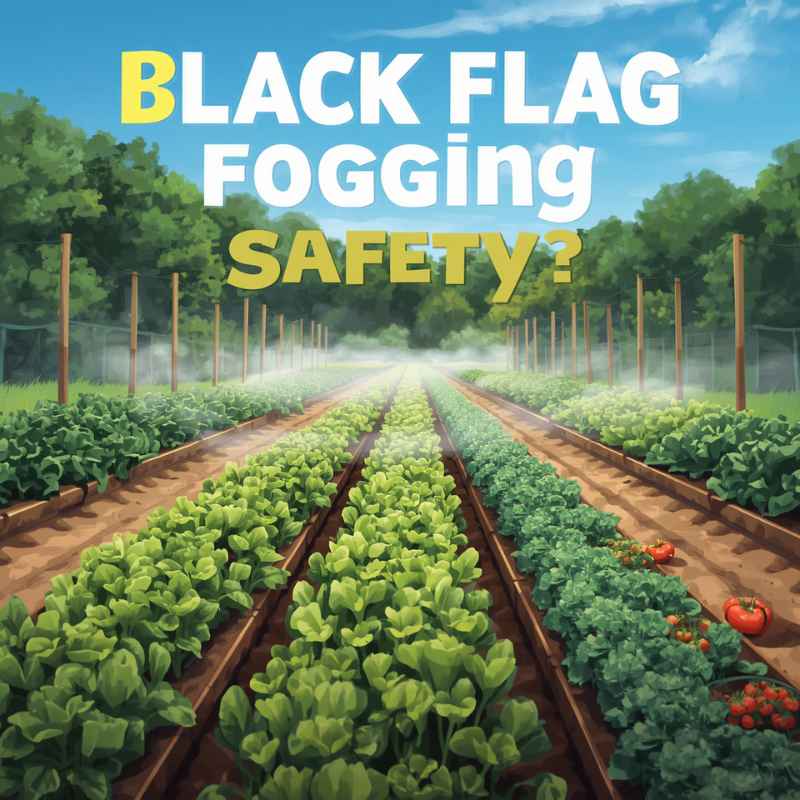
Black flag fogging is generally not recommended for use directly on or around vegetable gardens due to potential risks to edible plants, pollinators, and human health. Safer, targeted pest control methods are preferred for food gardens.
Understanding Black Flag Fogging
Black flag fogging is a method used to quickly kill flying insects. It uses a machine to create a fine mist. This mist contains insecticide.
The goal is to knock down bugs like mosquitoes and flies in an outdoor area. People often use it on patios or around their homes.
The idea is fast action. You can see a lot of insects drop from the air. It works on contact.
The spray covers a wide area. This makes it seem like an easy fix for a bug problem. It can bring quick relief from biting insects.
Why Gardeners Worry About Fogging
When you grow vegetables, you’re thinking about more than just killing bugs. You’re growing food. This food will end up on your plate.
So, anything you spray needs to be very safe. You worry about chemicals getting into the soil. You worry about them on your plants.
What happens if the fog drifts over your garden? Will it harm your tomatoes or beans? Will it make them unsafe to eat?
These are real concerns for anyone who eats what they grow. You want your garden to be a healthy place.
My Own Garden Scare
I remember one summer. My neighbor decided to do some fogging. It was a hot July evening.
The air was thick with mosquitoes. He wanted to enjoy his deck. I was in my garden, planting some late-season spinach.
The fogger started up. It was loud.
A cloud of mist drifted over my garden fence. I watched, my stomach sinking. It settled on my spinach leaves.
It even dusted my burgeoning zucchini plants. I felt a knot of worry. I washed the leaves over and over.
But I still wondered if they were truly safe. It made me realize how important it is to know what you’re using.
Fogging vs. Your Veggies: Key Differences
Fogging Insecticides: Often broad-spectrum. Kill many types of insects. Meant for quick knockdown.
Can drift easily.
Garden Pest Control: Needs to be targeted. Safe for beneficial insects. Safe for edible parts of plants.
Sticks around less.
How Fogging Chemicals Behave
The chemicals in foggers are designed to kill insects quickly. They often use pyrethroids or other strong insecticides. These chemicals work by attacking the nervous system of bugs.
When the mist lands on an insect, it can be fatal.
But what happens after the spray settles? Some of these chemicals break down quickly. Others can linger.
The amount of time a chemical stays active depends on many things. This includes the type of chemical, sunlight, and rain. For vegetable gardens, even a short-term residue is a worry.
When you spray a large area with fog, it’s hard to control. Wind can carry the mist far from where you intended. It can land on flowers, beneficial insects, and, yes, your vegetables.
Even if the main application is away from the garden, drift is a major issue.
Potential Risks to Your Edible Garden
Using black flag fogging near vegetable gardens carries several risks. The most direct risk is plant contamination. If the insecticide lands on your crops, it can be absorbed.
Or it can remain on the surface of fruits and vegetables.
This contamination can make your harvest unsafe. Many garden insecticides have withdrawal periods. This is the time you must wait after spraying before you can harvest.
Fogging usually doesn’t consider these periods. You might eat produce that still has harmful residues.
Another big worry is harm to beneficial insects. Your garden needs bees for pollination. It needs ladybugs to eat aphids.
It needs lacewings. Fogging kills indiscriminately. It can wipe out these helpful bugs along with the pests.
This can hurt your garden’s ability to produce.
Contrast Matrix: Fogging vs. Targeted Control
Myth: Fogging is the best way to get rid of garden pests.
Reality: Fogging is broad-spectrum and can harm your garden and its helpers. Targeted methods are better for vegetables.
Myth: A little drift won’t hurt my vegetables.
Reality: Even small amounts can contaminate produce or kill pollinators vital for growth.
What About Pollinators?
Pollinators are tiny heroes. Bees, butterflies, and other creatures are essential for your garden. They move pollen from flower to flower.
This helps plants produce fruits and seeds. Without them, your tomato plants might not set fruit. Your squash plants might produce only flowers.
Insecticides in foggers can be highly toxic to bees. Even if the spray doesn’t directly hit a bee, residues can harm them. If bees visit a flower that has insecticide on it, they can be affected.
This can lead to colony collapse. It’s a serious problem.
Protecting pollinators is crucial for a healthy garden. It’s also important for the environment. Choosing not to fog near your garden is a big step in protecting these valuable creatures.
Human Health Concerns
Beyond the garden, there are human health concerns. When you fog an area, you’re releasing chemicals into the air. People breathe this air.
Children and pets can be exposed. If the fog drifts into your home, it can cause issues.
Symptoms of insecticide exposure can include headaches, dizziness, nausea, and skin irritation. For people with asthma or other respiratory problems, it can be worse. It’s a good idea to keep living things away from fogged areas for a while after application.
This is especially true for children. Their bodies are still developing. They are more sensitive to toxins.
Using fogging near where your family eats and plays needs careful thought. You want to keep everyone safe.
Quick-Scan Table: Fogging Risks
| Risk Area | Potential Impact | Why it Matters |
| Edible Produce | Chemical Residue | Unsafe to eat, potential health issues |
| Pollinators (Bees, Butterflies) | High Toxicity | Reduced crop yield, environmental harm |
| Beneficial Insects (Ladybugs) | Kills helpful predators | Increased pest problems later |
| Human Health | Respiratory irritation, headaches | Exposure risks for family and pets |
| Surrounding Plants | Damage to non-target plants | Reduced plant health, potential death |
Safer Alternatives for Garden Pest Control
The good news is that you have many safer ways to handle garden pests. You don’t need to resort to broad-spectrum fogging. Let’s look at some effective options.
1. Physical Barriers
Sometimes, the simplest methods work best. Row covers can protect young plants from flying insects. These are made of light fabric.
They let in sunlight and water but keep bugs out. You can use them for crops like broccoli, cabbage, and carrots.
Floating row covers are easy to set up. They cover the plants and are anchored at the edges. This creates a barrier.
It’s a great way to protect plants without any chemicals.
2. Companion Planting
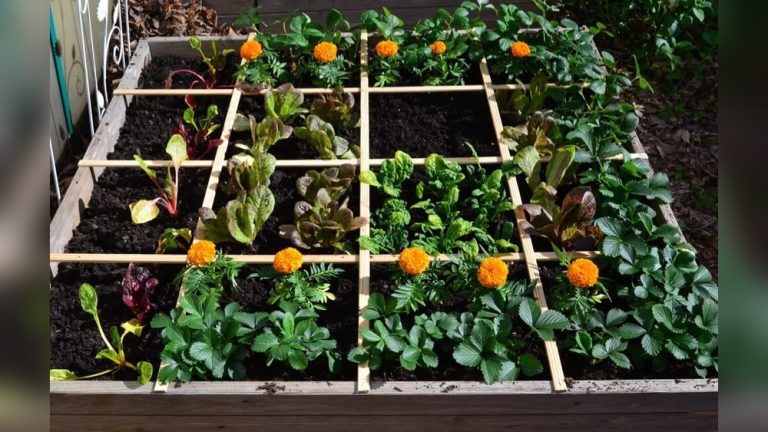
Certain plants can help deter pests naturally. Marigolds, for example, are known to repel nematodes and other insects from the soil. Basil can help deter flies and mosquitoes.
Planting these near your vegetables can offer a layer of protection.
This method uses nature’s own defenses. It adds beauty and scent to your garden too. It’s a win-win for everyone.
Stacked Micro-Sections: Companion Planting Ideas
Herbs:
Basil: Deters flies and mosquitoes. Good with tomatoes.
Mint: Repels ants and aphids. Plant in pots to control spread.
Rosemary: Chases away bean beetles and carrot flies.
Flowers:
Marigolds: Ward off nematodes and some beetles.
Nasturtiums: Act as a trap crop for aphids.
3. Hand-Picking Pests
For larger pests like tomato hornworms or slugs, hand-picking is very effective. Take a walk in your garden, especially in the morning or evening. Look for these pests and simply remove them.
You can drop them into a bucket of soapy water.
This method is very targeted. You only remove the pests you see. It’s completely safe for your plants and the environment.
It’s also a good way to get to know your garden intimately.
4. Encouraging Natural Predators
You want good bugs to live in your garden. Ladybugs eat aphids. Praying mantises eat many kinds of insects.
Birds eat various garden pests. You can encourage these helpers by providing habitat and food sources.
Plant flowers that attract beneficial insects. Avoid using broad-spectrum pesticides that kill them. A diverse garden ecosystem is often a pest-resistant garden.
5. Organic Sprays and Soaps
When pests become a real problem, there are safer spray options. Insecticidal soaps and horticultural oils can be effective. They work by suffocating soft-bodied insects like aphids and spider mites.
They break down quickly and are generally safe for beneficial insects if used carefully.
Neem oil is another option. It comes from the neem tree. It can disrupt insect growth and feeding.
Always follow label instructions carefully. Apply them in the evening when pollinators are less active.
Split Insight Panel: Organic Spray Use
Timing is Key:
Apply organic sprays late in the day. This protects bees and other daytime pollinators. It also helps the spray work better as many pests are active at dusk.
Targeting:
Aim for the pests themselves. Avoid spraying open blossoms where pollinators might be feeding.
Label Reading:
Always read and follow label directions. This ensures safe and effective use.
Real-World Context: Neighborly Advice
I once had a neighbor who was very concerned about mosquitoes. He decided to fog his entire yard every week. His yard bordered my vegetable garden.
I spoke to him gently. I explained my concerns about his fogging affecting my garden.
He hadn’t thought about it from my perspective. We talked about why I grow my own food. I explained the importance of pollinators.
He agreed to adjust his fogging times and areas. He even started looking into alternatives for his own yard. It showed me that communication can lead to understanding and better practices for everyone.
What This Means for Your Garden and Your Health
The decision not to fog your vegetable garden is a conscious choice for health and safety. It means you prioritize the well-being of your family. It means you value the health of the ecosystem in your yard.
It also means you might need to be a bit more vigilant. You might need to scout your plants more often for pests. You might need to try a few different methods to find what works best for your specific garden.
This hands-on approach can be very rewarding.
When is Fogging “Safe-ish” (But Still Not Ideal for Gardens)?
There are situations where black flag fogging might be used. This is usually for public health reasons. For example, in areas with high rates of mosquito-borne diseases like West Nile virus.
Even then, it’s often done by local authorities. They have protocols to minimize impact.
However, for a home gardener, using fogging in or near a food garden is a high-risk activity. The potential for contamination and harm to beneficial insects and pollinators is too great. It’s always better to err on the side of caution.
Simple Checks Before You Decide
Before you consider any pest control method, ask yourself a few questions.
- Is this pest a real threat to my harvest?
- Are there natural predators already present?
- Can I use a physical barrier?
- What are the risks to pollinators?
- What are the risks to my family and pets?
- Does the product have a withdrawal period for harvest?
If the answer to the last few questions raises concerns, it’s probably not the right choice for your vegetable garden.
Quick Tips for a Bug-Resistant Garden
Want to make your garden less inviting to pests? Try these tips.
- Keep it clean: Remove dead plant matter. This can harbor pests and diseases.
- Water wisely: Water at the base of plants. Wet leaves can encourage fungal diseases that weaken plants.
- Healthy soil: Feed your soil. Healthy plants are less attractive to pests.
- Crop rotation: Don’t plant the same vegetables in the same spot year after year. This breaks pest cycles.
- Observe: Spend time in your garden. Notice changes. Catching problems early is key.
Frequent Questions About Fogging and Gardens
Is it safe to eat vegetables that might have been exposed to fogging spray?
It is generally not recommended to eat vegetables that may have been exposed to fogging spray. The insecticides used in fogging can be harmful. They may leave residues on or in the produce, making it unsafe for consumption.
It’s best to avoid consuming anything that may have been contaminated.
Can fogging kill beneficial insects in my garden?
Yes, fogging is a broad-spectrum pest control method. This means it kills a wide range of insects, including beneficial ones like bees, ladybugs, and lacewings. These insects are crucial for a healthy garden ecosystem and for pollinating your crops.
What should I do if my neighbor’s fogging spray drifts into my garden?
If you see or suspect that fogging spray has drifted into your garden, it’s wise to take precautions. Wash any exposed produce thoroughly. For future prevention, consider talking to your neighbor about timing and wind direction.
You might also plant taller, less sensitive plants as a buffer on the edge of your garden.
Are there any organic fogging options for gardens?
While some “organic” insecticides exist, fogging is a method that is hard to control and still poses risks. Truly organic pest control for gardens focuses on targeted applications, physical barriers, and promoting biodiversity rather than widespread fogging, even with organic-approved substances.
How long does insecticide from fogging typically last on plants?
The persistence of insecticide varies greatly. Some break down quickly, while others can last for days or even weeks, depending on the chemical, sunlight, rain, and temperature. Due to this uncertainty, it’s difficult to give an exact timeframe, and caution is always advised for food crops.
What are the best alternatives to fogging for controlling mosquitoes around a garden?
For mosquitoes, consider personal protection like repellents, wearing long sleeves and pants at dusk. Outdoor control methods include eliminating standing water where mosquitoes breed, using mosquito traps, or planting mosquito-repelling plants like citronella, lavender, and basil around the garden perimeter.
Final Thoughts on Garden Safety
Growing your own food is a rewarding experience. Keeping it safe and healthy is part of that journey. Black flag fogging is a powerful tool for insect control.
But its place is usually away from where we grow food. By choosing safer methods, you protect your harvest, your loved ones, and the natural world.