Is Weathershield Wood Safe For Vegetable Gardens? Truth
It’s a common question for any gardener who loves fresh produce. You want to grow your own veggies, and you’ve got some lovely wood that seems perfect for raised beds. But then, a little worry creeps in.
When safety around edible beds matters, Is Pressure Treated Wood Safe For Vegetable Gardens? adds another practical check before using materials or treatments near vegetables.
Is this wood actually safe for growing food? Specifically, you might be wondering about Weathershield wood. This is a smart question to ask.
What we build our gardens with can affect the health of our plants, and ultimately, what we eat. Let’s dig into this. We will look at what Weathershield wood is and whether it’s a good choice for your food garden.
Weathershield wood is not generally recommended for vegetable gardens due to potential chemical leaching. Safer alternatives like untreated cedar, redwood, or composite lumber are better choices for growing edible plants.
Understanding Weathershield Wood
Weathershield is a brand name. It often refers to treated lumber. This wood has chemicals added to it.
These chemicals help the wood last longer. They protect it from bugs and rot. This makes it good for outdoor projects like decks and fences.
You see it used a lot outside your home.
The chemicals used can vary. But a common one is alkaline copper quaternary (ACQ). Another is copper azole (CA).
These are types of copper compounds. They are mixed with other agents. This mix makes the wood resist decay.
It also stops insects from eating it. The wood often has a greenish tint at first. This is from the copper treatment.
Think about what this means for a garden. These chemicals are meant to preserve the wood. They are strong.
They are designed to repel living things. This is good for a fence. But it might not be good for plants that we eat.
The big worry is if these chemicals can seep into the soil. They could then be absorbed by the vegetables we grow. This is a real concern for many gardeners.
The wood is treated so it will last many years. This is great for outdoor structures. They face rain, sun, and snow.
The treatment makes them tough. But when this tough wood is used for growing food, we need to be extra careful. The soil is a living thing.
Plants take nutrients from it. They also take up water. If the wood is leaching chemicals, the plants might be taking those too.
This is why many people pause before using treated wood in their garden beds.
My Own Garden Bed Scare
I remember setting up my first serious vegetable garden. I was so excited! I wanted raised beds.
They seemed like the best way to grow lots of veggies. I found some old deck boards. They looked really solid.
I thought, “Perfect! They are already treated, so they will last forever.” I built these beautiful, sturdy boxes. I filled them with good soil.
I planted tomatoes, peppers, and lettuce. Everything looked like it was growing wonderfully.
Then, about halfway through the season, I noticed something odd. Some of my lettuce leaves looked a little off. They weren’t as vibrant.
My tomato plants, while growing, seemed a bit less bushy than I expected. I started to get that nagging feeling. Was it the soil?
Was it the watering? Or was it the wood?
I did some research late one night. My heart sank a little. I read about leaching chemicals.
I saw pictures of plants that looked stressed. It hit me that my “long-lasting” wood might be harming my plants. I remember feeling a bit of panic.
I had worked so hard. I didn’t want to feed my family something that might not be safe. That experience taught me a lot.
It made me much more careful about the materials I use for growing food. It’s one thing to read about it, but seeing your own plants might be affected is a powerful lesson.
Weathershield Wood: The Pros and Cons for Gardens
Pros:
- Lasts a very long time outdoors.
- Resists rot and insects well.
- Sturdy for building raised beds.
Cons:
- Contains chemicals that can leach into soil.
- Potential risk to plant health.
- Concerns about chemicals in your food.
Why Gardeners Worry About Treated Wood
The main concern with treated wood, like many types of Weathershield, is chemical leaching. This means the chemicals in the wood can slowly seep out. They go into the surrounding soil.
This process is called leaching. It happens over time. It can be faster when the wood is wet.
Rain is a big factor here. Many raised beds are exposed to a lot of rain.
Copper is a metal. It’s an important nutrient for plants. But too much of it can be toxic.
The copper compounds in treated wood are much higher than natural levels. This can build up in the soil. This buildup can harm soil microbes.
These microbes are vital for healthy soil. They help plants get nutrients.
We are not just growing plants. We are growing food. What the plants absorb from the soil eventually ends up on our plates.
Even if the risk seems small, many gardeners prefer to be safe. They want to be sure their produce is as pure as possible. This is especially true for root vegetables.
Things like carrots and potatoes grow right in the soil. They are in direct contact with it for their entire lives.
There’s also the issue of changing regulations. While older treatments like CCA (chromated copper arsenate) are mostly phased out for residential use, newer treatments are still chemical-based. They are considered safer.
But the long-term effects on soil and food are still being studied. It’s a complex issue with many layers. For many, the simplest answer is to avoid treated wood in food gardens altogether.
Common Treated Wood Chemicals and Their Impact
Chemical | Common Use in Wood | Garden Concern
ACQ (Alkaline Copper Quaternary) | Rot and insect protection | Copper can build up in soil, harming microbes.
Copper Azole (CA) | Rot and insect protection | Similar copper leaching risks as ACQ.
Older treatments (like CCA) | Rot and insect protection | Can contain arsenic and chromium, a greater risk.
Safer Wood Options for Your Garden Beds
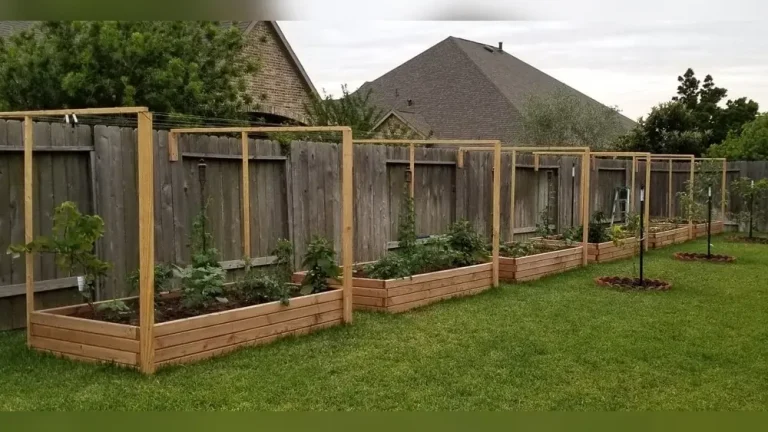
The good news is you have many safe choices for building garden beds. You don’t have to skip the idea of raised beds if you want healthy produce. The key is to choose wood that is naturally resistant to decay and insects.
These woods don’t need chemical treatments to last a good while.
Cedar is a very popular choice. It has natural oils. These oils make it resistant to rot and bugs.
It smells great too! Cedar can be pricey. But it lasts a long time in the garden.
It weathers to a nice silvery gray. It’s a beautiful wood to work with.
Redwood is another excellent option. Like cedar, it has natural oils that protect it. Redwood is very durable.
It’s also naturally resistant to insects. It can be more expensive than cedar. But its lifespan in a garden setting is impressive.
Cypress is also a good choice. It’s found more in the South. It has similar natural resistance to decay.
It holds up well in wet conditions. This makes it ideal for garden beds that get a lot of moisture.
If you are on a tighter budget, you can use less durable woods. You might consider pine or fir. But these will rot much faster.
You can extend their life a bit. You can do this by lining the inside of the beds. Use heavy plastic sheeting or landscape fabric.
Make sure the liner doesn’t cover the bottom of the bed. This is so water can drain out. However, you still need to be sure these untreated woods don’t have any weird glues or treatments.
Always check.
Another modern option is composite lumber. This is made from recycled plastic and wood fibers. It’s very durable.
It doesn’t rot or attract insects. And it doesn’t leach chemicals. It can be a good choice for raised beds.
It might be more expensive upfront. But it lasts a very long time. Just be sure to choose a food-safe composite if available.
Some older types might have concerns, though generally they are considered inert.
Quick Scan: Safe Wood Choices for Edible Gardens
Wood Type | Why it’s Safe | Considerations
Cedar | Natural oils resist rot and bugs. | Can be costly, but lasts long.
Redwood | Natural oils resist rot and bugs. | Often more expensive than cedar.
Cypress | Natural resistance to decay. | Best in Southern regions, holds up to moisture.
Untreated Pine/Fir | No added chemicals. | Will rot faster; may need lining.
Composite Lumber | Inert, no leaching. | Higher upfront cost; choose food-safe options.
What About Other Materials?
Raised garden beds don’t have to be made of wood. There are other great options. Some are very safe and durable.
And they can add a unique look to your garden. This is where creativity can really shine!
Stone or brick are classic choices. They look beautiful. They are very sturdy.
They also last forever. The downside is they can be labor-intensive to build. They can also be expensive.
But once they are in, they are a permanent solution. They don’t pose any risk to your plants.
Concrete blocks are a more budget-friendly option. You can stack them easily. They are durable.
They don’t rot. They are safe for growing food. Some people worry about the alkalinity of concrete.
But it usually doesn’t affect garden soil much. It’s a very common method for garden beds.
Metal is becoming popular. Corrugated metal panels can make great raised beds. They look modern.
They are durable. They are resistant to rot and bugs. Ensure the metal is food-grade or coated safely.
Avoid galvanized metal if you are concerned about zinc. Though in typical garden settings, this is usually not a major issue.
Recycled materials can also work. Old tires are sometimes used, but there are concerns about chemicals leaching from them. Old pallets can be used, but you must ensure they are heat-treated (marked with “HT”) and not chemically treated (marked with “MB”).
Untreated pallets are safer.
When choosing any material, the goal is the same: avoid anything that could harm your plants or end up in your food. Think about durability, cost, and aesthetics. But always put safety for your edible garden first.
It’s a simple check that makes a big difference in the long run.
Material Comparison for Raised Beds
Material | Pros | Cons | Food Safety
Wood (Untreated Cedar/Redwood) | Natural, attractive, durable | Costly | Excellent
Concrete Blocks | Affordable, easy to build, durable | Can be plain looking | Excellent
Stone/Brick | Very attractive, extremely durable | Labor-intensive, costly | Excellent
Metal (Food-grade) | Modern look, durable, rot-proof | Can heat up soil | Very Good
Pallets (HT only) | Budget-friendly, easy to find | Shorter lifespan, needs careful selection | Good (if HT)
What the Experts Say (and What It Means for You)
Many gardening experts and agricultural extension offices have clear advice on this. They generally advise against using pressure-treated wood for vegetable gardens. The U.S.
Environmental Protection Agency (EPA) regulates pesticides. This includes the chemicals used to treat wood. While modern treatments are considered safer than older ones, the EPA still recommends caution when using treated wood for food crops.
They suggest that if you must use treated wood, there are ways to reduce risk. One common recommendation is to use a plastic barrier. This barrier goes between the soil and the treated wood.
It should extend from the top edge of the bed down to the soil line. This helps prevent direct contact. However, it’s not a perfect solution.
Over time, the barrier might degrade. Also, chemicals can still potentially leach into the soil from the bottom or through any gaps.
Another tip is to avoid using treated wood for root vegetables. These grow directly in the soil. They have the most contact.
For other vegetables like tomatoes or peppers, which grow above ground, the risk might be lower. But still, the soil they grow in is the source of their nutrients. If the soil is compromised, the plants are too.
The most straightforward advice from most reputable sources is simple: use untreated wood. Or use alternative materials that are known to be safe. This removes the guesswork.
It gives you peace of mind. When you are investing time and effort into growing food, you want to know you are doing it in the healthiest way possible. Following expert advice minimizes risks.
It ensures your garden is a source of healthy, delicious food.
When is Treated Wood Okay (and When It’s Not)?
It’s important to draw a line. Treated wood like Weathershield has its uses. It’s fantastic for many outdoor projects.
Think about a deck, a fence, a playground structure, or a retaining wall. In these cases, the wood isn’t in direct contact with food. The chemicals are doing their job of protecting the wood.
They are not intended to be absorbed by people or animals.
So, if you are building a beautiful deck for your backyard barbecue area, treated wood is a good choice. If you are building a fence to keep pets safe, it’s also a good option. The key is the context of its use.
Is it in contact with anything we eat? Or is it just serving a structural or decorative purpose outdoors?
The issue for vegetable gardens is the direct contact. The soil is the medium for plant growth. Plants take nutrients from the soil.
If the wood leaches chemicals into that soil, those chemicals enter the plant’s system. This is the crucial difference. For raised beds where you grow vegetables, fruits, or herbs, it’s best to avoid treated wood entirely.
This includes wood treated with ACQ, CA, or any other chemical preservative.
What about older, untreated wood? If you have old fence pickets or deck boards that are not treated, can you use them? Yes, but be aware they will rot much faster.
You might need to replace them more often. This can be a trade-off. You sacrifice lifespan for safety.
For a food garden, this is usually a worthwhile trade.
Also, consider the wood itself. Some wood types are naturally resistant. Pine and fir are not very resistant.
They will decay quickly. Cedar and redwood are highly resistant. They will last for many years without treatment.
Investing in naturally resistant wood is often the best long-term solution for safe and durable garden beds. It avoids the chemical question altogether.
Quick Checks and What to Look For
So, how do you know if the wood you have is treated? There are a few clues. First, look at the wood itself.
Treated wood often has a greenish or brownish tint. Sometimes it has small incisions or drill holes. These are from the treatment process.
They help the chemicals soak into the wood. Older treated wood might have faded. But if it looks too uniform or too perfect for its age, it might be treated.
Check for stamps or markings. Many treated lumber products have stamps on the ends. These stamps indicate the type of treatment used.
They might say “ACQ” or “CA.” If you see these, it’s treated wood. If you bought the wood from a lumber yard, ask the salesperson. They should know if it’s treated or not.
When buying new wood for your garden, look for labels that say “untreated.” Or look for wood types known for natural resistance. Cedar and redwood are usually sold as untreated. They are priced higher because of their natural durability.
If you are unsure about a piece of wood, it’s always best to err on the side of caution. Assume it might be treated and find a different use for it.
For your vegetable garden, the safest bet is wood that has no added chemicals. This means it’s not pressure-treated. It’s not stained with unknown substances.
It’s just natural wood. Or, as mentioned, consider materials like concrete blocks, stone, or safe composite lumber. These options remove the chemical concern entirely.
They let you focus on growing healthy food.
Tips for Building Your Safe Garden Beds
If you decide to build raised beds, here are some tips for using safe materials. First, choose your material. Based on what we’ve discussed, untreated cedar, redwood, or cypress are great choices.
If budget is a concern, look for untreated pine or fir. You might need to
Plan your bed size. Make sure you can reach the center of the bed. Usually, 4 feet wide is a good maximum.
Length can vary. Consider the depth. 8 to 12 inches is a common depth for raised beds.
This provides good root space. It also helps with drainage.
When building with wood, use appropriate screws and fasteners. Stainless steel or coated screws work best. They resist rust.
They will last longer outdoors. Avoid using treated wood for any internal supports that will be in contact with the soil. If you must use some treated wood for structural support outside the soil, ensure it’s sealed.
If you choose to line your beds (especially with less durable woods like pine), use a heavy-duty landscape fabric or thick food-grade plastic sheeting. Staple it to the inside walls of the bed. Make sure it doesn’t block drainage holes at the bottom.
This lining acts as a barrier. It prevents direct contact between the soil and the wood.
Once your beds are built, fill them with good quality soil. A mix of compost, topsoil, and other organic matter is ideal. Healthy soil is the foundation of a healthy garden.
It will help your plants thrive, regardless of what the bed is made of. Taking these steps ensures your garden is a safe and productive place.
Frequently Asked Questions About Weathershield Wood and Gardens
Is all treated wood unsafe for vegetable gardens?
Most experts advise against using pressure-treated wood for vegetable gardens. Modern treatments are safer than older ones, but there’s still a risk of chemical leaching into the soil. It’s best to use untreated wood or other safe materials for growing food.
Can I line treated wood beds to make them safe?
Lining treated wood beds with a plastic barrier can reduce chemical leaching into the soil. However, it’s not a foolproof method. Over time, the liner can degrade, and chemicals can still find their way into the soil.
Using untreated wood is the safest option.
What are the best wood types for raised garden beds?
The best wood types for raised garden beds are those naturally resistant to rot and insects. This includes cedar, redwood, and cypress. Untreated pine and fir can also be used, but they will not last as long.
How can I tell if my wood is treated?
Treated wood often has a greenish or brownish tint, and may have small incisions or drill holes from the treatment process. Look for stamps on the end of the lumber that indicate the type of treatment used (e.g., ACQ, CA). If unsure, ask the supplier or choose untreated wood.
Are concrete blocks safe for vegetable gardens?
Yes, concrete blocks are a safe and durable material for building raised garden beds. They are inexpensive, easy to work with, and do not leach harmful chemicals into the soil.
What is the main risk of using Weathershield wood in a garden?
The main risk is that the chemicals used to treat Weathershield wood can leach into the soil over time. These chemicals, especially copper compounds, can accumulate and potentially harm beneficial soil microbes or be absorbed by plants, raising concerns about food safety.
Wrapping Up Your Garden Bed Decisions
Making informed choices about your garden beds is key. When it comes to Weathershield wood and vegetable gardens, the consensus is clear. It’s best to avoid it.
While it serves many purposes outdoors, its chemical treatment poses a risk to the soil and the food you grow. The peace of mind knowing your vegetables are grown in safe materials is priceless.
Focus on natural alternatives. Cedar, redwood, and cypress offer beauty and durability without chemicals. Or explore options like concrete blocks or stone.
Your garden should be a place of health and nourishment. Ensuring the materials you use support this goal is the first step. Happy gardening!