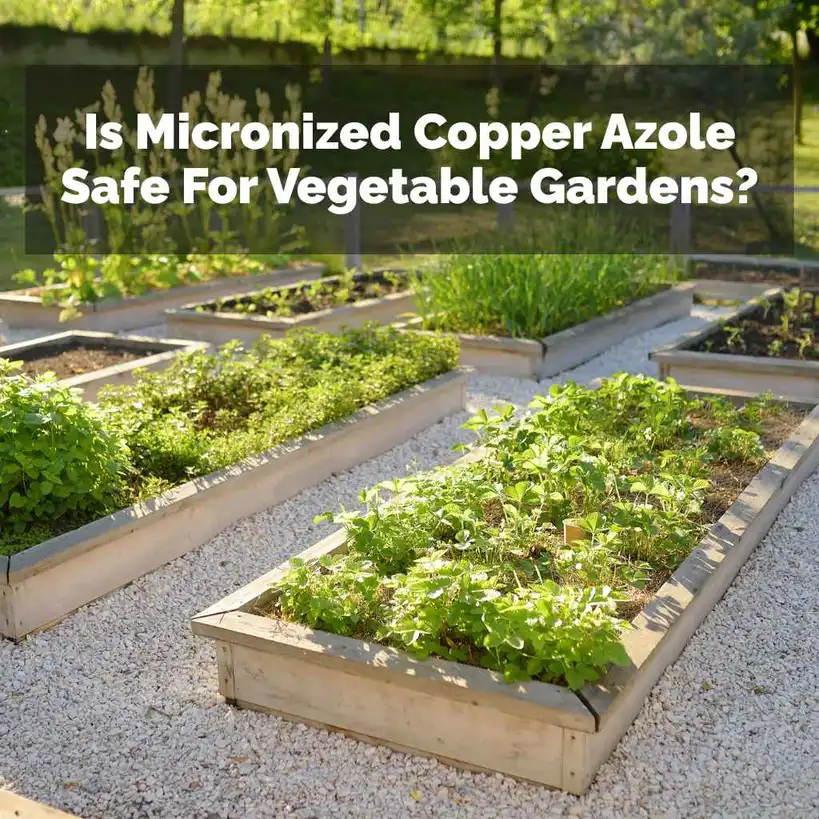
Is Micronized Copper Azole Safe For Vegetable Gardens?
Micronized copper azole (MCA) is often used as a fungicide and wood preservative. While it can be effective in controlling plant diseases, its direct application on vegetable gardens requires careful consideration due to potential impacts on plant health and soil. It’s not typically recommended for direct application to edible crops in most home garden scenarios.
Understanding Micronized Copper Azole (MCA)
So, what exactly is micronized copper azole? Think of it as a team of two active ingredients. Copper is an old-school fighter.
It’s been used for ages to stop fungi and bacteria. The “azole” part is a more modern addition. It often works alongside the copper to boost its power and broaden its reach.
This combination makes MCA a strong defender against many plant ailments.
MCA is known for its ability to protect plants from a variety of diseases. These include things like blights, leaf spots, and mildews. It works by disrupting the essential processes within fungal and bacterial cells.
This stops them from growing and spreading. It’s a preventive measure, meaning it’s best applied before diseases show up.
You’ll often find MCA used in different forms. Sometimes it’s a liquid spray for plants. Other times, it’s used to treat wood.
This treatment helps prevent decay and fungal growth in things like fences or garden bed borders. The “micronized” part refers to how small the copper particles are. This makes them spread more easily and stick to surfaces better.
This means less product might be needed to get good coverage.
Why the Concern for Vegetable Gardens?
The main reason people ask about MCA for vegetable gardens is simple: we’re growing food. We eat these vegetables. We want to be absolutely sure that what we use doesn’t harm us or make our food unsafe.
It’s about trust in what we grow and consume. We want to feel good about sharing our harvest with family and friends.
Copper itself, in large amounts, can be toxic. While it’s an essential nutrient for plants in tiny doses, too much can build up in the soil. This can harm beneficial soil microbes.
These tiny helpers are crucial for healthy plant growth. They break down organic matter and make nutrients available to your vegetables. If they’re harmed, your garden suffers.
Another concern is potential phytotoxicity. This means the product could actually damage the plants themselves. Even if it kills the bad guys, it might also harm your precious tomato plants or lettuce.
This is especially true if it’s applied too often, at too high a concentration, or at the wrong time. Weather can also play a role here.
MCA is also commonly used as a wood preservative. This often means treated wood is intended for long-term use, like decks or fence posts. There’s a risk that this treated wood, if used for things like raised garden beds, could leach chemicals into the soil.
This is a different application than spraying the plants directly, but it’s a related concern for garden safety.
Real-World Experience with Copper Fungicides
I remember one summer when I was really struggling with powdery mildew on my zucchini plants. They were loaded with fruit, but the leaves were turning white and sickly. I’d heard that copper fungicides could help.
I found an MCA-based spray and, feeling a bit desperate, I used it. I followed the directions, but I was still a little nervous.
The mildew did seem to back off. That was a relief! But then, a few days later, I noticed some of the leaves looked a little… scorched.
Not all of them, but a few. It was a subtle yellowing or browning around the edges. It made me pause.
Was I helping my plants, or was I inadvertently stressing them out? It was that moment of uncertainty that really stuck with me. It taught me that even with products that work, you have to be super careful and understand the balance.
That experience taught me a valuable lesson. Always read labels. Always understand what you’re using.
And always consider the specific plant you’re treating. What works for a sturdy fruit tree might be too much for a delicate leafy green. It’s about finding that sweet spot where you solve the problem without creating new ones.
MCA vs. Other Copper Fungicides
What’s the difference? Micronized copper azole (MCA) is a specific formulation. Other copper fungicides might use different copper compounds like copper sulfate or copper hydroxide. The ‘micronized’ part means the particles are ground very, very small.
This helps them stick better and spread out evenly.
Why it matters for gardens: Smaller particles can sometimes lead to better plant coverage with less product. However, they can also sometimes increase the risk of plant damage (phytotoxicity) if not used correctly. Always check the label for specific use instructions.
When is MCA Used in Horticulture?
MCA and other copper-based fungicides have a long history in agriculture. They are often used on larger commercial farms. This is usually for crops that have a high value or are particularly susceptible to fungal diseases.
Think of apples, grapes, or potatoes. These are crops where disease can wipe out a season’s profit.
Commercial growers often have specialized equipment. They can apply these products with precision. They also have strict protocols and a deep understanding of timing.
They know exactly when to spray, how much to spray, and under what weather conditions. This expertise helps them manage the risks associated with copper applications.
MCA is also very common in the wood treatment industry. You might see it advertised for protecting outdoor lumber. This lumber is used for things like decks, fences, and playground equipment.
The azole component helps prevent fungal decay and insect damage. This makes the wood last much longer outdoors.
For home gardeners, though, direct use of MCA on vegetable gardens is less common and often discouraged. There are usually simpler, safer alternatives for typical home garden pest and disease issues. The focus for home gardeners is often on prevention and organic methods first.
Important Notes for Gardeners
- Label is Law: Always read and follow the product label instructions precisely.
- Target Specific Crops: Labels will state which plants the product is approved for.
- Avoid Edibles Unless Specified: Do not use on vegetables unless the label clearly states it is safe for direct application.
- Soil Buildup: Repeated copper applications can lead to soil accumulation.
MCA and Treated Wood in Gardens
This is a big one for home gardeners. Many people want to build raised garden beds. They look for durable materials.
Treated lumber is readily available and can last a long time. However, not all treated wood is the same. Historically, some treatments used chemicals that are now considered unsafe for garden use.
MCA is often found in modern treated lumber. It’s generally considered safer than older treatments like CCA (chromated copper arsenate). CCA contained arsenic, which is definitely something you don’t want in your garden soil.
MCA, while still a chemical treatment, is designed to be more stable and less prone to leaching.
The key here is the type of MCA treatment and how it’s used. Lumber treated for “ground contact” is designed to be in the soil. This means it has a higher concentration of the preservative.
Lumber for above-ground use might have less. For vegetable gardens, it’s always safest to use lumber that is specifically rated for ground contact and then take precautions.
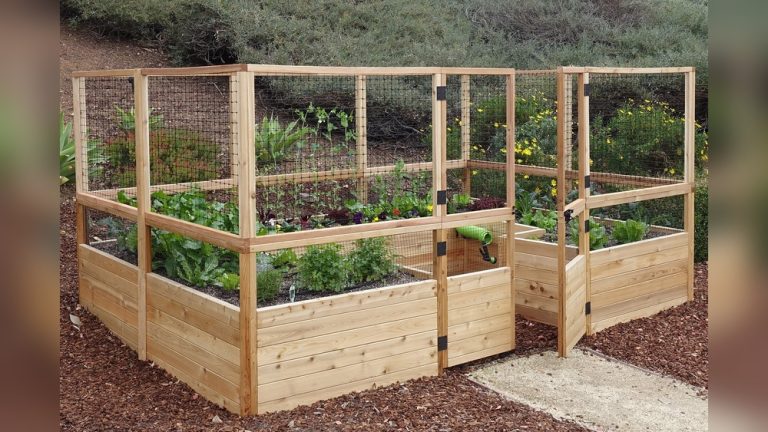
One common recommendation is to line the inside of raised beds built with treated wood. You can use a heavy-duty plastic liner or landscape fabric. This creates a barrier.
It prevents direct contact between the treated wood and the soil where your vegetables grow. This significantly reduces the risk of any chemicals leaching into your edible crops.
Another factor is the age of the treated wood. Newer treatments are generally considered safer. However, if you have very old treated lumber, it’s harder to know its history and potential for leaching.
If in doubt, it’s often best to choose untreated wood or a different material for your garden beds.
Treated Wood for Garden Beds: Key Differences
Old Treatments (e.g., CCA): Contained arsenic and chromium. NOT safe for garden beds.
Modern Treatments (e.g., MCA, ACQ): Generally safer alternatives. Still require precautions.
Ground Contact Rated: Lumber treated for direct soil contact. Higher preservative levels.
Above Ground Use: Lumber for non-soil contact applications. Lower preservative levels.
Potential Risks of MCA on Vegetable Plants
Let’s talk about the direct application of MCA as a spray on your vegetables. The label will be your best guide here. If a product doesn’t explicitly state it’s safe for use on edible crops, then you should assume it is not.
This is the most important rule for any home gardener.
Why is this the case? As I mentioned, copper can be toxic to plants in higher concentrations. It can damage leaf tissues.
This might show up as brown spots, yellowing, or even leaf drop. This reduces the plant’s ability to photosynthesize. It can stunt growth and lower yields.
Who wants that?
The “azole” part of MCA can also be a concern. While effective, some azole fungicides have been linked to potential health issues in humans. Regulatory bodies like the EPA (Environmental Protection Agency) in the U.S.
set strict guidelines for their use. For home garden products, the safety margins are usually very carefully considered.
There’s also the issue of residue. If you spray a fungicide on your vegetables, there might be residue left on the produce when you harvest it. Even washing your vegetables thoroughly might not remove all traces.
For most MCA products, they are not formulated or labeled for direct use on fruits and vegetables that you will eat.
Think about it this way: MCA is often used on ornamental trees and shrubs to prevent diseases. These are plants we don’t eat. When a product is used in a way that doesn’t involve consumption, the safety testing and regulations can be different than for products that are applied directly to food crops.
Key Safety Considerations for MCA
- Label Guidance: Only use on plants and in ways specified on the product label.
- Phytotoxicity Risk: High copper concentrations can harm plants.
- Residue Concerns: Potential for lingering chemicals on edible produce.
- Soil Accumulation: Repeated use can harm soil microbes.
Safer Alternatives for Vegetable Garden Diseases
The good news is that you have many excellent, safer options for managing diseases in your vegetable garden. Focusing on prevention is always the best first step. Healthy plants are less susceptible to diseases.
This means giving them the right conditions to thrive.
Good garden hygiene is crucial. Remove any diseased plant material promptly. Don’t let it sit and spread spores.
Water your plants at the base, not overhead. Wet leaves can encourage fungal growth. Ensure good air circulation around your plants.
Proper spacing helps with this.
For active disease control, consider these alternatives:
- Baking Soda Sprays: A simple mix of baking soda, water, and a little bit of mild soap can help control powdery mildew. It changes the pH on the leaf surface, making it less hospitable to the fungus.
- Neem Oil: This is a natural oil derived from the neem tree. It’s an insecticide and fungicide. It works in several ways, disrupting insect feeding and development, and also interfering with fungal growth.
- Horticultural Oils: Similar to neem oil, these oils can smother small insects and fungal spores. They are often best used during the dormant season or on specific pests and diseases.
- Beneficial Microbes: Products containing beneficial bacteria or fungi can help outcompete or suppress disease-causing organisms in the soil and on the plant surfaces.
- Copper Hydroxide/Sulfate (with caution): If you must use copper, some labels might allow for specific applications of copper hydroxide or copper sulfate on certain vegetables. These are usually formulated differently than MCA products intended for wood treatment. Always check the label carefully for vegetable garden use.
Many gardeners also find success by simply choosing disease-resistant varieties of vegetables when they plant. Breeders work hard to develop plants that are naturally better at fending off common problems.
Quick Scan: Safer Disease Control
| Method | Best For | Ease of Use |
| Preventative Practices | Overall plant health, disease resistance | High |
| Baking Soda Spray | Powdery mildew on leafy greens, squash | Medium |
| Neem Oil | Fungal diseases, some insects | Medium |
| Disease-Resistant Varieties | Preventing specific common diseases | High (at planting) |
What This Means for Your Vegetable Garden
The core message is this: Micronized copper azole is generally NOT recommended for direct application to vegetable crops in home gardens. Its primary uses are in wood preservation and sometimes in commercial agriculture on non-edible ornamental plants or specific food crops under strict professional guidance.
If you have raised garden beds made from treated wood, especially if it’s MCA-treated lumber, take precautions. Use a barrier like plastic sheeting or landscape fabric between the wood and the soil. This is a good way to enjoy the durability of treated wood without risking contamination of your vegetable patch.
For fighting diseases on your actual vegetables, focus on the safer, more natural alternatives. Good gardening practices like proper watering, spacing, and sanitation are your first line of defense. Then, turn to products like neem oil, baking soda sprays, or disease-resistant plant varieties.
Always, always, always read the product label. If it doesn’t say it’s safe for vegetables, assume it’s not. Your health and the health of your family are paramount.
Growing food should be a joyful and trustworthy process, and choosing the right products is a big part of that.
Common Questions About MCA and Gardens
Can I use MCA-treated wood for my vegetable garden beds?
It’s best to use a barrier, like heavy plastic sheeting or landscape fabric, between the treated wood and the soil. This prevents any potential leaching into your garden soil. Modern MCA-treated wood is generally safer than older treatments, but a barrier offers extra peace of mind.
Is MCA safe for soil long-term?
Copper can build up in the soil over time with repeated applications. This can harm beneficial soil microorganisms. For this reason, direct and frequent application of copper-based fungicides on vegetable gardens is generally discouraged.
Natural decomposition and soil amendment help manage copper levels.
What are the signs that copper has harmed my plants?
Signs of copper toxicity or phytotoxicity can include yellowing or browning of leaf edges, leaf spots, stunted growth, and reduced flowering or fruiting. It might look like a burn on the leaves. The plant may appear generally unhealthy or stressed.
Are there any vegetable gardens where MCA is used?
In large-scale commercial farming, copper-based fungicides, including MCA, might be used on certain high-value crops under very specific conditions and expert guidance. However, this is different from how a home gardener would typically use such a product and requires professional-level understanding of application rates and safety.
Can I wash MCA residue off my vegetables?
Washing vegetables is always a good practice. However, for chemical residues, it’s not always guaranteed to remove them completely. This is one reason why it’s crucial to only use products specifically labeled as safe for direct application to edible crops.
If a product isn’t labeled for vegetables, assume washing won’t make it safe.
What’s the difference between MCA and organic copper fungicides?
MCA is a specific chemical formulation. “Organic” copper fungicides typically refer to copper salts like copper sulfate or copper hydroxide, which are allowed for use in certified organic farming under strict guidelines. While all copper fungicides should be used cautiously, organically approved copper products are often formulated and labeled for specific food crop applications where MCA typically is not.
Final Thoughts on Garden Safety
Growing your own food is a rewarding experience. Keeping it safe for your family is the top priority. While MCA is a useful tool for certain applications, like wood preservation, it’s not the go-to for keeping your vegetable plants healthy.
There are better, safer choices available for your edible garden.