Are Soaker Hoses Good for Vegetable Gardens?
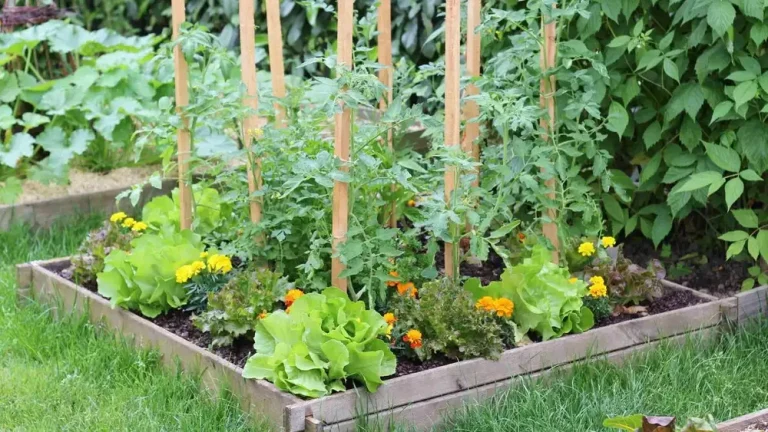
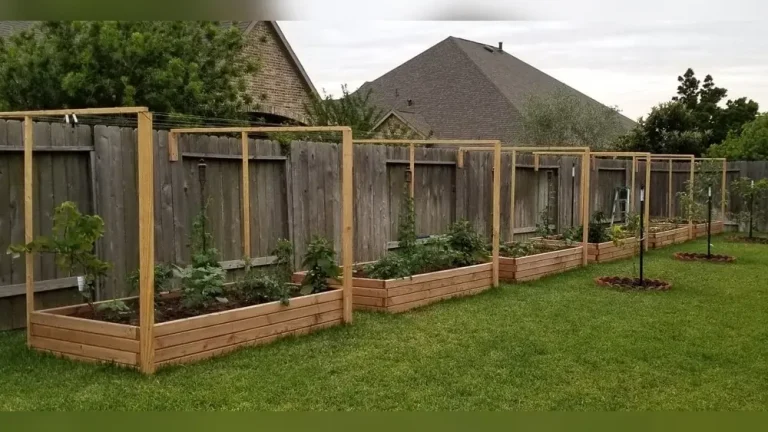
Simply put, soaker hoses are highly effective for vegetable gardens because they deliver water gently and directly to plant roots, promoting healthier growth, conserving water, and reducing disease compared to overhead watering methods. They are a low-maintenance and efficient solution for consistent garden hydration.

Rocky Mountain Goods
Rocky Mountain Goods 25 Foot Flat Weeper…
- PLEASE READ: This is a soaker/weeper hose which means it will leak water along the entire length of the hose to water plants where…
- IMPORTANT: Made to be used at 25-30 PSI. If the hose is spraying turn the water down or use one of the three pressure reducer disc…
- Heavy Duty Double Layer Design with PVC Liner Covered in Extra Strength Fabric
As an Amazon Associate I earn from qualifying purchases.

Key Takeaways
- Soaker hoses are good for vegetable gardens by delivering water directly to roots, reducing evaporation and disease.
- They promote healthier plant growth and yield by providing consistent moisture.
- Soaker hoses offer significant water conservation benefits.
- Proper installation and maintenance are crucial for optimal performance.
- While excellent, they may require supplemental watering for very large or dense plantings.
What is a Soaker Hose and How Does It Work?
A soaker hose is a specialized type of garden hose designed to gently seep water along its entire length. Unlike traditional sprinklers that spray water over a wide area, soaker hoses are made from porous, recycled rubber or plastic material that allows water to ooze out through tiny holes or micro-pores. This slow, consistent drip ensures that water penetrates the soil deeply and reaches the plant’s root system directly.
The mechanism is simple physics: when connected to a water source and turned on at a low pressure, water seeps through the permeable walls of the hose. The slower the water flow and the lower the pressure, the more thoroughly the soil around the hose becomes saturated. This targeted application means less water is lost to wind, evaporation, or runoff, making it an incredibly efficient irrigation method for any garden, particularly vegetable gardens where consistent moisture is key to healthy produce.
- Material Composition: Typically made from recycled rubber or plastic, allowing for permeability.
- Water Delivery: Seeps water slowly and steadily along its entire length.
- Targeted Irrigation: Delivers water directly to the soil around plant roots.
- Low Pressure Operation: Works effectively at low water pressure, further conserving water.
- Reduced Evaporation: Minimizes water loss due to sun and wind compared to sprinklers.
- Disease Prevention: Keeps foliage dry, reducing the risk of fungal diseases.
The effectiveness of a soaker hose relies on a few factors. The soil type plays a role; sandy soils might require shorter run times to prevent excessive drainage, while clay soils benefit from longer, slower soaks. The diameter and length of the hose also influence how evenly water is distributed.
It’s generally recommended not to exceed 100 feet of soaker hose on a single line to maintain consistent pressure and flow.
Benefits of Using Soaker Hoses in Vegetable Gardens
The advantages of integrating soaker hoses into your vegetable gardening strategy are numerous and impactful. For anyone looking to grow healthier plants, conserve water, and reduce their workload, soaker hoses offer a compelling solution. Their design directly addresses common gardening challenges, leading to a more productive and sustainable garden.
One of the most significant benefits is water conservation. Because the water is delivered directly to the root zone, up to 70% less water is used compared to overhead sprinklers. This is crucial in areas with water restrictions or for gardeners conscious of their environmental footprint.
Furthermore, this targeted watering prevents water from being wasted on pathways or evaporating from leaf surfaces.
Beyond saving water, soaker hoses contribute to healthier plant growth. Consistent moisture at the root level encourages deeper root development, making plants more resilient to drought and stress. This is particularly important for vegetables that require steady hydration for optimal fruit or vegetable production, such as tomatoes, cucumbers, and peppers.
By avoiding water on the leaves, the risk of common garden diseases like powdery mildew, blight, and leaf spot is dramatically reduced, leading to healthier plants and a better harvest.
- Water Efficiency: Uses up to 70% less water than sprinklers.
- Healthier Root Systems: Encourages deeper, stronger root growth.
- Reduced Disease Incidence: Keeps foliage dry, preventing fungal and bacterial issues.
- Less Weed Growth: Water is applied only where plants need it, not on open soil where weeds thrive.
- Time Savings: Once set up, requires minimal manual intervention for watering.
- Improved Nutrient Uptake: Consistent moisture aids in the absorption of soil nutrients.
- Gentle Watering: Prevents soil erosion and damage to delicate seedlings.
Installation and Setup: Getting Started with Soaker Hoses
Proper installation is key to maximizing the benefits of your soaker hose system. A well-laid-out system ensures even water distribution and longevity for your hoses. The process is generally straightforward, making it accessible even for beginner gardeners.
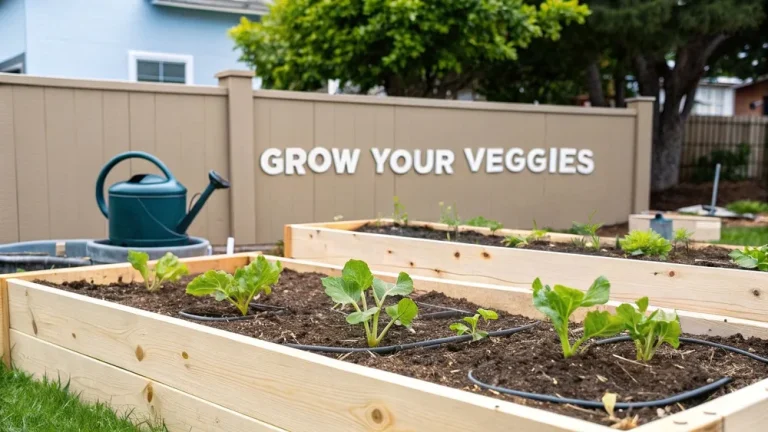
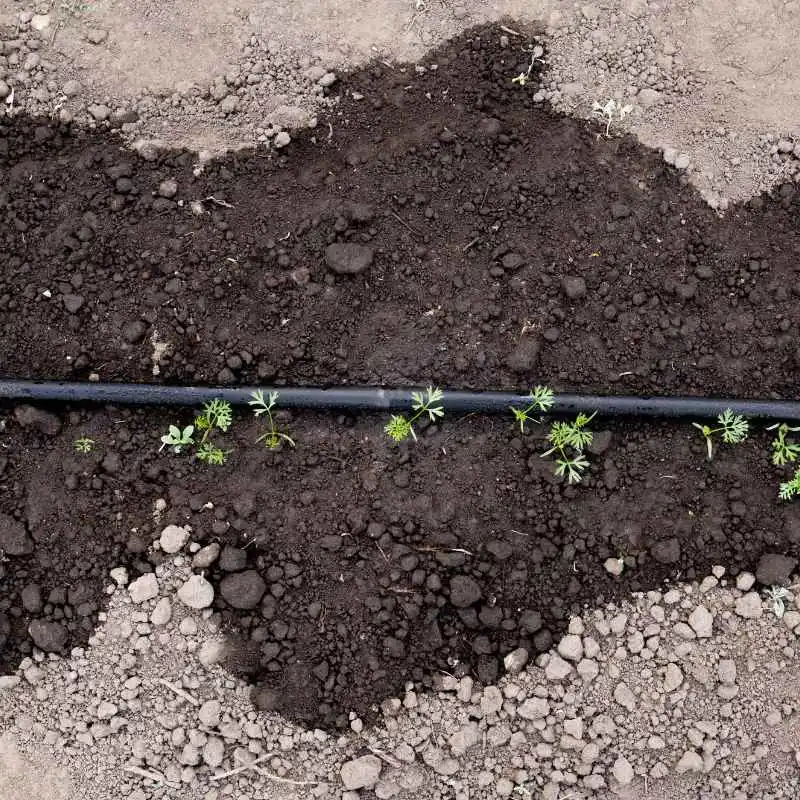
Before you begin, sketch out a plan for your garden beds. Determine the layout of your vegetable plants and how you’ll run the hoses to reach their root zones. Most soaker hoses are designed to be laid directly on the soil surface, either on top of mulch or buried shallowly (no more than 2-3 inches deep) under a layer of mulch.
Burying them can help protect them from UV damage and keep them out of sight, but it can also make them harder to inspect for clogs.
Important: Always connect your soaker hose to a faucet with a pressure regulator. Most soaker hoses are designed to operate at low pressure (10-25 PSI). High pressure can cause the hose to burst or spray water unevenly. You may also want to install a timer to automate your watering schedule.
- Connect to Faucet: Attach the soaker hose to your outdoor faucet using a standard hose connector. Ensure a tight seal to prevent leaks.
- Install Pressure Regulator: Connect a pressure regulator to the faucet before attaching the soaker hose.
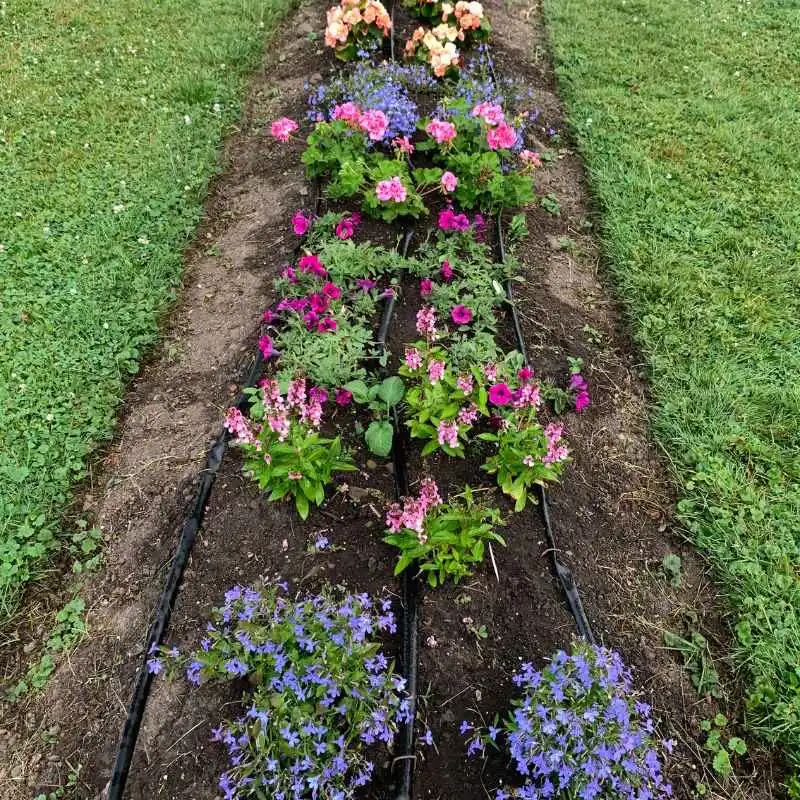
- Lay Out Hoses: Position the soaker hose along the base of your plants, following rows or individual plant clusters. For dense plantings, you might run two parallel lines.
- Anchor Hoses: Use garden stakes or U-shaped landscape staples to keep the hose in place, preventing it from shifting.
- Test the System: Turn on the water at a low flow rate and observe the hose. Check for any kinks, leaks, or areas where water isn’t seeping effectively. Adjust pressure as needed.
- Cover with Mulch (Optional): For a more aesthetically pleasing look and to further reduce evaporation, cover the hose with 1-2 inches of organic mulch (like straw, wood chips, or compost).
Consider using an end cap for the far end of the hose if it’s not connected to another hose or if you’re running a single line. This ensures water seeps out evenly from the entire length. For larger gardens, you might need to connect multiple soaker hoses using connectors, but remember to keep the total length within the manufacturer’s recommendation to maintain efficient water delivery.
Best Practices for Using Soaker Hoses in Vegetable Patches
To get the most out of your soaker hose investment, adopting a few best practices can significantly enhance their effectiveness and prolong their lifespan. These tips focus on optimizing water delivery, plant health, and system maintenance.
Timing is everything when it comes to watering. The best time to run your soaker hoses is in the early morning. This allows the soil to absorb the water before the heat of the day causes rapid evaporation, and it ensures that any residual moisture on leaves (though minimized by soaker hoses) can dry before nightfall, further reducing disease risk.
Watering in the evening can leave plants susceptible to fungal growth in cool, damp conditions.
Monitoring soil moisture is crucial. While soaker hoses provide consistent watering, they shouldn’t be run indefinitely. Check the soil moisture by digging a few inches down with your finger or a trowel.
The soil should be damp, not waterlogged. The duration your soaker hose needs to run will vary based on your soil type, weather conditions, and the specific needs of your vegetable plants.
- Watering Schedule: Aim for early morning watering sessions.
- Duration: Run hoses for 30-60 minutes at a time, adjusting based on soil moisture.
- Frequency: Water deeply less often rather than shallowly every day to encourage deep root growth.
- Observe Plants: Watch your vegetables for signs of stress, wilting (underwatering), or yellowing leaves (overwatering).
- Seasonal Adjustments: Increase watering during hot, dry spells and reduce it during cooler, wetter periods.
- End-of-Season Flush: At the end of the growing season, flush the hoses with clean water to remove any sediment.
- Winter Storage: Drain the hoses completely and store them in a frost-free location to prevent damage.
Warning: Never leave soaker hoses running unattended for extended periods, especially if they are not properly regulated. Check your system regularly for leaks or blockages. Also, be aware that some very fine-textured mulches can compact and hinder water from reaching the hose effectively.
For optimal plant health, consider the specific needs of different vegetables. Root vegetables like carrots and potatoes benefit from consistent moisture throughout their growth cycle. Leafy greens such as lettuce and spinach require steady hydration to produce tender leaves.
Fruiting plants like tomatoes and zucchini need reliable moisture, especially when flowering and setting fruit, to prevent issues like blossom-end rot.
Comparing Soaker Hoses to Other Watering Methods
To truly appreciate the value of soaker hoses, it’s helpful to compare them against other common garden watering techniques. Each method has its pros and cons, and understanding these differences highlights why soaker hoses are often preferred for vegetable gardens.
Overhead sprinklers are a common choice, but they come with significant drawbacks for vegetable patches. They tend to lose a lot of water to evaporation, especially on windy or hot days. More importantly, the water that lands on leaves can create a moist environment conducive to fungal diseases, which can devastate sensitive vegetable crops.
While they cover a wide area, their efficiency is often low, and they can lead to uneven watering if not positioned perfectly.
| Feature | Soaker Hose | Overhead Sprinkler | Drip Irrigation System |
|---|---|---|---|
| Water Delivery | Direct to soil, slow seep | Sprays water over plants and soil | Direct to soil via emitters, slow drip |
| Water Efficiency | Very High (up to 70% less water) | Low to Moderate | Very High (similar to soaker hose) |
| Disease Risk | Very Low (keeps foliage dry) | High (wets foliage) | Very Low (keeps foliage dry) |
| Installation Complexity | Simple | Moderate | Complex (requires emitters, tubing, filter) |
| Cost | Low to Moderate | Low to Moderate | Moderate to High |
Drip irrigation systems are another highly efficient option, offering precise water delivery through a network of emitters. While extremely effective, they are typically more complex and expensive to install than soaker hoses, involving filters, regulators, various tubing sizes, and individual emitters. For many home gardeners, soaker hoses offer a nearly comparable level of efficiency and disease prevention at a much more accessible price point and with simpler installation.
Hand watering with a watering can or hose nozzle is the most basic method. It offers complete control over where water is applied but is incredibly time-consuming and labor-intensive, especially for a sizable vegetable garden. It’s often difficult to ensure consistent saturation to the root zone, and water can still be lost to evaporation.
For a large garden, hand watering is rarely a sustainable long-term solution.
Potential Downsides and How to Mitigate Them
While soaker hoses are excellent for vegetable gardens, they aren’t without potential drawbacks. Being aware of these limitations allows gardeners to implement strategies to mitigate them, ensuring the system works optimally.
One common issue is uneven watering, especially if hoses are too long or water pressure is inconsistent. As mentioned, exceeding 100 feet on a single line can lead to the end of the hose receiving significantly less water than the beginning. Clogging can also be a problem, particularly in areas with hard water or sediment in the water supply.
Tip: Regularly inspect your soaker hoses for clogs. If you notice reduced water flow in certain sections, try flushing the system with water or using a thin wire to gently clear individual pores. Periodically backflushing the system can also help prevent sediment buildup.
Another consideration is that soaker hoses may not be sufficient for plants with very high water demands or in extremely hot climates without supplemental watering. The slow, seeping nature means they might not deliver water fast enough to meet the needs of thirsty plants during peak heat. Additionally, if buried too deeply, they can be difficult to locate and repair if damaged.
- Uneven Watering: Use shorter lengths (max 100 ft per line) and ensure consistent water pressure.
- Clogging: Install a filter at the faucet and flush hoses regularly. Use clean water sources.
- Insufficient Watering: Supplement with hand watering or drip emitters during extreme heat or for particularly thirsty plants.
- Damage: Bury only shallowly (2-3 inches) or keep on the surface and cover with mulch.
- Root Intrusion: In some cases, plant roots can grow into the pores of the hose, causing blockages. This is more common if hoses are left uncovered for extended periods or if roots are starved for water.
- Freezing Damage: Always drain and store hoses indoors or in a frost-free area during winter.
Maintenance is key to preventing most of these issues. Regular checks, proper installation, and seasonal care will ensure your soaker hoses remain an effective and reliable irrigation tool for your vegetable garden year after year. If you have very large beds, consider zoning your irrigation, using multiple shorter lines connected to a manifold or timer, to ensure each section receives adequate and consistent water.
What Vegetables Benefit Most from Soaker Hoses?
Virtually all vegetables benefit from the consistent, targeted moisture that soaker hoses provide. However, some types of vegetables are particularly sensitive to inconsistent watering or foliage diseases, making them prime candidates for soaker hose irrigation. Understanding which crops gain the most can help prioritize their placement and watering strategies.
Fruiting vegetables like tomatoes, peppers, cucumbers, squash, and melons are highly susceptible to diseases like powdery mildew and blight, which thrive in moist leaf conditions. They also require consistent moisture for proper fruit development, and inconsistencies can lead to issues like blossom-end rot in tomatoes and peppers. Soaker hoses keep the foliage dry and deliver water directly to the root zone where these plants need it most, promoting healthier plants and reducing the incidence of these common problems.
Leafy greens such as lettuce, spinach, kale, and Swiss chard also appreciate consistent moisture. Uneven watering can lead to bolting (premature flowering and seeding) in lettuce and spinach, making them bitter. The gentle watering action of soaker hoses avoids disturbing delicate leaves or compacting the soil, ensuring tender, high-quality greens.
Root vegetables, including carrots, radishes, and potatoes, benefit from uninterrupted moisture for smooth, even development and to prevent cracking or deformities.
- Tomatoes: Consistent moisture prevents blossom-end rot and cracking.
- Peppers: Benefits from steady watering, especially during flowering and fruit set.
- Cucumbers & Squash: Prone to powdery mildew; soaker hoses keep leaves dry.
- Lettuce & Spinach: Requires even moisture to prevent bolting and maintain tenderness.
- Carrots & Radishes: Needs consistent soil moisture for smooth, unhindered root growth.
- Beans & Peas: Benefits from steady watering for pod development and to prevent stress.
- Corn: While needing significant water, soaker hoses can effectively irrigate established corn stalks at their base.
Even crops less prone to disease, like beans and peas, benefit from the efficiency and reduced effort. The direct watering also helps conserve water in climates where these staples are grown extensively. When planning your garden layout, consider placing the vegetables with the highest water needs or disease susceptibility closest to where you can easily run soaker hoses.

Frequently Asked Questions
Are soaker hoses better than drip irrigation for vegetable gardens?
Soaker hoses and drip irrigation systems are both highly efficient and excellent for vegetable gardens. Soaker hoses are generally simpler to install and more affordable, making them a great choice for beginners or smaller gardens. Drip irrigation offers more precise control with emitters, allowing for customized watering to individual plants, but is more complex and costly to set up.
How often should I run my soaker hoses?
The frequency depends on your soil type, climate, and the specific vegetables you’re growing. As a general guideline, check your soil moisture every few days. You might water deeply once or twice a week for 30-60 minutes, adjusting based on weather.
Hot, dry weather will require more frequent or longer watering sessions than cooler, humid periods.
Can I bury soaker hoses in my vegetable garden?
Yes, you can bury soaker hoses, but only shallowly (2-3 inches deep) and ideally under a layer of mulch. Burying them helps protect them from UV damage, keeps them out of sight, and can reduce evaporation further. However, burying them can make them harder to inspect for clogs or damage, so consider this trade-off.
What is the best water pressure for soaker hoses?
Soaker hoses are designed to operate at low water pressure, typically between 10 to 25 PSI (pounds per square inch). Using a faucet pressure regulator is essential to prevent over-pressurizing the hose, which can cause it to burst or water to spray out forcefully rather than seep gently.
How long can a soaker hose be?
Most manufacturers recommend a maximum length of 100 feet for a single soaker hose line to ensure even water distribution. If your garden beds are longer than this, it’s best to use multiple shorter hoses connected to a manifold or timer, or to create separate watering zones.
Final Thoughts
Are soaker hoses good for vegetable gardens? Absolutely. They offer an exceptional blend of water efficiency, plant health benefits, and ease of use that is hard to beat.
By delivering water directly to the roots and keeping foliage dry, soaker hoses significantly reduce water waste and disease risk, leading to more robust growth and a bountiful harvest. While some basic maintenance and proper installation are required, the investment in soaker hoses is a wise one for any vegetable gardener seeking a sustainable and effective watering solution.
Related pick: Check today's price on Amazon