Is Peat Moss Good for Vegetable Gardens
Peat moss has long been a staple in the world of gardening, praised for its remarkable ability to improve soil structure and moisture retention. But as more gardeners seek sustainable and eco-friendly solutions, the use of peat moss in vegetable gardens has come under scrutiny. Is it truly the secret weapon for lush, productive beds, or does it carry environmental and horticultural drawbacks that outweigh its benefits?
This question isn’t just academic—it’s at the heart of how we grow food, care for the earth, and steward our resources. Gardeners, whether seasoned or just beginning, need clear, evidence-based guidance on whether peat moss belongs in their vegetable plots.
In this comprehensive guide, we’ll dig deep into the science, explore real-world experiences, and compare alternatives so you can make the best decision for your own garden and values.
Key Takeaways
- Peat moss significantly improves soil structure and moisture retention but is naturally acidic and low in nutrients.
- Its extraction raises environmental concerns, prompting some gardeners to seek sustainable alternatives.
- When used correctly and in moderation, peat moss can benefit many vegetable gardens, especially those with heavy clay or sandy soils.
- There are several effective peat-free options, including coconut coir and compost, for gardeners prioritizing sustainability.
- The ideal soil amendment depends on your unique garden needs, crop selection, and local soil conditions.

What Is Peat Moss? Origins, Properties, And Common Uses
How Peat Moss Is Formed
Peat moss is a type of sphagnum moss that accumulates and decomposes very slowly in waterlogged, acidic bogs over thousands of years. As layers build up, the compressed plant material forms a dense, organic substance that is harvested, dried, and sold for horticultural use. Major peat moss producers include Canada, Russia, Finland, and Ireland, with Canada accounting for over 90% of North American supply (Wikipedia).
The process of peat formation is unique. In these boggy environments, oxygen levels are low, which slows the decomposition of sphagnum moss and other organic matter. Over time, layer upon layer of partially decomposed material accumulates, eventually creating thick deposits.
The harvesting process involves careful extraction, drying, and grading before peat moss is packaged for gardening and commercial use. The sheer age and ecological complexity of peat bogs make them irreplaceable habitats.
Physical And Chemical Characteristics
Peat moss is renowned for its lightweight, fibrous texture and ability to retain up to 20 times its weight in water. Its structure improves soil aeration and drainage, making it popular for seed starting and container mixes. However, peat moss is naturally acidic, with a pH typically between 3.0 and 4.5, and contains very few nutrients by itself (Gardening Know How).
Key properties:
- Excellent water retention
- Promotes aeration in dense soils
- Acidic pH (3.0–4.5)
- Low in available nutrients
- Slow to decompose
Peat moss’s structure consists of long, interwoven fibers, which enhance soil porosity and encourage root growth. Its slow decomposition rate means it persists in the soil for years, providing lasting improvement to soil texture. The acidity of peat moss is a double-edged sword: beneficial for acid-loving plants, but potentially problematic for others.
Common Horticultural Applications
Gardeners and commercial growers alike value peat moss for:
- Seed starting mixes
- Amending heavy clay or sandy soils
- Potting mixes for containers
- Mulching for moisture conservation
Its role as a soil amendment is especially prized in vegetable gardens where consistent moisture and good root development are crucial. Peat moss is also used in specialty horticulture—such as for growing blueberries, azaleas, and other acid-loving plants. Its sterility and absence of weed seeds make it a go-to medium for professional growers.

Benefits Of Peat Moss In Vegetable Gardens
Improved Soil Structure
One of the primary challenges in many home gardens is poor soil structure—either compacted clay that drains poorly or sandy soil that dries out too quickly. Peat moss addresses both issues by:
- Loosening dense clay, enhancing root penetration and drainage
- Adding organic matter to sand, improving water and nutrient retention
For gardeners dealing with heavy clay, peat moss provides a much-needed boost in aeration. The fibrous material helps break up compacted soil, creating pathways for roots and water to travel. In sandy soils, where water drains away too quickly, peat moss acts like a sponge, holding moisture and nutrients in place for plant uptake.
This dual action makes it a versatile amendment across different soil types.
Enhanced Moisture Retention
Because peat moss can hold up to 20 times its weight in water, it helps maintain consistent soil moisture—critical for vegetables like tomatoes, peppers, and leafy greens that are sensitive to drying out. Moisture consistency is one of the most important factors in preventing issues such as blossom end rot in tomatoes and bolting in leafy greens.
Example: In a University of Massachusetts study, plots amended with peat moss required 30% less frequent irrigation than unamended controls, resulting in more uniform crop growth (UMass Extension). In practical terms, this means less time spent watering, reduced risk of drought stress, and more resilient plants during dry spells.
Better Seed Germination And Root Development
Fine-textured peat moss creates an ideal environment for seed starting and young transplants by:
- Providing a loose, friable mix for delicate roots
- Promoting even moisture distribution
- Reducing the risk of damping-off diseases due to improved aeration
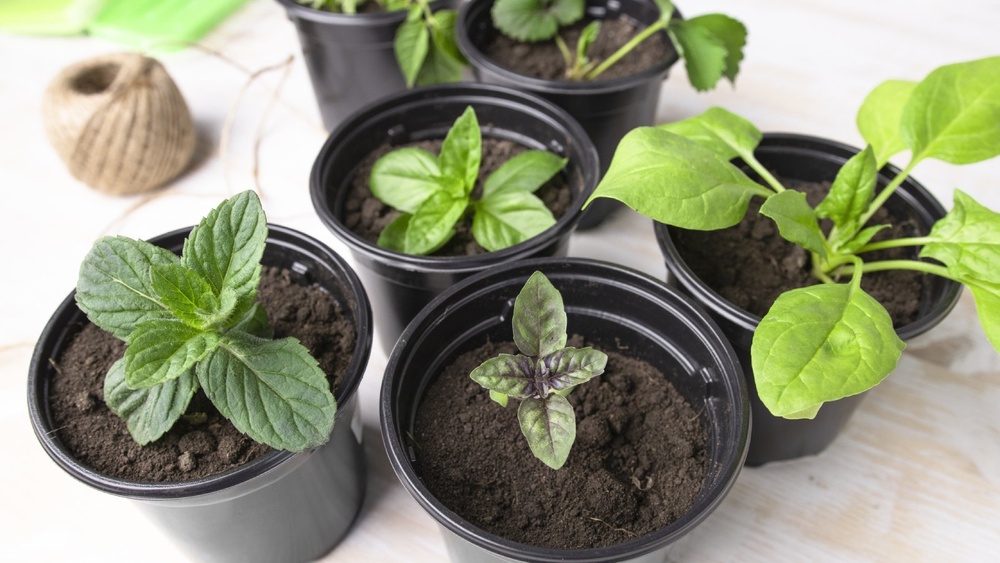
Seedlings grown in peat-based mixes tend to develop strong, healthy root systems. The even moisture distribution prevents seeds from drying out or becoming waterlogged—both common causes of poor germination rates. Additionally, the sterility of commercial peat moss helps protect young plants from soil-borne pathogens.
Weed And Disease Suppression
Peat moss is typically free of weed seeds and pathogens when purchased from reputable suppliers. When used as a mulch, it can help suppress weeds and maintain a cleaner, disease-resistant growing environment. Its fine texture creates a physical barrier that inhibits weed emergence.
The absence of pathogens is particularly valuable in organic gardening, where disease management is crucial.
Data Table: Soil Amendment Impact On Vegetable Yield
| Soil Amendment | Average Yield Increase (%) | Watering Frequency Reduction (%) | Soil pH Change |
|---|---|---|---|
| Peat Moss | 18 | 30 | -0.7 |
| Compost | 22 | 25 | +0.2 |
| Coconut Coir | 14 | 28 | 0.0 |
| Vermiculite | 12 | 15 | +0.1 |
Real-world Example: Raised Bed Success
A community garden in Minneapolis amended its heavy clay beds with 2 inches of peat moss and compost each spring. Over three seasons, they reported:
- 25% higher yields of carrots and beets (root crops)
- Fewer instances of waterlogging and root rot
- Consistently moist but well-aerated soil
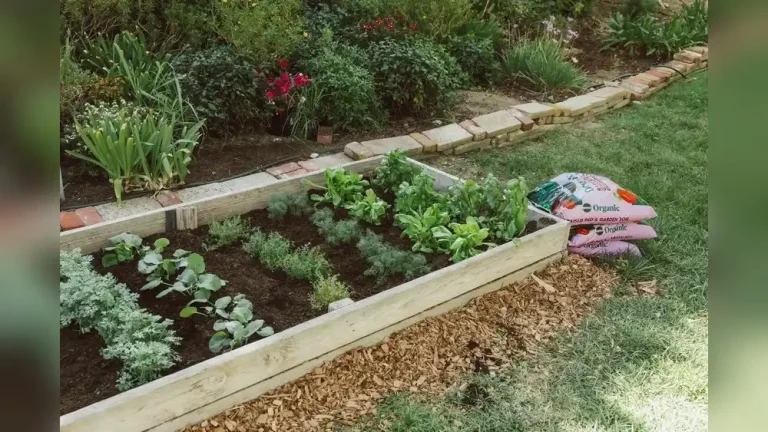
Gardeners noted that the improved soil structure made it easier to work the beds and plant seeds. The combination of peat moss and compost resulted in a crumbly, fertile soil that supported both root and leafy crops. Anecdotal reports from participants highlighted fewer pest and disease issues, likely due to improved drainage and soil health.
Limitations And Concerns: Peat Moss In Sustainable Gardening
Environmental Impact Of Peat Harvesting
The most significant concern with peat moss is its environmental footprint. Peat bogs are vital carbon sinks, storing more carbon than all of the world’s forests combined. Harvesting peat releases this carbon, contributing to greenhouse gas emissions. It also destroys unique wetland ecosystems that support rare plants and animals (Royal Horticultural Society).
Key facts:
- Peatlands cover only 3% of the earth’s surface but store 30% of soil carbon.
- It can take 1,000 years to form just a meter of peat.
- Peat harvesting is regulated in some countries, but illegal or unsustainable extraction still occurs.
The destruction of peatlands has ripple effects beyond carbon emissions. The loss of biodiversity, alteration of hydrological cycles, and disruption of indigenous communities are all associated with peat extraction. Many environmental organizations urge gardeners to consider the broader impacts before using peat moss.
Soil Acidity And Nutrient Deficiency
Peat moss’s low pH can acidify garden soil, which may inhibit plant growth if not corrected—especially for vegetables that prefer neutral or slightly alkaline soils (e.g., brassicas, beans). Because it is nutrient-poor, relying solely on peat moss can result in nutrient deficiencies unless supplemented with compost or fertilizers.
Gardeners need to be aware that excessive use of peat moss can cause soil imbalances, leading to poor plant performance. Regular soil testing and the addition of lime or balanced fertilizers are necessary to maintain optimal growing conditions.
Cost And Availability
Compared to locally produced compost or leaf mold, peat moss is often more expensive and less widely available, especially in regions far from peat bogs. The price can fluctuate based on supply and transportation costs, making it less accessible for large-scale or budget-conscious gardeners.
Composting And Decomposition Rate
Peat moss decomposes very slowly. While this can be an advantage for long-term soil conditioning, it means that its benefits accrue over years, not months. Gardeners looking for rapid improvement may need to combine peat moss with faster-decomposing amendments.
Case Study: Overuse In A Home Garden
A home gardener in Ohio added a 6-inch layer of peat moss to their beds for multiple years. Over time, they observed:
- Soil pH dropped to 5.0, stunting beans and lettuce
- Tomato plants developed blossom end rot due to calcium lockout
- Amended beds required more lime and fertilizer to correct imbalances
This example highlights the importance of moderation and monitoring when using peat moss. Over-application can create more problems than it solves, especially in gardens with sensitive crops.
Best Practices For Using Peat Moss In Vegetable Gardens
Application Rates And Methods
To maximize benefits and minimize drawbacks:
- Apply peat moss in a 1–2 inch layer and work it into the top 6–8 inches of soil.
- Always blend peat moss with compost or well-rotted manure to provide nutrients.
- Monitor soil pH and adjust with lime if necessary, especially for crops sensitive to acidity.
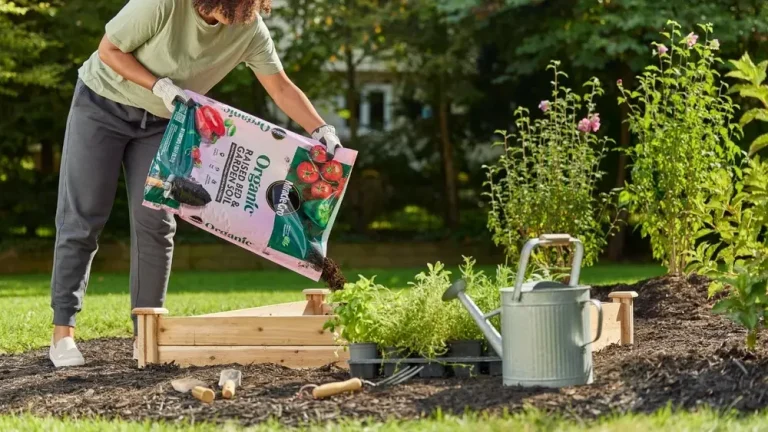
For large garden beds, incorporate peat moss evenly to avoid pockets of acidity. Using a rototiller or garden fork ensures thorough mixing. If working with container gardens, peat moss can be blended with potting soil and other amendments to create a balanced medium.
Matching Peat Moss To Crops
Some vegetables thrive in slightly acidic, moisture-retentive soils:
- Potatoes: Prefer pH 5.0–6.0; benefit from peat moss
- Tomatoes, peppers, squash: Enjoy improved moisture, but watch acidity
- Carrots, beets, onions: Appreciate lighter soil for root growth
Others, such as beans, peas, and brassicas, may require pH adjustment or alternative amendments. Always check the optimal pH range for your chosen crops before amending.
Combining Peat Moss With Other Amendments
Mixing peat moss with other soil conditioners can help balance its properties:
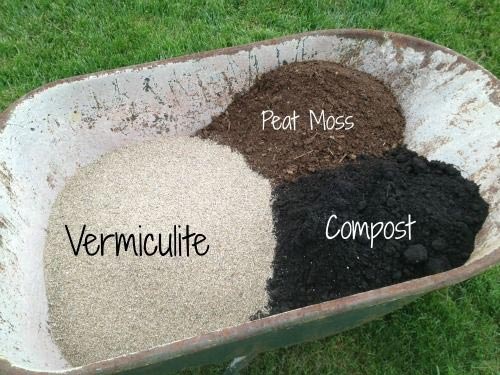
- Compost: Adds nutrients and beneficial microbes
- Vermiculite or perlite: Enhances aeration
- Lime: Neutralizes acidity for pH-sensitive crops
A blend of amendments harnesses the strengths of each ingredient. For example, combining compost with peat moss improves both water retention and fertility, supporting vigorous vegetable growth.
Mulching With Peat Moss
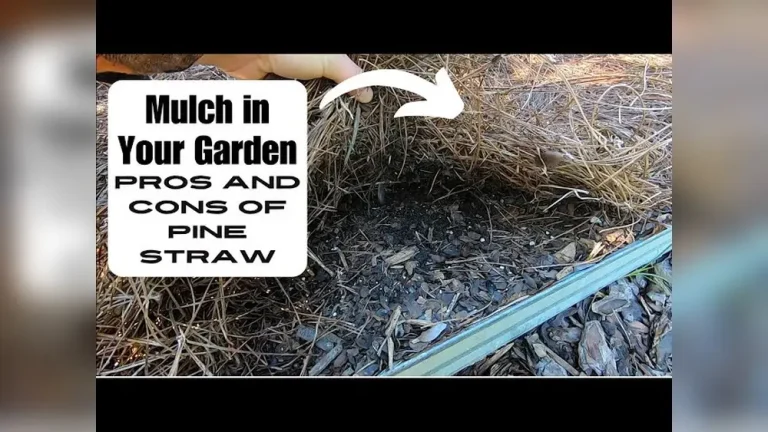
A thin layer (0. 5–1 inch) of peat moss can be used as mulch to retain moisture and suppress weeds. Avoid thick layers, which can repel water once dried out. As mulch, peat moss is best used in conjunction with other materials, such as straw or compost, to prevent crusting and maximize benefits.
Table: Peat Moss Compatibility With Common Vegetables
| Vegetable | Ideal Soil pH | Peat Moss Recommended? | Notes |
|---|---|---|---|
| Potatoes | 5.0–6.0 | Yes | Benefits from acidity |
| Tomatoes | 6.0–6.8 | Yes, with lime | Add lime to balance pH |
| Carrots | 6.0–6.8 | Yes | Improves soil texture |
| Beans | 6.0–7.0 | Use sparingly | Monitor and adjust pH |
| Broccoli | 6.5–7.5 | No | Prefers neutral to alkaline soil |
Step-by-step Guide: Amending A Vegetable Bed With Peat Moss
- Test your garden soil’s pH and texture.
- Spread 1–2 inches of peat moss over the bed.
- Add 2–3 inches of compost or well-rotted manure.
- Incorporate all amendments to a depth of 6–8 inches.
- Add lime if soil pH is below 6.0 (except for potatoes).
- Water thoroughly to settle the mix.
- Monitor crop growth and adjust practices each season.
Take time to observe how your soil responds to peat moss. Adjust application rates and blending with other amendments based on crop performance and soil test results.
Sustainable Alternatives To Peat Moss
Coconut Coir: The Popular Peat-free Choice
Coconut coir is a renewable byproduct of the coconut industry. Like peat moss, it improves water retention and soil texture but is pH-neutral and more sustainable (Gardeners Supply Company).
Advantages:
- Renewable and widely available
- Neutral pH (5.8–6.8)
- Good water and nutrient retention
Disadvantages:
- Slightly lower water-holding capacity than peat
- May require calcium and magnesium supplementation
Coconut coir is easy to rehydrate and mix into soils. It is available in compressed blocks or loose fibers, making it suitable for both small and large gardens.
Compost: The Gold Standard For Organic Matter
Compost is made from decomposed plant material and kitchen scraps. It is rich in nutrients, beneficial microbes, and organic matter, making it a superior soil amendment for most vegetable gardens.
Advantages:
- Provides a balanced nutrient profile
- Enhances microbial activity
- Locally sourced and cost-effective
Disadvantages:
- Variable quality if not properly made
- May contain weed seeds if not fully composted
High-quality compost supports vigorous plant growth and improves soil health over time. It can be used alone or in combination with other amendments to build rich, fertile soil.
Leaf Mold, Wood Fiber, And Other Organics
Other options include leaf mold, shredded bark, and well-rotted manure. These materials can be combined to mimic the benefits of peat moss while improving sustainability.
Leaf mold, made from decomposed leaves, is especially effective at increasing moisture retention in sandy soils. Well-rotted manure adds nutrients and improves soil structure, but must be applied carefully to avoid burning plants.
Data Table: Peat Moss Vs. Alternatives
| Amendment | Water Retention | pH | Nutrient Content | Sustainability |
|---|---|---|---|---|
| Peat Moss | Excellent | 3.0–4.5 | Low | Poor |
| Coconut Coir | Very Good | 5.8–6.8 | Low–Medium | Excellent |
| Compost | Good | 6.0–8.0 | High | Excellent |
| Leaf Mold | Good | 6.0–7.0 | Medium | Excellent |
| Vermiculite | Good | 7.0–7.5 | Low | Good |
Real-world Example: Transition To Peat-free Gardening
In 2026, a school garden in Portland, Oregon, switched from peat moss to a mix of coconut coir and homemade compost for their raised beds. The result?
- Lettuce and spinach yields remained steady
- Reduced soil compaction and better moisture management
- Zero peat moss used, supporting sustainability education
The project also found that soil microbial activity increased, likely due to the use of mature compost. Teachers reported easier maintenance and fewer concerns about environmental impact, making the transition both practical and educational.
Finding The Right Amendment For Your Garden
The best choice depends on your soil, climate, crop selection, and values. Many gardeners combine amendments for a balanced approach—using compost for nutrients and coir or leaf mold for moisture retention.
Experimenting with different combinations allows you to tailor soil improvements to your specific conditions. For example, adding leaf mold to sandy soils or mixing coconut coir with compost in raised beds offers a versatile, sustainable solution.
Case Studies: Real-world Outcomes With Peat Moss
Case Study 1: Urban Farm Boosts Root Crops With Peat Moss
An urban farm in Chicago, faced with heavy clay soil, incorporated peat moss at a rate of 1.5 inches per bed each spring. Over two years, they documented:
- 30% increase in carrot and radish yields
- More uniform root shape and less forking
- Reduced irrigation needs
They adjusted pH annually with dolomitic lime, ensuring optimal conditions for both root and leafy crops. The farm also observed improved earthworm activity and easier tilling, enhancing overall soil health and productivity.
Case Study 2: Small-scale Grower Swaps Peat For Coir
A market gardener in California, concerned about the environmental impact of peat moss, switched to coconut coir and compost for their tomato and pepper starts.
- Seedlings showed comparable vigor and root development
- Slightly faster drying out, requiring careful watering
- Customers responded positively to the peat-free approach
The gardener noted that coir-based mixes required more frequent monitoring but offered similar benefits in terms of plant health and yield. The shift was accompanied by marketing the produce as peat-free, appealing to eco-conscious buyers.
Case Study 3: Community Garden Mixes Peat With Compost
A community garden in Toronto, with sandy, fast-draining soil, experimented by amending half their beds with a 50:50 mix of peat moss and compost. The other half received compost only.
- Peat-amended beds retained moisture longer and produced larger squash and cucumbers
- Compost-only beds needed more frequent watering but had slightly better soil biodiversity
- Both methods outperformed unamended control beds
Gardeners found that the peat moss–compost mix offered a good balance for water retention and fertility, while compost-only beds performed well with regular irrigation and mulching.
Common Myths And Misconceptions About Peat Moss
Myth 1: Peat Moss Is A Fertilizer
Despite its rich, dark appearance, peat moss is not a fertilizer. It is low in essential nutrients and must be combined with compost or fertilizers for optimal vegetable production.
Myth 2: Peat Moss Acidifies All Soils Dangerously
While peat moss is acidic, moderate use in combination with other amendments does not drastically lower soil pH. Regular soil testing and the addition of lime can easily correct any imbalances.
Myth 3: Peat Moss Is Sustainable If Harvested Responsibly
Even with improved management, peat bog regeneration is extremely slow. Most environmental organizations recommend minimizing or eliminating peat use in home gardening (Rainforest Trust).
Myth 4: Peat Moss Is The Only Amendment For Seed Starting
Coconut coir, compost, and other organic materials can be used in seed starting mixes with excellent results, often with fewer environmental concerns.
Myth 5: Peat Moss Prevents All Diseases
While peat moss can help reduce some soil-borne diseases due to its sterility, it is not a universal cure. Disease management in vegetable gardens requires a holistic approach, including crop rotation, proper watering, and use of disease-resistant varieties.
How To Decide: Is Peat Moss Right For Your Vegetable Garden?
Step 1: Assess Your Soil And Crops
- If your soil is dense clay or very sandy, peat moss can offer immediate improvements in structure and moisture.
- For crops that tolerate or prefer slightly acidic soils (potatoes, carrots), peat moss is beneficial.
- For pH-sensitive crops (beans, brassicas), test and amend accordingly.
Soil tests are essential. By understanding your starting point, you can tailor amendments to meet the needs of your vegetables and avoid potential pitfalls.
Step 2: Consider Environmental Impact
If sustainability is a priority, explore alternatives such as coconut coir or high-quality compost. Some regions and retailers are phasing out peat moss entirely.
Step 3: Budget And Availability
Peat moss may be more expensive or harder to source than local amendments. Compost and leaf mold are often free or low-cost and support local waste reduction.
Step 4: Experiment And Monitor Results
Test small sections of your garden with different amendments. Track yields, water needs, and soil health over time to refine your approach.
Step 5: Blend For Best Results
Many experienced gardeners use a blend of compost, peat moss (or coir), and mineral amendments to maximize benefits and minimize drawbacks.
A layered approach allows for flexibility and adaptation. By combining amendments, you can address multiple soil challenges at once, creating a thriving vegetable garden.
Frequently Asked Questions
Is Peat Moss Safe For All Types Of Vegetable Gardens?
Peat moss is generally safe for most vegetable gardens when used correctly and in moderation. However, its acidic nature can lower soil pH, which may not be suitable for all vegetables—especially beans, peas, and brassicas. Always test your soil and adjust with lime if necessary.
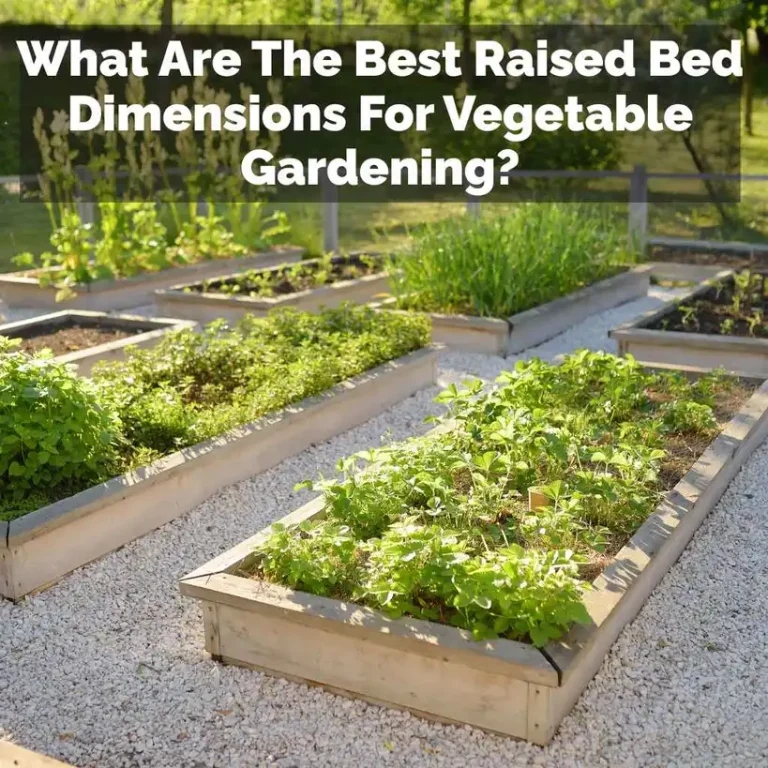
For raised beds, amend peat moss with compost or other organic matter to balance nutrients.
How Often Should I Add Peat Moss To My Vegetable Garden?
In established gardens, peat moss should be added every 2–3 years as part of routine soil amendment, rather than annually. Overuse can acidify the soil and reduce microbial diversity. For new beds with poor soil, initial incorporation of 1–2 inches is sufficient. Monitor soil structure and moisture retention to determine future applications.
Can I Use Peat Moss For Seed Starting And Transplanting Vegetables?
Yes, peat moss is excellent for seed starting and transplanting due to its fine texture and moisture retention. Many commercial seed-starting mixes are peat-based. For sustainability, consider blends with coconut coir or compost, which provide similar benefits and reduce environmental impact (University of Minnesota Extension).
What Are The Best Alternatives To Peat Moss For Vegetable Gardens?
Top alternatives include coconut coir, compost, leaf mold, and well-rotted manure. Each offers unique benefits:
- Coconut coir: Good water retention, renewable, neutral pH
- Compost: High in nutrients, boosts soil microbes
- Leaf mold: Improves texture, especially in sandy soils
- Manure: Adds nutrients, but should be well-aged to avoid burning plants
Is Using Peat Moss Environmentally Responsible?
Due to the slow regeneration of peatlands and their importance as carbon sinks, most environmental groups recommend minimizing or avoiding peat moss use (RSPB). Choose alternatives like compost or coir whenever possible to support sustainable gardening practices.
As you weigh the pros and cons of using peat moss in your vegetable garden, remember that the right choice depends on your soil, crops, values, and goals. Peat moss can deliver real benefits, especially in challenging soils, but it is not the only path to healthy, productive beds.
Sustainable alternatives, careful soil management, and a willingness to experiment will help you build a thriving garden that nourishes both your plants and the planet.