Do Skunks Eat Vegetable Gardens? How To Protect Yours
Gardening offers countless rewards—from vibrant blooms to a bounty of fresh produce. Yet, every gardener knows the frustration of discovering mysterious damage to their crops. While rabbits, deer, and insects often get the blame, skunks are sometimes overlooked as garden invaders. These nocturnal creatures are infamous for their potent defense mechanism, but their dietary habits are less well understood. If you’re wondering whether skunks are eating your vegetable garden —and how to prevent them from causing harm—this guide delivers research-backed answers, actionable strategies, and expert insights.
Skunks possess surprisingly diverse appetites and behaviors, and their visits to gardens can spark confusion. Sometimes, skunks help by consuming pests; other times, they’re the culprits behind torn-up beds and damaged produce. Understanding their motivations, recognizing signs of their presence, and implementing targeted protection measures can transform your garden’s prospects.
In this comprehensive article, we’ll explore the science of skunk diets, examine their interactions with vegetable gardens , and equip you with the tools to safeguard your harvest, all while respecting ecological balance.
Key Takeaways
- Skunks rarely eat vegetables directly but may damage gardens while searching for insects and grubs.
- Identifying skunk activity is crucial to distinguishing their impact from other pests.
- Physical barriers, repellents, and habitat management are effective ways to deter skunks.
- Skunks can be beneficial by controlling harmful insects, but their digging can harm plants.
- Integrated pest management and humane approaches are recommended for long-term garden protection.

Skunks And Their Diet: What Do They Really Eat?
Understanding what skunks consume is the first step in determining their threat to vegetable gardens . Skunks are omnivorous mammals, and their diet shifts with season and location.
Typical Skunk Diet
Skunks primarily feed on:
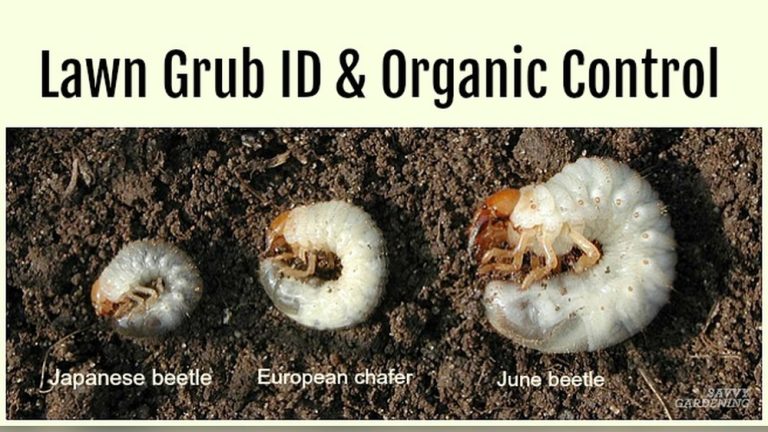
- Insects and grubs (beetles, larvae, worms)
- Small mammals (mice, voles)
- Bird eggs
- Fruits and berries
- Occasional plant material
According to the National Geographic, up to 70% of a skunk’s diet consists of insects, especially during spring and summer. During autumn, they may shift to eating more fruits and nuts.
Skunks are opportunistic feeders, meaning they adapt their diet based on what is most readily available and easy to access. In urban and suburban environments, skunks may also scavenge human food scraps, pet food left outdoors, and even garbage if it is not properly secured.
This adaptability allows skunks to thrive in a variety of environments, but it also means they may be drawn to gardens that provide easy meals.
In the wild, skunks play an important ecological role. By eating insects and small mammals, they help control populations of pests that might otherwise damage crops or spread disease. Their keen sense of smell and strong forelimbs make them highly effective at locating and digging up grubs and insects hidden beneath the soil surface.
Do Skunks Eat Vegetables?
Research and wildlife surveys show that skunks rarely eat vegetables directly. Instead, their interest in gardens is often tied to:
- Searching for insects and grubs in the soil
- Feeding on fallen fruit
- Occasionally sampling crops like corn or tomatoes if other food sources are scarce
A 2026 study by the University of California found that only about 8% of garden damage attributed to skunks involved direct consumption of vegetables—the majority was caused by digging and rooting for insects.
When skunks do consume plant material, it tends to be fruits or berries rather than leafy greens or root vegetables. However, in times of food scarcity, such as during droughts or in urban settings where natural food sources are limited, skunks may sample a wider variety of garden produce.
Even then, most vegetable plants are not a primary food source for skunks, and any consumption is typically opportunistic rather than habitual.
Skunk Feeding Patterns
Skunks are nocturnal and feed mostly at night. They use their strong claws to dig, which can disturb garden beds even if they don’t consume the plants themselves.
Skunks exhibit a methodical foraging behavior. They often move slowly across an area, sniffing the ground for scent cues that signal the presence of grubs or insects. When they detect prey, they dig small, cone-shaped holes to extract their meal.
These holes are usually shallow—rarely more than 2 to 4 inches deep—but can be numerous if insect populations are high.
| Food Source | Frequency in Skunk Diet | Impact on Gardens |
|---|---|---|
| Insects/Grubs | High (60-70%) | Digging soil, uprooting seedlings |
| Vegetables | Low (8-10%) | Rare direct consumption |
| Fruits/Berries | Moderate (15-20%) | Damage to fruiting plants |
| Small Mammals | Low | Minimal garden impact |
Skunks’ nocturnal habits make it unlikely for gardeners to spot them during the day, which often leads to confusion about the true source of garden damage. Their quiet, solitary foraging style also means that many gardeners are unaware of a skunk’s presence until significant digging has occurred.
Why Skunks Visit Vegetable Gardens
Skunks are drawn to gardens for several reasons, which go beyond simply seeking vegetables.
Attraction To Soil Insects
Gardens often host rich populations of beetle larvae, earthworms, and grubs. Skunks are adept at locating these protein-rich sources beneath the soil.
- Freshly watered or mulched beds are particularly attractive.
- Compost piles can serve as hotspots for insect activity.
Soil that is rich in organic matter supports high populations of soil-dwelling insects. Skunks can detect the vibrations and scents of these insects from above ground and will dig persistently to reach them. After rains or irrigation, earthworms and grubs move closer to the soil surface, making them easier for skunks to find.
Lawn areas adjacent to vegetable beds, especially if suffering from turf damage, are also prime targets for skunk foraging. Grub-infested lawns may exhibit patchy, yellowing grass—a double sign for both gardeners and skunks that a meal is nearby.
Fallen Fruits And Vegetables
Skunks may feed on overripe or fallen produce such as tomatoes, berries, and corn. While they rarely climb plants, they readily consume items at ground level.
Some skunks have been observed feeding on melons, squash, and cucumbers left on the ground, but this behavior is relatively rare. More commonly, skunks will clean up the garden floor by eating produce that has dropped due to wind, over-ripening, or pest activity.
Gardeners who allow produce to remain on the ground, whether intentionally as compost or unintentionally due to missed harvests, create inviting conditions for skunks. Regular harvesting and garden cleanup are essential for reducing skunk visits.
Shelter And Safety
Dense vegetation, mulch, and brush piles provide cover and nesting sites for skunks. Gardens near wooded areas or water sources are more likely to host skunks.
Skunks are relatively shy animals that avoid open spaces where they might be exposed to predators or human activity. They seek out areas that offer cover and protection, such as:
- Overgrown garden corners
- Stacked firewood or debris piles
- Thick mulch layers
- Sheds or outbuildings with open foundations
Gardens that provide both food and shelter are especially attractive to skunks. During the breeding season (early spring), female skunks may even establish dens nearby to raise their kits.
Case Study: Suburban Tomato Patch
In 2026, a gardener in suburban Illinois observed nightly disturbances in their tomato patch. Trail cameras revealed a skunk digging for grubs, not eating tomatoes. However, several plants were damaged as a result, illustrating how indirect skunk activity can harm crops.
This scenario is common: while the produce itself was not the target, the process of searching for insects caused collateral damage to the garden. The key takeaway is that even without direct consumption, skunks can impact the garden ecosystem and yield.

Identifying Skunk Activity In Your Garden
Pinpointing skunk activity is essential to deploying the right protective measures. Skunks leave behind distinct signs.
Physical Signs Of Skunk Presence
- Shallow holes (2–4 inches wide): These are usually scattered and conical, a hallmark of skunk foraging.
- Disturbed mulch and soil: Mulch may be flipped or heaped in small mounds.
- Footprints: Five toes, claw marks visible. Tracks are about 1 to 1.5 inches wide and may appear in soft soil.
- Skunk odor (musk), especially if threatened or startled. The distinctive smell may linger, particularly after a skunk has been frightened by a pet or human.
Other subtle indicators include tufts of fur caught on fencing, faint trails through garden beds, and, rarely, sightings of skunk droppings, which are typically tubular and may contain insect exoskeletons.
Damage Patterns Compared To Other Pests
Skunk damage differs from that of raccoons, rabbits, or voles.
| Pest | Typical Damage | Key Signs |
|---|---|---|
| Skunk | Shallow digging, uprooted seedlings | Small holes, musk odor |
| Raccoon | Deeper holes, broken stems | Large prints, scattered debris |
| Rabbit | Chewed leaves, stems cut cleanly | Droppings, gnawed vegetation |
| Vole | Tunnel systems, gnawed roots | Runways, plant collapse |
Understanding these differences can help prevent misdiagnosis and the use of ineffective or unnecessary deterrents. For example, rabbit damage often appears as neatly clipped stems, while skunk damage is generally the result of soil disturbance rather than direct feeding.
Use Of Trail Cameras And Monitoring
Motion-activated cameras can confirm skunk activity, especially at night. Setting up inexpensive models near affected areas allows for accurate identification.
Modern trail cameras are easy to install and can be set to capture footage only during night hours, minimizing data overload. Reviewing camera footage helps confirm not only the species involved but also their numbers, routines, and potential entry points into the garden.
Example: Community Garden In Oregon
A 2020 survey of a community garden revealed that skunk damage was misattributed to raccoons. Video evidence clarified the true culprit, enabling targeted intervention.
This case underscores the importance of accurate identification. By using cameras and checking for specific signs, gardeners can avoid unnecessary expenses and apply the most effective solutions.
Impact Of Skunks On Vegetable Gardens: Harm And Benefits
While skunks can damage gardens, their presence isn’t always negative. Understanding both sides helps inform management strategies.
Negative Impacts
- Uprooting seedlings: Digging for grubs can damage young plants.
- Disturbed root systems: Soil disruption affects plant health and may reduce yields.
- Eating fallen or low-hanging fruit: Tomatoes, berries, and corn may be consumed.
- Potential spread of disease: While rare, skunks can carry diseases such as rabies, which is a concern for pets and people if interactions occur.
Skunks may also inadvertently expose plant roots, leading to wilting or plant death, especially in newly established beds. In extreme cases, repeated digging can create conditions favorable for weed invasion.
Positive Contributions
- Natural pest control: Skunks feed on harmful insects, reducing pest pressure.
- Reduction in beetle larvae and cutworms: These pests can devastate crops.
- Soil aeration: Moderate digging can help aerate compacted soil, although excessive disturbance is harmful.
A review by the National Wildlife Federation highlights that skunks are valuable allies in controlling Japanese beetle larvae, which can destroy turf and vegetables.
By preying on insects that overwinter in the soil, skunks can help break pest cycles before they become a problem. In organic or low-input gardens, this natural pest control can reduce the need for synthetic insecticides, promoting healthier soil and plant life.
Balancing Harm And Help
Gardeners should weigh the costs of digging against the benefits of pest reduction. In many cases, managing skunk activity rather than eliminating skunks entirely is the most sustainable approach.
Skunks may only visit gardens for a short period during peak grub or insect activity and move on once the food source is depleted. Tolerating limited activity, especially outside the main growing season, can result in overall healthier gardens.
Case Study: Integrated Pest Management Success
A California organic farm implemented physical barriers and habitat modification while tolerating some skunk presence. Pest outbreaks dropped by 30% over two years, and crop yield increased.
By focusing on coexistence and targeted intervention, the farm maximized the ecological benefits of skunks while minimizing crop losses.
How To Protect Your Vegetable Garden From Skunks
Effective skunk deterrence relies on a combination of physical barriers, repellents, habitat management, and integrated strategies. Here’s how to safeguard your garden without harming local wildlife.
Physical Barriers
Fencing
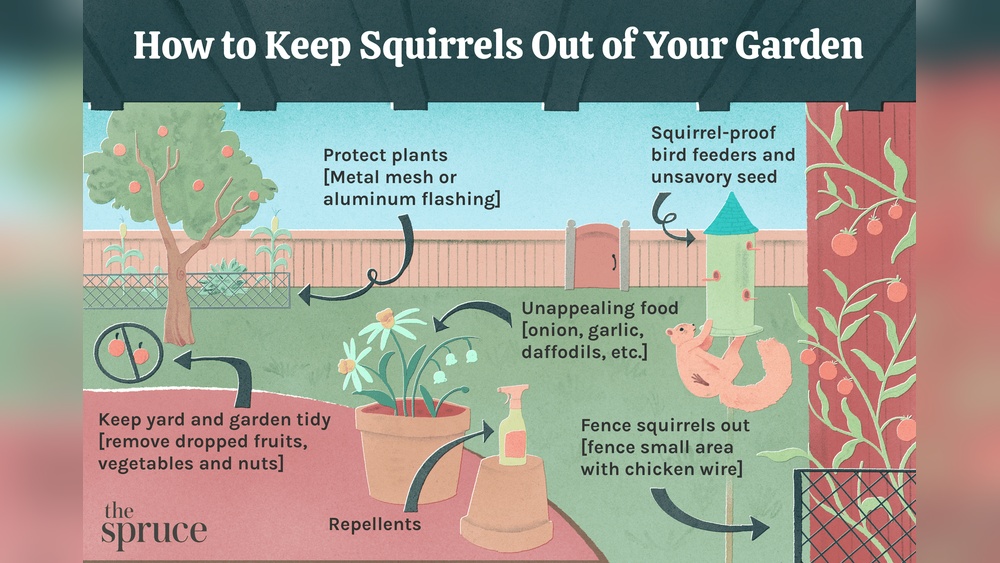
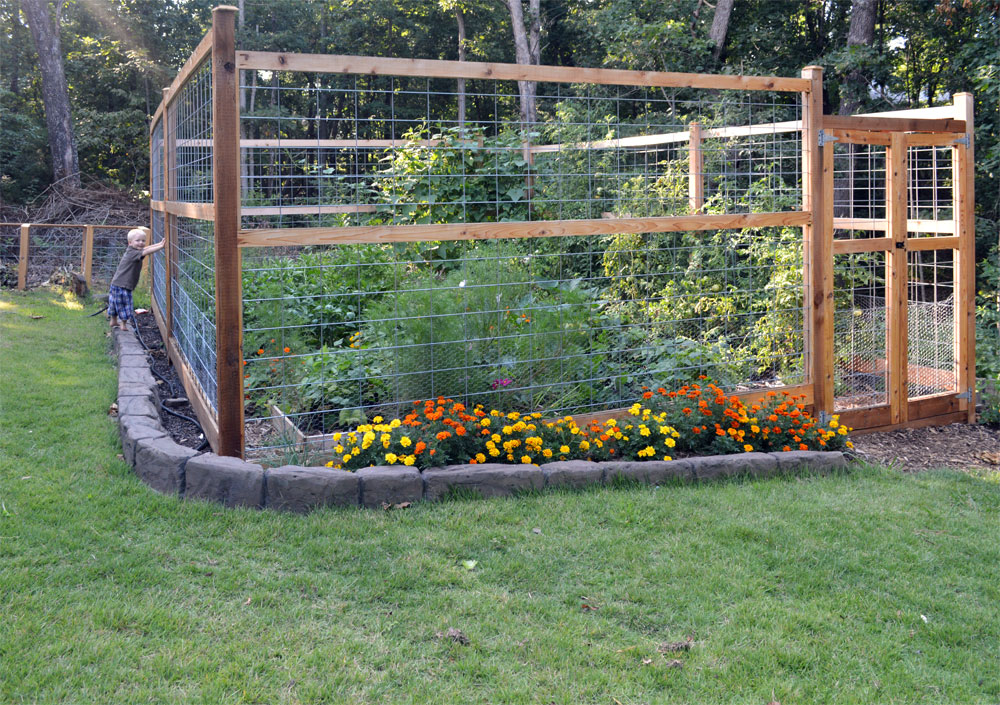
- Use hardware cloth or poultry wire with 1-inch mesh.
- Bury fencing 6–12 inches below ground to prevent digging.
- Height: Minimum 3 feet above ground.
For maximum effectiveness, angle the buried portion of the fence outward (away from the garden) to create an underground “apron” that deters digging. Regularly inspect the fence for gaps or areas where skunks may attempt to burrow underneath.
Raised Beds
Elevated beds make it harder for skunks to dig and access soil insects.
Building beds at least 12 to 18 inches high with solid wooden or metal sides is ideal. Lining the bottom of the beds with hardware cloth before filling with soil provides additional protection from below.
Protective Covers
- Row covers and netting shield vulnerable seedlings.
- Cloche domes protect individual plants.
Floating row covers can be anchored with soil or garden staples to seal edges. Choose breathable fabrics to allow sunlight, water, and air to reach plants while keeping skunks and other pests out.
Repellents
Commercial Repellents
- Products containing capsaicin, ammonia, or predator urine can deter skunks.
- Apply according to manufacturer instructions, reapply after rain.
Commercial repellents should be used as part of a broader strategy, not as a standalone solution. Some products may also deter other mammals, such as rabbits or raccoons.
Diy Repellents
- Vinegar-soaked rags or citrus peels placed around garden edges.
- Motion-activated sprinklers startle skunks without harm.
Other homemade deterrents include sprinkling cayenne pepper or crushed garlic around the perimeter. Be cautious with strong-smelling deterrents, as they can affect pets and beneficial garden wildlife.
Limitations
Repellents require frequent reapplication and may lose effectiveness over time.
Skunks can become accustomed to certain smells if they are exposed to them consistently. Rotating different types of repellents and combining with other methods increases success.
Habitat Modification
Remove Attractants
- Pick up fallen fruit and vegetables daily.
- Secure garbage bins and compost piles.
- Eliminate brush piles and dense vegetation near garden.
Compost piles should be managed in enclosed bins rather than open heaps, which are easily accessible to skunks and other wildlife.
Maintain Clean Boundaries
- Mow grass regularly.
- Keep mulch thin to reduce insect populations.
Avoid thick layers of mulch, which provide both shelter for skunks and habitat for their insect prey.
Integrated Pest Management (ipm)
Combine physical barriers, repellents, and habitat modification for comprehensive protection. IPM emphasizes ecological balance and minimal use of harsh chemicals.
IPM also involves regular monitoring and adjusting methods as needed, preventing overreliance on any single tactic. For example, if digging is observed despite fencing, checking for weak points and reinforcing barriers may resolve the issue.
Humane Deterrents
- Bright lights (solar-powered) can deter nocturnal skunks.
- Noise deterrents (radios, ultrasonic devices) may be effective but should be rotated to prevent habituation.
Some gardeners use motion-activated alarms or wind chimes, moving them to different locations weekly to prevent skunks from adapting.
Example: Urban Garden Success
A Brooklyn gardener installed hardware cloth fencing and used citrus peels as repellent. Skunk activity dropped by 90% within three weeks, with no harm to plants or wildlife.
This example demonstrates the effectiveness of combining physical and sensory deterrents in an urban setting where wildlife and people share limited space.
Comparing Skunk Management Strategies
Different strategies vary in effectiveness, cost, and environmental impact. The following table compares the most common approaches.
| Strategy | Effectiveness | Cost | Environmental Impact |
|---|---|---|---|
| Physical Barriers | High | Moderate | Low |
| Commercial Repellents | Medium | Low-Moderate | Medium |
| DIY Repellents | Medium-Low | Low | Low |
| Habitat Modification | High | Low | Low |
| Integrated Pest Management | Very High | Moderate | Very Low |
Physical barriers and habitat modification are the most sustainable, long-term solutions, while repellents offer temporary relief but may need frequent reapplication. Integrated Pest Management combines these approaches for the best results and least environmental impact.
Legal And Ethical Considerations
Before implementing exclusion or deterrence, it’s important to consider regulations and ethical practices.
Wildlife Protection Laws
Many states prohibit harming or relocating skunks without a permit. Consult local wildlife agencies and refer to the U.S. Fish & Wildlife Service for guidelines.
Skunks are protected under various local and federal statutes, especially if their populations are threatened or if relocation could introduce disease to new areas. Violating these rules can result in fines and ecological harm.
Humane Solutions
- Prioritize non-lethal methods.
- Avoid poisons or traps that endanger other animals.
Live trapping, even when legal, is not recommended unless performed by licensed professionals, as skunks are prone to stress and may spray when handled. Non-lethal, exclusion-based methods are preferable.
Community Collaboration
Engage neighbors and local garden groups to share strategies. Community-wide action is more effective, especially in urban or suburban settings.
Neighborhood education campaigns can help everyone secure attractants and reinforce barriers, reducing skunk activity across a wider area.
Example: Neighborhood Skunk Management
A Seattle neighborhood created a joint plan to secure compost bins and install fencing. Skunk incidents reduced by 75% in one season.
Coordinated efforts prevented skunks from simply moving from one yard to another, creating a more harmonious balance between wildlife and residents.
Real-world Examples And Case Studies
Examining actual garden scenarios provides practical insight into skunk management.
Example 1: Rural Farm, Vermont
A rural vegetable farm experienced repeated digging in potato beds. By installing buried fencing and cleaning up fallen produce, damage was reduced by 80% in two months.
The farm also experimented with rotating crops and using companion planting to reduce pest insect populations, further decreasing skunk interest in the area.
Example 2: Suburban Community Garden
Skunks were attracted by compost piles and dense shrubbery. Volunteers cleared brush and secured compost, leading to decreased skunk presence and improved yields.
Education sessions helped members learn to identify skunk activity versus other wildlife, leading to more targeted and cost-effective management.
Example 3: Organic Orchard, California
Skunks fed on Japanese beetle larvae and fallen peaches. Farmers tolerated skunk activity while using barriers to protect young trees. Pest populations fell, and fruit loss was minimal.
The orchard benefited from reduced pesticide use, improved pollinator health, and healthier soil due to decreased chemical inputs.
Integrated Approaches For Long-term Success
Combining methods yields the most sustainable results. Integrated pest management (IPM) balances skunk deterrence with ecological benefits.
Step-by-step Ipm Plan
- Assess skunk activity: Use cameras and check for physical signs.
- Remove attractants: Harvest ripe produce, secure compost.
- Install barriers: Fence and cover vulnerable areas.
- Apply repellents: Use as needed, rotate types for effectiveness.
- Monitor results: Adjust strategies based on outcomes.
Routine monitoring is critical for early detection of new pest problems or changes in skunk behavior. Flexibility and willingness to adapt strategies ensure ongoing garden success.
Data-driven Results
A Michigan university trial found that gardens using IPM had 50% fewer pest outbreaks and 30% higher yields compared to those relying on single deterrents.
IPM also led to greater biodiversity, healthier soils, and more resilient garden ecosystems overall, supporting pollinators and beneficial insects.
Frequently Asked Questions
What Vegetables Are Most Vulnerable To Skunks?
Skunks rarely target vegetables directly, but corn, tomatoes, and berries are sometimes consumed if accessible. Root crops like potatoes may be disturbed during digging for insects.
Other crops, such as squash, melons, and beans, are generally less vulnerable. However, any produce left on the ground is at risk of being sampled by skunks or attracting other pests.
How Can I Tell If A Skunk Is Damaging My Garden?
Look for shallow holes, disturbed mulch, and a musky odor. Skunk footprints have five toes with visible claw marks. Trail cameras can confirm nocturnal activity.
If you suspect a skunk but are unsure, try dusting the area with flour before nightfall. Skunks moving through the garden will leave clear tracks, making identification easier.
Are Commercial Repellents Safe For My Garden?
Most commercial repellents are safe when used as directed, but avoid products with harsh chemicals that may harm plants or pollinators. Always follow manufacturer instructions and consult the EPA’s pesticide guidelines.
Organic repellents are preferable in food gardens, and always wash produce thoroughly if repellents are used nearby.
Can Skunks Benefit My Garden?
Yes, skunks provide natural pest control by eating beetle larvae, cutworms, and other harmful insects. Their presence can reduce pest populations and minimize pesticide use.
By tolerating limited skunk activity, especially outside peak harvest seasons, gardeners can harness these benefits while minimizing damage.
Is It Legal To Trap Or Relocate Skunks?
Regulations vary by state. In many areas, trapping or relocating skunks without a permit is illegal. Consult your state’s wildlife agency or the Wildlife Management page for guidance.
Relocation is also discouraged due to the risks of spreading disease, animal stress, and disrupting local ecosystems.
Gardening alongside wildlife presents challenges and rewards. While skunks can cause disruption, understanding their habits and implementing humane, data-driven deterrents ensures your vegetable garden thrives. By combining physical barriers, repellents, and habitat management—and recognizing the ecological benefits of skunks—you can protect your harvest while supporting local biodiversity.
With patience, observation, and a flexible management plan, your garden can flourish in harmony with nature.