Do Vegetable Gardens Attract Mice? How To Keep Them Away
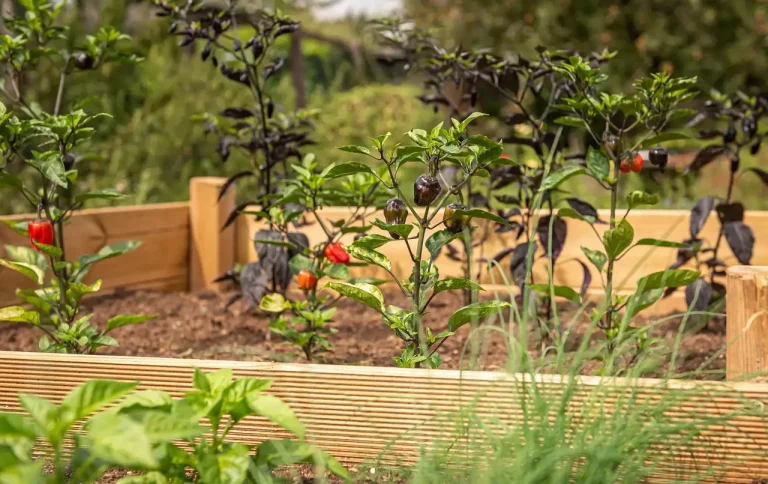
Gardening offers the promise of fresh vegetables, vibrant colors, and a deep connection with nature. Yet, for many gardeners, the allure of their thriving vegetable patch comes with an unexpected challenge: uninvited rodent guests. Mice—small, adaptable, and opportunistic—can turn a flourishing garden into their personal buffet, causing damage and frustration for even the most experienced growers.
But are vegetable gardens truly a magnet for mice? And if so, what practical, science-backed steps can you take to protect your crops without harming the ecosystem? In this comprehensive guide, we’ll unravel the relationship between vegetable gardens and mouse activity, explore why these rodents are attracted to your patch, and outline proven strategies to keep them at bay while maintaining a healthy, productive garden.
Key Takeaways
- Vegetable gardens can attract mice due to easy access to food, shelter, and water.
- Effective prevention involves garden design, prompt harvest, sanitation, and exclusion techniques.
- Non-toxic and humane deterrents are available for eco-friendly mouse control.
- Monitoring and early detection are vital for long-term success.
- Integrated pest management (IPM) balances rodent control with environmental health.

Do Vegetable Gardens Attract Mice? The Science And Reality
Why Mice Are Drawn To Vegetable Gardens
Vegetable gardens offer a trifecta of resources that appeal to mice:
- Food sources: Vegetables, seeds, fruits, and compost provide ample nutrition.
- Shelter: Dense foliage, mulch, and garden debris offer protection from predators.
- Water: Irrigation systems, birdbaths, and moist soil are essential for rodent survival.
Mice are generalist foragers, meaning they can adapt their diet to whatever is available. This makes gardens a prime target. In addition to the main food crops, mice will feed on insects, worms, and even small snails found in the soil or under mulch.
The combination of variety and abundance makes gardens especially attractive during spring and summer when food is most plentiful.
Studies from the University of California, Agriculture and Natural Resources show that mice, particularly the house mouse (Mus musculus) and field mice (Peromyscus spp.), are frequently found in home gardens due to these factors ([UC IPM](https://ipm.ucanr.edu/PMG/PESTNOTES/pn7483.html)). The adaptability of mice allows them to exploit even the smallest urban or suburban plots.
Mouse Behavior In Gardens
Mice are nocturnal, secretive, and adept climbers. Their preference for foraging at night means infestations can escalate before visible damage appears. They gnaw on seeds, seedlings, roots, and mature vegetables, leaving behind:
- Gnawed produce and stems
- Burrows or runways in mulch
- Small droppings (1/8–1/4 inch long)
- Nests in dense vegetation or compost piles
Mice are also agile and persistent. They can squeeze through gaps as small as 1/4 inch, burrow under fences, and climb trellises or plant stems to reach elevated fruit. Their nesting behavior can be particularly destructive, as they shred leaves, insulation, and even plastic to build their nests in sheltered corners.
These nests are often found under thick mulch, inside compost piles, or within piles of garden debris.
A single pair of mice can reproduce rapidly, with litters of 5–8 young every three weeks under optimal conditions. This reproductive potential means a small problem can quickly become a large infestation if not addressed early.
Data: How Common Are Mice In Gardens?
A 2026 survey by the National Gardening Association found that 32% of home gardeners reported evidence of rodent activity, with mice cited as the most frequent offenders. Gardens within 200 feet of natural cover (woodpiles, sheds, tall grass) had a 60% higher incidence of mice.
| Garden Feature | % Reporting Mice |
|---|---|
| Dense groundcover | 38% |
| Compost pile present | 47% |
| Nocturnal irrigation | 41% |
| Open storage (seeds, tools) | 36% |
This data suggests that features commonly associated with healthy, productive gardens—such as composting and dense planting—can inadvertently provide shelter and resources for mice. Gardens lacking proper storage for seeds and tools are also more susceptible, as spilled seed can provide a reliable food source.
Real-world Example: Suburban Garden In Ohio
In 2026, a suburban Ohio gardener noticed stunted pea plants and small holes near lettuce beds. Motion-activated cameras revealed a family of field mice feeding nightly. By adjusting mulch thickness, removing dense groundcover, and promptly harvesting ripe produce, the infestation was resolved within weeks.
This example highlights the importance of observation and rapid response. The gardener’s willingness to modify their gardening practices led to a quick resolution, demonstrating that even established problems can be addressed with the right strategies.

What Attracts Mice To Vegetable Gardens?
Food: The Main Lure
Mice are omnivores, but in gardens, they’re primarily after:
- Seeds (especially newly planted)
- Root vegetables (carrots, potatoes, beets)
- Fruits and berries (tomatoes, strawberries)
- Grains (corn, wheat patches)
- Compost with food scraps
A single mouse can consume 3–5 grams of food daily, but they often hoard much more, increasing their impact on crops ([CDC](https://www.cdc.gov/rodents/index.html)). Mice are known for their “scatter hoarding” behavior, where they collect and stash food in multiple locations. This means a small group of mice can cause disproportionately large losses as they transport seeds and fruit away from plants.
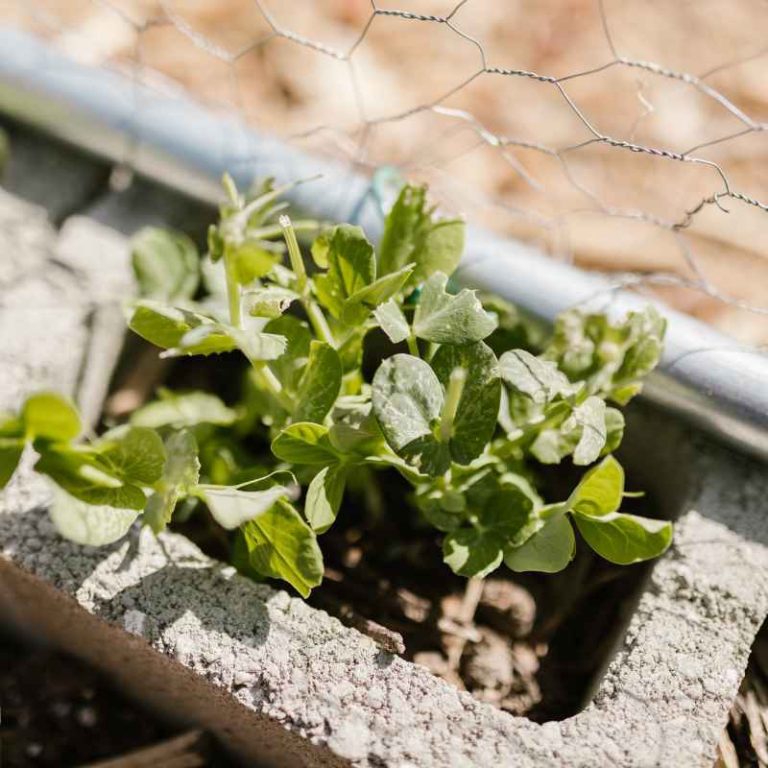
Mice are especially drawn to freshly sown seeds and young seedlings, which are tender and easy to access. In many cases, gardeners may notice seeds failing to sprout and blame poor germination, not realizing mice have eaten them underground.
Shelter And Nesting Sites
Mice seek safe, hidden spots for nesting. Gardens provide:
- Mulch and straw layers
- Overgrown weeds or grass
- Compost bins
- Unused pots or containers
- Stacked firewood or debris
Dense cover not only conceals mice from predators but also offers warmth and material for nest building. Thick mulch, while excellent for moisture retention and weed control, can create an ideal environment for mice if not carefully managed. Compost bins, especially those with food scraps, double as both a food source and a nesting site.
Unused pots, bags of soil, and piles of old boards or stones can also serve as temporary shelters. Regularly inspecting and organizing these areas is crucial to discourage nesting.
Water Sources
Even small amounts of water attract mice. Common sources include:
- Leaky hoses or irrigation emitters
- Birdbaths or shallow ponds
- Drip trays under pots
Mice do not require large quantities of water, but they do need regular access, especially in hot weather. Gardens with frequent irrigation or standing water are more attractive, particularly during dry spells when natural water sources are scarce.
Scent Trails And Previous Infestations
Mice use urine and droppings to mark territories, attracting more rodents. Areas with a history of infestation are at higher risk for recurring problems.
Scent trails are long-lasting, and unless thoroughly cleaned, can continue to attract mice for months. This is why cleaning and sanitizing affected areas is as important as removing the mice themselves.
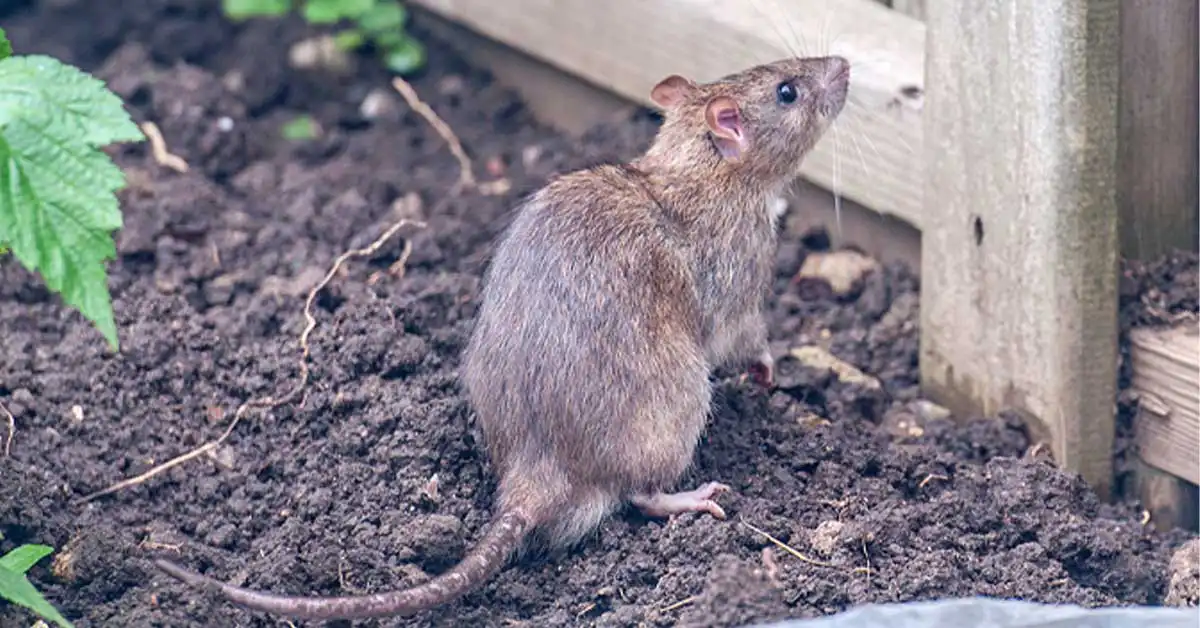
How To Identify Mouse Activity In Your Garden
Signs Of Mouse Presence
Vigilance is crucial for early detection. Look for:
- Gnawed produce: Ragged holes, especially in soft fruits or root crops.
- Small droppings: Dark, rod-shaped, and found along runways or near food.
- Burrows: Shallow holes (1–2 inches wide) in mulch or soil.
- Nests: Soft, shredded material in sheltered spots.
- Runways: Clear, narrow paths through vegetation or mulch.
Other signs include disturbed soil around young plants, seeds that disappear overnight, or small piles of hoarded food in hidden corners. In some cases, you may find chewed packaging, insulation, or plastic from storage sheds—signs that mice are nesting nearby.
Differentiating Mice From Other Rodents
It’s important to distinguish mice from voles, rats, or chipmunks, as control strategies differ.
| Feature | Mice | Voles | Rats |
|---|---|---|---|
| Dropping size | 1/8–1/4 in | 1/8–3/8 in | 1/2–3/4 in |
| Burrow entrance | 1–2 in | 1–2 in, surface tunnels | 2–4 in |
| Feeding pattern | Gnaws seeds, fruits | Girdles stems, roots | Large bites, more destruction |
| Visible time | Nocturnal | Day and night | Nocturnal |
Voles, for instance, tend to create surface runways and girdle the bases of plants, while rats leave larger droppings and burrows. Chipmunks are active during the day and often leave more obvious holes and piles of food.
Monitoring Tools
- Trail cameras: Reveal nocturnal activity.
- Flour dusting: Sprinkle flour near suspected runways; look for tiny tracks.
- Live traps: Non-lethal monitoring option.
Other useful tools include motion-activated lights (to observe activity at night), and placing small boards or tiles on the soil surface—mice will often hide under these during the day, leaving droppings or nesting material behind.
Case Study: Urban Community Garden
A Los Angeles community garden used a combination of flour tracking and trail cameras to confirm a nightly mouse presence in their tomato section. Early intervention with exclusion fencing and sanitation reduced crop losses by 80% over one season.
The use of multiple monitoring methods allowed gardeners to pinpoint the exact entry points and times of activity, leading to more targeted and effective solutions.
Proven Strategies To Keep Mice Away From Vegetable Gardens
Sanitation And Garden Hygiene
Maintaining a tidy garden is the most effective first step.
- Remove fallen fruits and vegetables daily.
- Store seeds and fertilizers in sealed, rodent-proof containers.
- Compost properly: Avoid meat, dairy, or oily foods; turn piles regularly.
- Eliminate clutter: Discard unused pots, trays, and debris.
Additional tips include regularly mowing grassy borders, weeding thoroughly, and keeping pathways clear of plant debris. If you keep chickens or other animals, ensure their feed is stored securely and that spilled grain is cleaned promptly.
Proper sanitation not only reduces food and shelter for mice but also discourages other pests and diseases.
Physical Barriers And Exclusion
Raised Beds And Fencing
- Install hardware cloth (1/4-inch mesh) under raised beds to block burrowing.
- Edge garden beds with vertical barriers extending 6–12 inches below ground.
- Fence with fine mesh (no larger than 1/4 inch openings) at least 18 inches high.
For high-value crops, consider using row covers or cloches made of fine mesh during vulnerable periods. These barriers should be checked regularly for gaps or damage, as mice are adept at finding weak points.
Sealing Entry Points
- Inspect and seal cracks or gaps in nearby sheds, greenhouses, or compost bins.
- Use weatherproof caulking and steel wool for small holes.
Pay special attention to the base of fences, door thresholds, and ventilation openings. Even the smallest gap can provide entry for a determined mouse.
Crop Management And Companion Planting
Prompt Harvesting
- Harvest vegetables as soon as they ripen to minimize temptation.
- Stagger planting so crops mature at different times, reducing peak food availability.
Leaving overripe or fallen produce in the garden is an open invitation to mice and other pests. Regularly inspect plants and remove anything past its prime.
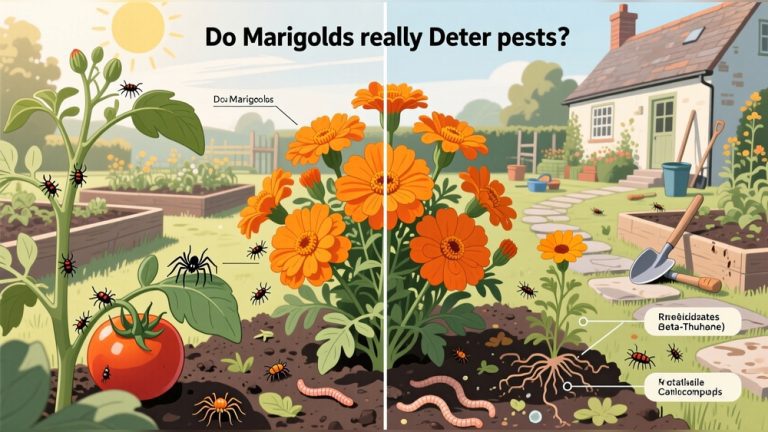
Repellent Plants
Some plants are believed to deter mice due to their scent or chemical compounds:
- Mint
- Lavender
- Marigold
- Onions and garlic
Planting these around the perimeter may reduce mouse traffic, though scientific evidence is mixed ([University of Minnesota Extension](https://extension.umn.edu/yard-and-garden-insects/repellents)). In practice, these plants may work best as part of a larger integrated strategy, rather than as a standalone solution.
Some gardeners report success with interplanting strong-smelling herbs among their vegetables, creating a less attractive environment for rodents overall.
Natural Predators And Biological Control
Encouraging predators can help control mouse populations naturally.
- Owl boxes: Attract barn owls, which can eat dozens of rodents per night.
- Native snakes: Non-venomous species can be beneficial.
- Domestic cats: Outdoor cats may deter or reduce mouse activity, but consider wildlife impacts.
To attract owls, install nest boxes on tall poles or trees at the edge of your property. Avoid using rodenticides, as poisoned mice can harm these beneficial predators. Encouraging a diversity of wildlife, including hawks and foxes, can also help keep rodent populations in check.
Non-toxic And Humane Repellents
- Peppermint oil: Soak cotton balls and place near entry points.
- Ultrasonic repellents: Emit high-frequency sounds (mixed evidence for effectiveness).
- Commercial sprays: Use only products labeled safe for edible gardens.
Homemade repellents, such as garlic or hot pepper sprays, may offer temporary protection when applied to the soil around plants. However, frequent reapplication is usually necessary, especially after rain or irrigation.
Case Study: Small Farm In Oregon
A 2-acre farm in Oregon suffered recurring mouse damage to squash and beans. After adding hardware cloth under raised beds and introducing barn owl boxes, the farm reported a 75% reduction in crop losses the following year.
This integrated approach addressed both immediate exclusion and long-term population control, showcasing the effectiveness of multi-pronged strategies.
Integrated Pest Management (ipm) For Mouse Control
What Is Ipm?
Integrated Pest Management (IPM) is a holistic approach that combines multiple strategies for sustainable, effective pest control. It emphasizes prevention, monitoring, and minimal use of harmful chemicals.
IPM is not a one-size-fits-all solution; instead, it’s an adaptive process that considers the specific conditions, pest pressures, and environmental impacts of each site.
Ipm Steps For Gardeners
- Prevention: Design gardens to minimize shelter/food for mice.
- Monitoring: Regularly inspect for signs of activity.
- Control: Use barriers, sanitation, and exclusion first.
- Evaluation: Assess results, adapt methods as needed.
IPM also encourages the use of physical, cultural, and biological controls before resorting to chemical methods. This approach not only protects crops but also preserves beneficial insects and wildlife.
Safe Use Of Traps And Baits
- Snap traps: Effective, but use with caution around children, pets, and wildlife.
- Live traps: Allow for humane relocation, but check local regulations.
- Avoid rodenticides in edible gardens due to contamination risks and secondary poisoning of pets and wildlife ([EPA](https: //www.epa.gov/rodenticides)).
When using traps, place them along known runways or near burrow entrances, and check them daily. Use baits such as peanut butter or sunflower seeds to increase effectiveness. Always handle dead rodents with gloves and dispose of them safely.
Advantages And Limitations Of Ipm
| Strategy | Effectiveness | Environmental Impact | Cost |
|---|---|---|---|
| Physical barriers | High | Low | Moderate |
| Sanitation | Moderate–High | Low | Low |
| Predators | Moderate | Very Low | Low |
| Rodenticides | High (short-term) | High | Low |
While rodenticides may offer immediate results, their long-term risks often outweigh short-term benefits. Physical barriers and good hygiene, although requiring some investment and maintenance, are more sustainable and environmentally responsible.
Real-world Example: School Garden In Vermont
A school garden in Vermont adopted an IPM plan after repeated rodent issues. By combining exclusion fencing, regular compost turning, and educational sessions on sanitation, the garden remained virtually mouse-free for three consecutive growing seasons.
This success demonstrates the value of community involvement and education as part of an effective IPM program.
Long-term Prevention And Maintenance
Seasonal Strategies
- Spring: Inspect for overwintering nests, refresh barriers, plant deterrent species.
- Summer: Monitor for signs of activity, keep vegetation trimmed, harvest promptly.
- Fall: Remove crop residues, clean up debris, check storage areas.
- Winter: Store seeds in sealed containers, inspect sheds, maintain predator habitats.
Each season brings unique challenges and opportunities. For example, spring is an ideal time to repair fencing before planting, while fall is critical for removing spent plants that could harbor rodents over winter.
Record Keeping And Evaluation
- Log mouse sightings, damage, and control measures.
- Assess effectiveness each season and adapt your strategy.
Maintaining a garden journal helps track trends and refine your approach. Note the timing of infestations, the crops affected, and the success of various interventions.
Community Collaboration
Coordinated efforts with neighbors or community gardeners can reduce rodent pressure across larger areas. Shared knowledge and resources amplify results.
Neighborhood watch groups or gardening clubs can organize clean-up events, bulk purchases of exclusion materials, or educational workshops. In urban areas, collaboration is especially important, as rodents easily move between adjacent properties.
Case Study: Urban Neighborhood Initiative
In Denver, a neighborhood gardening group pooled funds to purchase hardware cloth in bulk and conducted joint workshops on rodent-proofing. Within one year, mouse complaints dropped by 60% across participating gardens.
This collective action not only reduced costs but also built a stronger, more resilient gardening community.
Common Myths And Misconceptions About Mice In Gardens
Myth 1: Cats Alone Will Eliminate Mice
While outdoor cats can deter some rodents, they rarely eliminate entire populations and may harm beneficial wildlife ([Audubon](https://www.audubon.org/news/cats-pose-even-bigger-threat-birds-previously-thought)). Cats typically hunt the most visible or slowest rodents, leaving the bulk of the population untouched. Additionally, cats may avoid areas with thick vegetation or fencing.
Myth 2: Mice Only Invade Dirty Gardens
Even well-maintained, clean gardens can attract mice if food and cover are available. Hygiene is crucial, but not a foolproof deterrent.
Environmental factors, such as proximity to fields or woodlands, often play a larger role than cleanliness alone. Regular maintenance reduces risk but can’t guarantee complete protection.
Myth 3: All Repellent Plants Are Effective
Scientific evidence for plant-based repellents is mixed. While some may help, they are best used alongside other strategies for reliable control.
Scent-based deterrents may lose potency over time and are less effective during rainy periods. Consider them as part of a layered defense, not a standalone solution.
Myth 4: Poison Baits Are The Best Solution
Rodenticides pose significant risks to pets, wildlife, and children. Integrated methods are safer and more sustainable ([RSPCA](https://www.rspca.org.uk/adviceandwelfare/pets/rodents)). Secondary poisoning of non-target species is a growing environmental concern.
Myth 5: Mice Won’t Return Once Removed
Without lasting changes to habitat and food availability, mice are likely to return. Ongoing prevention is essential.
Regular monitoring and maintenance are key to long-term success. Even after successful removal, continue best practices to prevent reinfestation.
Frequently Asked Questions
How Can I Tell If Mice Are Eating My Vegetables And Not Another Pest?
Look for small, ragged holes in produce, tiny droppings (1/8–1/4 inch), and shallow burrows in mulch or soil. Mice often target seeds, soft fruits, and root vegetables. Set up a trail camera or sprinkle flour to confirm mouse tracks.
Voles and insects often leave different signs—voles create surface runways and eat roots, while insects may leave holes but not droppings or runways.
Are There Any Vegetables That Mice Do Not Eat?
While mice are opportunistic feeders, they are less attracted to aromatic herbs (like mint, rosemary, and sage), onions, and garlic. However, if food is scarce, they may sample almost any crop.
Some gardeners report fewer problems with brassicas (cabbage family), but there is no guarantee. Plant diversity and companion planting can help reduce overall risk.
Is It Safe To Use Commercial Rodent Repellents In My Garden?
Only use products specifically labeled safe for use around edible plants. Natural repellents like peppermint oil are generally safe, but always read labels and follow directions to avoid residue on food crops.
Avoid homemade concoctions that include toxic substances not intended for food gardens.
How Often Should I Check My Garden For Mouse Activity?
Inspect your garden at least once per week during the growing season. Increase monitoring after heavy rains, nearby construction, or sightings of droppings, burrows, or gnawed produce.
Frequent checks allow you to catch problems early, before they escalate into major infestations.
What Should I Do If Mice Have Already Built Nests In My Garden?
Remove nests with gloves, discard nesting material, and sanitize the area. Strengthen exclusion measures, remove food sources, and consider live traps for humane removal. Consult local guidelines for safe relocation practices ([Humane Society](https://www.humanesociety.org/resources/how-get-rid-mice-your-home)).
After nest removal, monitor the area closely for signs of returning mice or new nests.
A thriving vegetable garden doesn’t have to mean open season for mice. By understanding what attracts these resourceful rodents—and implementing a combination of sanitation, exclusion, habitat modification, and vigilant monitoring—gardeners can strike a balance between bountiful harvests and healthy ecosystems. With a proactive, integrated approach, you’ll enjoy the fruits of your labor without sharing them with unwanted furry visitors. Consistency, observation, and adaptability are your best tools for long-term, sustainable rodent control—ensuring your garden remains a source of joy, not frustration, season after season.