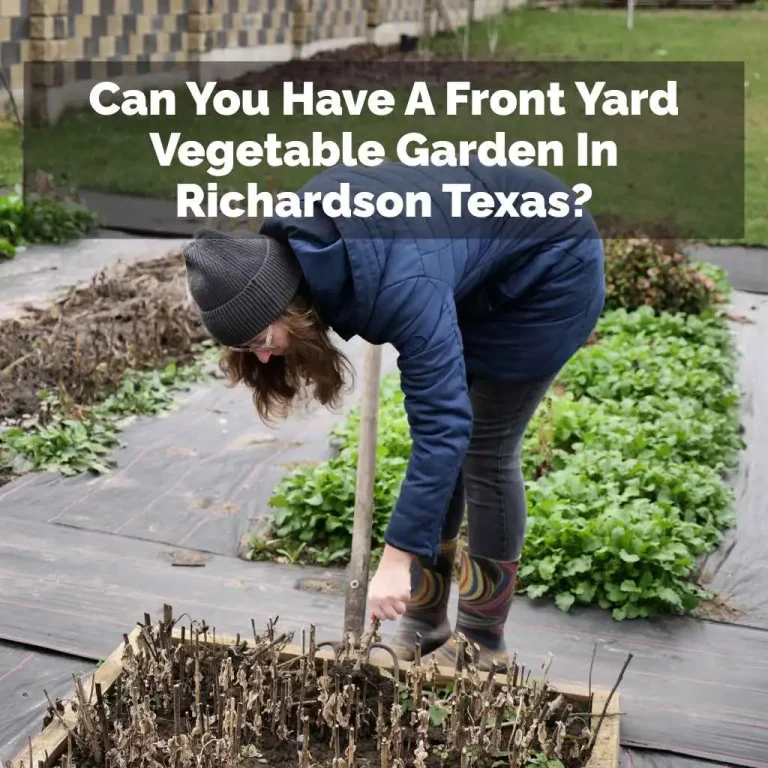
Raised Bed vs In-Ground Vegetable Gardening: Which Wins?
Raised beds solve bad, compacted, or contaminated soil, help gardeners with limited mobility, and warm up fast in spring; in-ground beds cost less, suit deep-rooted crops, and handle bigger plantings. Pick the wrong one, and you can burn cash on lumber, fight drainage or drought, and limit yields before planting starts. This guide matches bed type to soil, climate, crops, budget, and upkeep so you can choose the right setup.
This guide is part of our Vegetable gardening guide series.
Raised bed vs in-ground vegetable gardening: the core trade-off
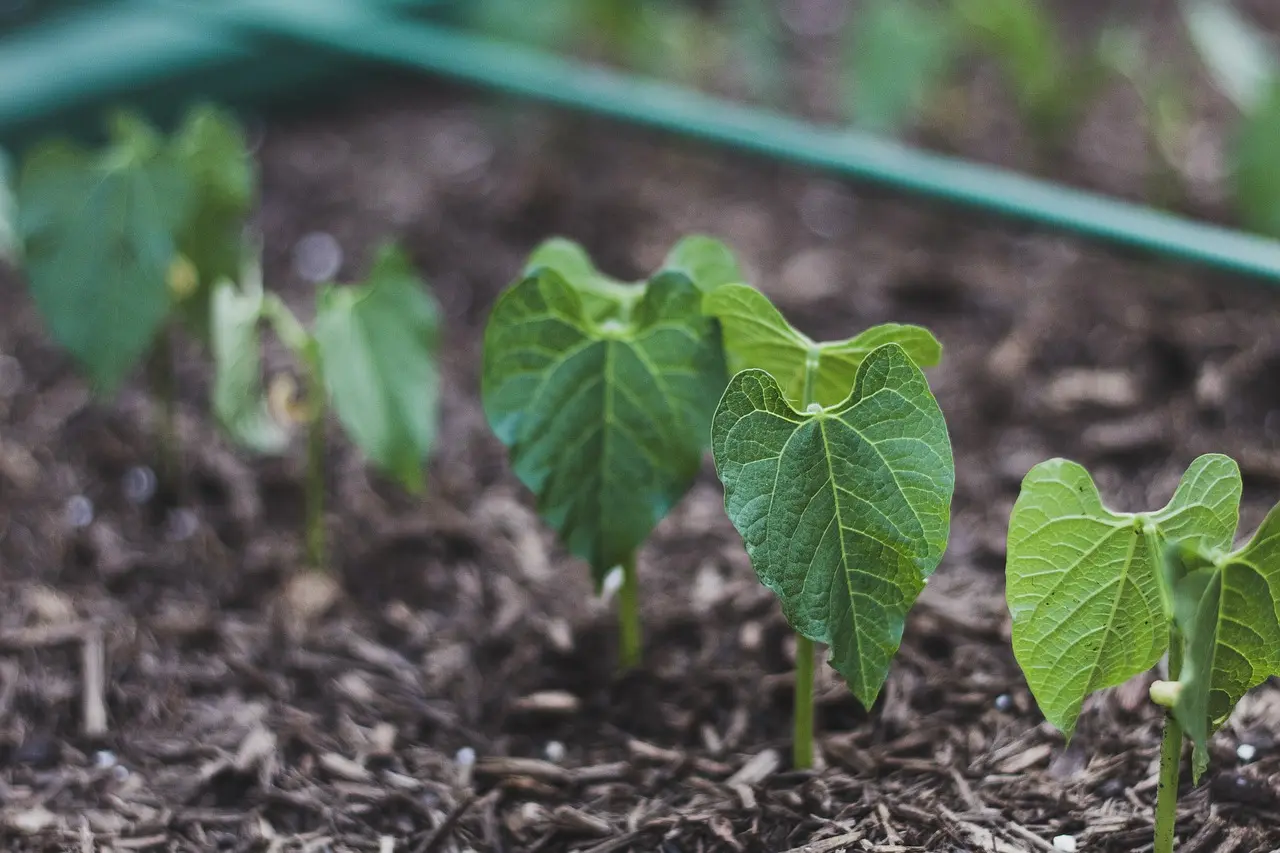

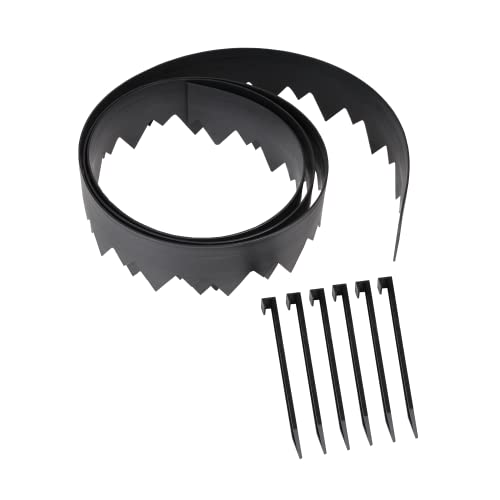
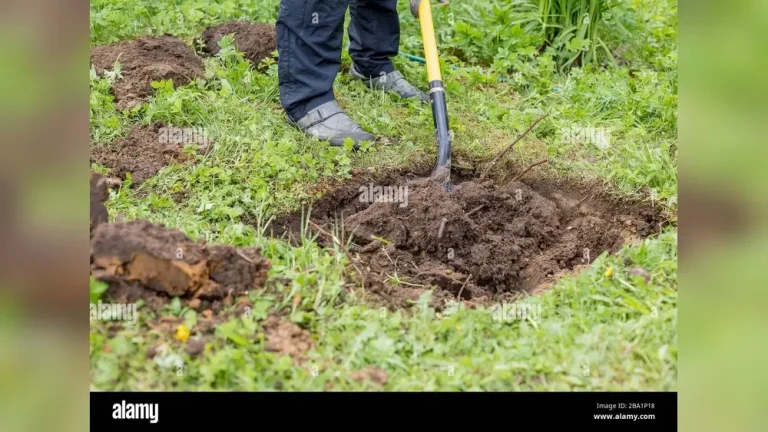
The choice is control versus scale. Raised beds give tighter control over soil quality, drainage, and access, while in-ground beds usually cost less and can support larger root systems when native soil is workable. The best option depends on what your site already gives you, not on which style looks more finished.
| Decision factor | Raised bed | In-ground vegetable gardening: which is better? | Winner |
|---|---|---|---|
| Soil quality control | Custom soil mix; easier to fix poor native soil | Uses native soil; depends on what is already there | Raised bed |
| Drainage | Usually easier to manage, especially on wet sites | Can struggle if drainage is poor or soil is compacted | Raised bed |
| Budget | Higher start-up cost for materials and fill soil | Usually cheaper when the existing soil is usable | In-ground vegetable gardening: which is better? |
| Crop depth needs | Limited by bed depth unless built tall | Better for very deep-rooted crops | In-ground vegetable gardening: which is better? |
| Maintenance effort | Fewer weeds, but more watering and soil refreshing | More weed pressure at first, often less watering later | Tie |
What raised beds change: soil, drainage, and access
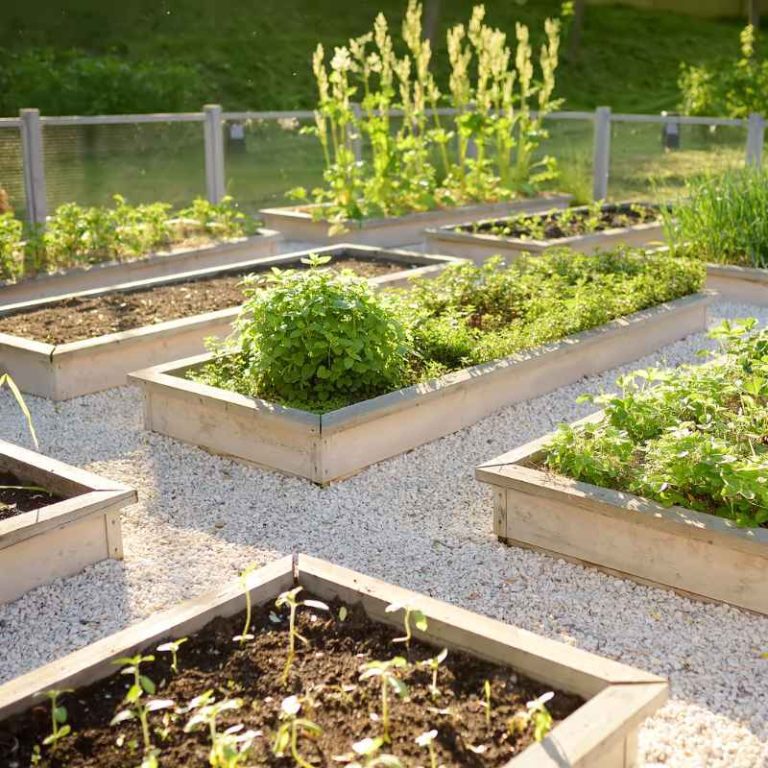
Raised beds can go on porches, driveways, balconies, and other hard surfaces that get sun. They also let you build the soil mix from scratch, which matters when the native ground is clay, rocky, compacted, or contaminated. Taller beds cut bending and kneeling, and beds 18 to 24 inches tall can reduce strain.
What in-ground beds change: cost, space, and root room
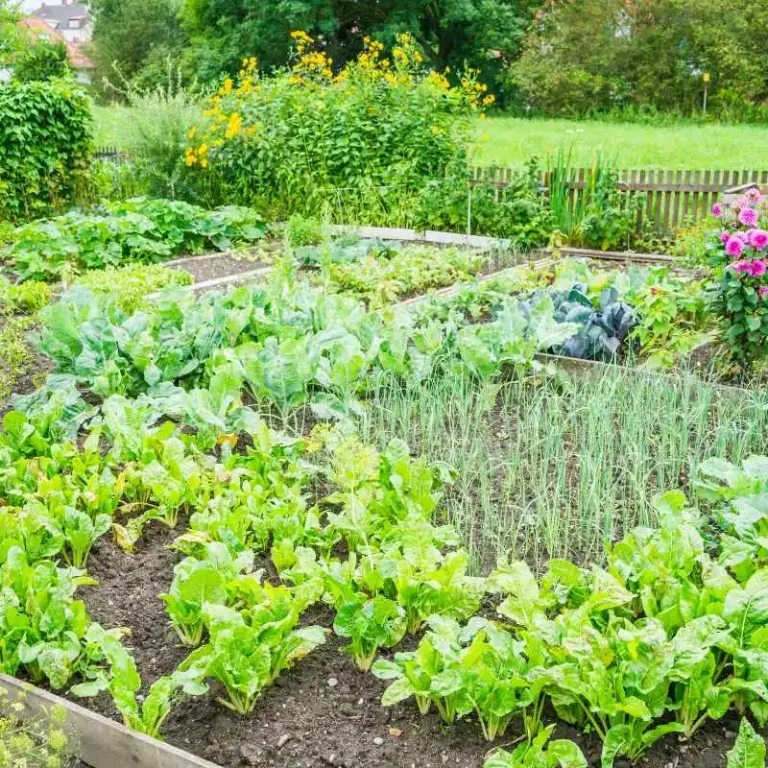
In-ground gardening uses the soil already there, which keeps start-up costs down when that soil is already decent. It also gives you more room, so it fits large plantings and crops with deep or wide root systems. The trade-off is that you inherit the site’s drainage, texture, and weed pressure.
A quick side-by-side comparison table
The table above is the decision core. It also stops a common mistake: spending on raised beds when the real issue is one wet patch, or choosing in-ground beds when shallow, compacted soil will keep roots cramped and wet.
Which garden type fits your site?

Site conditions usually decide the winner before crop choice does. Small yards, patios, and bad native soil push the answer toward raised beds. Open ground with decent soil and room to spread usually favors in-ground beds, especially when budget is tight and the goal is high volume, not a tidy structure.
Small yards, patios, and renters
Raised beds fit these sites better because they can be built in small spaces and even on hard surfaces. Renters also benefit from a bed that can be removed or moved, while patio gardeners need a contained system that does not rely on digging into the ground.
Clay, rocky, or compacted native soil
Raised beds are often the simpler fix when drainage is poor or the native soil is hard to improve without major work. In-ground beds can still work, but clay and compaction often need deep amendment, broadforking, or repeated tilling. If water sits after rain, that is a strong warning sign.
Open ground with decent existing soil
In-ground beds often win when the native soil drains well, has reasonable structure, and already supports healthy roots. In that case, the gardener avoids buying large volumes of fill soil and can spread out into larger plantings. That makes the in-ground option hard to beat on value.
How much will each option cost over 3 to 5 years?

Raised beds usually cost more to start because of materials and soil fill, and depth increases soil cost. In-ground gardening can be cheaper when native soil is already decent, but the bill can rise if the site needs tilling, heavy amendment, drainage correction, or more weed control over time.
Raised bed material, fill soil, and irrigation costs
A raised bed budget has three big parts: the frame, the imported soil, and watering. Built beds often need replacement or repair over a few seasons, and raised beds often dry out faster than regular gardens, which can increase water use in hot months. That matters in dry climates.
In-ground prep, amendments, and tilling costs
In-ground beds usually start with less spending because the soil is already there. The first year may still require compost, gypsum or other amendments where appropriate, and sometimes tilling or broadforking to open compacted ground. Those costs are often lower than building a full raised-bed system, but they can rise if drainage is poor.
When the cheaper option changes after year one
Over 3 to 5 years, the cost gap can narrow. A cheap in-ground start can become more expensive if weeds are heavy and drainage problems force repeated fixes. A raised bed can also become expensive if watering demand stays high and the soil level needs topping up each season.
- Test drainage first by checking how long water lingers after a heavy rain.
- Compare the cost of lumber or bed materials with the volume of soil needed.
- Include irrigation or hose time in hot months.
- Add amendment and weed-control costs for the first three seasons.
- Choose the setup with the lower total burden, not just the lower first bill.
How soil quality and drainage change the answer
Soil quality and drainage often matter more than bed style. If native soil is healthy and drains well, in-ground beds can be the simplest option. If the site stays wet, crusts over, or packs hard, raised beds usually give roots a safer environment without waiting years for the ground to improve.
Why drainage matters for root health
Roots need air as well as moisture. Poor drainage can suffocate roots, invite rot, and keep beds cold and slow in spring. That is why poorly draining native soil can be a problem for in-ground gardens, especially in clay or on sites with a hardpan layer.
When poor drainage points toward raised beds
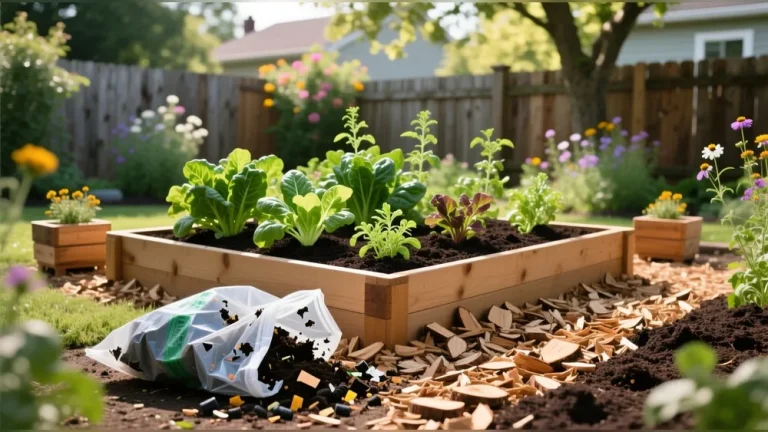
Raised beds are the cleaner choice when water pools after rain, the native ground is rocky, or excavation is limited. A bed that sits above the problem soil gives roots a faster-draining zone and makes it easier to control the blend of compost, topsoil, and organic matter.
When in-ground beds can work with amendments
In-ground beds can still work if the issue is moderate, not severe. Adding compost, loosening compacted soil, and improving structure over time can make native ground productive. This route makes sense when the soil is workable enough that you are improving it, not rebuilding it from nothing.
Which vegetables fit each bed type best?
Crop depth decides more than many gardeners expect. Some vegetables need two or more feet of soil depth, so shallow beds can restrict root growth even if the top looks fine. Raised beds fit many crops well, but very deep-rooted plants often do better in the ground unless the bed is built tall.
Deep-rooted crops that need more than 2 feet
Carrots, parsnips, some potatoes, and other long-root vegetables need real depth. When rooting room is short, the crop can fork, stub, or stay undersized. Deep beds can solve part of this, but a shallow raised bed is the wrong tool for crops that want a long column of soil.
Crops that often do well in raised beds
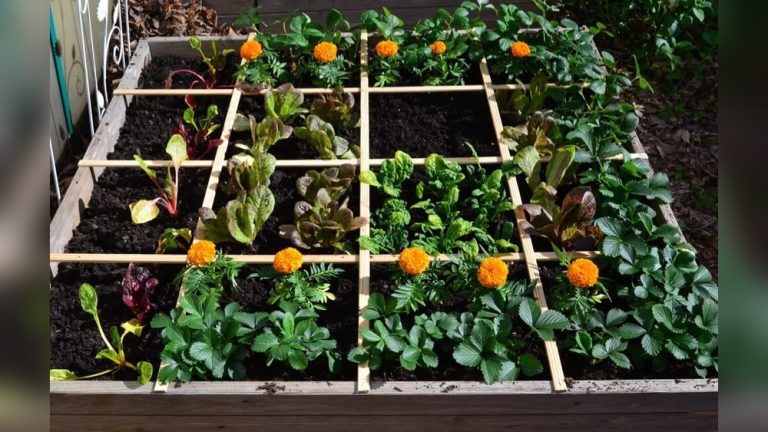
Lettuce, spinach, bush beans, radishes, onions, herbs, and many brassicas often perform well in raised beds. These crops like consistent moisture control and cleaner soil, and they do not usually need extreme depth. Raised beds also suit mixed plantings where quick access matters more than raw footprint.
Crops that often do well in the ground
Tomatoes, squash, corn, sweet potatoes, pumpkins, and deep-rooted greens often benefit from the room and water-holding capacity of native soil. Large plants spread out more naturally in the ground, and gardeners who want big harvests often find in-ground beds easier to scale.
Do raised beds warm up faster and dry out faster?
Yes, usually on both counts. Raised beds can heat up quicker in spring, which helps with earlier planting and germination. They often dry out faster than regular gardens too, especially in wind, sun, and hot weather. That can be an advantage in cool, wet sites and a drawback in dry ones.
Spring soil temperature and earlier planting
Raised beds warm faster because the soil mass is smaller and more exposed to spring sun and air. That can give seedlings a better start and extend the usable season at both ends. In cool regions, that early soil warmth is a real advantage.
Hot, dry weather and water demand
In hot weather, the same design can work against the gardener. A raised bed exposed on all sides loses moisture faster and may need more frequent watering. Water costs and daily attention matter here, especially if summer heat arrives early and stays long.
When climate makes in-ground beds the better call
In hot, dry climates, in-ground beds often hold water better and buffer root zones more effectively. That can mean less irrigation and less plant stress in midsummer. If the native soil already drains acceptably, the ground may be the more stable choice.
Weed pressure and maintenance over time
Weed pressure changes the maintenance bill. New in-ground beds often have more weeds because the existing seed bank is still active and roots can spread in from nearby areas. Raised beds generally reduce weed pressure, but they still need mulch, replenished soil, and regular watering attention.
Why new in-ground beds can be weedy
When the soil is opened, buried weed seed and creeping roots often wake up. That is especially true in converted lawn or neglected ground. Expect more hand weeding at first, then less as the bed matures and mulch or cover cropping takes over.
How raised beds can cut early weed work
Raised beds start with cleaner, imported soil, so the first season is often easier to keep tidy. Fewer weeds is one benefit of raised beds, and that can matter more than yield on a small home plot. The savings show up in time, not only in appearance.
Which bed type is easier to keep up with year after year
Raised beds usually win on weeding and access, but they can lose ground on watering and soil refresh. In-ground beds can become easier once the soil is improved and the weed bank is reduced. Over time, the easier system is the one that fits the site, not the one with the cleaner first-year look.
Choose raised beds if… choose in-ground beds if…
Raised beds are the better pick for renters, gardeners with back or knee pain, and sites with poor drainage or bad native soil. In-ground beds are the better pick when the soil is already decent, the goal is a larger planting area, or the garden needs deeper rooting and lower start-up cost.
Choose raised beds if…
Choose raised beds if you garden on a porch, driveway, balcony, or tight urban lot. Choose them if native soil is clay, rocky, compacted, or contaminated. Choose them if bending is painful or if you want earlier spring planting and tighter weed control.
Choose in-ground beds if…
Choose in-ground beds if the soil drains well, you want the cheapest start, or you plan to grow deep-rooted crops across a larger area. This is also the better route for gardeners who can spend time improving native soil instead of buying enough fill to start from scratch.
Choose by gardener type
Renters usually do best with raised beds or other contained setups. Seniors and gardeners with mobility limits often prefer raised beds around 18 to 24 inches tall because they can reduce strain. Clay-soil owners often need raised beds unless they are ready for serious soil repair. High-yield growers with good ground usually gain more from in-ground space.
Frequently asked questions
Is a raised bed or in-ground garden better for vegetables?
Neither is always better. Raised beds can be a good choice for poor soil, drainage problems, limited mobility, and small spaces. In-ground beds can make more sense when the native soil is already workable, the planting area is large, and the crop list includes deep-rooted vegetables that need more room belowground.
Are raised beds worth the extra cost?
They are worth the cost when the site is hard to garden in: compacted soil, poor drainage, contamination, or painful bending. They are less worth it when the ground already grows well and the gardener mainly wants more space at the lowest possible start-up cost.
What vegetables grow better in raised beds?
Leafy greens, herbs, radishes, onions, bush beans, and many brassicas often do well in raised beds because they need manageable depth and steadier soil conditions. These crops also benefit from faster spring warming and easier weed control, which can help young plants establish quickly.
What vegetables do better in the ground?
Deep-rooted crops such as carrots, parsnips, some potatoes, squash, corn, sweet potatoes, and pumpkins may do better in the ground. They need more vertical room or broader soil access than a shallow bed can provide, especially when the bed is not built tall enough.
How deep should a raised bed be for vegetables?
For many vegetables, a deeper bed is better, and some vegetables need two or more feet of soil depth. Shallow beds work for compact crops, but long roots need room to move down. If the crop list includes carrots or parsnips, depth should be a top priority.
Can I garden in poor clay soil without raised beds?
Yes, but the site needs real improvement. Add organic matter, loosen compaction, and watch drainage carefully before planting. If water sits after rain or the ground stays hard and sticky, raised beds may be the more practical fix because they separate roots from the problem soil.