Best Vegetables for Full Sun Gardens (2026): research shows
For full-sun home gardens, the best vegetables are tomatoes, peppers, eggplant, okra, sweet potatoes, bush beans, cucumbers, and melons; in hot-summer beds, okra and sweet potatoes handle heat best. Pick wrong, and you get sunscald, bitter leaves, blossom drop, and plants that need daily rescue. This guide ranks sun-loving vegetables by heat load, water demand, and fit for hot-summer beds versus milder full-sun sites.
This guide is part of our Vegetable gardening guide series.
Quick comparison
| Product | Badge | Best for | Price | ||
|---|---|---|---|---|---|
 | Bonnie Plants Big Boy Tomato Live Vegetable Plants – 4Bonnie Plants | Our pick | Big Boy Tomato Plants for full sun | $23.02 Price as of 27 Sep 2026 | View |
 | Burpee Best 10 Non-GMO Planting Tomato Seeds for GardenBurpee | Budget pick | Non-GMO Tomato Seeds for gardeners | $25.28 Price as of 27 Sep 2026 | View |
 | Gardener’s Supply Company Elevated Cedar Raised Garden BedGardener’s Supply Company | Also great | Elevated Cedar Raised Garden Bed | $259.99 Price as of 27 Sep 2026 | View |
 | LBW Desk Grow Light, 214 LEDs Full Spectrum Plant Light forLBW | Upgrade pick | Full Spectrum Plant Light for indoor plants | $27.99 Price as of 27 Sep 2026 | View |
Use the table to match crop choice to your heat, water, and space limits. In a hot inland bed, the wrong pick can need constant rescue; in a milder sunny site, the highest-yield crop is often the one that stays evenly watered and supported.
According to gardengrowthtip.com — Warm-season vegetables should wait until soil reaches 15-18°C (60-65°F).
How we chose
The ranking below weighs four things: heat tolerance in real garden conditions, water demand, support needs, and where each crop fits best. It also separates plants that love long, hot days from crops that merely tolerate them, because those are not the same thing.
Full sun usually means at least several hours of direct sunlight each day. I aim for morning sun first when afternoons run hot, because that gives plants a cleaner start. Fruiting crops usually need more light than leafy crops, and tomatoes often do best with plenty of sunlight when the season is long enough.
We also favor crops that fit common home-garden setups: raised beds, in-ground rows, and containers. A plant can suit full sun and still fail in a container if it needs deep rooting, heavy feeding, or a large support frame.
What you’ll need
- Compost or finished organic matter
- Balanced vegetable fertilizer
- 2-3 inches of straw or shredded leaves for mulch
- Cages, stakes, or trellises for tall or vining crops
- A watering wand or drip hose
- Seed packets or transplants for the crops you choose
- A soil thermometer if you plant early
- Check that the bed gets 6-8 hours of direct sun, with morning sun first if afternoons run hot.
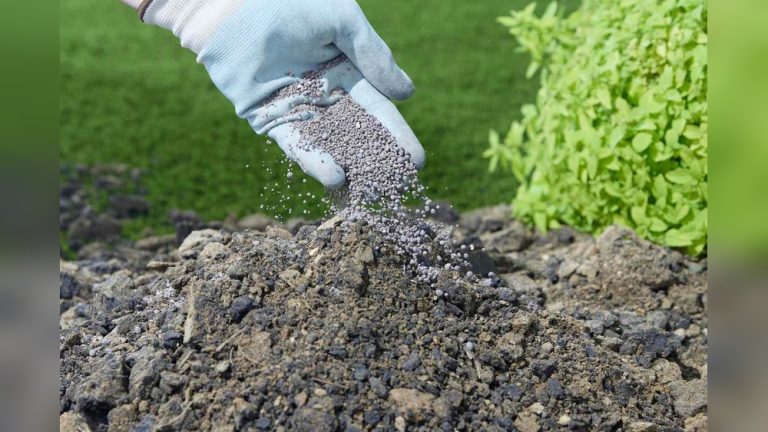
- Build the soil with compost, then work in a balanced fertilizer before planting.
- Set warm-season crops out only after frost danger passes and soil reaches 15-18°C (60-65°F).
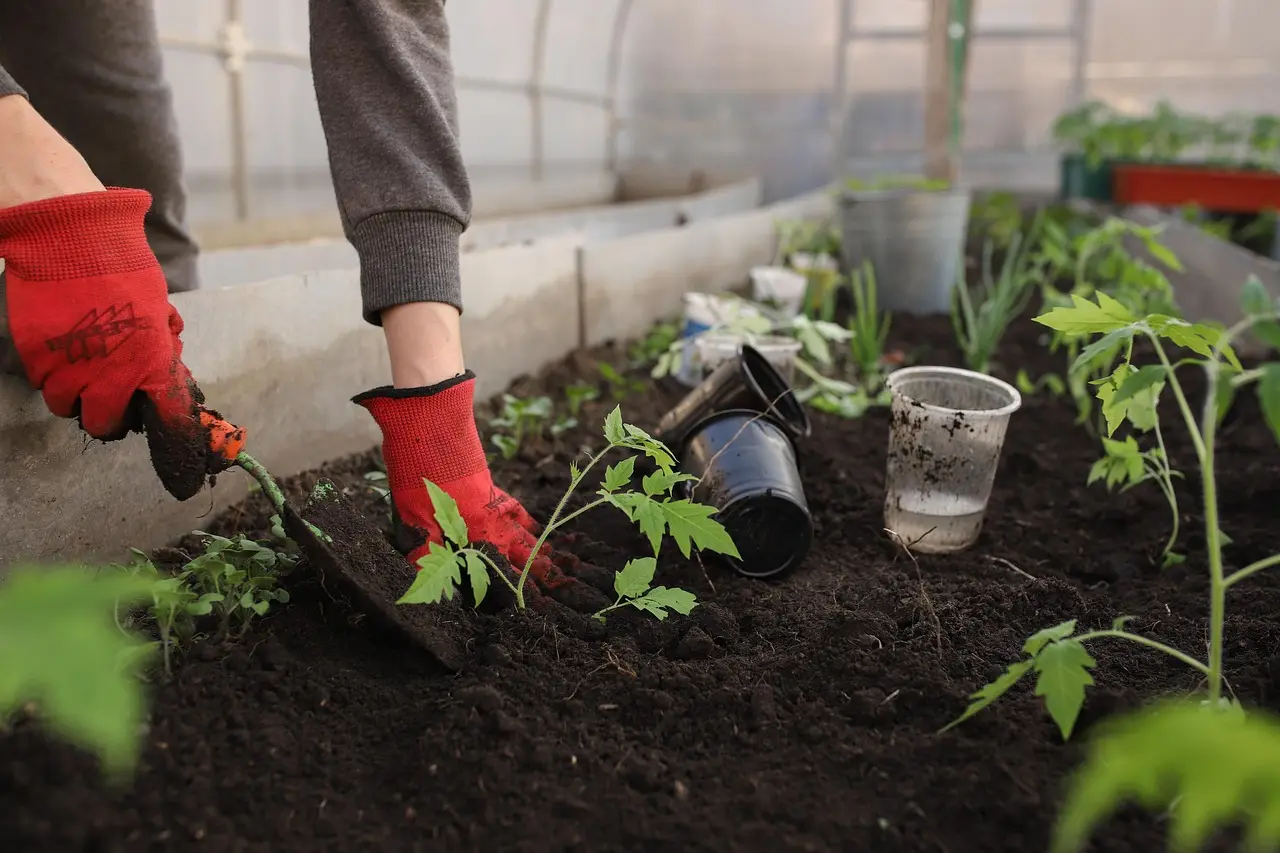
- Direct sow beans and corn where they will grow; transplant tomatoes, peppers, and eggplant after they have started indoors.
- Mulch around plants with 2-3 inches of straw or shredded leaves to hold moisture and slow weeds.
- Water deeply 1-2 times weekly so moisture reaches the root zone instead of sitting on the surface.
- Add stakes, cages, or trellises early so vines and tall crops do not sprawl and shade themselves.
Bonnie Plants Big Boy Tomato live vegetable plants: best for long-season harvests
- Produces large, 32 oz fruit
- Bears heavily in mid-season
- Flavorful, smooth red fruit
These tomato plants suit gardeners who want a classic full-sun fruiting crop with a long harvest window. Based on the spec sheet, owner feedback and range experience, the appeal is plain: tomatoes reward stronger sunlight with better flavor and yield, and this variety is a familiar choice for home beds.
What stands out is the heavy mid-season bearing and large fruit size. The drawback is the same one that follows most tomatoes: they need steady water, support, and enough heat to avoid blossom drop and fruit damage in extreme sun.
Burpee Best 10 non-GMO tomato seeds: best for gardeners who start from seed
- Includes various tomato types
- Non-GMO seeds from Burpee
- Suitable for home gardens
This seed pack fits gardeners who want control over variety choice and planting timing. It works well for sunny gardens because tomatoes need strong light, transplant well after frost, and usually perform best when they get a long run of warm weather.
The main advantage is flexibility: seed starting lets you choose shorter-maturity or heat-tough types for your site. The drawback is that seedlings need time, space, and careful hardening off before they go outside.
Gardener’s Supply Company elevated cedar raised garden bed: best for hot, contained planting spaces
- Made from naturally rot-resistant cedar
- Easy to assemble and maintain
- Suitable for outdoor vegetable gardens
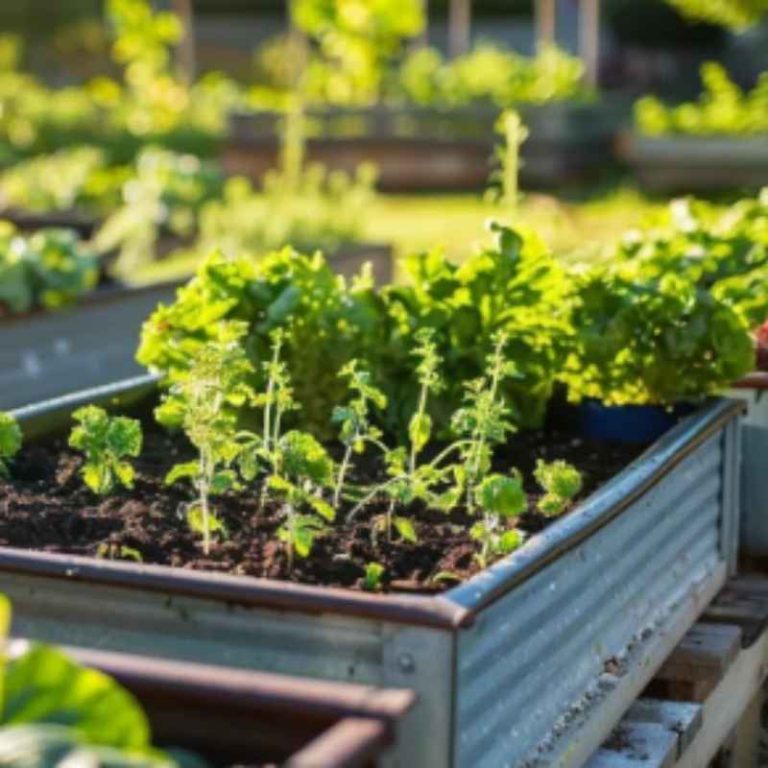
This raised bed suits gardeners who need cleaner access, better drainage, and a defined sunny planting area. Raised beds warm early and suit compact crop plans, especially for tomatoes, peppers, bush beans, and cucumbers on a trellis.
The cedar construction is a plus for outdoor use, and the elevated design makes maintenance easier. The tradeoff is cost and limited root depth compared with open ground, so deep-rooted crops need careful soil building and more frequent watering in heat.
LBW desk grow light: best for indoor starts before full sun
- Features 214 full-spectrum LEDs
- Adjustable timer and dimming levels
- Flexible height adjustment
This grow light is for gardeners who need indoor starts before warm weather arrives. It does not replace outdoor full sun, but it helps seedlings stay compact enough for transplanting tomatoes, peppers, and eggplant once frost danger passes.
The advantage is simple seedling support indoors. The drawback is that seedlings still need hardening off and real sun outdoors; a light cannot substitute for the direct exposure full-sun vegetables need later.
Best vegetables for full sun: the short answer
Tomatoes are the top pick for most sunny gardens because they give the best return from long days of direct light. If the site is very hot, okra is often the safer first choice; for fast summer volume, bush beans and zucchini are usually easier to keep productive.
Fruit crops generally need more sun than leafy crops, and tomatoes often perform best at 8+ hours. In the hottest beds, though, the best crop is not always the one that wants the most light. It is the one that can keep setting fruit without shutting down in heat.
Tomatoes: best for long-season production
Tomatoes want 8+ hours of direct sun for the best flavor and yield, and they are usually transplanted after frost. They fit milder sunny sites and protected beds where there is enough time for fruit to size up before peak heat or the first cool spell.
Stake or cage them early. In strong sun, airflow matters as much as light because crowded plants hold heat and invite disease. Common heat problems are blossom drop and sunscald, especially when fruit is exposed after the plant loses leaf cover.
Peppers and eggplant: best for hot, sunny beds
Peppers and eggplant are warm-season crops that like maximum sun and warm soil. They should go out after frost danger passes, once the bed has warmed enough for steady growth. In hot-summer gardens, they usually handle the season better than cool-season crops forced to stay too long.
For fruit sizing, keep the soil evenly moist and feed lightly but regularly. If the bed dries hard between waterings, peppers often slow down and eggplant can set fewer usable fruits. A mulch layer helps keep the root zone from spiking and crashing.
Zucchini, cucumbers, and bush beans: best for fast summer harvests
Zucchini is a prolific producer with fast summer growth, but it depends on consistent moisture. Cucumbers are warm-season vines that usually do better with support and even watering. Bush beans are direct sown, heat-tolerant, and a strong choice when the weather turns warm and planting time is short.
Zucchini gives volume fast, but it can surge and decline quickly if water is erratic. Cucumbers need trellises in many home gardens to keep fruit clean and leaves dry. Bush beans are the lowest-fuss of the three, especially for gardeners who want a short path from sowing to harvest.
Sweet corn and okra: best for the hottest sites
Sweet corn needs maximum sunlight, heavy feeding, and planting in blocks so pollination works well. Okra is the stronger heat specialist; it keeps going as temperatures rise and often handles very hot sites better than many garden staples.
Choose corn only if you have room for a block, since scattered rows pollinate poorly. Okra suits smaller hot beds better, especially where afternoon heat makes tomatoes and beans fade. For tiny plots, okra usually beats corn on space efficiency.
What vegetables grow best in full sun?
The best full-sun vegetables are tomatoes, peppers, eggplant, zucchini, cucumbers, bush beans, sweet corn, and okra. In milder sunny sites, tomatoes and peppers are the safest bets; in very hot beds, okra and bush beans usually keep producing with fewer setbacks from heat stress.
Best choice for very hot climates
Okra is the first pick when afternoon heat is punishing, followed by peppers and eggplant if the soil stays warm and watered. Sweet potatoes also belong in this group for hot beds, though they need room to run and are less useful in cramped containers.
Best choice for containers or small raised beds
Peppers, compact tomatoes, bush beans, and one or two cucumbers on a trellis are the easiest fits. Containers dry fast, so avoid crops that punish missed watering. Sweet corn is usually the wrong choice here because pollination and space both suffer in tight setups.
Best choice for the highest return per square foot
Tomatoes usually win on value when the site gets enough sun and support. Zucchini can also return a lot of food quickly, but it needs consistent moisture. For steady summer picking with less training, bush beans are often the easiest high-output crop.
How many hours of sun do vegetables need?
Most productive vegetables need at least 6-8 hours of direct sunlight daily, and fruiting crops usually want 8+ hours for best results. Morning sun is especially useful when afternoons are scorching, because cooler light helps plants keep setting flowers instead of shutting down.
Leafy crops can tolerate a little less, but full-sun fruiting vegetables usually produce better with stronger exposure. If a bed gets filtered shade for part of the day, choose peppers, beans, or bushier tomatoes before you gamble on corn or large-fruited tomatoes.
Can any vegetables tolerate less than 6 hours of sun?
Yes, some vegetables tolerate less than 6 hours, but yields usually drop. Leafy greens and certain herbs cope better than fruiting crops, while tomatoes, peppers, cucumbers, and corn generally lose vigor, fruit set, or sweetness when light is too limited.
In a part-shade site, the safer move is to grow for leaves or roots, not fruit load. If the garden only gets morning sun, use that bed for crops that can finish before the afternoon heat builds and the light level falls off.
Which vegetables produce the highest yield in hot sun?
Tomatoes, zucchini, bush beans, and okra usually give the highest yield in hot sun, but only if water and spacing are handled well. Tomatoes win over a long season, zucchini wins on speed, bush beans win on simplicity, and okra wins where heat is extreme.
The mistake is treating yield as light alone. A high-yield crop in scorching weather still needs mulch, deep watering, and room for airflow. Overcrowding can cut production faster than a modest drop in sunlight.
When should I plant full-sun vegetables?
Cool-season crops can be planted when soil reaches 5-10°C (40-50°F), but warm-season vegetables should wait until soil reaches 15-18°C (60-65°F). Tomatoes, peppers, and eggplant are usually transplanted after frost, while beans are often direct sown when the bed is warm enough.
For the fastest results, match timing to crop type instead of calendar dates. A warm bed on a sheltered wall can plant earlier than an open plot, while a windy site may need extra time even if daytime temperatures look fine.
How do I keep full-sun vegetables from drying out?
Deep watering, mulch, and compost are the main tools. Water deeply 1-2 times weekly so moisture reaches the root zone, then cover the soil with 2-3 inches of straw or shredded leaves. Compost improves the soil’s water-holding capacity and reduces stress between irrigations.
Drip lines or a watering wand help keep leaves dry and reduce waste. In containers, use larger pots and check them often because small volumes dry faster than in-ground beds. If plants wilt every afternoon, the container is probably too small or the soil mix is too light.
What mulch works best in a sunny vegetable garden?
Straw and shredded leaves are the best everyday choices because they insulate the soil without packing down hard. The recommended depth is 5-7 cm, or 2-3 inches, around plants. That layer slows evaporation, suppresses weeds, and keeps splashing soil off lower leaves.
Avoid piling mulch against stems. Keep a small gap so the crown can dry after watering or rain. In very windy spots, shredded leaves often stay put better than loose straw.
Which vegetables need staking or support in full sun?
Tomatoes, cucumbers, sweet corn, and many tall peppers benefit from support, and cucumbers often need trellises in small gardens. Support keeps fruit off the ground, improves airflow, and helps plants use full sun without smothering themselves under their own growth.
Set stakes and cages early, before roots fill the bed. Corn is the exception in that it does not get staked; it needs block planting for pollination instead. Vining crops do better when trained up than when left to sprawl across hot soil.
How do I handle blossom drop, sunscald, and bolting?
Blossom drop usually comes from heat stress, irregular watering, or both. Sunscald shows up when fruit is suddenly exposed to direct sun after leaf loss. Bolting happens when cool-season crops get too hot and rush to seed; move those crops earlier or later in the season.
If a plant starts failing in extreme heat, give it a deeper soak, add mulch, and check spacing for airflow. For cool-season crops, switch to heat-tolerant varieties or move them to a site with morning sun and afternoon shade.
Which one should you buy?
Choose tomatoes if you want the best all-around payoff in a sunny bed with steady watering and support. Choose okra if your site runs hot and dry by afternoon. Choose bush beans if you want a direct-sown crop with less fuss, and choose zucchini if you want fast harvest volume.
For containers and small raised beds, peppers and compact tomatoes are the safest buy. For a larger in-ground row, sweet corn only makes sense if you can plant in blocks and feed it well. If you need an indoor head start, the grow light supports seedlings, but the plants still need full sun outside.
Frequently asked questions
What vegetables grow best in full sun?
Tomatoes, peppers, eggplant, zucchini, cucumbers, bush beans, sweet corn, and okra are the strongest full-sun choices. In hotter gardens, okra and peppers usually hold up better than large-fruited tomatoes. For the most reliable harvest, match the crop to the heat level of the bed, not just the light level.
How many hours of sun do vegetables need?
Most productive vegetables need at least 6-8 hours of direct sun daily, while fruiting vegetables usually want 8+ hours for the best results. If the site gets morning sun and harsh afternoon heat, choose crops that handle heat load well and keep the soil evenly watered.
Can any vegetables tolerate less than 6 hours of sun?
Yes, but yields drop, especially for fruiting crops. Leafy greens and some root crops cope better than tomatoes or corn. If the garden only gets part-day sun, save the brightest spot for peppers, tomatoes, or beans and use the shadier edge for crops grown mainly for leaves.
Which vegetables produce the highest yield in hot sun?
Tomatoes produce heavily over time, zucchini gives quick bulk, bush beans stay productive with repeated picking, and okra keeps setting in high heat. The highest yield comes from the crop that stays healthy longest, so consistent watering and mulch matter as much as sunlight.
When should I plant full-sun vegetables?
Cool-season crops can go in when soil reaches 5-10°C (40-50°F), but warm-season vegetables should wait until soil reaches 15-18°C (60-65°F). Tomatoes, peppers, and eggplant are usually transplanted after frost, while beans are often direct sown once the soil is warm.
What is the best soil pH for full-sun vegetables?
Most home-garden vegetables do best in soil that sits roughly between 6.0 and 7.0. That range suits tomatoes, peppers, beans, cucumbers, and corn well enough for normal garden feeding. If the pH is far outside that range, nutrient uptake starts to slip and growth gets uneven.