Best Vegetables for Partial Shade (2026): research shows
For partial shade gardens, start with leafy greens, herbs, radishes, beets, and some brassicas if they receive about 2 to 6 hours of direct sun; skip fruiting crops like tomatoes, peppers, and cucumbers unless the bed gets closer to the upper end of that range. Guess wrong and plants stretch, harvests shrink, and you burn a season on weak growth. This guide gives a light-threshold planting matrix, crop-by-crop picks to grow or skip, and varieties that keep producing in dim beds.
This guide is part of our Vegetable gardening guide series.
Quick comparison
| Product | Badge | Best for | Price | ||
|---|---|---|---|---|---|
 | EVO-20 DLI Light Meter – Smart Sunlight Classifier forEvoDevice | Our pick | DLI light meter, 10-day history, auto start. | $33.80 Price as of 28 Sep 2026 | View |
 | APICDOM LED Grow Light 2FT Full Spectrum Compact LinkableAPICDOM | Pair with it | 2-ft LED grow light, full spectrum, linkable. | $15.99 Price as of 28 Sep 2026 | View |
 | Infinite Cedar Deep Root Cedar Raised Bed Garden KitInfinite Cedar | Upgrade pick | Cedar raised bed, 16.5-inch deep, natural. | $288.00 Price as of 28 Sep 2026 | View |
 | Perfect Plants Organic Perlite, 8 qt, Gardening SoilPERFECT PLANTS | Also great | 8 qt organic perlite for soil aeration. | $18.99 Price as of 28 Sep 2026 | View |
 | Garden Tools Set, 3 Pack Garden Shovel, Transplant Trowel,MECHEER | Budget pick | 3-piece garden tool set with depth scale. | $9.99 Price as of 28 Sep 2026 | View |
Partial shade, dappled shade, and full shade often get lumped together. They should not be. The crop choice can change quickly once light shifts from around 2 to 3 hours, then from about 3 to 6 hours.
How we chose
The decision rule here starts with minimum sun hours, not plant family. That matters more than broad labels like shade-tolerant or cool-season.
I also split morning-sun sites from afternoon-sun sites, because timing changes heat stress and leaf quality. Cool-season crops usually do better with softer morning light.
Variety choice comes next. Loose-leaf lettuce, fast radishes, and compact brassicas hold up better than larger, slower types.
Finally, the crop has to fit the season. A plant that tolerates dim light in spring may still fail in summer heat.
Lettuce: best for the lowest-light leafy bed
- Classifies light levels accurately using DLI data.
- Stores ten days of sunlight history for review.
- Requires no setup and starts automatically in soil.
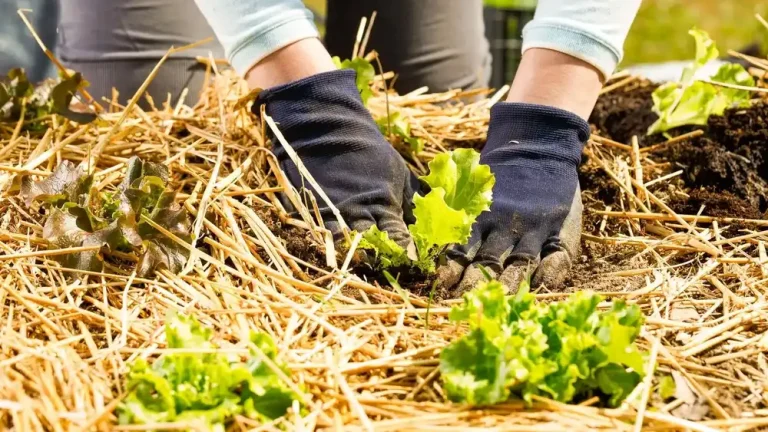
Lettuce is the safest crop for a bed that only gets 2 to 3 hours of sun. Loose-leaf types are the right call here, because they leaf out faster and handle weak light better than tight heads.
Head lettuces disappoint in shade. They need stronger light to size up, and in a dim bed they often stay small, loose, or slow to fill.
Morning sun is the better site. A bed that gets cool sun early and shade later usually keeps lettuce cleaner and less stressed than one that bakes in hot afternoon light.
For this kind of low-light bed, a light meter is the smartest first buy. A DLI meter helps separate true partial shade from a spot that only looks bright at a glance.
The drawback is simple: lettuce is forgiving, but it is still a leafy crop. Expect smaller heads, slower turnover, and more value from cut-and-come-again harvesting than from waiting for big full-size plants.
Kale: best for steady cool-season harvests
Kale is a strong choice at 3 to 4 hours of sunlight. It can work in partial shade, especially when planted for spring and fall sowing instead of peak summer heat.
Leaf size and texture change in shade. The plants often stay looser and a little softer, with slower growth than in full sun. That tradeoff is usually worth it if the goal is a steady harvest of young leaves.
Morning sun again beats afternoon sun. A cool morning start helps kale hold quality longer and reduces stress on warm days.
The drawback is yield. Shade keeps kale edible, but it also slows recovery after cutting. If the bed is very dim, expect fewer big leaves and more time between harvests.
Asian mustard greens: best for fast harvests in weak sun
- Includes trowel, rake, and spade with graduated scale.
- Made from high-quality rust-resistant aluminum alloy.
- Ergonomic handles reduce hand fatigue during planting tasks.
Asian mustard greens can be a strong choice for roughly 2 to 3 hours of sun, especially in a shallow or awkward bed where you want quick returns. Komatsuna, tatsoi, mizuna, baby bok choy, and Japanese red mustard all fit this lane well.
These crops work best when cut young. Young leaves have better texture and less risk of turning coarse or limp in a dim bed.
Morning sun is the safer placement. Afternoon sun can speed bolting on warm days, and thin light plus heat is a bad combination for quick brassicas.
The drawback is that they are fast, not long-lived. They can be harvested well, but they usually need succession sowing if you want a steady supply.
Light-threshold planting matrix for partial shade
This matrix uses crop thresholds, not wishful thinking. Partial shade is around 2 to 4 hours of sunlight per day, often sunny in the morning or afternoon, but not both. Dappled shade is about 3 to 6 hours of filtered sun and supports more crop variety than partial shade.
| Crop | Minimum sun hours | Best variety type | Expected tradeoff | No-go conditions | Morning-sun site | Afternoon-sun site |
|---|---|---|---|---|---|---|
| Lettuce | 2 to 3 | Loose-leaf | Smaller leaves, slower fill | Aim for heads in deep shade | Best fit | Works, but heat can shorten quality |
| Kale | 3 to 4 | Compact leaf types | Slower regrowth | Hot summer site with thin light | Very good | Fair if temperatures stay mild |
| Asian mustard greens | 2 to 3 | Komatsuna, tatsoi, mizuna, baby bok choy, Japanese red mustard | Best when cut young | Waiting for oversized leaves | Best fit | Works in cool weather only |
| Bush beans | About 4 to 6 | Compact, quick-setting types | Fewer pods than full sun | Deep shade or cool, wet soil | Possible near the high end | Only worth trying in brighter spots |
| Spring radishes | 3 to 4 | Fast-maturing, small-root types | Smaller roots, slower sizing | Long-season storage types | Good | Good in cool weather |
| Small carrots | 3 to 4 | Short or early types | Shorter roots, less bulk | Full-size late carrots | Better than large types | Works if soil stays loose |
| Determinate tomatoes | 5 to 6 | Cool-climate determinate types like Oregon Spring and Glacier | Lower yield than full sun | Under 5 hours or heavy shade | Best of the tomato group | Still a stretch unless the site is bright |
Use the table like a gate. At 2 to 3 hours, stay with lettuce and Asian mustard greens. At 3 to 4 hours, add kale and small root crops. At 5 to 6 hours, determinate tomatoes become possible in the right climate, and dappled shade opens the crop list.
Which vegetables should you avoid in partial shade?

Avoid fruiting vegetables that need at least 8 to 10 hours a day unless your bed sits at the bright edge of shade. Tomatoes, peppers, squash, and cucumbers are the usual disappointments. Bush beans are the one exception worth a careful look, but they still want more light than true partial shade gives.
Tomatoes and peppers: when they fail and when they might scrape by
Tomatoes and peppers usually fail in partial shade because they are fruiting crops, and fruiting crops need far more light than leafy greens. Some determinate tomatoes can manage with as little as 5 to 6 hours of light, but that is the edge case, not the rule.
If the bed is closer to 2 to 4 hours, skip them. If it reaches 5 to 6 hours and gets strong morning sun, a cool-climate determinate tomato like Oregon Spring or Glacier is the safer experiment. Peppers still remain a poor bet.
Cucumbers and squash in low light
Cucumbers and squash usually underperform in partial shade. They want long, bright days and enough direct sun to support flowering and fruit fill. In weak light, vines stretch and yields fall off fast.
They belong in dappled shade only if the site is truly bright for most of the day. Even then, choose the sunniest edge of the bed.
What to do with herbs if the bed is too dim for vegetables
If the bed is too dim for productive vegetables, herbs can be a better use of the space. Parsley, mint, chives, and cilantro often tolerate softer light better than fruiting crops.
That said, herbs still need real direct sun to stay compact and flavorful. Treat them as a fallback, not a fix for full shade.
Which one should you buy?
If you need the highest odds of success in a dim bed, buy loose-leaf lettuce first. If you want the safest all-around crop for 3 to 4 hours, choose kale. If your bed only gives 2 to 3 hours, Asian mustard greens are the fastest way to get a harvest.
Best pick for 2 to 3 hours of sun
Loose-leaf lettuce or Asian mustard greens. Lettuce is the calmer option for steady picking, while mizuna, tatsoi, komatsuna, and baby bok choy turn over faster and suit a small bed that needs quick results.
Best pick for 3 to 4 hours of sun
Kale. It holds up better than most leafy crops at this threshold and is a strong spring or fall choice. Add spring radishes if you want a second crop that fills the bed quickly.
Best pick if your bed gets morning sun
Lettuce first, then kale. Morning sun keeps temperatures lower and usually makes the bed friendlier to tender leaves. If the site is bright enough, small carrots and spring radishes can follow.
Best pick if you want the highest odds of success
Loose-leaf lettuce. It has the cleanest fit at the lowest light level, and it gives useful leaves even when the bed is not bright enough for larger heads or fruiting crops.
Best pick if you have a small bed and want fast turnover
Asian mustard greens. They are quick, compact, and easy to cut young. If the bed is only partly lit, fast crops beat slow ones every time.
Frequently asked questions
What vegetables grow well in partial shade
Leafy greens are the most reliable vegetables for partial shade. Lettuce, kale, Asian mustard greens, and many herbs can produce in 2 to 6 hours of direct sun, while small root crops can work if the bed stays loose and the varieties mature quickly.
What vegetables grow best in partial shade?
Lettuce, kale, and Asian mustard greens are the top choices. Lettuce fits the lowest light, kale holds steady in cooler seasons, and mustard greens give the fastest harvest. Small carrots and spring radishes can work too, but they need better soil structure.
Can you grow vegetables with only 2 to 4 hours of sun?
Yes, but the crop list is narrow. At 2 to 4 hours, stick to leafy crops and a few small roots. Lettuce does best at 2 to 3 hours, kale can work at 3 to 4 hours, and Asian mustard greens are well suited to this range.
Which leafy greens are best for shady gardens?
Loose-leaf lettuce is usually the best leafy green for the lowest light. Kale is the most dependable cool-season backup, and Asian mustard greens are ideal when you want a fast cut-and-come-again crop. Head lettuces are a poor match for weak light.
Can root crops grow in partial shade?
Yes, but choose smaller or faster-maturing types. Spring radishes and small carrots are the best bets because they size up faster and ask less of the bed. Large storage roots usually need more sun and more consistent growth to finish well.
Do tomatoes or peppers work in partial shade?
Usually no. Tomatoes and peppers need much more light than partial shade provides, and fruiting vegetables generally want 8 to 10 hours a day. Some determinate tomatoes can scrape by with 5 to 6 hours, but peppers are still a poor choice.