How to Prevent Weeds in Vegetable Gardens
Prevent weeds in vegetable gardens by blocking light, covering bare soil soon after planting or cleanup, watering beds instead of paths, and removing new weeds before they pass the seedling stage. If you wait until weeds root in, they pull moisture and nutrients from crop roots, take your time, and drop seed across the bed. This guide lays out an organic weed-prevention system by season and crop stage, so you know which method to use before weeds appear.
The right method changes with the bed, the crop, and the weed stage. A freshly cleared plot needs a different tactic than a tomato bed in midsummer, and a path needs different treatment than a lettuce row. Annual weeds are easiest to stop when they are tiny. Perennial weeds usually need repeated control because they regrow from roots or rhizomes.
Why weeds compete with vegetables

What you’ll need
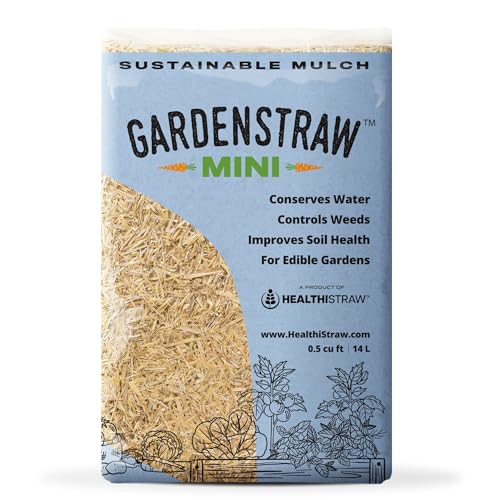
- Organic mulch such as straw, grass clippings, leaves, hay, wood chips, or pine straw
- A hand trowel, a hoe, and a weeding fork
- Drip lines or soaker hoses
- Cover crop seed for fallow beds, such as buckwheat, annual rye, oats, crimson clover, or field peas
- Cardboard for paths or new beds, plus mulch to top it
- A propane torch for non-crop areas, if you use flame weeding and local rules allow it under safe, controlled conditions
- Gloves and a bucket for pulled weeds
How do you stop weeds before planting?
Use a stale seedbed 2 to 4 weeks before planting, then kill the first weed flush before you sow. This works because many weed seeds sprout after soil is prepared and watered. Skip deep tilling unless you truly need it, because turning soil can bring buried weed seeds to the surface. (Iastate)
- Prepare the bed as if you were about to plant.
- Water lightly to trigger weed germination.
- When the first flush appears, remove it with a shallow hoe or hand pull.
Say your carrot bed sits bare after spring cleanup. If you work it, water it, and then wait 2 to 4 weeks, the first wave of weeds comes up before the crop does. Kill that flush, then sow the carrots into a cleaner seedbed.
How do you keep weeds down after planting?

Mulch after transplants have established or after seedlings are above the mulch line, and keep the layer at 3 to 4 inches deep for most beds. Proper plant spacing helps leaves shade the soil, and drip or soaker hoses keep water at crop roots instead of wetting open ground where weed seed can sprout.
- Set transplants deep enough to stand upright, then wait for them to establish.
- Add mulch only after seedlings rise above it.
- Use drip lines or soaker hoses instead of overhead sprinklers.
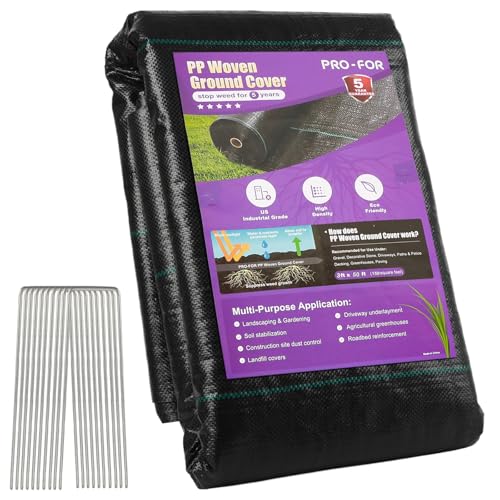
If mulch is densely packed, 1 to 2 inches may be enough. Use organic mulch in most vegetable beds, and reserve inorganic covers for specific path or bed setups where you do not need to dig through the surface often.
What is the best mulch to prevent weeds in a vegetable garden?
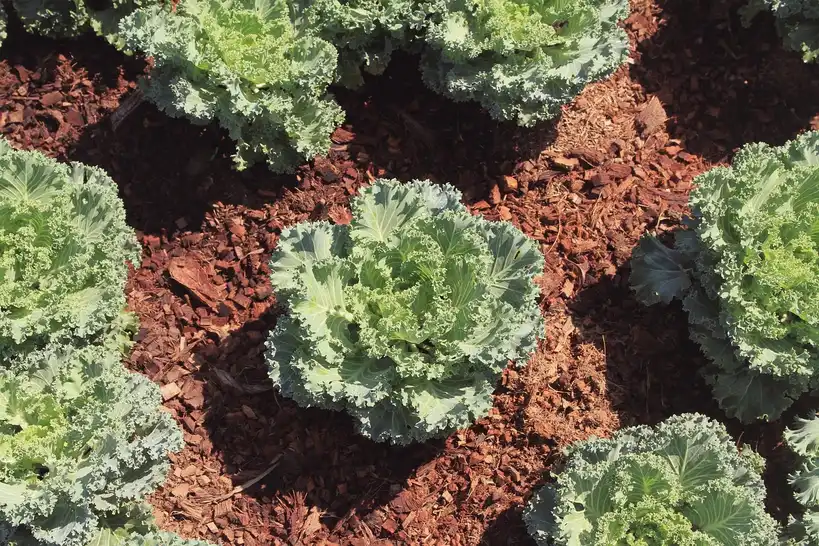
The best mulch is the one that fits your crop stage and bed access. Straw, leaves, grass clippings, wood chips, and pine straw can all block light and slow germination. A 3 to 4 inch layer can stop most weeds. Keep it off tiny seedlings until they clear the surface.
Should I use cardboard to prevent weeds in a vegetable garden?
Cardboard can help under mulch in paths, new beds, or between rows where you need a short-term barrier. It can fail if left exposed, and it should not smother crop crowns. Top it with mulch so it stays in place and breaks down more slowly.
What should you do during the season?
Pull weeds while they are small, hoe shallowly in dry soil, and repeat control before weeds set seed. Hand pulling takes time, but it works well on annual weeds and seedlings, especially after rain when roots release more easily. Perennials need more repeat effort because the root system can send shoots back.
- Pull young weeds after rain or after watering the bed.
- Hoe only the top layer of soil in dry conditions.
- Remove any weed before it flowers or seeds.
A common mistake is waiting until a pigweed or lambsquarters plant is around 6 inches tall and has already bolted. At that point, the plant has already shifted into seed production, and one missed plant can leave thousands of seeds for later seasons.
What should you do between crops?
Use cover crops on fallow beds or between seasons, and choose the species for the time window you have. Cover crops crowd weeds by taking up light, moisture, nutrients, and space. Flame weeding belongs on walkways and other non-crop spots, not in a planted bed. Vinegar- or salt-based sprays can burn foliage, but they are poor long-term tools in vegetable gardens.
- Seed buckwheat, oats, annual rye, crimson clover, or field peas on open ground.
- Use a propane torch only on dry, calm days in bare paths or other non-crop areas where local restrictions allow it and conditions are safe.
- Use homemade sprays only with care around wanted plants and soil.
Suppose your bean bed finishes in midsummer and will sit empty for six weeks. A cover crop can hold that space, keep sunlight off the soil, and crowd out new weeds far better than leaving the bed bare.
Weeds decision matrix
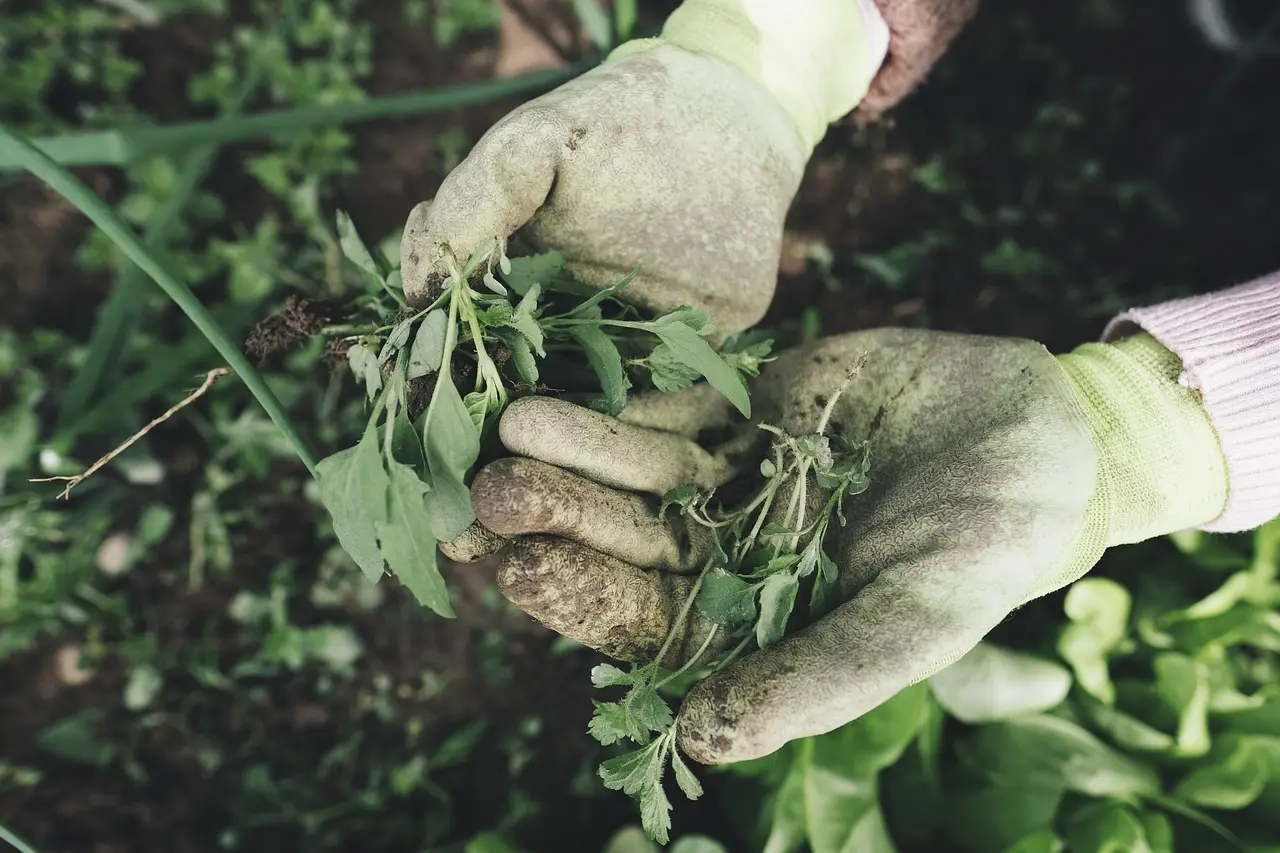
This table matches common garden situations to the method that fits best, the mistake to avoid, and the reason the choice matters.
| Garden situation | Best prevention method | Wrong method to avoid | Reason |
|---|---|---|---|
| Direct-sown beds | Stale seedbed before sowing | Thick mulch over tiny seedlings | Seeds need open soil at first, but the first weed flush can be removed before crop emergence. |
| Transplants | Mulch after plants establish | Mulching immediately over the crown | Mulch works best once plants are rooted and above the mulch line. |
| Raised beds | Drip irrigation plus mulch | Overhead sprinklers | Dryer open soil between plants gives fewer weed seeds the moisture they need. |
| Wide-row crops | Dense planting within safe spacing | Leaving broad bare strips | Too much open soil leaves room for weed seedlings to fill in. |
| Narrow-row crops | Early shallow hoeing | Deep cultivation | Close rows close the canopy faster, so shallow work is less disruptive. |
| Newly cleared beds | Stale seedbed, then mulch | Immediate deep tilling | Soil disturbance can surface old weed seed. |
| Midseason weed pressure | Hand pull small annuals | Waiting for seed set | Young annual weeds are easier to remove and have not replenished the seed bank. |
| Fallow beds between crops | Cover crop | Leaving bare soil exposed | Cover crops outcompete weeds for light, moisture, nutrients, and space. |
Common mistakes
Mulching too early over tiny seedlings can bury them and slow growth. Cultivating too deep can bring buried weed seed to the surface, where it may germinate. Relying on vinegar, salt, or boiling water as the main plan can also backfire, because those sprays are short-lived and can injure desired plants or soil if used carelessly.
- Wait to mulch until seedlings are above the mulch line.
- Keep hoe work shallow and targeted.
- Use sprays only on isolated weeds in non-crop spots, not as the core system.
How often should you weed? Often enough to catch weeds while they are still small. In practice, that means a quick walk-through every few days during peak growth, with a faster cleanup before any plant flowers.
Frequently asked questions
How do I prevent weeds in a vegetable garden naturally?
Use a layered system: stale seedbed before planting, mulch after crops establish, drip irrigation instead of overhead watering, and prompt hand pulling or shallow hoeing. Cover bare soil as soon as you can, because exposed ground is the easiest place for weeds to sprout and spread.
What is the best way to control weeds in a vegetable garden?
The best control is prevention plus early removal. Mulch, spacing, and drip irrigation cut new germination. Then hand pull or hoe small weeds before they flower. For beds that will sit empty, cover crops do more long-term work than repeated spraying.
Does drip irrigation help prevent weeds in vegetable gardens?
Yes. Drip and soaker hoses deliver water directly to crop roots and reduce moisture available to weed seeds at the soil surface. That makes them a better choice than overhead sprinklers when weed suppression matters, especially in raised beds and wide-row plantings.
Does proper plant spacing really reduce weeds?
Yes. When plants are spaced well, their leaves shade the ground and reduce weed seed germination. If spacing is too wide, more sunlight reaches open soil, and weeds gain room to fill the gaps. Match spacing to the mature crop size, not the seed packet alone.
Can I use vinegar or boiling water to kill weeds in my vegetable garden?
You can use them for isolated weeds in paths or cracks, but they are poor long-term answers in active beds. Vinegar- and salt-based sprays can injure nearby crops and can leave lingering problems if they are overused. Boiling water can also harm wanted roots near the target spot.
When should I mulch a vegetable garden to stop weeds?
Mulch after transplants have settled in or after seedlings are above the mulch line. A 3 to 4 inch layer works well in many beds, while densely packed material may need only 1 to 2 inches. Mulch too soon and you can bury young plants.