What Store Bought Manure Is Best For Vegetable Gardening?
Are you looking to give your vegetable garden a super boost this year? It’s a common goal for so many gardeners. You want those tomatoes plump, those peppers perfect, and your leafy greens reaching for the sky.
Often, the secret weapon isn’t some fancy new fertilizer. It’s good old-fashioned manure. But walk into a garden store, and you see bags and bags.
Which one is the right choice for your precious vegetables? It can feel a bit overwhelming, can’t it? This guide is here to help you sort it all out.
We’ll break down the options so you can pick the best store-bought manure for your garden.
The best store-bought manure for vegetable gardening is typically aged or composted. Options like aged cow, horse, chicken, or worm castings are great. They offer balanced nutrients, improve soil structure, and are safe to use without risking plant damage from being too “hot.”
Understanding Manure for Your Vegetable Patch
Manure is basically animal waste. But for gardeners, it’s pure gold. It’s packed with nutrients plants need to grow.
Think nitrogen, phosphorus, and potassium. These are the big three for healthy growth. Manure also brings in helpful microbes.
These tiny helpers make nutrients available to plants. Plus, it’s fantastic for your soil itself. It loosens up clay soil, making it easier for roots to grow.
For sandy soil, it helps hold onto water and nutrients better.
However, not all manure is created equal for your vegetable garden. Fresh manure can be too strong. It can actually burn your plants’ roots.
This is because it’s high in nitrogen and salts. Imagine drinking a super-concentrated juice. It would not feel good!
Aged or composted manure has had time for these strong elements to break down. This makes it much gentler and safer for your delicate vegetable starts.
My First Garden Manure Mishap
I remember my very first real vegetable garden. I was so excited. I’d read all about how manure was the best thing ever.
I found a local farm that offered “free fresh manure.” Score, I thought! I piled it high around my young tomato plants. Within days, their leaves started to curl and turn yellow.
My beautiful green plants looked sad and weak. I was heartbroken! It turned out that fresh manure is like a punch of fertilizer to a plant.
It was too much, too soon. That experience taught me a vital lesson: timing and preparation are everything when it comes to using manure. It wasn’t the manure itself that was bad, but how I used it.
Learning the difference between fresh and aged manure saved my future gardens.
Key Benefits of Using Manure
- Nutrient Rich: Provides essential elements like nitrogen (N), phosphorus (P), and potassium (K).
- Improves Soil Structure: Helps clay soil drain better and sandy soil hold more water.
- Boosts Soil Life: Introduces beneficial microorganisms that help plants thrive.
- Increases Water Retention: Organic matter in manure acts like a sponge.
- Reduces Need for Chemicals: A natural way to feed your plants.
Common Types of Store-Bought Manure
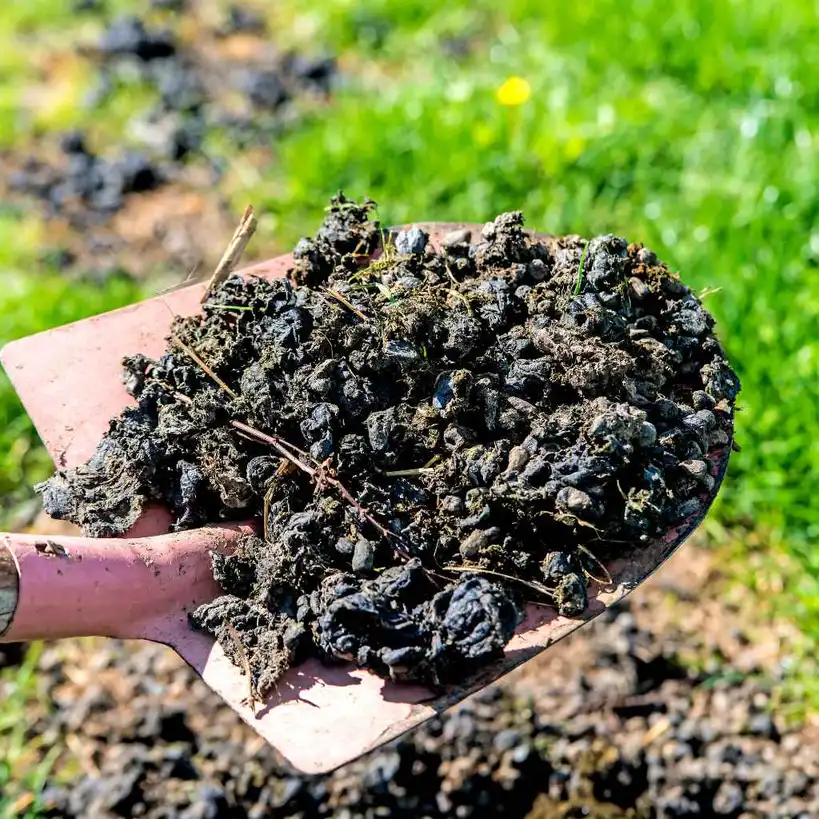
When you visit the garden center, you’ll see a few main types. Each comes from different animals. Understanding their properties helps you choose wisely.
Cow Manure
Cow manure is a classic. It’s often called a “cool” fertilizer. This means it breaks down slowly.
It’s not too strong, even when not fully aged. This makes it a good all-around choice. Cow manure is rich in nitrogen but also has good levels of phosphorus and potassium.
It’s excellent for improving soil structure. It adds a lot of organic matter. This helps with drainage and aeration.
You’ll often find cow manure in bags labeled “composted cow manure” or “aged cow manure.” This is exactly what you want for vegetables. It has a dark, crumbly texture. It smells earthy, not unpleasant.
Fresh cow manure is rarely recommended for direct use on vegetable plants. But composted versions are fantastic. They can be mixed into the soil before planting or used as a top dressing.
Chicken Manure
Chicken manure is quite different from cow manure. It’s known as a “hot” fertilizer. This is because it’s very high in nitrogen.
It also tends to have higher levels of phosphorus and potassium. This nutrient punch can be great for plants. However, it needs to be handled with care.
Fresh chicken manure can easily burn plant roots and damage soil microbes. This is why it’s crucial to use composted or aged chicken manure for your vegetable garden. The composting process reduces the nitrogen content and kills weed seeds and pathogens.
If you buy chicken manure, ensure it is well-composted. It should not have a strong ammonia smell. The smell should be earthy.
Due to its high nutrient content, even composted chicken manure is often used more sparingly than cow manure. It’s a great amendment for plants that need a significant nitrogen boost, like leafy greens.
Horse Manure
Horse manure is another popular choice. It’s often considered a good balance of nutrients. It’s not as “hot” as chicken manure.
It’s also not as “cool” as cow manure. It adds valuable organic matter to the soil. Horse manure is often a mix of what the horse ate.
This can include straw, hay, and wood shavings. These materials break down over time.
Like other manures, it’s best to use aged or composted horse manure for vegetables. While generally less likely to burn plants than fresh chicken manure, aging is still recommended. Composted horse manure improves soil structure.
It also adds a good range of nutrients. It’s a favorite for many gardeners because it’s readily available in many areas.
Worm Castings (Vermicompost)
Worm castings are often called “black gold” by gardeners. These are the digested remains of food scraps and organic matter by earthworms. They are incredibly rich in nutrients.
But they are also very gentle. Worm castings are considered a “slow-release” fertilizer. This means nutrients are fed to plants steadily.
They are also packed with beneficial microbes. These microbes help plants absorb nutrients and fight off diseases.
Worm castings are one of the safest manures to use. They are virtually impossible to over-apply. Even fresh castings are gentle enough for young seedlings.
They improve soil structure, water retention, and aeration. They are a fantastic all-around amendment for any garden. The only downside is that worm castings can sometimes be more expensive than other types of manure.
However, their benefits are often well worth the cost. They are a top choice for organic vegetable gardening.
Manure Nutrient Comparison (General Estimates)
Type
Cow (Aged)
Chicken (Composted)
Horse (Aged)
Worm Castings
Nitrogen (N)
Medium
High
Medium
Low-Medium
Phosphorus (P)
Medium
High
Medium
Medium
Potassium (K)
Medium
High
Medium
Low-Medium
Why Aged and Composted is Key
We’ve mentioned “aged” and “composted” a lot. Let’s dive into why this is so important for your vegetable garden. Fresh manure contains high levels of ammonia and salts.
These can be toxic to plants. They can damage delicate root hairs. This stops the plant from taking up water and nutrients.
It can stunt growth or even kill young plants. This is what gardeners call “burning” the plants.
Composting is a process. It uses heat and microbes to break down organic matter. This process kills weed seeds.
It also kills harmful bacteria like E. coli. Aging manure means letting it sit for a period.
This allows some of the volatile compounds to dissipate. The microbes in the soil will also start to break it down. Both processes make the manure safer and more beneficial for your garden.
Think of it like cooking food. Raw ingredients can be hard to digest. Cooked food is easier and safer to eat.
Aged and composted manure is also more stable. The nutrients are less likely to leach away with rain. They are released more slowly.
This provides a steady food source for your vegetables over time. This consistency is vital for healthy, productive plants throughout the growing season.
Signs Your Manure Might Be Too Fresh
- Strong Ammonia Smell: A pungent, sharp smell indicates high nitrogen and salts.
- Visible Undigested Material: Large bits of straw or unmixed solids suggest it hasn’t broken down enough.
- Heat Generation: If the pile feels warm to the touch after a few days, it’s still actively composting and too hot for direct use.
Choosing the Right Manure for Specific Vegetables
Different vegetables have different needs. Knowing this can help you pick the best manure.
For Leafy Greens (Lettuce, Spinach, Kale)
Leafy greens need a good amount of nitrogen. Nitrogen helps them produce those lush leaves. Composted chicken manure can be excellent here.
But use it in moderation. It’s very potent. Worm castings are also a fantastic choice.
They provide steady nutrients. They improve the soil for steady growth. You can also mix aged cow manure into the soil before planting.
For Fruiting Plants (Tomatoes, Peppers, Squash)
These plants need a balanced diet. They need nitrogen for leafy growth. But they also need phosphorus for flowering and fruiting.
And potassium for overall plant health and disease resistance. Aged cow manure or aged horse manure are good choices. Mix them into the soil before planting.
Worm castings are also great for these plants. They provide a steady release of all the necessary nutrients.
For Root Vegetables (Carrots, Potatoes, Beets)
Root vegetables focus their energy underground. They need phosphorus for root development. They also need potassium.
Too much nitrogen can lead to lots of leafy tops but small roots. So, be careful with high-nitrogen manures like chicken manure. Aged cow or horse manure are better.
You might want to use less manure and more compost. This ensures good soil structure for roots to grow straight.
Quick Scan: Vegetable Needs
Vegetable Type
Leafy Greens
Fruiting Plants
Root Vegetables
Primary Nutrient Need
Nitrogen
Balanced (N, P, K)
Phosphorus, Potassium
Recommended Manure
Composted Chicken, Worm Castings, Aged Cow
Aged Cow, Aged Horse, Worm Castings
Aged Cow, Aged Horse, Worm Castings (moderate N)
How to Use Store-Bought Manure
Using manure is not just about digging it in. It’s about doing it the right way. Here are some tips.
Mixing into the Soil
This is the most common and effective method. Before you plant, spread a layer of aged or composted manure over your garden bed. A layer of 1-3 inches is usually good.
Then, use a garden fork or tiller to mix it into the top 6-8 inches of soil. This helps the manure integrate with the existing soil. It’s especially good for establishing new beds or preparing for heavy feeders.
As a Top Dressing
Once plants are growing, you can use manure as a top dressing. Spread a thin layer (about 1 inch) around the base of your plants. Be careful not to let it touch the stems directly.
Water it in. This provides a slow release of nutrients as the season goes on. This is a great way to give plants a mid-season boost.
It’s particularly useful for vegetables that have a long growing season.
Making Manure Tea
Manure tea is a liquid fertilizer. You can make it by steeping composted manure in water. Put some composted manure in a porous bag (like burlap).
Hang this bag in a bucket of water for a few days to a week. Stir it occasionally. This creates a nutrient-rich liquid.
You can then water your plants with it. It’s a gentle way to deliver nutrients. It’s also good for plants that are a bit stressed.
Application Rates (General Guide)
- For New Beds: Mix in 2-3 inches of aged manure into the top 6-8 inches of soil.
- For Existing Beds: Top dress with 1 inch of aged manure around plants.
- For Seedlings: Use worm castings or very well-composted manure sparingly, mixed into potting soil.
What to Look for When Buying Manure
You’re at the store. You see bags of manure. How do you know which one is truly good?
Check the Label
Always read the label carefully. Look for terms like “composted,” “aged,” “heat-treated,” or “worm castings.” Avoid bags labeled “fresh manure” for vegetable gardens. Check the ingredient list.
It should ideally be 100% manure or composted manure. Some bags might contain fillers or other materials. Make sure it’s meant for garden use.
Some manures might have added fertilizers or chemicals that aren’t suitable for food crops.
Look at the Texture and Smell
Good quality composted manure should be dark brown and crumbly. It should have an earthy smell. It should not smell strongly of ammonia or be overly wet and mucky.
If it’s very wet, it might still be too fresh. If it’s dusty and dry, it’s likely well-aged. The texture should be uniform, with no large, undigested chunks of straw or bedding.
I once bought a bag that looked okay, but it had a strong, sour smell. I thought it was just “manure smell,” but it was actually a sign it wasn’t properly composted. My plants reacted poorly.
Now, I always give it a good sniff and a feel before buying. It’s worth the extra minute.
Infographic: Decoding Manure Labels
Label Wording
Good!
Okay, use with caution
Avoid for Vegetables
Description
Composted, Aged, Heat-Treated, Worm Castings, Vermicompost
Raw Manure (if aged yourself), Balanced Blend
Fresh Manure, Uncomposted Manure
When to Worry About Manure
While manure is wonderful, there are a few things to be aware of. These are less common with store-bought, aged products, but good to know.
Contamination
Some manures might contain residual herbicides or pesticides. These could have been given to the animals. Or they could have come from treated feed or bedding.
This is a bigger concern for organic gardens. Reputable suppliers will test their products. Look for organic certifications if this is a major concern for you.
Using worm castings is a safer bet as they are made from food scraps.
Weed Seeds
Fresh manure often contains viable weed seeds. Composting at high temperatures kills most of these seeds. If you buy manure that hasn’t been properly composted, you might be adding weed seeds to your garden.
This is why proper composting is so important. Again, reputable brands usually ensure this step.
I learned this lesson when I found dandelions popping up everywhere from a bag of what I thought was good compost. Turns out, it hadn’t been composted hot enough. Now, I always read reviews if I can.
I also have a good weed-pulling routine!
Myth vs. Reality: Manure
Myth
All manure smells bad and is gross to use.
Fresh manure is just as good as aged manure.
You can’t use too much manure.
Reality
Well-composted manure has an earthy smell. Fresh manure can smell strongly of ammonia.
Fresh manure can burn plants. Aged or composted manure is safer and better for soil.
While hard to overdo with worm castings, too much of other types can lead to nutrient imbalances or salt buildup.
Real-World Scenarios for Manure Use
Let’s look at a couple of common garden situations and how manure fits in.
Scenario 1: Starting a New Vegetable Garden Bed
You’ve decided to convert a patch of lawn into a vegetable garden. This soil is likely compacted and low in organic matter. You’ll want to dig in a good amount of aged cow or horse manure.
Mix it generously with the existing soil. This will immediately improve drainage, aeration, and nutrient content. It sets your garden up for success from the start.
Follow this with a few inches of compost for added benefits.
Scenario 2: Revitalizing an Old Garden Bed
Your vegetable garden has been producing for a few years. The soil might be getting tired. Plants might not be as vigorous as they once were.
In the spring or fall, spread a 1-2 inch layer of composted manure over the surface of the bed. You can lightly fork it in. Or, just let earthworms and weather work it down.
This replenishes nutrients and adds organic matter that has been used up.
Observational Flow: Preparing Soil for Planting
Step 1: Assess Soil
Check if it’s hard, sandy, or has poor drainage.
Step 2: Add Manure
Spread a layer of aged/composted manure (1-3 inches).
Step 3: Mix In
Fork or till manure into the top 6-8 inches of soil.
Step 4: Add Compost (Optional but Recommended)
Add another layer of general compost.
Step 5: Rake Smooth
Prepare the bed for planting.
When to Be Cautious with Manure
While manure is fantastic, there are times to be a bit more careful.
Directly Before Planting Sensitive Seedlings
If you’re planting very delicate seedlings, like young lettuce or spinach, and you just added a heavy dose of manure, wait a week or two. This gives the manure time to settle. It allows the soil microbes to start processing it.
This reduces the risk of shocking the young plants. Worm castings are the safest exception here.
In Extremely Hot Climates
In very hot and dry climates, fresh manure can dry out quickly. This can concentrate salts. While composting helps, it’s still a good idea to mix manure into the soil rather than just leaving it on top.
Watering it in well is also important. This ensures it stays moist enough to break down properly.
Another point is how much you apply. While worm castings are very forgiving, over-applying other types of manure, even composted ones, can lead to a buildup of salts in the soil. This can interfere with water uptake for plants.
Always follow recommended application rates.
Quick Fixes & Tips for Using Manure
Here are some handy tips for getting the most out of your store-bought manure:
- Store Properly: Keep bagged manure in a cool, dry place. If you buy in bulk, cover it to prevent it from drying out or getting too wet.
- Check for Purity: Ensure your manure is just that – manure. Some products are blends.
- Don’t Rush It: If you get manure that seems a bit fresh, let it sit in a pile for a few more weeks. It’s better to wait than to harm your plants.
- Mix It Up: Combining different types of composted manure with your existing soil is often better than using just one.
- Observe Your Plants: Your plants will tell you a lot. If they look healthy and are growing well, you’re likely doing something right.

Frequently Asked Questions About Store-Bought Manure
What is the “hot” versus “cool” manure distinction?
Hot manure, like fresh chicken manure, is very high in nitrogen and salts. It can burn plant roots and is too strong for direct use. Cool manure, like aged cow manure, breaks down slowly and is gentler.
It’s safer for most garden plants, especially vegetables.
Can I use manure that smells?
A slight earthy smell is normal for composted manure. A strong, pungent ammonia smell indicates it’s too fresh and still contains high levels of nitrogen. It should not be used directly on vegetable plants until the smell dissipates and it becomes earthy.
Is it safe to use manure if I’m growing organic vegetables?
Yes, manure is a staple in organic gardening. However, for organic practices, ensure the manure is truly composted. This kills pathogens and weed seeds.
Look for products specifically labeled as organic or from reputable organic suppliers. Worm castings are always a safe organic choice.
How much manure should I add to my garden?
For new beds, mixing in 2-3 inches of aged manure into the top 6-8 inches of soil is a good guideline. For established beds, a 1-inch top dressing is usually sufficient. Always check product recommendations.
Worm castings can be used more liberally.
Will store-bought manure add too many nutrients to my soil?
Aged and composted manures are less likely to cause nutrient overload than fresh ones. However, excessive amounts of any nutrient can be problematic. It’s best to follow application guidelines.
If you’re unsure, start with a smaller amount and observe your plants’ growth and health.
Can I put manure directly on seedlings?
It is generally not recommended to put fresh or even moderately aged manure directly on delicate seedlings. They are very sensitive to nutrient burn. Worm castings are the exception and are very safe for seedlings.
If using other composted manures, it’s best to mix them into the soil or potting mix before planting.
Conclusion
Choosing the best store-bought manure for your vegetable garden boils down to understanding a few key things. Always opt for aged or composted varieties. Cow, horse, chicken, and worm castings all offer unique benefits.
Read labels carefully, check the smell, and consider what your vegetables need. With the right manure, you’re not just feeding your plants; you’re building healthier, more resilient soil for seasons to come. Happy gardening!