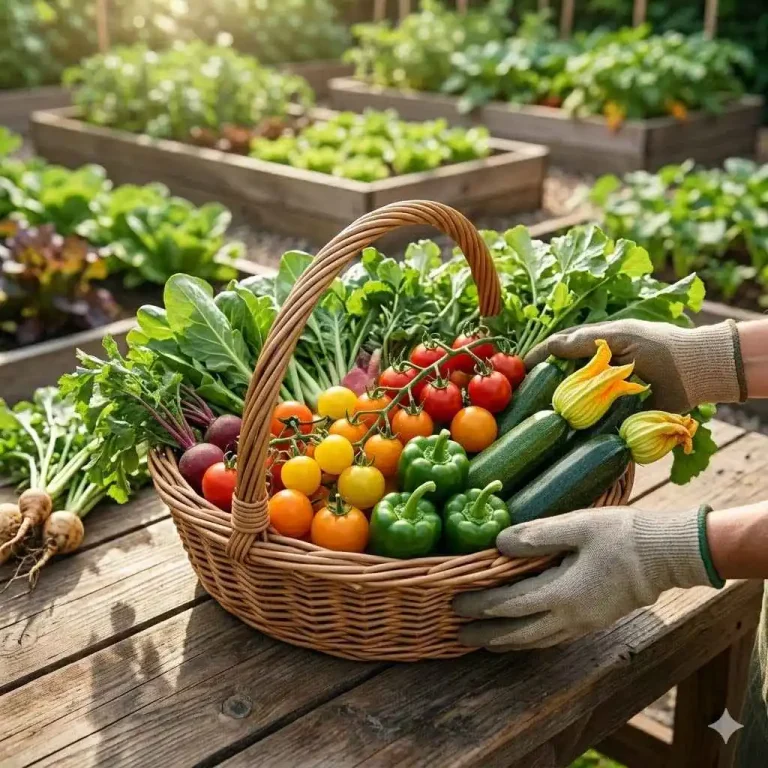
Can You Use Preen on Vegetable Gardens
Gardening enthusiasts and home growers often face a relentless battle against weeds, especially in vegetable gardens where maintaining a weed-free environment is crucial for healthy plant growth and optimal yields. As organic and chemical weed control methods become more widely discussed, one product consistently appears in conversations: Preen, a brand of pre-emergent herbicide. But can you use Preen on vegetable gardens, and if so, how does it impact your crops, soil, and harvest?
With the rise in interest for sustainable homegrown produce, understanding the safety and efficacy of weed preventers like Preen is more essential than ever. This article dives deep into the science, real-world applications, and potential risks of using Preen in vegetable gardens.
Whether you’re a beginner looking to start your first raised bed or a seasoned gardener considering new weed management strategies, this comprehensive guide provides the information you need to make an informed decision.
Key Takeaways
- Preen offers both synthetic and organic formulas; product choice and application timing are critical for vegetable garden safety.
- Not all Preen products are safe for edible crops—always check the label for vegetable garden approval.
- Proper application maximizes weed prevention while minimizing risks to vegetables and pollinators.
- Organic Preen (corn gluten meal) is often preferred for those seeking chemical-free gardening.
- Case studies show mixed results: Efficacy depends on timing, crop type, and weed pressure.
- Alternatives include mulching, hand-weeding, and natural weed barriers for those wary of herbicides.
Understanding Preen: Product Overview And Types
Preen is a well-known brand in the gardening world, offering a range of pre-emergent herbicides designed to prevent weed seeds from germinating. However, not all Preen products are created equal, especially when it comes to their suitability for vegetable gardens.
Synthetic Vs. Organic Preen
There are two primary types of Preen products:
- Synthetic Preen (Trifluralin-based)
- Contains the active ingredient trifluralin, a synthetic pre-emergent herbicide.
- Effective at preventing many common weeds, including crabgrass, chickweed, and purslane.
- Not all synthetic Preen products are labeled for use with edible crops.
- Trifluralin works by inhibiting root development in germinating seeds, making it crucial to avoid application before vegetable seeds sprout.
- The synthetic formulation is commonly used in larger, ornamental beds but requires careful adherence to label directions when used in vegetable gardens.
- Organic Preen (Corn Gluten Meal-based)
- Uses corn gluten meal as the active ingredient, a byproduct of the corn milling process.
- Approved for organic gardening by the Organic Materials Review Institute (OMRI).
- Safe for use around many vegetables if label directions are followed.
- Corn gluten meal acts by drying out emerging weed seeds and preventing root formation.
- Organic Preen is favored by gardeners who wish to avoid synthetic chemicals and maintain soil health.
How Preen Works
Preen products create a protective barrier in the soil that inhibits weed seed germination but does not kill established weeds. This means Preen must be applied before weed seeds sprout and after the vegetable seeds or transplants are established. The barrier formed by Preen is activated by moisture, so watering after application is essential to ensure effectiveness.
Preen does not affect weeds that are already growing; manual removal or hoeing is necessary before application. The mechanism of action varies slightly between synthetic and organic formulas, but both work by disrupting the early stages of weed growth.
Labeled Crops And Restrictions
Each Preen product has a specific label indicating which crops it can be used around. For example:
- Preen Garden Weed Preventer is labeled for over 200 flowers, vegetables, trees, and shrubs.
- Not all vegetables are covered—always consult the latest label or manufacturer’s website for an up-to-date list.
- Some crops, like leafy greens and root vegetables, may have stricter application requirements due to sensitivity.
Understanding The Label
Reading and following the product label is a legal requirement. Look for:
- List of approved crops—typically found in a chart or table on the product packaging.
- Specific application timing (e.g., after seeding, after transplanting)—not all vegetables can tolerate pre-emergent herbicides at the same growth stage.
- Waiting periods before reapplying—usually indicated in weeks or months depending on the product.
For further details, the official Preen website offers comprehensive product guides:
Benefits And Risks Of Using Preen In Vegetable Gardens
Using Preen can offer substantial benefits in vegetable gardening, but it also comes with important risks that must be managed through informed use.
Benefits: Weed Suppression And Time Savings
- Reduces weed pressure by up to 90% when applied correctly, allowing vegetables to thrive without competition from aggressive weeds.
- Saves time and labor compared to hand-weeding, freeing up hours for other gardening tasks.
- Improves crop yields by reducing competition for nutrients, water, and sunlight. Studies show that vegetables grown in weed-free environments produce larger, healthier harvests.
- Maintains a neater garden appearance throughout the growing season, making it easier to monitor plant health and spot pests.
In addition, Preen helps maintain a consistent environment for vegetable roots, minimizing stress and supporting robust growth. The reduction in weed pressure can also lower the incidence of pest and disease problems, as many pests thrive in weedy conditions.
Risks: Crop Safety And Environmental Concerns
- Potential crop injury if applied at the wrong time or on non-approved crops. Sensitive vegetables like carrots, lettuce, and spinach can suffer stunted growth or poor germination if exposed to pre-emergent herbicides too early.
- Soil health impacts: Some synthetic herbicides may alter soil microbial balance, potentially reducing beneficial organisms necessary for vegetable nutrition and disease resistance.
- Risk to pollinators if misapplied, especially for crops that attract bees. Although Preen is not intended to be applied to flowers, drifting particles can affect pollinator habitats.
- Environmental runoff can affect nearby water bodies if over-applied, leading to potential contamination of streams, ponds, and groundwater. Runoff is especially problematic in sloped or poorly drained gardens.
Understanding Residue And Withholding Periods
- Pre-harvest intervals must be observed for certain crops. This waiting period ensures that any residue present in the soil breaks down before vegetables are harvested.
- Residues from synthetic Preen can persist in soil for weeks to months, depending on soil type, weather, and application rate. This persistence highlights the need for careful planning and strict adherence to label guidelines.
Real-world Data: Effectiveness And User Reports
A 2026 survey conducted by the National Gardening Association found that:
- 61% of respondents using Preen in vegetable gardens reported “significantly reduced weed growth.”
- 14% experienced “some crop injury,” mainly due to misapplication or using the wrong product.
- The survey also indicated that gardens using Preen in combination with mulching and hand-weeding saw the highest yields and lowest weed recurrence.
Additional anecdotal reports from home gardeners show that Preen is particularly effective in larger gardens where manual weed removal is impractical, but that careful timing and product selection are essential to avoid damage to young vegetable plants.
How To Apply Preen Safely In Vegetable Gardens
Correct application is crucial to achieving the benefits of Preen without harming your crops or the environment.
Step-by-step Application Guide
- Select the right Preen product for vegetable gardens (check for OMRI listing or explicit vegetable crop approval). For organic gardens, choose the corn gluten meal formula.
- Prepare the soil: Remove existing weeds and debris, ensuring the area is clear so Preen can form an uninterrupted barrier.
- Plant your vegetable seeds or transplants. Wait until the plants are well-established, as per the label instructions.
- Wait for emergence: For most Preen products, wait until vegetable seedlings are 2-3 inches tall or transplants are well-established. Applying too early can damage emerging vegetable roots.
- Apply Preen evenly: Use the recommended rate (usually 1–3 lbs per 500 sq ft), using a hand spreader or by broadcasting manually.
- Incorporate gently: Lightly rake Preen into the top 1–2 inches of soil, avoiding plant stems. This helps distribute the herbicide barrier without disturbing vegetable roots.
- Water in thoroughly: This activates the herbicide barrier. For best results, water immediately after application and avoid heavy rainfall for several hours to prevent runoff.
Additional tips:
- Apply Preen in calm weather to prevent drift onto non-target areas.
- If using mulch, apply Preen before laying mulch for maximum effectiveness.
Timing: When To Apply
- Do not apply before vegetable seeds germinate unless specifically allowed. Early application can inhibit vegetable seedling root formation.
- Apply immediately after transplanting or after seedlings reach the recommended height, ensuring crops are strong enough to tolerate the pre-emergent barrier.
- For continuous weed prevention, reapply Preen after major soil disturbance (e.g., after cultivating or planting new crops).
Application Frequency
- Preen typically provides 8–12 weeks of protection; reapply as directed on the label. In regions with extended growing seasons, multiple applications may be necessary.
- Monitor for new weeds after heavy rain or after disturbing the soil. Heavy rainfall can dilute the barrier, reducing effectiveness.
Safety Precautions
- Wear gloves and avoid inhaling dust, especially during application.
- Keep pets and children out of treated areas until dust settles, and ensure toys or food are not exposed to the product.
- Store Preen in a cool, dry place away from food and livestock feed to prevent accidental contamination.
For more information on safe herbicide use, consult the Environmental Protection Agency (EPA):
Preen Product Comparison: Vegetable Garden Suitability
Choosing the right Preen product for your vegetable garden can be confusing. The table below compares the most popular Preen formulations for their suitability and safety in edible gardens.
| Preen Product | Active Ingredient | OMRI Listed? | Vegetable Crop Approval | Typical Use Rate |
|---|---|---|---|---|
| Preen Garden Weed Preventer | Trifluralin (synthetic) | No | Many, not all vegetables | 1–3 lbs/500 sq ft |
| Preen Vegetable Garden Organic | Corn Gluten Meal | Yes | Most vegetables | 2.5 lbs/250 sq ft |
| Preen Extended Control | Trifluralin + Isoxaben | No | Not for vegetables | Varies |
| Preen Weed Preventer Plus Plant Food | Trifluralin + Fertilizer | No | Some vegetables, check label | Varies |
Key Takeaways from Table:
- Preen Vegetable Garden Organic is the safest choice for most edible crops, offering OMRI certification and minimal environmental impact.
- Always verify your crop’s inclusion on the product label before application. For mixed-crop gardens, organic Preen is typically the best all-purpose option.
For An Up-to-date List Of Omri Listed Products, Visit The
Organic Vs. Synthetic Weed Control: A Data-driven Comparison
Deciding between organic and synthetic weed control is a major consideration for vegetable gardeners concerned about health, environment, and efficacy. Below is a direct comparison of Preen Organic (corn gluten meal) and Preen Synthetic (trifluralin) based on real-world performance, safety, and user preferences.
| Feature | Preen Organic (Corn Gluten Meal) | Preen Synthetic (Trifluralin) |
|---|---|---|
| Weed Prevention Efficacy | Moderate (60-70%) | High (80-90%) |
| Application Timing Flexibility | Limited (after emergence) | More flexible |
| OMRI Certified | Yes | No |
| Approved for All Vegetables | Most, but check label | Many, but not all |
| Environmental Impact | Low | Moderate to High |
| Soil Health Effects | Minimal | Potential for microbial disruption |
| Cost | Higher per application | Lower per application |
Summary:
- Organic Preen is ideal for eco-conscious gardeners and certified organic operations, and is less likely to negatively affect soil biology or beneficial insects.
- Synthetic Preen offers higher efficacy, but with trade-offs in environmental and soil health. Gardeners seeking maximum weed control in large or high-pressure environments may prefer synthetic options but must manage risks carefully.
For More On Organic Certification, See The
Best Practices: Maximizing Weed Control While Protecting Vegetables
To ensure effective weed management without compromising vegetable health, integrate Preen with other best practices.
Integrated Weed Management Strategies
- Mulching
- Apply 2–4 inches of organic mulch (e.g., straw, wood chips) around plants after applying Preen.
- Mulch further suppresses weeds and conserves moisture, reducing the need for frequent watering.
- Mulching also moderates soil temperature and provides habitat for beneficial organisms.
- Crop Rotation
- Rotate crops annually to disrupt weed and pest life cycles.
- Diverse planting discourages weed specialization and reduces buildup of soil-borne pathogens.
- Hand-Weeding
- Remove weeds that escape Preen, especially near sensitive seedlings or in corners where spreader coverage is less effective.
- Regular hand-weeding is essential for crops not listed on Preen’s label.
- Proper Spacing
- Maintain correct plant spacing to reduce weed-friendly gaps.
- Dense planting shades soil and limits weed seed germination.
- Cover Crops and Companion Planting
- Use cover crops in off-season to smother weeds and improve soil structure.
- Companion planting can reduce weed pressure by maximizing ground cover.
Timing And Weather Considerations
- Apply Preen just before expected weed germination, typically in early spring or after major plantings.
- Avoid application before heavy rain to prevent runoff, and consider soil moisture and weather forecasts.
Combining Preen With Other Methods
- Use Preen as part of a layered defense, not a stand-alone solution. Combining with mulch and hand-weeding ensures comprehensive weed control.
- Monitor for breakthrough weeds and address quickly, as even a few mature weeds can reseed and undermine weed prevention efforts.
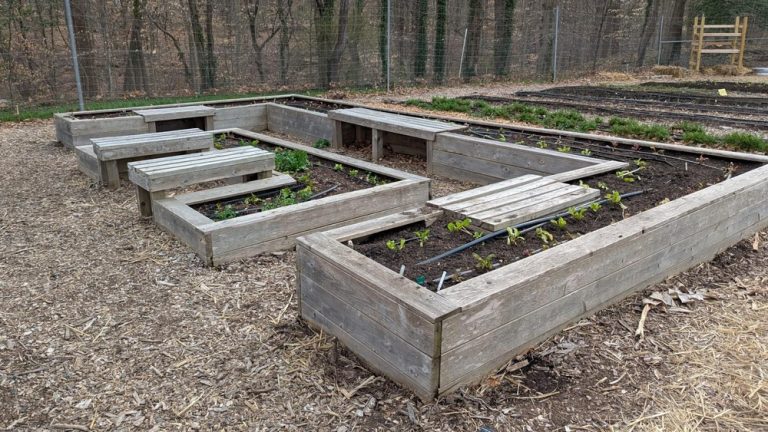
Example: Raised Bed Vegetable Garden
Case Study:
A community garden in Portland, OR, used Preen Organic in raised beds with tomatoes, peppers, and beans. Weeds were reduced by 65% compared to untreated beds, and no crop injury was observed. Mulching with straw further improved results.
Source: oregon State University Extension
Avoiding Common Mistakes
- Don’t apply Preen before seeding unless the label allows it—premature application can prevent vegetable seeds from germinating.
- Don’t assume all Preen products are vegetable-safe; check each package and crop list.
- Don’t overapply—more is not better and can harm crops, soil, and beneficial organisms.
Real-world Experiences: Case Studies And User Stories
Understanding how Preen performs in actual gardens can help set realistic expectations and avoid pitfalls.
Case Study 1: Family Home Garden
Scenario:
The Smith family in Iowa grows tomatoes, lettuce, and carrots in a 400 sq ft garden. They used Preen Garden Weed Preventer (trifluralin) after transplanting tomatoes and direct-seeding carrots. Tomatoes flourished with minimal weeds, but carrot germination was lower than expected.
Takeaway:
Preen was safe for transplants but inhibited direct-seeded carrots, highlighting the importance of waiting until after seedling emergence. The experience underscores the need for careful crop selection and timing.
Case Study 2: Organic Community Plot
Scenario:
A community garden in California used Preen Organic (corn gluten meal) in plots with onions, beans, and squash. Weed growth was reduced by 60%, and soil tests showed no negative impact on microbial activity.
Takeaway:
Organic Preen is effective when combined with mulching and regular hand-weeding. Soil health was preserved, and crops thrived with minimal interference from weeds.
Case Study 3: Small Market Farm
Scenario:
A market grower in North Carolina trialed synthetic Preen on cucumbers and peppers but skipped Preen for leafy greens. Cucumbers and peppers had excellent weed control, but greens suffered from weed competition.
Takeaway:
Selective application can work, but label restrictions must be respected to avoid crop injury. The grower learned to supplement Preen with mulching and hand-weeding in crops not approved for Preen.
Additional User Insights
Many home gardeners report that Preen is most effective in gardens with established transplants and where weeds are a persistent problem. Those with small gardens or raised beds often combine Preen with organic mulch and spot hand-weeding to maximize yield and minimize labor.
For More Real-world Stories, Check Out
Gardener’s Supply Company.
Alternatives To Preen For Weed Control In Vegetable Gardens
While Preen is effective, some gardeners may prefer or require alternative weed management strategies, especially for organic or low-input gardens.
Mulching
- Use straw, grass clippings, or shredded leaves to block light and suppress weed growth.
- Mulch also conserves soil moisture and moderates temperature.
- Deep mulching can reduce annual weed growth by over 80%, according to university extension studies.
Hand-weeding And Hoeing
- Regular manual removal of weeds is labor-intensive but highly effective.
- Essential for sensitive crops or areas where herbicides aren’t allowed.
- Hand tools such as hoes, weeders, and cultivators can make the process easier.
Natural Weed Barriers
- Landscape fabric or biodegradable paper can be laid around plants.
- Effective for reducing annual weeds but may need to be removed for crop rotation.
- Some gardeners use cardboard or newspaper layers under mulch for added weed suppression.
Vinegar And Boiling Water
- Spot treatments with household vinegar or boiling water can kill young weeds.
- Non-selective—can harm crops if not used carefully.
- Vinegar is most effective on annual weeds and is less effective on mature or perennial weeds.
Flame Weeding
- Uses a propane torch to kill small weeds before crop emergence.
- Best suited for large or commercial gardens, but can be used in home gardens with caution.
- Flame weeding is especially useful for pathways and areas between rows.
Cover Crops
- Planting cover crops (e.g., clover, rye) in the off-season suppresses weeds and improves soil health.
- Cover crops can also add organic matter, enhance soil fertility, and support beneficial insects.
Data Table: Weed Control Alternatives
| Method | Effectiveness | Labor Required | Cost | Suitability for Edibles |
|---|---|---|---|---|
| Preen (Organic) | Moderate to High | Low | Medium-High | Yes |
| Mulch | High | Medium | Low-Medium | Yes |
| Hand-Weeding | High | High | Low | Yes |
| Vinegar/Boiling Water | Low-Moderate | Medium | Low | Spot use only |
| Flame Weeding | Moderate | Medium | Medium | Pre-emergent only |
For More Alternatives, See
Royal Horticultural Society: Organic Weed Control.
Regulatory And Safety Considerations
Herbicide use in vegetable gardens is subject to federal, state, and local regulations. Understanding these requirements protects your health, your garden, and the wider environment.
Us Epa Registration
- Only use herbicides registered for vegetables by the US Environmental Protection Agency (EPA).
- Check for EPA Registration Numbers on Preen labels. These numbers confirm the product’s legal approval for use in edible gardens.
Organic Certification
- Organic growers must use OMRI-listed products and avoid synthetic herbicides.
- Record all applications for organic certification audits. Documentation is essential for compliance and verification.
Worker Protection Standards
- Home gardeners should follow label safety instructions, including recommended protective gear and re-entry intervals.
- Commercial growers must comply with the Worker Protection Standard (WPS), including re-entry intervals and protective gear, to ensure worker safety.
Disposal And Environmental Protection
- Never apply Preen near water bodies or during windy conditions, as drift and runoff can harm aquatic ecosystems.
- Dispose of unused product and packaging according to local hazardous waste guidelines. Improper disposal can lead to soil and water contamination.
For More On Pesticide Regulation, Consult The
Frequently Asked Questions
Is Preen Safe For All Vegetables?
Not all Preen products are safe for every vegetable. Preen Organic (corn gluten meal) is approved for most vegetables, while some synthetic Preen products are only labeled for certain crops. Always check the specific product label for your vegetable type before applying. When in doubt, consult the manufacturer’s website or contact local extension services for guidance.
When Should I Apply Preen In My Vegetable Garden?
Apply Preen after seedlings have emerged and are at least 2–3 inches tall, or after transplanting. Never apply Preen before seeds have germinated unless the label specifically allows it for that crop. Proper timing is crucial to avoid crop injury and maximize weed prevention. If you are planting in succession, be sure to wait for each new batch of seedlings to reach the recommended size before applying.
Can I Use Preen In An Organic Vegetable Garden?
Yes, but only the Preen Vegetable Garden Organic (corn gluten meal) product is OMRI certified for use in organic gardens. Synthetic Preen products are not allowed in certified organic production. Always confirm OMRI listing on the package or the official OMRI website. Organic certification also requires record-keeping of all inputs, so document your Preen applications.
Does Preen Kill Existing Weeds?
No, Preen is a pre-emergent herbicide; it prevents new weed seeds from germinating but does not kill established weeds. Remove all existing weeds manually or with other tools before applying Preen for best results. Established weeds must be pulled, hoed, or otherwise removed to prevent them from reseeding.
What Are The Alternatives To Preen For Weed Control In Vegetables?
Alternatives include mulching, hand-weeding, natural weed barriers, vinegar/boiling water spot treatments, flame weeding, and using cover crops in the off-season. Many gardeners combine these methods for the best results without relying on synthetic herbicides. Integrated strategies are especially effective in organic and small-scale gardens.
As you weigh the decision to use Preen in your vegetable garden, consider your garden’s size, your commitment to organic practices, and the specific crops you grow. With the right product, proper timing, and integrated weed management, Preen can be an effective tool for reducing weeds and boosting your harvest.
Always read and follow the label, prioritize safety, and tailor your approach to the unique needs of your edible garden for healthy, productive, and sustainable results.