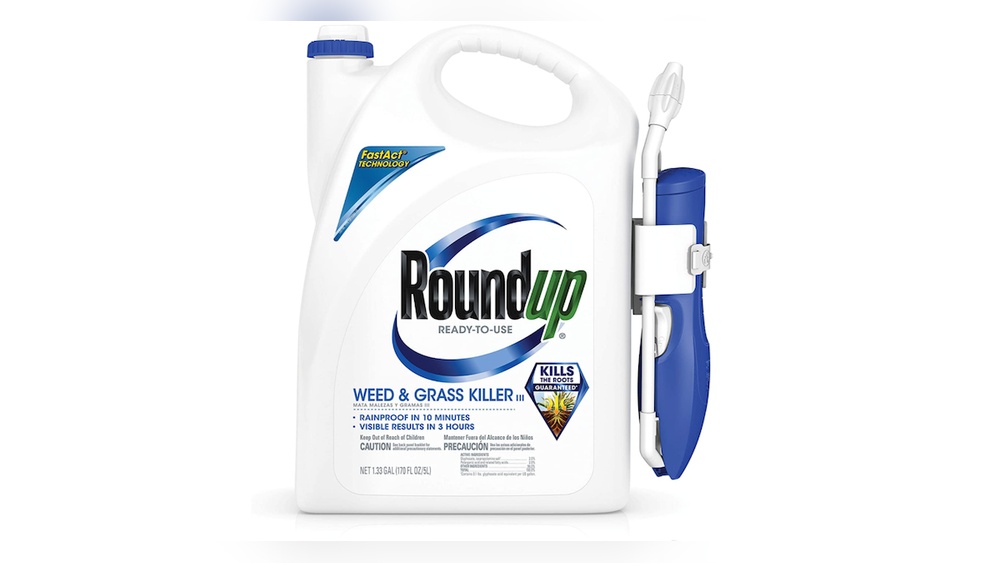
Can You Use Roundup in Vegetable Gardens? Safety Warning
If you’re a home gardener or manage a vegetable plot, you’ve likely faced the challenge of controlling weeds. Roundup, the world’s most recognized glyphosate-based herbicide, is often touted as a quick solution. But can you safely use Roundup in vegetable gardens ? This question isn’t just about convenience—it’s about the health of your soil, your crops, and the people who eat them. Recent research, regulatory changes, and consumer safety concerns have made the topic more urgent than ever.
In this article, we explore the science behind Roundup, its potential risks and benefits, and whether it has a place in your vegetable garden . We’ll examine real-world examples, compare alternatives, and provide actionable guidance grounded in data and expert opinion.
By the end, you’ll know exactly what’s at stake and how to make informed, safe choices for your garden and family.
Key Takeaways
- Roundup is not recommended for direct use in vegetable gardens due to health and environmental risks.
- Glyphosate, the active ingredient in Roundup, can persist in soil and potentially contaminate edible crops.
- Numerous regulatory bodies and research studies highlight potential hazards, including carcinogenicity and ecological impact.
- Safer alternatives to Roundup exist for weed management in vegetable gardens.
- Proper application, timing, and understanding of chemical risks are critical for garden safety.
- Real-world cases show both adverse outcomes and safer weed control strategies.
Understanding Roundup: Composition And Mechanism
What Is Roundup?
Roundup is a broad-spectrum herbicide, primarily containing glyphosate as its active ingredient. It targets weeds by inhibiting the EPSP synthase enzyme, essential for plant growth. This disruption prevents plants from synthesizing certain amino acids, leading to their death within days of application.
Roundup is available in various formulations, including concentrates and ready-to-use sprays. It’s marketed by Monsanto (now part of Bayer), and is one of the most widely used herbicides worldwide. In addition to glyphosate, Roundup formulations often contain surfactants—compounds that help the active ingredient stick to and penetrate plant leaves more effectively.
While these additional ingredients are generally regarded as inert, some studies have raised concerns about their potential to increase toxicity in non-target organisms.
Roundup’s efficiency and relative ease of use have contributed to its popularity among both commercial growers and home gardeners. However, as scientific understanding deepens, more attention is being paid to its long-term implications for ecological health and human safety.
How Does Glyphosate Work?
Glyphosate is a systemic herbicide—it is absorbed by the plant and translocated throughout its tissues. Unlike contact herbicides, which only affect sprayed surfaces, glyphosate moves to growing points, killing roots and shoots alike. This makes it highly effective against perennial and annual weeds.
Once inside the plant, glyphosate disrupts the shikimic acid pathway, a process found only in plants, fungi, and some bacteria. This pathway is crucial for the production of essential aromatic amino acids. The interruption results in a slow death for the plant, usually visible as yellowing and wilting within a week, though complete plant death can take up to three weeks.
This systemic action is both a strength (in terms of weed control) and a weakness (in terms of persistence and risk of affecting non-target plants).
Roundup’s Popularity And Controversy
Roundup’s effectiveness has made it a staple in agriculture, landscaping, and home gardening. However, its widespread use has sparked controversy:
- World Health Organization classified glyphosate as “probably carcinogenic to humans” in 2015.
- Multiple lawsuits have alleged health impacts from exposure.
- Some countries have banned or restricted Roundup due to safety concerns (Wikipedia).
In addition, the growing prevalence of glyphosate-resistant weeds has prompted concerns about overreliance on this chemical, driving a push toward integrated weed management strategies and alternative controls. These issues underscore the need for balanced, science-based approaches to weed control in both home and commercial settings.
Risks Of Using Roundup In Vegetable Gardens
Health Hazards
The primary concern is glyphosate’s potential impact on human health. Studies suggest that exposure may be linked to:
- Cancer (particularly non-Hodgkin lymphoma)
- Hormonal disruption
- Reproductive issues
- Allergic reactions
According to the National Institutes of Health, glyphosate residues have been found in food crops, raising alarms about dietary exposure (NIH Study).
While regulatory agencies like the EPA and EFSA have established maximum residue limits (MRLs) for glyphosate in food, ongoing research continues to explore its potential as an endocrine disruptor, its effects on gut microbiota, and possible links to developmental disorders.
Children, pregnant women, and immunocompromised individuals may be particularly vulnerable to chronic low-dose exposures, even when residues are below established legal limits.
Environmental Impact
Roundup doesn’t just affect weeds—it can impact soil health, beneficial microbes, and wildlife:
- Soil Microbes: Glyphosate can reduce populations of beneficial bacteria and fungi, potentially affecting nutrient cycling.
- Pollinators: Traces of glyphosate may harm bees and other pollinators.
- Waterways: Runoff can contaminate streams and rivers, affecting aquatic life.
Recent studies show that glyphosate can disrupt mycorrhizal fungi, which are vital for plant nutrient uptake and soil structure. Disruption in soil ecology can lead to reduced fertility, increased susceptibility to disease, and loss of biodiversity. Additionally, glyphosate and its breakdown product, AMPA, have been detected in surface and groundwater, raising concerns for aquatic ecosystems and drinking water supplies.
Non-target plant species, such as wildflowers, may also be affected, impacting habitats for birds, insects, and other wildlife.
Residue Persistence And Crop Contamination
Glyphosate is marketed as breaking down rapidly in soil, but studies show residual presence for weeks or months, especially in cooler climates or clay-rich soils. This raises concerns for:
- Root uptake: Edible plants may absorb glyphosate, leading to contaminated produce.
- Adjacent crops: Drift during spraying can affect nearby vegetables.
The half-life of glyphosate in soil can vary widely, from a few days to over six months, depending on soil conditions, temperature, microbial activity, and organic matter content. Because glyphosate is water-soluble, it can move with soil water, increasing the risk of contamination in adjacent beds or crops, particularly after heavy rain.
Drift during spraying is a well-documented cause of crop injury and contamination in community and urban gardens, where plots are often close together.
Regulatory Warnings And Guidelines
Numerous agencies have issued warnings about glyphosate use:
- The Environmental Protection Agency (EPA) advises against using glyphosate on edible crops unless specifically labeled for such use.
- The European Food Safety Authority recommends strict limits on glyphosate residues in food (EFSA).
- In California, glyphosate is listed as a chemical known to cause cancer.
In addition, the World Health Organization’s International Agency for Research on Cancer (IARC) designation of glyphosate as “probably carcinogenic” has led to increased scrutiny. Some countries, such as France and Germany, are phasing out or have banned glyphosate use in home gardens.
The legal landscape is rapidly evolving, and gardeners are advised to stay informed of local regulations and label changes.
Real-world Example: Community Garden Incident
In 2018, a community garden in Portland, Oregon, reported contamination of its vegetable beds after a neighboring plot used Roundup. Soil tests found glyphosate residues exceeding safe thresholds, resulting in crop losses and health screening for volunteers. This case underscores the risk of drift and soil persistence.
Similar incidents have been reported elsewhere, highlighting the importance of community education and coordinated approaches to chemical use. In another case, a school garden in the UK faced temporary closure after herbicide drift was detected, prompting a shift to chemical-free weed control and improved community communication.
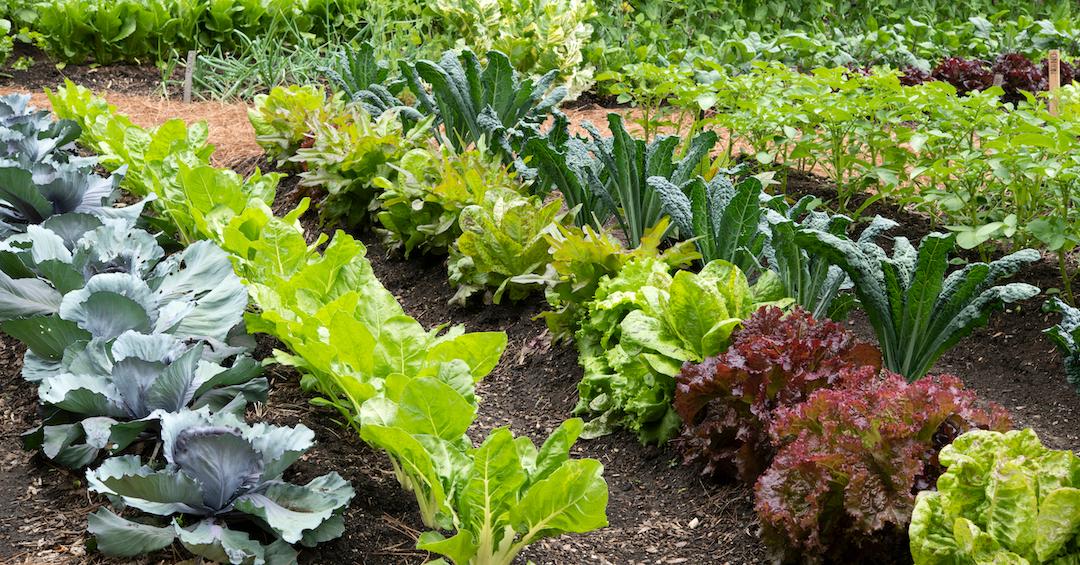
Safe Application Guidelines And Legal Restrictions
Label Instructions And Approved Uses
Roundup labels clearly state not for use directly on edible plants unless the product is specifically formulated for such crops. Most consumer-grade Roundup products are intended for ornamental beds, pathways, or non-crop areas.
Reading and following label instructions is crucial. Labels provide information on appropriate application rates, timing, safety precautions (such as wearing gloves, goggles, and masks), and re-entry intervals. Failure to comply with these instructions can result in illegal pesticide use, potential fines, and heightened health risks.
Legal Restrictions
- Several states, including California and New York, have enacted restrictions on glyphosate use in home gardens.
- Many municipalities require permits or notification before applying herbicides near food-producing areas.
Legal restrictions are often put in place to protect sensitive populations, such as children, pets, and pollinators, as well as to safeguard urban water supplies. In some regions, using glyphosate within a set distance of water bodies or food gardens is outright banned.
Always consult your local cooperative extension or regulatory agency before using any herbicide.
Application Timing And Techniques
If you must use Roundup near a vegetable garden:
- Apply only to non-crop areas (e.g., paths, borders).
- Ensure no wind to prevent drift.
- Use shields or barriers to protect edible plants.
- Wait a minimum of 7–14 days before planting in treated soil (as per EPA guidelines).
Additionally, consider using low-pressure, coarse droplet nozzles and applying during calm, dry conditions to minimize spray drift. Washing hands and changing clothes after application further reduces the risk of unintentional exposure.
Roundup Formulations For Edible Crops
There are limited formulations labeled for use on certain edible crops, primarily in commercial farming. These require:
- Strict timing (e.g., pre-plant or post-harvest)
- Adherence to maximum residue limits
Some formulations are designed for use before planting or after harvest, with specific pre-harvest intervals to ensure residue levels are below legal limits. These products are typically not intended for home gardeners due to the complexity of timing and required monitoring.
Consult local agricultural extension offices for guidance (Extension.org).
Case Study: Home Garden Recovery
After a homeowner in Texas accidentally sprayed Roundup across a vegetable bed, they followed remediation steps:
- Removed topsoil and replanted after 6 weeks.
- Conducted soil tests for glyphosate.
- Harvested crops only after passing residue checks.
This approach minimized health risks but required significant effort and expense.
In other cases, remediation involved growing a non-edible cover crop to help break down residues before returning to vegetable production, highlighting the importance of patience and testing after accidental exposure.
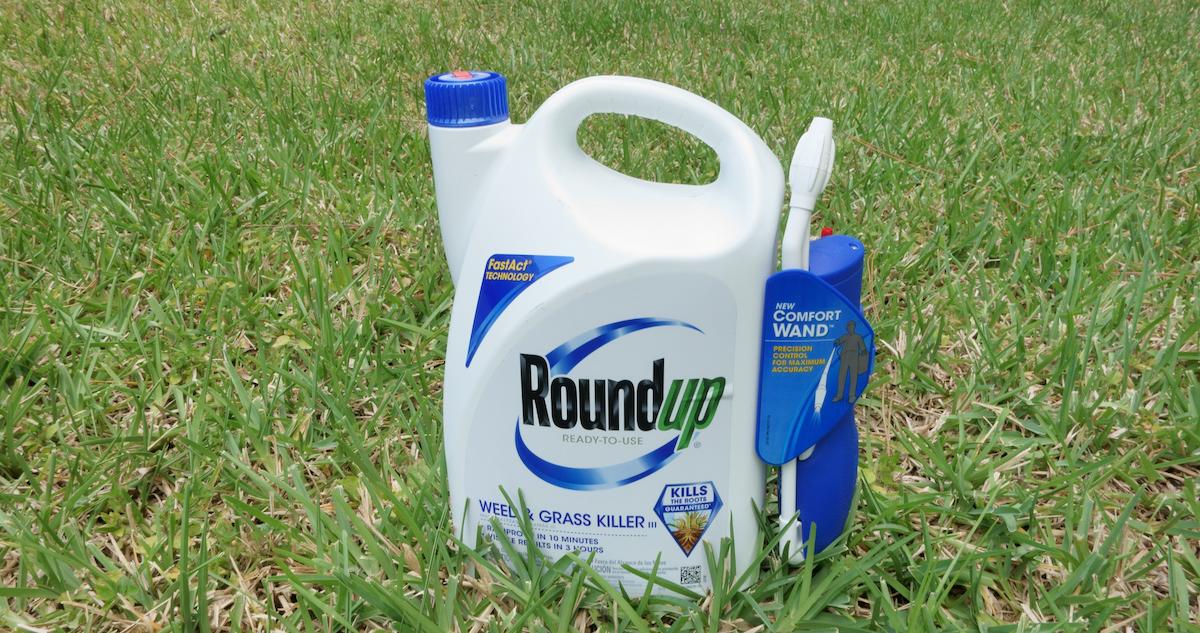
Comparing Roundup With Alternative Weed Control Methods
Effective weed management is essential for vegetable gardens , but chemical solutions aren’t the only option. Below is a comparison of Roundup and alternative methods:
| Method | Effectiveness | Safety for Edibles | Environmental Impact | Cost |
|---|---|---|---|---|
| Roundup (Glyphosate) | High | Not recommended | Moderate-High | $$ |
| Mulching | Moderate | Safe | Low | $ |
| Hand Weeding | Variable | Safe | Low | $ |
| Organic Herbicides | Moderate | Safe | Low-Moderate | $$ |
| Corn Gluten Meal | Low-Moderate | Safe | Low | $$ |
| Solarization | High (seasonal) | Safe | Low | $ |
Mulching
Applying organic mulch (straw, wood chips, compost) suppresses weeds by blocking sunlight. It also improves soil quality and moisture retention.
Mulching can reduce weed seed germination by up to 90% and, over time, increases soil organic matter and supports beneficial microbial activity. Mulch can also moderate soil temperature, retain moisture, and protect against erosion. Using locally sourced mulch materials further reduces environmental impact and supports a closed-loop garden system.
Hand Weeding
Manual removal is labor-intensive but avoids chemical risks. Best for small gardens or sensitive areas.
Hand weeding is most effective when performed regularly before weeds set seed. For perennial weeds, removing the entire root system is crucial. Tools like hoes, hand weeders, and weed pullers can improve efficiency. While time-consuming, hand weeding offers precision and control, making it the gold standard for organic gardeners and those with children or pets.
Organic Herbicides
Products containing vinegar, citric acid, or clove oil offer safer weed control, though effectiveness is lower than glyphosate.
Organic herbicides are non-selective and work best on young, annual weeds rather than established perennials. They may require repeated applications and are most effective during hot, dry weather. While less persistent in the environment, care should still be taken to avoid contact with desirable plants.
Corn Gluten Meal
A natural pre-emergent herbicide, corn gluten meal inhibits seed germination and is safe for use around vegetables.
Corn gluten meal is applied to soil before weeds emerge. It can reduce annual weed seed germination by up to 50% over several years of use but is less effective against perennial weeds. It also adds nitrogen to the soil, benefiting vegetable growth if applied in appropriate amounts.
Solarization
Covering soil with clear plastic during hot months can kill weed seeds and pathogens. Effective but seasonal.
Soil solarization requires 4–6 weeks of full sun and high temperatures. It is a chemical-free method that can also suppress soil-borne diseases and pests. This method is particularly useful for preparing new garden beds or breaking disease cycles.
Real-world Example: Organic Vegetable Farm
A certified organic farm in Vermont manages weeds with mulching, hand weeding, and solarization. Crop yields remain high, and the soil is free of chemical residues. This demonstrates that non-chemical methods can be both practical and effective.
Other community gardens have found success using a combination of these methods, often rotating between them based on season, crop, and weed pressure. Sharing labor and resources among gardeners can further reduce individual workload and increase overall effectiveness.
Scientific Studies And Data On Glyphosate In Food Crops
Glyphosate Residue Studies
A 2026 report from the USDA found detectable glyphosate residues in more than 60% of tested produce samples, though most were below federal safety limits (USDA Blog). However, concerns remain about cumulative exposure and vulnerable populations.
Children, in particular, may be more susceptible to the effects of pesticide residues due to their higher food intake per body weight and developing organ systems. Some studies suggest that even low-level chronic exposure may have subtle effects that are not yet fully understood.
Impact On Soil Health
Research published in the Journal of Environmental Quality shows glyphosate can alter soil microbial communities, potentially affecting plant health and nutrient uptake.
Healthy soil is the foundation of productive gardens. Disruption of microbial populations can lead to decreased availability of nutrients such as nitrogen and phosphorus, impacting both yield and nutritional quality of vegetables. Reduced microbial diversity can also compromise plant resilience to disease and environmental stress.
Carcinogenic Risk
A meta-analysis published in The Lancet Oncology found a small but statistically significant increase in cancer risk among agricultural workers exposed to glyphosate (Lancet Oncology).
While the absolute risk for home gardeners is likely lower than for farm workers, the findings reinforce the need for caution, particularly in family gardens and schoolyards.
Table: Glyphosate Residues In Common Vegetables
| Vegetable | Average Glyphosate Residue (ppm) | EPA Limit (ppm) | Detected in USDA Study |
|---|---|---|---|
| Tomato | 0.01 | 0.2 | Yes |
| Carrot | 0.005 | 0.2 | Yes |
| Potato | 0.02 | 0.5 | Yes |
| Leafy Greens | 0.003 | 0.2 | No |
| Peas | 0.001 | 0.1 | No |
Real-world Example: Commercial Farm Testing
A Midwest vegetable farm tested soil and produce for glyphosate residues after annual Roundup use. Results showed low but detectable levels in root vegetables, prompting a switch to organic weed control.
This decision was driven by consumer demand for residue-free produce, as well as the farm’s desire to protect soil health and long-term sustainability. The farm reported improved soil structure and increased earthworm populations following the transition.
Practical Alternatives And Actionable Safety Tips
How To Avoid Roundup Risks In Vegetable Gardens
- Use physical barriers (landscaping fabric, mulch) to suppress weeds.
- Practice crop rotation and companion planting to minimize weed pressure.
- Opt for organic-certified herbicides when needed.
- Hand weed regularly to prevent mature weed infestations.
- Solarize soil before planting to kill weed seeds.
Additional practices include planting cover crops, using drip irrigation (which waters crops, not weeds), and maintaining dense plantings to shade out weeds. Integrated weed management, combining several methods, is often most effective.
Steps If Roundup Has Been Used Accidentally
- Remove contaminated soil if possible.
- Wait at least 6 weeks before planting.
- Test soil for glyphosate residues.
- Do not harvest crops until safety is confirmed.
For soil testing, contact your local cooperative extension office or a certified laboratory for guidance. If residues are detected, consider planting non-edible cover crops to help degrade glyphosate before returning to vegetable production.
Safe Disposal And Cleanup
Unused Roundup should be disposed of at hazardous waste facilities, not poured down drains or onto soil. Clean sprayers and equipment thoroughly after use.
Always store herbicides in original containers, out of reach of children and pets, and away from food or animal feed. Rinse and triple-wash empty containers before disposal according to local regulations.
Reading Product Labels
Always check for “safe for edible crops” labeling. Most Roundup products are not intended for food-producing areas. When in doubt, consult resources like the EPA or local extension offices (EPA Glyphosate).
Reading and understanding labels is a critical safety step. Labels also include information on what to do in case of accidental exposure and emergency contact numbers for poison control.
Case Studies: Successes And Failures In Weed Control
Case Study 1: Organic Vegetable Garden Success
A suburban gardener in Illinois switched from chemical herbicides to mulching and hand weeding. After two seasons, the garden produced abundant, chemical-free vegetables, and soil health improved. This highlights the value of sustainable practices.
The gardener also noted an increase in pollinator visits and earthworm activity. Sharing surplus produce with neighbors further fostered community awareness and support for organic methods.
Case Study 2: Herbicide Drift Disaster
A Michigan vegetable grower reported crop losses after a neighbor sprayed Roundup on a windy day. Residues were found in lettuce and carrots, resulting in disposal of the entire harvest. The grower now uses physical barriers and coordinates with neighbors on spraying schedules.
This experience led to the adoption of buffer zones and improved communication. The grower also joined a local gardening group to advocate for safer, community-wide practices.
Case Study 3: Safe Use Of Pre-plant Herbicides
A commercial tomato farm in California applied glyphosate pre-planting, following strict EPA guidelines. Soil was tested before sowing, and no residues were found in harvested produce. This shows that, with careful timing and oversight, risks can be minimized—but such practices are best left to professionals.
The farm invested in training for applicators and third-party certification, ensuring compliance and traceability throughout the growing season.
Regulatory Developments And Consumer Trends
Recent Legal Actions
- In 2020, Bayer agreed to pay $10 billion to settle lawsuits alleging health impacts from Roundup.
- More states are considering bans or restrictions on glyphosate use in home gardens.
In addition, major retailers have responded to consumer concerns by phasing out or relabeling glyphosate products, and some garden centers now require staff training on safe use and alternatives.
Consumer Preferences
Growing awareness has led to:
- Increased demand for organic produce.
- Expansion of herbicide-free gardening resources.
- Retailers offering more organic weed control products.
Surveys show that more than 60% of home gardeners prefer organic or chemical-free methods, citing safety and environmental concerns as primary motivations. This trend is reflected in the rising number of organic community gardens and the popularity of gardening education programs.
Market Data
According to Statista, the US organic food market reached $56 billion in 2026, up 12% from 2020 (Statista). This reflects consumer desire for safer, chemical-free produce.
Organic gardening supplies, including mulches, organic herbicides, and biological controls, represent a growing segment of the gardening market, with double-digit annual growth in some regions.
Table: Regulatory Actions On Glyphosate
| Country/State | Status | Year | Notes |
|---|---|---|---|
| California | Restricted | 2017 | Listed as carcinogen |
| France | Banned (home use) | 2019 | Only professional use allowed |
| New York | Restricted | 2026 | Ban on state property |
| Australia | Review ongoing | 2026 | Possible ban for home use |
| Germany | Ban announced | 2026 | Phase-out by 2026 |
Real-world Example: Urban Gardening Movement
Urban community gardens across the US now prohibit chemical herbicides, emphasizing organic practices. This shift promotes safer, healthier food and reduces environmental risks.
In cities like Seattle and New York, municipal support for organic gardening includes free mulch deliveries, educational workshops, and certification programs for pesticide-free urban gardens. This not only improves local food security but also enhances urban biodiversity and pollinator habitats.
Frequently Asked Questions
What Happens If Roundup Is Accidentally Sprayed On Vegetables?
If Roundup is accidentally sprayed on edible plants, the safest approach is to remove affected plants, avoid harvesting, and wait several weeks before replanting. Glyphosate residues may persist, so soil testing is advisable.
Is There Any Roundup Product Safe For Vegetable Gardens?
Most consumer-grade Roundup products are not labeled for use on edible crops. Some commercial formulations can be applied pre-plant or post-harvest, but require strict adherence to label instructions and regulatory guidelines.
How Long Does Glyphosate Remain In Soil?
Glyphosate can persist for 2–14 weeks, depending on soil type, temperature, and microbial activity. Cooler, clay-rich soils retain residues longer. Always consult local extension resources for specific guidance.
What Are The Best Alternatives To Roundup For Vegetable Gardens?
Top alternatives include mulching, hand weeding, organic herbicides, corn gluten meal, and solarization. These methods are safe, environmentally friendly, and support soil health.
Can Produce Grown In Glyphosate-treated Soil Be Safely Eaten?
Consuming produce from glyphosate-treated soil is not recommended unless soil and crops have been tested and confirmed free of residues. Chronic exposure, even at low levels, may pose health risks.
As gardeners and consumers become more aware of the risks associated with chemical herbicides, the push for safer, organic, and sustainable weed control in vegetable gardens grows stronger. While Roundup remains a powerful tool for non-crop areas, its use in food-producing plots is fraught with safety, legal, and environmental concerns.
By understanding the science, regulations, and alternatives, you can protect your garden, your health, and the planet—ensuring your harvest is as safe and nourishing as possible.