Is Preen Ok For Vegetable Gardens? Safe Use Explained
Gardeners everywhere are constantly searching for ways to keep their vegetable beds lush and productive, while minimizing the never-ending battle against weeds. One product that often appears in these conversations is Preen, a popular pre-emergent weed preventer. But is Preen really safe for your vegetable garden , or could it impact your soil, crops, or even your health?
The answer isn’t as simple as a yes or no. The safety and suitability of Preen depends on the specific product you choose, how you use it, and the kinds of vegetables you’re growing.
Understanding the science behind Preen, its active ingredients, and how they interact with your garden ecosystem is essential for making informed decisions. With conflicting information online and anecdotal stories from home gardeners, it’s critical to cut through the noise and focus on research-backed facts.
In this guide, we’ll explore what Preen is, its various formulations, the potential risks and benefits, and best practices for using it safely in your vegetable garden. We’ll also address common questions and provide real-life examples to help you decide whether Preen is a good fit for your gardening style and goals.
Key Takeaways
- Preen products vary: Some Preen formulations are labeled safe for use in vegetable gardens, while others are not.
- Active ingredients matter: Carefully read labels to understand the active chemical and its impact on edible crops.
- Application timing is crucial: Using Preen at the right time and in the correct way prevents harm to seedlings and ensures effectiveness.
- Integrated weed management: Preen is most effective when combined with other weed control strategies.
- Environmental and health considerations: Understand the broader ecological impact and safe handling procedures.
- Always follow label instructions: Compliance with manufacturer guidelines is essential for safety and crop protection.
What Is Preen? Understanding The Product Family
Preen is a brand name for a line of pre-emergent herbicides designed primarily to prevent weed seeds from sprouting. Unlike post-emergent herbicides, which kill weeds after they appear, Preen creates a chemical barrier on the soil surface, stopping the germination of new weed seeds without affecting established plants—if used correctly. Understanding the nuances of how pre-emergent herbicides operate can help gardeners make better decisions about when and where to use them.
Types Of Preen Products
The Preen brand offers several formulations, each with its own intended use and active ingredient:
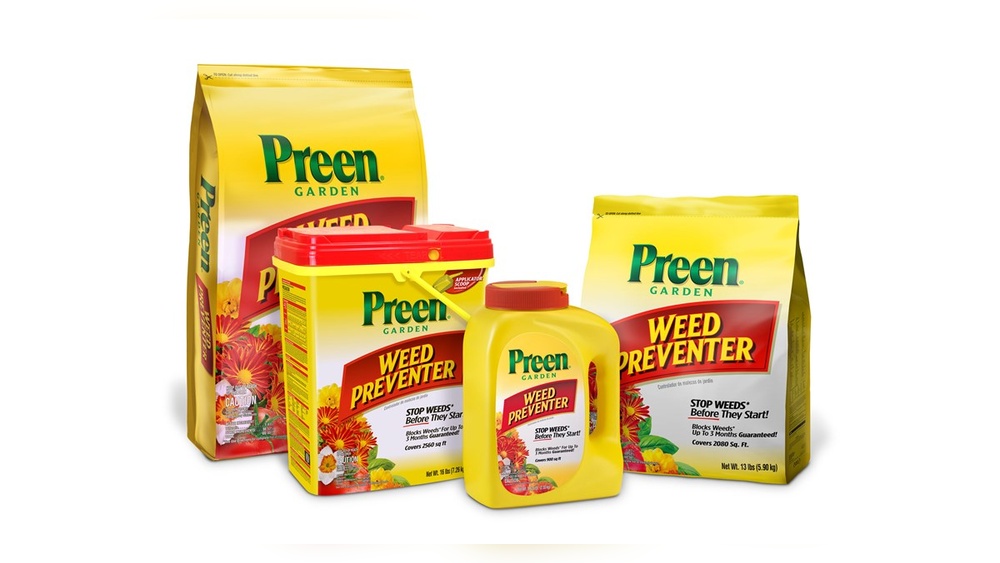
- Preen Garden Weed Preventer: The classic yellow jug, uses trifluralin.
- Preen Vegetable Garden Organic Weed Preventer: Corn gluten meal-based, OMRI Listed for organic gardening.
- Preen Weed Preventer for Southern Gardens: Contains different actives for warmer climates.
- Preen Extended Control Weed Preventer: For longer-lasting results, but not for vegetable gardens.
Not all Preen products are suitable for edible crops. The active ingredient is the key factor that determines safety. For instance, Preen’s trifluralin formula is commonly used in ornamental gardens, but careful attention must be paid when considering it for vegetables.
How Does Preen Work?
Preen works by forming a protective barrier in the top layer of soil. When weed seeds attempt to germinate, the active chemical inhibits root development, preventing the seed from growing into a weed. This effect is non-selective for seeds, which means it can harm desirable plant seeds if applied improperly. Because pre-emergents target seed germination rather than mature plants, their effectiveness depends heavily on timing and correct application.
For example, if Preen is applied before planting seeds of desired crops, it may prevent those seeds from sprouting. Conversely, applying Preen around established seedlings or transplants can protect them while stopping unwanted weeds. This distinction is crucial for gardeners looking to balance weed management with healthy crop growth.
Active Ingredients Breakdown
| Product Name | Active Ingredient | Vegetable Garden Safe? | OMRI Listed (Organic)? |
|---|---|---|---|
| Preen Garden Weed Preventer | Trifluralin | Yes (with restrictions) | No |
| Preen Vegetable Garden Weed Preventer | Corn Gluten Meal | Yes | Yes |
| Preen Extended Control | Indaziflam | No | No |
| Preen Weed Preventer for Southern Gardens | Pendimethalin | No | No |
Regulatory Status
- Most Preen products are EPA registered.
- Organic formulations are certified by the Organic Materials Review Institute (OMRI).
- Always check for local restrictions or banned substances in your state or municipality.
For more details, visit the Wikipedia page on pre-emergent herbicides.
Is Preen Safe For Vegetable Gardens? Science And Label Insights
The safety of using Preen in a vegetable garden depends on the specific formulation and how you use it. Let’s break down the evidence and label recommendations.
Trifluralin-based Preen
Trifluralin is the active ingredient in the classic Preen Garden Weed Preventer. It is widely used in commercial agriculture but has strict timing and crop restrictions for vegetable gardens . Trifluralin is a dinitroaniline herbicide that targets root development in germinating seeds. It is highly effective at preventing weed emergence but can also impact vegetable seeds if applied too early.
- Safe for Established Plants: According to the U.S. EPA, trifluralin is safe when used as directed, and applied after vegetable seedlings are established.
- Not Safe for Direct Seeding: Trifluralin will inhibit germination of any seed, including vegetables. Never apply before seeds have sprouted and developed true leaves.
- Label Recommendations: The product label lists specific vegetables that are safe to treat, such as tomatoes, peppers, and beans, but always cross-check your crop with the label.
For example, the Preen Garden Weed Preventer label provides a detailed list of vegetables that can tolerate trifluralin after they are well-established. Crops like tomatoes, eggplants, and peppers are typically safe, while leafy greens and root crops are not recommended due to their sensitivity.
Corn Gluten Meal-based Preen
For gardeners seeking an organic solution, Preen Vegetable Garden Organic Weed Preventer uses corn gluten meal. Corn gluten meal is a byproduct of corn processing and acts as a natural pre-emergent by inhibiting root formation in newly sprouted seeds.
- OMRI Listed: Certified for use in organic vegetable gardens.
- Mode of Action: Inhibits root formation in seeds, but less effective than synthetic chemicals.
- Crop Safety: Safe around established vegetable plants when used as directed.
Corn gluten meal can also add a small amount of nitrogen to the soil as it breaks down, which may support plant growth. However, it is less effective than trifluralin and may require more frequent applications, especially in gardens with heavy weed pressure.
Risks And Considerations
- Crop Sensitivity: Some vegetables, especially root crops like carrots or beets, are highly sensitive to pre-emergent herbicides. Applying Preen too early or too heavily can lead to poor germination or stunted growth.
- Soil Residue: Trifluralin has a half-life of 45-60 days in soil, but breaks down faster in warm, moist conditions. This means that, in most cases, residue does not persist into the next growing season, but caution is still warranted.
- Human Safety: When used according to the label, Preen is considered safe for gardeners. Always wear gloves and avoid inhalation. If you have sensitive skin or respiratory issues, consider wearing a mask and washing hands thoroughly after application.
Summary Table: Preen Use By Vegetable Type
| Vegetable Type | Trifluralin-Based Preen | Corn Gluten Meal-Based Preen |
|---|---|---|
| Tomatoes, Peppers, Eggplant | Safe after transplanting | Safe after seedling stage |
| Leafy Greens (Lettuce, Spinach) | Not recommended | Safe after seedlings emerge |
| Carrots, Beets, Root Crops | Not recommended | Safe after seedling stage (limited effectiveness) |
| Beans, Peas | Safe after true leaves form | Safe after seedling stage |
For the latest crop-specific recommendations, consult the official Preen Vegetable Garden Use List.
How To Apply Preen Safely In A Vegetable Garden
Correct application is crucial to maximizing Preen’s effectiveness and minimizing risks to your vegetables. A well-planned approach can make the difference between healthy crops and unintended damage.
When To Apply Preen
Timing is everything. Apply Preen:
- After Transplants: Wait until vegetable transplants have been in the ground for 2-3 weeks and show vigorous growth. This allows the plants to establish themselves and develop a root system unaffected by the herbicide.
- After Seedlings Emerge: For direct-seeded crops, apply only after true leaves have formed. The seedling stage is delicate, so applying Preen prematurely can hinder growth.
- Before Mulching: Preen is most effective when applied to bare soil, then covered with mulch to reduce UV breakdown. Mulching helps maintain the herbicide barrier and supports overall garden health.
Step-by-step Application Guide
- Weed First: Remove all existing weeds by hand or hoeing. Preen does not kill established weeds.
- Measure Correctly: Use the scoop provided for even distribution. Accurate measurement ensures you don’t over-apply, which can cause crop injury.
- Apply Evenly: Sprinkle Preen granules on the soil surface around established plants, keeping away from direct contact with stems. Uneven application can result in patchy weed control and potential harm to plants.
- Incorporate Lightly: Water in immediately or lightly rake into the top 1-2 inches of soil. Watering helps activate the herbicide and ensures it forms a barrier in the soil.
- Reapply as Needed: For season-long protection, reapply every 9-12 weeks or after heavy rain, as per label instructions. Frequent rain or irrigation can break down the chemical barrier, so monitoring is important.
Common Application Mistakes
- Over-application: Can injure sensitive vegetables. Applying too much can lead to residue buildup and phytotoxicity.
- Applying Before Seeds Germinate: Will prevent crop emergence. Always wait until seedlings are established.
- Uneven Distribution: Leads to patchy weed control. Using a spreader or careful hand application can help.
Real-world Example: Backyard Tomato Bed
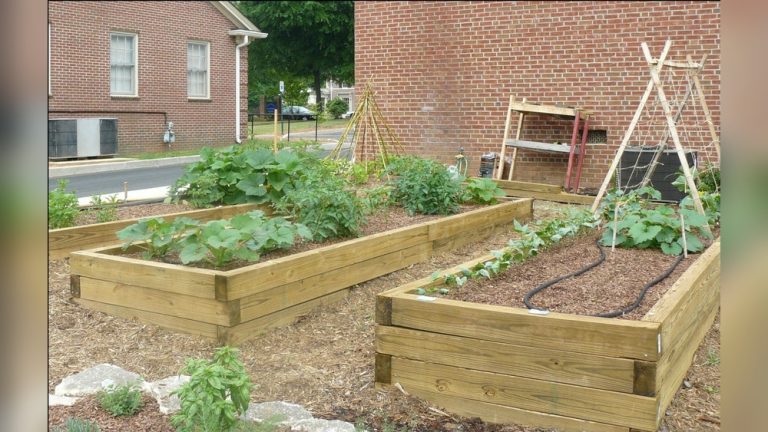
A home gardener transplanted tomato seedlings into a raised bed. Two weeks later, after the seedlings established, they applied Preen Garden Weed Preventer, followed by a layer of straw mulch. The result: minimal weed growth, healthy tomatoes, and no phytotoxicity, demonstrating safe, effective use.
Another example: A gardener growing beans and peas waited until the seedlings had true leaves before applying Preen. This careful timing ensured the crops were unaffected while weeds were suppressed throughout the season.
For further guidance, see the step-by-step video tutorial at Gardening Know How.
Alternatives To Preen For Weed Control
While Preen is a popular option, there are several alternative weed management strategies for vegetable gardens , each with its own benefits and limitations. Understanding these options can help gardeners make informed decisions and reduce reliance on chemical solutions.
Organic Mulching
- Straw, grass clippings, leaves: Suppress weeds, retain moisture, and add organic matter to the soil. Organic mulching is a time-tested method, especially for those who prefer chemical-free gardening.
- Limitations: Some weed seeds may still germinate on top of mulch. Mulch can also harbor pests if not managed properly.
For example, thick layers of straw mulch can reduce weed emergence by up to 75%, but persistent weeds like nutsedge may still break through. Grass clippings should be used in thin layers to avoid matting and potential anaerobic conditions.
Mechanical Cultivation
- Hand weeding, hoeing: Effective for small gardens, labor-intensive. Manual removal allows precise targeting of weeds but requires regular attention.
- Shallow cultivation: Avoid disturbing plant roots. Deep cultivation can damage crop roots and expose soil to further weed invasion.
In larger gardens, mechanical cultivation is often supplemented by mulching or other methods. Hand weeding remains the gold standard for sensitive crops and areas where chemical use is not desired.
Landscape Fabric
- Physical barrier: Blocks sunlight, preventing weeds. Landscape fabric is useful for perennial beds and pathways.
- Reusable, long-lasting: But may impede water and air movement if not installed properly. Careful installation ensures good drainage and prevents waterlogging.
Some gardeners cut holes in fabric for each plant, providing targeted weed protection. However, fabric can be expensive and labor-intensive to install, especially in large vegetable beds.
Other Pre-emergent Products
- Corn Gluten Meal: Sold under various brands, not as potent as synthetic pre-emergents. It is often favored in organic gardens despite its moderate effectiveness.
- Natural herbicides: Vinegar or citrus oil-based, less effective on established weeds. These options are best for spot treatments and may require repeated applications.
For example, acetic acid (vinegar) can kill young weeds, but it does not provide a long-lasting barrier. Citrus oil-based herbicides may suppress some weeds but can also harm desired plants if not applied carefully.
Comparison Table: Weed Control Methods In Vegetable Gardens
| Method | Weed Suppression | Crop Safety | Labor Required | Cost |
|---|---|---|---|---|
| Preen (Trifluralin) | High (for listed crops) | Good, with proper timing | Low | $$ |
| Preen (Corn Gluten Meal) | Moderate | Excellent | Low | $$$ |
| Mulch | Moderate to high | Excellent | Low | $ |
| Hand Weeding | High | Excellent | High | $ |
| Landscape Fabric | High | Excellent | Low | $$ |
Integrating Multiple Methods
For best results, integrate Preen with mulch or landscape fabric. This layered approach maximizes weed suppression and reduces reliance on any one method. For example, applying Preen followed by straw mulch can create a robust barrier against weed growth and improve soil quality.
Gardeners in climates with heavy rainfall may find that combining mulching, hand weeding, and periodic Preen applications yields the best balance of weed control and crop safety.
Real-world Example: Organic Community Garden
A community garden in Oregon banned synthetic herbicides, relying on corn gluten meal Preen and thick straw mulch. The result was a 70% reduction in weed pressure and improved soil health, proving that non-chemical strategies can succeed.
Another example: In a Florida garden, landscape fabric combined with hand weeding was used to control aggressive weeds. The approach required minimal chemical input and resulted in clean beds with thriving vegetable crops.
For more on organic weed management, visit Oregon State University Extension.
Environmental And Health Impacts Of Preen
While Preen is generally considered safe when used properly, it’s important to understand the broader implications for garden ecology, human health, and the environment. Responsible use is vital to protect not only your crops, but also the surrounding ecosystem.
Soil Microbes And Beneficial Insects
- Trifluralin: Studies show minimal impact on soil microbial communities at label rates, but overuse can harm beneficial mycorrhizae and earthworms. Soil health is a cornerstone of successful gardening, so minimizing chemical input helps maintain microbial balance.
- Corn Gluten Meal: Breaks down into organic matter, with no known negative impact on soil life. This makes it a preferred option for those focused on soil health.
In gardens where earthworm populations are valued, using mulch and organic pre-emergents may be the best choice. Periodic testing of soil health can help monitor any unintended effects.
Water Contamination
- Runoff Risk: Excess trifluralin can leach into waterways, affecting aquatic life. Apply only as needed and avoid application before heavy rain. Runoff prevention is critical in urban and suburban environments.
- Buffer Zones: Keep Preen away from ponds, streams, and storm drains. Establishing buffer zones of un-treated soil can help protect sensitive areas.
For example, in gardens adjacent to streams, using corn gluten meal or mulching instead of synthetic herbicides can reduce environmental risk.
Human Safety
- Toxicity: Trifluralin has low acute toxicity to humans, but gloves and masks are recommended during application. Long-term exposure should be avoided, especially for children and pregnant women.
- Residue on Vegetables: When used as directed, Preen does not leave harmful residues on edible crops. Washing vegetables thoroughly before consumption is always recommended.
Wildlife And Pets
- Risk to Animals: Preen granules are generally not attractive to pets, but ingestion can cause mild gastrointestinal distress. Store securely. If pets or wildlife frequent your garden, organic options may be preferable.
Regulatory And Scientific Findings
According to the EPA’s reregistration review, trifluralin is not considered a carcinogen and poses little risk to humans when label instructions are followed.
Real-world Example: School Garden Safety
A school garden project used only Preen Vegetable Garden Organic (corn gluten meal). No adverse effects were reported over three years, and teachers noted healthy harvests, demonstrating that careful product selection supports child-safe gardening.
For more environmental data, see California Department of Pesticide Regulation.
Preen In Practice: Case Studies And User Experiences
Understanding how Preen performs in real gardens helps clarify its practical value and limitations. Looking at both successes and failures provides a more balanced perspective.
Case Study 1: Urban Raised Bed Success
A gardener in Chicago used Preen Garden Weed Preventer after transplanting peppers and tomatoes in a raised bed. By following label directions and applying mulch, they saw a 90% reduction in weeds compared to previous years, with no negative effects on vegetable yield.
The gardener reported that the time saved on weeding allowed them to focus on plant care and soil improvement.
Case Study 2: Organic Garden Experiment
A small-scale organic farmer trialed Preen Vegetable Garden Organic Weed Preventer (corn gluten meal) alongside straw mulch. Weed control was modest (about 50% reduction), but soil health and crop quality improved, and there was no chemical residue. The farmer noted that while a few weeds still appeared, they were easy to pull and did not impact crop growth.
Case Study 3: Misapplication Issues
A novice gardener applied trifluralin-based Preen before direct seeding carrots and beans. Germination failed, illustrating the risks of not following crop and timing guidelines. The gardener learned to always read the label and consult experienced sources before applying pre-emergents.
Lessons Learned
- Correct timing and crop selection are critical for success with Preen.
- Organic options are safer but less effective than synthetic chemicals.
- Combining Preen with mulch produces the best weed control outcomes.
For community reviews, check the GardenWeb forums.
Best Practices And Expert Recommendations
To get the most out of Preen in your vegetable garden, follow these expert-backed guidelines.
Read And Follow The Label
- Product-Specific Instructions: Each Preen formulation has unique guidelines. Labels also provide information about safe crops, application rates, and reapplication intervals.
- Reapplication Intervals: Stick to the recommended schedule for best results. Overuse can lead to soil residue and crop injury.
Pair With Non-chemical Methods
- Use Preen in conjunction with mulch for layered weed suppression. Mulching not only suppresses weeds but also conserves moisture and improves soil structure.
- Regularly inspect for and manually remove any breakthrough weeds. Even with chemical barriers, some persistent weeds may emerge.
Protect Pollinators And Beneficials
- Avoid application near flowering plants that attract bees. Herbicide dust can impact pollinators if not managed properly.
- Water in granules to minimize dust and off-target movement. This reduces airborne particles and keeps the herbicide where it is most effective.
Rotate Crops And Herbicide Use
- Crop rotation helps prevent weed resistance and maintains soil health. Rotating herbicide types and weed control methods can prevent adaptation by weed species.
- Alternate between Preen and other strategies for long-term success. Integrated pest management principles apply to weed control as well.
Monitor And Adjust
- Track weed pressure and crop performance to fine-tune your approach. Keeping a garden journal can help identify patterns and inform future decisions.
- If using Preen for the first time, start with a small test area. This allows you to assess effectiveness and crop tolerance before broader application.
Expert Quotes
- “Preen can be a valuable tool, but only if gardeners respect its limitations and follow the label to the letter.” — Dr. Mark Schonbeck, Organic Weed Management Specialist
- “For root crops, I recommend skipping pre-emergents altogether and sticking with mulch and hand weeding.” — Jane S., Master Gardener
For further expert opinions, visit Penn State Extension.
Frequently Asked Questions
Is Preen Safe For All Vegetables?
No. Preen’s safety depends on the active ingredient and crop type. Trifluralin-based Preen is safe only for certain vegetables (like tomatoes and peppers) after they are established. It is not safe for direct-seeded crops or root vegetables unless the label explicitly allows. The corn gluten meal-based Preen is safer for a wider variety of vegetables but less effective.
Can I Use Preen Before Planting Vegetable Seeds?
No. Never use Preen before direct seeding vegetables. The active ingredients in Preen will prevent both weeds and your vegetable seeds from germinating. Only apply Preen after seedlings have true leaves or after transplanting established plants.
Does Preen Leave Harmful Residues In Soil Or On Crops?
When used as directed, Preen does not leave harmful residues on crops. Trifluralin breaks down in soil within 1-2 months, and corn gluten meal is an organic product. Always follow the waiting periods and reapplication guidelines on the label.
Is Preen Safe For Pets And Children?
Generally, Preen is considered safe for pets and children when applied properly and after it is watered in. However, keep pets and kids away during application, and store granules securely. For maximum safety, consider using the organic corn gluten meal formulation.
What Should I Do If I Accidentally Over-apply Preen?
If you over-apply Preen, water the area thoroughly to help dilute the chemical and reduce risk to your plants. Avoid planting sensitive crops in that area for the remainder of the season, especially if you used a synthetic formulation. Always consult the product label or manufacturer for further guidance.
—
Deciding whether Preen is right for your vegetable garden comes down to the specific crops you grow, your gardening philosophy, and how closely you can follow application instructions. When used correctly, Preen can be a powerful tool for reducing weed pressure and saving labor, but it’s not a silver bullet.
Always read labels, choose the right formulation, and combine Preen with other weed management strategies for best results. By balancing effectiveness, safety, and environmental responsibility, you can enjoy a bountiful, low-weed vegetable harvest year after year.