Is Ac2 Lumber Safe for Vegetable Gardens
For many gardeners, the quest for the perfect raised bed material leads to a crossroads between affordability, durability, and safety. Among the choices available, Ac2 lumber—a type of pressure-treated wood—stands out for its resistance to rot and insects, but it also raises critical concerns about chemical exposure. As the popularity of vegetable gardening surges and urban agriculture gains momentum, understanding the implications of using Ac2 lumber is vital to ensure both the health of your plants and the safety of your harvest.
This article tackles the question: Is Ac2 lumber safe for vegetable gardens? We’ll explore the science behind pressure-treated wood, analyze current research on chemical leaching, compare alternatives, and offer actionable advice for gardeners seeking to balance practicality with food safety. Whether you’re setting up your first raised beds or rethinking your garden infrastructure, this comprehensive guide will empower you with the facts, data, and real-world examples necessary to make an informed decision.
Key Takeaways
- Ac2 lumber is a modern pressure-treated wood, commonly used for garden structures due to its durability and resistance to decay.
- The safety of Ac2 lumber hinges on its chemical treatment, primarily with copper-based compounds, and the risk of leaching into soil.
- Scientific studies indicate minimal leaching under typical conditions, but concerns persist for organic gardening and heavy crop consumption.
- Safer alternatives include untreated hardwoods, composite materials, and plastic lumber, each with unique pros and cons.
- Real-world cases demonstrate mixed experiences, highlighting the importance of context, soil testing, and protective barriers.
- Proper installation, maintenance, and awareness are key to minimizing any potential risks.
Understanding Ac2 Lumber
Ac2 lumber is a brand of pressure-treated wood manufactured primarily for outdoor use. Its popularity stems from its enhanced resistance to moisture, pests, and rot—qualities that make it ideal for raised beds, retaining walls, and other garden structures. But what exactly sets Ac2 lumber apart from other treated woods?
What Is Ac2 Lumber?
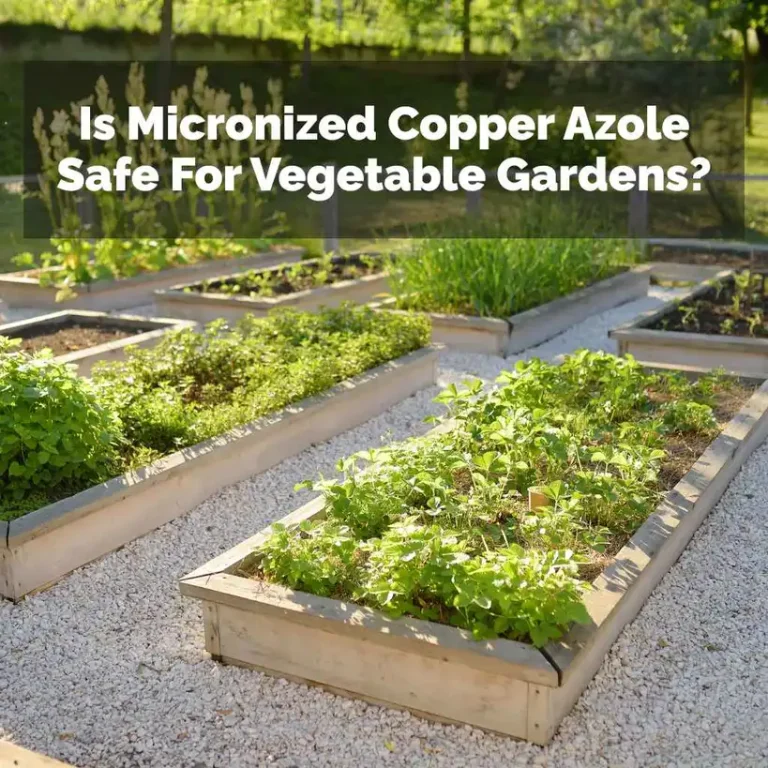
Ac2 lumber refers to wood treated with advanced preservatives, primarily copper azole and alkaline copper quaternary (ACQ). These compounds replace older, more toxic chemicals like chromated copper arsenate (CCA), which was phased out for residential use by the EPA in 2003. Modern Ac2 lumber is engineered to be safer and more environmentally friendly, but it still contains active ingredients designed to ward off decay.
- Copper azole: Targets fungi and insects, providing long-lasting protection by creating an inhospitable environment for wood-destroying organisms.
- ACQ: A water-based preservative using copper and quaternary ammonium compounds, which is less toxic to humans and animals than previous generations of wood treatments.
The treatment process involves placing the lumber in a pressurized chamber, infusing the wood fibers with preservative solutions to a depth of up to 1 inch. This deep penetration ensures that even after years of exposure to moisture and microbes, the wood remains structurally sound.
Ac2 lumber is commonly available at home improvement stores and is typically greenish in hue due to the copper content. Some newer versions may appear brown, depending on the specific preservative formula used.
Common Uses In Gardening
Ac2 lumber is widely used for:
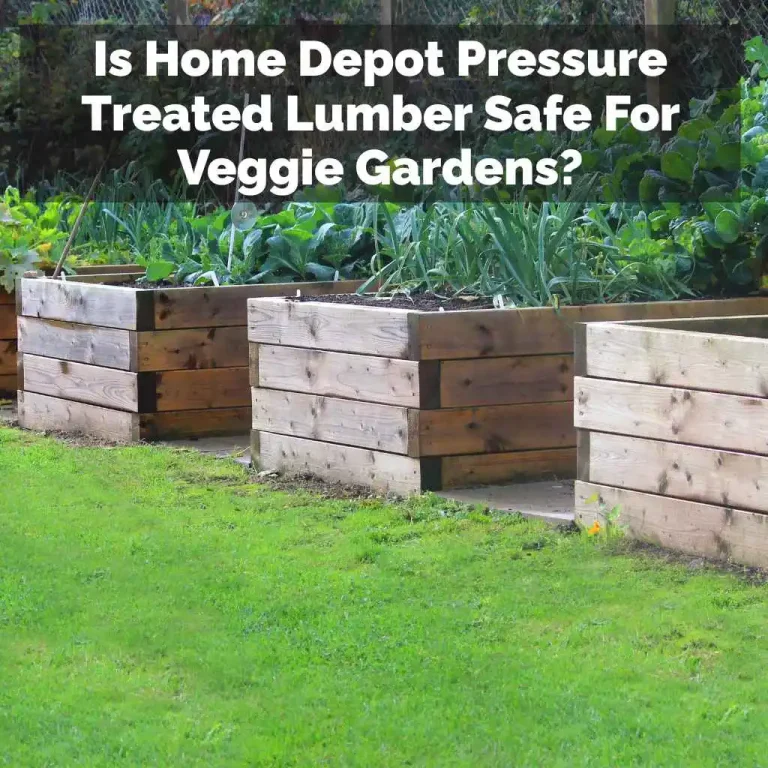
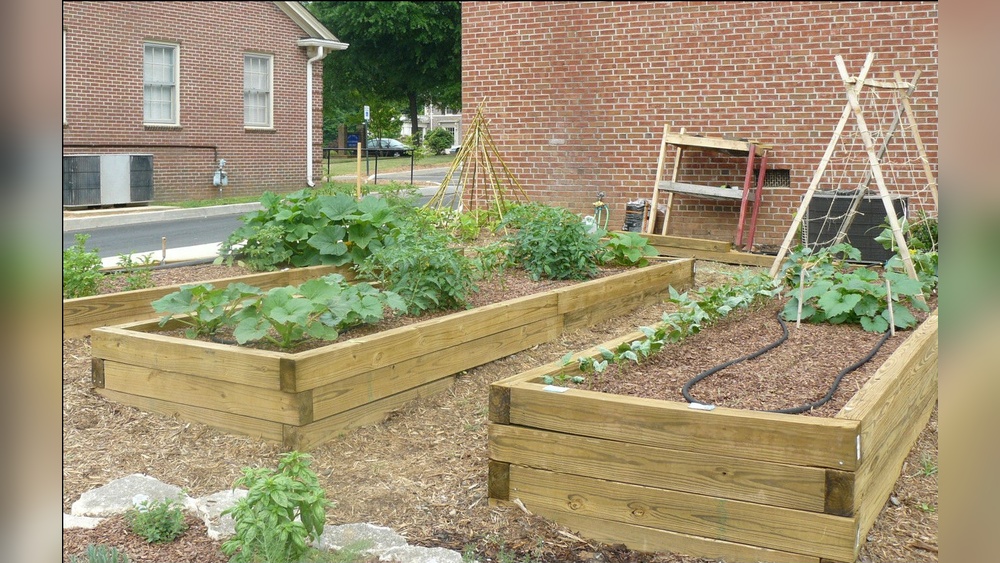
- Raised beds: Providing a sturdy, rot-resistant frame that can withstand years of contact with moist soil.
- Retaining walls: Offering structural support and longevity in landscaping projects.
- Decking and fences: Resisting termite and fungal attacks in outdoor environments.
- Pergolas and trellises: Supporting climbing plants and adding architectural interest to gardens.
Its durability and cost-effectiveness make it attractive for gardeners, especially in regions prone to wet weather or termite activity. The relatively low cost compared to premium hardwoods allows for larger or multiple raised beds, expanding the possibilities for ambitious home gardeners.
Regulatory Standards And Certifications
The use of Ac2 lumber is governed by strict EPA guidelines and industry standards, such as the American Wood Protection Association (AWPA) certification. These ensure that treated wood sold for residential purposes adheres to lower toxicity levels and is free from arsenic or other banned substances.
- EPA ban on CCA: Since 2003, CCA-treated wood cannot be used in most residential settings, including gardens.
- AWPA standards: Require clear labeling and documentation of treatment chemicals, ensuring consumers can make informed choices.
Despite these safeguards, questions remain about long-term exposure and the potential for chemicals to leach into soil and plants, especially when growing food crops intended for regular consumption.
The Shift From Cca To Ac2
Prior to Ac2, CCA was the dominant preservative, raising serious health concerns due to its arsenic content. Ac2’s copper-based formulas are less hazardous, but they are not entirely risk-free. Understanding this evolution is key to evaluating safety.
| Wood Treatment | Main Chemicals | Banned for Veg Gardens? | Leaching Risk |
|---|---|---|---|
| CCA | Chromated Copper Arsenate | Yes (EPA ban, 2003) | High |
| Ac2 | Copper Azole, ACQ | No | Low to moderate |
| Untreated Hardwood | None | No | None |
| Composite Lumber | Plastic, wood fibers | No | None |
The switch from CCA to copper-based preservatives represents a significant improvement in safety, but it also highlights the importance of ongoing vigilance regarding the materials we use in our gardens.

The Science Of Chemical Leaching
One of the primary concerns with Ac2 lumber is the potential for chemicals to leach into surrounding soil, and ultimately, into edible plants. This section delves into the science behind leaching, the factors that influence it, and the current state of research.
How Leaching Occurs
Leaching happens when water, soil acidity, and microbial activity break down wood preservatives, causing chemicals to migrate out of the lumber. In vegetable gardens, this risk is heightened by frequent watering and soil disturbance.
- Water exposure: Accelerates leaching, especially in rainy climates or where beds are watered daily. Prolonged saturation can lead to more significant movement of copper and other compounds into the nearby soil.
- Soil pH: Acidic soils (pH below 6.0) can enhance copper mobility, making it more available to plants and potentially increasing the risk of uptake by edible crops.
- Microorganisms: Decompose wood, facilitating chemical release. Over time, soil-dwelling bacteria and fungi can break down the lignin in wood, hastening the movement of preservatives.
Environmental conditions such as temperature, freeze-thaw cycles, and the presence of certain soil amendments can also influence the rate and extent of chemical leaching. For example, frequent use of organic matter, like compost, can bind some metals and reduce their bioavailability, serving as a natural buffer.
Scientific Studies On Leaching
Research published by the USDA Forest Service and University of Minnesota Extension has quantified copper leaching from Ac2 lumber. Key findings include:
- Copper leaching rates: Typically less than 0.05% of total copper content per year under normal garden conditions. This low rate means that, even over a decade, only a small fraction of the preservative is expected to move into the soil.
- Soil concentration: Copper levels within 1 inch of Ac2 lumber can be 2-3 times higher than background, but rarely exceed EPA limits for human exposure. The highest concentrations are typically found in the narrow zone closest to the wood, with levels dropping off rapidly as distance increases.
- Plant uptake: Most vegetables absorb negligible amounts of copper, though root crops (e.g., carrots, potatoes) may accumulate slightly more. Studies have shown that leafy greens and fruiting crops show little to no increase in copper content, even when grown adjacent to treated wood.
A comprehensive study by the USDA Forest Service found that copper concentrations in garden soil adjacent to Ac2 lumber stayed well below hazardous thresholds over five years. This research also monitored a range of vegetables, confirming that the risk to human health from consuming garden produce grown in these beds is extremely low when best practices are followed.
Health Impacts Of Copper And Acq
Copper is an essential micronutrient for plants and humans, but excessive exposure can cause toxicity. The EPA and CDC set daily intake limits; for adults, the tolerable upper intake is 10 mg/day. ACQ compounds, while less studied, are not classified as carcinogenic.
- Symptoms of copper toxicity: Nausea, gastrointestinal distress, and, in rare cases of chronic exposure, liver damage. However, such effects are extremely unlikely in gardening scenarios unless there is gross misuse or unusual environmental conditions.
- ACQ safety: No evidence of acute toxicity from garden exposure. The quaternary ammonium compounds break down rapidly in soil and do not bioaccumulate.
It’s worth noting that copper, while potentially toxic in large quantities, is much less hazardous than arsenic or chromium, the main concerns with older pressure-treated wood. Furthermore, vegetables tend to be poor accumulators of copper, providing an additional layer of safety.
Risk Factors In Vegetable Gardens
While studies show low risk, certain factors can elevate the hazard:
- Soil acidity: Increases copper leaching, so testing and amending soil pH may help reduce risk.
- Heavy rainfall: Promotes chemical migration, particularly in poorly drained soils.
- Direct root contact: Root vegetables grown within 2 inches of lumber may absorb more copper. This is particularly relevant for high-consumption crops like potatoes and carrots.
Other factors, such as the age of the treated wood (with leaching rates typically highest in the first few years after installation), and the use of soil amendments that can either immobilize or mobilize metals, should also be considered.
Real-world Example: Minnesota Community Garden
A case study from a Minneapolis community garden revealed that raised beds made with Ac2 lumber exhibited copper levels 1. 8 times higher than untreated beds, but vegetable samples showed no significant difference in copper content. Soil testing was recommended annually.
Garden coordinators also noted that using barriers such as plastic liners reduced measurable copper in soil even further, and regular mulching helped maintain optimal soil health.
Evaluating Safety For Edible Plants
Is Ac2 lumber genuinely safe for growing edible vegetables? This section synthesizes research, expert guidance, and practical experience to answer that question.
Expert Opinions
Leading horticulturists, such as those from the University of California Agriculture & Natural Resources, advise that Ac2 lumber is generally safe when used properly, but recommend precautions for organic gardening:
- Distance from crops: Plant at least 2 inches away from lumber. This buffer zone significantly reduces the risk of root uptake of copper.
- Barrier installation: Use plastic or landscape fabric to block soil contact. Barriers are especially important in high-rainfall areas or where root crops will be grown.
- Routine soil testing: Monitor for copper buildup every 2-3 years. Regular testing provides peace of mind and ensures early intervention if elevated levels are detected.
University of Minnesota Extension provides clear guidelines for safe use, emphasizing the importance of avoiding direct root contact and monitoring soil health over time.
Vegetable Types And Sensitivity
Not all vegetables are equally susceptible to chemical uptake. Root crops, leafy greens, and fruiting plants vary in their exposure risk, and understanding these differences can help gardeners design safer, more productive beds.
| Vegetable Type | Sensitivity to Leaching | Recommended Distance |
|---|---|---|
| Root Crops (carrots, potatoes) | Moderate | 3+ inches |
| Leafy Greens (lettuce, spinach) | Low | 2+ inches |
| Fruiting Vegetables (tomatoes, peppers) | Very Low | 1+ inches |
Leafy greens and fruiting crops, such as tomatoes, are less likely to accumulate copper, making them well-suited for beds constructed with Ac2 lumber, especially when barriers are in place.
Soil Testing And Monitoring
Routine soil testing is crucial for identifying any buildup of copper or other preservatives. Home test kits or professional labs can detect heavy metals, ensuring safety for crops and consumers.
- Test every 2-3 years: This frequency strikes a balance between vigilance and practicality.
- Sample soil within 2 inches of lumber: This is where the highest concentrations are likely to occur.
- Compare to EPA benchmarks: The EPA provides clear guidelines for safe copper levels in soil, which are unlikely to be exceeded under normal gardening conditions.
Professional soil testing services can also offer advice on remediation if elevated levels are found, such as amending soil with organic matter or adjusting pH.
Real-world Example: Urban Homesteader
An urban homesteader in Portland, Oregon, installed Ac2-raised beds and tested soil annually. Over five years, copper levels remained stable, and vegetable harvests were unaffected. The gardener used landscape fabric as a barrier and avoided planting root crops near the edges.
Their experience highlights how simple precautions and ongoing monitoring can ensure long-term garden safety, even in intensive urban environments.
Alternatives To Ac2 Lumber
For gardeners seeking chemical-free options, several alternatives offer both safety and durability. This section compares the pros and cons of common materials used in raised beds.
Untreated Hardwood
Cedar and redwood are naturally rot-resistant, lasting 10-20 years without treatment. They require no chemicals and are ideal for organic gardens.
- Pros: Chemical-free, long lifespan, attractive appearance, and pleasant scent.
- Cons: Higher cost, limited availability in some regions, and may require pre-drilling to prevent splitting.
These woods are favored by organic gardeners, school gardens, and anyone with concerns about chemical exposure. Their resistance to decay comes from natural oils and tannins, which deter fungi and insects.
Composite Lumber
Made from recycled plastic and wood fibers, composite lumber offers longevity and zero chemical leaching.
- Pros: Durable, maintenance-free, eco-friendly, and available in various colors and styles.
- Cons: Expensive, less natural look, may warp in extreme temperatures, and can be heavy to handle.
Composite lumber is an excellent choice for gardeners seeking a low-maintenance solution that aligns with sustainability goals. Its long service life can offset the initial investment over time.
Plastic Lumber
100% recycled plastic boards are increasingly popular for raised beds, with a lifespan of 25+ years.
- Pros: No rot, no chemicals, lightweight, and often made from post-consumer waste.
- Cons: High cost, limited color options, and may degrade under intense UV exposure over decades.
Plastic lumber is especially useful in community or school gardens where long-term durability and safety are paramount, and it is often eligible for green building credits.
Concrete Blocks And Stones
Non-organic materials like concrete blocks and natural stone are inert and pose no chemical risks.
- Pros: Permanent, safe for food crops, fireproof, and can add a rustic or modern look.
- Cons: Labor-intensive installation, higher upfront cost for stone, and can retain heat, potentially impacting soil temperatures.
Concrete blocks are also modular, allowing for easy expansion or reconfiguration of garden beds.
| Material | Durability (Years) | Cost (Per Bed) | Safety for Veg Gardens |
|---|---|---|---|
| Ac2 Lumber | 15-20 | $60-$100 | Moderate (with precautions) |
| Cedar/Redwood | 10-20 | $150-$250 | High |
| Composite Lumber | 25+ | $200-$300 | High |
| Plastic Lumber | 25+ | $180-$320 | High |
| Concrete Block | 50+ | $120-$220 | High |
Real-world Example: School Garden Project
A school garden in Austin, Texas, used untreated cedar for raised beds, citing organic certification requirements. The beds lasted over a decade, and annual soil tests showed no heavy metal contamination. Parents favored the peace of mind provided by chemical-free materials, and the garden became a model for other schools in the district.
Best Practices For Using Ac2 Lumber Safely
If you decide to use Ac2 lumber for your vegetable garden, following best practices is essential to minimize risk and maximize longevity.
Installation Guidelines
- Seal the wood: Apply exterior-grade sealant to exposed surfaces, reducing leaching. This protective layer should be renewed periodically as part of routine maintenance.
- Install barriers: Line the interior sides with heavy-duty plastic or landscape fabric. This prevents soil from coming into direct contact with the wood, further reducing the risk of chemical migration.
- Elevate beds: Ensure drainage to prevent water pooling near lumber. Good drainage not only protects the wood but also maintains healthy root systems.
Proper installation also includes securing joints with stainless steel or galvanized screws, which resist corrosion from both moisture and preservatives.
Maintenance Tips
- Inspect annually: Look for signs of rot or mold, which can accelerate chemical release. Replace or repair any compromised boards promptly.
- Re-seal every 2-3 years: Maintain the protective coating to extend the life of the wood and minimize leaching.
- Replace damaged boards promptly: This prevents further leaching and keeps the structure safe.
Regularly check the integrity of any barriers or liners, as they may degrade over time due to UV exposure or mechanical wear.
Crop Placement Strategies
- Avoid root crops near edges: Plant carrots, potatoes, and beets at least 3 inches away from the lumber to reduce potential uptake.
- Grow leafy greens and fruiting vegetables closer: These crops have lower risk and can safely utilize more of the bed’s area.
- Rotate crops annually: Reduces buildup of any one chemical and helps maintain soil health.
Crop rotation also disrupts pest and disease cycles, supporting more resilient gardens.
Soil Testing Procedures
- Collect samples: Use a clean trowel, sampling soil from multiple points near lumber, combining into a composite sample for analysis.
- Send to certified lab: Request analysis for copper, arsenic, and other heavy metals. Some labs can also test for pH and organic matter, providing a fuller picture of soil health.
- Interpret results: Compare to EPA and USDA safety benchmarks. If levels are elevated, consider amending soil or replacing barriers.
Soil test results can also help guide fertilization and amendment strategies, optimizing both safety and productivity.
Real-world Example: Suburban Homeowner
A suburban homeowner in Atlanta used Ac2 lumber for three raised beds, lined each with plastic, and tested soil after two seasons. Copper levels remained low, and vegetable yields were high. The homeowner re-sealed lumber every two years, ensuring ongoing safety.
This approach allowed for a productive and low-maintenance garden that met the family’s needs without sacrificing peace of mind.
Regulatory And Environmental Considerations
Beyond personal safety, broader regulatory and environmental issues impact the use of Ac2 lumber in vegetable gardens.
Epa And State Regulations
The EPA prohibits CCA-treated wood in residential settings, but Ac2 lumber is permitted. Some states, such as California, have additional restrictions for school and public gardens.
- EPA guidelines: Require clear labeling and instructions for safe use. Consumers are advised not to use treated wood for cutting boards, countertops, or surfaces where food is prepared.
- State regulations: May limit use in sensitive environments, such as playgrounds or certified organic operations.
EPA Pressure-Treated Wood Research provides detailed information on regulatory status and ongoing assessments.
Environmental Impact
Copper-based preservatives are less toxic than arsenic but can still affect soil ecosystems.
- Copper accumulation: May impact earthworms and beneficial soil microbes, potentially reducing soil fertility over the long term.
- Runoff concerns: Excess copper in runoff can harm aquatic life, highlighting the need for careful design and maintenance of garden beds to minimize leaching.
Responsible disposal of old treated lumber is crucial; recycling options are limited, and burning treated wood is prohibited due to toxic fumes. Instead, take treated wood to a landfill or hazardous waste collection site.
Sustainability Considerations
Choosing materials with lower environmental footprints is increasingly important. Untreated woods, recycled plastic, and stone have minimal impact on soil and water quality. Sourcing wood from sustainably managed forests, certified by organizations like the FSC (Forest Stewardship Council), further reduces environmental impact.
Wikipedia: Pressure-Treated Wood offers an overview of environmental concerns and sustainability factors, helping gardeners make eco-conscious choices.
Real-world Example: Municipal Community Garden
A municipal garden in Seattle transitioned from Ac2 lumber to composite boards after city council review. The move reduced chemical runoff and improved public perception, though costs increased. The garden continued to produce safe, healthy vegetables and became a demonstration site for sustainable urban agriculture practices.
Comparing Ac2 Lumber To Other Materials
Selecting the best material for your vegetable garden requires careful comparison of durability, safety, cost, and environmental impact.
Durability And Longevity
Ac2 lumber lasts 15-20 years with proper care, outperforming untreated softwoods but falling short of composite and plastic boards. Its resistance to rot makes it especially suitable for humid or wet climates, but periodic maintenance is needed to achieve maximum lifespan.
- Cedar/Redwood: 10-20 years, sometimes longer with ideal conditions.
- Composite/Plastic: 25+ years, often with minimal maintenance.
- Concrete/Stone: 50+ years, virtually permanent.
Cost Analysis
Ac2 lumber is the most affordable option, but may require more maintenance and eventual replacement.
- Ac2 lumber: $60-$100 per bed, making it suitable for large gardens or community projects on tight budgets.
- Cedar: $150-$250 per bed, reflecting the premium price for chemical-free durability.
- Composite: $200-$300 per bed, with higher upfront cost offset by long lifespan.
- Plastic: $180-$320 per bed, similar to composite but lighter and sometimes easier to install.
Consider the total cost of ownership, including potential replacement or maintenance, when making your decision.
Safety Assessment
While Ac2 lumber is generally safe with precautions, untreated hardwoods and composites are safest for edible crops.
- Ac2 lumber: Moderate safety, minimal leaching risk if barriers are used and best practices are followed.
- Cedar/Redwood: High safety, no leaching, ideal for organic and sensitive gardens.
- Composite/Plastic: High safety, no leaching, and suitable for all crops.
Environmental Impact
Ac2 lumber contains preservatives that can accumulate in soil, whereas composites and plastic boards are inert. Untreated hardwoods are sustainable if sourced responsibly, and natural stone has virtually no chemical impact.
Green America: Pressure-Treated Wood Safety discusses environmental trade-offs and sustainability in depth.
Frequently Asked Questions
Is Ac2 Lumber Safe For Organic Gardens?
Ac2 lumber is not certified for organic gardening due to its chemical treatment. Organic standards require untreated, natural materials. However, Ac2 can be used in non-certified gardens with precautions such as barrier installation and proper crop placement. Always consult with your certifying agency before using any treated wood in an organic context.
Do Vegetables Grown Near Ac2 Lumber Absorb Chemicals?
Scientific studies indicate that vegetables absorb negligible amounts of copper or ACQ from Ac2 lumber. Root crops may accumulate slightly more if planted very close to treated wood, but levels typically remain below EPA safety thresholds. Annual soil and tissue testing can provide added reassurance.
How Can I Minimize Risks When Using Ac2 Lumber?
To minimize risks, seal the wood, install plastic or landscape fabric barriers, plant sensitive crops away from the edges, and test soil every 2-3 years. These steps will reduce the likelihood of chemical migration and ensure crop safety. Regular maintenance of barriers and timely replacement of damaged boards are also key.
Are There Safer Alternatives To Ac2 Lumber For Raised Beds?
Yes, untreated cedar or redwood, composite lumber, plastic boards, and concrete blocks are all safer alternatives. They offer greater peace of mind, especially for organic or school gardens, though they may be more expensive. Consider your budget, sustainability goals, and long-term maintenance when choosing materials.
What Should I Do With Old Ac2 Lumber?
Dispose of old Ac2 lumber at a local landfill or hazardous waste facility. Do not burn treated wood, as it releases toxic fumes. Check with your municipality for recycling or disposal guidelines, as regulations can vary by location.
References
- USDA Forest Service
- University of Minnesota Extension
- EPA Pressure-Treated Wood Research
- Wikipedia: Pressure-Treated Wood
- Green America: Pressure-Treated Wood Safety
- UC Agriculture & Natural Resources
When it comes to building vegetable gardens, Ac2 lumber offers a compelling mix of affordability and durability, but it’s important to weigh the potential risks of chemical leaching. Scientific evidence points to minimal hazard when best practices are followed, making Ac2 lumber a viable option for most home gardens.
However, those seeking absolute peace of mind—especially for organic production or heavy root crop cultivation—may prefer untreated hardwoods, composites, or stone. Ultimately, understanding the science, using protective barriers, and regular soil testing are the keys to safe and productive gardening.
By making an informed decision, you can enjoy bountiful harvests and a thriving garden for years to come.