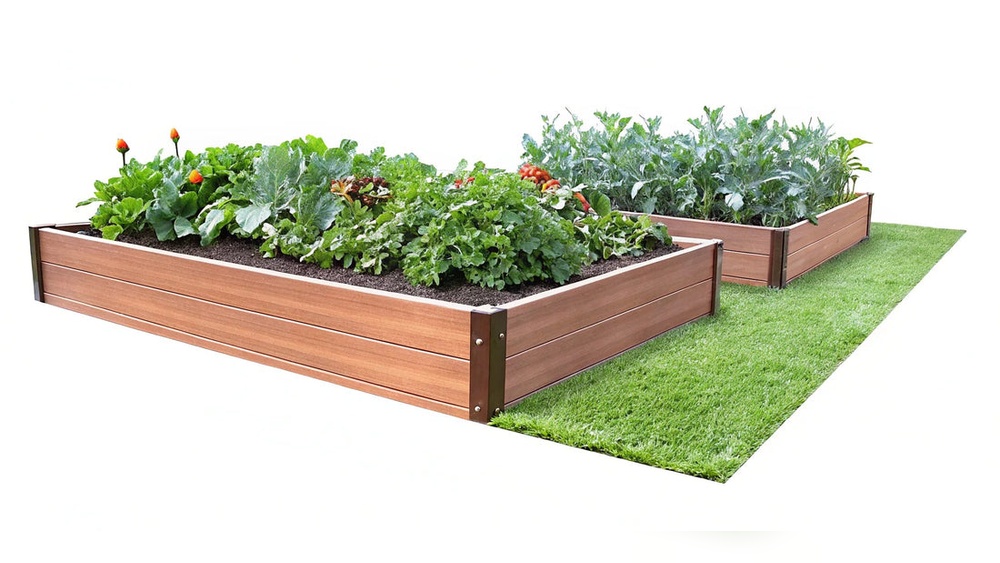
What Wood is Safe for Vegetable Gardens
Gardening enthusiasts know that the foundation of a thriving vegetable garden isn’t just the quality of the soil or the right selection of plants—it’s also the materials used to build the garden beds. The choice of wood for raised beds, borders, and structures has a direct impact on plant health, safety, longevity, and sustainability.
As urban gardening grows in popularity and more people turn to homegrown produce, ensuring the wood used in vegetable gardens is safe, non-toxic, and durable is crucial. Many gardeners are surprised to discover that not all woods are created equal, and some commonly available types may pose risks through chemical leaching or rapid decay.
Whether you’re constructing a new raised bed, replacing aging garden structures, or simply curious about the best materials for your edible landscape, understanding which woods are safe—and why—is essential. This guide dives deep into the science, practicalities, and real-world case studies of safe wood choices for vegetable gardens.
We’ll examine the environmental impacts, health considerations, and cost comparisons, equipping you with actionable insights to build a garden that is both beautiful and healthy.
Key Takeaways
- Untreated hardwoods and naturally rot-resistant woods are best for vegetable gardens.
- Avoid pressure-treated wood containing chemicals that may leach into soil.
- Some woods offer better durability and pest resistance, but may cost more.
- Cedar, redwood, and black locust are top choices for safe raised beds.
- Sustainability and environmental impact should guide your wood selection.
- Real-world examples show the importance of choosing the right wood for both safety and longevity.
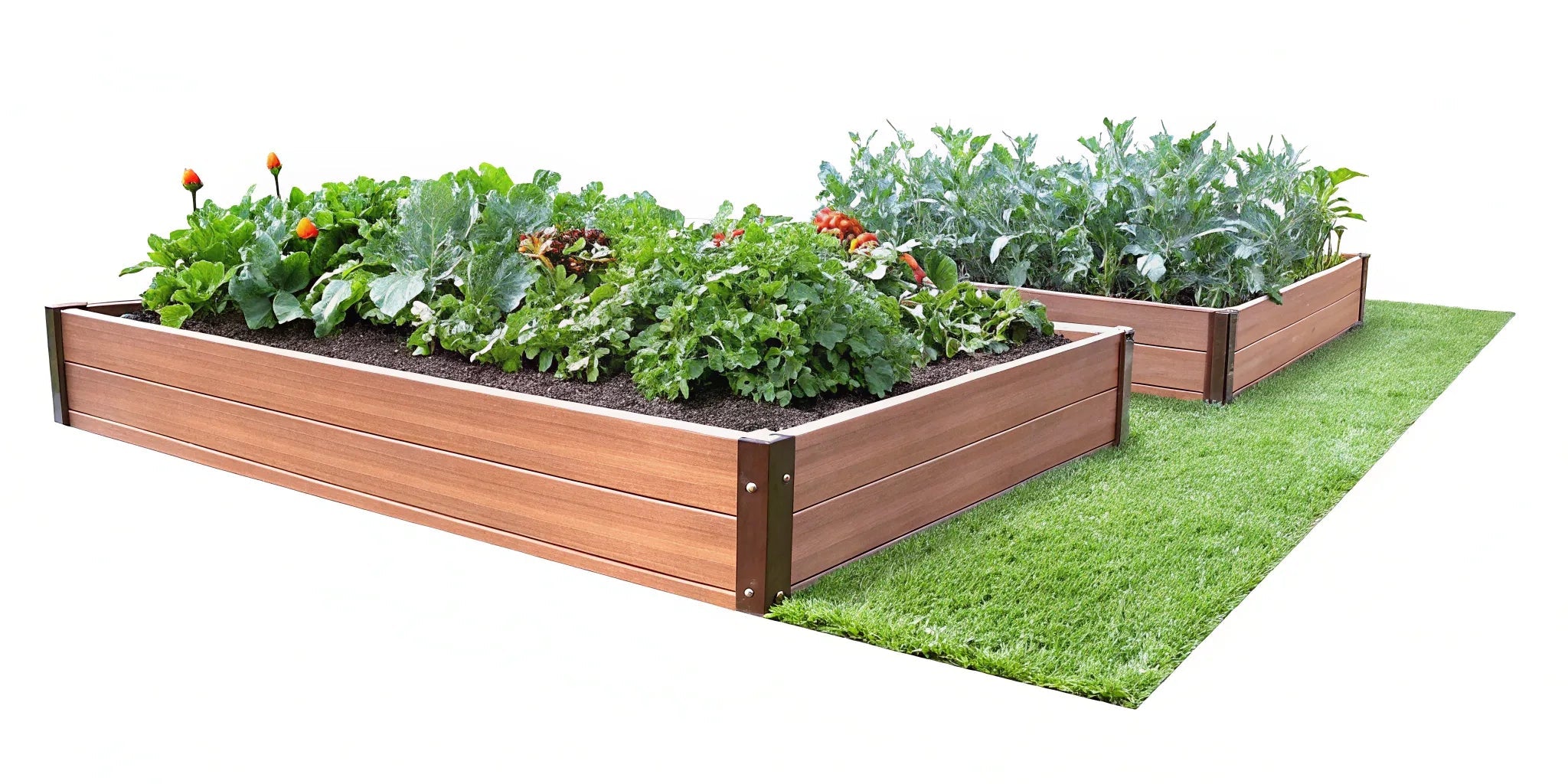
What Makes Wood Safe For Vegetable Gardens?
The safety of wood in vegetable gardens depends on its chemical composition, natural properties, treatment methods, and how it interacts with soil and plants. Choosing the right wood ensures your crops aren’t exposed to toxins, pathogens, or rapid decay.
Chemical Treatments And Leaching
Many wood products are treated to resist rot and pests. Pressure-treated wood, especially that treated with chromated copper arsenate (CCA), can release hazardous chemicals into garden soil, which may be absorbed by vegetables. Although CCA was banned for residential use in 2003, newer treatments like alkaline copper quaternary (ACQ) and copper azole (CA) are considered safer, but still introduce copper compounds that are not ideal for food gardens.
It is important to understand that the process of leaching is gradual but persistent. Chemicals can migrate from the treated wood into the surrounding soil, particularly when moisture is present. This is especially concerning in raised vegetable beds, where root crops like carrots, potatoes, or beets may be in direct contact with the soil at the wood interface.
Long-term exposure to even “safer” treatments can result in the accumulation of copper or other compounds in the soil, potentially impacting sensitive plants and beneficial soil organisms. This is why many experts and organic gardening organizations strongly discourage any use of chemically treated wood in edible garden settings.
Natural Rot Resistance
Certain woods possess natural compounds that deter fungi, insects, and decay. These woods, such as cedar, redwood, and black locust, are preferred for vegetable gardens because they don’t require chemical treatments.
For example, cedar contains thujaplicins and cedrol, which are naturally occurring compounds that act as preservatives, protecting the wood from decay and insect damage. Similarly, redwood’s high tannin content creates an inhospitable environment for wood-decaying organisms. Black locust contains robinetin, a flavonoid that gives the wood its legendary durability.
The advantage of these woods is that their rot resistance is inherent and long-lasting, making them especially suitable for gardeners seeking a chemical-free approach.
Durability And Longevity
Selecting a durable wood reduces maintenance and replacement costs. Woods differ widely in their lifespan when exposed to moisture and soil. Longevity also depends on local climate, soil conditions, and the thickness of wood used.
For instance, a 2-inch-thick cedar board will last significantly longer than a 1-inch board, even within the same climatic conditions. Regions with heavy rainfall, frequent freeze-thaw cycles, or high humidity will accelerate the breakdown of less durable woods. Additionally, the way the wood is installed—ensuring good drainage and avoiding ground contact when possible—can further extend its lifespan.
This is why careful planning and proper installation are as important as wood selection itself.
Environmental And Health Considerations
Using sustainably harvested wood or reclaimed lumber minimizes environmental impact. Some woods, even if untreated, may contain allergens or irritants. Always research local sources and certifications, such as Forest Stewardship Council (FSC).
Sustainable harvesting ensures that forests are managed for long-term health, biodiversity, and community benefit. FSC certification, for example, prohibits illegal logging, protects water quality, and respects indigenous rights. If you have allergies, note that certain woods like cedar can release fine dust or volatile oils during cutting and installation, so proper protective gear should be used.
Always ensure that any reclaimed or salvaged wood is free from old paints, stains, or chemical residues before using it in a food garden.

Best Wood Types For Vegetable Gardens
Choosing the ideal wood involves balancing safety, cost, availability, and durability. Here are the top safe wood options, including their benefits and drawbacks.
Cedar
Cedar is renowned for its natural resistance to rot, insects, and moisture. Western red cedar and northern white cedar are common choices. Cedar contains thujaplicins and cedrol, organic compounds that prevent decay without chemical treatment.
- Lifespan: 10–20 years outdoors
- Cost: Moderate to high
- Aroma: Pleasant, but can be allergenic for some
- Sustainability: Widely available, often FSC-certified
Cedar is often favored by both home gardeners and commercial growers for its workability and attractive appearance. Its lightweight nature makes it easier to handle during construction, and its pleasant aroma can deter some common garden pests. Over time, cedar weathers to a soft, silvery-gray, adding a rustic charm to garden spaces.
However, it’s important to note that the price of cedar can fluctuate based on regional availability and demand, and not all cedar is created equal—look for heartwood, which is more rot-resistant than sapwood.
Redwood
Redwood offers similar benefits to cedar, with exceptional longevity and resistance to weathering. Its tannins protect against fungi and insects, making it ideal for raised beds.
- Lifespan: 15–25 years outdoors
- Cost: High (especially outside California)
- Appearance: Rich, reddish hue
- Sustainability: Look for certified sources
Redwood is prized for its beautiful color and straight grain, making it a visually appealing choice for garden beds. It requires minimal maintenance and resists warping or splitting even in harsh weather. However, redwood’s higher cost and limited regional availability can be a barrier for some gardeners.
When sourcing redwood, always seek certified lumber to ensure your purchase supports responsible forestry practices and avoids contributing to deforestation of old-growth forests.
Black Locust
Black locust is one of the most rot-resistant domestic hardwoods. It can last up to 40 years in contact with soil and is often used for fence posts and garden beds.
- Lifespan: 25–40 years
- Cost: Moderate, but limited availability
- Sustainability: Native to Eastern US, fast-growing
Black locust is often hailed as the “ironwood” of North America. Its density and hardness make it difficult for pests and fungi to penetrate, and its rapid growth means it can be harvested sustainably. However, because black locust is not as widely available as cedar or pine, it may require some searching to find local suppliers.
Its yellow-green hue weathers to a silvery gray and, if left untreated, will develop a handsome, rustic look. When available, it is an outstanding choice for gardeners prioritizing both longevity and sustainability.
Douglas Fir
Douglas fir is less rot-resistant than cedar or redwood but is popular for its affordability and strength. It requires more maintenance and may need to be replaced sooner.
- Lifespan: 5–10 years outdoors
- Cost: Low to moderate
- Sustainability: Readily available, often locally sourced
Douglas fir is a good option for gardeners on a budget who still want a relatively durable, chemical-free wood. Its moderate resistance to decay means it can still provide several years of reliable service, especially if extra steps are taken for protection (such as lining the inside of beds with a food-safe barrier).
It is widely available at most lumber yards and is often sourced from sustainably managed forests in North America.
Untreated Pine
Pine is affordable and widely available, but it decays quickly unless treated. Only use untreated pine if you’re prepared for frequent replacement or temporary beds.
- Lifespan: 3–5 years outdoors
- Cost: Low
- Sustainability: Widely available
Pine is often used for budget-conscious projects or for gardeners who want to experiment with new bed layouts before committing to a more permanent installation. Its rapid decay in moist conditions, however, means it will require replacement sooner than other woods.
If using pine, consider adding a protective liner or using it for short-term projects such as seasonal beds or experimental plantings.
Comparison Table: Safe Wood Options
| Wood Type | Natural Rot Resistance | Lifespan (years) | Cost | Sustainability |
|---|---|---|---|---|
| Cedar | High | 10–20 | Moderate–High | Good |
| Redwood | High | 15–25 | High | Good |
| Black Locust | Very High | 25–40 | Moderate | Excellent |
| Douglas Fir | Moderate | 5–10 | Low–Moderate | Good |
| Pine (Untreated) | Low | 3–5 | Low | Good |
Honorable Mentions: Other Safe Woods
- Chestnut: Naturally rot-resistant, but rare and expensive. Chestnut was once widespread in North America but is now scarce due to blight. If you can source it, it is a worthy option for premium beds.
- Osage Orange: Extremely durable, limited availability. Known for its density and resistance to rot, Osage orange can last as long as black locust but is often difficult to source in sufficient quantities for large projects.
- Teak: Highly resistant, but costly and not locally sourced. Most teak is imported, and its high cost and environmental concerns make it less suitable for most home gardens.

Woods To Avoid In Vegetable Gardens
Not all woods are safe for growing food. Some pose significant risks due to chemical treatments or rapid decay.
Pressure-treated Wood
Pressure-treated wood is designed for outdoor durability, but older types contain arsenic and chromium—known carcinogens and toxins. Even newer treatments, while less hazardous, can still leach copper and other chemicals into soil.
- Risk: Leaching of toxic compounds
- Regulatory Status: CCA banned for residential use in 2003 (Wikipedia)
- Alternatives: Use only if lined with heavy plastic to prevent soil contact
Additionally, it is important to recognize that the breakdown of treated wood can be accelerated by microbial action in the soil, physical abrasion, and extreme weather. This means that the risk of chemical migration may increase over time, especially as the protective outer layer of the wood wears away.
If you inherit an old garden with existing raised beds, it’s worth investigating whether those beds were made with older treated wood and considering replacement or remediation.
Creosote-treated Railroad Ties
Railroad ties are often repurposed for landscaping, but they’re treated with creosote, a tar-like substance hazardous to humans and plants.
- Risk: Leaching of PAHs (polycyclic aromatic hydrocarbons)
- Appearance: Dark, oily surface
- Recommendation: Avoid entirely for edible gardens
Creosote is a persistent environmental pollutant and is especially dangerous for edible gardens because it can volatilize in heat and leach into surrounding soil. The Environmental Protection Agency (EPA) explicitly advises against the use of creosote-treated materials in areas where frequent contact with people, pets, or food crops will occur.
Painted Or Stained Wood
Paints and stains may contain lead, volatile organic compounds (VOCs), and other toxins. Even modern paints can degrade over time, contaminating soil.
- Risk: Soil contamination, health hazards
- Solution: Only use food-safe finishes or leave wood untreated
Lead-based paints, while largely phased out, may still be present on reclaimed wood or old structures. Even non-lead paints can contain plasticizers or other additives that are undesirable in food gardens. If you wish to finish your wood, opt for products specifically labeled as food-safe and intended for outdoor use.
Softwoods With Rapid Decay
Softwoods like spruce and untreated pine decay quickly in moist soil, leading to mold, rot, and pest infestations.
- Risk: Structural failure, increased maintenance
- Use: Only for short-term or temporary beds
While these woods are not inherently toxic, their rapid breakdown can create ideal conditions for fungal growth, slugs, and other garden pests, which may in turn affect plant health and yields.
Case Studies: Real-world Examples Of Wood Use In Vegetable Gardens
Examining real-world gardens reveals the long-term impact of wood choices. Here are three concrete examples:
Case Study 1: Cedar Raised Beds In Portland, Or
A community garden in Portland constructed 30 raised beds using Western red cedar. After 12 years, only minor repairs were needed, and soil tests confirmed no detectable toxins. Gardeners reported healthy yields and minimal pest issues.
- Outcome: Long-lasting, safe, minimal maintenance
- Key Takeaway: Cedar’s natural compounds protect both wood and crops
This case underscores the value of investing in high-quality, rot-resistant wood for community projects. The garden’s success was not only measured in crop yields but also in the low labor and material costs for repairs, freeing up resources for educational programs and expansion.
Case Study 2: Pine Beds In Chicago, Il
A home gardener in Chicago used untreated pine for raised beds due to cost constraints. Within 4 years, significant rot and mold appeared, requiring full replacement. Soil analysis showed no contamination, but plant health suffered due to decaying wood.
- Outcome: Low cost, but high maintenance and short lifespan
- Key Takeaway: Untreated pine is best for temporary projects
The gardener noted that the rapid decay of pine created additional work, as collapsing boards needed to be replaced during the growing season, sometimes disturbing plant roots. The experience highlighted the importance of factoring replacement labor and potential crop disruption into the cost equation.
Case Study 3: Black Locust Beds In New York
A school garden in New York installed black locust beds. After 15 years, the beds remained structurally sound, with no signs of decay. Soil and produce tests found no chemical residues.
- Outcome: Exceptional durability, safe for food crops
- Key Takeaway: Black locust offers both longevity and safety
Teachers and students appreciated the minimal maintenance required and used the beds as a teaching tool for sustainable materials and environmental science. The long lifespan of black locust allowed the program to focus on curriculum and expansion rather than repairs.
Sustainability And Environmental Impact Of Wood Choices
Gardeners increasingly prioritize environmental stewardship. The wood you choose affects not only your garden, but forests, wildlife, and carbon emissions.
Fsc Certification And Responsible Harvesting
The Forest Stewardship Council (FSC) certifies wood harvested in environmentally responsible ways. Using FSC-certified wood ensures forests are managed sustainably, protecting biodiversity and local communities (FSC International).
- Look for: FSC labels, local sourcing
- Benefits: Reduced deforestation, ethical supply chain
FSC certification is recognized globally as a leading standard for responsible forest management. By supporting FSC-certified products, gardeners help create market demand for sustainable practices. This, in turn, encourages more landowners to pursue certification, benefiting forests and communities worldwide.
Reclaimed And Salvaged Wood
Using reclaimed wood from barns, old buildings, or industrial sites reduces demand for new lumber. However, check for prior treatments or contaminants.
- Pros: Lower environmental impact, unique character
- Cons: May require sanding or testing for safety
Reclaimed wood often carries historical significance and can add character to garden projects. However, thorough inspection is necessary to ensure safety—avoid wood with signs of old paint, oil, or pesticide exposure. When safe and properly prepared, reclaimed wood is among the most sustainable choices for raised beds and borders.
Fast-growing Woods And Carbon Impact
Fast-growing species like pine and poplar are renewable, but their short lifespan limits their value for vegetable gardens. Black locust is both fast-growing and durable, making it a sustainable choice.
- Carbon sequestration: Trees absorb CO₂, but harvesting disrupts this balance
- Local sourcing: Reduces transportation emissions
Locally sourced wood further reduces the environmental footprint by minimizing the need for long-distance transportation, which is a significant contributor to greenhouse gas emissions. Supporting local mills and foresters also strengthens regional economies and helps maintain working forests that provide wildlife habitat and recreation opportunities.
Comparison Table: Environmental Impact Of Wood Types
| Wood Type | FSC Certification Availability | Renewability | Carbon Footprint |
|---|---|---|---|
| Cedar | High | Moderate | Medium |
| Redwood | Moderate | Low | High |
| Black Locust | Low | High | Low |
| Pine | High | High | Low |
| Reclaimed Wood | N/A | Very High | Very Low |
Cost Analysis: Safe Wood Options For Vegetable Gardens
Budget is a major factor for many gardeners. Safe woods vary widely in price, longevity, and maintenance needs.
Upfront Vs. Long-term Costs
- Cedar and redwood have higher upfront costs, but their longevity reduces replacement expenses.
- Pine and fir are affordable initially, but require replacement every few years.
- Black locust costs more than pine, but lasts much longer, offering better value over time.
Beyond just the material price, gardeners should also consider labor, hardware, and the potential disruption caused by replacing a decayed bed. For community gardens or schools, the cost of rebuilding beds every few years can quickly outweigh any initial savings.
Factor in the cost per year over the expected lifespan for an accurate comparison.
Table: Cost Comparison Of Safe Wood Types
| Wood Type | Average Cost per Linear Foot | Estimated Lifespan | Cost per Year (over lifespan) |
|---|---|---|---|
| Cedar | $2.50 | 15 | $0.17 |
| Redwood | $3.00 | 20 | $0.15 |
| Black Locust | $2.80 | 30 | $0.09 |
| Douglas Fir | $1.50 | 7 | $0.21 |
| Pine | $1.20 | 4 | $0.30 |
Sourcing And Regional Price Variation
Prices vary by region, availability, and local demand. In the US, redwood is cheaper on the West Coast, while black locust is more common in the East. Always check local lumber yards and compare online retailers (Home Depot).
Buying in bulk or during off-peak seasons can sometimes yield discounts. Consider collaborating with neighbors or community gardens to purchase larger quantities at better rates. Additionally, exploring local sawmills or arborists can sometimes lead to cost-effective, sustainably sourced wood options not found at big box retailers.
How To Prepare And Maintain Wood For Vegetable Gardens
Proper preparation extends wood lifespan and keeps crops safe. Maintenance reduces mold, rot, and pest issues.
Sealing And Liners
If you must use a less durable wood or are concerned about leaching, line beds with food-safe plastic (like HDPE) or apply natural oils.
- Liners: Prevent soil contact, prolong wood life
- Oils: Use linseed oil or tung oil for natural protection (EPA Linseed Oil Factsheet)
Natural oils such as raw linseed oil (not boiled, which may contain metallic additives) or tung oil can help seal the wood from moisture without introducing harmful chemicals. Apply multiple coats and allow the oil to cure thoroughly before filling the bed with soil.
Food-safe plastic liners, such as pond liner or heavy-duty polyethylene, create a barrier between soil and wood, further reducing the risk of decay or leaching.
Assembly Tips
- Avoid nails that may rust; use galvanized screws
- Ensure all wood cuts are smooth to prevent splinters
- Raise beds slightly above ground to improve drainage
Taking care with assembly details can greatly influence the longevity and safety of your beds. Galvanized or stainless steel fasteners are resistant to rust, which is especially important in moist garden environments. Pre-drilling screw holes can prevent splitting, and using corner brackets or reinforcing plates can add stability, especially for longer beds.
Ongoing Maintenance
- Inspect annually for rot, pests, or mold
- Replace damaged boards promptly
- Keep beds clear of debris and mulch edges to reduce moisture
Regular inspection allows you to address small problems before they become major issues. Remove any plant debris or soil buildup along the exterior of beds, as these can trap moisture and accelerate rot. Applying a fresh coat of natural oil or resealing exposed surfaces every few years can further extend the life of your beds.
Enhancing Longevity
- Paint or stain only with food-safe finishes
- Consider elevated beds to reduce soil contact
Elevated or table-top beds can reduce contact with ground moisture and pests, further increasing wood lifespan. If you choose to paint or stain your beds for aesthetics, ensure the products are certified food-safe and intended for outdoor use.
Alternatives To Wood For Vegetable Gardens
Wood isn’t the only option for raised beds. Some alternatives offer unique benefits and may be preferable in certain climates or budgets.
Composite Lumber
Composite lumber blends wood fibers with recycled plastic. It’s rot-proof and low-maintenance, but may contain additives.
- Lifespan: 25+ years
- Pros: Durable, no leaching
- Cons: Higher cost, less natural appearance
Composites are a popular choice for gardeners seeking a “set-and-forget” solution. Look for products rated for ground contact and, if possible, those verified to be free of harmful additives. While initial costs are higher, the lack of maintenance and extended lifespan can make composites cost-effective over time.
Stone, Brick, And Concrete
Stone and brick are inert, durable, and permanent. They require more labor and cost but never rot.
- Pros: Lifetime durability, zero leaching
- Cons: High upfront cost, less flexibility
Masonry beds are ideal for gardeners seeking a long-term, formal garden structure. They provide excellent thermal mass, moderating soil temperature, and require almost no maintenance once installed. However, installation requires more skill and planning, especially for level surfaces.
Galvanized Steel And Metal Beds
Metal beds are increasingly popular. They’re lightweight, easy to assemble, and resistant to rot.
- Pros: Long-lasting, modern look
- Cons: Can heat up in sun, may rust without proper coating
Galvanized steel is generally safe for food crops, though some gardeners add liners to prevent soil contact with metal, especially in acidic soils. Metal beds can become hot in direct sun, potentially affecting soil temperature, so consider placement and shading if using this material.
Comparison Table: Wood Vs. Alternatives
| Material | Lifespan | Safety for Edibles | Cost | Maintenance |
|---|---|---|---|---|
| Cedar Wood | 15 years | Excellent | Moderate | Low |
| Composite Lumber | 25+ years | Good | High | Very Low |
| Stone/Brick | Lifetime | Excellent | High | Very Low |
| Galvanized Steel | 20+ years | Good | Moderate | Low |
| Pine Wood | 3–5 years | Good | Low | High |
Expert Recommendations And Resources
Gardeners and horticulture experts consistently recommend choosing woods with natural rot resistance and avoiding chemical treatments. Here are authoritative resources for further reading:
- University Extension Services: Comprehensive guides on garden bed materials (University of Minnesota Extension)
- EPA Guidance: Information on wood preservatives and safety (EPA Wood Preservatives)
- Organic Gardening Associations: Recommendations for safe, sustainable gardening (Rodale Institute)
- FSC Certification: How to identify responsibly harvested wood (FSC International)
- Home Improvement Retailers: Product comparisons and sourcing (Home Depot)
- Research Publications: Studies on wood leaching and soil safety (NCBI Wood Safety Study)
Frequently Asked Questions
Is Pressure-treated Wood Safe For Vegetable Gardens?
Pressure-treated wood is not recommended for vegetable gardens. Older types contain arsenic and other toxins, while newer treatments use copper compounds that may still leach into soil. If you must use it, line the bed with thick plastic to isolate soil from wood.
Can I Use Painted Or Stained Wood In Raised Beds?
Avoid painted or stained wood unless the finish is specifically labeled food-safe. Traditional paints and stains may release lead, VOCs, or other chemicals into the soil, risking contamination of your vegetables.
How Long Will Untreated Pine Last In A Vegetable Garden?
Untreated pine typically lasts only 3–5 years when exposed to moist soil. It’s affordable for temporary beds, but expect to replace boards frequently due to rot and decay.
What Is The Most Sustainable Wood For Vegetable Gardens?
Black locust is considered one of the most sustainable choices due to its rapid growth, natural rot resistance, and minimal environmental impact. FSC-certified cedar and reclaimed wood are also excellent sustainable options.
Can I Use Reclaimed Wood For My Vegetable Garden Beds?
Yes, reclaimed wood is environmentally friendly and cost-effective. However, check for previous treatments, paint, or stains. Sand the wood and test for contaminants before installing it in a food garden.
Building a vegetable garden with safe, durable, and environmentally responsible wood ensures healthy crops, long-lasting structures, and peace of mind. By choosing naturally rot-resistant woods like cedar, redwood, or black locust—and avoiding treated or contaminated materials—you protect both your family and the planet.
Whether you’re a seasoned gardener or a beginner, careful material selection is the first step to a thriving, sustainable harvest. With the right wood and proper maintenance, your vegetable beds can support abundant, healthy harvests for years to come—while nurturing both your garden and the environment.