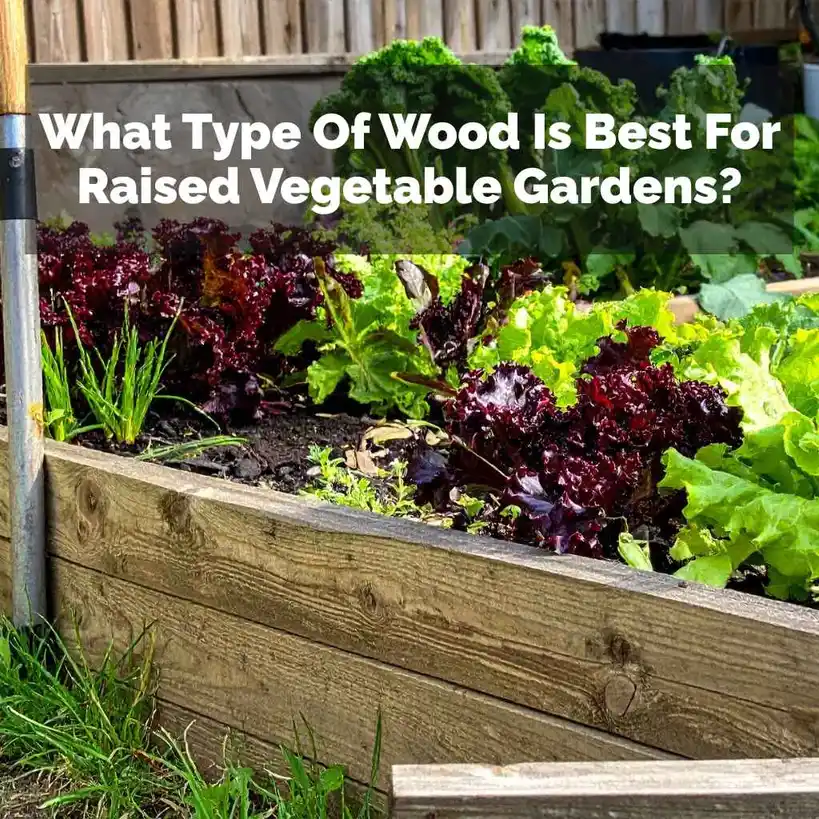
What Type Of Wood Is Best For Raised Vegetable Gardens?
The best woods for raised vegetable gardens are those that are naturally rot-resistant and safe to be around food. Cedar, redwood, and black locust are top choices for their longevity and minimal chemical leaching. Pine and fir are more affordable but need protection or replacement sooner. Avoid treated lumber unless specifically rated safe for food gardens.
Understanding Wood Choices for Your Garden Beds
When you build a raised garden bed, you want it to last. You also want it to be safe for the plants you plan to eat. Wood is a popular choice for garden beds.
For a related vegetable-garden decision, Is Weathershield Wood Safe For Vegetable Gardens? adds another practical check before you choose materials or treatments.
For a related vegetable-garden decision, Is Pressure Treated Wood Safe For Vegetable Gardens? adds another practical check before you choose materials or treatments.
For the broader gardening context, Advantages Of Raised Vegetable Gardens You Should Know gives readers a useful next step on the same topic.
It looks nice. It is easy to work with. But not all wood is created equal.
Some woods stand up to weather and bugs better. Others can break down quickly. Even worse, some woods might release chemicals into your soil.
This is bad for your plants and for you. We need wood that is both strong and safe.
Let’s look at the main things to think about. These include how long the wood will last. This is called its durability.
We also need to think about its cost. And, of course, its safety for growing food.
Why Wood Type Really Matters for Vegetable Gardens
Think about it. Your garden bed sits outside all year. It gets wet.
It gets dry. It deals with sun and sometimes snow. Bugs love to eat wood.
Fungi can make it rot. All these things try to break down your garden bed.
The wood you choose will affect how often you need to repair or rebuild your beds. If you pick a wood that rots fast, you might be building new beds every few years. That costs money and time.
It is frustrating, too.
More importantly, the wood can change your soil. Some woods have natural oils or chemicals that can leach out. These might not be good for your vegetables.
They could even hurt beneficial bugs in the soil. We want healthy soil for healthy food.
Personal Story: My First Garden Bed Fiasco
I remember my first attempt at raised beds. I was so excited to start growing tomatoes and peppers. I wanted them to be perfect.
I found some cheap lumber at the hardware store. It looked okay. It was pine, I think.
It was also very affordable.
I built four nice big beds. They looked great filled with fresh soil. My plants did well that first summer.
But by the next spring, I noticed something. The edges of the beds were soft. Some parts were mushy.
Little mushrooms were growing on them.
I had to replace the whole thing. It was a mess. And I worried about what might have leached into the soil.
That taught me a big lesson. You need to choose your wood wisely. Now, I know so much more.
Key Wood Properties for Raised Beds
Durability: How long the wood lasts outdoors. Natural rot resistance is key.
Safety: If the wood leaches harmful chemicals into soil.
Cost: The price of the lumber. Some durable woods cost more upfront.
Availability: How easy it is to find the wood in your area.
Top Wood Choices for Long-Lasting Garden Beds
Let’s talk about the best of the best. These woods are known for being tough. They can handle moisture and pests for many years.
They are often called “naturally rot-resistant” woods.
Cedar: The Go-To Choice
Cedar is perhaps the most popular wood for raised garden beds. There are a few types of cedar. Western Red Cedar is common in the West.
Eastern White Cedar is used more in the East.
Cedar has natural oils. These oils act like a shield. They help fight off bugs and rot.
This means cedar can last a very long time. Many people find their cedar beds last 10 to 15 years. Some even longer.
It’s also a beautiful wood. It has a nice reddish-brown color. It smells good, too.
And the best part? Cedar is generally considered safe for garden beds. The natural oils are not harmful to plants.
The main downside is cost. Cedar is more expensive than common pine or fir. But many gardeners feel the extra cost is worth it.
You get a bed that lasts much longer. You worry less about replacing it.
Cedar at a Glance
- Pros: Excellent rot and insect resistance, beautiful appearance, natural oils are safe for gardens, lasts 10-15+ years.
- Cons: Higher upfront cost.
Redwood: Nature’s Armor
Redwood is another fantastic option. Like cedar, it contains natural oils and tannins. These make it very resistant to decay and insects.
Redwood can also last for many years, often 15 to 20 years or more.
It has a beautiful reddish hue. It is strong and sturdy. Redwood is often used for outdoor projects like decks and fences because of its durability.
The biggest drawback for redwood is its price and availability. It is usually more expensive than cedar. It is also not as readily available in all parts of the U.S.
If you can find it and afford it, it’s a superb choice.
Redwood is considered safe for growing food. Its natural compounds protect it without needing chemical treatments.
Redwood at a Glance
- Pros: Superior rot and insect resistance, very long lifespan (15-20+ years), beautiful color, safe for gardens.
- Cons: Very expensive, can be hard to find.
Black Locust: The Tough Guy
Black locust is a lesser-known but incredibly durable wood. It is native to the eastern United States. This hardwood is known for its amazing strength and resistance to rot and insects.
Black locust is often compared to teak or oak for its toughness. It can last for 20 to 30 years or even longer in garden bed conditions. That is a very long time!
It is also a naturally safe wood for gardens. It doesn’t need any chemical treatments to protect it.
Why isn’t everyone using it? It can be harder to find than cedar or pine. It can also be more expensive.
But if you want a bed that will last a lifetime, black locust is worth looking into.
Black Locust at a Glance
- Pros: Extremely durable and rot-resistant, very long lifespan (20-30+ years), strong, safe for gardens.
- Cons: Can be expensive, availability varies.
Cypress: Another Good Natural Choice
Cypress is another wood with natural resistance to decay. It grows in swampy areas in the southeastern U.S. This means it’s used to wet conditions and has evolved to resist rot.
Cypress contains a natural oil called cypressene. This helps protect it from insects and fungal decay. A cypress garden bed can last 10 to 15 years, similar to cedar.
It has a nice, light color. It is a good option if you want a naturally durable wood. It is generally considered safe for growing food.
The cost of cypress can be similar to cedar. Availability might be better in some regions than others.
Cypress at a Glance
- Pros: Good rot and insect resistance, lasts 10-15 years, natural oils are safe for gardens.
- Cons: Availability can be regional, cost is moderate to high.
Budget-Friendly Wood Options (With Caveats)
Not everyone has the budget for cedar or redwood. Luckily, there are more affordable options. However, these woods don’t last as long on their own.
You might need to do a bit more to help them out.
Pine and Fir: The Common Choices
Pine and fir are widely available. They are also usually the cheapest lumber options. This makes them very attractive for building garden beds.
You can build a large bed for not much money.
The problem? Untreated pine and fir rot very quickly. They are softwoods.
They have very little natural resistance to moisture or insects. You might be lucky to get 3 to 5 years out of a bed made from untreated pine or fir.
If you use these woods, you need to understand their limitations. You will likely need to replace them sooner. Or, you can try to protect them.
One common way to protect pine and fir is to line the inside of the bed. You can use a heavy plastic sheeting. Make sure it is food-grade plastic.
Staple it to the inside walls. This creates a barrier. It keeps the soil moisture from directly touching the wood as much.
Another option is to use wood sealants. But you must be very careful. Only use sealants that are labeled as food-safe and non-toxic.
Many common wood sealants are not safe for garden beds where you grow food.
Pine and Fir at a Glance
- Pros: Very affordable, widely available, easy to work with.
- Cons: Poor rot and insect resistance, short lifespan (3-5 years untreated), may require lining or special sealants.
Douglas Fir: A Bit Tougher
Douglas fir is often a bit stronger and more durable than standard pine. It’s a common structural wood. It has decent strength.
While better than basic pine, Douglas fir still doesn’t have the same natural rot resistance as cedar or redwood. It will likely last longer than untreated pine, perhaps 5 to 7 years, but it’s still not a long-term solution without protection.
Like pine, it can be lined with food-grade plastic to extend its life. You must also ensure it is not chemically treated.
Douglas Fir at a Glance
- Pros: Good strength, more durable than pine, affordable.
- Cons: Moderate rot resistance, lifespan is fair (5-7 years untreated), may need lining.
What About Treated Lumber? (The Big Question!)
This is something many people ask. Treated lumber is very resistant to rot and insects. It lasts a long time.
It’s also often cheaper than naturally rot-resistant woods.
The problem is what “treated” means. For many years, lumber was treated with a chemical called Chromated Copper Arsenate (CCA). This chemical contained arsenic.
Arsenic is a poison. It is definitely not safe to have in soil where you grow food.
Because of health concerns, CCA-treated lumber is no longer used for residential applications in the U.S. It’s mainly used for things like decks or utility poles where it won’t directly touch food.
Today, most treated lumber uses alkaline copper quaternary (ACQ), copper azole (CA), or micronized copper quaternary (MCQ). These are copper-based. Copper is less toxic than arsenic.
However, there are still concerns about copper leaching into the soil over time.
Some sources say that modern treated lumber is safe. They say the chemicals are less likely to leach. Other gardeners and experts recommend avoiding it altogether for vegetable gardens.
They prefer to err on the side of caution.
If you must use treated lumber, look for wood specifically labeled for “ground contact” and also rated for “food-use” or “garden use.” Some manufacturers are starting to offer this. But even then, many gardeners prefer to use a liner.
A thick, food-grade plastic liner is a good idea if you use treated wood. This creates a barrier between the soil and the treated wood. However, even with a liner, some people still feel uneasy about it.
It’s a personal choice.
My advice? If you can avoid treated lumber for your food garden, do it. The risk, however small, isn’t worth it for me.
I’d rather invest in naturally safe woods or accept that cheaper woods will need replacing.
Treated Lumber: A Word of Caution
Old Treated Lumber (CCA): Contains arsenic. Absolutely AVOID for food gardens.
New Treated Lumber (ACQ, CA, MCQ): Copper-based. Safer than old types, but still a potential concern for leaching. Use with a food-grade plastic liner if you choose this option.
Recommendation: If possible, opt for naturally rot-resistant, untreated woods for growing edible plants.
What About Other Materials?
Wood isn’t the only option for raised beds. Sometimes comparing helps you decide.
Composite Lumber: Looks Like Wood, Lasts Longer
Composite lumber is made from recycled plastic and wood fibers. It looks a lot like wood. It doesn’t rot or get eaten by bugs.
It’s very durable. It can last 20 years or more. The downside is cost.
Composite lumber is often more expensive than cedar. Also, some people worry about plastics breaking down and leaching into the soil.
There isn’t a lot of long-term research on composite lumber in vegetable gardens. If you choose this, look for products made from recycled materials.
Concrete Blocks or Bricks: Permanent and Safe
Concrete blocks or bricks make very sturdy raised beds. They are very durable. They don’t rot or decay.
They are also safe for growing food. They won’t leach harmful chemicals. The main issues are cost and labor.
They can be heavy and hard to move. They are a more permanent solution.
Metal Raised Beds: Modern and Durable
Corrugated metal panels are popular. They look modern. They are very durable and don’t rot.
They can heat up in the sun. Make sure to choose food-grade metal. Galvanized metal might have zinc that could potentially leach.
Newer options are often powder-coated or made of stainless steel, which are safer.
Real-World Context: Where and How You Build Matters
Even the best wood won’t last forever if it’s not placed correctly.
Ground Contact is Tough on Wood
Wood that is always in contact with wet soil will rot faster. This is why lining beds is a good idea. It keeps moisture away from the wood.
You can also elevate your beds slightly. Place them on a layer of gravel. Or use small concrete blocks under the corners.
This allows air to circulate. It helps the wood dry out between rains.
Climate Plays a Role
If you live in a very humid or rainy climate, your wood will work harder. It will be exposed to more moisture. This means rot can set in faster.
In dry climates, wood might last longer. But the sun can still dry it out and cause it to crack over time.
Consider your local weather. This can help you decide how much you want to invest in durable wood versus a cheaper option that you’ll replace.
Building Habits for Longevity
How you build your beds matters. Make sure your joints are strong. Use good screws, not nails.
Stainless steel or coated screws will resist rust better.
If you use a liner, make sure it covers the inside walls completely. Overlap seams. This stops water from seeping behind it.
Regularly check your beds. Look for any signs of rot or damage. Small repairs early can stop big problems later.
What This Means for You: Making the Right Choice
So, what’s the best wood for your raised garden beds?
When Cedar or Redwood Is Your Best Bet
If you want a set-it-and-forget-it solution for many years, go for cedar, redwood, or black locust. Yes, they cost more upfront. But you save money and hassle in the long run.
You get peace of mind knowing your soil is safe. You can focus on growing your vegetables. These woods are a solid investment for serious gardeners.
When Pine or Fir Might Be Okay
If you’re on a tight budget, or you’re just starting out and want to test the waters, pine or fir can work. Just be prepared for them to not last as long.
Make sure you use a good food-grade liner. This is the most important step for making these cheaper woods last longer and stay safer.
You might also consider smaller beds made from pine. Or perhaps beds that you plan to replace every few years. This can be a valid strategy.
When to Worry About Treated Lumber
My strong advice is to avoid old CCA-treated lumber entirely. For newer treated lumber, consider it carefully. If you use it, a thick food-grade liner is a must.
But many experienced gardeners still choose to avoid it for food crops.
Quick Fixes & Tips for Extending Wood Life
Here are a few extra tips to help any wood last longer:
- Lining is Key: Use thick, food-grade plastic sheeting (like pond liner or heavy-duty construction plastic) on the inside walls. Staple it securely.
- Good Drainage: Ensure your beds drain well. Don’t let water sit around the base of the wood.
- Airflow Matters: If possible, allow some air to get under the beds. Small risers or a gravel base help.
- Inspect Regularly: Check your beds each season for any soft spots or rot.
- Consider Sealants (with caution): If you use sealants, they MUST be 100% food-safe and non-toxic. Many common sealants are not.
Frequent Questions About Raised Garden Bed Wood
What is the safest wood for vegetable garden beds?
The safest woods are those that are naturally rot-resistant and don’t require chemical treatments. Cedar, redwood, black locust, and cypress are excellent choices because they contain natural oils that protect them from decay and insects, and these oils are harmless to plants and soil.
How long will cedar garden beds last?
Cedar garden beds can last a long time, typically between 10 to 15 years. Some gardeners report their cedar beds lasting even longer, up to 20 years, depending on the climate and how well they are maintained. The natural oils in cedar make it highly resistant to rot and insects.
Can I use pressure-treated lumber for my vegetable garden?
It is generally recommended to avoid using old pressure-treated lumber (treated with CCA, containing arsenic) for vegetable gardens. Newer treated lumber (using ACQ, CA, or MCQ) is considered safer, but many gardeners still prefer to use a food-grade plastic liner between the wood and the soil to minimize any potential chemical leaching. For the safest option, untreated naturally rot-resistant woods are preferred.
What is the cheapest wood I can use for raised beds?
The cheapest wood options are usually untreated pine and fir. However, these woods have very poor rot resistance and will only last about 3 to 5 years. If you choose pine or fir, it’s highly recommended to line the inside of the bed with food-grade plastic sheeting to help extend its lifespan and protect your soil.
Should I line my raised garden beds with plastic?
Lining your raised garden beds with plastic is a good idea, especially if you are using less durable woods like pine or fir, or if you are concerned about treated lumber. Use a thick, food-grade plastic that covers the inside walls completely. This barrier helps protect the wood from soil moisture and can prevent chemicals from leaching into the soil, extending the life of your bed.
How can I make my wooden raised beds last longer?
To make wooden raised beds last longer, choose naturally rot-resistant woods like cedar or redwood. Always line the inside of the beds with a food-grade plastic barrier to protect the wood from constant moisture. Ensure good drainage around and under the beds so water doesn’t pool.
Inspect the wood regularly for any signs of decay and make minor repairs as needed.
Conclusion
Choosing the right wood for your raised vegetable garden is a balance. You weigh cost, lifespan, and safety. Naturally rot-resistant woods like cedar and redwood offer the best longevity and peace of mind.
Budget-friendly options like pine and fir can work, but require careful lining. Prioritize your food’s safety. Pick a wood that fits your needs and budget.
Happy gardening!