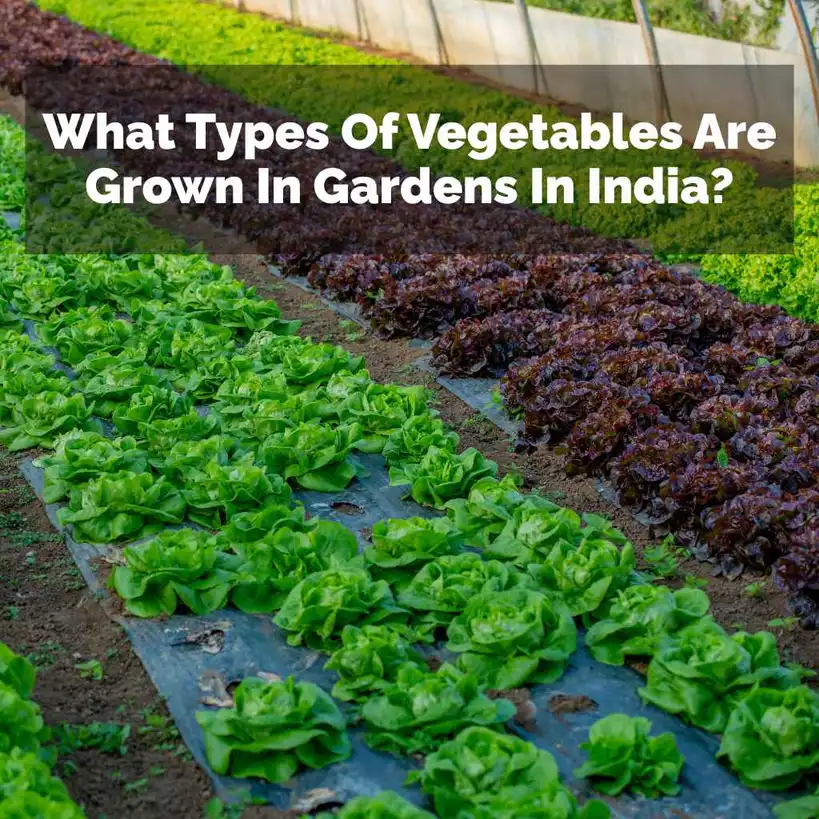
What Types Of Vegetables Are Grown In Gardens In India?
Understanding what vegetables grow well in Indian gardens can feel like a puzzle. So many factors play a role, from the scorching sun of Rajasthan to the heavy monsoons in Kerala. You might be wondering if your favorite okra is a year-round dream or a seasonal treat.
For a related vegetable-garden decision, What Are Considered Fall Vegetables for Gardens? Full List adds another practical check before you choose materials or treatments.
For a related vegetable-garden decision, What Kinds Of Vegetables Do People Grow In Home Gardens? adds another practical check before you choose materials or treatments.
For a related vegetable-garden decision, What Are The Most Common Vegetables Grown In Home Gardens? adds another practical check before you choose materials or treatments.
Or perhaps you’re just starting out and want to know which plants will actually thrive in your local climate. It’s a common frustration for gardeners, wanting to grow fresh food but feeling unsure where to begin. This guide will clear things up.
Indian gardens are incredibly diverse. They grow a wide range of vegetables, from common staples like tomatoes and onions to regional favorites like drumsticks and bitter gourd, depending on climate, soil, and season.
The Colorful World of Indian Garden Vegetables
Indian gardens are truly a sight to behold. They burst with a vibrant array of vegetables that feed families and add flavor to countless dishes. What makes Indian gardening so special is its adaptability. People grow food in small urban balconies, sprawling village fields, and everything in between. This means there’s a vegetable for almost any space or climate you can imagine across India.
The types of vegetables grown really depend on where you are. North India has cooler winters perfect for root vegetables. The South enjoys warmth for heat-loving crops. East India’s monsoons are great for leafy greens and gourds. West India’s dry heat has its own unique set of produce. This incredible variety means that “Indian vegetables” isn’t just one list. It’s a living, breathing collection that changes with the land and the seasons.
Understanding the Growing Seasons
In India, the agricultural calendar is often divided into three main seasons. These are Kharif, Rabi, and Zaid. Knowing these seasons helps understand when certain vegetables are typically planted and harvested.
Kharif crops are mostly grown during the monsoon. They need plenty of water. Rabi crops are planted in winter and harvested in spring. They prefer cooler weather. Zaid is a short season in summer between Rabi and Kharif. It’s good for quick-growing fruits and vegetables.
This seasonal cycle is key to successful gardening. It’s not just about what you can grow, but when is the best time to grow it. This ensures healthier plants and better yields. It also means the types of vegetables available in your local market change throughout the year. It’s a natural rhythm that gardeners have followed for centuries.
Key Vegetable Categories in Indian Gardens
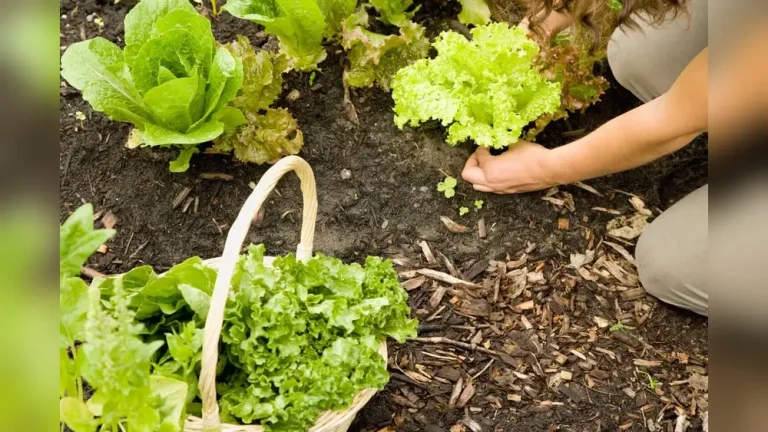
Leafy Greens: Think spinach (palak), fenugreek leaves (methi), and mustard greens (sarson). They grow fast and are packed with nutrients.
Fruiting Vegetables: This is a huge group! Tomatoes, chilies, eggplants (baingan), okra (bhindi), and gourds like bottle gourd (lauki) and ridge gourd (turai) fall here.
Root Vegetables: Carrots, radishes (mooli), beets, and potatoes are common, especially in cooler regions.
Legumes: Beans, peas, and lentils are vital. Many are grown for their pods, like cluster beans (gawar) or French beans.
Alliums: Onions and garlic are foundational in Indian cooking and are widely grown.
Common Staples That Thrive Across India
Some vegetables are so popular and adaptable they seem to grow everywhere. These are the backbone of many Indian meals. If you’re looking for reliable choices for your garden, these are a great start.
Tomatoes are almost universally loved. They need sun and well-drained soil. You can grow them in pots or beds. Chilies, in their many forms, are another must-have. Indian cuisine uses them for heat and flavor. They love warm weather and plenty of sunshine.
Onions and garlic are essential. They form the base of most curries. They can be grown from seeds or sets. Okra, or bhindi, is a summer favorite. It thrives in heat and produces prolifically. Eggplants, or baingan, also love the sun. They come in many shapes and sizes.
These vegetables are often forgiving. They can handle a range of conditions. This makes them ideal for home gardeners. Even with limited space, you can often grow a good supply of these staples. Their popularity means seeds are easy to find. Many experienced gardeners are happy to share tips for growing them.
Regional Stars: Vegetables Unique to Certain Areas
Beyond the common ones, India boasts a rich tapestry of regional vegetables. These are often tied to specific local cuisines and growing conditions. Exploring these adds a unique touch to your garden.
In South India, you’ll find drumsticks (moringa). The pods are used in sambar and curries. They grow on the moringa tree, which is almost like a vegetable itself. Kovakkai (ivy gourd) is another South Indian favorite, growing on vines and producing small, tasty fruits. Ash gourd (petha) is used in sweets and savory dishes and needs a lot of space to spread.
Eastern India is known for its amazing variety of gourds. Potol (pointed gourd) and kundri (lesser yam) are common. Lauki (bottle gourd) and turai (ridge gourd) are also very popular in many parts of India, but especially feature in Bengali and Odia cuisine.
In Western India, gawar (cluster beans) is a staple. It’s a sturdy plant that tolerates heat and drier conditions. Karela (bitter gourd) is grown throughout India but is particularly valued for its health benefits and unique flavor.
Growing Your Own: Practical Tips for Home Gardens
Starting your own vegetable garden can be incredibly rewarding. You get fresh, healthy produce right at your doorstep. It’s also a wonderful way to connect with nature. Here are some practical tips for getting started, keeping Indian conditions in mind.
First, choose your spot. Most vegetables need at least six hours of sunlight a day. Look for a sunny balcony, a small backyard patch, or even a well-lit windowsill for pots. Good light is crucial for most fruiting vegetables.
Next, select your soil. Good soil is the foundation of a healthy garden. If you’re planting in the ground, improve it with compost. For pots, use a good quality potting mix. Make sure it drains well. Soggy soil can kill many plants.
Then, pick your plants. Start with a few easy-to-grow vegetables. Tomatoes, chilies, okra, and leafy greens are great beginner choices. Think about what your family likes to eat. Also, consider what grows well in your specific climate. Local advice from nurseries or experienced gardeners is invaluable here.
Watering is critical. Water deeply but less often. Check the soil moisture with your finger. If the top inch is dry, it’s time to water. Avoid overwatering, which can lead to root rot. Early morning is the best time to water.
Finally, pest and disease control. Healthy plants are less likely to get sick. Use organic methods whenever possible. Neem oil is a popular natural pesticide. Companion planting can also help deter pests. Ladybugs and other beneficial insects are your friends.
A Gardener’s Tale: My First Brinjal Patch
I remember my first attempt at growing brinjal (eggplant) a few years back. It was during a hot, dry spell in May. I’d bought these little seedlings from the market, full of hope.
I planted them in my small backyard patch, thinking they’d just take off. I watered them dutifully every day, giving them lots of fresh water. But the leaves started to look droopy, even with all that watering.
I was so confused. My neighbor, an older lady who’d been gardening for decades, saw me fussing. She chuckled and told me, “Brinjal likes it hot, but it also needs deep roots to find water.
Water it thoroughly once, let the soil dry a bit, then water deep again. And make sure it’s protected from the harshest midday sun when it’s young.” It was a lightbulb moment! I adjusted my watering.
I even put up a little shade cloth for the hottest part of the day. Slowly, those little plants perked up. Soon, I had small, shiny eggplants appearing.
It taught me that understanding a plant’s specific needs is more important than just basic care. It was a small victory, but it felt huge.
The Importance of Leafy Greens
Leafy greens are nutritional powerhouses. They are also relatively easy to grow in many parts of India. Their quick growth cycle makes them ideal for gardeners who want fast results.
Spinach, or palak, is a prime example. It grows well in cooler weather but can also tolerate some heat if given partial shade. It’s ready to harvest in about 4-6 weeks. You can often harvest the outer leaves and let the plant keep growing.
Fenugreek leaves, or methi, are another popular choice. Their slightly bitter, nutty flavor is unique. They grow very quickly, often within 3-4 weeks. Mustard greens, or sarson, are also common, especially in North India. They prefer cooler temperatures.
Other greens like amaranth (chaulai) and coriander (dhania) are also widely cultivated. Amaranth is very heat tolerant. Coriander can be grown for its leaves and seeds. These greens are packed with vitamins and minerals. Growing them yourself ensures they are fresh and free from unwanted chemicals.
Root Vegetables: Grounding Your Garden
Root vegetables are essential in Indian cuisine. They add substance and sweetness to dishes. Their cultivation often depends on cooler temperatures.
Carrots are grown in many regions. They prefer loose, sandy soil. They need about 2-3 months to mature. Radishes, or mooli, are much faster. Some varieties are ready in just 3-4 weeks. They are crisp and add a peppery bite.
Beets are grown for both their roots and their greens. They prefer cooler weather and can be harvested in about 2 months. Potatoes are a major crop in India. While they need more space, home gardeners can grow a good amount in larger containers or beds. They take about 3-4 months to mature.
These vegetables grow underground. This means their growth isn’t always visible. It requires patience. But the reward of pulling up a fresh carrot or potato from your own garden is immense. They store well too, meaning you can enjoy them for longer periods.
Quick Scan: Common Indian Garden Vegetables by Season
| Season | Vegetable Examples |
|---|---|
| Monsoon (Kharif) | Okra, Gourds (Bottle, Ridge, Bitter), Corn, Beans, Turmeric, Ginger |
| Winter (Rabi) | Tomatoes, Cauliflower, Cabbage, Peas, Spinach, Radishes, Carrots, Potatoes |
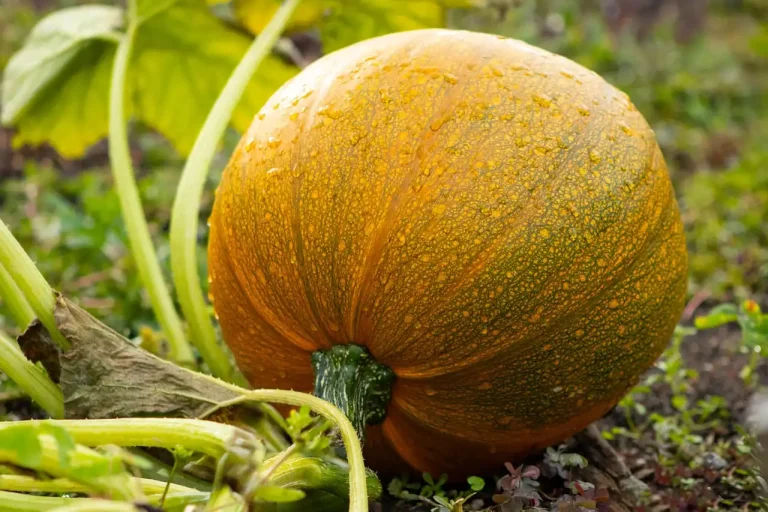
| Summer (Zaid) | Melons, Cucumbers, Pumpkins, some Beans |
Fruiting Vegetables: The Stars of Many Dishes
This category is perhaps the most diverse and popular in Indian gardens. These are the vegetables that produce fruits, botanically speaking. They are the backbone of curries, stir-fries, and snacks.
Tomatoes are a must. They need sun and support, like stakes or cages. They can get diseases, so choosing resistant varieties is good. Chilies are essential for heat. They come in mild to fiery varieties. They love heat and sun.
Eggplants (brinjal) are versatile. They can be grown in pots or ground. They need consistent watering. Okra (bhindi) is a summer favorite. It’s very productive in hot weather. It likes well-drained soil.
Cucumbers are refreshing and grow quickly. They need space to vine or can be grown vertically. Peppers (capsicum) are also popular. They prefer warm weather and can be grown alongside tomatoes.
Gourds are a huge family. Bottle gourd (lauki) is mild and hydrating. Ridge gourd (turai) is slightly different in texture. Bitter gourd (karela) is known for its health benefits and strong taste. These often need trellises to climb.
Legumes and Pods: Protein Powerhouses
Beans, peas, and other legumes are vital crops. They not only provide protein but also enrich the soil by fixing nitrogen.
Green beans (French beans) are easy to grow and productive. They come in bush and pole varieties. Peas are a cool-season crop. They need support to climb. Cluster beans (gawar) are very hardy and tolerate heat well.
Cowpeas (lobia) are also common. They are drought-tolerant and grow vigorously. Many types of lentils are grown agriculturally, but home gardeners might focus on podded varieties. Growing legumes is a smart choice for soil health and nutrition.
Herbs and Spices from Your Garden
While not strictly vegetables, many herbs and spices are grown alongside them. They add immense flavor and aroma to cooking.
Coriander (dhania) is grown for its leaves and seeds. It can bolt (go to seed) quickly in heat. Mint (pudina) is very easy to grow and can be invasive, so growing it in a pot is often best. Curry leaves grow on a small tree and are essential for South Indian cooking.
Ginger and turmeric are root spices that grow well in warm, humid climates. They need rich soil and some shade. Growing these fresh ingredients elevates your cooking. They also have many health benefits.
Myth vs. Reality: Common Garden Concerns
Myth
You need a huge garden to grow vegetables.
Reality
Many vegetables, like tomatoes, chilies, and leafy greens, grow perfectly well in pots on balconies or windowsills.
Myth
Gardening is too difficult for beginners.
Reality
Starting with easy-to-grow plants like spinach, radishes, or okra can build confidence. Patience and learning are key.
What This Means for Your Garden
Knowing the types of vegetables grown in India means you can tailor your garden to your specific needs and location. It’s about making informed choices.
First, understand your climate. Are you in a hot, dry region? Or a humid, tropical one? Do you have distinct wet and dry seasons? This will dictate which plants will thrive. For instance, in very hot areas, focus on heat-tolerant crops like okra, chilies, and gourds during the hottest months. In cooler periods, switch to greens, root vegetables, and peas.
Second, consider your space. A small balcony garden is perfect for herbs, tomatoes in pots, and leafy greens. A larger backyard allows for root vegetables, sprawling gourds, and even small trees like curry leaf or moringa.
Third, think about your family’s diet. What vegetables do you use most? Grow those. It reduces your grocery bill and ensures you have the freshest produce. Growing a small amount of your family’s favorite vegetables brings immense satisfaction.
Finally, learn from local gardeners. They have hands-on experience. They know which varieties do best locally. They understand the soil and water conditions. Don’t hesitate to ask for advice. Many are eager to share their knowledge. This local expertise is often more valuable than any book.
When to Worry and When to Relax
It’s natural to feel concerned when your plants aren’t doing as expected. However, understanding normal plant behavior versus problems is important.
Normal:
A few yellow leaves, especially on older plants.
Slight wilting during the hottest part of the day, which recovers in the evening.
Occasional small holes in leaves from minor insect activity.
Slow growth during unfavorable weather (too hot, too cold, too wet).
Concerning:
Widespread yellowing of leaves, especially if accompanied by stunted growth.
Persistent wilting that doesn’t recover.
Visible signs of major pest infestation (large colonies of insects, chewed leaves).
Signs of fungal diseases like powdery mildew or blight.
Plants failing to flower or set fruit without a clear environmental reason.
If you see concerning signs, the first step is often to identify the problem. Is it a pest? A disease? A nutrient deficiency? Or a watering issue? Many resources, including local agricultural extension offices or experienced gardeners, can help diagnose problems. Often, a simple adjustment in watering, pest management, or soil amendment can resolve the issue. Don’t be discouraged by setbacks; they are part of the learning process.
Quick Tips for a Flourishing Indian Garden
Here are some easy-to-implement tips to help your Indian vegetable garden flourish.
Compost is King: Regularly add compost or well-rotted manure to your soil. This improves soil structure, fertility, and water retention.
Mulch Matters: Use organic mulch like straw or dry leaves around your plants. This helps retain soil moisture, suppresses weeds, and keeps the soil temperature even.
Companion Planting: Grow certain plants together that benefit each other. For example, marigolds can deter nematodes, and basil is said to improve tomato flavor and repel flies.
Prune Wisely: For plants like tomatoes and certain gourds, pruning can improve air circulation and fruit production. Research specific pruning needs for each plant.
Harvest Regularly: Picking vegetables when they are ripe encourages the plant to produce more. Don’t let produce stay on the plant past its prime.
Observe Daily: Spend a few minutes in your garden each day. This helps you spot problems early and appreciate the growth.
Frequently Asked Questions About Indian Garden Vegetables
What are the easiest vegetables for beginners to grow in India?
Some of the easiest vegetables for beginners include spinach (palak), radishes (mooli), okra (bhindi), chilies, and tomatoes. These plants are generally hardy and forgiving, requiring basic care like sunlight and regular watering.
Can I grow vegetables on my balcony in India?
Yes, absolutely! Many vegetables thrive in pots. Good options for balconies include tomatoes, chilies, eggplant, leafy greens like spinach and coriander, and smaller varieties of gourds and beans.
Ensure pots have drainage holes and use good potting mix.
What is the best time to plant most vegetables in India?
The planting time depends heavily on the region and the specific vegetable. Generally, leafy greens and root vegetables prefer cooler weather (winter months), while fruiting vegetables like tomatoes, chilies, and gourds thrive in warmer seasons. Monsoon is ideal for many gourds and some beans.
Always check specific planting guides for your local area.
How do I deal with common pests in my Indian vegetable garden?
Common pests include aphids, whiteflies, and caterpillars. Natural methods are best. Neem oil spray is effective for many insects.
Introduce beneficial insects like ladybugs. Handpicking larger pests can also work. Maintaining plant health through good soil and watering makes plants more resistant.
Are there specific vegetables that grow well in very hot Indian summers?
Yes, several vegetables love the heat. Okra (bhindi) is a top choice. Chilies also thrive.
Various gourds like bottle gourd (lauki) and ridge gourd (turai) do well. Sweet potatoes and certain heat-tolerant beans are also good options. Providing some afternoon shade can help prevent scorching.
What are some less common but rewarding vegetables to try growing?
You could try growing ingredients like turmeric and ginger in warmer, humid areas. Regional gourds like potol or kundri can be rewarding if available. Amaranth (chaulai) is a nutritious green that grows vigorously.
Even growing specialty chili varieties can be fun.
Bringing It All Together: Your Garden’s Potential
Exploring the world of vegetables grown in Indian gardens reveals an incredible diversity. It’s a testament to India’s varied climates and rich agricultural heritage. From the humble tomato to the regional delight of drumsticks, there’s a vegetable for every gardener and every plate.
The joy of growing your own food is immense. It connects you to the earth and provides the freshest ingredients. Whether you have a large plot or a small pot on a balcony, you can cultivate a thriving vegetable garden. Start with what you love, observe your plants, and don’t be afraid to learn as you grow. Happy gardening!