Are Vegetable Gardens Worth Your Time? Honest Take Here
Every spring, the allure of homegrown tomatoes, crisp lettuce, and fragrant basil tempts millions to dig, plant, and nurture a vegetable garden . The glossy images of overflowing harvest baskets and the promise of fresh, organic produce spark dreams of a greener, more sustainable lifestyle. But as the seasons pass, the realities of weeding, watering, pests, and unpredictable weather can leave many wondering: Are vegetable gardens truly worth your time?
This honest, data-driven guide dives deep into the tangible and intangible returns of growing your own food. We’ll examine costs, benefits, and challenges, drawing from research, expert opinions, and real-world examples. Whether you’re a first-time gardener or a seasoned grower evaluating your commitment, this comprehensive analysis will help you decide if investing time and effort into a vegetable garden aligns with your goals, values, and lifestyle.
Key Takeaways
- Vegetable gardening offers both tangible (food, cost savings) and intangible (well-being, learning) benefits.
- Upfront and ongoing costs can vary widely depending on garden size, setup choices, and crop selection.
- The time investment is significant but can be managed with planning and efficient practices.
- Environmental impact is generally positive, especially when using organic methods and local resources.
- Not all gardens yield substantial financial savings; climate, soil, and experience play key roles.
The True Costs Of Vegetable Gardening
The first step in evaluating whether vegetable gardens are worth your time is understanding the financial, time, and opportunity costs involved. These expenses can range from minimal for a few container plants to significant for larger, in-ground gardens.
Upfront Financial Investment
Starting a vegetable garden typically requires:
- Seeds or seedlings
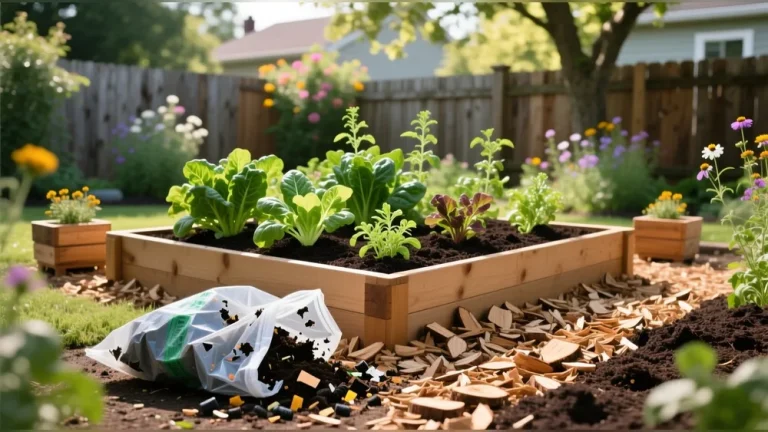
- Soil amendments (compost, fertilizer)
- Garden tools
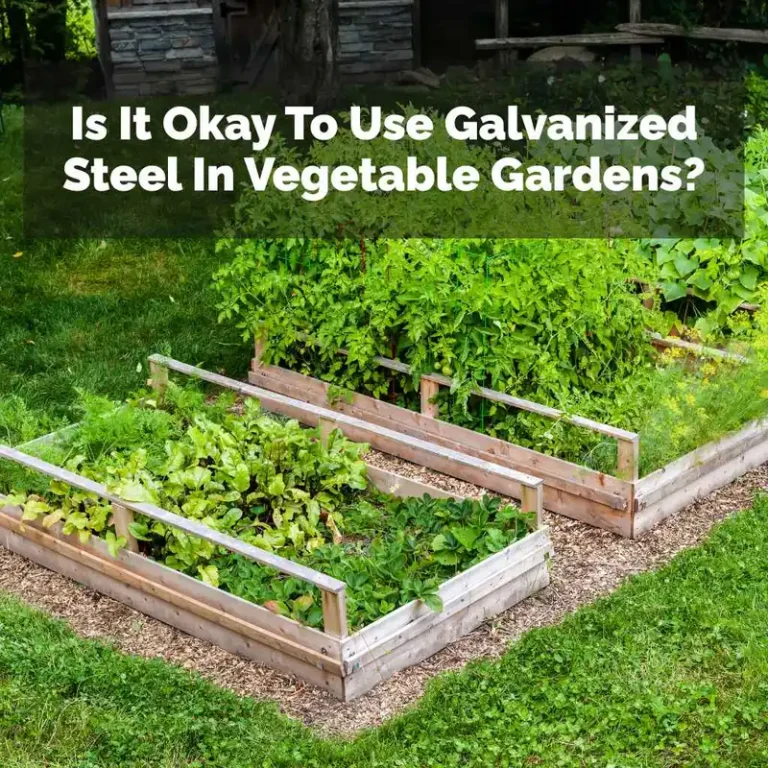
- Raised beds or containers
- Irrigation equipment
According to the National Gardening Association, the average American home garden costs about $70 to start and $100–$200 per year to maintain, though costs can climb for larger or more ambitious setups. These figures reflect averages, and actual costs can vary significantly depending on geographic location, soil quality, and whether you opt for organic or conventional supplies.
For example, city dwellers may need to invest in containers and imported soil, while suburban or rural gardeners with access to fertile ground may spend less. Organic gardening supplies—such as organic compost, mulch, or heirloom seeds—often carry a premium but may offer longer-term benefits through improved soil health and biodiversity.
| Expense Category | Typical Range (Small Garden) | Typical Range (Large Garden) |
|---|---|---|
| Seeds/Plants | $15–$40 | $60–$150 |
| Soil/Compost | $20–$50 | $75–$200 |
| Tools & Supplies | $30–$70 | $100–$250 |
| Irrigation | $10–$25 | $50–$120 |
| Total | $75–$185 | $285–$720 |
Beyond these basics, some gardeners opt for extras like fencing, trellises, grow lights, or soil testing kits to maximize results. Investing in durable tools pays off in future seasons, as quality hand tools, watering cans, and gloves can last for years, reducing recurring costs.
Example of Expanded Financial Considerations:
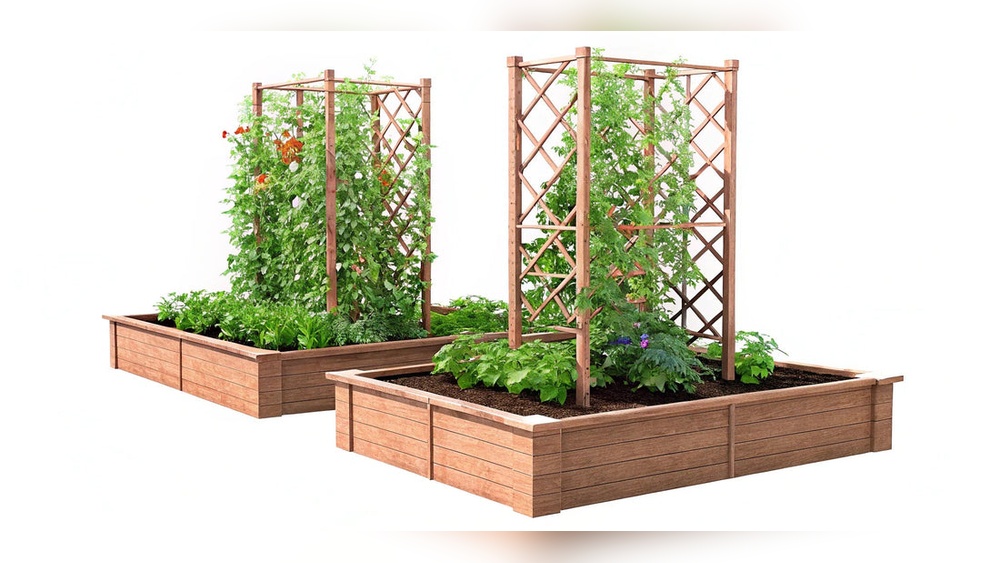
If you decide to start with a modest 4×8-foot raised bed, you might spend $100 on lumber, $50 on soil, $25 on seeds, and $30 on basic tools. Over time, costs can decrease as you reuse materials, propagate plants from cuttings, or compost kitchen scraps for free fertilizer.
Advanced gardeners often purchase drip irrigation systems, which cost $50–$120 but save time and water in the long run.
Ongoing Time Commitment
Time is a precious resource. Gardening tasks include:
- Planning and planting (8–15 hours/season)
- Weeding, watering, and maintenance (1–3 hours/week)
- Harvesting and processing (10–20 hours/season)
A 2014 study found that the average home gardener spends around 5 hours per week during peak season, though experienced gardeners often streamline their routines. The time spent can fluctuate based on garden size, plant selection, and whether you grow from seeds or seedlings.
Expanded Time Analysis:
Planning involves researching optimal planting times, companion planting, and crop rotation strategies. Early in the season, gardeners may spend extra hours prepping beds, amending soil, and transplanting seedlings. As plants mature, weekly maintenance shifts to watering (especially during dry spells), inspecting for pests, and thinning or staking plants.
Harvest time can be labor-intensive, especially for crops like beans or tomatoes that require frequent picking.
For those who preserve their harvest—canning, freezing, or drying—additional time is required. Processing 20 pounds of tomatoes into sauce, for example, can take 4–6 hours including washing, blanching, cooking, and storing. However, many gardeners find these activities rewarding and involve family members to share the workload.
Opportunity Cost
Every hour spent in the garden is an hour not spent elsewhere. Consider:
- Other hobbies or work
- Family or leisure time
- Monetary value of your time
If your hourly rate is high, the cost-benefit equation changes compared to someone with more flexible time. For some, gardening becomes a preferred leisure activity, balancing out opportunity costs with enjoyment and satisfaction. For others, especially those with demanding jobs or young children, the opportunity cost may outweigh the tangible returns.
Expanded Opportunity Cost Example:
If you earn $40/hour and spend 50 hours per season gardening, the theoretical opportunity cost is $2,000. However, if gardening replaces gym time, therapy, or entertainment, the value may be recouped through physical and mental health benefits. It’s crucial to evaluate not just monetary opportunity cost but also the qualitative value—such as relaxation, learning, or family bonding—that gardening provides.
Real-world Example: The Suburban Starter
Case Study: Jane, a first-time gardener in Ohio, set up a 100 sq. ft. raised bed with $250 in materials and supplies, spending an average of 2 hours per week. Her first-year harvest was modest (about 60 lbs. of produce), but the learning curve and satisfaction were high.
Expanded Details:
Jane’s experience reflects common beginner outcomes. She faced unexpected challenges—poor soil drainage, aphid infestations, and inconsistent watering—but learned to amend soil with compost, mulch to retain moisture, and use organic pest controls. In her second year, she reduced costs by reusing tools and saving seeds, and her harvest nearly doubled.
The incremental gains illustrate how experience and skill development improve returns over time.

Harvesting The Rewards: What Do You Get Back?
While costs are measurable, the benefits of vegetable gardening are multifaceted, spanning financial, nutritional, psychological, and environmental domains.
Financial Returns
The USDA reports that a well-maintained home vegetable garden yields $600–$800 worth of produce per year on average. However, actual savings depend on:
- Crop selection (high-value crops like tomatoes, peppers, greens)
- Market prices in your area
- Garden productivity and losses (pests, weather, mistakes)
Growing specialty crops—such as heirloom tomatoes, gourmet lettuce, or culinary herbs—can increase financial returns, as these items are expensive at local stores and farmers markets. In contrast, low-cost staples (potatoes, onions) may not justify the effort unless grown in bulk.
Expanded Example:
A gardener who focuses on cherry tomatoes ($4/lb), basil ($2/oz), and salad greens ($3/bunch) can easily recoup costs compared to purchasing these items weekly. If your garden yields 15 lbs. Of cherry tomatoes, 2 lbs. Of basil, and 10 lbs.
Of greens, you save over $100 just on these crops. In regions with high food prices or limited access to fresh produce, home gardening becomes even more economically attractive.
| Crop | Avg. Yield/10 sq. ft. | Retail Value |
|---|---|---|
| Tomatoes | 15–20 lbs | $30–$45 |
| Lettuce/Greens | 10–12 lbs | $20–$30 |
| Peppers | 8–10 lbs | $18–$25 |
| Herbs (Basil, etc.) | 2–3 lbs | $30–$40 |
Long-term Financial Considerations:
As skills improve, gardeners minimize losses from pests or disease, increase yields, and save on recurring costs through seed saving and composting. Some advanced gardeners supplement their income by selling excess produce or seedlings, or by trading with neighbors.
Nutritional Value
Homegrown vegetables are typically:
- Fresher than store-bought
- Higher in vitamins (especially vitamin C and antioxidants)
- Free from unwanted pesticides (if grown organically)
A 2026 Harvard study found that children in gardening households consumed 30% more vegetables than the national average. The freshness of homegrown produce ensures optimal nutrient retention, as vitamin C and certain antioxidants degrade quickly after harvest.
Expanded Nutritional Benefits:
Homegrown carrots, for example, contain up to 25% more beta-carotene when harvested and eaten within a day, compared to supermarket carrots stored for weeks. Leafy greens like spinach and kale retain their crispness and flavor when picked just before meals.
Many gardeners report improved flavor and texture in homegrown produce, motivating increased consumption and healthier eating habits.
Organic Gardening Impact:
By avoiding synthetic pesticides and fertilizers, gardeners reduce exposure to chemical residues. Organic practices also enhance soil health, leading to more nutritious crops over time. For households with food allergies or sensitivities, controlling inputs is particularly valuable.
Mental And Physical Health Benefits
Gardening is proven to:
- Reduce stress and anxiety (per American Psychological Association)
- Increase physical activity
- Boost mood and self-esteem
A large-scale 2020 review found that regular gardening reduced depression symptoms by up to 36%. The physical activity of digging, planting, and harvesting provides moderate exercise, often equivalent to walking or light gym routines. Gardening also encourages time outdoors, which can improve vitamin D intake and sleep quality.
Expanded Psychological Benefits:
Studies show that touching soil triggers serotonin release, a neurotransmitter linked to happiness. The act of nurturing plants, witnessing growth, and enjoying harvests offers a sense of accomplishment. For older adults, gardening may improve cognitive function and mobility, and for children, it builds responsibility and patience.
Environmental Impact
Benefits include:
- Reduced food miles and packaging waste
- Support for pollinators (with flowering vegetables)
- Improved soil health through composting and organic practices
For more on gardening’s environmental benefits, see EPA Sustainable Food Management.
Expanded Environmental Insights:
Home gardens help reduce reliance on industrial agriculture, which often involves intensive water use, monocultures, and chemical inputs. By composting kitchen waste, gardeners divert organic matter from landfills, reducing methane emissions and enriching soil. Planting pollinator-friendly crops—such as squash blossoms or herbs—supports local bee and butterfly populations, critical for ecosystem health.
Real-world Example: Urban Community Gardens
Case Study: The Green Thumb Project in New York City enabled 600+ families to grow food in vacant lots, collectively producing over 20,000 lbs. of vegetables annually and fostering community ties. For many, the social and psychological returns far outweighed the material harvest.
Expanded Community Benefits:
Participants reported improved neighborhood safety, increased civic engagement, and greater food security. Children learned about nutrition, ecology, and teamwork. Elderly residents found purpose and companionship. The gardens also served as green spaces, cooling urban microclimates and providing habitats for birds and insects.

Common Challenges And How To Overcome Them
Despite the benefits, gardening presents real challenges. Understanding and preparing for these can prevent disappointment and wasted effort.
Pest And Disease Management
Insects, rodents, and plant diseases are perennial threats. Strategies include:
- Crop rotation
- Companion planting (e.g., marigolds with tomatoes)
- Organic pest controls (neem oil, insecticidal soap)
The University of California IPM program offers science-based, sustainable solutions (UC IPM).
Expanded Pest Management:
Common pests like aphids, slugs, and hornworms can devastate crops. Integrated Pest Management (IPM) techniques combine physical barriers (row covers), biological controls (ladybugs, nematodes), and cultural practices (removing infected plants). Keeping a garden journal to track outbreaks and interventions helps refine your approach.
Disease Prevention:
Soil-borne diseases, such as fusarium wilt or powdery mildew, can persist for years. Rotating crops, using disease-resistant varieties, and practicing good sanitation (cleaning tools, removing debris) are essential. Mulching reduces splash-borne diseases, while avoiding overhead watering limits fungal growth.
Weather And Climate Setbacks
Drought, heavy rain, and late frosts can wipe out crops. Mitigation tactics:
- Raised beds for better drainage
- Mulching to retain moisture
- Row covers and cold frames for frost protection
Expanded Climate Adaptation:
Climate unpredictability is rising. Installing rain barrels conserves water during droughts, while windbreaks or shade cloths protect from excessive sun and heat. In regions with short growing seasons, starting seeds indoors or using greenhouses extends harvest windows.
Time And Labor Intensity
Gardens require consistent attention, especially at the start and during peak growing months. Solutions include:
- Drip irrigation systems
- Mulching to suppress weeds
- Growing fewer, higher-yielding crops
Expanded Efficiency Strategies:
Smart automation—timed irrigation, soil moisture sensors, or solar-powered garden lights—can save hours. Planting perennials (asparagus, rhubarb) reduces annual workload. Grouping crops by water needs and using “no-dig” gardening methods minimize labor and soil disturbance.
Knowledge And Skill Gaps
Success often hinges on learning from mistakes. Resources to close knowledge gaps:
- Local cooperative extension offices
- Online gardening courses
- Books and reputable blogs
See University of Minnesota Extension for region-specific tips.
Expanded Learning Resources:
Many gardeners join online forums or local clubs to share tips and troubleshoot problems. Attending workshops or subscribing to gardening magazines builds expertise. Keeping a garden diary helps track progress, failures, and weather events, accelerating the learning curve.
Real-world Example: The Costly Tomato Blight
Case Study: In 2016, gardeners across the Northeast lost up to 80% of their tomato crop to late blight. Those who practiced crop rotation and used disease-resistant varieties saw far less loss, highlighting the importance of ongoing education and adaptability.
Expanded Lessons:
The blight underscored the need for vigilance, variety selection, and flexible planning. Gardeners who networked with extension agents or joined local Facebook groups received timely alerts and advice, demonstrating the value of community knowledge sharing.

Maximizing Your Garden’s Value
With intention and planning, gardeners can boost returns and minimize frustration.
Choosing High-value Crops
Focus on:
- Expensive store items (e.g., heirloom tomatoes, fresh herbs, salad greens)
- Crops that produce abundantly in small spaces (e.g., zucchini, lettuce, radishes)
- Produce that tastes best fresh (e.g., sweet peas, new potatoes)
Expanded Crop Selection:
Grow crops tailored to your culinary preferences and climate. For example, if you frequently use cilantro, parsley, or basil, dedicate space to herbs, which are easy to grow and expensive to buy fresh. For small gardens, cherry tomatoes, bush beans, and lettuce offer high yields and short turnarounds.
Efficient Garden Design
Tips for optimizing space and yield:
- Vertical gardening (trellises for cucumbers, beans)
- Succession planting (replanting after each harvest)
- Interplanting fast and slow crops together
Expanded Design Strategies:
Square-foot gardening maximizes productivity by grouping compatible plants. Raised beds allow for denser plantings and easier access. Incorporating edible flowers (nasturtium, calendula) adds beauty and attracts pollinators, increasing vegetable yields. Pathways and mulched walkways make maintenance easier and prevent soil compaction.
Low-cost Gardening Practices
To reduce expenses:
- Compost kitchen waste for free fertilizer
- Save seeds from year to year
- Trade plants or supplies with neighbors
See Gardener’s Supply Company for seed-saving guides.
Expanded Cost-Saving Tips:
Repurpose materials—old buckets for containers, pallets for raised beds, or newspapers for mulch. Use rainwater for irrigation. Join seed swaps, borrow tools, or collaborate with neighbors to reduce individual expenses.
Sharing And Bartering
Excess harvest can be:
- Shared with friends or food banks
- Traded for other goods or services
- Sold at local markets for supplemental income
Expanded Sharing Approaches:
Some communities organize produce exchanges or “crop mobs” where gardeners pool labor and harvests. Local food banks welcome donations of fresh produce, especially in summer months. Home gardeners often barter with neighbors for eggs, baked goods, or home repairs.
Real-world Example: The Microgreens Side Hustle
Case Study: Alex, a college student, started with a single tray of microgreens on a windowsill. Within six months, he was selling to local cafes, covering all garden costs and earning an extra $100/month.
Expanded Microbusiness Insights:
Microgreens require minimal space, fast turnaround, and high retail value. Alex’s business grew through word-of-mouth and social media. He diversified into wheatgrass and pea shoots, eventually establishing a small urban farm. The story illustrates how gardening can evolve from a hobby to a profitable venture.
Comparing Homegrown Vs Store-bought Vegetables
Is the effort of growing your own truly justified compared to simply buying produce? Let’s break down the comparison.
| Factor | Homegrown | Store-Bought |
|---|---|---|
| Freshness | Picked at peak ripeness, minutes to table | Often days to weeks old |
| Flavor | Superior (varietal, picked ripe) | Inconsistent, bred for shipping |
| Cost | Lower per unit if yields are high; startup costs can be significant | Predictable, but higher for organic/specialty items |
| Effort | High (planting, maintenance, harvest) | Minimal (purchase only) |
| Nutrition | Often higher (less time from harvest) | May lose nutrients in transit/storage |
| Variety | Hundreds of choices, rare heirlooms possible | Limited to market selection |
| Environmental Impact | Low (if organic, uses compost, no transport) | Higher (packaging, transport, chemical use) |
Expanded Comparison:
Home gardens unlock access to rare varieties—purple carrots, lemon cucumbers, or heritage tomatoes—unavailable at most stores. Gardeners control growing conditions, ensuring organic practices and sustainable inputs. The flavor of freshly picked produce often surpasses that of store-bought, which is bred for shelf-life rather than taste.
On the other hand, store-bought produce offers convenience and consistency, especially for busy households. However, purchasing local and organic produce can be expensive, and freshness is compromised by transport and storage.
Who Should (and Shouldn’t) Start A Vegetable Garden?
Gardening isn’t for everyone. Honest self-assessment is key to satisfaction and sustainability.
Ideal Candidates
- Those seeking fresh, organic produce
- People looking for a rewarding, physical hobby
- Families wanting to teach kids about food and nature
- Retirees and those with flexible schedules
- Eco-conscious individuals
Expanded Ideal Scenarios:
Gardening is especially suited for those with access to sunlight and outdoor space, or those willing to invest in containers and soil amendments. People with dietary restrictions or food allergies benefit from controlling growing practices. Teachers and community leaders use gardens for educational purposes, fostering curiosity and environmental stewardship.
Less Ideal Candidates
- People with severe mobility or health challenges
- Those with extremely limited time
- Individuals with poor access to sunlight or suitable space
- Anyone expecting instant, effortless results
Expanded Barriers:
Gardening demands patience, resilience, and adaptability. If your living situation restricts access to outdoor space, or if you travel frequently, maintaining a traditional vegetable garden may be impractical. Physical limitations can be mitigated with raised beds, ergonomic tools, or accessible designs, but some barriers remain.
Alternatives For The Undecided
- Herb windowsill gardens
- Community garden plots
- CSA (community-supported agriculture) memberships
- Hydroponic kits
For further reading on alternatives, visit Wikipedia: Community Supported Agriculture.
Expanded Alternatives:
Apartment dwellers can grow microgreens, sprouts, or herbs indoors. Community gardens provide shared resources, reducing individual costs and labor. Hydroponic systems require less space and water, offering high yields in urban environments. CSAs deliver seasonal produce from local farms, supporting sustainable agriculture without hands-on gardening.
Real-world Example: The Busy Professional
Case Study: Mike, a full-time consultant, struggled to maintain a backyard garden but thrived with a small patio herb garden and a CSA subscription, enjoying fresh flavor and local produce with minimal time investment.
Expanded Adaptation:
Mike’s story highlights the importance of aligning gardening methods with lifestyle. He found satisfaction in harvesting basil, mint, and thyme for home-cooked meals, and supported local agriculture through his CSA. His approach balanced convenience with freshness and sustainability.
The Intangible Payoff: More Than Just Produce
Not all benefits can be measured in dollars or pounds of vegetables. The non-monetary value of gardening is substantial and often cited as the main reason gardeners persist year after year.
Stress Relief And Mental Health
A 2020 survey by the Royal Horticultural Society found that 70% of gardeners reported lower stress levels, improved mood, and better sleep.
Expanded Mental Health Insights:
Gardening fosters mindfulness, as tending plants requires focus and patience. The rhythmic tasks of weeding, watering, and harvesting promote relaxation and reduce rumination. For many, gardens provide a sanctuary from digital overload, noise, and daily stressors.
Connection To Nature
Gardening fosters:
- Mindfulness and observation
- Awareness of seasonal cycles
- Satisfaction from nurturing life
Expanded Nature Connection:
Witnessing the transformation from seed to harvest deepens appreciation for natural rhythms. Gardeners learn to observe weather patterns, pollinator activity, and soil health, cultivating ecological literacy. Many report feeling more grounded, connected, and purposeful.
Family And Community Bonding
- Children who garden eat more fruits and vegetables
- Neighbors share tips, seeds, and harvests
- Community gardens reduce urban loneliness and food insecurity
For more on the social impacts of gardening, see NCBI: Social Benefits of Urban Gardening.
Expanded Social Benefits:
Gardening brings families together through shared tasks and celebrations. Neighbors bond over plant exchanges or group workdays. Community gardens organize workshops, potlucks, and harvest festivals, strengthening social networks and resilience.
Real-world Example: Intergenerational Learning
Case Study: In a multi-generational household, gardening became a bridge between grandparents and grandchildren—passing on skills, stories, and a love of nature.
Expanded Family Impact:
Grandparents taught children to sow seeds, identify insects, and prepare meals from the harvest. The garden became a living classroom, fostering curiosity and respect for nature. Such experiences build lasting memories and traditions, enriching family life.
Frequently Asked Questions
Is It Cheaper To Grow Your Own Vegetables Or Buy Them?
It depends. If you start small and focus on high-value crops, you may save money—especially if you avoid costly mistakes. However, for low-cost staples (like potatoes or carrots), store-bought may be more economical, especially when factoring in your time and setup costs. For details, see NRDC: Should You Grow Your Own Vegetables?.
Expanded Answer:
Savings are maximized when you grow crops that are expensive to purchase and easy to grow in your climate. Avoiding unnecessary purchases and learning from experience reduces costs over time. However, gardening is rarely “free”—even after the initial investment, ongoing inputs and labor must be considered.
How Much Time Does A Vegetable Garden Require Each Week?
A typical home garden takes 1–3 hours per week during peak season. Container or small raised bed gardens are less time-intensive, while large gardens or those growing a wide variety need more attention.
Expanded Time Estimates:
Maintenance time drops in mid-summer as plants mature, but increases again during harvest. Automation (drip irrigation, mulching) and efficient design can reduce weekly workload. Involving family members or sharing tasks with neighbors can further ease the time burden.
What Are The Best Vegetables To Grow For Beginners?
Beginner-friendly crops include lettuce, radishes, green beans, zucchini, and cherry tomatoes. These are productive, resilient, and have short growing seasons, making them ideal for new gardeners.
Expanded Beginner Recommendations:
Salad greens germinate quickly and offer rapid rewards. Bush beans and zucchini are prolific and forgiving. Cherry tomatoes tolerate variable conditions and yield abundantly. Herbs like basil and mint thrive in containers and require minimal maintenance.
Can I Garden If I Have Limited Space Or Poor Soil?
Yes! Container gardening and raised beds are perfect for patios, balconies, or poor native soil. Many vegetables, especially herbs and greens, thrive in containers with quality potting mix.
Expanded Space Solutions:
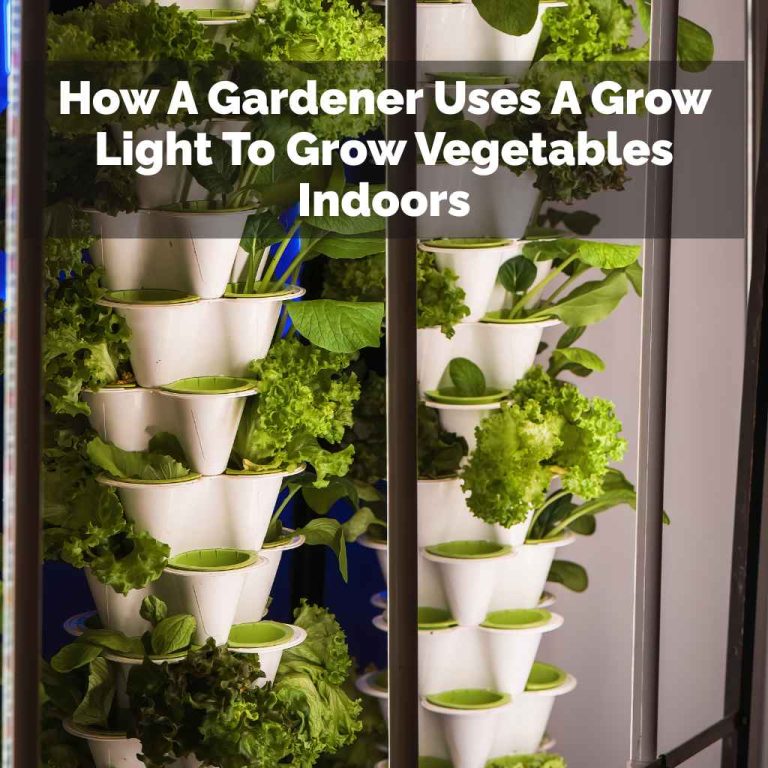
Vertical gardening (using trellises or hanging planters) maximizes small areas. Soil amendments (compost, worm castings) improve fertility in poor soils. Indoor setups with grow lights enable year-round harvests.
What Are The Main Non-financial Benefits Of Gardening?
Key non-monetary benefits include stress relief, increased physical activity, connection to nature, learning new skills, and community building. For many, these outweigh the value of the harvest itself.
Expanded Benefit List:
Gardening can foster creativity, patience, and resilience. It provides therapeutic value for those recovering from illness or injury. The sense of accomplishment from nurturing life and enjoying a home-cooked meal from your own garden is deeply fulfilling.
Gardening is more than a means to food—it’s a practice that connects us to the land, our communities, and ourselves. While the costs and effort are real, so too are the rewards: fresher meals, deeper relationships, and a sense of accomplishment that’s hard to replicate elsewhere. Whether you tend a sprawling backyard plot or nurture a handful of herbs on your windowsill, the question isn’t just if vegetable gardens are worth your time—but if you’re ready to reap the abundance they offer, in every sense of the word.