Why Should People Invest in Vegetable Gardens? Top Reasons
Investing in vegetable gardens delivers returns that go far beyond the dinner plate. From slashing grocery bills to improving mental health, a backyard plot offers measurable, everyday rewards.
This post examines the concrete financial, health, and environmental reasons why more households are growing their own food.
Simply put, a vegetable garden is a high-return investment. Most gardeners save hundreds per season, eat fresher produce, and cut their carbon footprint. With just a small upfront cost for seeds and soil, the financial and personal payback starts within 60 to 90 days.
Key Takeaways
- Investing in vegetable gardens typically saves $300 to $600 per season on groceries, according to the National Gardening Association.
- Growing your own vegetables improves nutrient intake and reduces exposure to pesticides.
- A well-maintained vegetable garden can sequester carbon, reduce food packaging waste, and support local pollinators.
- Even a small 4×4 raised bed produces enough salad greens and herbs to offset weekly grocery runs.
- Vegetable gardens require a modest time commitment of 2 to 4 hours per week, making them accessible for most households.
What Does Investing in a Vegetable Garden Mean?
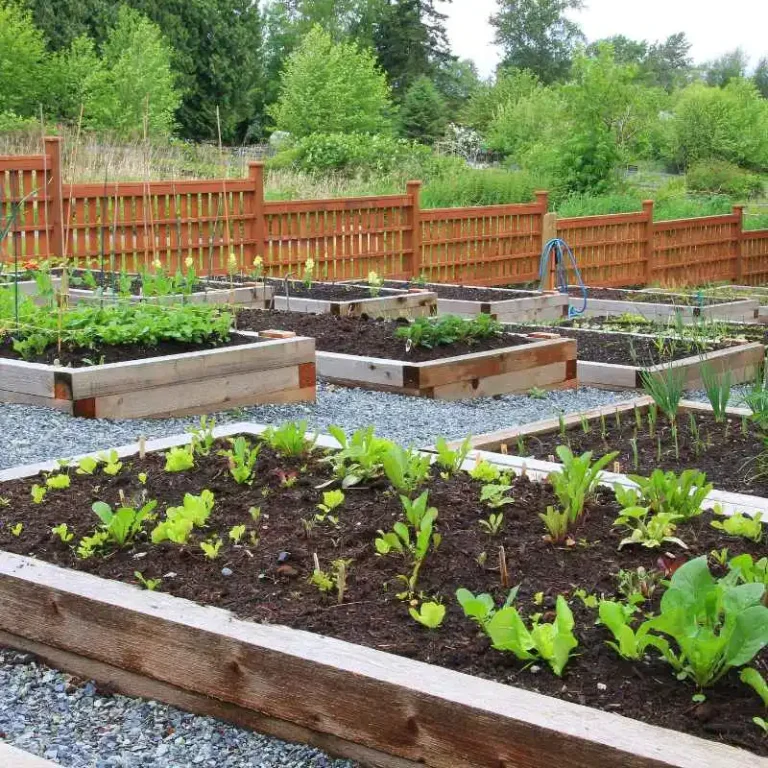
Investing in a vegetable garden is more than just planting seeds. It is an intentional allocation of time, space, and money toward producing your own food. This can be as simple as a few pots on a balcony or as elaborate as a 1,000-square-foot plot with irrigation and season-extending hoop houses.
The word “investment” matters here. Instead of spending cash on inputs with no return, you expect a yield. That yield comes as fresh vegetables, herbs, and fruit that would otherwise cost money at the store.
It also comes as intangible benefits like stress relief and physical activity.
- Seed packets cost $2 to $5 and yield 5 to 10 pounds of produce.
- A cubic yard of compost (about $40) can feed a 100-square-foot garden for a full season.
- Drip irrigation kits start at $30 and cut water use by 50%.
- Tomato plants produce 10 to 15 pounds per plant, which is $25 to $40 in store value.
- Fresh herbs cost $2 to $3 per bunch at retail; a $3 seed packet provides 100+ bunches.
| Garden Type | Initial Cost | Annual Savings |
|---|---|---|
| Container garden (5 pots) | $50 | $150 |
| Raised bed (4×8 ft) | $200 | $400 |
| In-ground plot (20×20 ft) | $400 | $900 |
As these numbers show, even a modest investment in vegetable gardens generates positive returns in the first year. The more you grow, the more you save.
Important: Your soil quality determines your success. A soil test from your local extension office costs $10 to $20 and tells you exactly which amendments to add.
How Vegetable Gardens Save You Money
The financial case for vegetable gardens is strong. In 2023, the National Gardening Association found that a typical 600-square-foot garden produces about $600 worth of produce per year. The average gardener spends just $70 on seeds and supplies, creating a return on investment of roughly 850%.
Organic produce costs even more at the store. A pound of organic tomatoes runs $3 to $5. Growing them yourself costs pennies in water and seed.
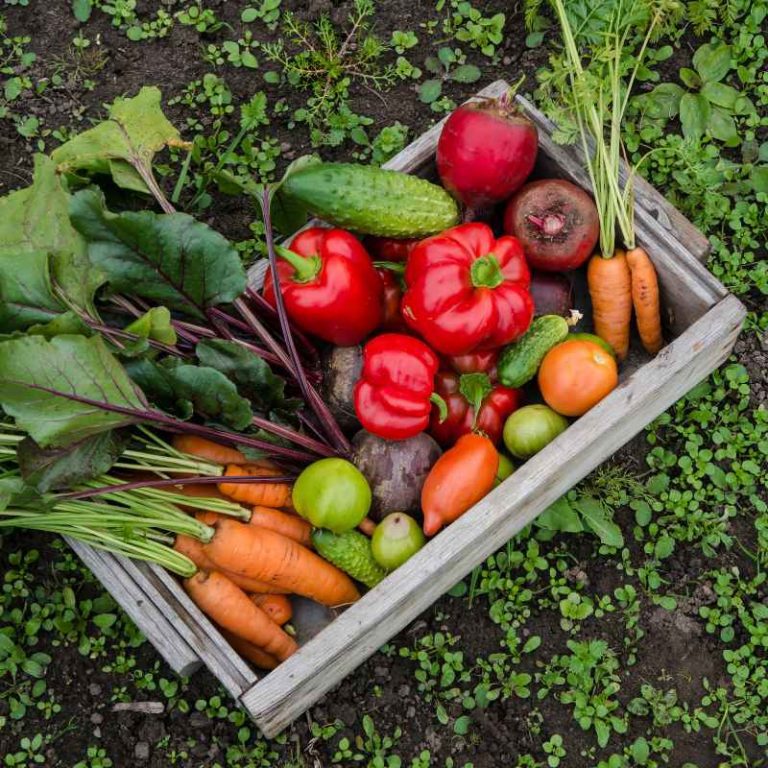
The savings multiply for high-value crops like leafy greens, berries, and peppers.
- Start with high-cost crops: tomatoes, bell peppers, salad mix, and herbs.
- Save seeds from one season to the next to eliminate seed costs.
- Compost kitchen scraps to make free fertilizer.
- Use rain barrels to cut irrigation costs.
- Preserve excess harvest by freezing, canning, or dehydrating.
- A single transplant tomato plant ($3) can yield 15 pounds of fruit ($45 value).
- One zucchini plant produces 6 to 10 pounds, worth $12 to $20.
- Perennial herbs like rosemary and thyme cost $5 per plant and last for years.
- Leafy greens regrow from cut-and-come-again harvesting, tripling yields.
| Crop | Store Price per lb | Garden Cost per lb |
|---|---|---|
| Organic lettuce | $4.50 | $0.20 |
| Cherry tomatoes | $5.99 | $0.35 |
| Bell peppers | $3.49 | $0.30 |
| Green beans | $2.99 | $0.15 |
On average, gardeners who use basic techniques like companion planting and succession sowing report cutting their produce bills by 30% to 50% during the growing season.
Tip: Plant high-value crops in vertical space. A trellis for cucumbers or pole beans doubles your yield per square foot without extra land.
Health Benefits of Growing Your Own Vegetables
Investing in vegetable gardens changes how you eat. When you nurture a plant from seed to harvest, you are far more likely to eat what you grow. A study published in the Journal of the Academy of Nutrition and Dietetics found that gardeners eat 36% more vegetables than non-gardeners.
Freshly picked vegetables have higher nutrient density. Spinach loses half its vitamin C within 24 hours of harvest. Peas lose 30% of their sugar within 3 hours.
Garden-to-table produce is the freshest food you can get.
- Homegrown food contains no post-harvest chemical treatments.
- You control the use of pesticides, using organic methods instead.
- Daily garden work provides 30 to 45 minutes of moderate physical activity.
- Exposure to soil bacteria (Mycobacterium vaccae) boosts serotonin levels.
- Eating a variety of homegrown vegetables improves gut microbiome diversity.
- Harvest right before cooking to maximize nutrient retention.
- Eat within 24 hours for the highest vitamin content.
- Freeze surplus berries and greens immediately to lock in nutrients.
Warning: Before eating any homegrown vegetable, wash it thoroughly. Soil can harbor bacteria like E. coli from untreated compost or animal droppings.
The mental health benefits are equally compelling. A meta-analysis in the International Journal of Environmental Research and Public Health found that gardening reduces symptoms of anxiety and depression. The combination of sunlight, physical effort, and being in nature produces measurable stress reduction.
Environmental Impact of Vegetable Gardens
Each bite of grocery-store produce travels an average of 1,500 miles from farm to plate. Homegrown vegetables travel zero miles. Reducing food miles is one of the fastest ways to cut your carbon footprint.
Consider packaging. The average American generates about 250 pounds of plastic packaging waste per year. Growing your own food eliminates the clamshells, bags, and wraps that cover store-bought vegetables.
- Home gardens reduce methane emissions from food waste when you compost scraps.
- Vegetable gardens increase soil organic matter, sequestering up to 2 tons of carbon per acre per year.
- Home compost keeps 30% of household waste out of landfills.
- Native plantings and flowering herbs in gardens support honeybees and native pollinators.
- Rainwater harvesting and drip irrigation reduce water consumption by 40% compared to sprinklers.
| Environmental Factor | Store-Bought | Homegrown |
|---|---|---|
| Food miles | 1,500+ | 0 |
| Packaging | Plastic wrap, clamshells | None |
| Pesticide residue | Up to 47 pesticides per crop | None (organic methods) |
| Water waste | Industrial irrigation losses | Efficient drip systems |
The USDA reports that food production accounts for 10% of total U.S. carbon emissions. Local food systems, including home gardens, are a direct way to shrink that footprint.
Who Should Invest in a Vegetable Garden?
Almost anyone can benefit from growing vegetables, but certain groups see outsized returns. Families with high grocery bills benefit most from the cost savings. Beginners with a sunny windowsill can start small and scale up as they learn.
- Families with kids: Children are 80% more likely to eat vegetables they helped grow, according to a study from Cornell University.
- Retirees: Gardening provides meaningful activity and low-impact exercise.
- Apartment dwellers: Container gardens on balconies or patios produce surprising yields.
- Health-conscious adults: You control every input, from soil to fertilizer.
- Budget-focused households: Save up to 50% on vegetable costs during the season.
- Anyone with mental health goals: Gardening lowers cortisol and improves mood.
If you have space that receives at least 6 hours of direct sunlight per day, you have room for a vegetable garden. Even a 3×6 foot raised bed can supply a family of four with fresh salads and herbs all summer.
Tip: Start with just 2 or 3 easy crops like lettuce, radishes, and green beans. These germinate in days and produce visible results for first-timers.
Common Mistakes to Avoid When Starting a Vegetable Garden
The road to a successful vegetable garden is filled with avoidable errors. Understanding the most common pitfalls saves you time, money, and frustration.
- Planting too much too soon in poor soil.
- Overwatering or underwatering due to inconsistent schedules.
- Ignoring sunlight requirements and planting in shady spots.
- Skipping soil testing and fertilizing incorrectly.
- Failing to protect plants from pests and frost.
- Planting crops in the wrong season for your zone.
- Test soil before planting to avoid nutrient deficiencies.
- Water deeply 2-3 times per week instead of daily shallow watering.
- Use row covers to protect against early spring frosts.
- Rotate crops each year to prevent soil-borne diseases.
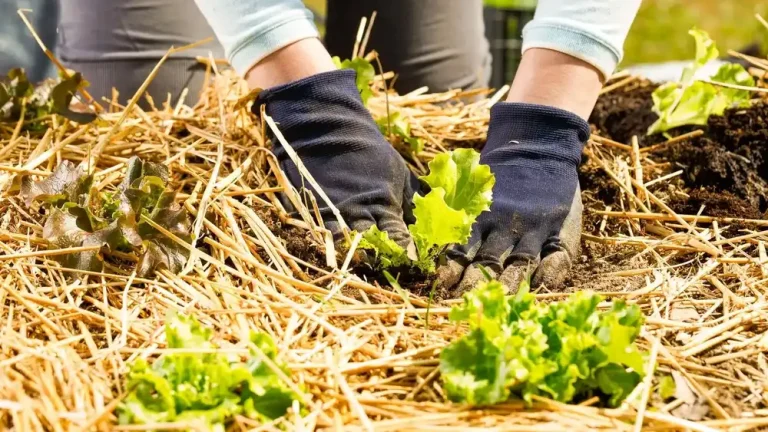
- Mulch 2-3 inches thick to retain moisture and suppress weeds.
| Mistake | Consequence | Solution |
|---|---|---|
| Poor soil | Stunted growth | Amend with compost |
| Overcrowding | Disease, low yields | Follow spacing guides |
| Wrong timing | Bolting, no fruit | Check your USDA zone |
Mistakes are part of the learning cycle. Even experienced gardeners lose crops to weather or pests. The key is to document what works and adjust next season.
How to Get the Most Value From Your Vegetable Garden
Maximizing the return on your investment in vegetable gardens requires smart planning. Think like a farmer: maximize yield per square foot, reduce inputs, and extend the season.
Succession planting allows you to grow three to four rounds of crops in one bed. Plant quick crops like arugula and radishes between slow-growing tomatoes and peppers. Use interplanting to shade-cool lettuce under taller plants.
- Grow vertical crops to double usable space.
- Use cold frames or mini-greenhouses to start 4 weeks earlier.
- Choose open-pollinated varieties that allow seed saving.
- Install drip irrigation with a timer to save water and time.
- Harvest daily to encourage continuous production.
- Trade surplus produce with neighbors for other goods.
- Map out your garden beds with crop rotation plans.
- Track costs and harvests in a simple spreadsheet.
- Use fall planting for winter-hardy greens like kale and spinach.
- Invest in quality tools that last decades.
Important: Join local seed exchange groups. They give you free access to regionally adapted varieties that outperform store-bought seeds.
When you optimize your space and inputs, the savings add up quickly. A seasoned gardener can produce $1,200 worth of food in a 200-square-foot garden, making the return on investment in vegetable gardens even more attractive.
Frequently Asked Questions
How much does a vegetable garden cost to start?
A small container garden costs around $50. A raised bed with soil and seeds runs $200 to $300. For a 20×20 foot in-ground plot, expect to invest $400 to $600 in the first year, including tools and soil amendments.
Most costs are one-time purchases that last for years.
How long does a vegetable garden take to pay off?
Most gardeners recover their initial investment within one growing season of about 3 to 4 months. High-value crops like tomatoes and lettuce produce weekly harvests that quickly offset costs. After the first year, savings increase because tools, beds, and fencing are already paid for.
What vegetables are easiest for beginners?
Leafy greens like lettuce, spinach, and kale are the easiest. Radishes mature in 25 days, green beans are prolific, and cherry tomatoes grow well in containers. Start with disease-resistant varieties and follow spacing instructions on seed packets.
Do vegetable gardens really save money?
Yes, especially if you grow high-value organic crops. The National Gardening Association reports that average gardeners save $600 per year on a 600-square-foot plot. Growing herbs, salad greens, and berries produces the highest savings per square foot.
How many hours a week does a vegetable garden require?
Plan for 2 to 4 hours per week during the growing season. Tasks include watering, weeding, harvesting, and checking for pests. With drip irrigation and organic mulch, maintenance time drops significantly.
Final Thoughts
Investing in vegetable gardens is a rare decision that pays off financially, physically, and emotionally. You save hundreds on groceries, eat fresher and more nutritious food, and help the environment in measurable ways. Start small, avoid common mistakes, and watch your skills and savings grow together.
The best time to start was last spring. The second best time is today. Pick a sunny spot, grab a trowel, and begin building a habit that will feed you for decades.