Is Grubex Safe For Vegetable Gardens? Find Out The Truth
Every spring, gardeners wage war against a relentless enemy: grubs. These underground larvae, especially those of Japanese beetles and June bugs, can devastate lawns and sometimes threaten prized crops. Enter Grubex—a widely used grub control product many homeowners rely on. But when it comes to growing food, the question arises: Is Grubex safe for vegetable gardens ? This query is more pressing as the demand for organic, sustainable gardening increases and consumers become more health-conscious.
Understanding what goes into your soil and, by extension, your food, is critical for every gardener. While Grubex can offer powerful protection against grubs, it’s vital to balance pest control with food safety, environmental health, and regulatory compliance. This comprehensive guide will break down everything you need to know about Grubex—its ingredients, mechanisms, impact on edible crops, real-world experiences, safer alternatives, and best practices—so you can make informed decisions about protecting your vegetable garden .
Key Takeaways
- Grubex is a synthetic grub control product containing chlorantraniliprole, effective against lawn grubs but not specifically approved for use on edible crops.
- Using Grubex in vegetable gardens can pose risks due to potential chemical residues and regulatory restrictions.
- Scientific studies and regulatory agencies recommend caution or avoidance of Grubex near food crops.
- There are safer, organic alternatives and integrated pest management strategies for grub control in vegetable gardens.
- Understanding product labels and local regulations is essential before any chemical application.
- Real-world cases show both successes and failures—caution is warranted for home food growers.
What Is Grubex And How Does It Work?
Active Ingredients And Mechanism Of Action
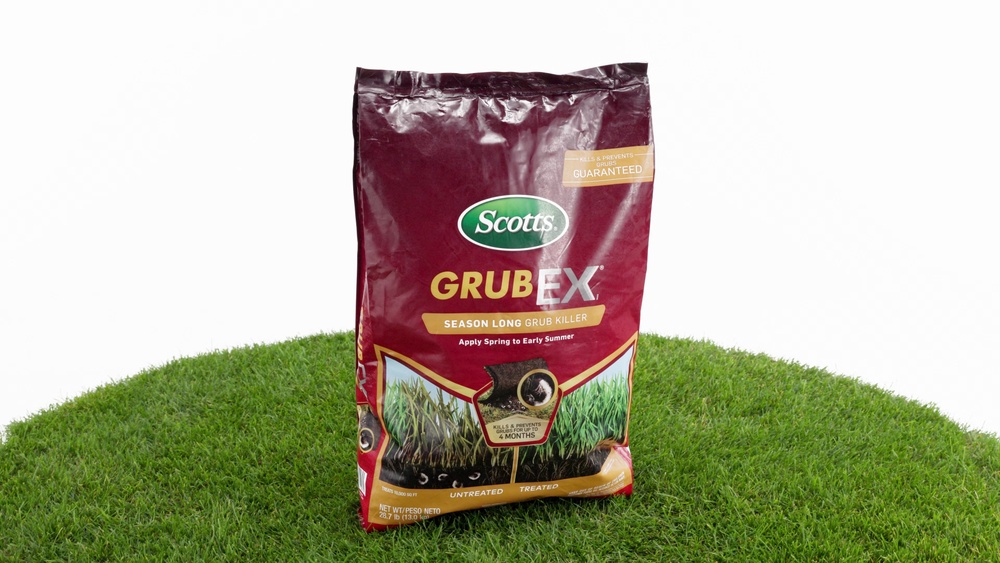
Grubex is a granular insecticide primarily designed for turfgrass. Its main active ingredient is chlorantraniliprole, a member of the anthranilic diamide class of insecticides. This compound targets the muscular system of grubs by activating ryanodine receptors, causing paralysis and eventual death. Compared to older grub control products containing carbaryl or imidacloprid, chlorantraniliprole is considered less toxic to humans and beneficial insects when used as directed.
To further clarify, chlorantraniliprole’s mechanism is highly specific: it disrupts calcium regulation in insect muscle cells. This specificity is why it’s less hazardous to mammals, birds, and many beneficial insects than broad-spectrum pesticides like carbaryl, which can impact a wide range of organisms. Chlorantraniliprole’s effectiveness comes from its ability to target grubs at an early stage, reducing their survival rate before they cause visible damage to turf.
Application Guidelines
- Timing: Grubex is typically applied in late spring or early summer, coinciding with grub egg hatch. This timing maximizes efficacy, as the grubs are vulnerable during their early growth stages.
- Method: It is broadcast over lawns using a spreader, then watered in to move the active ingredient into the soil where grubs reside. Proper watering is essential; insufficient irrigation may leave the product on the surface, reducing effectiveness and potentially increasing exposure risks to non-target organisms.
- Label Restrictions: The product label explicitly states it is for lawns only, not for use in areas where food crops are grown. The label also warns against using Grubex near fruit trees, vegetable beds, or any site where edible plants are cultivated.
Additional guidance from the manufacturer emphasizes the importance of avoiding drift during application. Even small amounts of granules or dust can contaminate nearby garden beds if not applied carefully. Scotts recommends maintaining a buffer zone between treated lawns and vegetable gardens to prevent accidental exposure.
Regulatory Status
The U.S. Environmental Protection Agency (EPA) registers Grubex for lawn and ornamental use only. It is not registered for application on or near edible crops. The label is the law—applying Grubex to vegetable gardens would be an off-label use, potentially violating federal regulations.
EPA registration ensures that products are evaluated for environmental and human health risks. Chlorantraniliprole is categorized as a “reduced-risk” pesticide for turf applications, but this designation does not extend to edible crops due to the absence of food safety studies and residue tolerance data.
Manufacturer Recommendations
According to the manufacturer, Scotts, Grubex should never be used on or near vegetable gardens. The company’s FAQ further emphasizes this, stating there is a risk of chemical residue on edible plants if used improperly.
Scotts also provides guidance for gardeners who may have inadvertently applied Grubex near vegetables, recommending soil replacement or waiting periods before growing edible crops in affected areas. The manufacturer stresses the importance of reading and following all label instructions, noting that misuse can result in regulatory violations and health risks.

Grubex And Vegetable Gardens: Science, Safety, And Risks
Chemical Residues And Food Safety
The primary concern with using Grubex in vegetable gardens is the potential for chemical residues on edible plants. While chlorantraniliprole is considered to have low acute toxicity to humans, it has not been tested or approved for direct application to food crops in the United States.
- No established tolerance: The EPA has not set a residue tolerance for chlorantraniliprole on most vegetables, meaning any detectable residue could render produce unsafe or illegal to sell.
- Soil mobility: Chlorantraniliprole binds moderately to soil but can persist for months, potentially being taken up by plant roots.
This persistence is especially problematic for root crops like carrots, potatoes, and beets, which are in direct contact with treated soil. In leafy greens, the risk is that the compound may be absorbed through roots or deposited on leaves via soil splash during irrigation or rainfall.
Environmental And Health Impact
Multiple studies have evaluated the impact of chlorantraniliprole on non-target organisms:
- Beneficial insects: While less toxic to bees than many older insecticides, it can still impact pollinators if applied incorrectly. For example, if granules are left on flower beds or applied during bloom, there is risk of exposure to bees and other pollinators.
- Soil health: Some research suggests minimal impact on soil microorganisms at recommended rates, but long-term effects are still being studied. Studies in turfgrass systems show that chlorantraniliprole does not significantly disrupt earthworm populations, but extrapolation to vegetable gardens remains uncertain.
- Human exposure: The main risk is through direct contact or ingestion of contaminated vegetables. Handling soil or produce from treated areas could result in dermal exposure, particularly for children and pets who frequent garden spaces.
Additionally, the lack of residue studies for edible crops means that even trace amounts could be problematic, especially for vulnerable populations such as pregnant women, young children, or those with compromised immune systems.
For more details, see the official EPA review: EPA: Chlorantraniliprole.
Case Studies: Accidental Use In Vegetable Gardens
Case Study 1: Suburban Home Garden
In 2026, a suburban gardener in Ohio mistakenly applied Grubex to a small raised bed containing tomatoes and lettuce. After learning of the error, she contacted the manufacturer and her local extension office. The advice was unequivocal: discard all produce from the affected area for the season, and avoid planting food crops there for at least a year.
This case illustrates the importance of label reading and awareness. The gardener had assumed that because Grubex was safe for lawns, it would be safe for vegetable beds. Extension agents emphasized that even if the active ingredient is considered low-toxicity, the absence of food crop approval means the risk cannot be quantified or mitigated.
Case Study 2: Urban Community Plot
A community garden in Chicago faced a similar issue when a volunteer inadvertently spread Grubex on half the vegetable plots. The garden’s leadership contacted the local health department, which recommended soil testing and removal of all potentially exposed plants. The incident underscored the importance of training and clear signage.
This case demonstrates how a single mistake can affect multiple gardeners and highlights the need for community oversight and education. Soil testing revealed low but detectable levels of chlorantraniliprole, prompting a full season of remediation and replanting.
Scientific Studies On Chlorantraniliprole In Food Crops
A 2017 study published in the Journal of Agricultural and Food Chemistry found that when chlorantraniliprole was applied to leafy greens at higher-than-labeled rates, detectable residues persisted for weeks. Since Grubex is not labeled for vegetables, there are no established safe application rates for edible crops in the U.S. Similar European studies have reached comparable conclusions, recommending against its use in food gardens.
In addition, research from China and India has evaluated chlorantraniliprole on rice and other grains, finding that pre-harvest intervals and residue degradation rates vary widely based on soil type, climate, and crop. These studies reinforce the importance of regulatory approval and label compliance for edible crops.
For more, see this research overview: PubMed: Chlorantraniliprole Residues.
Table: Grubex Vs. Vegetable Garden Safety
| Factor | Grubex (Chlorantraniliprole) | Implication for Vegetable Gardens |
|---|---|---|
| Approved Use | Lawns, turf, ornamentals | Not approved for edible crops |
| Residue Tolerance | Not established for vegetables | No safe residue level |
| Soil Persistence | Moderate (months) | Risk of uptake by roots |
| Human Toxicity | Low (when used as labeled) | Unknown for food consumption |
| Manufacturer Guidance | Do not use near edibles | Follow all label directions |
Legal And Regulatory Aspects: What Gardeners Need To Know
The Importance Of Label Compliance
Federal law requires pesticide users to follow label instructions. Using Grubex in ways not specified on the label—such as in vegetable gardens—constitutes an off-label application, which is illegal and can result in penalties or liability if harm occurs.
The consequences of off-label use extend beyond legal penalties. If a gardener sells or donates produce grown in contaminated soil, they may be subject to product recalls, fines, or legal action. Furthermore, violation of pesticide laws can jeopardize eligibility for government grants or certification programs.
State And Local Regulations
Regulations may vary by state or municipality. Some regions have stricter rules about pesticide use near edible crops, community gardens, or water sources. Always check with your local extension office or department of agriculture before applying any chemical.
Some states require buffer zones between treated lawns and garden beds, while others mandate soil testing before planting food crops after pesticide use. Municipal ordinances may restrict certain products entirely, particularly in school or community garden settings.
For regulatory guidance, visit EPA: Pesticide Registration.
Organic Certification And Grubex
Grubex is not approved for use in certified organic gardening. Organic standards prohibit synthetic pesticides unless specifically allowed by the National Organic Program (NOP). Using Grubex would jeopardize organic certification for home or commercial growers.
Organic certification agencies conduct regular inspections and residue testing. If Grubex is detected in soil or produce samples, certification can be suspended or revoked. This can be costly and damaging to the reputation of commercial growers or community organizations.
For more on organic standards, see USDA: National Organic Program.
Liability Issues
If you sell or donate produce grown in soil treated with Grubex, you may be liable if chemical residues are found. For community gardens, improper pesticide use can void insurance coverage or lead to legal action.
Many community gardens and farmers markets now require proof of non-chemical use or organic certification before accepting produce. Liability insurance policies also typically exclude coverage for off-label pesticide applications, increasing financial risk for gardeners and organizers.
Alternatives To Grubex For Vegetable Gardens
Natural And Organic Grub Control Methods
Given the risks, gardeners often seek organic or biological alternatives for grub management in food plots.
- Beneficial Nematodes: Species such as *Steinernema* and *Heterorhabditis* attack and kill grubs in the soil. These microscopic worms are safe for people, pets, and plants. They are applied as a water suspension and can be purchased from garden centers or online retailers.
- Milky Spore Disease: A naturally occurring bacterium (*Paenibacillus popilliae*) targets Japanese beetle larvae and can offer long-term protection. Milky spore is applied as a powder to the soil and gradually establishes, providing ongoing control for years.
- Neem Oil: While not directly effective against grubs, neem oil can deter adult beetles from laying eggs. Foliar sprays or soil drenches can reduce egg-laying and subsequent grub infestations.
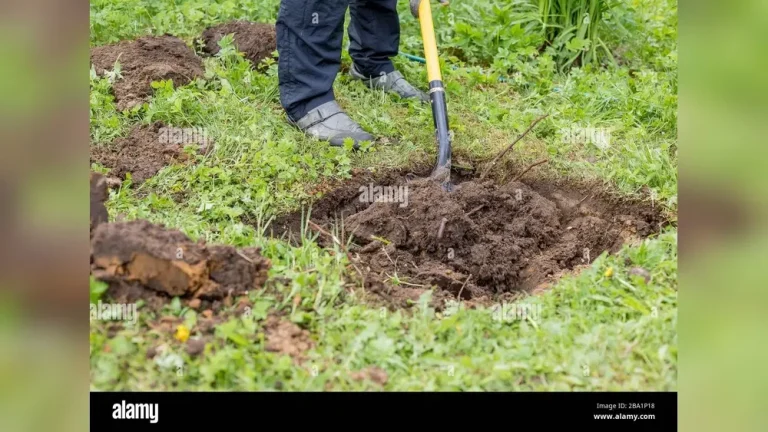
- Hand Removal: In small gardens, digging and removing grubs by hand is feasible and effective. Early morning scouting after rain or irrigation makes grubs easier to spot.
- Encouraging Predators: Birds, moles, and beneficial insects naturally help control grub populations. Providing habitat or installing bird feeders can enhance natural predation.
Additional biological options include predatory beetles and parasitic wasps, which can be introduced to gardens with minimal risk to humans or crops.
Cultural And Preventive Practices
- Crop rotation: Disrupts grub life cycles. Rotating crops from year to year prevents grubs from establishing in one area.
- Soil health: Healthy soils with high organic matter support beneficial organisms that keep grubs in check. Regular addition of compost and mulch improves soil structure and biodiversity.
- Proper irrigation: Avoid overwatering, which attracts egg-laying beetles. Well-drained soil is less hospitable to grubs and beetles.
Additional preventive measures include tilling soil in early spring to expose grubs to predators and solarization using clear plastic to reduce grub populations before planting.
Comparison Table: Grubex Vs. Organic Alternatives
| Method | Effectiveness | Food Crop Safety | Cost | Environmental Impact |
|---|---|---|---|---|
| Grubex (Chlorantraniliprole) | High (for lawns) | Not safe for vegetables | $$ | Low toxicity, but not for edibles |
| Beneficial Nematodes | Moderate-High | Safe | $$ | Minimal impact |
| Milky Spore | Moderate (long-term) | Safe | $$$ | Specific to Japanese beetle grubs |
| Hand Removal | Low-Moderate | Safe | $ | No environmental impact |
Commercial Organic Grub Controls
Some products, such as those containing Bacillus thuringiensis (Bt), are labeled for grub control in vegetable gardens. Always verify the label for edible crop approval.
Bt works by producing proteins toxic to specific insect larvae, including grubs. It is considered safe for humans and non-target organisms and degrades rapidly in the environment.
Find a list of OMRI-certified products at OMRI.
Real-world Example: Organic Grub Management
A New Jersey market gardener faced recurring grub damage in squash beds. Switching from synthetic products to a program of beneficial nematode applications and heavy mulching, the grower reported a 70% reduction in grub populations within two seasons, with no negative impact on yield or produce safety.
The gardener also noted increased earthworm activity and improved soil structure, demonstrating the broader benefits of biological control over synthetic chemicals.
Best Practices For Grub Management In Vegetable Gardens
Assessing Grub Damage
- Symptoms: Wilting, yellowing, or sudden collapse of seedlings; grubs visible in the root zone. Distinguishing grub damage from other causes, such as root rot or nutrient deficiency, is important for effective management.
- Thresholds: Economic thresholds for grubs in vegetables are not well established, but finding more than 5-10 grubs per square foot may warrant action.
Regular soil sampling in suspected areas helps determine whether intervention is necessary. For crops with sensitive root systems, even lower grub counts may justify treatment.
Preventing Grub Problems
- Healthy soil: Maintain soil organic matter and use compost to foster beneficial organisms. Compost teas and organic amendments can stimulate microbial activity that suppresses grubs.
- Diverse planting: Polyculture and companion planting can reduce pest outbreaks. Mixing plant families and using trap crops can draw grubs away from primary vegetables.
- Barrier methods: Row covers can prevent adult beetle egg-laying. Floating row covers or netting are especially effective during peak beetle activity.
Additional prevention tips include maintaining clean garden edges, avoiding thick mulch near susceptible crops, and monitoring beetle activity during late spring.
Integrated Pest Management (ipm) Approach
- Monitor: Regularly check soil for grubs. Use a trowel to dig shallow samples at random points throughout the garden.
- Identify: Confirm species—some grubs are not harmful to vegetables. For example, chafer grubs are less damaging than Japanese beetle larvae.
- Action: Use the least toxic method first, escalating only if damage persists. Start with hand removal or nematodes before considering chemical options.
- Record: Keep notes on grub activity and control measures for future planning. Document dates, weather, and results to refine strategies over time.
IPM encourages a holistic approach, combining biological, cultural, and mechanical methods to minimize pesticide reliance.
Table: Step-by-step Ipm For Grub Control
| Step | Action | Details |
|---|---|---|
| 1 | Scout | Dig small soil samples to check for grubs |
| 2 | Identify | Distinguish between pest and non-pest grubs |
| 3 | Decide | Assess if population exceeds acceptable thresholds |
| 4 | Treat | Apply nematodes, milky spore, or hand removal as needed |
| 5 | Evaluate | Monitor results and adjust methods next season |
Common Mistakes To Avoid
- Misreading product labels: Always confirm if a product is safe for food crops. Check both the front and back of the label, and consult extension agents if unsure.
- Over-application: More is not better—follow recommended rates. Excessive use can harm soil health and increase environmental risks.
- Ignoring pre-harvest intervals: If any pesticide is used, respect the waiting period before harvest. Failure to observe pre-harvest intervals can result in unsafe produce and regulatory violations.
Other mistakes include mixing incompatible products, applying pesticides during rain or wind, and neglecting regular monitoring.
For more gardening best practices, see University of Minnesota Extension.
Real-world Experiences: Successes And Lessons Learned
Case Study: Backyard Tomato Patch
A Pennsylvania gardener noticed stunted growth and yellowing in tomato seedlings. Suspecting grubs, she considered Grubex but, after research and consulting with the local extension office, chose beneficial nematodes instead. By mid-summer, the tomatoes recovered, and harvest was unaffected. The gardener noted improved soil health and fewer pest issues in subsequent years.
She also documented increased earthworm populations and healthier plant roots, attributing the improvements to reduced chemical use and increased biological diversity.
Community Garden Perspective
In an urban garden in California, an outbreak of grubs prompted a debate among members. After reviewing label restrictions and city ordinances, the group opted for hand removal and milky spore applications. Follow-up surveys found increased pollinator activity and strong community support for the organic approach.
The garden also implemented signage and educational workshops on pesticide safety, further reducing risk and increasing member engagement.
Lessons From The Field
- Education is key: Understanding product labels and risks prevents costly mistakes. Regular training and information sharing among gardeners can prevent accidents.
- Organic methods work: While sometimes slower, they offer safety and sustainability. Multiple seasons of biological control often yield lasting results.
- Community involvement: Collaborative decision-making leads to better outcomes and garden stewardship. Open communication and shared responsibility enhance both safety and productivity.
For more real-life gardening stories, visit National Gardening Association.
Frequently Asked Questions
Is It Ever Safe To Use Grubex In A Vegetable Garden?
No. Grubex is not labeled or approved for use in vegetable gardens. Using it in or near edible crops is illegal and may result in chemical residues that are unsafe for human consumption. Always choose products specifically labeled for edible crops.
What Should I Do If I Accidentally Applied Grubex To My Vegetable Garden?
Immediately contact the product manufacturer and your local extension office for guidance. Generally, the recommendation is to discard any produce from the treated area for the current season and avoid planting edible crops there for at least one year. Do not consume any vegetables from the affected soil.
If soil contamination is extensive, consider replacing affected soil or growing non-edible plants for a season to allow for degradation.
Are There Any Grub Control Products That Are Safe For Use In Vegetable Gardens?
Yes. Organic options such as beneficial nematodes, milky spore, and some Bacillus thuringiensis (Bt) products are safe and effective in vegetable gardens. Always read and follow the product label to ensure it is approved for use on edible crops.
Check OMRI certification or consult local extension offices for updated lists of approved products.
How Long Does Grubex Remain Active In Soil, And Can It Affect Future Plantings?
Chlorantraniliprole, the active ingredient in Grubex, can persist in soil for several months. While its toxicity decreases over time, there is a risk of residue uptake by plants if edible crops are planted too soon after application. Follow manufacturer and extension office recommendations for waiting periods.
Waiting at least one full growing season before planting edibles is generally advised.
Can I Compost Plant Material From Areas Treated With Grubex?
Do not compost any plant material from areas treated with Grubex if those plants are intended for human consumption. Residues may persist and could contaminate your compost, potentially spreading chemical residues to other garden areas.
Instead, dispose of affected plant material as municipal waste.
References And Further Reading
For further information and authoritative guidance on grub control and chemical safety in vegetable gardens, consult the following resources:
- EPA: Chlorantraniliprole
- PubMed: Chlorantraniliprole Residues
- USDA: National Organic Program
- OMRI
- University of Minnesota Extension
- National Gardening Association
In summary, while Grubex is a powerful and effective tool for lawn grub control, it is not safe for vegetable gardens . Chemical residues, legal restrictions, and the absence of edible crop approvals mean gardeners must look to safer, organic alternatives for food production. By following integrated pest management principles and prioritizing soil and plant health, you can keep your vegetable garden thriving—safely and sustainably. Always read product labels, consult with local experts, and choose the best option for your garden’s health and your family’s safety.