What Is Vegetable Gardening? A Beginner’s Complete Guide
Vegetable gardening is more than just a pastime—it’s a rewarding journey toward self-sufficiency, sustainability, and improved well-being. Across the globe, millions are rediscovering the joys and benefits of growing their own food, from luscious tomatoes and crisp lettuces to flavorful peppers and vibrant carrots.
Whether you have a sprawling backyard or a small balcony, vegetable gardening offers a practical and accessible way to connect with nature, reduce your grocery bills, and enjoy the freshest produce possible.
For beginners, starting a vegetable garden can feel overwhelming. Which vegetables are easiest to grow? How do you prepare the soil, and what are the secrets to a bountiful harvest? This comprehensive guide will demystify the process, offering clear, actionable steps and expert insights.
By the end, you’ll have the knowledge and confidence to cultivate a thriving vegetable garden that fits your lifestyle, space, and culinary aspirations.
Key Takeaways
- Vegetable gardening is an accessible, cost-effective way to grow fresh produce, improve health, and support sustainability.
- Site selection, soil quality, and plant choice are critical for gardening success—start small and scale up as you gain experience.
- Proper watering, pest management, and seasonal planning are essential for maximizing yields and minimizing losses.
- Container and raised bed gardening offer solutions for limited spaces and challenging soils.
- Ongoing learning and adaptation are key—successful gardeners experiment, observe, and adjust their practices.
- Real-world examples and data-driven tips in this guide will help you avoid common mistakes and achieve rewarding results.

What Is Vegetable Gardening?
Vegetable gardening is the practice of cultivating edible plants—such as tomatoes, beans, and lettuce—for personal consumption or sharing within the community. Unlike ornamental gardening, the primary focus here is on growing food that nourishes and sustains.
The Essence Of Vegetable Gardening
At its core, vegetable gardening involves planning, planting, nurturing, and harvesting a selection of crops, often tailored to your region’s climate and your personal tastes. Gardens can range in size from small container setups on urban balconies to expansive backyard plots.
Vegetable gardening is more than just sowing seeds and waiting for them to grow. It involves understanding the lifecycle of each plant, matching their needs to your environment, and learning the rhythms of nature. Many gardeners start with a small area and gradually expand as their confidence and skills grow.
The process encourages mindfulness, patience, and observation—qualities that extend beyond gardening itself.
Historical And Cultural Significance
Vegetable gardening has deep historical roots. Victory gardens during World War II, for example, supplied nearly 40% of all vegetables consumed in the US at the time (Wikipedia: Victory Garden). Across cultures, homegrown vegetables have played a central role in community resilience, food security, and sustainable living.
In many societies, gardening has also been a communal activity, with neighbors sharing harvests and exchanging seeds. In rural and urban environments alike, gardens have provided vital sustenance during periods of scarcity. Today, community gardens are reviving these traditions, fostering social bonds and promoting healthy lifestyles.
Modern Revival And Popularity
With rising concerns about food safety, sustainability, and supply chain disruptions, interest in home vegetable gardening has surged. According to the National Gardening Association, 35% of US households grew food at home or in community gardens in 2026—a 200% increase from 2008.
The modern revival of vegetable gardening is also fueled by trends like organic eating, farm-to-table cuisine, and the desire for cleaner, more traceable food sources. Millennials and Gen Z are increasingly embracing gardening, not only as a hobby but as a statement about environmental stewardship and personal well-being.
Social media platforms are filled with gardening tips, success stories, and inspiration, making information more accessible than ever.
Benefits Beyond Food
The rewards of vegetable gardening extend beyond fresh produce. Studies show that gardeners enjoy increased physical activity, reduced stress, and improved mental well-being (National Institutes of Health). Gardening fosters a sense of accomplishment, connection to nature, and community engagement.
Gardening is also linked to enhanced cognitive function and emotional resilience. The act of nurturing plants and witnessing their growth can be deeply therapeutic, offering a sense of purpose and fulfillment. Families often use gardening as an educational tool, teaching children about biology, nutrition, and responsibility.
Additionally, gardens can support biodiversity, attracting pollinators and beneficial insects that enrich local ecosystems.
Essential Tools And Materials For Beginners
Starting with the right tools and materials sets the stage for gardening success. While some equipment is optional, certain essentials will make your work easier, more efficient, and more enjoyable.
Basic Gardening Tools
Every beginner should consider investing in:
- Hand trowel: For digging small holes and transplanting seedlings.
- Pruning shears: For cutting stems, harvesting, and managing overgrowth.
- Watering can or hose: Ensures your plants receive consistent moisture.
- Gloves: Protects your hands from thorns, soil, and insects.
- Garden fork: Useful for loosening soil and removing weeds.
- Hoe: Ideal for breaking up soil and cultivating larger plots.
Beyond these basics, some gardeners find specialized tools useful as they gain experience, such as soil thermometers, seedling trays, and kneeling pads for comfort. Investing in ergonomic tools can prevent fatigue and injury, especially for those with mobility challenges.
Soil And Compost
Good soil is the foundation of a productive garden. Look for:
- Loamy soil with good drainage and high organic matter.
- Compost or well-rotted manure to enrich nutrients and improve structure.
Soil quality varies widely by region and even within a single yard. In urban settings, raised beds or container mixes are often preferable due to potential contamination or poor native soil. Compost can be made at home from kitchen scraps and yard waste, providing a sustainable nutrient source and reducing landfill contributions.
Seeds, Seedlings, And Starter Plants
Choosing quality seeds or disease-free starter plants increases your chances of success. Consider:
- Heirloom varieties for flavor and biodiversity.
- Hybrid varieties for disease resistance and high yields.
- Certified organic seeds if you prefer sustainable practices.
Local nurseries and seed exchanges offer regionally adapted varieties that perform well in your climate. Many gardeners experiment with a mix of seeds and transplants, adjusting their approach based on success rates and personal preferences. Starter plants can save time and reduce the risks of poor germination, especially for crops like tomatoes and peppers.
Containers And Raised Beds
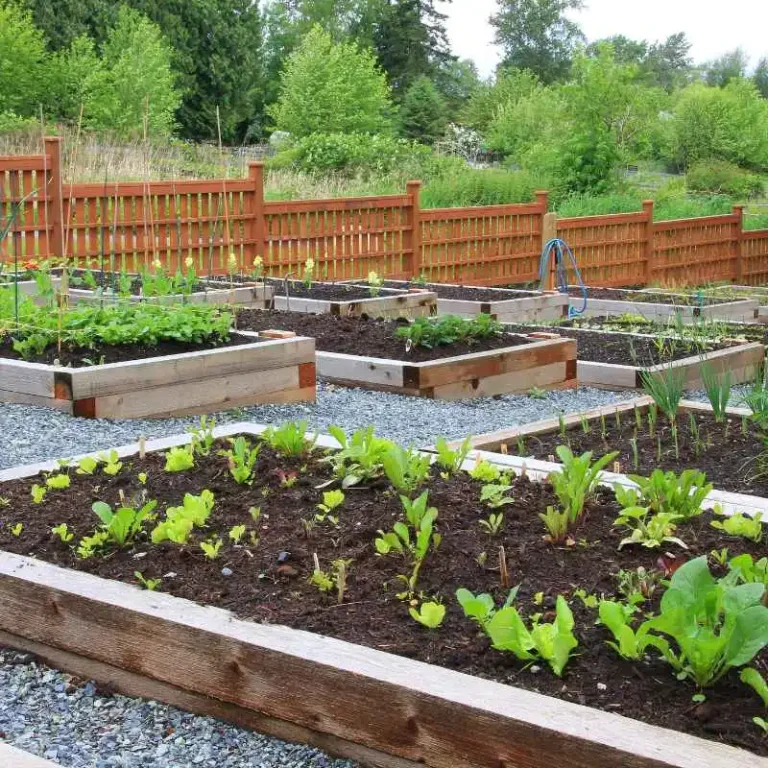
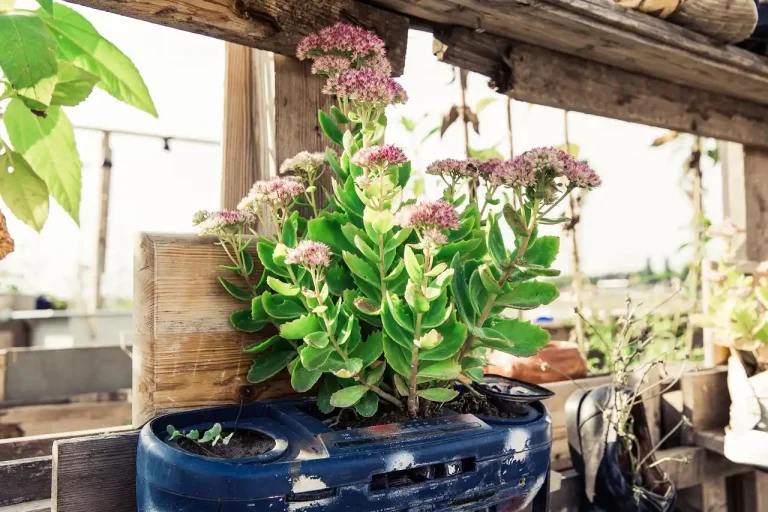
For those with limited space or poor native soil, container gardening and raised beds are practical alternatives. Containers can be made from clay, plastic, or wood, while raised beds offer improved drainage and easier maintenance.
Containers should be at least 12 inches deep for most vegetables, with larger pots needed for root crops and sprawling plants like tomatoes. Raised beds can be customized to fit any space, and their height reduces bending and allows for easier access, which is especially beneficial for older adults or people with disabilities.
Comparison Table: Essential Tools And Their Uses
| Tool | Primary Use | Recommended For | Average Price (USD) |
|---|---|---|---|
| Hand Trowel | Planting, transplanting, digging | All gardeners | $8–$15 |
| Pruning Shears | Cutting stems, harvesting | All gardeners | $10–$25 |
| Watering Can | Manual watering | Small gardens, containers | $12–$20 |
| Garden Fork | Turning soil, aeration | Medium to large plots | $20–$35 |
| Hoe | Weeding, cultivating | Medium to large plots | $15–$30 |
Having the right tools not only makes gardening more enjoyable but also increases efficiency, allowing you to focus on plant care rather than struggling with inadequate equipment.
Planning Your First Vegetable Garden
Proper planning is the backbone of a successful vegetable garden, especially for beginners. Thoughtful site selection, crop choices, and layout design help maximize yields and minimize frustration.
Site Selection: Sun, Soil, And Space
- Sunlight: Most vegetables need at least 6–8 hours of direct sunlight daily. Observe your space throughout the day to identify the sunniest spots.
- Soil Quality: Conduct a simple soil test for pH (ideal: 6.0–7.0) and nutrient content. Amend as needed with compost or organic fertilizers.
- Space: Match your ambitions to available space. Even a small 4×4-foot bed or a few containers can yield impressive results.
If your garden area receives partial shade, choose crops like leafy greens and root vegetables, which tolerate lower light levels better than fruiting plants. For those with only shaded areas, consider moving containers around to catch sunlight or supplementing with grow lights.
Choosing What To Grow
Start with easy, reliable crops. Consider your climate, taste preferences, and available time. Popular beginner-friendly vegetables include:
- Lettuce and salad greens
- Radishes
- Tomatoes
- Bush beans
- Carrots
- Zucchini
It’s also wise to select vegetables that you and your household enjoy eating, to ensure your efforts are well rewarded. Research varieties adapted for your local climate; some tomatoes, for instance, thrive in hot, dry conditions, while others prefer cooler weather.
Garden Layout And Design
A well-planned layout makes maintenance easier and supports healthy plant growth. Options include:
- Rows: Traditional, easy to weed, ideal for larger plots.
- Square foot gardening: Intensive planting in 1×1 foot squares, maximizing yields in small spaces (Wikipedia: Square Foot Gardening).
- Companion planting: Grouping compatible plants to deter pests and boost growth.
Companion planting examples include pairing tomatoes with basil (to repel pests and enhance flavor) or carrots with onions (to deter carrot flies). Consider pathways and access points in your layout to make watering, harvesting, and weeding convenient.
Timing: When To Plant
Know your USDA Hardiness Zone (USDA Plant Hardiness Zone Map) to determine safe planting dates. Most seed packets list the best planting windows for your region.
Spring and fall are prime gardening seasons in most regions. Cool-season crops (like spinach and peas) can be planted earlier, while warm-season crops (like peppers and tomatoes) require frost-free conditions. Staggering plantings extends your harvest window and reduces the risk of losing all crops to a single weather event.
Real-world Example: Urban Balcony Garden
Maria, a New York City resident, started her first vegetable garden using five large containers on her balcony. With just 15 square feet, she grew cherry tomatoes, lettuce, and herbs. By following a simple layout and planting schedule, she harvested over 30 pounds of produce in her first season.
Maria’s success illustrates that even urban dwellers can enjoy fresh, homegrown vegetables with minimal space and investment.

Preparing The Soil And Planting
Soil preparation and planting techniques directly impact the health and productivity of your vegetable garden. Investing time in this stage pays dividends throughout the growing season.
Testing And Amending Soil
- Test soil pH using a home test kit or through local extension services.
- Amend with compost or well-rotted manure to improve fertility.
- Adjust pH if needed: Lime raises pH (reduces acidity), while sulfur lowers pH (reduces alkalinity).
Healthy soil is alive, teeming with microorganisms and earthworms. These organisms break down organic matter and release nutrients, supporting robust plant growth. If your soil is heavy clay or sandy, mix in organic matter to improve texture and nutrient retention.
Creating Garden Beds
- In-ground beds: Remove sod, loosen soil to 12–18 inches deep, and mix in compost.
- Raised beds: Fill with a blend of topsoil, compost, and peat moss or coconut coir for improved drainage and fertility.
- Containers: Use high-quality potting mix designed for vegetables.
Raised beds and containers also help overcome challenges like poor drainage, soil compaction, and contamination. For urban gardens, using certified organic mixes can prevent exposure to pollutants.
Sowing Seeds Vs. Transplanting
- Direct sowing: Plant seeds directly in the garden for crops like carrots, beans, and radishes.
- Transplanting: Start tomatoes, peppers, and eggplants indoors, then transplant seedlings outdoors after frost.
Transplanting allows gardeners to extend the growing season, giving crops a head start and reducing the risk of loss due to late frosts. When sowing seeds outdoors, ensure soil is moist and temperature is appropriate for the crop.
Spacing And Depth
Follow seed packet guidelines for spacing and planting depth. Overcrowding reduces air circulation and increases disease risk.
Proper spacing is crucial for air flow, sunlight penetration, and root development. Crowded plants are more susceptible to fungal diseases and stunted growth. Some crops, like lettuce, can be planted closely and thinned as needed.
Watering After Planting
Gently water newly planted seeds and transplants to settle soil around roots and support germination.
Avoid heavy watering that could wash away seeds or compact soil. Use a fine spray for seedlings and ensure containers drain well to prevent root rot.
Caring For Your Vegetable Garden
A thriving garden requires consistent care, including watering, weeding, mulching, and pest management. Early intervention prevents small problems from becoming major setbacks.
Watering Wisely
- Deep, infrequent watering encourages deep root development.
- Aim for 1–1.5 inches of water per week, including rainfall.
- Use drip irrigation or soaker hoses to minimize evaporation and fungal diseases.
Monitor soil moisture with your finger or a moisture meter, especially during hot, dry spells. Watering in the early morning reduces evaporation and allows leaves to dry, minimizing disease risks.
Mulching
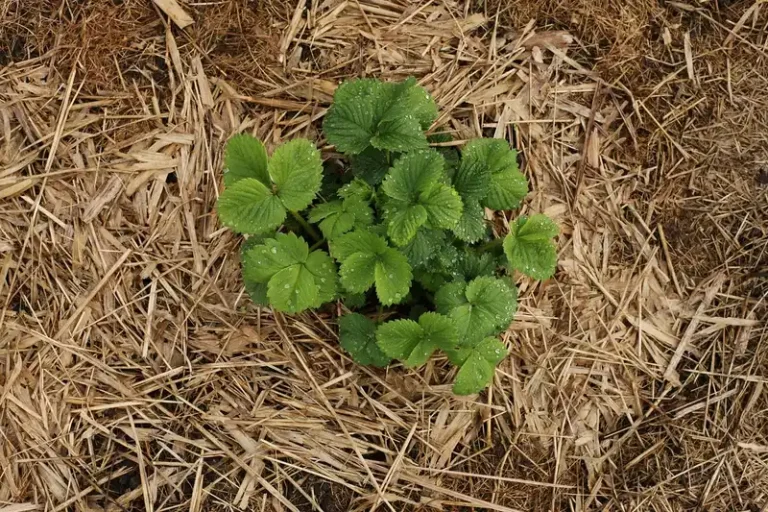
- Apply 2–3 inches of organic mulch (straw, shredded leaves, or wood chips) around plants.
- Mulch conserves moisture, suppresses weeds, and moderates soil temperature.
Mulching also prevents soil erosion, helps beneficial soil organisms thrive, and can add nutrients as it decomposes. Avoid piling mulch directly against stems to prevent rot.
Weeding
- Remove weeds promptly to reduce competition for water and nutrients.
- Hand-pulling is effective for small gardens; use a hoe for larger areas.
Persistent weeds can harbor pests and diseases, so regular removal is essential. For larger gardens, consider landscape fabric or cover crops to reduce weed pressure.
Fertilizing
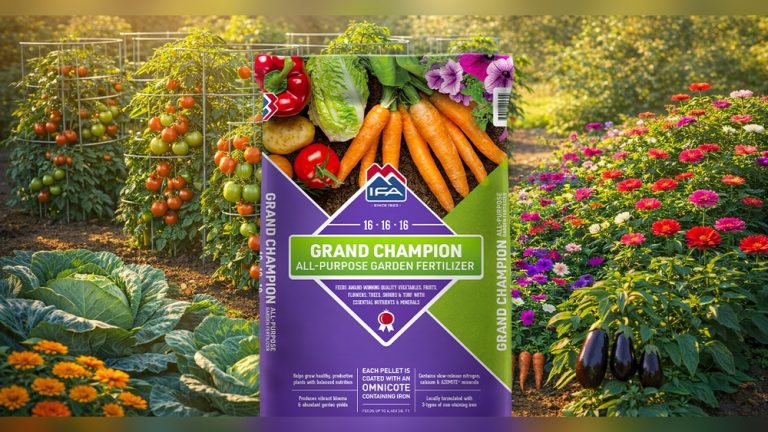
- Supplement with balanced fertilizers (e.g., 10-10-10) according to package directions.
- Organic options include compost tea, fish emulsion, or worm castings.
Understanding your soil’s nutrient profile helps tailor fertilization. Over-fertilizing can lead to lush foliage but poor fruiting, so moderation is key. Slow-release fertilizers reduce the risk of nutrient burn and provide steady nourishment.
Pest And Disease Management
- Inspect plants regularly for pests (aphids, caterpillars, beetles) and disease symptoms (spots, wilting).
- Remove affected leaves and use row covers or insecticidal soap as needed.
- Encourage beneficial insects (ladybugs, lacewings) for natural pest control.
Integrated pest management combines cultural, mechanical, biological, and chemical controls to keep problems in check. Rotate crops and avoid monocultures to break pest and disease cycles.
Real-world Example: Raised Bed Success
The Johnson family in Ohio built three 4×8-foot raised beds using recycled lumber. By mulching with straw and installing a simple drip irrigation system, they reduced weeding by 70% and harvested over 100 pounds of vegetables in their first year.
Their experience demonstrates the effectiveness of sustainable practices and careful planning in maximizing yields while minimizing labor.
Harvesting And Storing Your Produce
Knowing when and how to harvest maximizes both flavor and nutritional value. Proper storage extends the life of your hard-earned crops.
Signs Of Readiness
- Leafy greens: Harvest when leaves are young and tender.
- Tomatoes: Pick when fully colored and slightly soft to the touch.
- Root crops: Pull when roots reach mature size but before they become woody.
Harvest timing can affect flavor and nutrition. For example, lettuce is sweetest in the morning, while tomatoes are best picked when fully ripe but before cracking or bruising.
Harvesting Techniques
- Use clean, sharp shears or knives to avoid damaging plants.
- Harvest early in the morning for peak crispness and flavor.
Regular harvesting encourages continued production, especially for crops like beans, peas, and zucchini. Handle produce gently to prevent bruising and spoilage.
Short-term Storage
- Refrigerate most vegetables, but store potatoes and onions in a cool, dark, ventilated place.
- Wash produce only before use to prevent premature spoilage.
Storing vegetables properly preserves their freshness and prevents waste. Some crops, like carrots and beets, can be kept in damp sand for extended periods.
Preserving The Harvest
- Freezing, canning, and drying are effective ways to enjoy your vegetables year-round (National Center for Home Food Preservation).
- Blanch and freeze excess greens; make sauces or pickles from surplus tomatoes and cucumbers.
Preserving techniques allow you to enjoy garden flavors long after the growing season ends. Canning requires careful adherence to safety protocols, but is highly rewarding. Dehydrating herbs and vegetables is a low-effort way to stock your pantry.
Data Table: Storage Life Of Common Vegetables
| Vegetable | Optimal Storage Method | Expected Storage Life |
|---|---|---|
| Carrots | Refrigerator (unwashed, in bag) | 2–4 weeks |
| Tomatoes | Room temperature | 3–5 days |
| Leafy greens | Refrigerator (in crisper drawer) | 1–2 weeks |
| Potatoes | Cool, dark pantry | 2–3 months |
| Onions | Cool, dry, ventilated area | 1–2 months |
Real-world Example: Small-scale Food Security
In 2026, the Nguyen family in California grew enough green beans and tomatoes to can 40 jars of homemade salsa and preserved beans for winter use. Their garden provided fresh produce for 8 months and reduced grocery expenses by over $250.
This example highlights how even small gardens can contribute substantially to household food security and savings.
Troubleshooting Common Problems
Even experienced gardeners face setbacks. Early identification and action can save your crop and boost your confidence.
Poor Germination
- Possible causes: Old seeds, cold or waterlogged soil, planting too deep.
- Solutions: Use fresh seeds, warm the soil before sowing, follow depth guidelines.
Testing seed viability before planting—by sprouting a few on a damp paper towel—can help avoid disappointment. Covering beds with clear plastic can warm soil and speed germination in cool climates.
Yellowing Leaves
- Possible causes: Overwatering, nutrient deficiency (especially nitrogen), poor drainage.
- Solutions: Test soil, adjust watering, apply balanced fertilizer.
Leaf color can provide clues to underlying issues. Yellowing between leaf veins often signals magnesium deficiency, which can be corrected with Epsom salts.
Pest Infestations
- Common pests: Aphids, slugs, cabbage worms, squash bugs.
- Solutions: Hand-pick larger pests, use row covers, introduce beneficial insects.
Natural deterrents, like diatomaceous earth or neem oil, can be applied safely. Encouraging birds and frogs also helps keep pest populations in check.
Disease Outbreaks
- Symptoms: Moldy patches, leaf spots, wilting.
- Prevention: Space plants for airflow, rotate crops annually, remove diseased material promptly.
Avoid overhead watering to prevent leaf diseases, and always sanitize tools between uses. Resistant varieties and proper spacing are long-term solutions.
Weather Challenges
- Drought: Mulch heavily, water deeply.
- Excess rain: Improve drainage with raised beds or organic matter.
- Frost: Protect with row covers or cloches.
Microclimates within your garden can be exploited for sensitive plants—planting against a south-facing wall, for example, can provide warmth and shelter. Weather apps and forecasts help plan timely interventions.
Data Table: Common Vegetable Garden Problems And Solutions
| Problem | Symptoms | Prevention/Treatment |
|---|---|---|
| Blossom end rot (tomatoes) | Dark, sunken spots on fruit | Even watering, add calcium to soil |
| Powdery mildew | White powdery coating on leaves | Improve air flow, use resistant varieties |
| Cutworms | Seedlings cut at soil line | Use collars around stems, remove plant debris |
Maximizing Success: Tips And Seasonal Strategies
Sustained success comes from smart planning, ongoing learning, and adapting to changing conditions. These strategies will help you get the most from your garden, season after season.
Start Small And Scale Up
Begin with a manageable plot or a few containers. Expand as your skills and confidence grow.
Small beginnings allow for experimentation and minimize risk. With each season, you’ll develop insight into your space, climate, and preferred crops.
Succession Planting
Stagger plantings of quick-growing crops (like lettuce or radishes) every 2–3 weeks for a continuous harvest.
Succession planting keeps your garden productive, ensuring fresh produce throughout the season. This technique is especially valuable for crops with short maturity times.
Crop Rotation
Rotate vegetable families each year to prevent soil-borne diseases and nutrient depletion. For example, follow tomatoes (nightshades) with beans (legumes) that fix nitrogen.
Rotation also prevents buildup of pests and maintains soil health. Mapping your beds each year helps track rotations and plan future plantings.
Record Keeping
Maintain a simple garden journal:
- Planting dates
- Varieties grown
- Yields and problems encountered
- Weather notes
This information will refine your approach year after year.
Detailed records help identify trends and diagnose issues, making you a more effective gardener over time.
Leveraging Community Resources
Tap into local knowledge by joining community gardens, attending workshops, or participating in online forums. Many extension services offer free classes and expert advice (University of Minnesota Extension).
Sharing experiences and learning from others accelerates your progress and expands your gardening network.
Sustainable Practices
- Compost kitchen scraps to reduce waste and enrich soil.
- Collect rainwater for irrigation.
- Use organic mulches and natural pest controls to minimize chemicals.
Adopting sustainable practices reduces environmental impact and improves soil health. Many gardeners find satisfaction in closing the loop, turning waste into resources.
Real-world Example: School Garden Impact
A public elementary school in Oregon implemented a vegetable garden program. Over 150 students participated, learning about science and nutrition while growing 500 pounds of produce for their cafeteria and local food bank.
This initiative demonstrates the broad benefits of gardening, from education to community health and food access.
Frequently Asked Questions
What Is The Easiest Vegetable For Beginners To Grow?
Leafy greens like lettuce and spinach are among the easiest for beginners. They germinate quickly, tolerate cooler temperatures, and can be grown in containers or small spaces. Radishes and bush beans are also highly recommended for their fast growth and low maintenance requirements.
How Much Time Does Vegetable Gardening Require Each Week?
A small garden (e.g., 4×4 feet or several containers) typically requires 2–4 hours per week for watering, weeding, and harvesting. Larger plots or more intensive gardens may require additional time, especially during peak growing season. Many gardeners find the time spent relaxing and rewarding.
The time commitment decreases as you gain efficiency and establish low-maintenance systems, such as drip irrigation and mulching.
Can I Start A Vegetable Garden Without A Yard?
Absolutely. Container gardening is ideal for patios, balconies, or rooftops. Choose compact or dwarf varieties and ensure containers have drainage holes. Community gardens are another excellent option for those without private outdoor space (American Community Gardening Association).
Window boxes and vertical gardens maximize use of small spaces. Many urban gardeners successfully grow greens, tomatoes, and herbs indoors with grow lights.
What Are The Most Common Mistakes Beginners Make?
Frequent beginner errors include:
- Overcrowding plants, which reduces airflow and increases disease risk.
- Overwatering or underwatering, stressing plants and promoting rot or wilt.
- Neglecting soil quality, leading to poor growth and yields.
- Planting at the wrong time, resulting in lost crops.
Other mistakes include ignoring pest problems until they escalate, and failing to rotate crops, which can lead to depleted soil and increased disease.
How Do I Keep Pests And Diseases Under Control Naturally?
- Encourage beneficial insects like ladybugs and lacewings by planting flowers nearby.
- Use row covers to physically block insect pests.
- Rotate crops and practice good garden hygiene to reduce disease risks.
- Hand-pick larger pests and remove infected plant material promptly.
Diversity in plantings and healthy soil also contribute to natural resilience against pests and diseases.
Additional Resources For Vegetable Gardeners
For further reading, expert advice, and inspiration, explore these reputable resources:
- Gardener’s Supply Company
- The Old Farmer’s Almanac: Vegetable Gardening for Beginners
- Royal Horticultural Society: Vegetables
Vegetable gardening is a timeless, accessible, and deeply rewarding pursuit. With some basic knowledge and hands-on experience, anyone can transform a patch of earth—or a few pots—into a source of nourishment and pride. Start small, stay curious, and enjoy the journey as you cultivate not only your garden, but also your health and connection to the world around you.