How to Preserve a Vegetable Harvest by Freezing
A common rule of thumb is to freeze vegetables within about 24 hours of harvest, blanch most types first, and skip blanching only for tender herbs, peppers, and onions. Skip that step and texture turns mushy, flavor fades, and freezer burn wastes good produce. This guide shows which vegetables to blanch, how long to blanch them, and how to pack and store them for the best results.
Which vegetables freeze best?


The best freezing path depends on vegetable family and harvest condition. Leafy greens, podded vegetables, roots, and high-water crops do not behave the same way, and overripe produce loses quality faster than firm, peak-quality produce. Choose the method that fits the crop, not the one easiest to repeat.
Match the crop to the method
Leafy greens usually need trimming, blanching, and fast cooling before freezing. Podded vegetables such as peas often freeze well after blanching or, for some tender types, after flash freezing and bagging. Roots usually hold texture better than watery crops, while tomatoes, cucumbers, lettuce, and other high-water vegetables freeze poorly raw.
Choose by harvest stage, not habit
Use vegetables that are firm, clean, and at peak ripeness. Sort out bruised, overripe, woody, or insect-damaged pieces before freezing, since those flaws show up later as weak flavor, discoloration, or soft spots. A common first-timer mistake is freezing a whole basket without sorting, then finding limp greens and dull-tasting pods after thawing.
Some crops are better cooked first
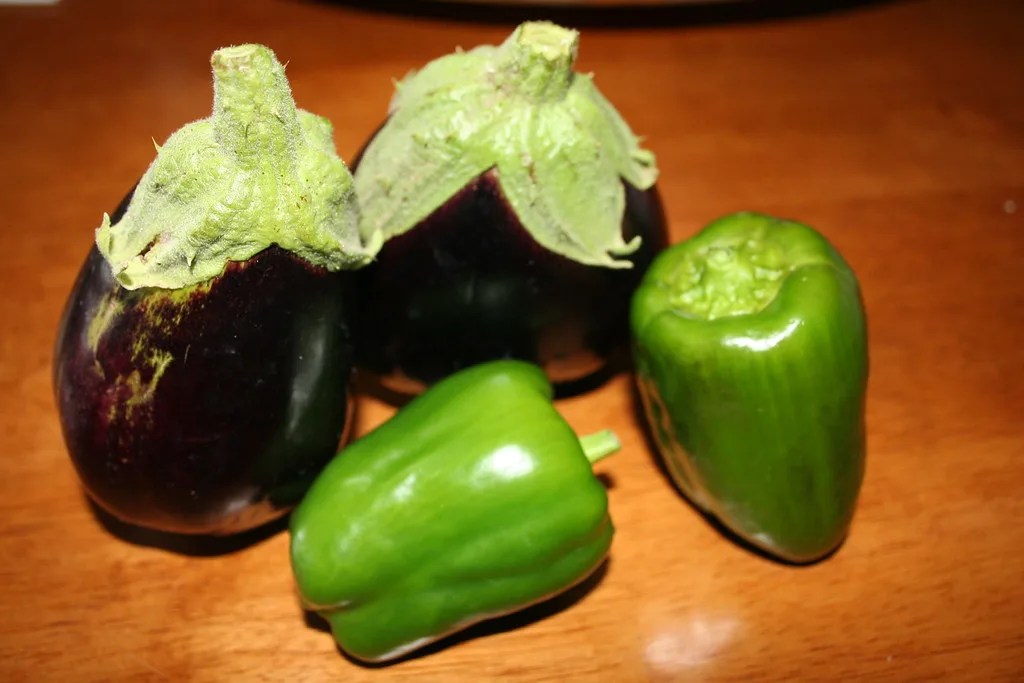
Eggplant and winter squash are generally better frozen after cooking than as raw pieces. Cooked cubes, mash, or puree hold up more predictably than raw-blanched chunks. High-water vegetables often lose structure no matter how carefully they are packed, so a cooked format gives you a better result for soups, sauces, and purees.
How do I prepare fresh vegetables for freezing?
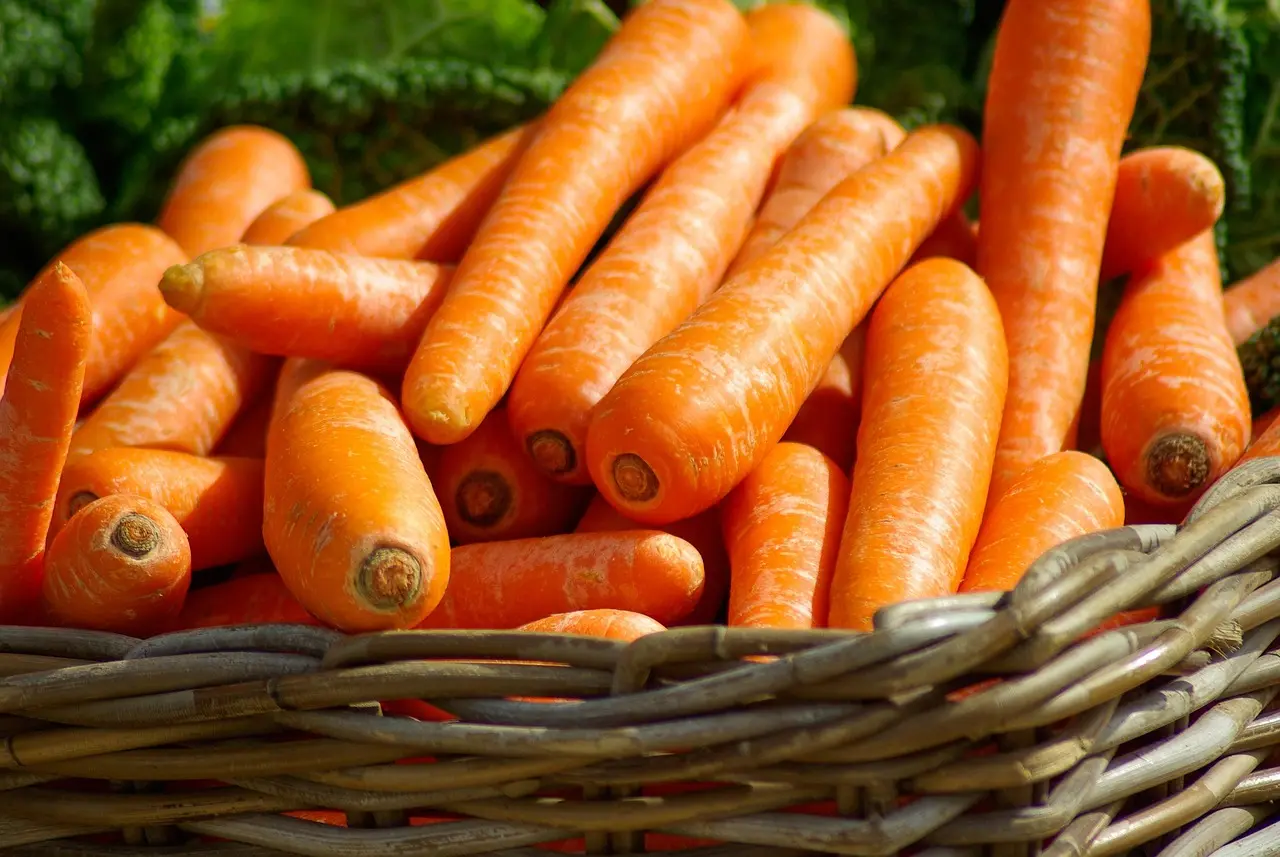
Wash, trim, and cut vegetables before freezing, but do it with the final use in mind. Clean produce first, remove damaged parts, and cut pieces to the size you will actually cook later. Dry the vegetables well before they go into any freezer package, because surface water turns into ice and encourages clumping.
Wash and sort first
Rinse dirt off under cold water, then remove stems, bruised spots, tough ends, and any leaves that are yellowing or slimy. Do not freeze damaged sections and expect the package to improve later. Freezing keeps quality where it is; it does not fix bad texture or flavor.
Cut for the final dish
Slice carrots for soup, chop beans for stir-fries, or leave florets in the size you usually cook. Smaller pieces freeze faster and thaw more evenly, but very small cuts can overcook after blanching. Keep the cut size consistent within each batch so blanching and thawing stay even.
Dry before packaging
Spread washed vegetables on clean towels or a rack until the surface moisture is gone. This matters most for loose pieces such as peas, corn, diced peppers, and chopped greens. Less surface moisture means less freezer burn, less ice buildup, and less clumping in the bag.
When should you blanch vegetables?
Blanching is the brief heating step that inactivates enzymes before freezing. It helps vegetables keep color, flavor, and texture during storage. Most vegetables do better with it, but tender herbs, peppers, and onions are common exceptions, and a few crops are better cooked before freezing instead of blanched raw.
Why blanching helps
Even in the freezer, enzymes keep working slowly. Blanching slows that activity, so peas stay sweeter, beans stay brighter, and greens lose less color. It also lowers the chance of off-flavors and soft, tired texture after thawing.
Boiling-water or steam blanching
Boiling-water blanching uses a pot of vigorously boiling water and a basket or strainer. Steam blanching uses hot steam over a small amount of water and is often used for better surface texture on certain vegetables. Both methods require rapid cooling in ice water afterward. Choose the method your kitchen can keep steady and repeat cleanly.
Time depends on type and cut size
Blanch time is not one fixed number. It varies by vegetable type, size, and cut, and source recommendations differ for that reason. Thin beans blanch faster than thick beans. Small broccoli florets need less time than large ones. Follow a reliable crop-specific chart, not a single timing rule for everything.
How do I cool and dry them fast?
After blanching, move the vegetables into an ice bath right away. Very cold water stops the cooking process before the vegetable turns soft. Once cooled, drain well and dry again so the package starts as dry as possible.
Use an ice bath
Fill a bowl or sink with very cold water and plenty of ice. The vegetables should cool quickly, then be lifted out and drained as soon as they are cold through. Long soaks can make them waterlogged, which hurts texture and increases ice crystals in the package.
Drain thoroughly
After cooling, spread the vegetables on towels, a rack, or a clean tray. Pat them dry if needed. The goal is to remove as much surface water as possible before bagging or boxing, because excess moisture becomes frost and clumps during freezing.
Flash freeze loose pieces
For loose vegetables such as peas, corn, diced peppers, or sliced carrots, spread them in a single layer on a tray or sheet pan and freeze until firm before bagging. This flash freezing step helps prevent clumps, so you can pour out only what you need later.
Freeze, bag, or box?
Use freezer-safe packaging that keeps air out. Freezer bags are a good choice for flat stacking and quick air removal. Rigid airtight containers work better for delicate, crushed, or sauced vegetables. The best package is the one that fits the crop and leaves the least empty space.
Choose freezer bags for flat stacking
Freezer bags are useful for loose pieces, blanched beans, corn, chopped greens, and other vegetables you want to stack flat. Press out as much air as possible before sealing, then label each bag with contents and date. Only use bags marked freezer-safe.
Choose rigid containers for delicate or sauced vegetables
Airtight containers help protect crushed vegetables, cooked purées, and soft blends that could be damaged in a bag. Leave headspace so the contents can expand as they freeze. These containers are also useful when odor transfer matters, since rigid walls resist moisture loss and smell exchange better than thin packaging.
Freezer burn starts with air exposure
Freezer burn shows up as dry, discolored patches and dull flavor. It happens when air and moisture reach the surface of the food. Tight wrapping, fast freezing, and low empty space inside the package all help reduce it. It does not make food unsafe, but the eating quality drops.
Vegetable freezing decision chart
This chart gives a practical path by crop family. Use it to decide when to blanch, when to raw-pack, and when to cook first. The storage method should follow the vegetable’s structure, because texture loss after thawing depends as much on crop type as on packaging.
| Vegetable group | Prep step | Blanch time category | Packaging choice | Expected thawed texture | Best use case |
|---|---|---|---|---|---|
| Leafy greens | Wash, trim tough stems, chop if needed | Short | Freezer bag or airtight container, packed tightly | Soft, best for cooked dishes | Soups, sautés, fillings |
| Peas and other tender podded vegetables | Shell or trim pods, sort for firmness | Short to medium | Flash freeze first, then freezer bag | Good shape, slight softening | Side dishes, soups, stir-fries |
| Beans, broccoli, cauliflower, carrots | Wash, trim, cut to even size | Medium | Freezer bag with air removed | Firm-tender if handled well | Stir-fries, casseroles, steaming |
| Corn | Shuck, clean, cut or leave whole kernels | Short to medium | Freezer bag after flash freezing kernels | Sweet and fairly crisp | Soups, chowders, skillet dishes |
| Eggplant | Cook first, then cool and portion | Not the usual path | Airtight container or freezer bag | Soft, best in cooked form | Stews, sauces, baked dishes |
| Winter squash | Cook, mash, or puree; cool before packing | Not the usual path | Airtight container with headspace | Soft puree or mash | Pies, soups, purees |
| Tomatoes and other high-water crops | Sort, core, and use only if you accept soft texture | Usually none | Container or bag for cooking use | Very soft after thawing | Sauces, soups, cooked dishes |
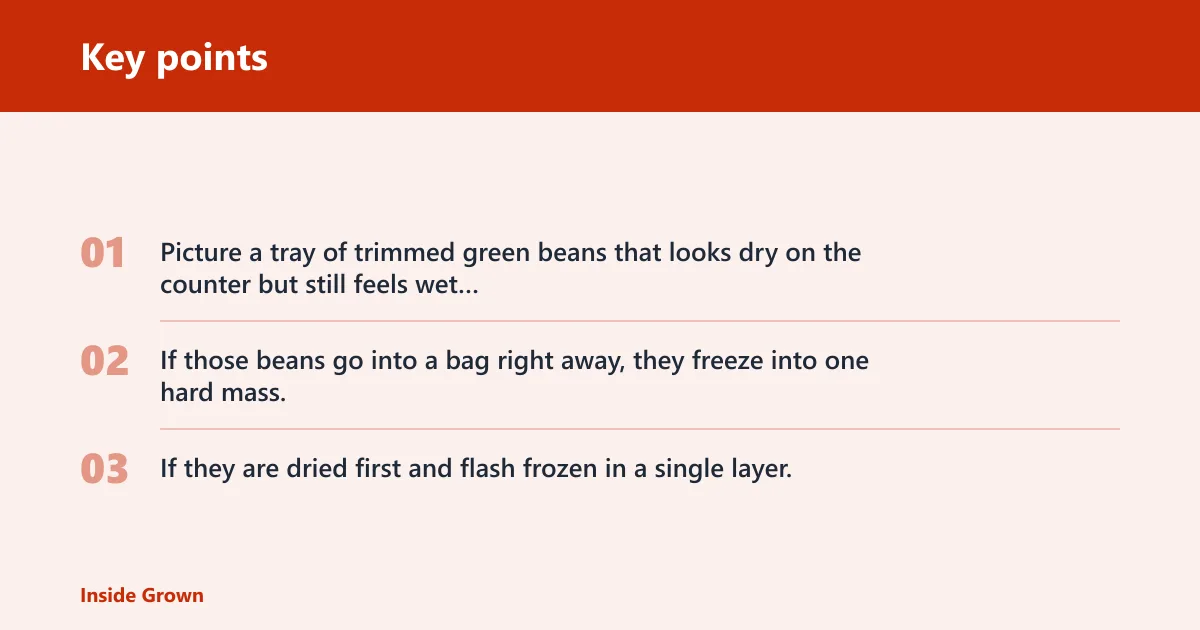
Picture a tray of trimmed green beans that looks dry on the counter but still feels wet at the tips. If those beans go into a bag right away, they freeze into one hard mass. If they are dried first and flash frozen in a single layer, they stay separate and pourable.
How long do frozen vegetables keep?
Store frozen vegetables at about 0°F, or -18°C, or colder. Safety and quality are not the same thing: properly frozen food can stay safe beyond its best eating window, but flavor, color, and texture slowly decline. Date labels help you rotate older packages first.
Use a quality window, not a forever rule
Most home-frozen vegetables are generally best used within about 8 to 12 months for quality, though some may hold acceptable quality a bit longer if the freezer stays cold and the package stays tightly sealed. The exact window varies by crop, cut size, and packaging quality.
Label every package
Write the vegetable name and freeze date on each bag or container. That simple step helps with rotation and keeps older packages from hiding in the back of the freezer. It also makes it easier to pick the right vegetable for soups, stir-fries, casseroles, or purees later.
How do I properly freeze vegetables from my garden?
Use peak-quality produce, sort out damaged pieces, prep each crop by its family, and choose blanching, raw packing, or cooking based on how that vegetable holds texture. Cool quickly, dry well, package with little air, label the date, and store at 0°F or colder.
What to do after freezing
Frozen vegetables usually go straight from freezer to pan, pot, or baking dish. Use blanched vegetables in stir-fries, soups, casseroles, and side dishes. Use cooked squash or puree for baking and soup. Very soft crops are best used where texture matters less, since thawing changes their bite.
Frequently asked questions
Do I need to blanch vegetables before freezing?
Most vegetables need blanching because it slows enzyme activity that causes flavor loss, color change, and softening. A few crops, such as tender herbs, peppers, and onions, are often frozen without blanching. For eggplant and winter squash, cooked forms usually work better than raw blanching.
Can I freeze vegetables raw at home?
Yes, but only for certain vegetables and only when texture loss is acceptable. Peppers, onions, and some herbs freeze well raw. Many others become mushy or dull. High-water vegetables are especially likely to thaw soft, so raw freezing is usually best only for cooking uses.
What is the best way to package vegetables for the freezer?
Use freezer-safe bags for flat stacking and air removal, or rigid airtight containers for crushed, delicate, or sauced vegetables. Pack as much air out as possible, leave headspace in containers, and label each package with contents and date. Tight packaging helps limit freezer burn.
How do I stop freezer burn on frozen vegetables?
Dry the vegetables well, remove as much air as possible, use freezer-safe packaging, and freeze them promptly at 0°F or colder. Flash freezing loose pieces also helps. Freezer burn comes from air exposure and moisture loss, so the less empty space and surface moisture, the better.
How long do frozen garden vegetables keep?
For best quality, plan to use most home-frozen vegetables within about 8 to 12 months. They can stay safe longer if the freezer stays at 0°F or colder, but quality declines over time. Date labels make it easier to use the oldest packages first.
Can I freeze cooked vegetables at home too?
Yes. Cooked vegetables are often the better choice for eggplant, winter squash, and any crop that turns soft when frozen raw. Cool cooked vegetables quickly before packing, then store them in airtight containers or freezer bags. They work well for soups, purees, casseroles, and baked dishes.