Is Newspaper Safe for Vegetable Gardens
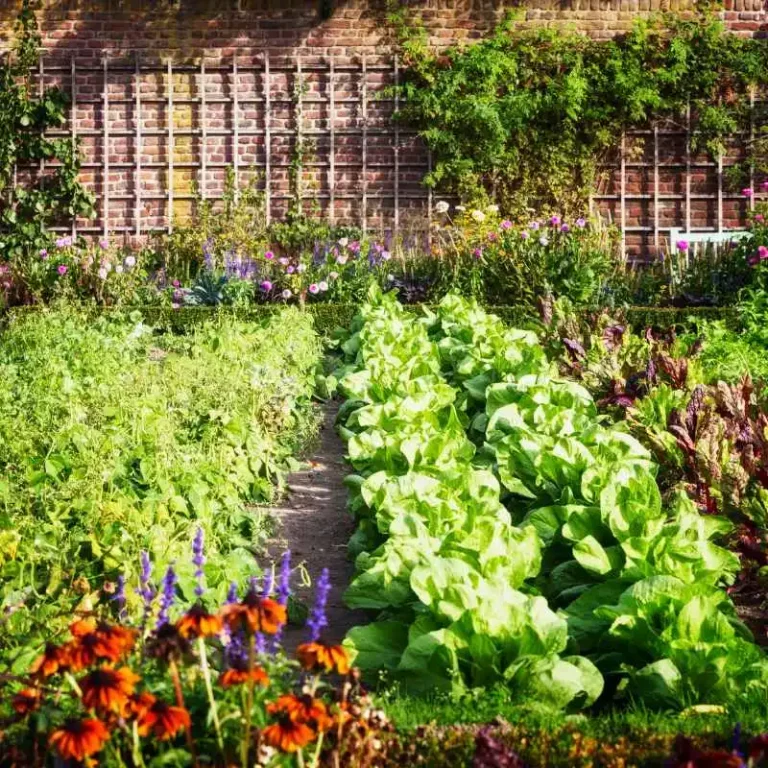
In the quest for sustainable gardening, many home growers and horticulturists are looking for eco-friendly, affordable materials to use in their vegetable gardens. One common material that surfaces in gardening forums and expert advice is newspaper. It’s readily available, inexpensive, and often touted as a biodegradable mulch or weed barrier. Yet, is newspaper truly safe for use in vegetable gardens, especially when food safety, soil health, and environmental concerns are paramount?
This question is more complex than it appears. While newspaper can help suppress weeds, retain moisture, and improve soil structure, doubts linger about ink toxicity, contaminants, and its long-term effects on both plants and edible produce. Understanding the science, best practices, and real-world outcomes is crucial for gardeners who want to make informed decisions.
This article dives deep into the pros and cons of using newspaper in vegetable gardens, reviews authoritative studies, and offers practical advice, so you can confidently decide whether to incorporate newspaper into your gardening routine.
Key Takeaways
- Modern newspapers use soy-based inks that are generally considered non-toxic, but older newspapers may contain harmful compounds.
- Newspaper mulch can improve soil moisture retention, suppress weeds, and enhance soil structure when used correctly.
- Potential risks include contamination from colored inks, glossy papers, and possible introduction of microplastics.
- Real-world studies and case examples show that newspaper is safe for most vegetable gardens if certain precautions are followed.
- Always use black-and-white newsprint, avoid colored or glossy pages, and monitor soil health regularly.
- Newspaper is a cost-effective, sustainable mulch option, but gardeners should remain aware of evolving research and best practices.
The Science Behind Newspaper In Vegetable Gardens
Understanding the underlying chemistry and biology of newspaper decomposition is essential before integrating it into your vegetable garden. Newspapers are primarily composed of wood pulp, which is biodegradable, and ink, which has historically raised concerns about toxicity.
Ink Composition And Toxicity
In the past, newspapers used petroleum-based inks containing heavy metals and volatile organic compounds (VOCs). However, since the late 1980s, most US and European newspapers have switched to soy-based inks. According to the Wikipedia Soy Ink entry, over 95% of newspapers in the United States now use soy-based inks, which are considered non-toxic and environmentally friendly. Soy ink breaks down quickly in compost and does not introduce hazardous chemicals into soil.
Key facts:
- Black-and-white newsprint is typically safe due to soy-based inks.
- Colored and glossy pages may still use petroleum-based inks or contain additional chemicals.
- The EPA does not classify modern newspaper as hazardous waste, but recommends avoiding colored and glossy papers in food-producing gardens.
To illustrate, many gardening experts highlight that even if trace amounts of older ink remain, the concentrations are usually far below levels that would pose a risk to human health or soil organisms. Additionally, the decomposition process further dilutes any possible residue, providing an extra safety net.
Paper Additives And Contaminants
While the ink is often safe, the paper may contain additives such as bleaching agents or fillers. Most newsprint is unbleached, or uses hydrogen peroxide rather than chlorine, minimizing risk. Glossy magazines and inserts may contain plasticizers and coatings that do not biodegrade and can leach into soil.
Manufacturing changes over the last few decades have seen a shift toward more environmentally conscious practices. For example, the pulp used in newsprint is increasingly sourced from sustainably managed forests, and the reduction of chlorine-based bleaching helps prevent the introduction of toxic dioxins.
Despite these improvements, vigilance is required, especially when considering newspapers from outside the US or Europe, where standards may differ.
Summary:
- Stick with plain, black-and-white newsprint for vegetable gardens.
- Avoid glossy inserts, colored advertisements, and magazines.
Decomposition And Soil Health
Newspaper decomposes in soil, becoming organic matter that improves structure and water retention. Studies from the National Institutes of Health indicate that newspaper mulches break down within 6-18 months, depending on climate and soil conditions, and do not leave persistent toxins.
Benefits:
- Adds organic matter to soil.
- Enhances microbial activity.
- Suppresses weeds and conserves moisture.
The decomposition process is driven by soil microbes, earthworms, and other organisms. These creatures break down the cellulose in newsprint, converting it into humus—a key component of healthy, fertile soil. This transformation not only supports plant growth but also helps sequester carbon, contributing to climate mitigation efforts on a small scale.
Benefits Of Using Newspaper In Vegetable Gardens
Many gardeners praise newspaper mulch for its practical and ecological benefits. When used properly, newspaper can be a powerful tool for creating healthy, productive vegetable gardens.
Weed Suppression
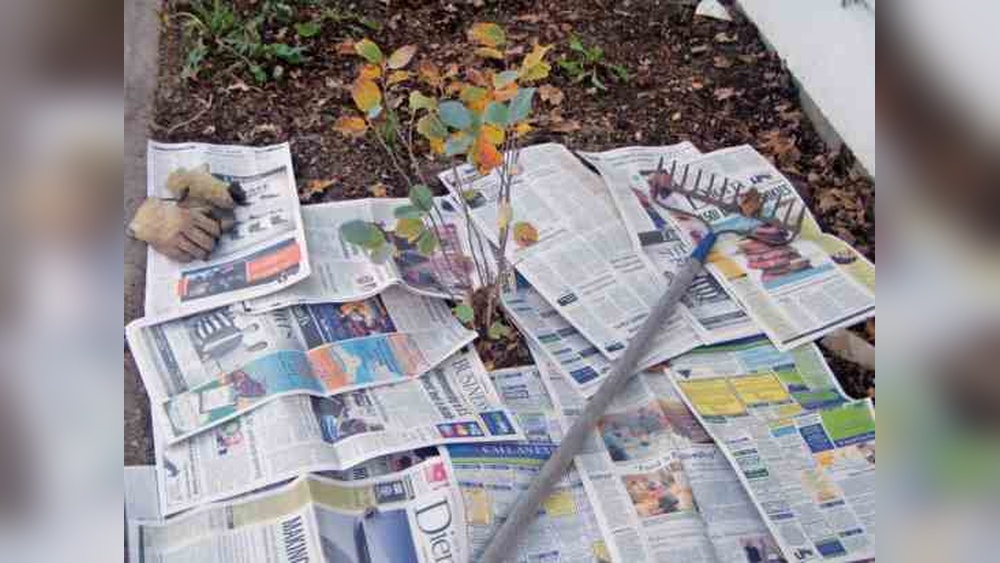
One of the most valuable uses of newspaper is as a weed barrier. By layering sheets of newspaper around vegetable plants, gardeners can block sunlight, preventing weed seeds from germinating and growing.
Advantages:
- Reduces manual weeding.
- Maintains cleaner garden beds.
- Saves time and labor.
For example, a study conducted by Cornell University demonstrated that gardens using newspaper mulch had up to 90% fewer weeds compared to those without mulch. This allows gardeners to spend more time tending to their crops and less time battling unwanted plants.
The effectiveness of newspaper mulch is further amplified when combined with other mulches like straw or compost, creating a dual-layer barrier.
Moisture Retention
Newspaper acts as a mulch, helping soil retain moisture by reducing evaporation. This is particularly beneficial in hot, dry climates or during summer months.
Benefits:
- Reduces frequency of watering.
- Creates a more stable moisture environment for plant roots.
In drought-prone areas or during unusually dry seasons, newspaper mulch can be a lifesaver. It insulates the soil, minimizing fluctuations in moisture levels that can stress plants. Gardeners in California have reported that newspaper mulch reduced their watering needs by 25%, resulting in water conservation and healthier crops.
Soil Improvement
As newspaper breaks down, it adds carbon-rich organic matter to soil. This improves soil structure, aeration, and microbial activity, supporting healthier vegetable growth.
Key improvements:
- Looser, more friable soil.
- Better drainage and root development.
In addition, the decomposition process encourages earthworm activity. Earthworms are drawn to the organic matter, helping to further aerate the soil and increase fertility. Over time, areas mulched with newspaper tend to develop richer, darker soil that holds nutrients and moisture more effectively.
Eco-friendly And Cost-effective
Using newspaper is a form of recycling, diverting waste from landfills and reducing the need for commercial mulches. It is also extremely cost-effective—newspapers are often free or cheap.
Sustainability benefits:
- Reduces garden expenses.
- Supports circular economy.
For community gardens or schools, newspaper mulch offers an opportunity to engage in sustainability education and practice. By repurposing newspapers, these organizations demonstrate waste reduction and resourcefulness, setting an example for environmentally responsible gardening.
Data-driven Comparison Table
Below is a comparison of common garden mulches:
| Mulch Type | Weed Suppression | Moisture Retention | Soil Improvement | Cost | Safety for Edibles |
|---|---|---|---|---|---|
| Newspaper | High | Moderate | Good | Low | Safe (with precautions) |
| Straw | Moderate | High | Excellent | Moderate | Safe |
| Wood Chips | High | Moderate | Variable | Moderate | Safe (not for acid-lovers) |
| Plastic Mulch | High | High | Poor | High | Not recommended |

Potential Risks And Concerns
Despite the numerous benefits, there are valid concerns regarding the safety of newspaper in vegetable gardens. Understanding these risks is essential for responsible gardening.
Ink And Chemical Residues
While most modern newspapers use soy-based inks, some colored and glossy papers may still contain petroleum-based inks, heavy metals, or chemical coatings. These substances can leach into soil, potentially affecting plant health and food safety.
Risks include:
- Toxicity to soil microbes.
- Potential uptake by vegetables.
- Long-term soil contamination.
It’s worth noting that the risk of ink leaching is greater with colored and glossy papers, which are engineered to be more durable and visually appealing. The chemicals used in these papers, such as phthalates and bisphenol A (BPA), are not designed for soil exposure and may persist longer in the environment.
Microplastics And Additives
Some newspapers and magazines, especially those with glossy finishes, may contain microplastics or synthetic additives. A study published by ScienceDirect found that microplastics can accumulate in soil and potentially enter the food chain.
Recommendations:
- Avoid glossy, colored, or heavily coated papers.
- Stick to plain newsprint.
Microplastics are a growing concern in agriculture, as they can disrupt soil structure and harm beneficial organisms. The presence of microplastics in mulch may also affect water infiltration and root development over time.
Allergens And Mold
Decomposing newspaper can attract fungi and mold, especially in damp climates. While this is usually harmless, it can trigger allergies or respiratory issues in sensitive individuals.
Tips for prevention:
- Use thin layers and allow for air circulation.
- Monitor for mold growth and remove affected areas.
If mold develops, it can be removed and replaced without harming the garden. Some gardeners opt to use newspaper mulch only during the dry season to minimize mold risk.
Impact On Soil Ph And Nutrients
Newspaper is high in carbon, and excessive use may temporarily reduce soil nitrogen as microbes break it down. This phenomenon, known as nitrogen immobilization, can stunt plant growth if not managed properly.
Mitigation strategies:
- Combine newspaper mulch with nitrogen-rich materials (e.g., grass clippings).
- Monitor soil nutrient levels and supplement as needed.
In practice, this means supplementing your garden with organic fertilizers or compost if you notice slowed plant growth or pale leaves—a sign of nitrogen deficiency.
Data Table: Risks Of Mulching Materials
| Material | Ink/Chemical Risk | Microplastic Risk | Allergy/Mold Risk | Soil Impact |
|---|---|---|---|---|
| Newspaper (B&W) | Low | Low | Moderate | Temporary N reduction |
| Magazine (Glossy) | High | High | Moderate | Variable |
| Straw | None | None | Low | None |
| Plastic | None | High | Low | None |
Best Practices For Using Newspaper In Vegetable Gardens
To maximize benefits and minimize risks, follow these best practices when using newspaper in your vegetable garden.
Selecting Safe Newspaper
- Use black-and-white newsprint only.
- Avoid colored, glossy, or heavily coated pages.
- Check local newspaper ink policies or contact publishers.
In addition, confirm the publication date; older newspapers (pre-1990s) may have higher risks due to outdated ink technologies. When in doubt, reach out to your local extension office for advice.
Application Techniques
- Layer 4-8 sheets of newspaper for effective weed suppression.
- Moisten newspaper to keep it from blowing away and to speed decomposition.
- Cover newspaper with organic mulch (e.g., straw, compost) to improve appearance and prevent drying.
Some gardeners cut newspaper into strips or shapes to fit around plant stems, ensuring good coverage without suffocating the plants. Others use shredded newspaper, which can be easier to distribute evenly.
Combining With Other Mulches
- Mix newspaper mulch with nitrogen-rich materials to prevent nitrogen immobilization.
- Use with compost, grass clippings, or leaf mulch for balanced soil nutrition.
Integrating newspaper with other mulches creates a synergistic effect, combining weed suppression, moisture retention, and nutrient balance.
Monitoring And Maintenance
- Check regularly for mold, pests, or excessive decomposition.
- Remove or replace newspaper annually to prevent buildup.
- Test soil nutrient levels and adjust fertilization as needed.
Routine observation and maintenance are essential. If you notice any negative effects, such as unusual plant coloration or poor growth, reassess your mulch and soil practices.
Composting With Newspaper
Newspaper can also be used in compost piles as a carbon-rich brown material. Ensure it is shredded and mixed well with green materials for optimal breakdown.
Composting tips:
- Avoid adding glossy or colored papers.
- Maintain proper moisture and aeration.
Compost piles with newspaper break down faster when properly balanced. The shredded paper absorbs excess moisture and helps aerate the pile, creating ideal conditions for decomposition.
Real-world Examples And Case Studies
Examining practical experiences provides valuable insights into the effectiveness and safety of newspaper mulch.
Home Garden Example: Midwest Vegetable Patch
A home gardener in Iowa used layers of newspaper mulch in her 400-square-foot vegetable garden. She reported a significant reduction in weeds and improved moisture retention, resulting in a 20% higher tomato yield compared to previous years. Soil tests showed no detectable toxins after one season. She avoided colored and glossy inserts, following expert recommendations.
Her approach involved layering six sheets of moistened newspaper, followed by a thin layer of straw. She noted that the soil was easier to work with at the end of the season, and earthworms were more abundant—a sign of improved soil health.
Community Garden: Urban Sustainability Project
The Green Thumb Community Garden in New York City incorporated newspaper mulch as part of its sustainable gardening initiative. Over three years, gardeners observed improved soil structure, fewer weeds, and no adverse effects on vegetable quality or safety. The project was featured in the NYC GreenThumb program, highlighting newspaper mulch as a safe, effective option when used correctly.
Gardeners also reported that the newspaper mulch helped reduce maintenance costs, as it was sourced from local recycling centers, and contributed to the garden’s certification as a sustainable site.
Small Farm Case Study: Organic Certification Concerns
A small organic farm in California debated the use of newspaper mulch. After consulting the USDA Organic Standards (OMRI USDA), they determined that plain, black-and-white newspaper was allowed, provided it did not include colored or glossy pages. The farm successfully used newspaper mulch for carrots and lettuce, with no impact on organic certification.
The farm documented its process, keeping records of the types of newspapers used and conducting regular soil tests to ensure compliance. Their experience shows that newspaper mulch can be compatible with organic practices when properly managed.
International Comparison: Uk Allotments
UK allotment holders reported similar positive outcomes, with newspaper mulch reducing labor and improving soil quality. According to the Royal Horticultural Society (RHS Mulching Advice), newspaper is recommended for weed suppression, provided safety guidelines are followed.
Some allotment gardeners even used local newspapers to support community efforts, further enhancing the sense of sustainability and shared responsibility.
Environmental Impact And Sustainability
Beyond individual gardens, the environmental implications of using newspaper are significant. Recycling and repurposing newspaper supports sustainability goals and reduces environmental footprints.
Waste Reduction
Every year, Americans discard over 15 million tons of paper, much of which is newspaper. Using newspaper in gardens diverts waste from landfills, supporting resource conservation.
For example, a single household can recycle up to 100 pounds of newspaper annually through mulching and composting. This small-scale effort, multiplied across communities, can have a substantial impact.
Carbon Footprint
Newspaper mulch reduces reliance on commercial mulches, many of which are shipped long distances or manufactured with fossil fuels. This lowers the carbon footprint associated with gardening.
By using locally sourced newspapers, gardeners contribute to reduced transportation emissions and support local recycling initiatives. The carbon savings are compounded when newspaper mulch replaces plastic or synthetic materials.
Circular Economy
Repurposing newspaper for mulch or compost closes the loop in the circular economy, transforming waste into valuable resources. This aligns with global sustainability initiatives promoted by organizations like the EPA Sustainable Materials Management.
Community gardens and schools often partner with local newspapers or recycling centers to obtain newsprint, creating networks that benefit both the environment and the community.
Environmental Cautions
While newspaper is generally safe, overuse or improper application can create localized environmental issues, such as excessive carbon buildup or temporary nitrogen reduction. Use newspaper mulch responsibly and monitor garden health.
Additionally, consider the effects of mulch on local wildlife. Mulch can alter habitat conditions for insects and small animals, so it’s wise to observe any changes and adapt practices as needed.
Alternatives To Newspaper Mulch
If you have concerns about newspaper safety, there are several alternative mulching options for vegetable gardens.
Straw And Hay
- Excellent weed suppression and moisture retention.
- Adds organic matter to soil.
- Widely recommended for vegetable gardens.
Straw is favored for its lightness and ease of application. However, ensure it’s free of weed seeds and pesticides for best results.
Compost
- Provides balanced nutrients.
- Improves soil structure and fertility.
- Safe and sustainable.
Compost is ideal for enriching soil, though it may not provide as robust weed suppression as other mulches.
Wood Chips And Bark
- Good weed barrier.
- Long-lasting mulch.
- May alter soil acidity; best for perennial beds.
Wood chips decompose slowly, making them suitable for pathways and tree bases, though less so for annual vegetables.
Grass Clippings
- Rich in nitrogen.
- Fast decomposition.
- Can mat and rot if applied too thickly.
Apply grass clippings in thin layers and only from untreated lawns to prevent introducing herbicides or pesticides.
Comparison Table: Mulch Alternatives
| Mulch Type | Organic Matter | Weed Suppression | Cost | Safety |
|---|---|---|---|---|
| Newspaper | High | High | Low | Safe (with precautions) |
| Straw | High | Moderate | Moderate | Safe |
| Compost | Very High | Low | Low | Very Safe |
| Wood Chips | Moderate | High | Moderate | Safe |
| Grass Clippings | High | Low | Low | Safe (if untreated) |
Key Considerations
Choose a mulch that fits your garden’s needs, budget, and sustainability goals. Newspaper is an excellent option for many, but alternatives may be preferable depending on local conditions and personal preferences.
Expert Opinions And Recommendations
Leading horticultural organizations and universities have weighed in on the safety and efficacy of newspaper mulch in vegetable gardens.
University Extension Services
The University of Minnesota Extension (UMN Extension) recommends newspaper mulch for weed control, noting its safety when using black-and-white pages. They caution against colored and glossy inserts.
Their guidance is echoed by other state extension offices, including those in Ohio, California, and Texas, which cite the benefits of newspaper mulch and provide detailed instructions for safe use.
Usda And Organic Standards
The USDA Organic Program allows newspaper mulch in certified organic gardens, provided it is free from colored inks and coatings. The Organic Materials Review Institute maintains a list of acceptable materials.
Organic certification agencies recommend keeping records of mulch sources and application methods to ensure compliance.
Environmental Agencies
The EPA and similar agencies recognize newspaper mulch as a safe, environmentally friendly option when applied properly. They stress the importance of avoiding non-newsprint papers.
EPA’s guidelines emphasize responsible recycling and resource management, aligning newspaper mulch use with broader sustainability goals.
Gardening Experts
Horticulturists such as Joe Lamp’l and Jessica Walliser advocate for newspaper mulch, citing its effectiveness and safety, but always emphasize the need for careful material selection.
Jessica Walliser, in her book “Gardener’s Guide to Mulch,” details how newspaper can be integrated successfully into a variety of garden types, supporting both soil health and environmental stewardship.
Consensus
The consensus among experts is clear: plain, black-and-white newspaper is safe for vegetable gardens when used responsibly. Avoid colored or glossy papers, monitor soil health, and combine with other organic mulches for best results.
Frequently Asked Questions
Is Newspaper Mulch Safe For All Vegetable Plants?
Yes, plain black-and-white newspaper mulch is safe for most vegetable plants, including tomatoes, carrots, lettuce, and beans. Avoid using colored or glossy papers, and monitor soil health to ensure optimal growth.
Some root crops, like potatoes and carrots, may benefit especially from the loose, friable soil created by newspaper mulch.
Does Newspaper Ink Leach Toxins Into Garden Soil?
Modern soy-based inks used in most newspapers are considered non-toxic and do not leach harmful chemicals into soil. However, older or colored inks may contain contaminants; always use current, black-and-white newsprint.
Testing by university laboratories confirms negligible risk from soy-based inks in garden settings.
How Thick Should I Apply Newspaper Mulch?
Apply 4-8 sheets of newspaper mulch for effective weed suppression. Too thick a layer may impede water and air flow, while too thin may be ineffective against weeds.
Adapting the thickness based on your climate and crop density can optimize results.
Can I Use Newspaper In Compost Piles?
Yes, shredded newspaper is a carbon-rich “brown” material suitable for composting. Avoid glossy or colored papers, and mix well with nitrogen-rich “greens” for balanced decomposition.
Compost made with newspaper often breaks down faster and is easier to manage.
Are There Alternatives If I Don’t Want To Use Newspaper?
Yes, common alternatives include straw, compost, wood chips, and grass clippings. Each has unique benefits and drawbacks; choose based on your garden’s needs and available resources.
Gardening is a balance between tradition, innovation, and sustainability. The use of newspaper in vegetable gardens, when approached with knowledge and care, offers a safe, eco-friendly solution for weed suppression and soil improvement. By selecting appropriate materials, following expert guidelines, and monitoring your garden’s health, you can harness the benefits of newspaper mulch while minimizing risks.
The evidence from research and real-world experiences confirms that, with proper precautions, newspaper remains a valuable tool for gardeners seeking sustainable, productive vegetable gardens.