Do Armadillos Eat Vegetable Gardens? How To Stop Them
Armadillos may look unassuming and even a bit charming as they trundle through the yard, but for home gardeners, these armored mammals can spell disaster. With their sharp claws and insatiable appetite for insects, armadillos are notorious diggers, capable of turning a lush vegetable garden into a field of holes overnight. Yet, despite their destructive behavior, many gardeners are left wondering: do armadillos actually eat the vegetables themselves, or is their damage merely collateral? Understanding their true habits is essential for protecting your hard-earned harvest.
If you’re finding mysterious holes, uprooted plants, or mounds of loose soil in your vegetable patch, you’re not alone. Armadillo encounters are increasingly common across the southern United States and beyond, as these adaptable creatures expand their range. The good news is that with the right knowledge and proactive strategies, you can defend your garden without harming local wildlife.
This comprehensive guide dives deep into armadillo behavior, the real risks they pose to vegetable gardens , and—most importantly—proven techniques to keep your crops safe.
Key Takeaways
- Armadillos rarely eat vegetables directly but cause significant garden damage through digging for insects and grubs.
- Their activities can uproot or bury plants, disrupt root systems, and impact overall garden health.
- Prevention strategies include fencing, habitat modification, repellents, and humane trapping.
- Integrated approaches combining multiple methods yield the highest success rates.
- Understanding armadillo behavior is critical for effective, long-term control.
- Legal and ethical considerations are essential when dealing with wildlife in your garden.
Understanding Armadillo Behavior And Diet
To effectively protect your vegetable garden, it’s crucial to first grasp why armadillos are drawn to certain environments and what motivates their digging habits.
The Nine-banded Armadillo: America’s Common Visitor
The nine-banded armadillo (Dasypus novemcinctus) is the most widespread species in the United States. Originally native to South America, these animals have steadily expanded their range northward, thriving in warm, moist climates and increasingly seen in states like Texas, Florida, Georgia, and even as far north as Illinois.
Key characteristics:
- Size: 15–17 inches long (body), weighing 8–17 lbs
- Lifespan: 7–20 years in the wild
- Nocturnal: Most active at night, especially in summer
Armadillos are well-adapted for digging, with powerful forelimbs and sharp claws that allow them to excavate both food and burrows with remarkable speed. Their distinctive bony armor provides protection from predators, while their keen sense of smell helps them locate insects deep beneath the soil.
As solitary animals, armadillos usually roam alone except during mating season, and they establish home ranges that can overlap with suburban and rural gardens alike.
In addition to their physical characteristics, armadillos display unique behaviors such as “jumping” vertically when startled and swimming across bodies of water by inflating their intestines to increase buoyancy. These adaptations contribute to their ability to colonize diverse environments, which explains their expanding range across the United States.
Armadillo Diet: What Do They Really Eat?
Despite the havoc they wreak in gardens, armadillos are primarily insectivores. Their diet consists largely of:
- Beetles, ants, and termites
- Earthworms and grubs
- Spiders and other invertebrates
- Occasional small reptiles, amphibians, or eggs
But do they eat vegetables? Research and field studies, including those by the Florida Museum of Natural History, confirm that plant matter makes up less than 10% of their diet. When they do consume plants, it’s usually fallen fruit, seeds, or tender shoots—rarely cultivated vegetables.
A closer look at scat analysis reveals that when plant material is present, it often consists of wild berries, acorns, or the occasional seed. In rare circumstances—such as during drought or insect scarcity—armadillos might nibble on garden produce, but this is an exception rather than the norm.
Their strong preference for animal protein means that cultivated vegetables like tomatoes, peppers, or leafy greens are seldom targeted as a food source.
Why Are Armadillos Attracted To Vegetable Gardens?
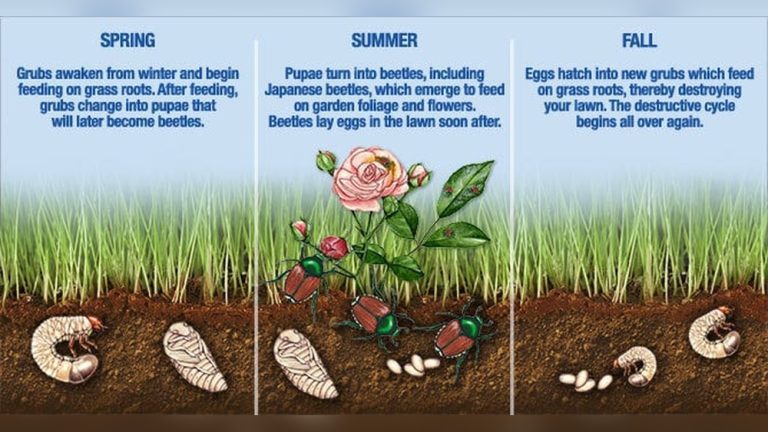
While armadillos don’t typically seek out tomatoes, lettuce, or beans, they are naturally drawn to environments rich in soil-dwelling insects—which vegetable gardens often provide. Freshly watered beds, compost piles, and mulched paths teem with earthworms and grubs, making your garden a prime hunting ground.
Common garden attractants:
- Moist, loose soil (easy to dig)
- Abundant insects and larvae
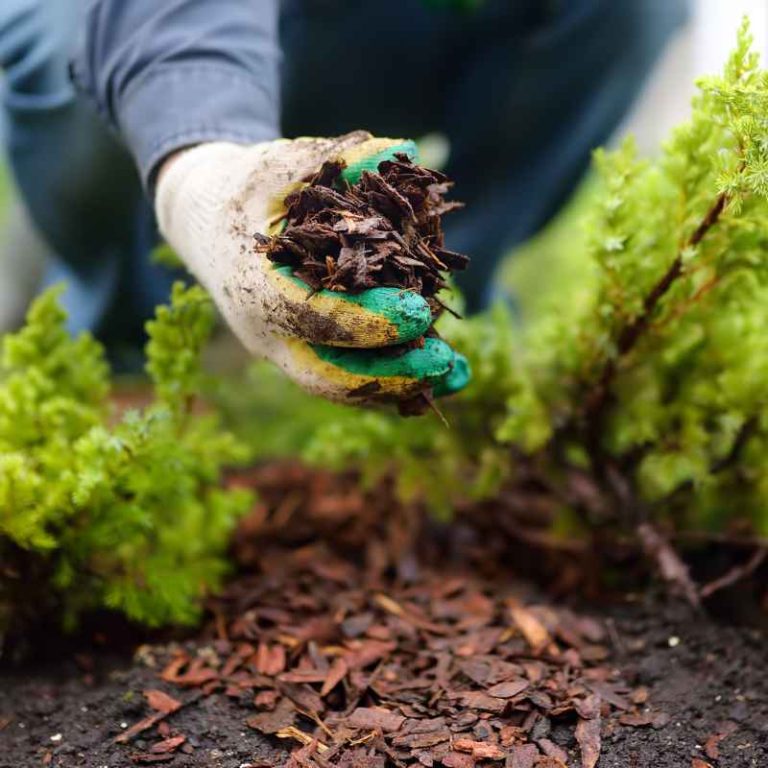
- Organic mulch and compost
- Shade and cover from plants or structures
For example, a garden that uses heavy mulching or regularly applies compost will often have higher populations of earthworms and beetle larvae, both of which are prime armadillo food sources. Over-irrigation or leaky hoses can further increase insect activity, inadvertently creating an armadillo buffet.
Even the presence of shade from large plants or nearby sheds offers daytime refuge, making gardens doubly attractive.
Armadillos can also be drawn to the shelter provided by raised beds, stone walls, or dense groundcover. These elements not only conceal armadillos from predators but also provide ideal conditions for burrowing. As a result, even well-tended urban gardens can become hotspots for armadillo activity, especially during peak insect abundance in spring and summer.
Real-world Example: Armadillo Encounters In Texas
A 2026 survey by the Texas Master Gardeners found that over 60% of respondents had experienced armadillo activity in their vegetable gardens, with most reporting extensive digging rather than direct plant consumption. In a notable case, a community garden in Austin lost over 30% of its early spring seedlings—not from being eaten, but from being uprooted and left to wilt after a night of armadillo foraging.
Additional reports from suburban neighborhoods in Houston and Dallas describe armadillos creating large foraging pits around tomato cages and in carrot beds, often causing more damage to the root zone and seedling stability than to the above-ground parts of the plants.
These incidents underscore the armadillo’s indirect impact on garden productivity, even in the absence of vegetable consumption.
The Impact Of Armadillos On Vegetable Gardens
Understanding the specific types of damage armadillos inflict is essential for developing an effective prevention plan.
Types Of Damage Caused By Armadillos
- Digging and Burrowing: Armadillos dig shallow holes, or “foraging pits,” typically 1–3 inches deep and 3–5 inches wide, searching for insects. In heavily infested areas, dozens of these holes may appear overnight.
- Uprooted Plants: Seedlings and transplants are often dislodged as armadillos root through the soil. Delicate roots can be torn, and young plants may be left exposed or flipped upside down.
- Root System Disturbance: Even established plants can suffer when their root systems are exposed or severed. This leads to wilting, stunted growth, and—in severe cases—plant death.
- Tunnel Creation: Occasionally, armadillos create larger burrows under garden beds or structures, potentially undermining foundations. These tunnels can also introduce air pockets that dry out the soil and affect neighboring plants.
- Pathway Disruption: Paths, mulch, and borders are often disturbed, leading to maintenance headaches. Gardeners may find their carefully laid walkways or mulch beds scattered and uneven after armadillo visits.
In some cases, armadillos have been known to tunnel beneath garden sheds or patios, causing structural concerns and complicating removal efforts. Their digging can also disrupt irrigation lines or expose buried utilities, posing an additional hazard for gardeners.
Comparing Armadillo Vs. Other Garden Pests
How does armadillo damage stack up against other common garden pests? The table below highlights key differences:
| Pest | Main Damage Type | Directly Eats Vegetables? | Typical Signs |
|---|---|---|---|
| Armadillo | Digging, uprooting | Rarely | Shallow holes, disturbed soil, toppled plants |
| Rabbit | Chewing, clipping stems | Yes | Gnawed leaves and stems, missing seedlings |
| Deer | Browsing, trampling | Yes | Torn leaves, hoof prints, missing tops |
| Vole | Gnawing roots | Sometimes | Sudden plant wilting, tunneled soil |
While rabbits and deer directly consume garden crops, armadillos are more likely to damage plants accidentally while searching for insects. Voles and moles create tunnels, but their feeding habits and the appearance of their tunnels differ from armadillo foraging pits.
Data On Economic Impact
According to the US Department of Agriculture, armadillo-related garden and landscape damage costs American homeowners millions annually in repairs and lost crops. While not as devastating as deer or raccoon predation, the cumulative effect of repeated digging can significantly reduce yields and increase replanting costs.
A 2020 study in Florida estimated that armadillo damage accounted for 15% of all garden replanting expenses in surveyed counties, with average costs ranging from $100 to $500 per property each growing season. For commercial vegetable producers, the cost can be even higher due to large-scale disruptions of irrigation systems and soil structure.
Short Case Study: Urban Vs. Rural Armadillo Damage
- Urban gardens: More likely to experience surface digging, especially in raised beds and mulched areas, where soft soil and high organic content attract soil insects.
- Rural gardens: May face both surface damage and larger burrows, as armadillos have more space to establish dens and less human presence to deter their activity.
In a 2026 study conducted by the University of Georgia, urban gardeners reported a 40% higher frequency of armadillo digging compared to rural counterparts, attributed to the abundance of watered lawns and artificial habitats. Rural gardeners, however, noted more significant structural damage, including undermined sheds and garden walls, due to the larger size of armadillo burrows in less restricted spaces.

How To Identify Armadillo Activity In Your Garden
Distinguishing armadillo damage from that of other pests is essential for effective control. Here’s how to confirm their presence.
Recognizing Armadillo Tracks And Signs
- Tracks: Four-toed front and five-toed hind feet, with long claws. Tracks are often splayed, with visible claw marks extending forward of the toes.
- Foraging pits: Numerous, shallow, cone-shaped holes scattered in soft soil. These are generally not in straight lines but appear randomly as the armadillo snuffles for food.
- Burrows: Large, round entrances (6–8 inches wide) often near dense cover, tree roots, or under garden structures.
- Scat: Small, pellet-like droppings, though these are less commonly seen and difficult to distinguish from other wildlife.
Additional signs may include overturned mulch, scattered compost, and leaves pushed aside in search of insects. Look for areas where the soil appears freshly disturbed, often with a light, powdery texture due to recent digging.
Signs Vs. Other Animals
Armadillo holes are typically more conical and shallow than those of skunks or moles, and the surrounding soil is often flung outward. Unlike raccoons, they do not leave behind chewed plants or torn fruit. Skunks may dig for grubs as well, but their holes tend to be smaller and less numerous, while moles create raised tunnels rather than distinct pits.
Using Trail Cameras For Confirmation
Installing a motion-activated trail camera is one of the most reliable ways to confirm armadillo activity. Nighttime footage often reveals their distinctive slow, snuffling gait as they patrol garden beds. Cameras set low to the ground and angled toward suspected entry points can capture clear images or videos, providing definitive evidence of armadillo presence.
Advanced models with infrared capabilities can record activity in complete darkness, and reviewing the timestamps can help determine when armadillos are most active in your garden. This information is valuable for timing exclusion or trapping efforts.
Real-world Example: Identifying Armadillos In Georgia
A community gardener in Athens, Georgia, suspected voles due to damaged carrots. After setting up a trail camera, she captured footage of a nine-banded armadillo digging for grubs. The discovery allowed her to implement targeted deterrents, saving her fall vegetable crop.
Other gardeners have used similar methods to distinguish between armadillo, raccoon, and opossum activity, enabling more precise and humane control strategies.
When To Take Action
If you observe repeated digging, uprooted plants, or discover a burrow near your garden, it’s time to take proactive measures. Early intervention prevents escalating damage and protects your harvest. The longer armadillos remain undeterred, the more likely they are to establish permanent foraging routes or burrows on your property.

Proven Methods To Stop Armadillos From Damaging Vegetable Gardens
Combating armadillos requires a multi-pronged approach. The most successful strategies combine exclusion, deterrents, habitat modification, and, when necessary, humane removal.
Exclusion: Fencing And Physical Barriers
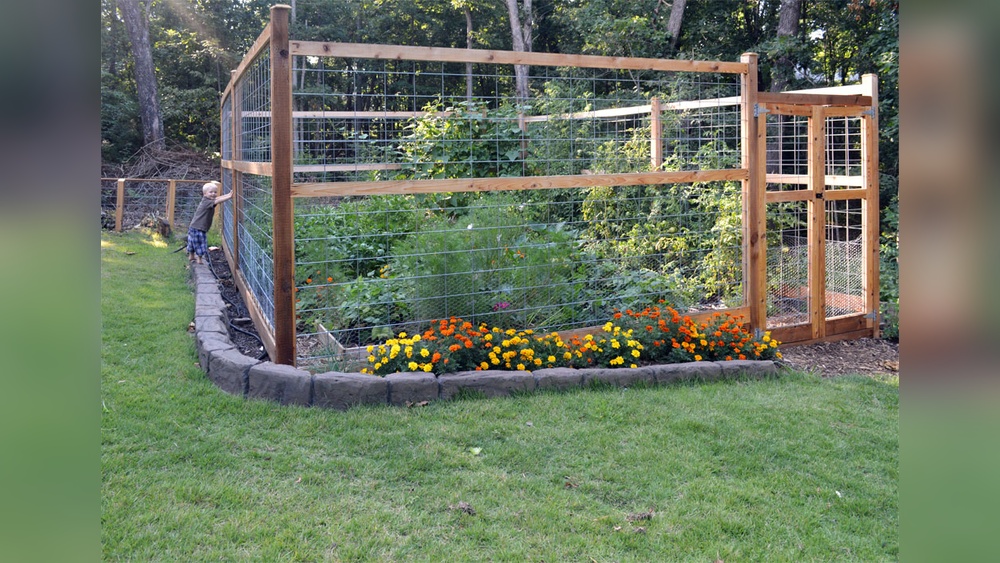
Fencing is the single most effective way to keep armadillos out of your vegetable garden.
Types Of Effective Fencing
| Fence Type | Height | Buried Depth | Effectiveness | Cost Estimate (per 100 ft) |
|---|---|---|---|---|
| Hardware Cloth | 24–36 in | 12–18 in | High | $150–$250 |
| Welded Wire | 24–36 in | 12–18 in | Medium–High | $120–$200 |
| Electric Fence (low strand) | 6–8 in | None | Medium | $180–$300 |
- Installation tips:
- Bury the bottom edge at least 12 inches deep, bent outward at a 90-degree angle to prevent digging underneath.
- Use sturdy posts and secure all gaps.
- For raised beds, line the base with hardware cloth before adding soil.
- For extra protection, flare the buried portion of the fence outward from the garden at a shallow angle to further deter digging.
- Regularly inspect fences for breaches or signs of attempted digging, as persistent armadillos may exploit weak points.
Real-world Example: Success With Buried Fencing
In 2026, a community garden in Baton Rouge installed 24-inch hardware cloth fencing, buried 18 inches deep. Post-installation, armadillo incursions dropped by over 90% in the first season.
Individual home gardeners have also reported success using temporary fencing made from plastic mesh or garden netting, especially when combined with motion-activated lights or noise deterrents. While less durable than hardware cloth, these barriers can offer a cost-effective solution for smaller plots.
Habitat Modification: Making Your Garden Less Attractive
Reducing armadillo attractants can significantly decrease their interest in your property.
- Limit mulch and compost: Replace thick organic mulch with gravel or coarse wood chips, which are less hospitable to insects and more difficult for armadillos to dig through.
- Control insect populations: Apply beneficial nematodes or milky spore powder to reduce grub numbers without harming pollinators or other wildlife.
- Eliminate dense cover: Remove brush piles, tall weeds, and debris near the garden perimeter, as these provide shelter and concealment for foraging.
- Repair leaks: Fix irrigation or hose leaks that keep soil unnaturally moist, as excessive moisture encourages both insects and armadillos.
- Elevate compost bins: Use closed, elevated composters rather than open piles to limit armadillo access to decomposing organic matter and insects.
By making your garden less appealing, you reduce the chances of armadillos establishing a regular foraging route. These habitat modifications also contribute to overall garden health and reduce the likelihood of other pest invasions.
Repellents: Do They Work?
Commercial and homemade repellents are widely marketed, but their effectiveness is mixed.
Common Types Of Repellents
- Castor oil-based sprays: Irritate armadillo sense of smell/taste, but often require frequent reapplication, especially after rain or irrigation.
- Predator urine: Coyote or fox urine can offer temporary deterrence but may lose potency quickly or be ignored if armadillos do not associate the scent with active danger.
- Capsaicin or garlic sprays: May discourage digging in localized areas but must be applied consistently and can wash away easily.
Note: Scientific studies, including a 2020 review by NCBI, suggest that while repellents may reduce activity short-term, armadillos quickly acclimate if food sources remain plentiful. Repellents are best used as part of a broader strategy rather than as a standalone solution.
Some gardeners have experimented with motion-activated sprinklers or ultrasonic devices. Results vary, but these tools may provide a mild deterrent, particularly when combined with physical barriers.
Humane Trapping And Relocation
When exclusion and deterrents fail, live trapping may be necessary.
Guidelines For Humane Trapping
- Use a cage trap at least 32 inches long, with a solid bottom to prevent escape and injury.
- Place traps along known travel paths, near burrow entrances or along garden edges, as armadillos follow habitual routes.
- Bait is rarely needed; armadillos will enter traps during routine patrols. However, some trappers report success using overripe fruit or earthworms as attractants.
- Check traps frequently (at least twice daily) to minimize stress on captured animals.
Legal considerations: Always check local wildlife laws before relocating armadillos. In some states, transport or release may be restricted or require permits. Consult your state’s wildlife agency or Humane Society for guidance.
Improper relocation can spread disease and disrupt local ecosystems, so professional guidance is strongly recommended if you are unfamiliar with local regulations or best practices.
Combining Methods For Best Results
Integrated pest management (IPM) principles advocate for a layered approach:
- Install fencing for exclusion.
- Reduce attractants through habitat modification.
- Supplement with repellents or trapping as needed.
- Monitor and adapt strategies each season.
For example, one gardener in Alabama reported the greatest success by combining a buried hardware cloth fence with regular soil treatments for grubs and weekly garden inspections. Over two years, armadillo damage decreased dramatically, with minimal impact on non-target wildlife.
Long-term Armadillo Control: Prevention And Maintenance
Stopping armadillos is not a one-time effort; ongoing vigilance is key to preventing future invasions.
Routine Garden Inspections
- Weekly checks: Look for new holes, burrows, or tracks. Early detection allows for prompt intervention before damage escalates.
- Prompt repairs: Fill holes, collapse unused burrows, and reseed disturbed areas quickly to discourage repeated armadillo visits.
Some gardeners keep a log of armadillo sightings and damage to help identify seasonal patterns and adapt their prevention strategies accordingly.
Soil Health And Insect Management
Reducing soil insect populations deprives armadillos of their primary food source.
- Apply beneficial nematodes to target grubs and larvae, which are common armadillo attractants. These microscopic worms parasitize soil pests without harming plants, pets, or humans.
- Rotate crops and avoid over-fertilizing, which attracts soil pests and increases insect abundance.
- Use row covers to protect vulnerable seedlings during peak armadillo activity, providing a physical barrier as plants become established.
- Consider solarizing soil in problem areas (covering with clear plastic to heat and kill pests) as a non-chemical way to reduce insect loads.
Healthy soil supports plant resilience and makes gardens less attractive to armadillos over time.
Community Cooperation
Armadillos range across multiple properties. Coordinate with neighbors to implement similar control measures for greater effectiveness.
Case Study: In a Florida neighborhood plagued by armadillos, a group of gardeners collectively installed fences and reduced mulch use. Within two months, sightings dropped by 80%, and vegetable losses were nearly eliminated.
Neighborhood-wide efforts are especially important in suburban or semi-rural areas, where armadillos can easily move between yards. Regular communication and shared strategies help ensure consistent protection and discourage armadillos from relocating within the same community.
When To Seek Professional Help
If armadillo activity persists despite your best efforts, consider hiring a licensed wildlife control operator. Professionals can assess burrow risks, set effective traps, and advise on legal compliance.
For a directory of certified professionals, visit the National Wildlife Control Operators Association.
Professional intervention is particularly important when dealing with large-scale infestations, structural damage, or situations where legal restrictions complicate DIY solutions.
Legal And Ethical Considerations In Armadillo Management
Wildlife management is subject to legal and ethical standards designed to protect both animals and property.
State And Local Laws
- Trapping and relocation: Some states prohibit the relocation of armadillos due to disease concerns (e.g., leprosy risk). Violating these laws can result in fines or other penalties.
- Lethal control: In most cases, non-lethal methods are strongly encouraged and often mandated. Consult local regulations before considering lethal options.
- Permits: Always verify whether special permits are required for trapping or exclusion.
Consult your state’s wildlife agency or the Texas Parks and Wildlife Department for up-to-date regulations.
Ethical Wildlife Management
- Use humane traps and release methods to minimize animal stress and suffering.
- Never separate mothers from young (spring/summer), as dependent juveniles may be present in burrows.
- Avoid poisons or inhumane deterrents, which can harm non-target species and create ethical and legal issues.
- Educate neighbors about coexistence and responsible practices to foster a community-wide commitment to humane solutions.
Ethical management not only respects wildlife but also promotes community goodwill and reduces conflict with neighbors or local authorities.
Protecting Non-target Species
Ensure that your fencing, traps, and repellents do not inadvertently harm pets, beneficial wildlife, or pollinators.
- Choose mesh sizes that exclude armadillos but allow small animals to pass. Avoid fencing styles that can trap or injure birds, amphibians, or reptiles.
- Mark fences and traps visibly to prevent accidental injury to people or pets, especially in high-traffic areas.
- Refrain from using toxic or broad-spectrum insecticides, which can disrupt the ecological balance and harm beneficial insects.
Real-world Example: Ethical Dilemma In Urban Parks
A city park in Louisiana faced public backlash after a lethal armadillo removal program was proposed. After community engagement, the city opted for non-lethal fencing and public education, resulting in both reduced garden damage and increased public support.
This example highlights the value of transparent communication, community involvement, and prioritizing non-lethal solutions in wildlife management.
Frequently Asked Questions
What Time Of Year Are Armadillos Most Active In Gardens?
Armadillos are most active during warm, moist months—typically spring through fall. Their activity peaks after rainfall, when earthworms and grubs are near the surface. In southern states, they may remain active year-round, while in cooler climates, they reduce activity or shelter during the coldest months.
Nighttime is prime foraging time, so damage often appears overnight. Monitoring garden beds closely during peak activity periods allows for timely intervention.
Do Armadillos Carry Diseases That Could Affect My Garden Or Family?
Yes, armadillos can carry diseases such as leprosy (Hansen’s disease) and, less commonly, salmonella. However, the risk of transmission to humans is extremely low unless there is direct, unprotected contact with the animal. Garden produce is not at significant risk, but it is wise to always wash hands and vegetables after working in areas with wildlife activity. For more information, refer to the CDC’s guidance.
If you must handle an armadillo (alive or dead), always wear gloves and thoroughly disinfect hands and tools afterward.
Are There Plants That Repel Armadillos Naturally?
There is no scientific evidence that specific plants reliably repel armadillos. Some gardeners report anecdotal success with strong-scented herbs like garlic, chives, or marigolds, but these effects are not consistent. Physical exclusion remains the most effective deterrent.
Planting these herbs may offer other benefits, such as attracting pollinators or deterring insect pests, but should not be relied upon as your primary armadillo defense.
Can Armadillos Climb Or Jump Over Fences?
Armadillos are poor climbers and jumpers. They may leap vertically up to 3–4 feet when startled but cannot climb traditional fences. However, they are skilled diggers and may tunnel under poorly installed barriers. Ensure your fence is buried at least 12–18 inches to prevent bypass.
In rare cases, armadillos have been observed squeezing through gaps larger than 3 inches wide, so regular fence inspection is crucial.
How Long Does It Take To See Results From Control Measures?
Results vary depending on the method used:
- Physical fencing: Immediate and long-lasting when properly installed.
- Habitat modification: May take several weeks as soil insect populations decline and armadillos seek food elsewhere.
- Repellents: Typically short-term, requiring frequent reapplication to maintain effectiveness.
- Trapping: Removal can occur within days, but new armadillos may migrate in over time if attractants remain.
An integrated approach yields the most reliable, lasting results. Ongoing monitoring and adaptation of strategies are essential, as wildlife behaviors and environmental conditions change from season to season.
Protecting your vegetable garden from armadillos is a challenge, but with the right strategies, you can minimize damage and enjoy a thriving harvest. By understanding their habits, deploying effective barriers, and maintaining a vigilant, ethical approach, you’ll safeguard your crops while respecting local wildlife.
Stay proactive, coordinate with your community, and adapt your tactics as needed—your garden (and your peace of mind) will thank you.