Do Mice Eat Vegetable Gardens? What To Do Right Now
If you’ve ever stepped into your vegetable garden and noticed nibbled leaves, missing sprouts, or mysterious holes in the soil, you’re not alone. Gardeners around the world frequently battle with pests, but few are as persistent and stealthy as mice. These tiny rodents can cause outsized damage, jeopardizing your harvest and the health of your plants. Understanding whether mice are feasting on your garden—and what you can do about it—can make all the difference between a bountiful crop and a disappointing yield.
With their keen survival instincts, mice are surprisingly adept at infiltrating gardens, especially when seeking food, water, and shelter. As gardening grows in popularity for both sustainability and enjoyment, so too does the challenge of keeping these nimble creatures at bay.
This guide explores the extent of the threat mice pose to vegetable gardens , how to identify their presence, and the most effective strategies to protect your crops—right now.
Key Takeaways
- Mice are common pests in vegetable gardens, feeding on seeds, seedlings, fruits, and roots.
- Identifying mouse activity early is critical to preventing widespread damage.
- Integrated control methods—including physical barriers, habitat modification, and natural predators—offer the best results.
- Data-driven strategies and real-world examples demonstrate how gardeners can successfully deter mice.
- Immediate action can minimize losses and ensure a healthy, productive garden.
Do Mice Eat Vegetable Gardens? The Facts
Mice are opportunistic feeders that thrive on a variety of plant-based foods, making vegetable gardens an attractive target. Understanding their dietary preferences and behavior is essential for effective prevention.
What Do Mice Eat In The Garden?
Mice, particularly the house mouse (Mus musculus) and field mouse (Apodemus sylvaticus), are omnivores but show a marked preference for seeds, grains, and tender plant matter. In vegetable gardens, they are known to consume:
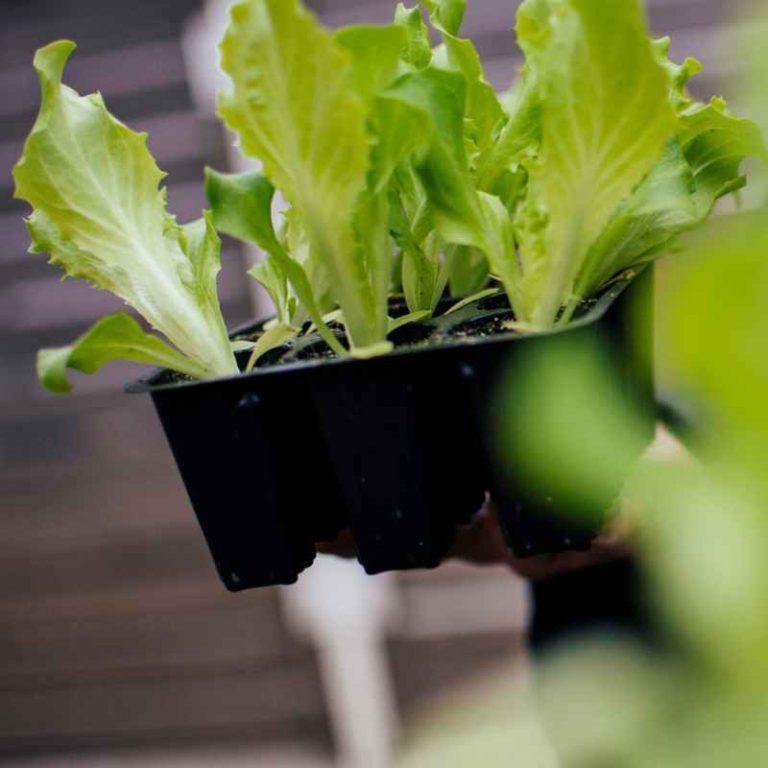
- Seeds and seedlings: Peas, beans, corn, squash, and sunflower seeds are highly vulnerable. In many cases, mice will dig up newly planted seeds before they even have a chance to sprout, causing patchy germination and unexpected gaps in rows. Because seeds are a concentrated source of nutrients, mice often prioritize these, especially in spring when winter food reserves are low.
- Fruits and vegetables: Tomatoes, strawberries, potatoes, carrots, and cucumbers are common targets. Mice frequently gnaw on the outer skin of fruits and vegetables, leaving behind shallow bite marks or hollowed portions. Strawberries and tomatoes are particularly attractive due to their sweet scent and softness, which are easy for mice to eat. In some gardens, entire clusters of berries can disappear overnight.
- Roots and tubers: Sweet potatoes and beets can be gnawed from below ground. Mice are adept at tunneling, making it easy for them to access underground crops without being noticed. This can lead to rot and secondary infections in damaged tubers, further reducing harvest quality.
- Young shoots and leaves: Especially during early spring growth, mice may chew on tender foliage, stunting plant growth and causing irregular leaf shapes. This can be mistaken for insect damage, but mice usually leave cleaner cuts.
Mice will also opportunistically eat other available food sources, such as leftover grains from bird feeders, pet food left outdoors, or scraps in compost piles. Their flexible diet allows them to thrive in nearly any environment where food is available.
Evidence Of Mouse Damage
Unlike larger pests, mice leave subtle clues. Key indicators include:
- Gnawed seedlings with clean-cut stems. Unlike the ragged bites of caterpillars or snails, mouse damage is typically a straight, sharp cut, sometimes just below the soil line. This precision is due to their small, sharp incisors.
- Small holes in the soil near plants, which act as entry points or nests. These holes are usually about 1 inch in diameter and often appear overnight. They may lead to shallow tunnels where mice hide during the day.
- Scattered droppings (small, dark, rice-shaped pellets). Mouse droppings are a reliable sign of activity, especially if found in clusters near feeding sites or nesting areas.
- Runways or tracks through mulch or low vegetation. Mice often create narrow paths as they repeatedly travel between food sources and shelter. These runways may appear as compressed areas in mulch or grass.
Additional signs include shredded plant material used for nests, chewed plastic irrigation lines, and occasionally, faint squeaks or rustling noises at dusk.
Mice Vs. Other Garden Pests
Mice are often confused with voles, rats, or insects. Here’s a quick comparison:
| Pest | Common Signs | Favorite Foods | Damage Type |
|---|---|---|---|
| Mice | Tiny droppings, small holes, gnawed seedlings | Seeds, fruits, roots | Clean cuts, shallow burrows |
| Voles | Surface runways, chewed bark | Roots, tubers | Girdled stems, tunnel networks |
| Rats | Larger droppings, deep burrows | Fruits, grains, compost | Extensive burrowing, large bites |
| Insects | Holes in leaves, sticky residue | Leaves, stems | Jagged edges, webbing |
Correctly identifying your garden pest is crucial, as the methods for control and prevention differ significantly. For example, insecticides will not deter mice, and barriers designed for slugs may do little to stop rodents.
Real-world Example: The Homegrown Tomato Mystery
In 2026, a community garden in Seattle reported repeated loss of tomato seedlings. Despite fencing and slug traps, the culprits remained elusive until a gardener noticed small, round holes near affected plants. Motion-sensor cameras revealed house mice harvesting seeds and nibbling tomatoes at night. By identifying the pest, the community implemented targeted controls, saving the remainder of the crop.
This case exemplifies the stealthy nature of mice and underscores the importance of accurate pest identification. It also highlights how simple technology, like cameras, can be invaluable in pinpointing elusive garden invaders.
Why Gardens Attract Mice
Vegetable gardens offer mice:
- Abundant food: A diversity of crops means consistent access to nutrition throughout the growing season.
- Protective cover (thick mulch, dense plantings): Dense ground cover and mulch provide hiding places and nesting material. Mice prefer locations where they feel safe from predators.
- Water sources (drip irrigation, bird baths): Even small amounts of water, such as morning dew or irrigation runoff, can sustain mice.
- Shelter (compost piles, sheds, brush): Outbuildings, woodpiles, and compost heaps often serve as mouse homes, especially in urban settings.
Gardens located near natural habitats, such as fields or wooded areas, are especially susceptible to mouse invasions. Urban gardens may also attract mice seeking refuge from construction, noise, or winter conditions.

How To Identify A Mouse Infestation In Your Vegetable Garden
Early detection can prevent mice from multiplying and devastating crops. Knowing what to look for ensures timely and targeted action.
Common Signs Of Mice
Visual and physical evidence includes:
- Droppings: Small, dark, and rice-shaped. Often found near food sources or runways. A single mouse can produce dozens of droppings per night, so clusters are a strong indicator of active feeding or nesting.
- Gnaw marks: Clean, sharp cuts on stems, fruits, or seed casings. Mice may also chew on garden structures, irrigation tubing, or even plastic containers.
- Nesting material: Shredded leaves, grass, or fabric in sheltered areas. Look for nests in compost piles, under tarps, or inside unused pots.
- Burrows or holes: Typically 1-inch wide, found near the base of plants or along fence lines. If you notice multiple holes clustered in one area, it may indicate a larger colony.
- Tracks: Tiny footprints or tail drag marks in dusty soil or mulch. Mouse footprints show four toes on the front feet and five on the back, sometimes accompanied by a thin line from their tail.
These signs often appear together, but even a single indicator should prompt further investigation.
Nocturnal Activity
Mice are primarily active at night. Look for:
- Fresh damage each morning. Plants that were healthy at dusk may be missing leaves or stems by sunrise.
- Disappearing seedlings overnight. Large numbers of missing sprouts can signal mouse activity, especially in early spring.
- Movement in the garden at dusk or dawn. If you see small, fast-moving shapes just after sunset or before sunrise, they are likely mice.
Mice rarely venture out during daylight unless food is scarce or they feel particularly secure.
Using Technology For Detection
Modern gardeners use technology for verification:
- Trail cameras: Capture nighttime activity. Even inexpensive wildlife cameras can help confirm mouse presence and track their routes.
- Flour dusting: Sprinkle flour along suspected runways; check for footprints. This method is low-cost and effective, especially for confirming activity in hidden corners.
- Ultrasound detectors: Identify rodent squeaks (less common in home gardens). Professional pest control services may use these tools to monitor mouse populations.
These techniques can be combined for best results. For example, flour dusting can help you identify the best locations for cameras or traps.
Case Study: Urban Rooftop Garden
A rooftop vegetable grower in New York City noticed disappearing radish sprouts. Regular inspections revealed nothing, so they dusted the soil with flour and set up a wildlife camera. Within days, mouse tracks and video confirmed the presence of mice, allowing for prompt intervention with barriers and traps.
Urban gardens often face unique challenges, as mice can access them via adjacent buildings, utility lines, or even climbing up exterior walls. This case demonstrates how careful monitoring and creative solutions can overcome these obstacles.
Differentiating From Other Pests
Misidentifying the pest leads to ineffective remedies. For example, snails leave slime trails, while birds peck at exposed fruit. Mice, by contrast, are stealthy and consistent in their patterns.
Gardeners sometimes mistake mouse damage for insect activity, especially when multiple pests are present. If interventions for insects or slugs fail, it may be time to consider rodents as the culprit.
What To Do If You Find Evidence
- Document locations and severity. Keeping a log helps track progress and identify hotspots.
- Remove affected plants or debris. This limits food and nesting material.
- Begin immediate control measures (detailed below). Acting quickly is essential, as mice reproduce rapidly.

Immediate Actions: What To Do Right Now
Time is critical when dealing with mice. Implement these steps as soon as evidence is found to minimize losses.
1. Remove Attractants
Mice favor gardens with easy food and cover. Reduce their appeal by:
- Harvesting ripe produce promptly: Leaving mature fruits or vegetables on the vine is an open invitation to mice.
- Clearing fallen fruit and seeds: Regularly check under plants and trees for dropped produce.
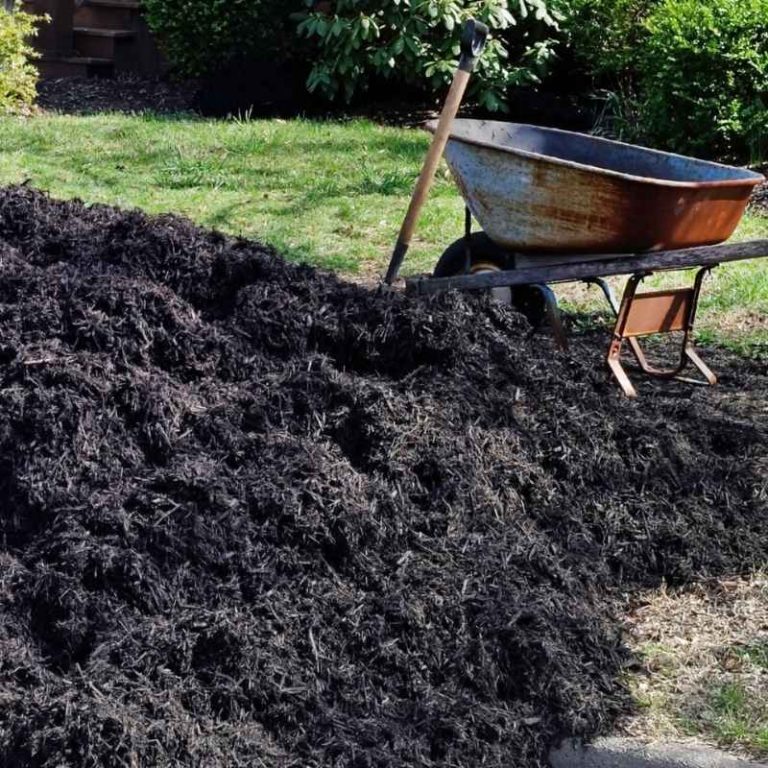
- Reducing thick mulch layers: While mulch is beneficial for moisture retention, deep layers provide hiding spots. Consider switching to thinner or less attractive mulches, like straw or gravel.
- Storing compost in sealed bins: Open compost piles are a magnet for rodents. Use bins with tight-fitting lids and avoid adding food scraps that attract mice.
- Eliminating standing water: Check for leaks in irrigation systems, empty bird baths at night, and fix drainage issues.
These steps also benefit overall garden health by reducing other pest risks and promoting cleanliness.
2. Physical Barriers
Prevent access to vulnerable crops with:
- Garden fencing: Use 1/4-inch hardware cloth buried at least 6 inches deep and extending 12 inches above ground. This prevents mice from tunneling underneath or climbing over.
- Row covers: Lightweight fabric deters feeding while allowing sunlight and rain. Secure covers tightly to the soil with stakes or weights.
- Cloche or cages: Protect seedlings and small plants. Reusable plastic or wire domes are ideal for early-stage crops.
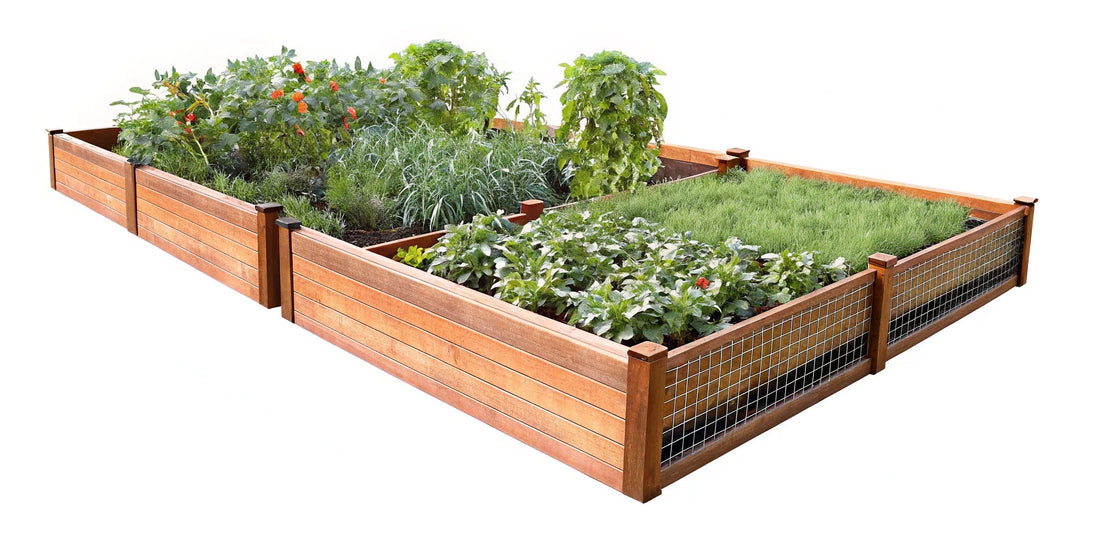
- Elevated planters or raised beds: Make it harder for mice to reach crops. Lining raised beds with hardware cloth underneath is especially effective.
Regularly inspect barriers for gaps, holes, or signs of chewing. Repair immediately to maintain effectiveness.
3. Trapping
Traps are effective for small infestations:
- Snap traps: Place near runways and bait with peanut butter or oatmeal. Position traps perpendicular to walls or along known mouse paths.
- Live traps: Humane capture for relocation (check local regulations). Release mice at least a mile away to prevent return.
- Multiple-catch traps: Useful for high-activity areas. These can capture several mice at once, reducing labor.
Check traps daily and dispose of rodents safely, wearing gloves. Avoid handling mice directly to reduce the risk of disease transmission.
4. Natural Predators
Encourage the presence of owls, snakes, or domestic cats to naturally control mouse populations. Install owl boxes or leave brush piles as predator habitat.
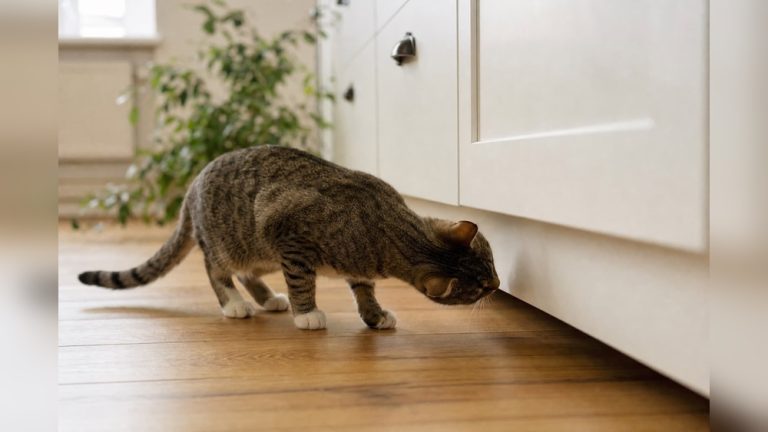
Pet cats are effective mouse deterrents, but ensure they do not harm wildlife or disturb garden birds. Native predators are preferable for ecological balance.
5. Repellents
Short-term deterrents include:
- Peppermint oil: Soaked cotton balls near entry points. Replace regularly to maintain potency.
- Commercial rodent repellents: Must be reapplied after rain. Read labels carefully to ensure products are safe for edible gardens.
- Ultrasonic devices: Mixed results, but may help in enclosed gardens. These are best used in sheds or greenhouses.
Repellents are most effective when combined with other strategies, as mice can adapt to scents or sounds.
6. Community Action
Coordinate with neighbors to tackle infestations, especially in shared garden spaces. Shared vigilance prevents re-infestation.
Community gardens benefit from collective action, such as group clean-ups, bulk purchases of fencing materials, and shared monitoring schedules.
Sample Action Plan
| Step | Action | Timeline | Effectiveness |
|---|---|---|---|
| 1 | Remove attractants and debris | Day 1 | High |
| 2 | Install barriers and traps | Day 1-2 | High |
| 3 | Monitor and check traps | Daily | Medium |
| 4 | Apply repellents as needed | Weekly | Low-Medium |
| 5 | Engage community or neighbors | Ongoing | High (long-term) |
Following this plan provides a structured approach to mouse control, minimizing crop losses and reducing stress for gardeners.
Long-term Strategies For Mouse-proofing Your Garden
While immediate measures can stem an infestation, sustainable solutions ensure your garden remains mouse-free season after season.
1. Garden Design And Maintenance
- Keep beds tidy: Regularly weed and prune to reduce cover. Remove spent plants and avoid leaving piles of debris.
- Rotate crops: Avoid planting the same species in the same spot each year. Crop rotation disrupts pest cycles and improves soil health.
- Space plants: Allow airflow and visibility. Dense plantings create hiding places for mice and other pests.
- Mulch wisely: Use less attractive mulch (e.g., gravel) or keep organic mulch thin. Consider combining mulch with physical barriers for extra protection.
Periodic garden clean-ups, especially at the end of each season, help break pest cycles and prepare for the next planting.
2. Secure Structures
- Seal gaps in sheds and greenhouses: Use caulk or expanding foam to fill holes. Inspect regularly for new openings.
- Repair broken fencing: Check for rust, holes, or loose panels. Reinforce weak spots with hardware cloth.
- Elevate storage: Keep tools, seeds, and compost off the ground. Use metal shelving or containers with locking lids.
Mice are skilled climbers and can squeeze through tiny spaces, so attention to detail is key.
3. Companion Planting
Certain plants repel mice due to their scent:
- Mint: Plant in containers to prevent spreading, or as borders. Its strong aroma is unappealing to rodents.
- Garlic: Interplant with root crops or along garden edges.
- Onion: Use as a companion for beans and peas.
- Lavender: Attractive and aromatic, lavender can be used as a perimeter planting.
Companion planting not only deters mice but also enhances overall garden biodiversity and resilience.
4. Predator Support
Create habitat for beneficial predators:
- Owl boxes: Attract barn owls, which can consume dozens of mice nightly. Place boxes in quiet, elevated spots.
- Native shrubs: Provide cover for snakes and predatory birds. Avoid removing all brush, as a balance is needed for ecosystem health.
Educate garden members about the benefits of predators and discourage the use of poisons that may harm them.
5. Monitoring And Adaptation
- Inspect regularly for new signs of activity. Schedule weekly checks during peak growing seasons.
- Adjust barriers and traps as needed. Move traps if mice change routes; repair or upgrade fencing.
- Document successes and failures for future reference. Keep a garden journal to refine strategies year over year.
Case Study: School Garden Success
A school garden in California struggled with persistent mouse damage to bean and corn seedlings. By redesigning the garden with raised beds lined with hardware cloth, interplanting mint, and installing an owl box, mouse sightings dropped by 80% within one season. The school shared its protocol with the community, helping other gardens achieve similar results.
This case illustrates the value of combining multiple strategies and sharing knowledge with others.
Environmental Considerations
Avoid using rodenticides, which can harm pets, wildlife, and contaminate food crops. Prioritize integrated pest management (IPM) practices as recommended by the U.S. Environmental Protection Agency.
IPM emphasizes prevention, monitoring, and control using environmentally friendly methods, supporting both garden productivity and wildlife.
Comparing Mouse Control Methods: Effectiveness, Cost, And Safety
Choosing the right combination of strategies depends on your garden size, location, and environmental impact. The table below compares common mouse control methods:
| Method | Effectiveness | Cost | Safety | Best For |
|---|---|---|---|---|
| Physical Barriers | High | Medium | Safe | Home & Community Gardens |
| Trapping | Medium-High | Low-Medium | Requires Caution | Small/Targeted Areas |
| Natural Predators | Medium | Low | Very Safe | Large/Open Spaces |
| Repellents | Low-Medium | Low | Safe | Short-Term Use |
| Rodenticides | High | Low | Unsafe for Pets/Wildlife | Extreme Infestations (Last Resort) |
Key Takeaways From Comparison
- Physical barriers offer the highest long-term effectiveness and safety. The initial investment in fencing or covers pays off with reduced crop losses and fewer repeat infestations.
- Trapping is ideal for managing small populations or indoor spaces. It requires attention to placement and regular monitoring but is cost-effective.
- Natural predators provide ecological balance but require supportive habitat. Encouraging owls or snakes can be a sustainable solution for larger gardens.
- Repellents are best as short-term supplements. They may help deter mice temporarily, but are not reliable for persistent infestations.
- Rodenticides should be avoided in food gardens due to environmental risks, as outlined by the Centers for Disease Control and Prevention.
Consider combining methods for best results, such as using barriers with traps and companion plants.
Integrating Mice Management With Organic Gardening
Many gardeners are committed to organic practices, prioritizing environmental health and food safety. Fortunately, most mouse management strategies align well with organic standards.
Organic-approved Practices
- Physical exclusion (fences, covers): These methods are foundational in organic gardening and do not affect soil or crop quality.
- Cultural controls (crop rotation, tidy beds): Practiced for pest and disease prevention, these also discourage mice.
- Biological controls (predators, companion plants): Promoting beneficial wildlife and using plants like mint or garlic is both organic and effective.
- Manual removal (traps checked frequently): Humane trapping and removal is permitted under organic standards, provided mice are not harmed unnecessarily.
Avoiding Synthetic Chemicals
The use of synthetic rodenticides or toxic baits is not permitted in organic gardens. Instead, focus on prevention and physical controls, as recommended by the USDA National Organic Program.
Organic certifications require documentation of pest management practices, so keep records of interventions and results.
Real-world Example: Organic Farm Experience
A certified organic farm in Oregon faced recurring losses of carrot and beet seedlings each spring. By reinforcing raised beds, planting onion borders, and maintaining weed-free paths, the farm eliminated its mouse problem without compromising organic integrity. Yield improved by 25% the following season.
This demonstrates how organic methods can be highly effective and even improve crop health and productivity.
Balancing Biodiversity And Pest Control
Encouraging natural predators and planting a diversity of crops supports ecosystem health, making the garden less attractive to pests overall. Avoid monocultures and provide habitat for beneficial insects and birds.
Preventative Measures: Keeping Mice Out Next Season
Prevention is more effective—and less stressful—than dealing with an active infestation. Implement these strategies before the next planting cycle.
1. Site Preparation
- Clear debris and old crops at the end of each season. Remove spent plants, fallen fruit, and unused materials.
- Turn over soil to disrupt burrows. This exposes tunnels and nests, making the area less hospitable.
- Compost properly to avoid attracting rodents. Use sealed bins and avoid adding meat or dairy scraps.
2. Structural Upgrades
- Install hardware cloth beneath new raised beds. This blocks mice from tunneling up into root zones.
- Reinforce perimeter fencing and seal gaps. Inspect fences and walls regularly, especially after storms.
- Store seeds and amendments in rodent-proof containers. Use metal bins or lockable plastic tubs.
3. Plant Selection And Layout
- Interplant repellant species (mint, onions, garlic) with vulnerable crops. This creates a layered defense.
- Design wide, open paths for easy inspection. Avoid narrow, overgrown walkways that provide cover for rodents.
4. Habitat Management
- Keep grass and weeds trimmed along garden borders. Tall vegetation provides shelter and allows mice easy access.
- Limit dense ground covers near crops. Opt for lower-growing or less attractive covers.
5. Ongoing Monitoring
- Inspect regularly for new signs of activity. Early detection is key to preventing infestations.
- Refresh repellents or traps as needed. Adapt strategies based on observed results.
Case Study: Community Garden Collaboration
In a multi-plot community garden in Chicago, organizers noticed a pattern of mouse infestations each spring. By collectively investing in perimeter fencing, scheduling monthly clean-ups, and planting garlic and marigolds as borders, the garden saw a dramatic decrease in rodent activity and increased yields for all members.
Community efforts are often more effective than individual actions, as mice can easily move between adjacent plots.
Educational Resources
Stay informed by consulting resources like the Clemson Cooperative Extension, which offers practical guides on rodent management.
Frequently Asked Questions
What Vegetables Are Most At Risk From Mice?
Mice prefer seeds, beans, peas, corn, tomatoes, carrots, beets, and potatoes. Tender seedlings and root crops are particularly vulnerable, especially during germination and early growth stages. Additionally, sweet fruits such as strawberries and melons can attract mice as they ripen.
Are There Any Plants That Repel Mice Naturally?
Yes, mint, garlic, onions, and lavender are known to deter mice due to their strong scents. Planting these around your garden borders or interspersed with other crops can help reduce rodent interest. Other options include marigolds and alliums.
How Can I Safely Use Traps In My Vegetable Garden?
Place traps near runways or burrow entrances and bait them with attractive foods like peanut butter. Check traps daily, wear gloves to handle them, and keep them away from pets and children. Live traps are a humane option, but always release rodents far from populated areas. Dispose of dead mice in sealed bags to prevent disease.
Is It Safe To Use Rodenticides In Food Gardens?
No, rodenticides pose significant risks to pets, wildlife, and beneficial insects, and can contaminate soil and crops. They are not recommended for edible gardens. Instead, use physical barriers, traps, or promote natural predators. If you must use rodenticides, consult local regulations and opt for least-toxic options.
How Do I Keep Mice Out Of My Garden Long-term?
Combine multiple strategies: maintain a tidy garden, use raised beds or hardware cloth, interplant repellant species, encourage predators, and monitor regularly. Proactive measures are the most effective long-term solution. Review your approach each season to address new challenges.
Resources And Further Reading
For more in-depth information, consider these authoritative resources:
- Wikipedia: House Mouse
- Clemson Cooperative Extension: Mice in the Home and Garden
- USDA National Organic Program
- Centers for Disease Control and Prevention: Rodent Control
- EPA: Integrated Pest Management Principles
- RSPB: Mice and Voles in the Garden
Protecting your vegetable garden from mice is entirely possible with vigilance, smart design, and an integrated approach. By understanding mouse behavior and acting quickly, you’ll safeguard your crops and enjoy the fruits (and vegetables) of your labor all season long.