Where Are Vegetable Gardens Banned? Laws You Should Know
The surge in home gardening over the past decade has transformed cityscapes and suburban neighborhoods alike, with vegetable patches popping up in backyards, on balconies, and even on rooftops. For many, growing their own food is a source of pride, sustainability, and improved nutrition.
Yet, surprisingly, not everyone is free to plant tomatoes or carrots as they please. Across the United States and in various countries worldwide, laws and regulations restrict or outright ban vegetable gardens in certain residential settings.
Understanding where and why vegetable gardens are banned is crucial for aspiring gardeners, homeowners, and renters. From local zoning ordinances and homeowners’ association (HOA) rules to state statutes and international policies, the legal landscape is complex and, at times, controversial. This comprehensive guide explores the geography of garden bans, the reasons behind them, notable legal battles, and what you need to know to grow your own food without running afoul of the law.
Key Takeaways
- Vegetable garden bans are primarily enforced at the local (municipal or HOA) level, with significant variations across regions.
- Most bans focus on front yard gardens due to aesthetic, property value, or safety concerns.
- Several high-profile legal cases have challenged garden bans, leading to legislative changes in some states.
- Understanding local zoning laws and HOA rules is essential before starting a vegetable garden.
- There is a growing movement to protect the right to garden, with some states passing “Right to Garden” laws.
- Internationally, garden bans are rare but can exist due to land use, environmental, or cultural reasons.
The Legal Landscape Of Vegetable Garden Bans
The regulation of vegetable gardens is a patchwork of city, county, and community guidelines. While outright bans are rare, restrictions are common, especially in the United States.
Zoning Laws And Municipal Ordinances
Zoning laws dictate how land can be used in different parts of a city or county. Many municipalities classify front yards as part of the public streetscape, subjecting them to stricter landscaping requirements than backyards.
- Front yard vegetable gardens are most commonly targeted for regulation or bans, with ordinances often citing “neighborhood character” or “aesthetic harmony.”
- Some cities allow only ornamental plants in front yards, prohibiting food crops entirely.
For example, the city of Miami Shores, Florida, enforced a ban on front yard vegetable gardens, which led to a highly publicized legal battle (see case studies below). Other cities, such as Sacramento, California, have implemented codes that require front yards to maintain a “park-like” appearance, restricting the cultivation of edible plants.
- In many cities, ordinances go further by specifying the types of allowable plants, minimum lawn coverage, and even the color or style of fences surrounding a garden.
- Some municipalities require gardeners to obtain permits for raised beds, irrigation systems, or garden structures, creating additional barriers for home growers.
These regulations can be confusing for residents, especially those new to gardening or unfamiliar with local codes. The complexity is often compounded by the fact that city codes are revised periodically, so what was once allowed may become restricted, and vice versa.
Homeowners’ Association (hoa) Restrictions
HOAs wield significant control over the appearance of homes within their communities. Their rules, called covenants, conditions, and restrictions (CC&Rs), often regulate landscaping choices far more strictly than city codes.
- Many HOAs ban or limit vegetable gardens in both front and back yards.
- Common restrictions include height limits, required screening (such as fencing), and bans on certain types of structures (like raised beds or trellises).
HOA rules may also dictate the placement of gardens, the types of plants grown, and even the materials used in garden beds. For example, some HOAs only allow “natural” wood for raised beds or prohibit trellises taller than four feet.
Residents may be required to submit landscaping plans for approval before making any changes, including installing edible plants. In some communities, even container gardens on porches or patios are subject to review.
- HOAs often have enforcement mechanisms, such as fines or legal action, for violations. This can discourage residents from pursuing gardening, even in less visible areas of their property.
- In high-density developments, HOAs sometimes offer shared green spaces, but these are typically ornamental and not intended for food production.
The strictness of HOA regulations has led to numerous conflicts, especially as interest in home gardening rises. Many residents find themselves caught between their desire for sustainability and the rigidity of neighborhood rules.
State And Federal Laws
While gardening is not heavily regulated at the state or federal level, some states have enacted laws to protect the right to garden. For example:
- Florida passed a law in 2019 prohibiting local governments from banning vegetable gardens on residential properties.
- Illinois and Missouri have considered similar “Right to Garden” bills.
At the federal level, there are no explicit laws banning or protecting vegetable gardens, but the USDA and EPA provide guidelines and support for urban agriculture initiatives (USDA Urban Agriculture). The USDA also offers grants and technical support for community gardens, school gardens, and urban farms, indirectly encouraging food production at home.
- Federal support for urban agriculture includes research on best practices, pest management, and water efficiency, helping gardeners comply with local environmental standards.
- The EPA provides guidance on soil health and contamination, particularly important in urban areas where legacy pollutants may affect garden safety.
Some states have taken additional steps, such as offering tax incentives for homeowners who participate in urban agriculture or establishing statewide advisory boards to promote gardening.
International Perspectives
Outside the United States, bans on vegetable gardening are less common but do exist in certain contexts:
- In Singapore, private gardening is regulated due to limited land and environmental considerations.
- Some European cities restrict gardens to preserve historical landscapes.
Generally, community gardens are widely encouraged globally, but private residential gardens may face local restrictions. For example, in densely populated cities like Tokyo, residential gardening is permitted, but space constraints limit the scale and scope of food production. In Paris, rooftop gardens and vertical farms are promoted, but ground-level vegetable gardens may be regulated in historic districts.
- In Australia, while most cities support home gardening, apartment complexes governed by “body corporate” rules may restrict the installation of garden beds or trellises on balconies or shared spaces.
- In the United Kingdom, “allotment gardens” are popular and protected by law, but some councils restrict the use of private front gardens for food growing, especially in conservation areas.
Globally, policy trends are shifting toward more permissive gardening regulations, particularly as urban food security and environmental sustainability become priorities. However, the tension between tradition, aesthetics, and modern needs persists in many regions.
Where Are Vegetable Gardens Banned? A Regional Overview
While the legal status of vegetable gardens varies widely, several regions and municipalities have made headlines for their bans or restrictive policies.
United States
Florida
Florida has been a battleground for vegetable garden rights. The city of Miami Shores enforced a ban on front yard vegetable gardens, fining residents who refused to remove their gardens. This sparked a legal challenge and, ultimately, state legislation protecting gardeners. Other Florida cities, such as Orlando and Tampa, have taken more progressive approaches, actively encouraging residents to grow food and offering workshops on sustainable gardening.
California
California’s diverse municipalities have varying rules:
- Los Angeles generally allows residential gardens but enforces height and setback requirements. For example, front yard gardens must not exceed three feet in height and must maintain a minimum distance from the sidewalk.
- San Francisco restricts certain types of raised beds and requires permits for large-scale gardening. The city also encourages composting and water conservation, offering rebates for residents who install drip irrigation systems.
Some California cities, like Santa Monica and Berkeley, are known for their support of urban agriculture, providing incentives and educational programs for home gardeners. However, in suburban communities, HOAs often impose stricter rules, limiting the types of plants and structures allowed.
Texas
Texas cities like Houston and Dallas have relatively permissive policies, but many HOAs restrict front yard gardens. Houston’s ordinances allow vegetable gardens in both front and back yards but require that they be well-maintained and free of debris. In Austin, residents can apply for permits to install rainwater harvesting systems and compost bins, supporting sustainable gardening practices.
Midwest And Northeast
Cities such as Detroit, Chicago, and Boston are supportive of urban agriculture, but suburban communities often have restrictive landscaping ordinances or HOA rules. In Chicago, residents can participate in neighborhood gardening programs and community gardens, but some suburbs require lawns in front yards and prohibit edible plants. In Boston, city ordinances allow food production in residential areas, but historic neighborhoods may have additional restrictions.
- In Minneapolis, the city actively promotes pollinator-friendly and edible landscaping but requires gardens to be set back from the street and limits the size of garden structures.
- Suburban communities in New Jersey and New York are known for strict landscaping codes, often favoring lawns and ornamental shrubs over food crops.
International Examples
United Kingdom
While not outright banned, some local councils in the UK restrict front garden use, particularly in historic neighborhoods (UK Government Urban Greening). For instance, in London’s conservation areas, residents may need planning permission to convert a front lawn to a vegetable patch.
- The UK’s “allotment” system allows residents to rent plots for food production, but private gardens are still subject to local planning rules.
- In Scotland, local authorities encourage edible landscaping but may impose restrictions in areas of historical or architectural significance.
Australia
Australian cities generally encourage gardening, but body corporate rules in apartment complexes may restrict garden beds on balconies or common property. In Melbourne and Sydney, municipal governments offer grants and resources for home gardeners, including free compost bins and seedling giveaways.
- Local councils in Brisbane and Perth promote community gardens but may regulate the use of private front gardens in high-density neighborhoods.
- In rural areas, gardening is widely accepted, and restrictions are rare, except in environmentally sensitive zones.
Singapore
Due to land scarcity, Singapore tightly regulates private gardening, prioritizing community gardens and public green spaces (National Parks Board Singapore). The government promotes rooftop and vertical gardening to maximize space and sustainability.
- Private residential gardens are allowed but must comply with strict guidelines regarding plant selection, maintenance, and use of water resources.
- Residents are encouraged to participate in “Community in Bloom,” a nationwide initiative supporting communal gardening and urban agriculture.
Comparison Table: U.s. Cities With Notable Vegetable Garden Restrictions
| City | Front Yard Gardens | Back Yard Gardens | HOA Influence | Recent Legal Action |
|---|---|---|---|---|
| Miami Shores, FL | Banned (now overturned) | Allowed | High | Yes |
| Los Angeles, CA | Regulated | Allowed | Moderate | No |
| Houston, TX | Allowed (some restrictions) | Allowed | High | No |
| San Francisco, CA | Regulated | Allowed | Moderate | No |
Why Do Vegetable Garden Bans Exist?
Understanding the rationale behind garden bans helps clarify why these regulations persist, despite growing public interest in home-grown food.
Aesthetic And Property Value Concerns
Municipalities and HOAs often cite the need to maintain a uniform neighborhood appearance. The argument is that vegetable gardens, especially in front yards, can look untidy or “out of character,” potentially reducing property values.
- Lawns and ornamental plants are generally favored for their manicured look.
- Raised beds, trellises, and fencing are sometimes seen as unsightly.
In many communities, the ideal front yard is a neatly mowed lawn bordered by ornamental shrubs and flowers. Vegetable gardens, with their irregular growth patterns, seasonal changes, and utilitarian structures, are perceived as less visually appealing. Real estate agents sometimes argue that visible vegetable gardens can make properties harder to sell, especially in neighborhoods with strict aesthetic standards.
- Some cities require homeowners to maintain a certain percentage of their yard as turf grass, leaving little space for edible plants.
- HOAs may mandate the use of specific landscaping materials, colors, and layouts, reinforcing uniformity.
These aesthetic concerns are often rooted in tradition, but they can conflict with modern values of sustainability, biodiversity, and food security.
Safety And Environmental Issues
Certain regulations are designed to address safety or environmental concerns:
- Visibility: Tall plants may obstruct sightlines for drivers or pedestrians.
- Pest Attraction: Some argue that vegetable gardens attract rodents or insects.
- Soil and Water Use: Intensive gardening may impact water usage or soil quality, especially in drought-prone regions.
Safety concerns are particularly relevant in urban and suburban environments, where gardens located near sidewalks or intersections could interfere with visibility. For example, cities may limit plant height to 30 inches to ensure clear sightlines for traffic.
- Environmental concerns include the risk of overwatering, runoff, and soil erosion. Some municipalities require gardeners to use drip irrigation or mulch to conserve water and prevent soil loss.
- Pest management is a frequent topic of debate. While vegetable gardens can attract beneficial insects, they may also become habitats for rodents or other pests if not properly maintained.
To address these concerns, cities may require gardeners to follow best practices for plant spacing, mulching, and composting, or to avoid certain crops known to attract pests.
Legal Liability And Insurance
HOAs and municipalities may be concerned about potential liability:
- Injuries caused by garden structures (stakes, cages, fencing).
- Allergen exposure to neighbors.
Legal liability is a growing concern, especially in densely populated neighborhoods. For example, if a garden structure falls and injures a passerby, the homeowner may be held responsible. Some HOAs require residents to carry additional insurance or indemnify the association against claims related to their garden.
- Allergies can also be an issue, particularly if neighbors are sensitive to pollen, certain plants, or organic fertilizers.
- Some cities require gardeners to post signs or install barriers to prevent accidental contact with potentially hazardous plants.
Precedent And Tradition
Many landscaping codes were written decades ago, before the resurgence of interest in sustainable living. As a result, existing laws may reflect outdated values.
- Codes often favor lawns and ornamental plants, which were popularized in the mid-20th century as symbols of suburban prosperity.
- Changing these codes requires public input, legal review, and sometimes a shift in cultural attitudes.
The challenge is to balance historical precedent with evolving needs for food security, environmental stewardship, and community engagement.
Comparison Table: Common Reasons For Vegetable Garden Bans
| Reason | Typical Restrictions | Example Locations |
|---|---|---|
| Aesthetic uniformity | No edible plants in front yard | Suburban HOAs, Miami Shores |
| Safety concerns | Height limits, setback requirements | Los Angeles, San Francisco |
| Pest management | Ban on certain crops or composting | Some HOAs, Singapore |
Case Studies: Legal Battles And Legislative Change
Several high-profile cases have shaped the public debate and legal landscape around vegetable garden bans.
The Miami Shores Case (florida)
In 2013, Tom Carroll and Hermine Ricketts of Miami Shores were ordered to remove their 17-year-old front yard vegetable garden or face daily fines. The case garnered national attention, raising questions about property rights and food security. After years of legal wrangling, the Florida legislature passed a law in 2019 prohibiting local governments from banning vegetable gardens on residential properties (Florida Senate Bill 82).
The Miami Shores case highlighted the tension between individual rights and community standards. Advocates argued that gardening is a fundamental right, essential for self-sufficiency and environmental stewardship. The city’s position was based on maintaining neighborhood aesthetics and property values. The public outcry demonstrated widespread support for gardening, influencing lawmakers to protect the right to grow food.
Oak Park, Michigan
In 2011, Julie Bass was threatened with jail time for growing vegetables in her front yard, in violation of Oak Park’s code requiring “suitable” front landscaping. Public outcry led to the charges being dropped, and the city reconsidered its ordinance.
This case illustrated the power of public opinion and media coverage in overturning restrictive laws. Residents rallied behind Julie Bass, organizing petitions and contacting city officials. The incident also sparked discussions about updating local codes to reflect modern values and needs.
Quebec, Canada
A couple in Drummondville, Quebec, was ordered to remove their productive front yard vegetable garden in 2012. After public pressure and media coverage, the city revised its bylaw to allow such gardens.
The Drummondville case showed how advocacy and engagement can lead to policy change. Local officials, initially concerned about neighborhood appearance, ultimately recognized the benefits of home gardening for food security and community well-being.
Legislative Momentum
These cases have spurred legislative proposals across the U.S., with several states considering or passing bills to protect the right to garden. Advocacy groups like the Institute for Justice and Food Not Lawns have been instrumental in raising awareness (Institute for Justice). These organizations provide legal support, educational materials, and lobbying efforts to help residents defend their gardening rights.
- Legislative momentum is increasing, with more states introducing “Right to Garden” bills each year.
- Grassroots campaigns have proven effective, especially when combined with social media outreach and partnerships with environmental organizations.
How To Check Your Local Vegetable Garden Laws
Before planting, it is essential to research the rules that apply to your property.
Steps To Determine Local Regulations
- Check City or County Codes: Visit your city’s official website or contact the planning department for landscaping ordinances.
- Review HOA Documents: If you live in a homeowners’ association, request a copy of the CC&Rs.
- Consult State Laws: Search for “Right to Garden” or similar legislation in your state.
- Ask for Clarification: When in doubt, contact the city’s code enforcement office or a local extension agent.
Many cities make their codes available online, but the language can be technical. Look for sections titled “landscaping,” “yard use,” or “urban agriculture. ” If you’re unsure, reach out to local officials or extension agents, who can interpret the rules and offer guidance.
- Some cities have dedicated urban agriculture coordinators who help residents navigate regulations and apply for permits.
- Extension agents often provide free advice and resources, including soil testing, pest management, and plant selection.
What To Look For
- Definitions of front, side, and back yard usage.
- Lists of prohibited plants or materials.
- Height or setback requirements for garden beds and structures.
- Rules regarding composting, water use, or fencing.
Check for any requirements related to aesthetics, maintenance, or seasonal changes. For example, some cities require gardens to be removed or covered during winter months to prevent erosion or maintain appearance.
- Look for restrictions on garden accessories such as greenhouses, rain barrels, or storage sheds.
- Review water use policies, especially in drought-prone regions, as some cities limit irrigation or require drought-resistant plants.
Navigating Permits And Variances
In some cases, you may be able to apply for a permit or a variance (an exception to the rules). This typically involves:
- Submitting a site plan.
- Notifying neighbors.
- Attending a public hearing.
Permits may be required for larger garden installations, structures, or irrigation systems. Variances allow residents to deviate from standard rules, but approval is often contingent on demonstrating community benefit or minimizing negative impacts.
- Document your garden’s design, maintenance plan, and environmental benefits to strengthen your case.
- Engage neighbors and local organizations to build support for your application.
Example: Navigating Local Codes
Suppose you live in a city with strict front yard landscaping rules. You could:
- Plant a pollinator-friendly garden with edible flowers and herbs that blend with ornamental plants.
- Install raised beds in the backyard or use container gardens on patios.
For more, see the resource from the American Planning Association.
What To Do If Your Garden Is Challenged
If you receive a notice or warning about your vegetable garden, remain calm and proactive.
Steps To Respond
- Read the Notice Carefully: Understand the specific violation.
- Contact Authorities: Politely request clarification and, if possible, negotiate a solution.
- Document Communication: Keep records of all correspondence.
- Seek Support: Connect with local gardening groups or advocacy organizations.
- Consider Legal Action: If negotiation fails, consult an attorney specializing in property or land use law.
In many cases, authorities are willing to work with residents to reach a compromise, especially if the garden is well-maintained and enhances neighborhood appearance. Open communication is key to resolving disputes.
- Provide photos and documentation showing the garden’s positive impact, such as pollinator activity or community engagement.
- Offer to make adjustments, such as installing fencing, reducing plant height, or maintaining pathways.
Real-world Example: Mediation Success
In one California neighborhood, a homeowner resolved a garden dispute by agreeing to install a decorative fence and limit the height of their plants, satisfying both the HOA and their desire to grow food.
- Mediation can be a valuable tool, helping both parties understand each other’s concerns and find common ground.
- Involving neutral third parties, such as local gardening clubs or extension agents, can facilitate dialogue and support compromise.
Advocacy And Policy Change
If you believe the law is unjust, join or start a campaign for change:
- Gather signatures for a petition.
- Attend city council meetings.
- Share your story with the media.
For further guidance, organizations like the Edible Landscaping Made Easy offer resources on legal gardening.
Policy change often begins at the grassroots level, with residents engaging in dialogue, educating officials, and demonstrating the benefits of home gardening.
Alternatives: Gardening Legally Within The Rules
Even in restrictive communities, there are often creative ways to grow food.
Backyard And Container Gardening
Most bans target front yards; backyard gardens are less regulated. Container gardening offers flexibility and can be moved as needed.
- Use pots, window boxes, and hanging baskets for herbs, greens, and small vegetables.
- Grow food on patios, decks, and balconies, maximizing limited space.
Container gardens can be easily relocated or disguised as decorative arrangements, reducing visibility and potential conflict with local rules.
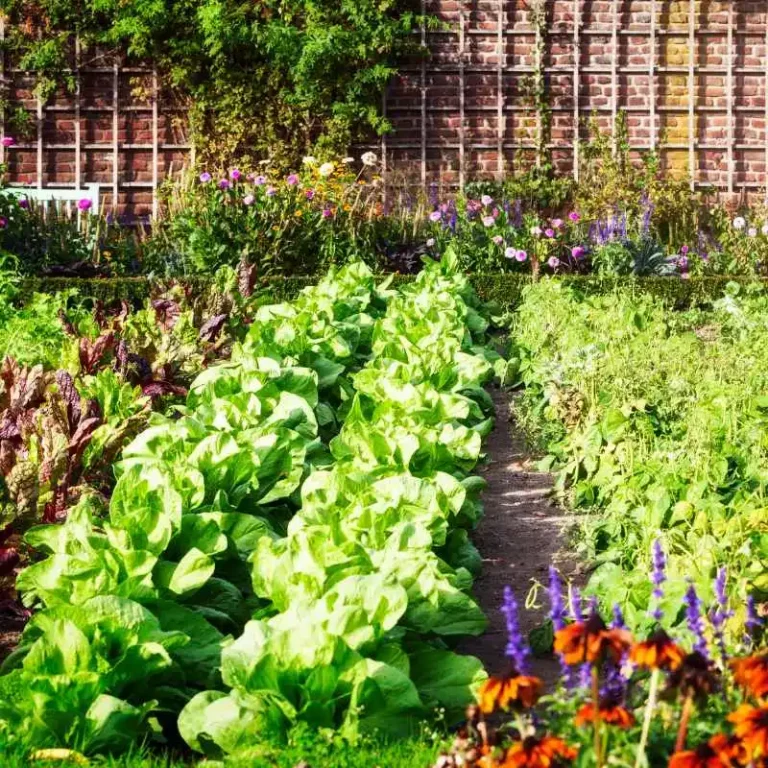
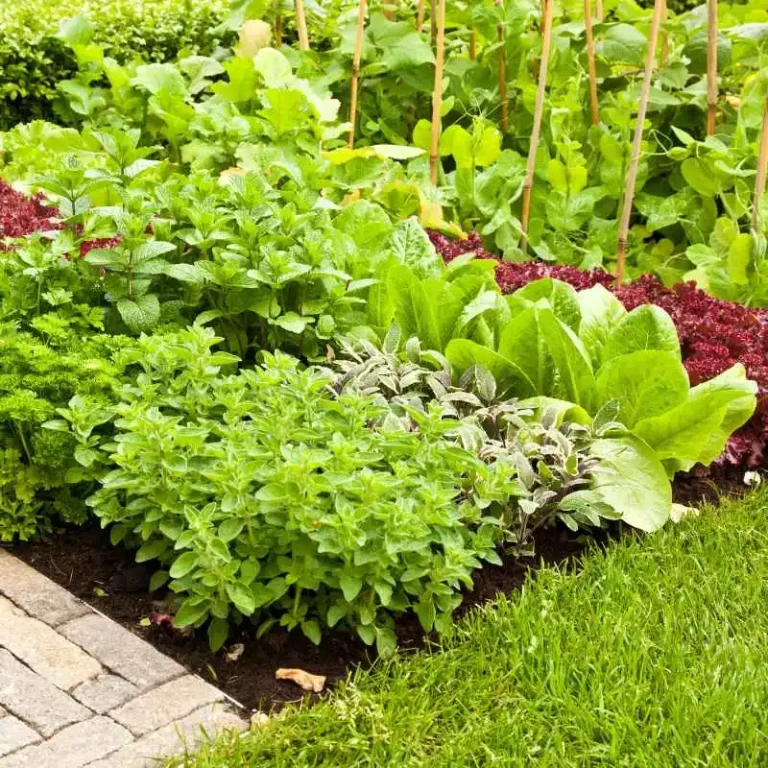
Edible Landscaping
Blend edible plants with ornamentals:
- Use kale, rainbow chard, or herbs as borders.
- Plant dwarf fruit trees or berry bushes instead of purely decorative shrubs.
Edible landscaping combines beauty and utility, allowing residents to grow food while maintaining a visually appealing yard. Many edible plants, such as nasturtiums, calendula, and rosemary, offer ornamental value and are less likely to be challenged by authorities.
- Choose varieties with colorful foliage, attractive flowers, or compact growth habits to enhance curb appeal.
- Rotate plantings seasonally to maintain interest and prevent bare patches.
Vertical Gardens And Raised Beds
Vertical gardening and raised beds can help maximize small spaces and may meet aesthetic guidelines when designed attractively.
- Use trellises, wall planters, and stacked pots to grow climbing crops like tomatoes, beans, and cucumbers.
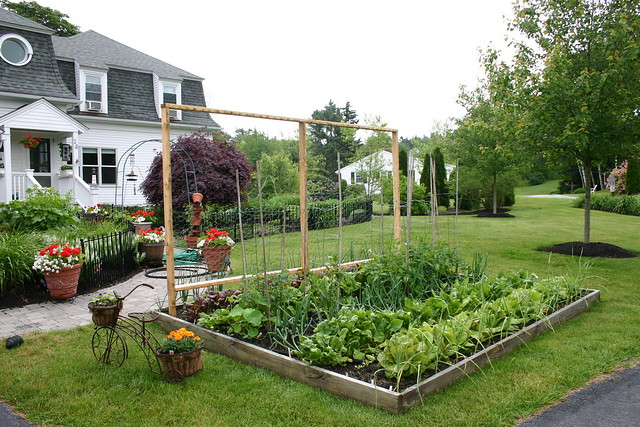
- Design raised beds with decorative edging, integrating them into the yard’s overall layout.
Raised beds can be customized to fit space and style, using materials such as stone, brick, or painted wood. Vertical gardens can be installed on fences, walls, or balcony railings, making efficient use of limited areas.
Community Gardens
If your property is restricted, join a community garden. Many cities have plots available for rent, and some HOAs have communal gardening spaces.
- Community gardens offer shared resources, social connections, and education opportunities.
- Some cities provide subsidies or grants for residents to participate in community gardening.
Community gardens are often exempt from residential restrictions, providing a valuable alternative for those unable to grow food at home.
Table: Edible Plants That Blend With Ornamentals
| Edible Plant | Ornamental Value | Notes |
|---|---|---|
| Kale | Colorful leaves | Cold-hardy, low maintenance |
| Chives | Purple flowers | Great border plant |
| Strawberries | Ground cover, white flowers | Attractive and productive |
| Blueberry Bushes | Spring flowers, fall color | Year-round interest |
| Nasturtium | Bright flowers | Edible leaves, attracts pollinators |
| Rosemary | Evergreen foliage, blue flowers | Fragrant, drought-tolerant |
The Movement To Protect The Right To Garden
In response to restrictive laws, a national movement has emerged to defend the right to grow food at home.
Right To Garden Legislation
Several states have considered or passed laws to protect gardeners:
- Florida: Local governments may not regulate vegetable gardens on residential property.
- Illinois: A “Right to Garden” bill was introduced in 2026.
- Missouri: Proposed constitutional amendment to protect gardening as a right.
These laws often specify that local authorities cannot prohibit or restrict the cultivation of edible plants, fruits, and vegetables on private property. They may also prevent HOAs from enforcing blanket bans, though some exceptions (such as for safety or environmental concerns) remain.
- In California, similar bills have been proposed, aiming to clarify and expand residents’ rights to grow food at home.
- Legislative language varies, with some states focusing on residential gardens and others including community gardens, school gardens, and urban farms.
Advocacy Groups
Organizations like the Institute for Justice, Food Not Lawns, and the American Community Gardening Association campaign for gardening rights and provide legal resources (American Community Gardening Association).
- These groups offer legal advice, educational materials, and lobbying support for residents facing restrictions.
- They host workshops, webinars, and conferences to promote urban agriculture and gardening rights.
Advocacy groups also collaborate with environmental and health organizations to highlight the benefits of gardening, including reduced food miles, improved nutrition, and enhanced community resilience.
Public Opinion And Food Security
Surveys indicate strong public support for the right to garden, especially as concerns about food security and sustainability grow.
- A 2020 study found that 35% of U.S. households grew food at home or in a community garden (National Gardening Association).
- Urban gardening is associated with improved nutrition, mental health, and community cohesion.
Food security has become a critical issue, particularly during times of economic uncertainty or supply chain disruptions. Home gardening offers a cost-effective, reliable source of fresh produce, empowering individuals and families.
- Studies show that home gardens can supply up to 20% of a household’s vegetable needs, reducing grocery bills and reliance on imported food.
- Community gardens foster social connections, reduce isolation, and provide educational opportunities for children and adults.
Real-world Success: Legislative Change
After the Miami Shores case, Florida’s legislative action became a model for other states. Grassroots campaigns have led to increased awareness and policy shifts.
- In Missouri, public advocacy resulted in the introduction of a constitutional amendment to protect gardening rights.
- In Illinois, activists and residents organized rallies and petitions, prompting lawmakers to consider new protections.
These successes demonstrate the power of collective action and the importance of engaging policymakers, media, and the public.
The Future Of Garden Laws
The trend is toward greater acceptance and legal protection for home gardening, but challenges remain, especially in HOA-governed communities.
- Continued advocacy and education are essential to shift cultural norms and update outdated codes.
- Collaboration between residents, officials, and organizations can facilitate policy change and support sustainable living.
Frequently Asked Questions
Can My City Ban Vegetable Gardens In My Own Yard?
Yes, in some cases, cities or municipalities may enforce ordinances that restrict or ban vegetable gardens, particularly in front yards. However, these bans are increasingly being challenged and, in some states, are prohibited by “Right to Garden” laws. Always check your local codes before planting.
What Can I Do If My Hoa Bans Vegetable Gardens?
If your HOA bans vegetable gardens, review the CC&Rs to understand the rules. You can petition the HOA board for a rule change, propose attractive edible landscaping, or seek mediation. Joining with neighbors to advocate for change is often effective.
- Document your garden’s impact on property values, aesthetics, and community engagement to strengthen your case.
- Consider proposing pilot projects or demonstration gardens to showcase the benefits of edible landscaping.
Are There Any States That Protect The Right To Garden?
Yes, states like Florida have passed laws protecting the right to grow vegetables on residential property. Other states, including Illinois and Missouri, have considered similar legislation. These laws limit local governments’ ability to restrict vegetable gardens.
- Check for updates on state legislative websites or advocacy group resources.
- Some cities and counties have additional protections or incentives for home gardeners.
What Are Common Alternatives If I Can’t Have A Vegetable Garden?
If you cannot have a vegetable garden due to local rules, consider backyard or container gardening, edible landscaping, joining a community garden, or growing food indoors. Many bans focus on front yards, so other options may be available.
- Indoor gardening with hydroponics or grow lights is increasingly popular and free from outdoor restrictions.
- Vertical and rooftop gardens offer innovative solutions for limited space.
How Do I Find Out If My City Or Hoa Restricts Vegetable Gardens?
To find out if your city or HOA restricts vegetable gardens, check the municipal code on your city’s website, contact the planning department, and review your HOA’s CC&Rs. When in doubt, ask for clarification in writing from the relevant authority.
- Consult local extension agents or urban agriculture coordinators for additional support.
- Engage with local gardening groups to learn from others’ experiences.
Growing your own food is a rewarding and sustainable way to improve your diet and well-being. While some communities still enforce bans or restrictions on vegetable gardens, the tide is shifting in favor of gardeners, thanks to advocacy, legal victories, and public support. By understanding your local laws and exploring creative solutions, you can enjoy the benefits of gardening—often right at home. For the latest updates and guidance, consult resources like the USDA Urban Agriculture Information and connect with local gardening organizations.