Are Galvanized Screws Safe For Vegetable Gardens? Answered
It’s a common question for gardeners, especially those building their own raised beds or trellises. You head to the hardware store, grab some screws, and then a thought pops into your head: “Are these galvanized screws okay for my vegetable garden?” It feels like a smart thing to check. After all, you’re growing food in that soil.
For a related vegetable-garden decision, Is Roundup Safe to Use Around Vegetable Gardens? The adds another practical check before you choose materials or treatments.
For a related vegetable-garden decision, Is Cutter Backyard Spray Safe For Vegetable Gardens? Here adds another practical check before you choose materials or treatments.
For a related vegetable-garden decision, Is Galvanized Steel With Zinc Finish Safe For Vegetable Gardens? adds another practical check before you choose materials or treatments.
You want everything to be safe and healthy. Let’s dive into this and figure it out together.
Galvanized screws are generally considered safe for vegetable gardens because the zinc coating wears away very slowly. While there’s a small risk of zinc leaching into soil over a very long time, it’s usually minimal. However, for complete peace of mind, especially with organic gardening or if you’re building new beds, stainless steel or coated screws are excellent alternatives.
Understanding Galvanized Screws
When we talk about galvanized screws, we’re talking about regular steel screws that have been coated with a layer of zinc. This is a common practice. The zinc acts like a shield.
It protects the steel underneath from rust and corrosion. Think of it like a raincoat for the screw. This process is called galvanization.
There are a couple of ways this coating happens. Hot-dip galvanization is the most popular. The screws are dipped into a bath of molten zinc.
This creates a thick, protective layer. Electro-galvanization is another method. It uses an electric current to apply a thinner zinc coating.
Both aim to stop rust in its tracks.
This rust prevention is key. It means your screws will last much longer, especially when exposed to the elements. Rain, humidity, and soil contact can quickly damage unprotected steel.
Galvanized screws stand up to this much better. This makes them a popular choice for outdoor projects like fences, decks, and yes, garden structures.

Why the Concern for Vegetable Gardens?
The worry about galvanized screws in a vegetable garden comes down to something called leaching. Leaching is when a substance dissolves or is released from one material into another, often a liquid. In this case, the concern is that the zinc from the screw coating might dissolve into the soil.
And then, plants could absorb that zinc.
We all know that plants need certain minerals to grow. Zinc is actually an essential micronutrient for plants. They need it in small amounts.
Too much of any nutrient, however, can become a problem. High levels of zinc in the soil can be toxic to plants. It can stunt their growth.
It can also interfere with their ability to take up other vital nutrients.
Then there’s the human health aspect. If plants absorb too much zinc, could it then end up in the vegetables we eat? And if so, is that amount harmful to us?
These are valid questions. We want our food to be as pure and safe as possible. The idea of a metal fastener slowly releasing something into the soil where our food grows can be unsettling.
How Zinc Works on Screws
The zinc coating on galvanized screws does more than just act as a physical barrier. It also offers something called sacrificial protection. This sounds fancy, but it’s quite simple.
Zinc is more reactive than steel. If the zinc coating gets scratched or damaged, the zinc will corrode instead of the steel.
Imagine the zinc as a bodyguard. If something tries to attack the steel, the zinc steps in and takes the hit. It slowly dissolves, sacrificing itself to keep the steel safe.
This is a really effective way to prevent rust from starting. Even if there are tiny nicks or cuts in the coating, the steel is still protected.
This sacrificial action means the zinc layer does wear away over time. It’s not permanent. But the rate at which it wears away depends on the environment.
In dry conditions, it’s very slow. In very wet or acidic conditions, it can happen a bit faster. This slow degradation is why many experts believe the amount of zinc leaching into soil is minimal.
The Science of Zinc Leaching in Soil
Let’s get a bit into the science of zinc in soil. Zinc is a naturally occurring element. It’s found in rocks, soil, and water.
It’s also present in fertilizers and is often added to animal feed. So, soil already contains zinc. The question is about the additional zinc from the galvanized screws.
The amount of zinc that actually leaches from a galvanized screw into the soil is influenced by several factors. Soil pH is a big one. In acidic soils (lower pH), zinc is more soluble and can leach more easily.
In alkaline soils (higher pH), zinc tends to bind more tightly to soil particles, making it less available.
Soil type also plays a role. Sandy soils drain faster and may allow more soluble elements to move through. Clay soils hold onto things more tightly.
The amount of rainfall or irrigation is another factor. More water moving through the soil can carry more dissolved substances. The age and condition of the screw matter too.
Older, more corroded screws will have released more zinc than new ones.
Real-World Gardening Experiences
I remember building my first raised garden beds a few years ago. I was so excited. I had this vision of fresh tomatoes and crisp lettuce.
I bought some lumber and a big box of what looked like sturdy screws. They were silvery and looked tough. I spent a whole weekend assembling the frames, feeling pretty proud.
It wasn’t until I was putting away my tools that I saw the packaging clearly. “Galvanized Deck Screws.” My heart sank a little. I’d heard whispers about galvanized materials and gardens.
Was I poisoning my future salads? I spent the next few days anxiously searching online, reading forums, and feeling a mix of panic and frustration.
Some people swore by them, saying they’d used them for years with no issues. Others were adamant about avoiding them. It was confusing.
What struck me was how many people just assumed they were fine, or just didn’t think about it at all. It made me realize how many of us might be using these screws without a second thought.
I ended up planting in those beds, but I always felt a slight unease. Every time I watered, I pictured tiny zinc particles dissolving. It was a small thing, but it added a layer of worry to my gardening.
I eventually decided to switch to stainless steel for any new structures, just for my own peace of mind. That feeling of doubt is a strong motivator for seeking clear answers.
Quick Check: Types of Galvanization
Hot-Dip Galvanized: Thick, durable coating. Best for strength and longevity. More zinc applied.
Electro-Galvanized: Thinner, more uniform coating. Less zinc. Often looks brighter.
For garden use, hot-dip is more common and has more zinc. This means more potential for leaching, but also better rust protection.
How Much Zinc is Too Much?
This is the million-dollar question. What is “too much” zinc for a vegetable garden? The U.S.
Environmental Protection Agency (EPA) sets guidelines for zinc in drinking water. For drinking water, the maximum contaminant level (MCL) goal is zero, but the secondary standard (which relates to aesthetics like taste and odor) is 5 mg/L (or parts per million, ppm).
For soil, the situation is more complex. The National Academy of Sciences has suggested that zinc levels in soil can become toxic to plants if they exceed about 200 to 400 ppm. However, this varies greatly depending on the soil type and the specific plant.
Some plants are more sensitive than others.
The key takeaway is that these levels are measured in parts per million. This means very small amounts. The concern is whether the slow, continuous release from screws over many years could eventually build up to problematic levels.
Most studies suggest that for typical garden use, the amount is very small, especially compared to natural soil zinc levels or zinc from other sources like fertilizers.
What Do Garden Experts and Studies Say?
Many gardening authorities and horticultural extension offices weigh in on this. They often state that while zinc is an essential nutrient, excessive amounts can be harmful. However, they also generally conclude that the zinc released from properly galvanized screws used in garden structures is unlikely to reach toxic levels in most soils.
For instance, university extension services in states with significant agricultural and gardening communities often provide guidance. They might explain that zinc is already present in most soils. They might also mention that the rate of zinc dissolution from galvanized steel is very slow, especially in neutral or alkaline soils.
This suggests that the risk is low for most gardeners.
However, there’s always a note of caution. If you are gardening in very acidic soil, or if you are using a large number of galvanized items very close to where you are planting, the risk might be slightly higher. Also, if you are aiming for an organic certification, you might need to use materials specifically approved for organic use, which often means avoiding galvanized materials.
Zinc in Your Veggies: A Closer Look
Essential Micronutrient: Plants need small amounts of zinc to grow. It helps with enzyme function and hormone production.
Toxicity Threshold: Too much zinc can harm plants. It can stop growth and block other nutrient uptake.
Leaching Rate: Zinc from galvanized screws is released very slowly. This is especially true in non-acidic soils.
Overall Risk: Most experts agree the risk of harmful levels from screws is low for typical gardens.
When Galvanized Screws Might Be More of a Concern
While the general consensus is that galvanized screws are usually safe, there are specific situations where you might want to be more cautious. These are cases where the risk, however small, might be amplified. It’s good to be aware of these scenarios so you can make the best choice for your garden.
One such situation is when you are building a brand-new garden bed and want to start with the purest possible soil environment. If you are aiming for strict organic practices, even a tiny potential for unwanted material might be a reason to opt for alternatives. Organic certification bodies often have specific rules about materials used in contact with food crops.
Another factor is the type of soil you have. As mentioned, very acidic soils can increase the rate of zinc leaching. If your soil naturally has a very low pH, or if you regularly add materials that lower the pH (like certain mulches or amendments), this could be a point of concern.
Testing your soil pH is always a good idea for gardeners.
Finally, the sheer quantity of galvanized items matters. If you’re building a massive garden complex with dozens of large structures all fastened with galvanized screws, the cumulative potential for zinc release would be greater than for a single small planter box. It’s about the scale of potential exposure.
Alternatives to Galvanized Screws
If you decide that galvanized screws aren’t the right choice for your vegetable garden, or if you want to err on the side of absolute caution, there are excellent alternatives available. These options provide durability and strength without any concern about zinc leaching.
The most recommended alternative is stainless steel screws. Stainless steel is highly resistant to rust and corrosion. It’s also a very stable material.
It won’t react with the soil or leach harmful substances. While stainless steel screws can be more expensive upfront, their longevity and peace of mind are often worth the investment for garden structures.
Another option is to look for screws specifically designed for outdoor or garden use that are coated with other materials. Some screws have ceramic or polymer coatings. These coatings offer protection against rust and are designed to be inert.
Make sure to check the product description to confirm they are safe for contact with soil and food crops.
For less critical applications, like attaching a simple trellis to a wooden fence post that doesn’t directly touch the growing area, basic coated screws might be acceptable. However, for anything that forms the structure of your raised beds or trellises directly supporting edible plants, investing in stainless steel or a trusted alternative is usually the best path forward.
Choosing Your Fasteners: A Quick Guide
Galvanized Screws: Widely used, good rust protection. Generally safe, but tiny risk of zinc leaching.
Stainless Steel Screws: Excellent corrosion resistance. No leaching concerns. Higher cost.
Coated Exterior Screws: Various coatings (ceramic, polymer). Check for garden safety claims. Often a good middle ground.
Recommendation: For direct contact with soil and food crops, stainless steel is the safest bet for peace of mind.
Building Raised Beds: A Deeper Look
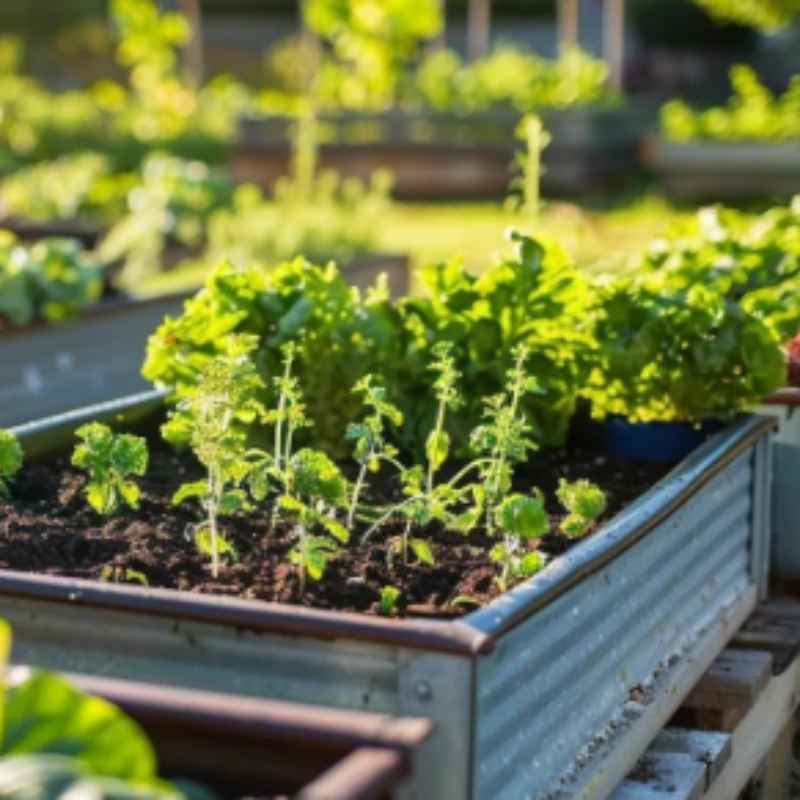
Raised garden beds are a fantastic way to grow vegetables. They offer better drainage and allow you to control the soil composition. When you build them, the fasteners are a crucial part of the structure.
You want them to hold strong for years.
If you’re using wood for your raised beds, screws are the standard way to join the planks. The wood itself can degrade over time, especially in contact with moist soil. The screws need to withstand this moisture and any potential rot from the wood.
This is where galvanization shines for durability.
However, the wood is essentially acting as a buffer. The screws aren’t usually in direct, prolonged contact with the soil over their entire surface. Only the ends and any areas where the wood has pulled away slightly might have direct soil contact.
This further reduces the likelihood of significant zinc leaching into the soil where plants are rooted.
Many people who build with wood and galvanized screws have perfectly healthy gardens. They’ve been doing it for decades. The key is understanding the context.
The zinc is a protector. It wears down slowly. Most garden soils have enough natural buffering capacity to handle the minimal amounts released over time.
Trellises and Supports: Another Angle
Trellises and other supports for climbing plants like tomatoes, cucumbers, and beans are another common garden feature. These are often made of wood or metal and secured with screws or bolts.
If you’re attaching a wooden trellis to a post or building a wooden support structure, the same logic about galvanized screws applies. The screws are primarily holding the wood together. If the trellis legs or bases are in the ground, or if the soil is right up against the wooden structure, there’s direct contact.
For metal trellises, you might be using galvanized metal itself. In this case, the concern is even more direct. However, many metal garden products are designed with durability in mind, and the materials used are generally considered safe for their intended purpose over many years.
Again, the rate of zinc release is slow. For most gardeners, the convenience and cost-effectiveness of galvanized fasteners make them a practical choice. But if you’re specifically looking for the most inert materials, stainless steel remains the top recommendation for these garden applications.
Comparing Fastener Lifespans
Steel Screws (Uncoated): Will rust very quickly. Not suitable for outdoor garden use.
Electro-Galvanized Screws: Moderate rust resistance. May last a few seasons. Thinner zinc layer.
Hot-Dip Galvanized Screws: Excellent rust resistance. Can last many years, often 10-20+ for outdoor structures.
Stainless Steel Screws: Superior corrosion resistance. Will last indefinitely in most garden conditions. Can sometimes be overkill.
When to Worry (And When Not To)
It’s easy to get caught up in worrying about every potential risk. For galvanized screws in vegetable gardens, let’s break down when you might want to pay extra attention, and when it’s likely fine.
When to potentially worry more:
- You are gardening in very acidic soil (pH below 6.0).
- You are aiming for strict organic certification and need specific material approvals.
- You are building a very large garden system with many galvanized components.
- You are experiencing unusual plant growth issues that you can’t explain otherwise.
- You simply want the absolute highest level of certainty for your food’s purity.
When it’s probably okay:
- You are using standard lumber for raised beds and the screws are mainly holding the wood together.
- Your soil pH is neutral to slightly alkaline (pH 6.5-7.5 or higher).
- You are using a reasonable number of galvanized fasteners for a typical garden setup.
- You have been using them for years without any observed negative effects on your plants.
The key is context and your personal comfort level. The scientific consensus leans towards safety for most common garden uses. But if you have a nagging doubt, choosing an alternative is always an option.
Simple Checks and Observations
How can you tell if your galvanized screws are degrading or if there might be an issue? It’s not always obvious, but a few things can be observed over time.
Visual Inspection: Look closely at the screws in your garden structures. Are they showing signs of heavy rust? If a screw is heavily corroded and breaking down, it has likely released more zinc than a screw that looks almost new.
However, even heavy rust on galvanized screws means the steel core is likely still protected.
Soil Around Screws: If you have wooden structures where screws are very close to the soil line, you might notice a slightly different texture or color right around the screw head after many years. This is highly unlikely to be significant but is a potential visual cue.
Plant Health: The most important indicator is your plants. Are they growing well? Are you seeing signs of nutrient deficiencies or toxicities that could be related to mineral imbalances?
If your plants are thriving, it’s a strong sign that the soil is healthy and your materials are not causing harm.
Soil Testing: For the most definitive answer, you could get your soil tested for zinc levels. Most agricultural extension offices offer soil testing services. This would give you precise numbers for zinc concentration in your garden soil.
You could then compare this to established guidelines for plant health.
Fast Facts: Zinc and Plants
Soil Zinc Levels: Typically range from 10 to 300 ppm.
Plant Deficiency: Can occur below 15-20 ppm.
Plant Toxicity: Can occur above 200-400 ppm (highly variable).
Leaching Rate: Very slow from galvanized steel. Significantly slower in higher pH soils.
My Experience with Stainless Steel
After my initial worry about the galvanized screws in my first raised beds, I decided to switch gears for my next project. I was building a larger, more elaborate set of beds with multiple tiers. The thought of those screws slowly releasing zinc still lingered in the back of my mind.
So, I invested in stainless steel screws. The cost was noticeably higher. A box of 100 stainless steel screws cost roughly the same as a box of 500 galvanized ones.
It felt like a big jump. I remember holding them in my hand. They felt solid and looked very clean and sleek.
As I built the new beds, the stainless steel screws drove in just as easily. They held the wood tightly. There was no hesitation, no doubt.
Now, a couple of years later, those beds are still strong. The screws look as good as the day I put them in. There’s no rust, no discoloration.
The peace of mind this has given me is significant. Knowing that I don’t have to worry about this one aspect of my garden’s construction is valuable. While my older galvanized beds are likely fine, the stainless steel ones feel like a guaranteed clean slate.
It’s a trade-off between cost and absolute certainty, and for my newer beds, certainty won.
Quick Fixes and Tips for Existing Gardens
If you’ve already used galvanized screws in your garden and are now concerned, don’t panic. Here are a few tips:
- Observe Your Plants: Continue to monitor your plants for healthy growth. If they are doing well, it’s a good sign.
- Improve Soil Health: Healthy soil is resilient. Ensure your soil is rich in organic matter. This can help buffer against potential imbalances.
- Consider Wood Barriers: For raised beds, the wood itself provides a barrier between the soil and the screws. This is already a protective factor.
- Avoid Over-Amending: Be careful not to add excessive amounts of zinc-containing fertilizers or amendments, which could compound any small release from screws.
- Test Your Soil: If you are very concerned, consider a soil test to check zinc levels.
For new projects, the best approach is to plan ahead and choose fasteners that align with your gardening philosophy and comfort level.

Frequently Asked Questions about Galvanized Garden Screws
Are galvanized screws safe for raised garden beds?
Generally, yes. The zinc coating protects the steel from rust and degrades very slowly. Most experts believe the amount of zinc that leaches into the soil is minimal and unlikely to harm plants or humans.
However, for absolute peace of mind, stainless steel is a safer alternative.
Will zinc from galvanized screws harm my vegetables?
Zinc is an essential nutrient for plants, but too much can be toxic. The amount of zinc leached from galvanized screws is typically very small. Unless you have very acidic soil or use an excessive number of screws, it’s unlikely to reach harmful levels for your vegetables.
How long do galvanized screws last in a garden?
Hot-dip galvanized screws can last many years, often 10-20 years or more, in garden conditions. They are designed for outdoor durability. Their lifespan depends on the level of exposure to moisture and the soil’s pH.
What is the difference between galvanized and stainless steel screws for gardens?
Galvanized screws have a zinc coating for rust protection, which can slowly leach zinc. Stainless steel screws are made of an alloy that is naturally corrosion-resistant and does not leach harmful substances. Stainless steel is more expensive but offers superior peace of mind for gardens.
Should I use galvanized screws if I practice organic gardening?
This can depend on the specific organic certification standards you follow. Some organic standards may advise against galvanized materials due to the potential for zinc leaching. It’s best to check with your certifying body or opt for stainless steel or other approved materials to be safe.
My soil is very acidic. Should I avoid galvanized screws?
Yes, if your soil is very acidic (pH below 6.0), zinc is more likely to dissolve and leach from galvanized screws. In such cases, using stainless steel screws is a more prudent choice to avoid potential issues with zinc accumulation in the soil.
Conclusion: Making the Best Choice for Your Garden
Deciding whether to use galvanized screws in your vegetable garden involves weighing practical considerations against your desire for certainty. The science suggests that for most gardeners, the risk is minimal. The zinc coating offers excellent protection against rust, and the release of zinc into the soil happens very slowly.
However, if you have a sensitive garden setup, very acidic soil, or simply want the absolute highest level of assurance for your food’s purity, stainless steel screws are a fantastic, albeit more expensive, alternative. Ultimately, the best choice is the one that gives you peace of mind and allows you to enjoy growing your own food without worry.