Can You Use Treated Lumber For Vegetable Gardens Safely?
You can use treated lumber for vegetable gardens, but it’s best to know the risks and choose wisely. Newer treatments are safer, or you can use barriers. Many people successfully grow food in gardens made from various lumber types.
For a related vegetable-garden decision, Is Pressure Treated Wood Safe For Vegetable Gardens? adds another practical check before you choose materials or treatments.
For a related vegetable-garden decision, Is Roundup Safe to Use Around Vegetable Gardens? The adds another practical check before you choose materials or treatments.
For a related vegetable-garden decision, Is It Safe To Use Treated Pine For Vegetable Gardens? adds another practical check before you choose materials or treatments.
What About Treated Lumber in Gardens?
Treated lumber is wood that has been treated with chemicals. These chemicals help it resist rot and insects. This makes the wood last much longer. It’s often used for decks, fences, and outdoor furniture. People wonder if these chemicals can get into the soil. They also worry if these chemicals can then get into the vegetables they grow. This is a valid concern for anyone growing their own food.

My Garden Bed Scare
I remember staring at a pile of beautiful, dark green treated lumber at the home improvement store. My mind raced. I pictured vibrant tomato plants and crisp lettuce. But then, a little voice in my head whispered, “Wait, is this safe for my salad?” I had already planned a large raised bed. The treated lumber looked so sturdy and affordable. I almost bought it. Then I pictured my kids eating carrots pulled from soil near wood that might be leaching chemicals. That image stopped me cold. I spent hours online, feeling a bit lost. I saw conflicting advice. Some said it was fine. Others were very worried. I finally decided to look for more information. I wanted to feel 100% sure.
Understanding Wood Treatments
Wood has been treated for centuries. Old methods used things like creosote or arsenic. These are definitely not good for food gardens. Modern treatments are different. The most common one today is called Alkaline Copper Quaternary, or ACQ. It uses copper and other safe chemicals. It replaced older treatments because it’s much safer for people and the environment. Still, some people have concerns. They worry about even these newer chemicals.
Wood Treatment Evolution
Old Ways: Historically, wood was treated with arsenic or creosote. These are powerful but toxic. They are no longer used for most common applications, especially near food.
Modern Methods: ACQ, Copper Azole (CA), and other copper-based treatments are now standard. They are designed to be less harmful. They still protect the wood well.
CCA Caution: Chromated Copper Arsenate (CCA) was used a lot. It’s still found in older treated wood. It’s best to avoid CCA treated wood for vegetable gardens.
Chemical Leaching: The Big Worry
The main concern is chemicals leaching from the wood into the soil. From the soil, they could potentially move into the plants. Think of a sponge. The wood is like a sponge holding chemicals. When it gets wet, some of those chemicals can seep out. The amount that leaches depends on many things. This includes the type of treatment, how old the wood is, and the soil pH.
Most studies show that modern treated wood leaches very little. Especially when it’s been in place for a while. The copper in ACQ treatment tends to bind tightly to the soil. This makes it hard for plants to absorb it. The U.S. Environmental Protection Agency (EPA) has evaluated these treatments. They consider ACQ and similar modern treatments safe for most uses, including gardens. However, the idea of any chemical transfer makes some gardeners uneasy.
Leaching Factors to Consider
- Treatment Type: Newer treatments like ACQ leach less than older ones.
- Wood Age: Older treated wood might leach less as chemicals settle.
- Soil pH: How acidic or alkaline your soil is can affect leaching.
- Water Exposure: Constant wetness can increase leaching slightly.
- Wood Condition: Cracked or damaged wood might release more chemicals.
My First Raised Bed Project
When I finally built my first raised garden bed, I went with untreated cedar. It was more expensive. It also wouldn’t last as long as treated wood. But I felt much better about it. I dug the holes for the posts. The smell of cedar was wonderful. It felt natural and safe. My soil was nice and dark. I lined the inside of the bed with thick plastic sheeting. This was an extra step. It added a barrier. It made me feel even more secure. I planted my first seedlings. I felt a real sense of accomplishment. And peace of mind.
Are There Alternatives to Treated Lumber?
Yes! Lots of other materials work great for garden beds. You don’t have to use treated wood if you’re worried.
Great Garden Bed Materials
- Untreated Wood: Cedar, redwood, and cypress are naturally rot-resistant. They are a good choice but cost more and don’t last as long as treated wood.
- Concrete Blocks or Bricks: These are durable and won’t break down. They can also help retain heat for your plants.
- Stone: Natural stone looks beautiful and is very long-lasting.
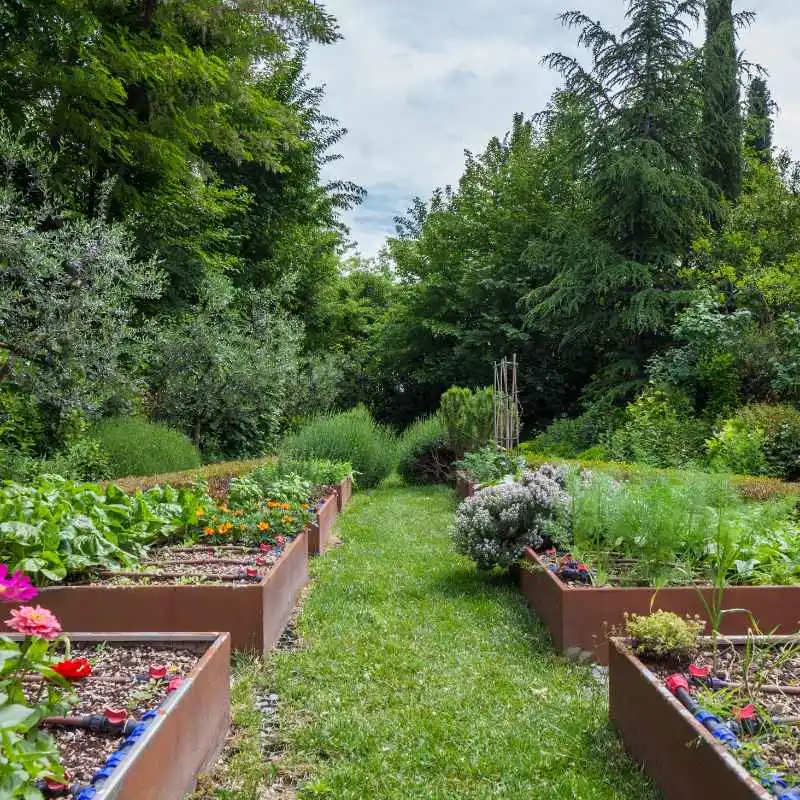
- Metal: Corrugated metal or galvanized stock tanks are popular. They can heat up, so consider that.
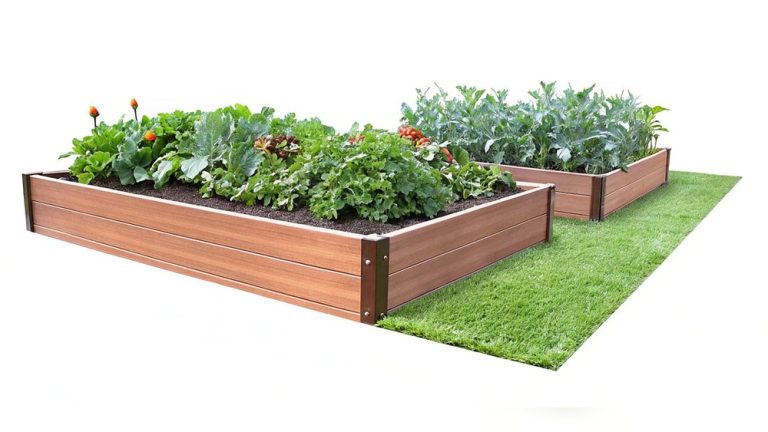
- Recycled Plastics: Lumber made from recycled plastic is very durable and won’t rot.
The Barrier Method
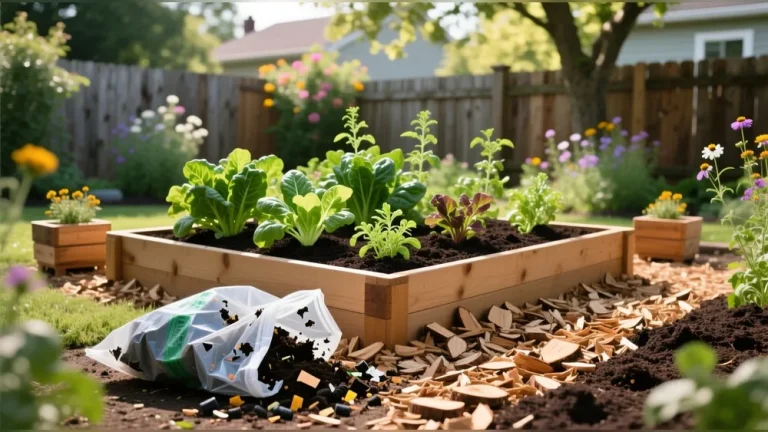
If you really like the look and durability of treated lumber, there’s a simple solution: a barrier. You can line the inside of the garden bed with heavy-duty plastic. Food-grade plastic sheeting is best. Make sure it goes all the way up the sides. Also, extend it a few inches past the bottom into the soil. This creates a physical wall. It stops soil from touching the treated wood directly. This is a very effective way to prevent any chemical transfer.
When is Treated Wood NOT Safe?
There are times when treated wood is definitely a no-go for gardens.
Avoid These Treated Woods in Gardens:
CCA Treated Wood: If you have old wood that looks like it might contain arsenic, avoid it. This is often darker wood with a greenish tint from older projects.
Ground Contact: Lumber rated for ground contact might have higher chemical concentrations. It’s better to use wood rated for above-ground use if possible.
Splintered or Damaged Wood: If the wood is very old, cracked, or falling apart, it might release more chemicals. It’s best to replace it.
My Experience with Barriers
I decided to experiment with treated lumber for a compost bin. I wasn’t growing food directly in it, but I wanted to be safe. I bought ACQ-treated wood. Before I put it together, I stapled thick, black plastic sheeting to the inside. I made sure it overlapped well. It looked a bit rustic, but it worked perfectly. The compost built up nicely. The wood stayed strong. I felt good knowing my compost wouldn’t be contaminated. Later, I used some leftover treated lumber for a decorative border around a flower bed. For actual vegetables, I still prefer to use barriers or untreated wood.
Real-World Soil Testing
Some gardeners get their soil tested. This can check for heavy metals or other contaminants. While not common for home gardeners, it’s an option if you have serious concerns. University extension offices can often help with soil testing. They can tell you what to look for and how to interpret the results. This gives you data to back up your comfort level.
Building Your Bed: What to Look For
When you buy treated lumber, look for stamps on the wood. These stamps tell you what kind of treatment it has. You want to see ACQ or CA. You do not want to see CCA. Lumber rated for “above ground” use is generally preferred over “ground contact” rated wood for garden beds. This is because “ground contact” wood often has more preservatives forced into it.
How Long Does Treated Lumber Last?
Treated lumber can last a very long time. Depending on the treatment and conditions, it can last 15 to 30 years or even longer. This is why it’s so appealing for garden beds. You build it once, and it stays strong for many growing seasons. Untreated wood like cedar might last 10-20 years, while pine or fir would need replacing much sooner. This longevity is a big plus for treated lumber.
My Friend Sarah’s Garden
My friend Sarah built a beautiful raised garden bed using treated lumber. She had seen some older advice about it being unsafe. But she did her research. She made sure to buy wood treated with ACQ. She also lined the entire inside of the bed with thick, food-grade plastic. She attached it securely to the wood. Her garden flourished. She grew amazing vegetables every year. She felt confident because she took those extra steps. She said the barrier gave her the peace of mind she needed. She showed me her garden, and the vegetables looked so healthy and vibrant.
Quick Checks for Peace of Mind
If you’ve already built a garden bed with treated lumber and want to be cautious:
Garden Bed Safety Checklist
- Wood Type: Do you know the treatment? Look for ACQ or CA stamps. Avoid old CCA wood.
- Barrier Used?: Did you line the inside with plastic or another barrier?
- Wood Condition: Is the wood solid, or is it cracking and peeling?
- Soil Management: Rotate crops and add compost to keep soil healthy.
What This Means for Your Garden
Using treated lumber for vegetable gardens is generally considered safe by many experts, especially with modern treatments. The key is to be informed. Choose the right type of treated wood. Consider using a barrier like plastic sheeting. This adds an extra layer of protection. It ensures your vegetables are as safe and healthy as possible. You can have a beautiful, long-lasting garden bed without worry.
When to Maybe Rethink
If you are extremely sensitive to chemicals or prefer to be extra cautious, untreated wood or other materials might be better. It’s about what feels right for you and your family. There’s no single answer that fits everyone. Your comfort level is important.
Quick Tips for Safe Gardening
Here are some simple things to keep in mind:
Tips for Safe Garden Beds
- Choose Wisely: Opt for ACQ or CA treated lumber.
- Add a Barrier: Use thick plastic sheeting to line the inside walls.
- Avoid Old Wood: Steer clear of wood that looks very old or might be CCA treated.
- Consider Alternatives: Untreated wood, stone, or metal are also great options.
- Healthy Soil: Keep your soil rich and healthy. Good soil helps plants thrive.

Frequently Asked Questions About Treated Lumber in Gardens
Is treated lumber safe for growing vegetables?
Modern treated lumber (like ACQ) is generally considered safe for vegetable gardens by most experts. However, using a barrier like thick plastic sheeting is a good idea to prevent any direct contact between the soil and the wood. Always check the wood’s treatment stamp to avoid older, less safe chemicals like CCA.
What kind of treated lumber is best for a vegetable garden?
Look for lumber stamped with ACQ (Alkaline Copper Quaternary) or CA (Copper Azole). These are modern treatments considered safe. Avoid any wood that might be treated with CCA (Chromated Copper Arsenate), which was used in the past and is no longer recommended for gardens.
Should I use a plastic liner with treated lumber garden beds?
Yes, using a plastic liner or barrier is highly recommended. It creates a physical separation between the treated wood and your garden soil. This extra step provides peace of mind and ensures that minimal, if any, chemicals can transfer to your plants.
How long does treated lumber last in a garden?
Treated lumber is very durable and can last anywhere from 15 to 30 years or even longer, depending on the treatment, climate, and how well it’s maintained. This longevity makes it a popular choice for raised garden beds that you want to last for many seasons.
What are the risks of using treated lumber for my garden?
The main risk is that chemicals from the treated wood could leach into the soil and potentially be absorbed by your vegetables. However, with modern ACQ treatments and the use of a barrier, these risks are considered very low by regulatory bodies like the EPA. Older CCA treatments posed a higher risk.
Are there safe alternatives to treated lumber for raised garden beds?
Absolutely! Many excellent alternatives exist. You can use naturally rot-resistant woods like cedar or redwood, concrete blocks, bricks, stone, metal, or recycled plastic lumber.
These options offer different looks and price points.
What if my treated lumber is old and starting to break down?
If your treated lumber is old, cracked, or splintering, it might be releasing more chemicals. It’s best to consider replacing it, especially if it’s for a vegetable garden. You can then use a barrier with new lumber or opt for a different material altogether.
Wrapping Up Your Garden Bed Decision
Deciding what materials to use for your garden bed is a big step. For treated lumber, the consensus is that modern treatments are safe, especially with extra precautions like a plastic liner. Your garden’s health and your family’s well-being are top priorities. By choosing wisely and taking simple steps, you can build a beautiful and productive garden bed you’ll enjoy for years to come.