How Knowing Plant Anatomy Can Seriously Improve Your Garden
Understanding plant anatomy is key to a successful garden. It explains why plants grow, what they need, and how to help them thrive. Knowing the parts of a plant helps you spot problems early and give your plants exactly what they need to flourish.
For a related plant or gardening question, What Is The Proposed Sequence In Plant Evolution? Explained gives readers a focused next step.
For a related plant or gardening question, Can You Plant A Perennial Garden Using Container Gardening? gives readers a focused next step.
For another seed or bulb question, Where to Buy Non-GMO Seeds for Gardening (Trusted Sources) helps compare the next planting choice.
The Inner Workings of a Plant
Plants seem simple. They sit there, looking pretty. But inside, there’s a lot going on.
They have different parts, and each part does a very important job. Think of a plant like a tiny, busy factory. Each station has a specific task to keep the whole operation running smoothly.
When one part struggles, the whole factory feels it.
We’ll explore the main parts. These are the roots, the stem, the leaves, and the flowers or fruits. Knowing what each part does helps us care for our plants better.
It’s like learning how a car works. If you know what the engine, wheels, and brakes do, you can take better care of it.

Roots: The Unsung Heroes Below Ground
Most of us don’t think much about roots. They’re hidden away in the soil. But roots are super important.
They are the foundation of the plant. Their main jobs are to anchor the plant so it doesn’t blow away. They also soak up water and food from the soil.
This water and food are what the plant uses to live and grow.
Think about how you feel when you’re thirsty. You need water to survive. Plants are the same.
Their roots act like tiny straws. They pull up water and minerals from the dirt. These minerals are like vitamins for the plant.
Without them, plants can’t make their own food.
There are different types of roots. Some plants have a big, thick taproot that goes deep. Carrots and dandelions have taproots.
Other plants have many thin, fibrous roots that spread out wide. Grass is a good example of this. The type of root system can affect how well a plant survives in different soils.
In dry spells, plants with deep taproots might do better. They can reach water that’s far below the surface. Plants with shallow, fibrous roots need more regular watering.
They can also get washed away more easily in heavy rain.
Sometimes, roots can get sick. Diseases can attack them. Pests can also chew on them.
When roots are not healthy, the plant above ground will show it. Leaves might turn yellow or wilt. Growth will slow down.
This is often the first sign that something is wrong.
Root Health Quick Check
Anchor Strength: Does the plant stand up straight? Or does it lean or fall over easily? A strong root system holds it firm.
Water Uptake: Does the plant wilt often, even after watering? This could mean roots can’t get water.
Soil Feel: Is the soil around the plant very loose or mushy? This might hint at root rot or damage.
Poorly drained soil is a big enemy of roots. Roots need air, just like we do. If they sit in water all the time, they can’t breathe.
This leads to rot. This is why good drainage is so important for most plants. It helps roots stay healthy and strong.
The Stem: The Plant’s Highway
The stem is the part that connects the roots to the leaves and flowers. It’s like a highway for the plant. Water and nutrients travel up from the roots to the rest of the plant.
Sugars made in the leaves travel down to the roots. The stem also holds the plant upright. It supports the leaves and flowers so they can get sunlight.
Think of the stem as a plumbing system. It has tiny tubes that move liquids around. These tubes are very important.
If they get blocked or damaged, the plant’s food and water supply is cut off. This can be very bad for the plant.
Stems can look very different. Some are soft and green, like those on many flowers. These are called herbaceous stems.
Others are hard and woody, like tree trunks. These are woody stems. Woody stems can grow very thick and strong over time.
The way a stem grows matters too. Some grow straight up. Others trail along the ground.
Some vines even climb up other plants or structures. This growth pattern helps plants find the best place to get sunlight. It also helps them spread their seeds.
Stems can also store food. Some plants, like potatoes, have thick, underground stems that store a lot of energy. This stored energy helps the plant survive tough times, like winter.
Other plants store water in their stems, like cacti.
We often prune stems. This means cutting them back. This is done to shape the plant.
It can also encourage more growth. Sometimes, cutting a stem can help the plant heal or become stronger. This is a common practice in gardening and farming.
Stem Support System
Water Up: Xylem tubes carry water and minerals from roots to leaves.
Food Down: Phloem tubes carry sugars made in leaves to other plant parts.
Structure: Provides support, allowing leaves and flowers to reach sunlight.
Storage: Some stems store food or water for later use.
Damage to the stem can be a big problem. If an animal bites it, or if it breaks, the plant’s lifeline is threatened. This is why protecting young stems is important.
A strong stem ensures the plant can keep growing and producing. It’s the main pathway for life.
Leaves: The Plant’s Food Factories
Leaves are where the magic of photosynthesis happens. This is how plants make their own food. They use sunlight, water, and air to create sugars.
These sugars are the plant’s energy source. Without healthy leaves, a plant can’t survive.
The green color in leaves comes from something called chlorophyll. Chlorophyll captures sunlight. The leaf also has tiny pores, like little mouths, called stomata.
These pores let the plant take in carbon dioxide from the air. They also let out water vapor and oxygen.
The shape and size of leaves can vary a lot. Some are broad and flat, like maple leaves. These are great for catching lots of sunlight.
Others are thin and needle-like, like pine needles. These are good for reducing water loss, especially in dry or cold places.
Leaves are also where plants can “breathe” out. They release oxygen. This is the air we need to live.
So, healthy leaves not only feed the plant but also help the whole planet.
When leaves look unhealthy, it’s a clear sign the plant is stressed. Yellow leaves can mean many things. It could be not enough nutrients.
It might be too much or too little water. It could also be a sign of disease.
Brown or crispy edges on leaves often mean the plant is losing too much water. Or it might be getting too much sun. Or maybe there’s salt buildup in the soil from fertilizers.
The pattern of damage can tell you a lot about the problem.
Leafy Green Tips
- Sunlight: Leaves need light to make food.
- Water: Leaves use water. Too little or too much causes problems.
- Air: Leaves take in CO2 and release oxygen.
- Nutrients: Lack of food makes leaves turn pale.
Understanding leaf problems is a big step in gardening. If your tomato plant’s leaves are curling, it’s a signal. You need to figure out why.
Is it heat stress? Is it a pest? Is it a disease?
By looking closely at the leaves, you can often guess the issue. Then you can try to fix it.
Flowers and Fruits: The Plant’s Purpose
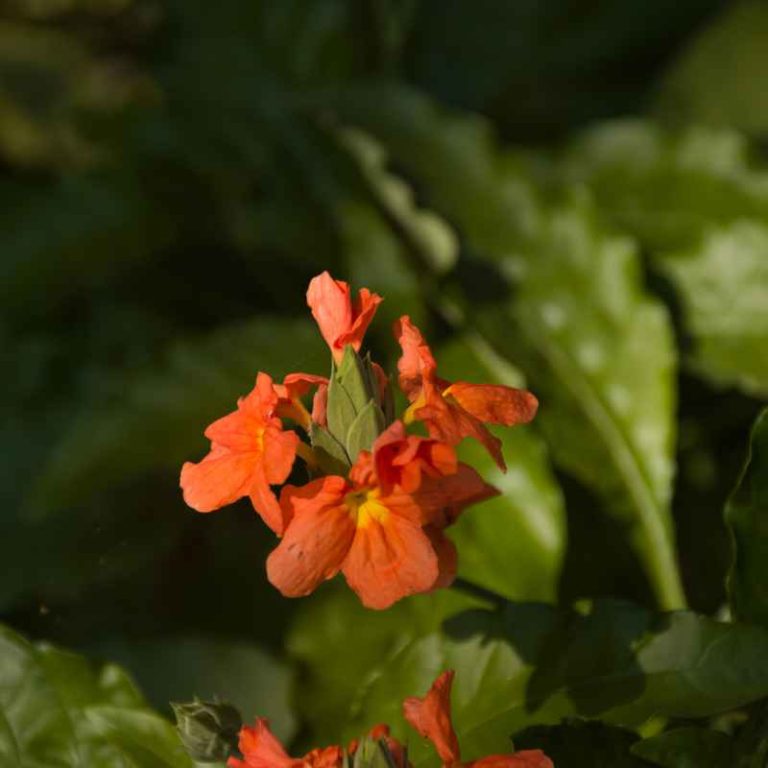
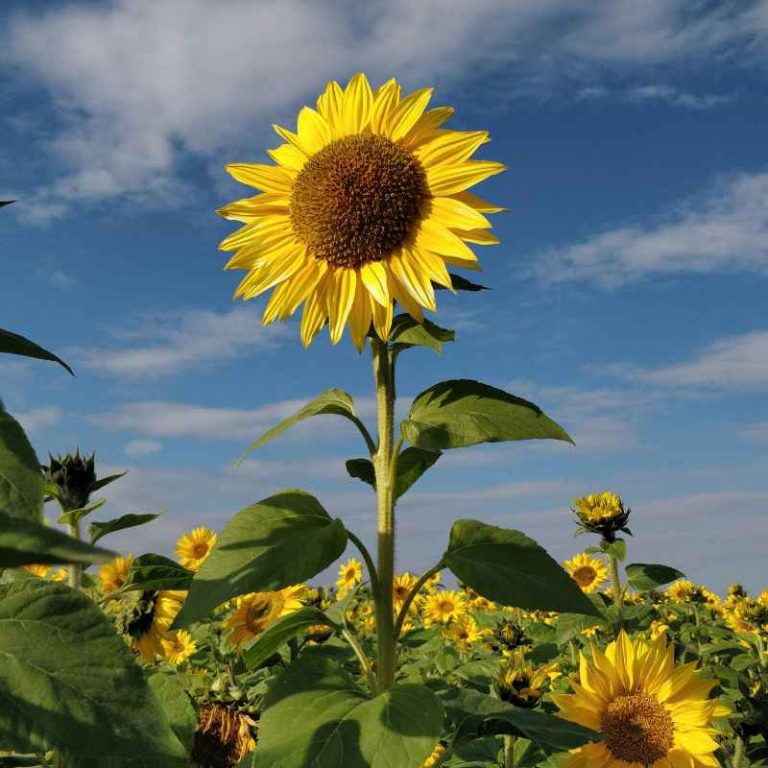
Flowers are often the prettiest part of a plant. But their main job is not just to look nice. Flowers are the reproductive parts of the plant.
They contain the parts needed to make seeds. Bees, birds, and wind often help move pollen from one flower to another. This process is called pollination.
Once pollination happens, the flower can develop into a fruit. The fruit’s job is to protect the seeds. It also helps the seeds travel to new places.
Think of an apple. The apple is the fruit. Inside are the apple seeds.
Birds eat the apple and then fly away, dropping the seeds elsewhere.
Not all plants produce showy flowers. Some have very small, simple flowers. Others are grown just for their leaves or roots.
But for many plants we grow, flowers lead to fruit. And fruit means more plants can grow.
Sometimes flowers don’t form. Or they fall off too early. This can happen if the plant isn’t getting enough light.
It could also be due to poor pollination. Or maybe the plant is stressed from too much heat or not enough water.
The fruit itself tells us a lot. Is it forming well? Is it plump and healthy?
Or is it small and shriveled? The health of the fruit is a direct result of how well the plant has been able to make food and transport nutrients. It’s the final product of all the hard work the roots, stem, and leaves have done.
From Flower to Fruit
Pollination: The transfer of pollen, often by insects or wind.
Fertilization: When pollen meets the egg cell.
Fruit Development: The ovary of the flower swells to protect seeds.
Seed Dispersal: Fruits help spread seeds to new locations.
Understanding this cycle helps us manage our gardens better. If we want more fruit, we need healthy flowers. We need good pollinators.
We need the plant to be strong and well-fed. This means paying attention to all the parts of the plant, not just the showy bits.
My Experience: The Tomato Plant Panic
I remember one summer, my prized tomato plants were looking rough. The leaves were yellowing, and the fruits weren’t growing. I had watered them, fed them, and they were in full sun.
I was so frustrated. I felt like I was failing them.
I started looking closer. The lower leaves were the most affected. They were turning yellow, then brown, and falling off.
The stems still looked okay. The new growth at the top seemed fine. But the overall plant looked weak.
I was worried. This was the peak season for tomatoes.
I remembered my own advice about plant anatomy. The problem seemed to be in the leaves, and maybe how they were getting nutrients. I went back to basics.
Was it a disease? I checked for spots. Was it a pest?
I looked under leaves. I saw nothing obvious.
Then it hit me. I had been feeding them a lot. Maybe too much nitrogen.
Too much nitrogen can make leaves grow fast but can make them weak and yellow. It can also affect how they take up other nutrients. It was like giving someone too much of one vitamin.
It can throw other things off balance.
I stopped the strong fertilizer. I gave them a balanced one with more potassium and phosphorus. I also made sure the soil was moist but not soggy.
Within a couple of weeks, I saw a difference. The new leaves were greener. The plant looked healthier.
The fruit started to grow bigger.
It was a great lesson. Even with good intentions, if you don’t understand the plant’s needs, you can make mistakes. Knowing plant anatomy helps you diagnose problems correctly.
It’s not just about watering. It’s about the whole system working together. That year, I had the best tomatoes ever.
Real-World Context: Why Anatomy Matters in Your Yard
Think about your garden. It’s a mini-ecosystem. The conditions there affect how plants grow.
This is where plant anatomy becomes super practical.
Soil Type: Different soils hold water and nutrients differently. Sandy soil drains fast. Clay soil holds water longer.
A plant with a deep taproot might prefer sandy soil. A plant with shallow roots might do better in clay, as long as it doesn’t stay too wet. Understanding root systems helps you choose the right plant for your soil.
Sunlight Exposure: Leaves need sunlight. If your plants are in shade, broad leaves might not be ideal. They might not get enough light to make food.
Plants adapted to shade often have thinner, larger leaves to capture any available light. The stem also plays a role in how leaves are positioned to catch the sun.
Watering Habits: Overwatering is a common garden killer. It drowns the roots, preventing them from getting air. This leads to root rot.
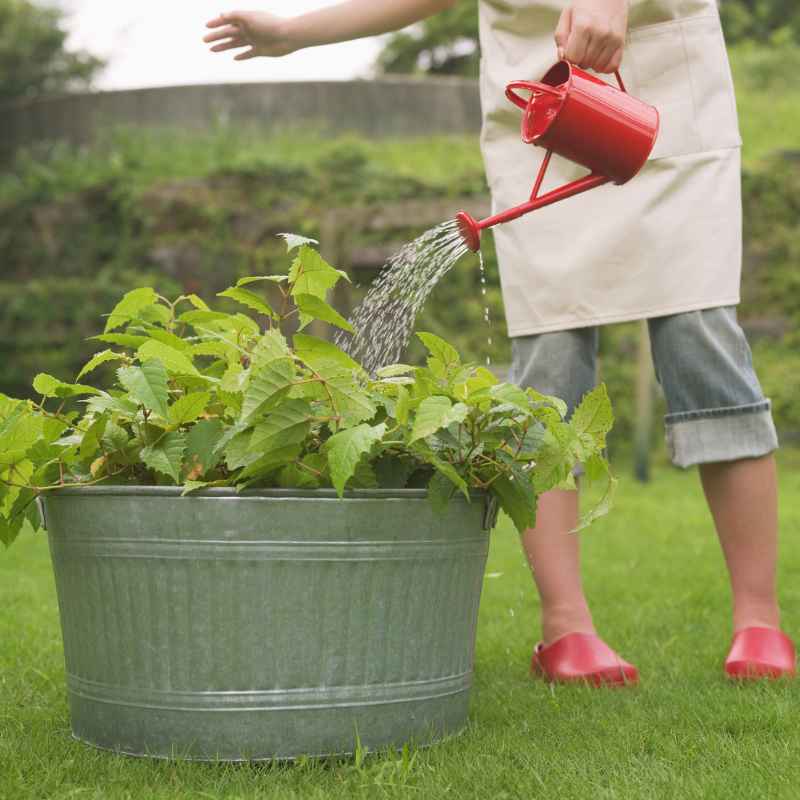
Underwatering causes wilting and stress. Knowing that roots need air and water helps you water correctly. You aim for moist, not soggy or bone dry.
Plant Spacing: Plants need space for their roots and stems to grow. If they are too close, they compete for water, nutrients, and light. This can stunt growth.
Proper spacing allows each plant’s parts to function as they should.
Garden Placement Checklist
- Root Room: Can roots spread without hitting hard soil or too much water?
- Stem Space: Is there enough room for the stem to grow tall and strong?
- Leaf Light: Do the leaves get enough sunlight each day?
- Flower Reach: Do flowers have access to pollinators if needed?
By understanding these basic plant parts, you can make better choices. You can choose plants that fit your conditions. You can place them where they will thrive.
This means less guesswork and more success in your garden.
What This Means for You: When is it Normal?
Most of the time, plants do their thing without much fuss. A little bit of yellowing on older leaves can be normal. Plants shed old leaves to make way for new growth.
Some plants naturally have smaller leaves. Others have thicker stems.
It’s normal for plants to change with the seasons. They might go dormant in winter. They might drop leaves in fall.
They might look less vibrant when it’s very hot. These are natural cycles.
When you see issues, compare them to what’s normal. Are the yellow leaves new or old? Is the wilting happening in the heat of the day, or does it stay wilted even in the morning?
Are the flowers just not opening, or are they opening and then falling off?
When to Worry:
- Sudden, widespread yellowing of leaves.
- Leaves turning brown and crispy all over.
- Stems becoming soft, mushy, or black.
- Plants wilting severely and not recovering.
- No new growth appearing for a long time.
- Visible signs of pests or disease spreading quickly.
These are signs that the plant’s basic functions are seriously disrupted. The anatomy is struggling. It needs your help.
Quick Fixes and Tips
While understanding anatomy helps diagnose, here are some general tips that support healthy plant parts:
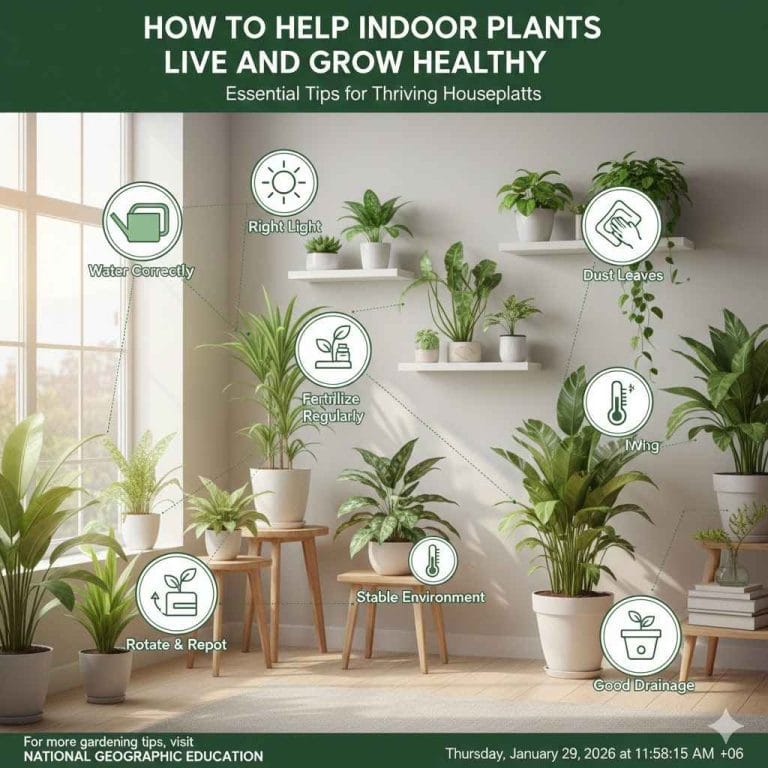
- Water Wisely: Stick your finger in the soil. If the top inch is dry, it’s time to water. Water deeply. Let the soil dry out a bit between waterings for most plants.
- Feed Smartly: Use a balanced fertilizer. Follow the package directions. Too much fertilizer can harm roots. Less is often more.
- Sunlight Check: Make sure your plants are getting the right amount of sun. If a plant is struggling in full sun, maybe it needs a shadier spot.
- Air Circulation: Don’t crowd plants too much. Good airflow helps prevent fungal diseases on leaves and stems.
- Pest Patrol: Check your plants often for bugs. Catching pests early makes them easier to control. Look under leaves and on stems.
- Prune for Health: Remove dead or damaged leaves and stems. This helps the plant focus energy on healthy growth. It also stops diseases from spreading.
The “Good Enough” Garden Approach
No Perfection Needed: Your garden won’t be perfect. And that’s okay! Plants are resilient.
Observe Often: Spend a few minutes each day looking at your plants. You’ll spot problems faster.
Learn One Thing: Each season, try to learn about one plant or one problem. It’s a journey.
These tips help the plant’s parts work better together. They support the plant’s natural systems. It’s about providing the right conditions for the plant’s anatomy to do its job.

Frequent Questions About Plant Anatomy
Why do my plant’s leaves turn yellow at the bottom first?
Yellowing leaves at the bottom often means the plant is not getting enough nitrogen. Nitrogen is a nutrient that moves easily within the plant. When there’s a shortage, the plant moves nitrogen from older leaves (at the bottom) to new growth (at the top).
This makes the older leaves turn yellow.
How can I tell if my plant’s roots are rotting?
Root rot usually happens when soil stays too wet. Signs include wilting even when the soil is moist, yellowing leaves, a musty smell from the soil, and mushy, brown or black roots. Healthy roots are usually white or tan and firm.
What’s the difference between a herbaceous stem and a woody stem?
Herbaceous stems are soft, green, and flexible. They usually die back in winter. Many flowers and vegetables have herbaceous stems.
Woody stems are hard, stiff, and often covered in bark. They grow thicker over time and live for many years. Trees and shrubs have woody stems.
Why are some plant leaves sticky?
Sticky leaves can be a sign of “honeydew.” This is a sugary liquid excreted by sap-sucking insects like aphids or mealybugs. The honeydew itself isn’t usually harmful, but it can attract mold and indicates an insect problem.
Can a plant survive if its stem is cut?
It depends on the plant and where the stem is cut. Many plants can survive stem damage. If the damage isn’t too severe and the main transport tubes are intact, the plant can heal.
Some plants can even grow new shoots from the damaged area. For some plants, cuttings can be taken to grow new plants.
Why do flowers fall off without making fruit?
This can happen for several reasons. The plant might not be getting enough sunlight to produce energy. There could be a lack of pollination, meaning insects or wind didn’t help transfer pollen.
Extreme temperatures, too much water, or not enough water can also cause flowers to drop.
Conclusion: Your Garden’s Inner Genius
Understanding plant anatomy isn’t about becoming a botanist. It’s about seeing your plants with new eyes. You can start to understand their signals.
This knowledge empowers you. It helps you give your plants the best chance to grow strong and beautiful. Happy gardening!