Is Wheat Straw Good for Vegetable Gardens? Gardener’S Guide
Wheat straw has become a hot topic among vegetable gardeners seeking sustainable, effective mulching and soil management solutions. With rising interest in organic gardening and environmentally friendly practices, more people are questioning whether wheat straw truly benefits vegetable gardens —or if it carries hidden risks.
The answer isn’t as simple as a “yes” or “no. ” Instead, the value of wheat straw depends on how it’s sourced, applied, and managed throughout the growing season.
Imagine you’re searching for ways to boost your garden’s yield while reducing weeds, moisture loss, and disease. You come across wheat straw, touted for its availability and versatility. Yet, conflicting advice leaves you unsure: Is wheat straw the secret weapon for lush, productive vegetable beds, or could it do more harm than good? This guide delivers a comprehensive, evidence-based analysis, helping you make informed decisions tailored to your garden’s unique needs.
Key Takeaways
- Wheat straw is an effective mulch for vegetable gardens, suppressing weeds, conserving moisture, and moderating soil temperature.
- Proper application and sourcing are critical to avoid introducing herbicide residues, weed seeds, or pathogens.
- Wheat straw improves soil structure over time, but has a high carbon-to-nitrogen ratio that can temporarily tie up nitrogen.
- Compared to alternatives like hay or wood chips, wheat straw offers unique pros and cons.
- Real-world results show increased yields and healthier plants when wheat straw is used correctly.

What Is Wheat Straw? Understanding Its Properties
Wheat straw is the dry stalk left after harvesting wheat grains. Long valued in agriculture, it’s a byproduct that’s abundant in many regions and often considered waste. Before using it in a vegetable garden , it’s essential to understand its properties, chemical makeup, and how these features impact garden ecosystems.
Composition And Physical Characteristics
Wheat straw consists primarily of cellulose, hemicellulose, and lignin. Its carbon-to-nitrogen (C:N) ratio averages around 80:1, which is relatively high. This means wheat straw is slow to decompose compared to lower C:N materials like grass clippings or composted manure.
Key physical properties include:
- Lightweight structure: Easy to spread and manage. It is less dense than many other mulches, making it simple to transport and apply, even for large beds.
- Hollow stems: Provide aeration and drainage, but can harbor pests if not monitored. The hollow nature helps maintain airflow beneath the mulch, reducing compaction and minimizing waterlogging, but can also create hiding spots for insects and rodents.
- Low nutritional content: Does not add significant nutrients quickly to soil. Unlike compost or manure, wheat straw’s primary benefit is as a physical barrier and organic matter source.
The high C:N ratio contributes to its slow decomposition, which helps maintain mulch coverage over the growing season. This slow breakdown is especially beneficial in climates with heavy rainfall, as the straw resists rapid decay and continues to provide effective coverage.
Sourcing And Potential Contaminants
Not all wheat straw is created equal. Sourcing is crucial, as some straw may be contaminated with:
- Herbicide residues (especially persistent chemicals like clopyralid). These residues can remain active for long periods and cause damage to sensitive garden crops.
- Weed seeds if the straw isn’t cleaned or properly harvested. Straw harvested after weeds have gone to seed, or stored in conditions that encourage weed infestation, can introduce new weeds into your garden beds.
- Pathogens or mold if the straw was stored damp. Moisture during storage can lead to fungal growth, making straw less effective and potentially hazardous to plant health.
To minimize risk, always purchase from reputable suppliers and ask about herbicide use and harvesting practices. For organic gardens, certified organic straw is the safest choice. Some growers will even request a certificate or written assurance from suppliers confirming the absence of persistent herbicides.
Additionally, consider straw that is locally sourced, as it is less likely to have been treated with chemicals for long-term storage and transport. Local straw also reduces your garden’s environmental footprint.
Common Uses In Gardening
Wheat straw is most commonly used as:
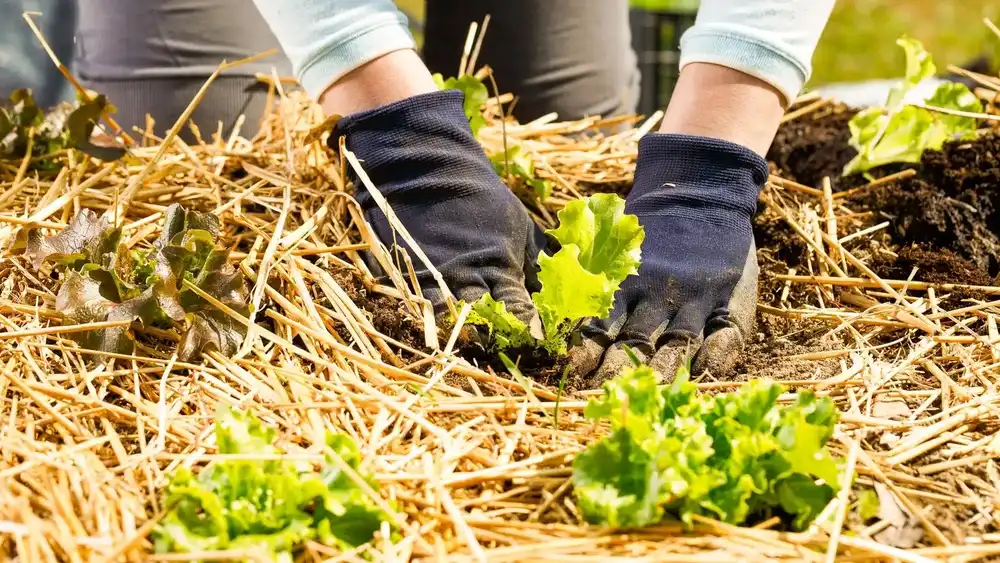
- Mulch: A top dressing to suppress weeds and conserve moisture. It is spread on the surface of garden beds, forming a protective layer that blocks sunlight and retains soil moisture.
- Compost ingredient: Mixed with “green” materials to balance C:N ratio. Wheat straw provides the necessary carbon in compost piles, helping to maintain the proper balance for decomposition.
- Soil amendment: Over time, it breaks down and adds organic matter. The gradual decomposition improves soil structure, aeration, and water retention.
Wheat straw is also sometimes used for paths between beds, reducing mud and compaction, or as bedding for livestock, which can later be composted and returned to the garden.
For more on straw’s agricultural role, see this detailed overview from Wikipedia.

Benefits Of Using Wheat Straw In Vegetable Gardens
Wheat straw’s popularity as a garden mulch is well-founded, offering several measurable benefits that can improve soil health and crop performance.
Weed Suppression
One of the primary reasons gardeners use wheat straw is weed control. A 2–4 inch layer of straw:
- Blocks sunlight, inhibiting weed germination and growth. The straw layer acts as a physical barrier, preventing weed seeds from accessing the light they need to sprout.
- Reduces labor and need for chemical controls. By suppressing weeds naturally, gardeners spend less time hand-weeding and can avoid herbicides.
A study in the journal *HortScience* found that straw mulch reduced weed density by over 80% compared to bare soil. The effectiveness of straw mulch is especially noticeable in crops with wide spacing, such as tomatoes or peppers, where bare patches are prone to weed invasion.
Straw is particularly effective against annual weeds, though deeply rooted perennials may still require manual removal. In no-till gardening systems, straw mulch is essential for maintaining weed-free beds without disturbing soil structure.
Moisture Retention And Water Conservation
Wheat straw acts as an effective moisture barrier:
- Reduces surface evaporation, keeping soil moist longer. This is critical in dry climates or during periods of drought, ensuring that water stays available for plant roots.
- Lowers watering frequency, which is especially valuable in drought-prone areas. Gardeners can reduce irrigation by up to half, saving time and resources.
- Protects tender roots from drying out. Straw mulch insulates the soil, preventing rapid moisture loss that can stress shallow-rooted vegetables.
Data from the University of California Agriculture & Natural Resources shows mulched beds require 30–50% less watering during peak summer months (UCANR). This translates to significant water savings in both backyard gardens and commercial farms.
By maintaining consistent soil moisture, wheat straw helps prevent blossom end rot in tomatoes and peppers, a condition often triggered by irregular watering.
Soil Temperature Regulation
Straw insulates the soil, preventing extreme temperature swings:
- Keeps soil cooler in hot weather (critical for crops like lettuce and spinach). Straw mulch shields soil from direct sunlight, reducing heat stress and extending the harvest period for cool-season vegetables.
- Prevents frost heave and early spring temperature fluctuations. In colder regions, straw mulch acts as a buffer against sudden freezes and thaws, protecting root systems.
Field trials demonstrate that straw-mulched beds remain 5–10°F cooler in mid-summer than bare soil, reducing plant stress and bolting. This is particularly valuable for leafy greens, which can bolt prematurely in high temperatures.
During winter, straw mulch can also provide insulation, protecting overwintering crops like garlic or carrots from frost damage.
Organic Matter And Soil Structure
Over time, as wheat straw decomposes, it:
- Increases soil organic matter content. The breakdown of straw adds humus to the soil, enhancing fertility and water-holding capacity.
- Improves soil structure, aeration, and drainage. Organic matter from straw helps bind soil particles, reducing compaction and improving root penetration.
- Stimulates beneficial microbe and earthworm activity. The organic matter supports a diverse soil ecosystem, increasing nutrient cycling and pest resistance.
While the process is slow (due to the high C:N ratio), the long-term effect is a richer, more friable soil. This is especially beneficial in sandy or clay-heavy soils, which often struggle with poor structure and nutrient retention.
Regular application of straw mulch can transform depleted soils over several seasons, making them more productive and resilient to environmental stresses.
Erosion Control
Straw protects soil from wind and rain erosion, especially during heavy storms or in sloped gardens. Studies show straw mulch can reduce surface erosion by up to 90% on bare garden beds (USDA ARS).
The straw acts as a physical shield, dispersing the energy of rainfall and preventing soil particles from being washed away. This is particularly important in raised beds and hillside gardens, where erosion can quickly degrade soil quality.
In regions prone to flash flooding or high winds, straw mulch is an inexpensive and effective solution to protect precious topsoil.
Disease Suppression
Certain soil-borne diseases, including early blight in tomatoes, are less severe when plants are mulched with straw. The mulch acts as a barrier, limiting soil splash that spreads pathogens onto lower leaves.
Straw mulch can also help reduce powdery mildew and other fungal diseases by maintaining drier leaf surfaces and preventing spores from reaching susceptible plant tissue. In addition, straw mulch indirectly supports plant health by creating a more stable environment, reducing stress and improving resistance to disease.
Potential Drawbacks And Risks Of Wheat Straw Mulch
Despite its many advantages, wheat straw isn’t risk-free. Understanding these potential drawbacks allows gardeners to implement strategies that minimize harm.
Nitrogen Tie-up
Because of its high carbon-to-nitrogen ratio, wheat straw can temporarily tie up nitrogen in the soil as microbes break it down. This may result in:
- Pale, slow-growing plants if additional nitrogen isn’t provided. The initial phase of decomposition pulls available nitrogen from the soil, making it less accessible to crops.
- Most impact in the first 6–8 weeks after application. Young plants, in particular, can suffer from nitrogen deficiency during this period.
Tip: Supplement with a high-nitrogen fertilizer, such as blood meal, or apply straw only on the surface—not mixed into the soil.
To further minimize nitrogen tie-up, some gardeners apply straw after crops are established and have developed robust root systems. Incorporating legume cover crops or rotating straw mulch with nutrient-rich compost can also balance soil fertility.
Herbicide Residues
Some wheat straw is contaminated with persistent herbicides (e.g., clopyralid, aminopyralid). These chemicals can:
- Damage sensitive crops (tomatoes, beans, peas) even at low levels. Symptoms include distorted growth, curled leaves, and poor fruit development.
- Persist in straw, manure, and compost for years. Affected soil may remain unsuitable for vegetable production for multiple seasons.
A 2012 UK survey found that over 20% of tested straw batches contained detectable herbicide residues (Royal Horticultural Society).
To avoid this risk, always ask suppliers about their herbicide practices and consider testing small batches before widespread application.
Introduction Of Weed Seeds
While wheat straw is cleaner than hay, it can still contain weed seeds if not properly harvested or stored. This can:
- Lead to new weed problems in your garden. Some weed seeds can survive composting and remain viable, sprouting in mulched beds.
- Be mitigated by sourcing clean, certified straw. Requesting weed-free certification or using straw from reputable farms reduces the risk.
If weed growth becomes problematic, hand-weeding and using pre-emergent organic herbicides can help manage the issue.
Slug And Rodent Habitat
Straw mulch can provide shelter for slugs, snails, and rodents, especially in damp climates. Regular monitoring and traps may be necessary.
Slugs and snails thrive in moist, sheltered environments, which straw mulch can create. To prevent infestations, maintain proper garden hygiene and consider introducing natural predators like ducks or ground beetles. Rodents may use straw mulch as nesting material, so avoid thick layers and check for burrows regularly.
Mold And Fungal Growth
If straw is applied too thickly or allowed to remain wet, it can foster mold and fungal growth, potentially harming sensitive seedlings.
To prevent mold, ensure straw is loosely spread and never compacted. In humid climates, consider removing or thinning the mulch during periods of excessive rainfall.
Comparison Table: Wheat Straw Vs. Other Mulches
To evaluate wheat straw’s pros and cons, compare it to common alternatives:
| Mulch Type | Weed Suppression | Water Conservation | Soil Health Impact | Common Drawbacks | Cost |
|---|---|---|---|---|---|
| Wheat Straw | Excellent | High | Improves structure, slow N release | N tie-up, possible herbicides | Low–Moderate |
| Hay | Good | High | Good, but adds weeds | Weed seeds, possible herbicides | Low |
| Wood Chips | Excellent | Moderate | Slow N tie-up, lasts long | Slow to break down | Moderate |
| Compost | Good | Moderate | Immediate nutrients | Requires large volumes | High |
| Plastic | Excellent | Excellent | None | No organic matter, disposal issue | High |

How To Use Wheat Straw In Vegetable Gardens: Best Practices
To unlock the full benefits of wheat straw and avoid common pitfalls, gardeners should follow science-backed best practices for sourcing, preparing, and applying straw mulch.
Sourcing Quality Straw
- Buy from trusted sources: Ask about herbicide use and harvesting methods. Speak directly with farmers or suppliers and request details about the straw’s history and treatments.
- Look for “weed-free” or certified organic labels. Certification ensures the straw was grown, harvested, and stored according to organic standards, minimizing contamination.
- Store straw dry to prevent mold and spoilage. Keep straw off the ground and under cover, especially in rainy climates.
Some gardeners even test straw by planting a few beans or tomatoes in pots with straw mulch before using it broadly, to check for herbicide effects.
When And How To Apply
- Apply after seedlings are 4–6 inches tall. Early application can hinder germination in direct-seeded beds. Ensure young plants are robust enough to compete before mulching.
- Spread in a 2–4 inch layer, keeping straw loose for airflow. This thickness is optimal for weed suppression and moisture retention without creating an environment for pests.
- Keep straw away from plant stems to prevent rot and pest problems. Maintain a 2–3 inch gap around stems to allow airflow and reduce disease risk.
For crops like potatoes, a thicker layer (up to 6 inches) can be used to insulate tubers and encourage healthy growth.
Nitrogen Management
- Apply a high-nitrogen fertilizer before laying straw, especially in spring. Blood meal, fish emulsion, or composted manure are effective choices.
- Alternatively, use composted manure or blood meal to offset N-tie up. For organic gardens, legume-based fertilizers can provide a sustainable nitrogen boost.
Monitor plants for signs of nitrogen deficiency, such as yellowing leaves, and respond promptly with supplemental feeding.
Season Extension Techniques
- In cold climates, use wheat straw as a frost blanket in fall or early spring. Straw mulch insulates soil and protects overwintering crops from freeze-thaw cycles.
- Remove or thin straw in early spring to warm soil faster for direct seeding. Straw retains cold, so clearing it allows soil to reach optimal temperatures for germination.
Some gardeners also use straw mulch for overwintering garlic, carrots, or onions, removing or adjusting the mulch as the season changes.
End-of-season Management
- Turn straw into the soil or add to compost after the growing season. Incorporate partially decomposed straw to boost soil organic matter.
- Monitor for persistent straw that hasn’t decomposed and remove if necessary. Thick, undecomposed straw can impede spring planting and should be cleared.
Composted straw can also be used as a soil amendment in future seasons, further enhancing fertility.
Example Application Process
- Weed the bed thoroughly.
- Water soil well.
- Fertilize if needed.
- Spread straw evenly, leaving space at plant bases.
- Monitor weekly for slugs or mold.
For visual guides, see the step-by-step instructions from University of Minnesota Extension.
Real-world Examples And Case Studies
Examining real-life results provides context for the impact of wheat straw in diverse gardening situations.
Case Study 1: Small Urban Garden, California
A community garden in Sacramento switched from black plastic mulch to wheat straw for their summer vegetable beds. Over two seasons:
- Water usage dropped by 40%.
- Tomato yields increased by 15%.
- Fewer weeds were observed, but some initial nitrogen deficiency was noted in young peppers.
Gardeners noted that the straw mulch made beds more visually appealing and easier to walk on, reducing mud and compaction. However, they had to supplement with fish emulsion to correct nitrogen deficiency and regularly check for slugs after rain.
Lesson: Straw mulch improved water retention and yields, but required supplemental nitrogen and vigilant monitoring for slugs.
Case Study 2: Organic Market Farm, Midwest
A 2-acre organic vegetable farm tested wheat straw against hay and wood chips. Key findings:
- Wheat straw resulted in the lowest weed pressure and was easiest to spread.
- Hay introduced persistent weeds.
- Wood chips were difficult to source and slow to break down.
The farm also found that straw mulch improved soil tilth and moisture retention in their sandy soils, and that the straw broke down sufficiently by the end of the season to incorporate easily. The biggest challenge was sourcing truly organic straw in sufficient quantities.
Lesson: For large-scale, certified organic production, wheat straw provided the best balance of cost, weed suppression, and soil improvement over three seasons.
Case Study 3: Home Garden, Northeast Us
A home gardener used untreated wheat straw on tomatoes, squash, and beans:
- Noticed a slight nitrogen tie-up in the first month.
- Mulch suppressed weeds and reduced blight on tomatoes.
- No issues with slugs or rodents, likely due to regular garden maintenance.
The gardener also observed more earthworms and improved soil structure after two years of straw mulching. Straw mulch made harvesting easier by keeping fruit clean and reducing splashing from rain.
Lesson: Even in humid climates, careful application and maintenance minimized risks and maximized benefits.
Wheat Straw Mulch And Soil Fertility: Science & Data
A major concern among gardeners is how wheat straw affects soil nutrients and long-term fertility.
Decomposition Rate And Nutrient Cycling
Wheat straw decomposes slowly, with most organic matter breaking down over 6–12 months. Its high C:N ratio means microbes use available soil nitrogen to process the straw, temporarily reducing nitrogen for plants.
Key data:
- After 90 days, only 20–30% of wheat straw mass has decomposed (ScienceDirect).
- Nitrogen tie-up is most acute in the top 1–2 inches of soil.
During decomposition, soil microorganisms convert straw’s cellulose and lignin into humus, improving soil texture and water retention. The slow breakdown supports sustained soil improvement without rapid loss of mulch coverage.
Long-term Organic Matter Gains
With repeated annual use, straw mulch significantly increases soil organic carbon and improves structure, leading to:
- Better water infiltration.
- Greater earthworm and microbial activity.
- Reduced compaction.
Research from long-term trials shows that annual straw mulching can increase soil organic matter by up to 1% per year, significantly enhancing soil fertility and plant health over time.
Table: Nitrogen Availability Under Different Mulches
| Mulch Type | Initial N tie-up (weeks) | Nutrient Release (months) | Soil Organic Matter Gain (1 year) |
|---|---|---|---|
| Wheat Straw | 2–6 | 6–18 | High |
| Grass Clippings | 0–2 | 2–6 | Moderate |
| Composted Manure | 0 | 1–4 | High |
| Wood Chips | 4–8 | 12–36 | Moderate |
Mitigating Nitrogen Loss
- Incorporate leguminous cover crops or green manure with straw mulch. Legumes fix atmospheric nitrogen and help offset losses during straw decomposition.
- Apply fish emulsion or organic nitrogen fertilizer near the root zone. This provides a rapid nitrogen boost to young plants.
Monitoring soil fertility and adjusting feeding practices ensures optimal plant growth and minimizes risk of deficiency.
See the research by Elsevier for more on straw decomposition and nitrogen dynamics.
Wheat Straw Mulch And Pest Management
While wheat straw helps with certain diseases, it can also affect pest populations—sometimes positively, sometimes negatively.
Disease Suppression
- Straw mulch reduces soil splash, limiting transmission of fungal diseases (e.g., early blight, septoria).
- In a study with tomatoes, mulched plots showed 60% less disease incidence than bare soil.
Straw mulch also creates a more stable environment, reducing plant stress and improving overall resistance to pathogens.
Slugs, Snails, And Rodents
- Moist, dense straw can provide shelter for slugs and snails, particularly in wet climates.
- Rodents may nest in thick straw if beds are left unattended.
Prevention tips:
- Apply straw in thin layers.
- Use iron phosphate slug bait if necessary.
- Regularly disturb mulch to break up hiding places.
In addition, rotating straw mulch with other materials (such as compost or leaf mold) can reduce pest habitat over time.
Insect Predators
Straw mulch increases ground beetle and spider populations, which can naturally reduce pest insects.
The increased biodiversity in mulched beds often leads to improved pest control without the need for chemical interventions. Straw mulch supports beneficial insects, promoting balanced ecosystems and healthier crops.
For more on pest management, visit Gardening Know How.
Wheat Straw In Organic And Sustainable Gardening
Wheat straw aligns well with organic and sustainable gardening principles, provided it’s used thoughtfully.
Certified Organic Compliance
- Only use certified organic straw to comply with organic standards.
- Avoid straw from fields treated with persistent herbicides.
Organic certification ensures that straw is free from synthetic chemicals and safe for use in vegetable gardens intended for organic production.
Soil Health And Biodiversity
Straw mulch supports:
- Soil biodiversity by providing habitat for beneficial organisms. Earthworms, beetles, and microbes thrive in mulched beds, improving nutrient cycling and pest management.
- Reduced chemical inputs by suppressing weeds and moderating soil moisture naturally.
The gradual decomposition of straw mulch encourages a healthy, diverse soil ecosystem, which is the foundation of sustainable gardening.
Sustainable Sourcing
- Choose locally produced straw to lower transportation emissions.
- Support regenerative agriculture by using byproducts instead of peat or bark.
Local sourcing reduces the environmental impact of transport and supports regional farmers. Wheat straw is a renewable byproduct, making it a sustainable alternative to mined or imported mulches.
Environmental Impact
Compared to plastic mulches or peat-based products, wheat straw has a much lower carbon footprint and is renewable.
Straw mulch decomposes naturally, leaving no waste, and its use supports the circular economy by utilizing agricultural byproducts.
For a sustainability perspective, see the life cycle analysis from ScienceDirect.
Frequently Asked Questions
Is Wheat Straw Better Than Hay For Mulching Vegetable Gardens?
Wheat straw is generally preferred over hay because it contains fewer weed seeds and is less likely to introduce new weeds into the garden. Hay, while also effective at suppressing weeds and conserving moisture, often includes seeds that can become problematic. However, both materials can carry herbicide residues, so always check the source.
Will Wheat Straw Add Nutrients To My Soil?
Wheat straw is not a significant source of immediate nutrients due to its high carbon-to-nitrogen ratio. Over time, as it decomposes, it will add organic matter and small amounts of nutrients, but in the short term, it can cause nitrogen tie-up. Supplement with a nitrogen-rich fertilizer for best results.
Can I Use Wheat Straw For All Types Of Vegetables?
Most vegetables benefit from wheat straw mulch, especially tomatoes, peppers, cucumbers, and squash. Avoid using straw on very small seedlings or directly sown seeds until they’re established, as it can hinder germination or crowd out delicate shoots.
How Do I Prevent Slugs And Rodents In Straw-mulched Beds?
Apply straw in a thin, even layer (2–3 inches), avoid piling it against stems, and regularly check under the mulch for pests. If slugs or rodents become a problem, use approved baits and encourage natural predators like birds and toads.
Is Wheat Straw Safe For Organic Gardening?
Wheat straw is safe for organic gardening if it’s certified organic or confirmed herbicide-free. Always verify with your supplier to avoid persistent herbicide contamination, which can harm crops and soil life.
Wheat straw, when sourced and managed correctly, can be a powerful tool for vegetable gardeners striving for healthier plants, fewer weeds, and improved soil. Its benefits—moisture conservation, weed suppression, and long-term soil enrichment—are backed by both research and real-world experience.
However, success depends on understanding its limitations, particularly regarding nitrogen tie-up and potential contaminants. By following best practices, you can harness wheat straw’s advantages and create a thriving, productive vegetable garden for years to come.