Are Blueberries Good for Vegetable Gardens? Pros & Cons
Blueberries, with their vibrant color and sweet, tangy flavor, are a favorite among gardeners and consumers alike. But when it comes to integrating them into a vegetable garden , many growers pause to consider the potential impacts. Are blueberries genuinely an asset, or do they bring complications that outweigh their benefits? Understanding how blueberries interact with other vegetables, their unique soil and care requirements, and their effects on garden biodiversity is essential for making an informed decision.
This article dives deep into the pros and cons of adding blueberries to a vegetable garden . We’ll uncover the science behind their growth habits, explore companion planting options, and provide actionable advice based on expert opinions and research. Whether you’re a backyard enthusiast or a market gardener, you’ll find practical insights, real-world examples, and data-driven comparisons to help you decide if blueberries deserve a spot in your vegetable plot.
Key Takeaways
- Blueberries require acidic soil, which may conflict with common vegetable preferences.
- They offer unique benefits such as attracting pollinators and supplying antioxidants to your harvest.
- Potential drawbacks include competition for nutrients and the need for dedicated care routines.
- Careful planning and soil management can make co-growing blueberries and vegetables possible.
- Case studies and expert advice reveal both successful and problematic integrations.
- Understanding companion compatibility is key to maximizing yields and garden health.
Understanding Blueberries: Growth Habits And Requirements
Blueberries belong to the genus Vaccinium, thriving best in specific conditions that set them apart from most vegetables. Knowing their growth habits and needs is crucial before introducing them to a vegetable garden.
Soil Preferences And Acidity Needs
Blueberries demand acidic soil with a pH range between 4.5 and 5.5. This contrasts sharply with the neutral to slightly acidic soil (pH 6.0–7.0) favored by most vegetables like tomatoes, peppers, and beans. Their shallow root systems also necessitate consistently moist, well-drained soil rich in organic matter.
- Soil amendments such as peat moss, sulfur, or pine needles are often required to create suitable conditions for blueberries.
- Frequent soil testing is essential to maintain appropriate pH levels.
Light, Water, And Space Requirements
Blueberries thrive in full sun, requiring at least 6–8 hours of direct light daily. They need regular watering, especially during fruit set, but are susceptible to root rot if waterlogged.
- Spacing: Most blueberry varieties need 4–6 feet between bushes to allow airflow and root spread.
- Mulching: Organic mulches (e.g., pine bark, wood chips) help retain moisture and maintain soil acidity.
Nutrient Needs And Fertilization
Unlike heavy feeders such as corn or squash, blueberries are sensitive to over-fertilization, especially with nitrogen. They benefit from specific fertilizers formulated for acid-loving plants.
- Fertilizer timing: Apply in early spring and after harvest.
- Types: Use fertilizers labeled for azaleas, camellias, or rhododendrons.
Longevity And Perennial Nature
Blueberries are long-lived perennials, often producing fruit for 20 years or more with proper care. Their perennial nature means they occupy space in the vegetable garden year-round, affecting crop rotation plans.
- First harvest: Typically after 2–3 years of establishment.
- Maintenance: Annual pruning and mulching are necessary for sustained productivity.
Pros Of Growing Blueberries In Vegetable Gardens
Introducing blueberries to a vegetable garden isn’t just about expanding your crop diversity. Several unique advantages can enhance garden productivity, ecosystem health, and your food harvest.
Increased Biodiversity And Pollinator Attraction
Blueberries attract bees and beneficial insects during their spring bloom, which can improve the pollination rates of nearby vegetables. Their blossoms are particularly attractive to native bumblebees and honeybees, enhancing garden biodiversity.
- Pollinator boost: Studies by the USDA Agricultural Research Service show that blueberry fields support a wide variety of pollinators.
Nutritional And Culinary Benefits
Blueberries are renowned for their high antioxidant content, vitamins C and K, and dietary fiber. Adding them to your garden increases your access to superfoods and diversifies your harvest for fresh eating, baking, or preserving.
- Health impact: Regular consumption supports heart and brain health, as documented by the National Institutes of Health.
Soil Erosion Control And Mulching Benefits
Blueberry bushes, with their dense root systems and ground-hugging mulch layers, help reduce soil erosion and conserve moisture. This is particularly valuable in sloped or sandy garden areas.
- Mulch synergy: Using pine bark or needles benefits both blueberries and acid-tolerant vegetables like potatoes.
Long-term Productivity And Value
As perennials, blueberries provide a consistent yield year after year, unlike annual vegetables. Once established, they require less replanting and can become a central feature of the garden.
- Economic value: According to USDA data, homegrown blueberries can save gardeners substantial money compared to store-bought fruit.
Aesthetic And Wildlife Appeal
Blueberries offer ornamental value with their spring flowers, summer fruit, and brilliant fall foliage. They also provide food and shelter for birds and small mammals, increasing garden wildlife diversity.
- Wildlife habitat: Some birds, like robins and thrushes, feed on blueberries, contributing to pest control.
Cons Of Growing Blueberries In Vegetable Gardens
Despite their many benefits, blueberries can pose significant challenges when co-cultivated with vegetables. Understanding these drawbacks helps gardeners make realistic plans.
Soil Incompatibility With Most Vegetables
The primary challenge is soil pH incompatibility. Most vegetables prefer less acidic soils, and acidifying soil to suit blueberries can inhibit or stunt the growth of common crops like carrots, lettuce, or beans.
- Soil amendments to lower pH can cause micronutrient deficiencies in non-acid-loving vegetables.
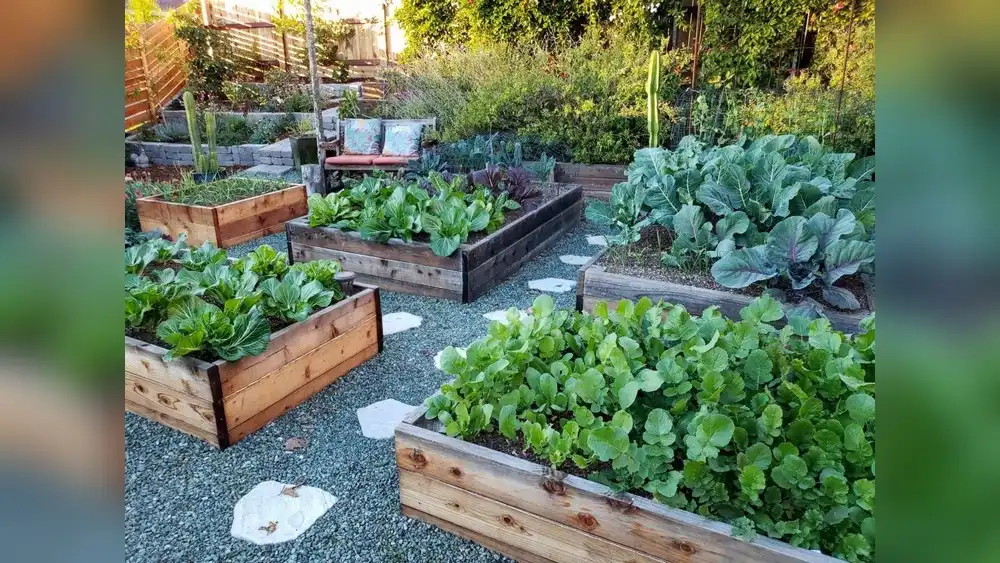
- Split planting beds or raised beds are often necessary to accommodate both.
Competition For Space, Light, And Nutrients
Blueberries’ perennial, spreading nature means they can outcompete annual vegetables for sunlight and root space over time. Their roots occupy the top soil layers, directly overlapping with those of shallow-rooted vegetables.
- Shading effect: Mature bushes can cast significant shade, reducing yields of sun-loving crops.
- Nutrient uptake: Blueberries may monopolize available moisture and nutrients unless managed carefully.
Increased Maintenance Complexity
Managing a garden with both blueberries and vegetables increases complexity. Different watering, mulching, pruning, and fertilizing schedules must be maintained to meet each crop’s needs.
- Fertilizer conflicts: Fertilizers suitable for vegetables can damage blueberries, and vice versa.
- Pruning: Annual pruning of blueberry bushes is required for optimal fruit production.
Pest And Disease Risks
Introducing blueberries can alter the pest and disease dynamics of the garden. Blueberries are susceptible to specific pests (e.g., blueberry maggot, spotted wing drosophila) and fungal diseases (e.g., mummy berry, root rot).
- Cross-infection risk: While most vegetable pests don’t affect blueberries, shared humidity and mulch layers can increase fungal disease risk.
Delayed Gratification And Space Commitment
Blueberries require several years to reach full production, tying up garden space that could otherwise be used for annual vegetables. This can be a disadvantage for those with limited space or seeking quick returns.
- Long-term planning: Commitment to a perennial crop may not suit all gardeners’ goals or timelines.
Soil Management Strategies For Co-growing Blueberries And Vegetables
Careful soil management is essential for integrating blueberries into a vegetable garden without sacrificing yield or plant health. Here’s how gardeners can successfully navigate the challenges.
Raised Beds And Container Solutions
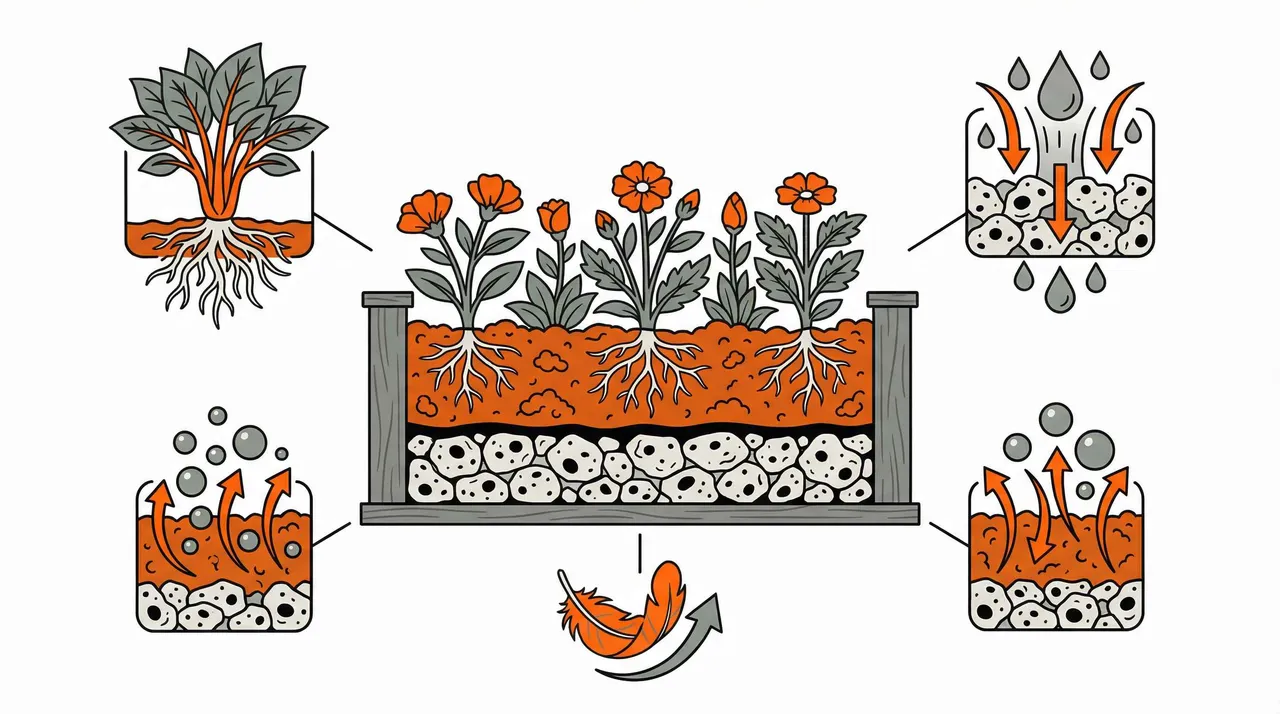
One of the most effective ways to reconcile differing soil needs is to grow blueberries in raised beds or large containers. This approach allows for customized soil mixes and precise pH control.
- Materials: Use acidifying mixes with peat moss, pine bark, and sand for blueberries.
- Placement: Situate containers or beds to maximize sun exposure and avoid shading vegetables.
| Plant Type | Preferred Soil pH | Recommended Planting Method |
|---|---|---|
| Blueberries | 4.5–5.5 | Raised bed or container with acid soil mix |
| Tomatoes | 6.0–6.8 | In-ground or raised bed, neutral soil |
| Beans | 6.0–7.0 | In-ground, well-drained loam |
| Potatoes | 5.0–6.0 | In-ground or raised bed, slightly acidic |
Mulching And Watering Adaptations
Mulching is critical for both blueberries and vegetables but requires different materials and depths.
- Blueberries: 2–4 inches of pine bark, needles, or wood chips help maintain acidity.
- Vegetables: Straw, compost, or grass clippings work well for most annuals.
- Watering: Separate irrigation zones or hand watering can prevent overwatering blueberries or underwatering vegetables.
Crop Rotation And Perennial Zones
Designating a perennial fruit zone for blueberries, raspberries, and asparagus, separated from annual vegetable beds, can prevent soil compatibility issues and simplify maintenance routines.
- Rotational planting: Keep annual vegetable beds flexible for rotation to prevent pest buildup and nutrient depletion.
Soil Testing And Amendments
Regular soil testing is essential to monitor pH and nutrient levels, especially when growing diverse crops. Amend soils selectively:
- Elemental sulfur or acidifying fertilizers for blueberry zones.
- Lime or compost for vegetable zones, as needed.
Real-world Example: The Split-garden Approach
At the University of Maine’s Blueberry Hill Farm, researchers successfully grow blueberries alongside vegetables by separating beds and tailoring soil amendments. Their approach is detailed by the University of Maine Cooperative Extension.
Companion Planting: Blueberries And Compatible Vegetables
Not all vegetables are incompatible with blueberries. Some acid-tolerant crops can thrive alongside blueberries, offering opportunities for companion planting that maximizes garden productivity.
Best Vegetable Companions For Blueberries
Several vegetables tolerate or even prefer mildly acidic soils and can be interplanted with blueberries:
- Potatoes: Prefer pH 5.0–6.0, thrive in similar mulching and moisture conditions.
- Sweet potatoes: Also tolerate lower pH and benefit from organic mulches.
- Rhubarb: Accepts slightly acidic soil and grows well at the edge of blueberry beds.
- Parsley and radishes: Can be grown in border zones with moderate acidity.
Herbs And Edible Flowers
Certain herbs and edible flowers complement blueberries, attracting beneficial insects and enhancing biodiversity:
- Thyme, oregano, and marigold: Tolerate slightly acidic soils and deter pests.
What Not To Plant With Blueberries
Avoid crops highly sensitive to acidity or competition, such as:
- Brassicas (cabbage, broccoli, kale): Prefer neutral to alkaline soils.
- Beans and peas: Struggle in soils below pH 6.0.
- Onions and garlic: Can be stunted by acidic conditions.
Companion Planting Table
| Companion Crop | Soil pH Tolerance | Compatibility with Blueberries | Notes |
|---|---|---|---|
| Potatoes | 5.0–6.0 | High | Thrives in acidic, mulched beds |
| Rhubarb | 5.5–7.0 | Moderate | Edge planting recommended |
| Tomatoes | 6.0–6.8 | Low | Separate beds advised |
| Beans | 6.0–7.0 | Poor | Struggles in acidic soils |
Case Study: Backyard Companion Success
In a Seattle urban garden, a grower reported increased potato yields and fewer insect pests when blueberries and potatoes were grown in adjacent, mulched beds. The gardener credited the dense root systems and shared mulch for improved moisture retention and soil health.
Real-world Examples And Case Studies
Examining real-world gardens and research plots provides practical insights into the outcomes of co-growing blueberries and vegetables.
Case Study 1: Market Garden Integration
A small-scale market gardener in Oregon attempted to integrate blueberries with leafy greens and tomatoes. Initial results showed success with spinach and lettuce grown in nearby but not mixed beds. However, tomatoes exhibited stunted growth due to lower soil pH.
The gardener ultimately created dedicated blueberry beds with buffer zones.
- Lesson: Physical separation and tailored soil amendments are key to success.
Case Study 2: Homestead Experiment
A homesteader in North Carolina planted a row of blueberries at the perimeter of their vegetable garden. Potatoes and rhubarb were grown closest to the blueberries, while beans and squash were planted further away. The result was a diverse, productive garden with minimal pest issues, attributed to increased pollinator visits and strategic plant placement.
- Lesson: Zoning crops by soil preference optimizes yields and reduces resource competition.
Case Study 3: Community Garden Challenge
A community garden in New Jersey introduced blueberries to a shared plot. Disagreements arose over soil amendments, as some members wanted more acidification and others did not. Ultimately, the garden leaders established separate areas for blueberries and vegetables, improving satisfaction and plant health across the site.
- Lesson: In shared spaces, clear planning and communication are vital.
Research Findings
Peer-reviewed research from the North Carolina State University Horticultural Science Department confirms that while blueberries can thrive in mixed-use gardens, careful management of soil and water is required to avoid negative impacts on vegetable yields.
Pest And Disease Management In Mixed Gardens
Integrating blueberries with vegetables introduces unique pest and disease management challenges. Understanding these risks and implementing effective strategies is crucial for long-term success.
Common Blueberry Pests And Their Impact
- Blueberry maggot: Lays eggs in fruit, causing larvae damage.
- Spotted wing drosophila: Attacks ripe blueberries; can also target soft-skinned garden fruits.
- Birds: Robins and starlings are notorious for eating berries.
Shared Disease Risks
- Root rot (Phytophthora spp. ): Exacerbated by overwatering or poorly drained soils; can affect both blueberries and susceptible vegetables.
- Botrytis blight: Fungal disease that may spread in humid, mulched environments.
Integrated Pest Management (ipm) Strategies
- Physical barriers: Netting over blueberry bushes to deter birds.
- Mulch hygiene: Replace or thin mulch annually to reduce fungal spore buildup.
- Beneficial insects: Encourage ladybugs and lacewings to control aphids and other pests.
Rotation And Sanitation
- Rotate annual vegetables to reduce pest buildup in the soil.
- Remove fallen fruit and prune out diseased branches from blueberries to minimize disease spread.
Data Table: Common Pests And Controls
| Pest/Disease | Affected Plants | Management Strategy |
|---|---|---|
| Blueberry maggot | Blueberries | Sticky traps, remove infested fruit |
| Root rot | Blueberries, beans | Improve drainage, avoid overwatering |
| Botrytis blight | Blueberries, leafy greens | Thin mulch, remove debris |
| Birds | Blueberries, corn | Netting, scare devices |
Case Example: Blueberry Pest Success
A grower in Michigan installed bird netting and used IPM practices after losing 40% of their blueberry crop to birds and maggots in one season. The following year, losses dropped below 10%, and both blueberry and vegetable yields improved.
Maximizing Yields: Best Practices For Blueberry-vegetable Gardens
To make the most of a blueberry-vegetable garden, gardeners should follow best practices drawn from research and expert experience.
Planning And Layout
- Designate zones: Separate acid-loving perennials from annual vegetables for tailored care.
- Sun orientation: Plant blueberries on the north or east side to minimize shading of sun-loving vegetables.
Soil And Mulch Management
- Test soil: At least twice a year to monitor pH and nutrient levels.
- Use appropriate mulches: Pine bark for blueberries, straw or compost for vegetables.
Watering And Fertilization
- Install drip irrigation to provide consistent moisture without overwatering.
- Use separate fertilizers: Acidic blends for blueberries; general-purpose or organic fertilizers for vegetables.
Harvest Timing And Maintenance
- Stagger harvests: Blueberries typically ripen after most spring vegetable crops, reducing labor bottlenecks.
- Prune annually: Remove 20% of the oldest blueberry canes each winter to promote new growth.
Crop Rotation And Successive Planting
- Rotate annuals: Move vegetable crops each year to prevent soil depletion.
- Use cover crops: Plant clover or vetch in off-seasons to add nitrogen and suppress weeds.
Real-world Example: Suburban Yield Boost
A suburban gardener in Pennsylvania documented a 15% increase in overall fruit and vegetable yields after redesigning their garden to include separate blueberry and vegetable beds with properly managed soil and water systems.
External Resources
For more in-depth guidance, refer to:
- Royal Horticultural Society – Blueberry Growing Guide
- Penn State Extension – Home Fruit Plantings: Blueberries
Frequently Asked Questions
What Soil Ph Do Blueberries Need Compared To Most Vegetables?
Blueberries thrive in acidic soil with a pH between 4.5 and 5.5. Most vegetables prefer a neutral to slightly acidic pH (6.0–7.0), making soil management crucial if you want to grow both together.
Can Blueberries Grow In The Same Bed As Tomatoes Or Peppers?
It’s generally not recommended. Tomatoes and peppers prefer more neutral soil, so growing them with blueberries can reduce yields for both. Use separate beds or containers for best results.
What Vegetables Are Most Compatible With Blueberries?
Potatoes, sweet potatoes, and rhubarb are the most compatible vegetables, as they tolerate mildly acidic soil. Herbs like thyme and oregano can also grow nearby.
How Long Do Blueberries Take To Produce Fruit?
Blueberries typically begin producing fruit 2–3 years after planting, with full harvests after 5–6 years. Their perennial nature means they’ll provide fruit for up to 20 years or more with proper care.
How Can I Protect Blueberries From Birds And Pests?
Use bird netting to keep birds away, and adopt integrated pest management (IPM) strategies such as regular pruning, mulching, and encouraging beneficial insects to keep pests in check.
Blueberries can be a rewarding addition to a vegetable garden, but success hinges on understanding their unique needs and planning accordingly. With proper soil management, thoughtful garden design, and careful companion selection, you can enjoy the beauty, flavor, and health benefits of homegrown blueberries alongside your favorite vegetables.
Thoughtful integration not only boosts yields but also enhances garden biodiversity and long-term resilience.