When to Direct Sow Vegetables Outdoors: Crop Timing Guide
Direct sow vegetables outdoors when the soil fits the crop and hard frost is past: cold-tolerant seeds can often go in around 40°F to 50°F, while warm-season crops usually need around 60°F or higher. Planting too early leads to rot, poor germination, and stunted seedlings. This guide gives a simple decision framework by soil temperature, frost risk, and crop type, plus which vegetables should wait for transplanting.
This guide is part of our Vegetable gardening guide series.
How to decide when to direct sow vegetables outdoors


Start with your last frost date, then check soil temperature in the bed. The frost date gives you a seasonal baseline, especially for cool-season crops, but it does not tell you what the seed zone is doing. A cold, soggy bed can still fail after frost danger drops.
Next, sort crops by hardiness. Cool-season vegetables handle light frost or cool soil, while warm-season vegetables need warm soil and steady heat. Direct sowing works best for root crops, quick crops, and plants that hate root disturbance. Tender crops often do better after transplanting indoors first.
Cold, wet soil is a common failure point. Seeds may rot before sprouting, or emerge so slowly that they weaken. Tiny seeds can also dry out at the surface between rain or watering cycles, so moisture needs to stay even through germination.
Use the soil, not the calendar, as the final check
Calendar charts are rough guides. Local climate shifts the timing window, and soil warms at a different pace than air temperature. A soil thermometer gives you a better signal for when to plant vegetable seeds outdoors than the month alone.
In practice, check both conditions: your frost date for risk, and the soil temperature for crop fit. If the crop can handle cool soil, you can sow earlier. If it needs warmth, wait or use transplants.
What is direct sowing, and when is it better than transplanting?
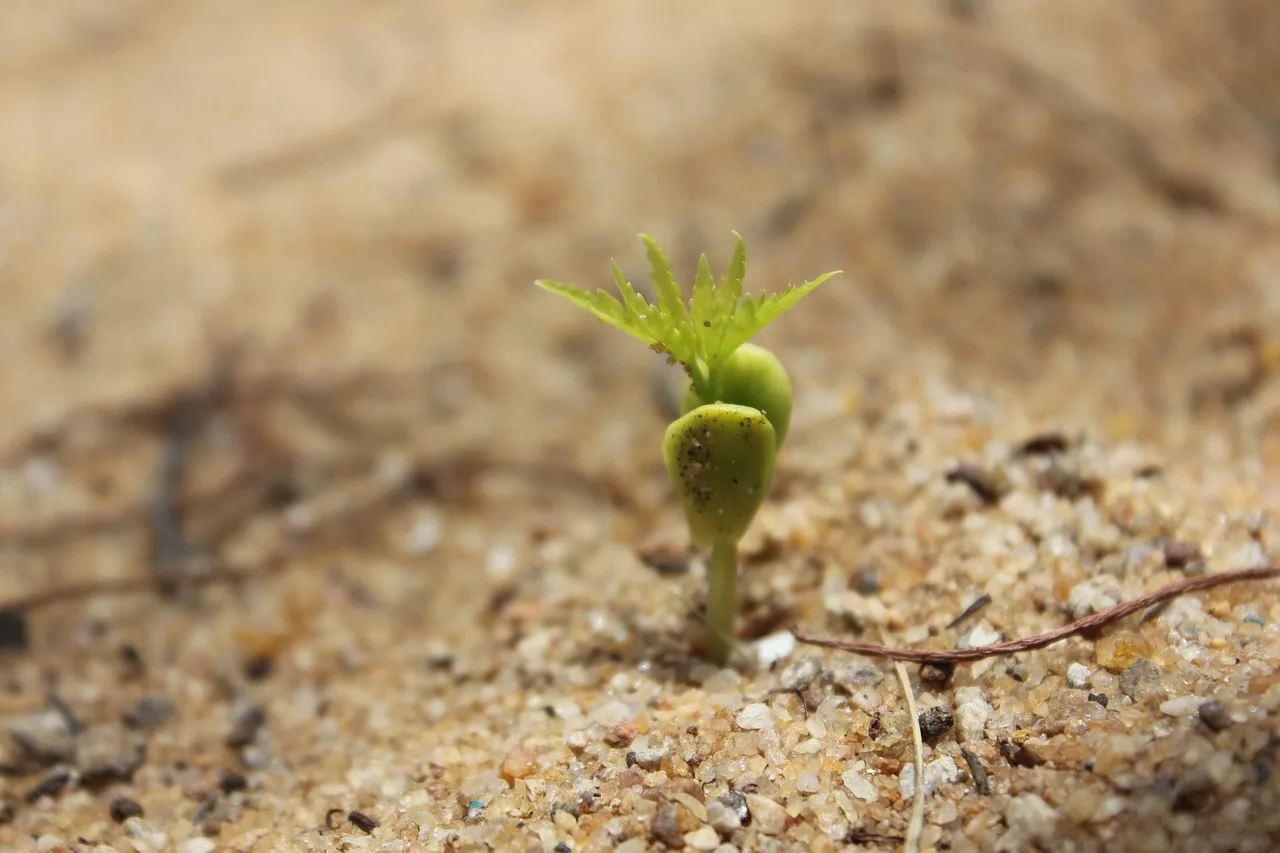
Direct sowing means planting seeds outdoors in the final bed. It is usually the best choice for root crops and many fast growers because their roots are meant to form in place, and they avoid transplant shock. It also suits crops that dislike root disturbance.
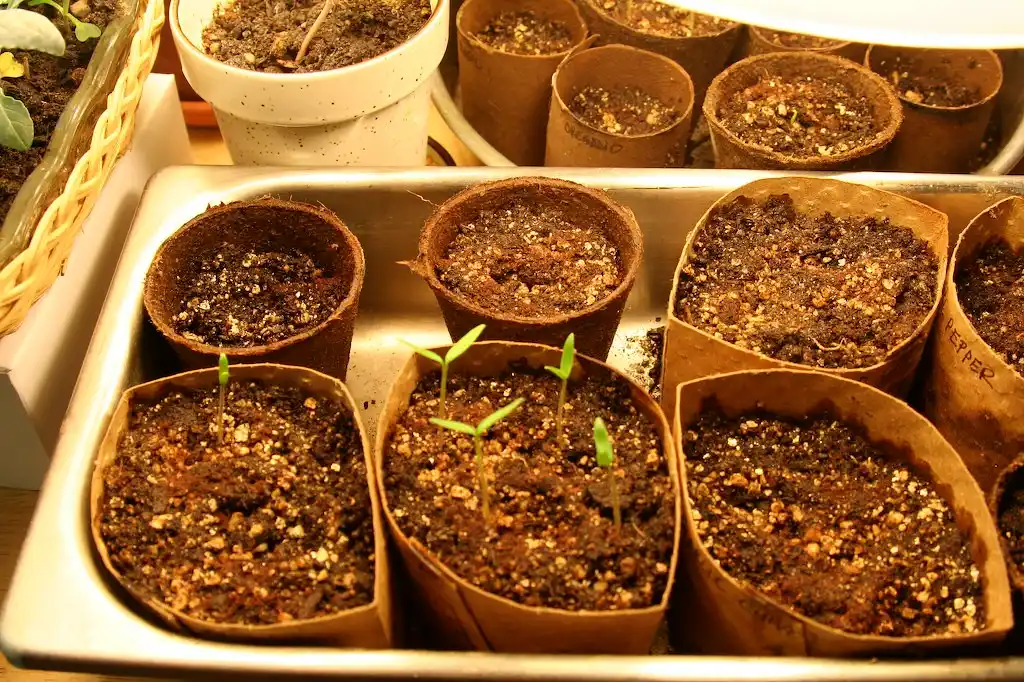
Transplanting is better for frost-tender crops that need warm soil and a longer start indoors. You raise seedlings in containers, harden them off, then move them outside once the weather and soil are warm enough. That timing matters more than forcing an early outdoor sowing.
Which crops usually do better as transplants
Tomatoes, peppers, eggplant, and many long-season brassicas often perform better as transplants. They need warmth or a longer growing season than an early outdoor sowing can usually provide. Starting them indoors gives you more control over germination and early growth.
Hardening off is the last step before transplant timing. It means slowly exposing seedlings to outdoor light, wind, and temperature swings so they are not shocked when planted out. Skip that step and even healthy seedlings can stall.
How soil temperature and frost risk change the planting window
Soil temperature is often more important than calendar date for direct sowing. Cool-season crops can start in cooler soil and may tolerate light frost, while warm-season crops can fail if the bed is too cold. Hard frost is the main risk for tender seedlings and newly emerged warm crops.
Crop hardiness group helps divide the timing window. Cool-season crops usually go in early, often around the last frost date if the soil cooperates. Warm-season crops wait until the bed is consistently warm enough for fast, even germination.
How to check soil temperature with a soil thermometer
Insert the thermometer a few inches deep, since that is close to the seed zone for many direct-sown vegetables. Check more than once, because shaded beds, raised beds, and mulched ground warm at different speeds. Early morning readings are often the most useful for deciding whether the bed is ready.
If you do not have a thermometer yet, use local extension guidance and your frost date as a rough start. Then verify with the soil itself before sowing warm-season crops. That prevents the common mistake of planting by date alone.
What vegetables can be direct sown now?
Cool-soil crops such as peas, radishes, lettuce, spinach, and carrots are often the first safe direct-sow choices. Warm-soil crops such as beans, corn, cucumbers, and squash need more heat. If the bed is still cold, keep waiting or start tender crops indoors instead.
A common first-timer mistake is sowing beans into chilly soil because the air feels mild. The seeds sit, swell, and sometimes rot before they sprout. Peas and lettuce can take that early slot far better than beans or cucumbers.
Common direct-sow groups by soil temperature
- Cool-soil crops: peas, radishes, lettuce, spinach, carrots, beets
- Moderate-soil crops: parsley, Swiss chard, onions from seed, parsnips, kale
- Warm-soil crops: beans, corn, cucumbers, squash, melons, okra
When should you direct sow carrots?
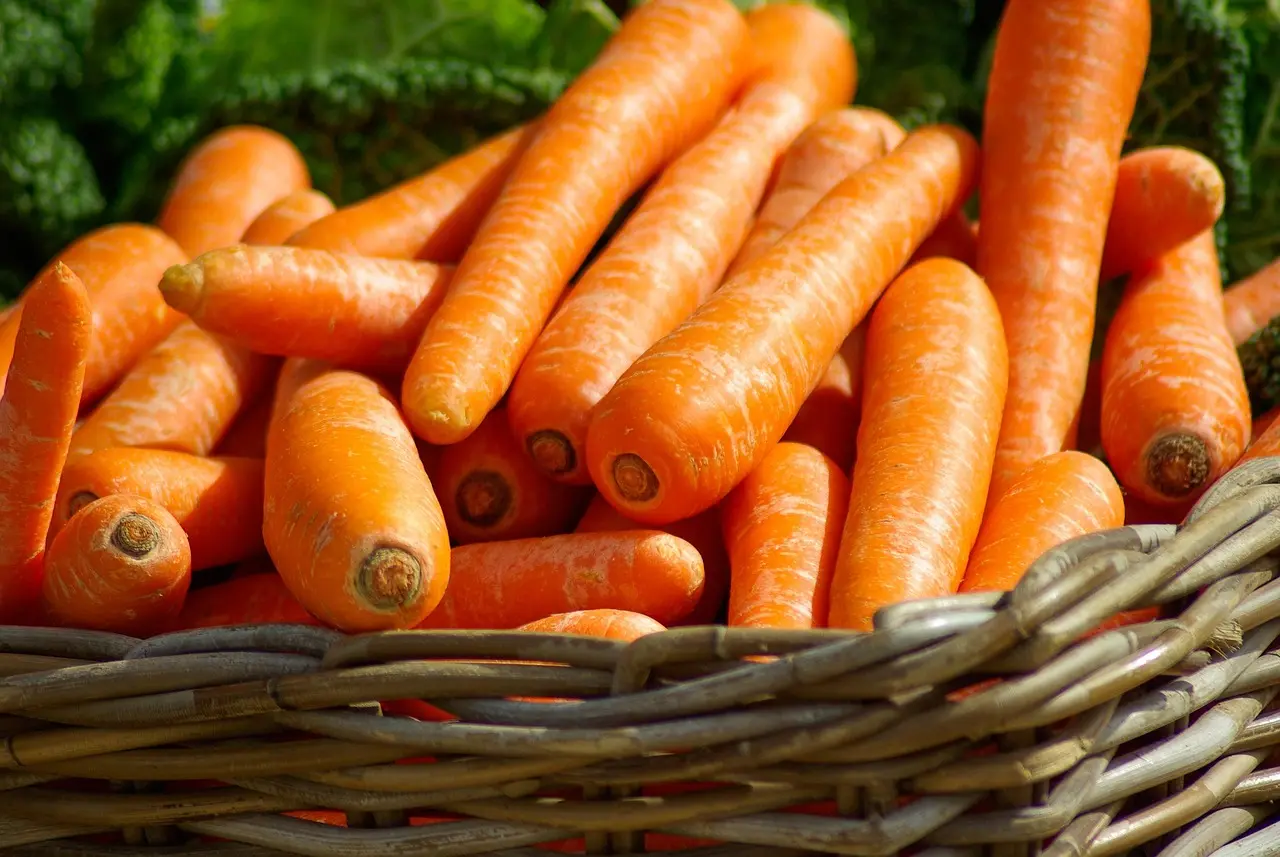
Direct sow carrots when the seedbed is cool, evenly moist, and fine-textured. Carrots are a classic direct-sow crop because they hate root disturbance, and they need a steady seedbed to emerge well. In the Deep South and similar mild-winter regions, carrots can be sown outdoors in fall.
In southern regions, late September is generally the cutoff for carrot planting. Northern gardeners may need to sow fall carrots in mid- to late summer. Carrots can be sown at three-week intervals within the planting window, which helps spread harvests without missing the cool-weather window.
How to avoid weak carrot emergence
Carrot seedlings need consistent moisture and cool soil to establish well. The seed coat is small, so drying at the surface can stop germination or leave gaps in the row. Crusting after rain can also block emergence.
A wooden board can be used over freshly planted carrot seed to trap moisture and cool the seedbed. Shade cloth can help cool and conserve moisture in carrot beds until plants establish. Season extension can use mulching and low tunnels or high tunnels for carrots, but that is for extending harvest, not changing the growing period itself. Carrots become sweeter after cold weather and light frosts.
Direct sowing decision table for 15 common vegetables
Use this table as a quick filter. If the soil is at or above the minimum, the crop is frost-tolerant enough, and your frost date risk is acceptable, sow now. If the crop is tender and the soil is still cold, wait or use transplants.
| Vegetable | Minimum soil temperature | Frost tolerance | Best action |
|---|---|---|---|
| Peas | 40°F | High for seedlings; light frost tolerant | Sow now |
| Radishes | 40°F | High | Sow now |
| Lettuce | 40°F | Moderate; light frost tolerant | Sow now or protect |
| Spinach | 40°F | High | Sow now |
| Carrots | 45°F | Moderate; light frost tolerant | Sow now |
| Beets | 45°F | Moderate | Sow now |
| Swiss chard | 50°F | Moderate | Sow now or wait for warmer soil |
| Parsley | 50°F | Moderate | Sow now or wait |
| Onions from seed | 50°F | Moderate | Sow now or start indoors |
| Kale | 40°F | High | Sow now |
| Beans | 60°F | Low; frost tender | Wait |
| Corn | 60°F | Low; frost tender | Wait |
| Cucumbers | 60°F | Low; frost tender | Wait or use transplants |
| Squash | 60°F | Low; frost tender | Wait or use transplants |
| Melons | 70°F | Very low; frost tender | Wait or use transplants |
How to extend the sowing window without fooling the calendar
Mulch, low tunnels, high tunnels, and row covers can protect early sowings or keep crops going later into the season. They can change how long you harvest, and they can buffer light cold, but they do not turn a warm-season crop into a cold-season one. The biology still sets the limit.
Succession sowing extends the harvest window by repeating sowings every few weeks, but only inside the crop’s safe window. Carrots are a good example: sow them at regular intervals while the soil remains in range, then stop once heat or deep cold pushes them out of their comfort zone.
Spring and fall timing by region
Southern gardeners often get two useful windows: an early spring run for cool-season crops and a fall run once heat eases. Northern gardeners may need to aim fall sowings earlier than expected, because soil cools faster than the calendar suggests. That is why local climate and frost date both matter.
For fall carrots, the timing shifts by region. In the Deep South, fall sowing can happen outdoors. Farther north, mid- to late summer sowing may be needed to give roots time before hard frost.
How to sow vegetable seeds outdoors
- Check your last frost date and compare it with the crop’s hardiness.
- Measure soil temperature in the seed zone.
- Choose cool-season crops for cool soil, warm-season crops for warm soil.
- Prepare a fine, even seedbed and keep it consistently moist.
- Sow at the correct depth, then mark the row so you can monitor emergence.
- Use row covers, low tunnels, or boards only as needed for moisture or frost protection.
Frequently asked questions
When can I plant vegetables outside?
Plant vegetables outside when your soil temperature matches the crop and the frost risk fits its hardiness. Cool-season vegetables can often go in near the last frost date if the bed is workable. Warm-season crops need warmer soil, and many should wait until frost danger has passed.
When to plant vegetable seeds outdoors?
Plant vegetable seeds outdoors after you match the crop to the soil and season. Direct sow cool-season crops in cool but workable soil. Wait for warm soil before sowing beans, corn, cucumbers, squash, and other frost-tender crops. A soil thermometer beats a month chart.
When to sow vegetables calendar?
A planting calendar is a starting point, not the full rule. Use it with your last frost date, your local climate, and the soil temperature in the bed. That matters most for direct sowing, because a crop can fail in cold wet soil even if the calendar says it is time.
What vegetables can be direct sown now?
If your soil is around 40°F to 50°F, peas, radishes, lettuce, spinach, carrots, and beets are common direct-sow choices. If the soil is warmer, add beans, corn, cucumbers, and squash. If the bed is still cold, tender crops should wait or go in as transplants.
When to direct sow carrots?
Direct sow carrots when the seedbed is cool, fine, and evenly moist. In the Deep South and similar mild-winter regions, fall sowing is possible, and late September is generally the cutoff in southern regions. Northern gardeners may need to sow fall carrots in mid- to late summer.
When to transplant vegetables outdoors?
Transplant frost-tender vegetables outdoors after the frost risk has passed, the soil is warm enough, and seedlings have been hardened off. Tomatoes, peppers, and eggplant usually fit this route better than direct sowing. If the crop stalls in cold soil, transplanting is often the safer option.