Are Wood Chips Bad for Vegetable Gardens
Gardening enthusiasts and professional growers alike are always searching for effective, sustainable ways to improve their vegetable gardens. Among the many organic mulching materials available, wood chips have generated both advocacy and skepticism. Some gardeners swear by their moisture retention and weed suppression properties, while others warn against potential nitrogen depletion and pest issues. The debate raises a crucial question: Are wood chips bad for vegetable gardens?
Understanding the nuances of using wood chips can make the difference between a thriving, productive plot and one that struggles to deliver. This article explores the science, practical implications, and real-world experiences surrounding wood chips in vegetable gardens. Whether you’re a beginner or a seasoned grower, this comprehensive guide will equip you with evidence-based answers, actionable strategies, and clear comparisons—so you can decide if wood chips are the right choice for your vegetable beds.
Key Takeaways
- Wood chips can benefit vegetable gardens by improving soil structure, conserving moisture, and suppressing weeds—but they must be used properly.
- Potential drawbacks include nitrogen immobilization, pest attraction, and delayed decomposition, especially when mixed directly into soil.
- Best practices involve using wood chips as surface mulch, avoiding tilling them into planting beds, and pairing with supplemental nitrogen sources.
- Real-world case studies show mixed results, highlighting the importance of context, wood chip type, and application method.
- Scientific research suggests that, when managed correctly, wood chips can be a sustainable asset for many vegetable gardeners.
- Choosing the right wood chip source and understanding timing are critical to maximizing benefits and minimizing risks.
The Science Behind Wood Chips In Vegetable Gardens
Understanding how wood chips interact with soil and plants is essential for making informed decisions. The main concerns revolve around decomposition, nutrient cycling, and soil biology.
Decomposition Dynamics
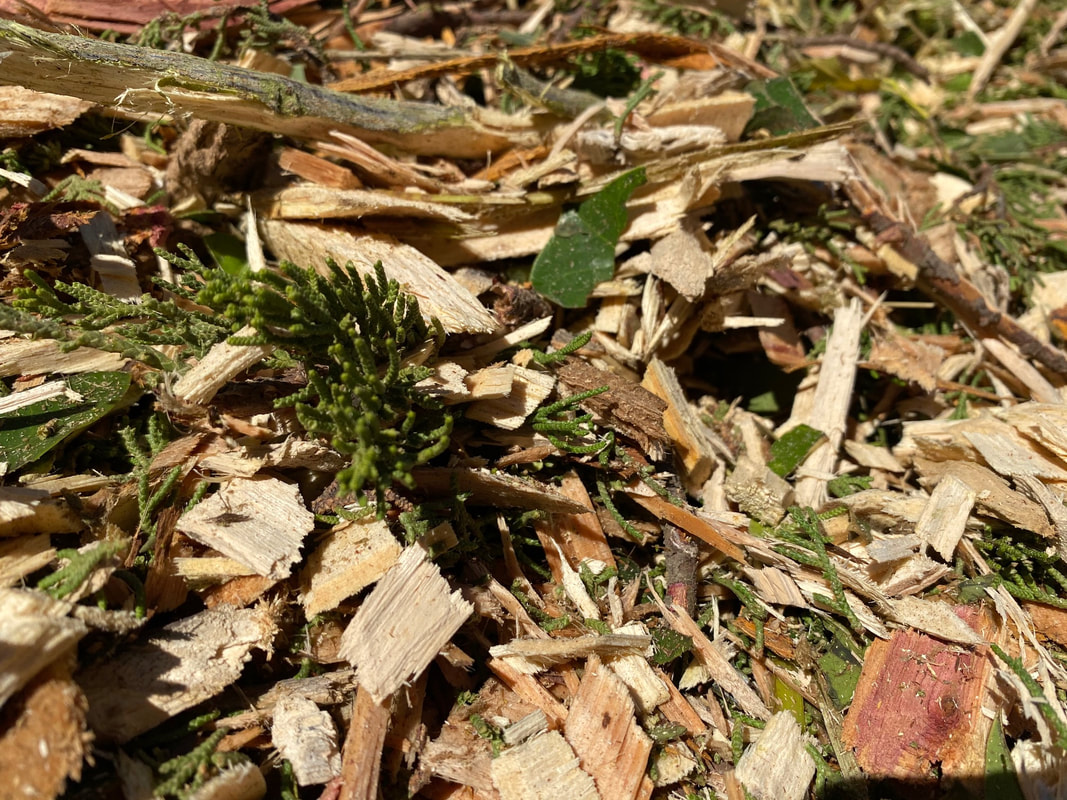
Wood chips are primarily composed of lignin and cellulose, complex plant fibers that decompose slowly compared to softer organic matter like grass clippings or compost. This slow breakdown affects:
- Soil temperature: Wood chips insulate soil, moderating temperature swings.
- Moisture retention: The chips reduce evaporation, which is crucial during dry spells.
- Decomposition rate: Hardwood chips decompose slower than softwoods.
Research from the European Journal of Soil Biology indicates that surface-applied wood chips decompose gradually, providing long-term benefits without overly rapid nutrient release.
Nitrogen Immobilization
A primary concern is nitrogen immobilization. As soil microbes break down carbon-rich wood chips, they temporarily consume available nitrogen, potentially depriving nearby plants. This effect is most pronounced when chips are mixed into the soil, rather than left on the surface.
Key points:
- Surface mulching minimally affects nitrogen in the root zone.
- Incorporated chips can lock up nitrogen, stunting seedling growth.
- Composted wood chips have less impact on soil nitrogen.
A 2014 study by Washington State University found that surface-applied wood chips had negligible effects on nitrogen availability in vegetable beds, while tilled-in chips caused measurable deficits.
Soil Microbial Activity
Wood chips foster diverse soil microbial communities, including beneficial fungi and bacteria. This improves soil structure and can suppress certain soil-borne diseases. However, the shift from bacterial to fungal dominance may not suit all vegetable crops equally, as some prefer bacterially dominated soils.
Physical Effects On Soil
Wood chips as mulch:
- Reduce erosion from wind and water.
- Limit weed seed germination by blocking light.
- Encourage beneficial earthworm activity.
Yet, overly thick mulch layers (>3 inches) can impede water penetration and air flow to roots.
Data Snapshot: Nitrogen Levels Over Time
| Time After Application | Soil Nitrogen (Surface Mulch) | Soil Nitrogen (Incorporated Chips) |
|---|---|---|
| 0 Months | 100% | 100% |
| 3 Months | 98% | 85% |
| 6 Months | 97% | 80% |
| 12 Months | 99% | 90% |
(data Adapted From Wsu Extension Research)
Benefits Of Using Wood Chips In Vegetable Gardens
Despite ongoing debate, there are several well-documented advantages to using wood chips as mulch in vegetable gardens.
Enhanced Moisture Retention
A thick layer of wood chips can reduce evaporation by up to 50%, according to University of Minnesota Extension. This is particularly beneficial in regions prone to drought or where watering is restricted.
Benefits include:
- Less frequent watering
- Protection against heat stress
- Improved resilience during dry spells
Effective Weed Suppression
Wood chips create a physical barrier that blocks light and inhibits weed germination. Studies show that mulch can reduce weed pressure by 90% compared to bare soil.
Practical tips:
- Apply a 2-3 inch layer for optimal weed control.
- Replenish mulch annually as chips decompose.
Soil Temperature Moderation
Mulched beds experience less temperature fluctuation, creating a more stable root environment for sensitive vegetables. This is especially valuable for cool-season crops, which can bolt or suffer in extreme heat.
Long-term Soil Health Improvements
Over time, as wood chips break down, they:
- Increase organic matter
- Improve soil structure
- Enhance water infiltration
- Feed beneficial soil organisms
These changes foster a healthier soil ecosystem, supporting plant vigor and resilience against pests and diseases.
Real-world Example: Urban Community Garden
The Green Thumb Community Garden in Chicago switched to wood chip mulching in 2019. Over two seasons, gardeners reported:
- 35% less water usage
- Noticeable decline in weed outbreaks
- Soil that was easier to work and more friable
Their experience aligns with findings from the Gardening Know How platform, which highlights similar benefits for urban plots.

Risks And Drawbacks Of Wood Chips For Vegetables
While wood chips offer multiple benefits, improper use can introduce several risks. Understanding and mitigating these issues is vital for successful integration.
Nitrogen Deficiency
As previously discussed, the high carbon content of wood chips leads to temporary nitrogen immobilization—especially problematic if chips are mixed into the soil. Nitrogen-starved plants may exhibit:
- Pale, yellowing leaves
- Stunted growth
- Reduced yields
Mitigation strategies:
- Keep chips on the surface, never tilled in
- Supplement with nitrogen-rich amendments (e.g., composted manure, blood meal)
- Use well-composted chips instead of fresh material
Pest Attraction
Certain wood chips can harbor pests or attract unwanted insects. For example, fresh chips from diseased or infested trees may introduce pathogens or wood-boring beetles.
Key concerns:
- Termites and carpenter ants in some regions
- Slugs and snails sheltering under mulch
- Pathogens like Armillaria root rot in susceptible soils
Source selection and chip aging can reduce these risks.
Allelopathy
Some tree species, notably black walnut and eucalyptus, release allelopathic compounds that inhibit the growth of many vegetables. Using chips from these trees can compromise plant health.
Delayed Soil Warming
In spring, thick mulch layers may slow soil warming, delaying germination and early growth for heat-loving crops like tomatoes and peppers.
Real-world Example: Suburban Vegetable Patch
A suburban gardener in Portland, Oregon, applied fresh wood chips from a local arborist directly onto her vegetable beds and tilled them in. The following season, she observed poor seedling emergence and yellowing leaves. Lab tests revealed nitrogen deficiency. After switching to surface mulching and supplementing with blood meal, subsequent crops recovered.
Table: Pros And Cons Of Wood Chips As Mulch
| Pros | Cons |
|---|---|
| Excellent moisture retention | Potential nitrogen immobilization |
| Weed suppression | Pest attraction risk |
| Long-term soil health improvement | Allelopathic risks (certain species) |
| Temperature moderation | Delayed soil warming in spring |
| Reduces soil erosion | Slower decomposition than other mulches |
Best Practices For Using Wood Chips In Vegetable Gardens
Maximizing the benefits of wood chips while minimizing their risks requires strategic application. The following best practices are based on research and experienced gardeners’ insights.
Application Methods
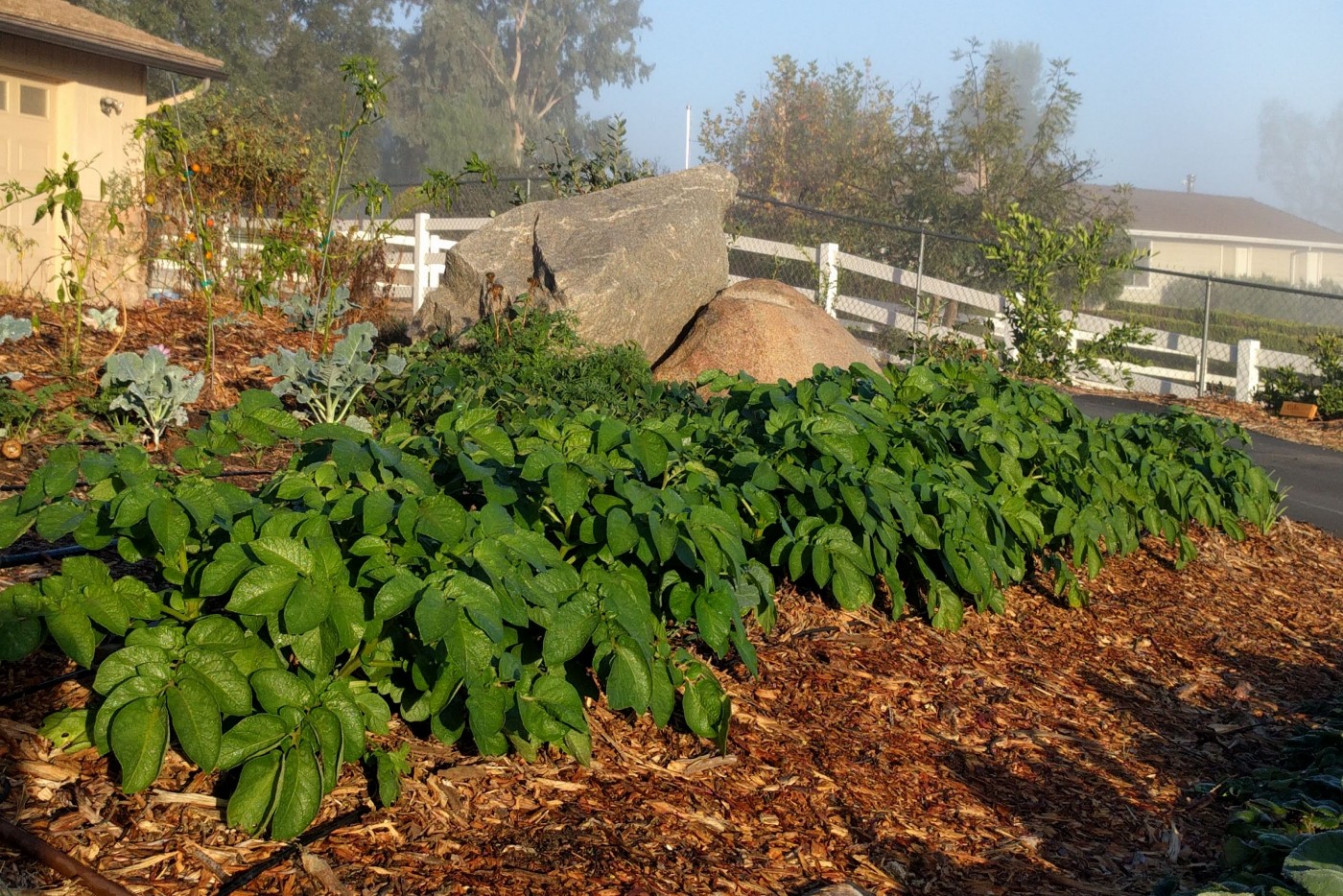
- Surface mulching is recommended: Spread chips on top of the soil without mixing them in.
- Maintain a 2-3 inch layer: Thicker layers may impede air and water flow; thinner layers may not suppress weeds effectively.
- Keep chips away from stems: Avoid direct contact with plant stems to prevent rot.
Timing And Seasonality
- Apply mulch after soil warms in spring, particularly for warm-season crops.
- Top up mulch in late fall to protect soil over winter and suppress early spring weeds.
Choosing The Right Wood Chips
- Opt for untreated, disease-free chips from reputable sources.
- Avoid chips from allelopathic species like black walnut, eucalyptus, and cedar.
- Aged or composted chips are preferable for annual vegetables.
Supplementing With Nitrogen
- Add a nitrogen-rich amendment (compost, manure, or organic fertilizer) to counteract any temporary nitrogen tie-up.
- Monitor plants for signs of deficiency and adjust feeding as needed.
Integrating With Other Mulches
- Combine wood chips with leaf mold, straw, or compost for a balanced mulch layer.
- Use straw or compost directly around seedlings, with wood chips in pathways or between rows.
Real-world Example: No-till Market Garden
At the Urban Roots Farm in Austin, Texas, growers use aged wood chips in pathways and compost mulch in planting rows. The result: robust weed suppression, minimal pest problems, and consistently high yields. Their method is inspired by the popular “Back to Eden” approach, adapted for commercial-scale vegetable production.
Table: Comparison Of Common Garden Mulches
| Mulch Type | Moisture Retention | Weed Suppression | Nitrogen Impact | Decomposition Rate | Best Use |
|---|---|---|---|---|---|
| Wood Chips | Excellent | Excellent | May immobilize if mixed in | Slow | Surface mulch, paths |
| Straw | Good | Good | Minimal | Moderate | Around seedlings, annual crops |
| Compost | Good | Fair | Supplies nitrogen | Fast | Directly on beds |
| Grass Clippings | Good | Good | Supplies nitrogen | Fast | Thin layers, avoid matting |
| Pine Needles | Fair | Fair | Minimal | Slow | Acid-loving crops |
Scientific Research And Expert Opinions
To make an informed decision about wood chips in vegetable gardens, it’s crucial to consult peer-reviewed studies and expert recommendations.
Summary Of Key Research Findings
- The Washington State University Extension review concludes that wood chips are highly effective surface mulches, with minimal negative impact on soil nitrogen when not incorporated.
- A study published by the Society for Ecological Restoration found that wood chip mulch increases soil microbial diversity and long-term organic matter.
- The Wikipedia entry on mulch cites multiple benefits, including moisture retention, weed suppression, and erosion control, but cautions about nitrogen tie-up.
- According to the Penn State Extension, wood chips are best used on paths and perennial beds, but can be used in vegetable gardens with proper management.
Divergent Expert Perspectives
- Some organic farming advocates, such as proponents of the “Back to Eden” method, claim that wood chip mulching alone can eliminate the need for tilling and synthetic fertilizers.
- Traditional market gardeners may avoid wood chips in production beds due to concerns about disease carryover and slow decomposition.
Notable Case Study: Rodale Institute
The Rodale Institute conducted trials comparing wood chips, straw, and black plastic mulches. Results showed that wood chips provided similar weed suppression and moisture retention to plastic, but without the waste and soil temperature spikes. However, crops like lettuce and spinach performed better with straw or compost mulch, suggesting wood chips may not suit all vegetables equally.
Practical Recommendations From Extension Services
- Always use chips as surface mulch.
- Avoid using chips from unknown or potentially allelopathic sources.
- Monitor soil fertility and supplement as needed.
These guidelines are echoed in resources like the Oregon State University Extension.
How To Source, Prepare, And Apply Wood Chips
Selecting high-quality wood chips and applying them correctly is critical for success.
Sourcing Wood Chips
- Municipal composting programs and local tree services often provide free or low-cost wood chips.
- Verify that chips are free of contaminants, such as treated lumber, painted wood, or invasive plant seeds.
- Ask about the tree species—avoid chips from black walnut, eucalyptus, or other allelopathic trees.
Preparing Wood Chips
- Aging wood chips for 6-12 months reduces the risk of nitrogen tie-up and pest problems.
- Composting chips with green material (e.g., grass clippings, kitchen scraps) accelerates decomposition and increases nutrient content.
- Sift out large, woody chunks before applying to garden beds.
Application Techniques
- Spread chips 2-3 inches deep over exposed soil, keeping a 2-3 inch gap around plant stems.
- In raised beds, use wood chips on walkways and between rows, but avoid mixing into planting soil.
- Replenish as needed, typically once per season.
Dealing With Potential Problems
- If you notice yellowing plants, add a quick-release nitrogen source (fish emulsion, blood meal).
- Remove mulch temporarily in early spring to speed up soil warming.
- If slugs or snails become problematic, consider using traps or alternative mulches around affected crops.
Table: Wood Chip Application Checklist
| Step | Action | Why It Matters |
|---|---|---|
| 1 | Source clean, disease-free chips | Prevents pest/pathogen introduction |
| 2 | Age or compost chips | Reduces nitrogen immobilization risk |
| 3 | Apply as surface mulch (2-3 inches) | Maximizes benefits, minimizes drawbacks |
| 4 | Keep away from plant stems | Prevents stem rot |
| 5 | Monitor plant health, supplement nitrogen as needed | Ensures vigorous growth |
Wood Chips Vs. Other Mulching Options
To decide if wood chips are the right choice, it’s helpful to compare them with other common mulching materials used in vegetable gardens.
Straw Mulch
- Pros: Readily available, easy to apply, decomposes quickly, adds organic matter.
- Cons: Can harbor weed seeds, requires frequent replenishment, less effective for long-term weed suppression.
Compost Mulch
- Pros: Supplies nutrients, improves soil structure, supports beneficial microbes.
- Cons: Can be expensive or labor-intensive to produce in large quantities, less effective at suppressing perennial weeds.
Grass Clippings
- Pros: High nitrogen content, fast decomposition, recycles lawn waste.
- Cons: Can mat and become anaerobic, may introduce weed seeds or herbicide residues.
Black Plastic Or Landscape Fabric
- Pros: Excellent weed suppression, warms soil quickly.
- Cons: Non-biodegradable, disrupts soil ecosystem, must be removed and replaced annually.
Wood Chips: Summary
- Best for: Pathways, perennial beds, orchard floors, surface mulching in low-till/no-till systems.
- Not ideal for: Direct mixing into vegetable soil, crops sensitive to cool soil, or beds requiring rapid nutrient cycling.
Decision-making Matrix
Consider the following factors:
- Crop type: Leafy greens and root crops do well with wood chip mulch; heat-loving annuals may prefer compost or straw.
- Climate: Wood chips shine in dry, windy, or erosion-prone areas.
- Garden size and labor: Wood chips require less frequent replenishment, ideal for larger or less-intensive gardens.
Frequently Asked Questions
Is It Safe To Use Fresh Wood Chips In My Vegetable Garden?
Fresh wood chips can be safely used as surface mulch, but avoid mixing them into the soil. Fresh chips may temporarily tie up nitrogen as they decompose, so monitor your crops and supplement with a nitrogen source if needed. For best results, use aged or partially composted chips.
Which Vegetables Benefit Most From Wood Chip Mulch?
Most vegetables benefit from the moisture retention and weed suppression provided by wood chip mulch, especially root crops (carrots, beets), brassicas (cabbage, broccoli), and leafy greens. Heat-loving crops like tomatoes and peppers may perform better with lighter mulches early in the season, switching to wood chips as temperatures rise.
Can Wood Chips Introduce Diseases Or Pests To My Garden?
Wood chips sourced from diseased trees, contaminated sites, or infested with pests can pose a risk. Always obtain chips from reputable sources and avoid using chips from black walnut, eucalyptus, or diseased trees. Aging or composting chips further reduces disease and pest concerns.
How Often Should I Replenish Wood Chip Mulch?
Wood chip mulch decomposes slowly, typically requiring replenishment once per year. In high-traffic areas or after heavy rains, you may need to add a fresh layer more often to maintain a 2-3 inch depth.
Do Wood Chips Acidify The Soil In Vegetable Gardens?
Wood chips, especially from conifers, can slightly acidify soil as they decompose, but this effect is generally minor and localized to the surface. Routine soil testing and the addition of compost or lime can correct any significant pH imbalances.
After exploring the science, practical strategies, and real-world experiences, it’s clear that wood chips are neither universally bad nor unequivocally good for vegetable gardens. Their effectiveness depends on the type of wood chips, application method, crop selection, and local conditions. When used as a surface mulch with proper care, wood chips can enhance soil health, suppress weeds, and conserve moisture—making them a valuable tool for many gardeners. However, being mindful of potential drawbacks and following best practices ensures that your vegetable garden thrives, season after season.