Is Glyphosate Safe for Vegetable Gardens
Glyphosate—the world’s most widely used herbicide—has become a flashpoint in debates about chemical safety and sustainable gardening. As more home gardeners turn to vegetable cultivation, questions about the use of glyphosate in these spaces have grown louder and more urgent.
Is glyphosate safe for vegetable gardens, or should gardeners seek alternatives? The answer is not straightforward. Scientific studies, regulatory reviews, and real-world experiences paint a nuanced picture, with both risks and benefits that demand careful consideration.
Understanding glyphosate’s role, how it interacts with soil and plants, and its potential health and environmental impacts is essential for anyone cultivating food. This article dives deep into the research, regulatory positions, and practical realities of glyphosate use in vegetable gardens.
We’ll explore scientific data, compare glyphosate to alternative weed control methods, analyze real-world scenarios, and provide actionable insights. By the end, you’ll have a comprehensive, evidence-based perspective to guide your decisions on herbicide use in your vegetable garden.
Key Takeaways
- Glyphosate is a widely used herbicide, but its safety for vegetable gardens is debated.
- Scientific studies show mixed evidence on human and environmental risks.
- Regulatory agencies like the EPA and WHO offer differing safety assessments.
- Glyphosate residues can persist in soil, potentially impacting plant health and microbial communities.
- Alternatives to glyphosate, including organic methods and other herbicides, have their own pros and cons.
- Practical, science-backed tips help gardeners minimize risks and make informed decisions.
What Is Glyphosate?
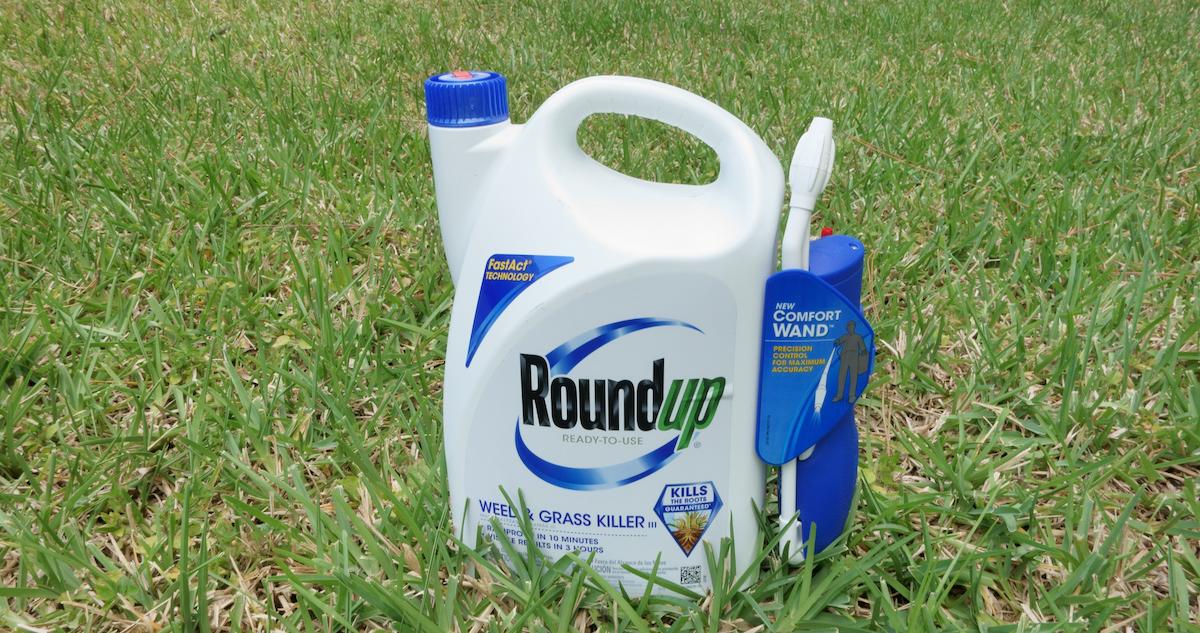
Glyphosate is a systemic, broad-spectrum herbicide first introduced in the 1970s by Monsanto under the brand name Roundup. It’s designed to control weeds by inhibiting an enzyme—EPSP synthase—essential for plant growth. Today, glyphosate is used globally in agriculture, landscaping, and home gardens.
Chemical Properties And Mode Of Action
Glyphosate’s chemical formula is C₃H₈NO₅P, and it is a small, water-soluble molecule. Its ability to be absorbed through plant leaves and move through the vascular system (phloem) makes it especially effective for perennial weed control, as it reaches the roots and underground storage organs. The herbicide targets the shikimic acid pathway, a biochemical route for synthesizing essential aromatic amino acids in plants and some microorganisms. Because this pathway is absent in animals, glyphosate’s proponents argue that its toxicity to humans and animals is inherently low.
However, it’s important to note that soil microbes—crucial for healthy soil ecosystems—do possess the shikimic acid pathway, making them potentially susceptible to glyphosate exposure. This can have downstream effects on soil health, plant resilience, and nutrient cycling.
Application Methods
- Pre-planting weed control: Sprayed before planting to clear weeds, giving crops a head start and reducing competition.
- Post-emergence application: Applied after crop emergence, primarily in genetically modified (GM) crops engineered to resist glyphosate, such as certain varieties of corn, soybeans, and canola.
- Spot treatment: Used to target isolated weed infestations in garden beds, along fence lines, or in pathways, limiting non-target exposure.
Proper application technique is critical for both efficacy and safety. For example, using a shielded sprayer can reduce drift onto nearby vegetables or ornamentals, and applying during calm weather conditions helps prevent unintended contact.
Common Brands And Formulations
- Roundup: The most recognized brand, available in various concentrations and with different surfactants to enhance plant absorption.
- Rodeo: Commonly used in aquatic environments, as it lacks certain surfactants that can be toxic to fish and amphibians.
- Touchdown: Another agricultural formulation with unique surfactant blends for improved efficacy.
Some formulations are designed for home garden use, with lower concentrations and more user-friendly packaging. Others are intended for large-scale agriculture, with higher concentrations requiring dilution and careful handling. Always read and follow the product label instructions to ensure appropriate use and minimize risks.
Regulatory Status
Glyphosate is registered for use by the EPA and remains approved in most countries, though regulatory scrutiny has increased. Recent years have seen mounting legal challenges and calls for stricter oversight, especially in the EU and parts of Latin America. Some countries, such as Sri Lanka and Vietnam, have banned or severely restricted glyphosate due to health and environmental concerns.
Regulatory reviews focus on several key factors:
- Acute and chronic toxicity
- Environmental persistence and mobility
- Impacts on non-target organisms
- Potential for residue accumulation in food crops
Regulations often require buffer zones, re-entry intervals, and restrictions on use near water bodies to limit environmental impact.

Safety Concerns: Human Health And Environmental Impacts
The debate over glyphosate’s safety is fueled by conflicting studies and regulatory assessments. Understanding the risks involves exploring both human health and environmental impacts.
Human Health Risks
Cancer And Chronic Disease
In 2015, the International Agency for Research on Cancer (IARC) classified glyphosate as “probably carcinogenic to humans” (Group 2A), based on limited evidence of carcinogenicity in humans and sufficient evidence in laboratory animals. This classification was based on a combination of epidemiological studies, animal research, and mechanistic data suggesting DNA damage and oxidative stress.
However, the EPA and other agencies, such as the European Food Safety Authority (EFSA) and the Australian Pesticides and Veterinary Medicines Authority (APVMA), have reviewed the same and additional studies, concluding that glyphosate is not likely to be carcinogenic to humans at typical exposure levels. They argue that the evidence for human carcinogenicity is weak or inconsistent and that animal studies used unrealistically high doses.
Key studies:
- 2019 meta-analysis: Aggregated data from multiple case-control studies and found a 41% increased risk of non-Hodgkin lymphoma among heavy glyphosate users (NCBI Meta-Analysis). Critics of this meta-analysis point out potential confounding factors and recall bias.
- Agricultural Health Study (AHS): A long-term study of US farmers, which found no statistically significant increase in overall cancer risk, including non-Hodgkin lymphoma, among those with occupational glyphosate exposure (National Cancer Institute).
Other Health Effects
- Endocrine disruption: Research is ongoing, with some animal and cell culture studies suggesting that glyphosate or its formulations could interfere with hormone systems, but evidence remains limited and inconsistent in humans.
- Acute toxicity: Glyphosate is generally considered to have low acute toxicity for humans, with reported symptoms from accidental exposure including skin or eye irritation, nausea, or mild gastrointestinal distress. However, the surfactants in many commercial formulations can be more toxic than glyphosate itself, particularly if ingested or inhaled.
- Reproductive and developmental effects: Some rodent studies suggest possible developmental toxicity at very high doses, but regulatory reviews have generally concluded that glyphosate poses minimal risk at typical exposure levels.
Importantly, most risks are associated with improper use, high occupational exposure, or accidental ingestion—scenarios less likely in home gardens when following label instructions.
Environmental Impacts
Soil Health
Glyphosate’s interaction with soil is complex. It binds tightly to soil particles, especially in clay-rich soils, limiting its mobility and bioavailability. However, this binding also means residues can persist, particularly with repeated applications.
- Microbial communities: Studies have documented temporary reductions in soil microbial biomass and diversity following glyphosate application. However, these effects often diminish over weeks to months as microbial populations recover. Some evidence suggests that certain beneficial microbes, such as nitrogen-fixing bacteria and mycorrhizal fungi, may be more sensitive to glyphosate, potentially affecting plant health and soil fertility over time.
- Residue levels: In most garden scenarios, glyphosate degrades within weeks to months, primarily via microbial activity. However, repeated or excessive use can lead to accumulation, especially in soils with low microbial activity or poor drainage.
Water Contamination
Glyphosate is highly water-soluble and can be transported via runoff or leaching into surface and groundwater, especially after heavy rains or over-irrigation. The US Geological Survey detected glyphosate in more than half of sampled streams near agricultural lands, raising concerns about aquatic toxicity (USGS Study).
- Aquatic life: While glyphosate itself is moderately toxic to certain aquatic organisms, the surfactants in commercial formulations can be significantly more harmful, particularly to fish and amphibians.
- Drinking water: Regulatory agencies monitor glyphosate levels in drinking water, and detected concentrations are generally below health-based limits. Nevertheless, gardeners should take care to avoid application near wells, ponds, or other water sources.
Impact On Non-target Species
- Pollinators: Glyphosate is not acutely toxic to bees and other pollinators, but indirect effects—such as the loss of flowering weeds and changes in habitat—can impact pollinator populations. Additionally, some research suggests sublethal effects on bee gut microbiota, which may influence bee health and resilience.
- Wildlife: Most mammals, birds, and reptiles are relatively insensitive to glyphosate at field application rates. However, amphibians—especially during sensitive life stages—may be more vulnerable, particularly when exposed to contaminated water.
Comparison Table: Glyphosate Vs. Alternative Herbicides
| Herbicide | Mode of Action | Carcinogenic Status | Environmental Persistence | Typical Use in Vegetable Gardens |
|---|---|---|---|---|
| Glyphosate | EPSP synthase inhibitor | Conflicting (IARC: probable, EPA: unlikely) | Weeks to months | Pre-plant, spot treatment |
| Glufosinate | Glutamine synthetase inhibitor | Not classified as carcinogen | Shorter (days to weeks) | Limited use, less common |
| Organic (vinegar, citric acid) | Cell membrane disruption | Not classified | Minimal | Spot treatment, non-selective |
Glyphosate Residues: Persistence And Uptake In Vegetable Gardens
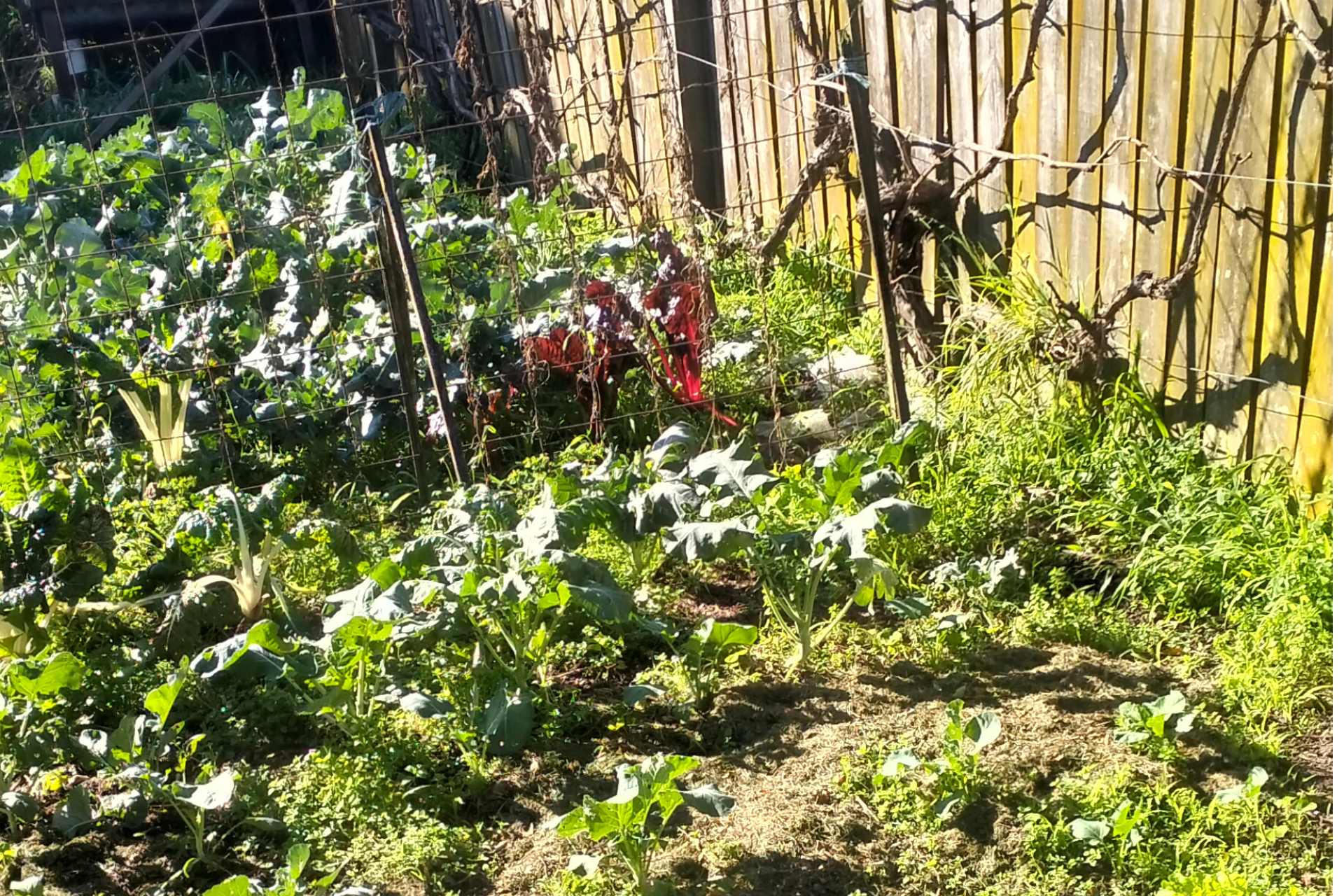
A critical concern for gardeners is whether glyphosate residues persist in soil and are taken up by vegetables. Research offers insights but also leaves some questions unanswered.
Soil Persistence
Glyphosate binds tightly to soil particles, with a half-life ranging from 2 to 197 days depending on conditions (EPA Glyphosate Fact Sheet). Factors affecting persistence include:
- Soil type: Clay and organic-rich soils tend to immobilize glyphosate, reducing its mobility but potentially slowing its breakdown. Sandy soils, with lower organic matter, may allow more leaching.
- Microbial activity: Glyphosate degradation in soil is primarily driven by microbial metabolism. Warm, moist soils with abundant organic matter support active microbial communities and accelerate breakdown.
- Weather: Rainfall can wash residues into deeper soil layers or waterways. Dry, cold conditions slow microbial activity and prolong persistence.
Repeated use without adequate time for breakdown between applications can lead to residue buildup, especially in intensively managed gardens.
Plant Uptake
Studies show minimal uptake by most vegetables if glyphosate is applied before planting. The risk of residue uptake increases under certain circumstances:
- Application is too close to planting: If glyphosate is applied shortly before seeding or transplanting, young seedlings may be exposed to residues in the soil or on plant surfaces, increasing the risk of damage or residue uptake.
- Soil residues are high: In situations where glyphosate has been used repeatedly, especially at high rates, higher soil residues can persist and may be absorbed by root crops or leafy vegetables.
- Plant species sensitivity: Some species, particularly those with extensive root systems or high root-to-shoot transfer rates (like carrots and beets), may be more likely to accumulate trace residues.
Residue Levels In Edible Parts
Most studies indicate that glyphosate residues in fruits and vegetables are below regulatory limits. The US Food and Drug Administration (FDA) found that over 80% of samples had no detectable glyphosate (FDA Pesticide Monitoring). When residues were detected, they were generally well below safety thresholds.
- Root crops: Carrots, potatoes, and beets grown in recently treated soil are most likely to contain trace residues, though still typically below regulatory limits.
- Leafy greens: Lettuce and spinach may accumulate small amounts if they are directly exposed to spray drift or treated soil.
- Fruiting vegetables: Tomatoes, peppers, and beans rarely contain detectable glyphosate when label directions are followed.
Case Study: Home Garden Residue Testing
A 2026 study by the University of California analyzed home garden soil and produce after glyphosate application. Key findings:
- Soil: Residues dropped below detection within 90 days in most cases, especially in gardens with high organic matter.
- Tomatoes and lettuce: No detectable glyphosate in harvested produce, even when grown in recently treated beds.
- Root crops (carrots): Trace residues detected in a small percentage of samples, but all were below established safety thresholds.
These findings highlight the importance of observing recommended waiting periods and avoiding unnecessary or repeated applications.
Regulatory Assessments And Guidelines
Different countries and agencies offer varying guidance on glyphosate use in vegetable gardens. Understanding these positions is essential for making informed choices.
United States: Epa Position
The EPA has repeatedly reviewed glyphosate, concluding that it does not pose a significant risk to human health when used as directed (EPA Risk Assessment). The EPA sets maximum residue limits (MRLs) for various crops and regularly monitors food samples. Key recommendations include:
- Follow label instructions: Adhering to application rates, timing, and protective measures.
- Avoid application near water sources: To prevent contamination of streams, ponds, and wells.
- Observe re-entry intervals: Waiting periods after application before entering treated areas.
The EPA also reviews new scientific data periodically and adjusts guidance as warranted.
European Union: Precautionary Approach
The European Food Safety Authority (EFSA) has taken a more cautious stance. While glyphosate remains legal in most EU countries, its registration is subject to periodic review and debate. Some nations, including France and Germany, have implemented or announced phased restrictions or bans on non-agricultural and home garden use, citing the precautionary principle and ongoing uncertainty about long-term effects.
Many European countries encourage or mandate integrated pest management (IPM) practices to minimize chemical reliance, and some require buffer zones or special handling instructions for glyphosate near sensitive areas.
Who And Iarc: Divergent Views
The World Health Organization (WHO) generally aligns with regulatory agencies, considering glyphosate unlikely to pose a risk at exposure levels typical for the general population. However, the IARC‘s “probably carcinogenic” classification continues to influence public policy and litigation, especially in countries with strong consumer safety movements.
Comparison Table: Regulatory Positions
| Agency | Cancer Classification | Home Garden Guidance | Residue Limits (ppm) |
|---|---|---|---|
| EPA (US) | Unlikely carcinogen | Permitted, follow label | 0.2–1.0 |
| IARC (WHO) | Probably carcinogenic | Recommend caution | N/A |
| EFSA (EU) | No definitive classification | Allowed, some restrictions | 0.1 |
| Australia APVMA | Not carcinogenic | Permitted, follow label | 0.5 |
Real-world Example: Regulatory Impact
In 2026, Germany banned glyphosate for home gardens. Surveys found that gardeners switched to manual weeding, mulching, and organic herbicides, with mixed results for weed control and crop yields. While some gardeners appreciated the increased biodiversity and soil health, others struggled with invasive weeds and increased labor. The transition also sparked innovation, with gardeners experimenting with new cover cropping and no-till methods.
Alternatives To Glyphosate For Vegetable Gardens
For those concerned about glyphosate, several alternatives exist—each with its own strengths and weaknesses.
Organic And Non-chemical Methods
- Mulching: Applying organic materials (straw, wood chips, compost) suppresses weeds, conserves soil moisture, moderates temperature, and adds organic matter as it decomposes. Mulching is especially effective for row crops and perennial beds, but may require periodic replenishment.
- Hand weeding: Traditional but labor-intensive, hand weeding allows for selective removal of weeds with minimal disturbance to crops and soil structure. It is particularly feasible for small gardens or raised beds.
- Crop rotation: Rotating plant families each season disrupts weed life cycles and can reduce disease and pest buildup. Diverse rotations, including cover crops, can outcompete weeds and build soil fertility.
- Flame weeding: Using a propane torch to scorch weeds is effective for annual species and can be used prior to planting or between rows. However, it requires caution to avoid fire hazards and is less effective on perennials.
Additional methods include solarization (covering soil with clear plastic to kill weeds with heat), shallow cultivation, and the use of weed barriers or landscape fabric. Each method comes with trade-offs in cost, labor, and environmental impact.
Alternative Chemical Herbicides
- Glufosinate: Another non-selective herbicide, glufosinate has a different mode of action and breaks down more rapidly in soil. It is less commonly used in home gardens and is not approved for all crops.
- Pre-emergent herbicides: Products like corn gluten meal or synthetic pre-emergents prevent weed seeds from germinating. However, they may also impact desirable crops and are best used in established beds or pathways.
Most organic herbicides are contact-only (acetic acid, citric acid, clove oil) and provide short-term control, mainly suitable for young, small weeds. They break down rapidly and do not persist in soil, making them safer but less effective for perennial or established weeds.
Integrated Pest Management (ipm)
IPM combines multiple strategies to manage weeds in a more sustainable manner:
- Cultural controls: Timely planting, dense crop spacing, and competitive cover crops.
- Mechanical controls: Regular hoeing, mowing, or flame weeding.
- Chemical controls: Minimal, targeted use of herbicides when necessary.
This holistic approach reduces reliance on any single method, delays resistance development, and often results in healthier soil and more resilient crops.
Comparison Table: Alternative Methods
| Method | Effectiveness | Labor Required | Impact on Soil/Plants | Cost |
|---|---|---|---|---|
| Glyphosate | High | Low | Potential residue | Moderate |
| Mulching | Moderate | Moderate | Improves soil | Low |
| Hand Weeding | High | High | No negative impact | Low |
| Organic Herbicides | Low to moderate | Low | Minimal residue | High |
Case Study: Urban Community Gardens
A 2026 survey of New York City community gardens found that over 90% relied on manual and organic weed control. Gardeners reported:
- No glyphosate residue in soil tests: Annual monitoring found undetectable levels of glyphosate and other synthetic chemicals.
- Higher labor costs: Volunteers spent more hours on maintenance, but many viewed this as an opportunity for community engagement.
- Improved soil quality and biodiversity: Increased earthworm counts, higher organic matter, and a greater diversity of pollinators and beneficial insects were observed after several years without synthetic herbicides.
These results suggest that while non-chemical methods may require more time and effort, they can enhance ecosystem health and foster a sense of stewardship.
Real-world Examples And Case Studies
Examining real-world scenarios offers practical insights for gardeners weighing glyphosate use.
Example 1: Suburban Vegetable Garden
A gardener in Illinois used glyphosate for pre-planting weed control. After waiting 30 days, soil and produce tests showed no detectable glyphosate. The garden yielded healthy tomatoes, peppers, and beans. The gardener reported:
- Efficient weed control: Fewer weeds emerged during the growing season, reducing labor.
- No visible crop damage: Crops grew vigorously and showed no signs of herbicide injury.
- No residue detected: Laboratory tests confirmed that both soil and harvested produce were free of detectable glyphosate, providing reassurance about safety.
The gardener noted that following label instructions, using a shielded sprayer, and observing the recommended waiting period were key to these positive outcomes.
Example 2: Organic Transition
A California gardener shifted from glyphosate to mulching and hand weeding. After two seasons, soil tests showed improved organic matter and microbial diversity. Vegetable yields increased, though labor demands rose. The gardener found:
- Weed pressure decreased over time: As soil health improved, beneficial organisms and crop vigor suppressed many common weeds.
- Labor was higher at first: The initial transition required more weeding, but as mulches and rotations took effect, maintenance declined.
- Personal satisfaction: The gardener expressed a sense of pride in growing food without synthetic chemicals and enjoyed sharing these practices with neighbors.
Example 3: Community Garden Policy Change
A community garden in Oregon banned glyphosate in 2020 after member concerns. Gardeners adopted:
- Organic herbicides: Used for spot treatment, though less effective on perennial weeds.
- Crop rotation: Planted cover crops and rotated families to disrupt weed cycles.
- Manual weeding: Organized regular “weeding parties” to maintain plots.
Results included:
- Reduced chemical exposure: Members appreciated the lower risk to children and pets.
- More diverse plantings: Without herbicide reliance, gardeners experimented with intercropping and pollinator-friendly borders.
- Some weed control challenges: Invasive species like bindweed and quackgrass required concerted effort, but overall yields remained stable.
Example 4: Commercial Vegetable Farm
A farm in Iowa used glyphosate for field preparation. After harvest, produce was tested and met all FDA residue standards. The farm noted:
- Consistent yields: Effective weed control contributed to reliable production and profitability.
- Efficient weed management: Pre-plant glyphosate applications reduced the need for in-season interventions.
- Compliance with safety guidelines: Regular residue testing ensured that produce was safe for consumers and met regulatory requirements.
The farmer emphasized the importance of recordkeeping, soil health monitoring, and integrating cover crops to sustain long-term productivity.
Practical Guidelines For Safe Glyphosate Use In Vegetable Gardens
For gardeners who decide to use glyphosate, following best practices can minimize risks.
Timing And Application
- Apply before planting: Use glyphosate well in advance of seeding or transplanting to reduce risk of injury or residue uptake by crops.
- Observe waiting periods: Wait at least 7–30 days before planting, depending on climate, soil, and product formulation. More time may be needed in cool or poorly drained soils.
- Target only weeds: Use spot treatment or shielded sprayers to minimize contact with desirable plants and reduce overall herbicide use.
- Avoid repeated applications: Limit use to once per season or less to prevent residue buildup.
Safety Measures
- Wear protective clothing: Gloves, long sleeves, pants, and eye protection reduce risk of skin or eye exposure.
- Avoid windy days: Spraying during calm conditions minimizes drift onto adjacent crops, ornamentals, or water bodies.
- Store chemicals securely: Keep herbicides in their original containers, locked and out of reach of children and pets, and away from food or animal feed.
- Mix and apply according to label: Do not exceed recommended rates or mix incompatible products.
Soil And Produce Testing
- Test soil periodically: Particularly if using glyphosate regularly or if concerned about potential accumulation.
- Monitor produce for residues: Laboratory testing is available for peace of mind, especially for crops consumed raw or sold to others.
Record Keeping
- Document all applications: Note date, product, rate, location, and weather conditions for each use.
- Track garden yields and health: Monitor for any signs of crop injury or reduced vigor, and compare yields over time to assess impacts.
Minimizing Environmental Impact
- Avoid runoff: Do not apply before heavy rain, and maintain buffer zones near water sources, drains, and sensitive habitats.
- Use smallest effective dose: Reduce environmental loading and potential for resistance development.
- Dispose of containers properly: Follow local regulations for disposal or recycling of empty containers.
Alternatives And Rotations
- Integrate non-chemical methods: Combine mulching, crop rotation, and manual weeding to reduce weed pressure and reliance on herbicides.
- Rotate herbicides if needed: If using chemical controls, alternate products with different modes of action to prevent resistance.
Community Engagement
- Educate fellow gardeners: Share information about safe use, alternatives, and soil health.
- Participate in local discussions: Advocate for science-based policies and responsible stewardship in community gardens or neighborhood associations.
Frequently Asked Questions
Is Glyphosate Safe To Use Around Edible Plants?
Glyphosate can be used safely if applied before planting and according to label instructions. Most studies show minimal residue uptake in edible plants, but risks increase with improper application or repeated use. Always follow regulatory guidelines and consider soil testing for peace of mind.
How Long Should I Wait After Applying Glyphosate Before Planting Vegetables?
Wait at least 7–30 days after glyphosate application before planting vegetables. The exact waiting period depends on soil type, climate, and product formulation. Always consult the product label and local regulations for specific guidance. In cooler climates or heavy soils, err on the side of a longer waiting period.
Can Glyphosate Residues Be Found In Homegrown Vegetables?
Glyphosate residues are rare in homegrown vegetables if used correctly. FDA studies found over 80% of samples had no detectable glyphosate. Residues may be more likely in root crops or if application is too close to planting. If concerned, laboratory testing is available.
Are There Safer Alternatives To Glyphosate For Weed Control?
Yes, alternatives include mulching, hand weeding, crop rotation, and organic herbicides. Each method has its own benefits and drawbacks. Combining approaches through integrated pest management (IPM) is often most effective, especially for long-term sustainability.
What Are The Main Environmental Risks Of Glyphosate In Gardens?
The main risks are soil and water contamination, impacts on microbial communities, and potential effects on non-target species. Proper application and avoidance of runoff can minimize these risks. Some regions restrict glyphosate use to protect sensitive ecosystems. Building soil health and minimizing chemical inputs is a best practice for resilient, productive gardens.
With decades of use, glyphosate remains both a valuable tool and a source of controversy in vegetable gardening. Scientific evidence shows that risks can be minimized with proper application, but concerns persist—especially regarding long-term health and environmental effects. Regulatory agencies offer guidance, but gardeners must ultimately weigh the benefits and drawbacks for their unique situation. Whether you choose glyphosate or alternatives, informed decisions and responsible practices are key to a safe, productive vegetable garden. For more detailed information, consult regulatory resources and scientific studies such as the EPA Risk Assessment, WHO Fact Sheet, NCBI Meta-Analysis, and Wikipedia Glyphosate.