Is Repels All Safe for Vegetable Gardens
Carefully considering application methods, gardeners can strike a balance between effective crop protection and food safety. Ultimately, staying informed and adapting strategies based on garden conditions, pest pressure, and personal or certification requirements will ensure the best outcomes for both harvest and health.
Key Takeaways
- Repels All utilizes a blend of natural and synthetic ingredients to provide broad-spectrum deterrence against common garden pests.
- The product’s safety for vegetable gardens hinges on precise application: Avoid direct contact with edible parts and follow all label directions.
- Studies and real-world reports support its low risk when properly used, but organic certification seekers should seek OMRI-listed alternatives.
- Combining Repels All with physical barriers, crop rotation, and companion planting maximizes garden protection while minimizing risks.
- Vigilance and good garden hygiene, such as washing all produce, are essential for safeguarding human health.
Understanding Repels All: Ingredients And Mechanism
What Is Repels All?
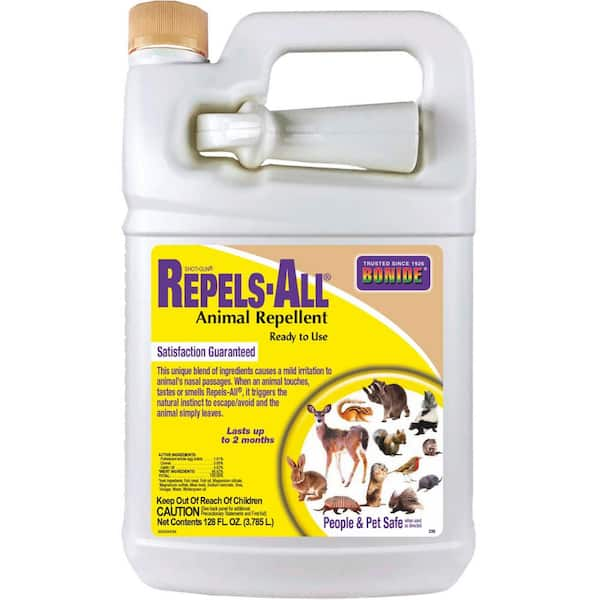
Repels All is a multi-purpose animal repellent designed to discourage a spectrum of nuisance wildlife, including deer, rabbits, groundhogs, squirrels, and birds, from entering protected areas. It is available in both granular and ready-to-use liquid spray forms, offering flexibility for different application needs.
The granular form is particularly useful for broadcasting around garden perimeters or on soil, while the spray is ideal for targeting specific foliage or structural barriers.
Repels All has gained a reputation among home gardeners, community gardens, and even some small farms for its effectiveness in reducing wildlife incursions. Its popularity is also due to its ease of use—no specialized equipment is needed, and most users find it straightforward to incorporate into routine garden maintenance.
Active Ingredients Breakdown
The primary active ingredients in Repels All are formulated to simulate the presence of predators or unpalatable conditions, leveraging animal instincts to avoid treated areas. Here’s a more detailed look at each:
- Putrescent Whole Egg Solids: This ingredient’s scent mimics decaying organic matter, signaling danger to many herbivores. Its use in repellents is well-documented in scientific literature, often cited as one of the more effective deterrents, especially for deer.
- Garlic Oil: Besides its culinary uses, garlic oil is highly pungent and has been shown to deter both insects and mammals. Its volatile sulfur compounds are responsible for its strong odor.
- Dried Blood: The presence of blood in the environment is a strong predator cue for herbivores and is thus an effective deterrent.
- Clove Oil and Fish Oil: Both are used in smaller concentrations to enhance the overall unpleasantness for animal pests. Clove oil contains eugenol, which is both aromatic and spicy, while fish oil adds a lingering scent that animals associate with danger.
The inert ingredients, such as water and surfactants, are present to ensure proper suspension, adhesion to surfaces, and ease of application. Surfactants, in particular, help the active ingredients stick to leaves and soil particles, preventing them from being washed away too quickly.
How Does Repels All Work?
Repels All’s mechanism relies mainly on the sensory aversion principle—by overwhelming the olfactory (smell) and gustatory (taste) senses of animals, it makes the area unattractive without causing them harm. This method is considered more humane than lethal traps or toxic baits, as it encourages animals to move on rather than risking their health.
Scientific studies, such as those published in the *Journal of Wildlife Management*, have found that olfactory-based repellents can reduce deer and rabbit feeding by up to 80% under controlled conditions, though effectiveness may vary based on pest population, food scarcity, and weather.
Regulatory Status And Label Claims
As a minimum-risk pesticide under the EPA’s Section 25(b), Repels All is not subjected to the same rigorous testing as synthetic pesticides, but must still meet basic safety and efficacy standards. This status allows for easier market access and reflects confidence in its safety profile when used as directed. However, always check for any updates to local or state regulations, as some jurisdictions may impose additional requirements or restrictions, especially for use on or near food crops.
Is Repels All Safe For Vegetable Gardens?
Safety For Edible Crops
Repels All’s labeling and manufacturer guidance reflect a conservative approach, erring on the side of caution for edible plants. By restricting application to non-edible portions and garden perimeters, the risk of direct chemical contact with food crops is minimized. This is especially important for leafy greens, root vegetables, or fruits where surface contact could result in off-odors or lingering residues.
Some gardeners, particularly those with children or pets, appreciate the reassurance that Repels All does not contain acutely toxic ingredients and breaks down relatively quickly in the environment. However, as with any garden input, misuse or over-application can negate these benefits.
Toxicology And Human Health
The active components in Repels All have a long history of use in both culinary and agricultural settings. For example, garlic oil is widely consumed in food, and dried blood is a natural byproduct with no known chronic toxicity in the concentrations used for repellents.
Nevertheless, individuals with sensitivities or allergies to eggs, garlic, or fish products should exercise additional caution.
Studies also indicate that the risk of chronic health effects is negligible. Acute exposure to the spray mist may cause mild, temporary irritation of the skin, eyes, or throat, but such effects are easily avoided with proper use of personal protective equipment (PPE) and good hygiene practices.
Environmental Impact
Repels All’s active and inert ingredients are designed to break down under sunlight, moisture, and microbial action in the soil. Unlike many synthetic pesticides, they do not bioaccumulate or persist in the food chain. This makes Repels All a favorable option for environmentally conscious gardeners who still face wildlife pressure.
One important note is that, while Repels All is not harmful to pollinators or beneficial insects when used as directed, misapplication (such as overspraying flowering plants) could cause minor disruption by masking floral scents. Avoiding application during bloom periods or directly on flowers is a good practice.
Residue Concerns
The risk of residue is minimal with proper use, but some gardeners report a faint odor shortly after application, which dissipates within a few days. For root crops or leafy greens grown near treated areas, thorough washing is sufficient to remove any accidental contact.
For those with heightened concerns, consider conducting a simple “sniff test” before harvest—if any trace of the repellent’s scent remains on the edible part, wait a few days or wash thoroughly before consuming.
Case Study: Community Garden Outcomes
The Green Thumb Community Garden’s experience is representative of broader trends reported in gardening forums and extension service records. Their careful application practices—targeting only the garden perimeter and avoiding direct contact with vegetables—resulted in successful deterrence without negative effects on crops or community members.
Further, the garden’s collaborative approach, with regular member training and signage about the use of Repels All, contributed to a positive experience and confidence in the product’s safety.

Application Best Practices For Safety
Label Adherence
Strict label adherence is non-negotiable. The most common problems associated with Repels All use—such as lingering odors or mild irritation—are traceable to misapplication or overuse. Reading and following the current product label ensures compliance with both safety and legal standards.
Manufacturers periodically update labels to reflect the latest research and regulatory guidance, so even experienced gardeners should review instructions for each new purchase.
Application Timing And Frequency
Repels All’s effectiveness depends not only on where but also when it is applied. Applying early in the season, before animal pressure peaks, can preempt problem behaviors. For areas with frequent rainfall, be prepared to reapply as necessary, as water can dilute or wash away the active ingredients.
Some gardeners schedule applications based on pest activity patterns—dusk and dawn are peak feeding times for deer and rabbits, so treating the area just before these periods can maximize deterrence.
Physical Barriers As Complementary Measures
Physical barriers remain the gold standard for persistent or high-value crops. Combining Repels All with fencing, netting, or row covers provides redundancy and reduces the need for repeated chemical applications. This layered approach is especially useful in organic or permaculture gardens, where minimizing all external inputs is a priority.
Personal Protective Equipment (ppe)
Even though Repels All’s ingredients are low in toxicity, accidental contact can be unpleasant. Gloves, long sleeves, and eye protection are recommended, especially when using the spray form or on windy days. For sensitive individuals, a simple dust mask can prevent inhalation of any airborne droplets.
Storage And Disposal
Proper storage prevents accidental exposure and preserves product efficacy. Repels All should be kept out of direct sunlight, in a sealed container, and away from food or animal feed. Adhering to local waste disposal regulations for empty containers helps protect the environment.
Case Study: Home Gardener Experience
This Oregon home gardener’s experience highlights the importance of consistency and personal protection. His methodical application routine, focus on non-edible parts, and use of gloves resulted in three years of trouble-free gardening, reinforcing the value of best practices.

Comparing Repels All To Other Repellents
Common Alternatives
Each animal repellent has unique strengths and weaknesses. For example, PlantSkydd is highly effective against deer but may be less effective for rabbits or groundhogs. Homemade sprays are cost-effective but generally provide only short-term relief. Physical barriers, while highly effective, can be expensive and labor-intensive to install.
Effectiveness Comparison Table
The data-driven table above offers a quick reference, but gardeners should also consider other factors such as local climate, pest population density, and budget. For instance, in regions with heavy rainfall, repellents that require frequent reapplication may be less cost-effective than a one-time investment in fencing.
Pros And Cons Of Repels All
Beyond the table, consider these nuanced factors:
- Repels All’s odor can linger for a day or two after application, which some users find unpleasant but most animals find intolerable.
- While it’s not certified organic, its low toxicity and natural ingredients make it a reasonable choice for non-certified but environmentally conscious gardens.
- Its broad-spectrum deterrence is useful in gardens facing multiple pest species.
Regulatory Approval And Organic Certification
For market growers, farmers’ markets, or CSA programs, maintaining organic certification is often a business necessity. In such cases, using only OMRI-listed products is essential. For home gardeners, the decision may hinge on personal values or neighborhood association rules.
Regulatory Guidance And Expert Opinions
Epa And State Regulations
State-level oversight can vary significantly. For instance, some states may restrict the use of certain repellents near water sources to protect aquatic life. Others may have stricter definitions of “edible crops. ” Always check with local Cooperative Extension offices or agriculture departments for region-specific advice.
University Extensions’ Recommendations
Extension services provide valuable, science-based recommendations. Many, such as those from Purdue, Cornell, and the University of California, advocate for an integrated approach to pest management, with repellents like Repels All used as one tool among many.
Toxicology Reports
The 2020 review in the *Journal of Environmental Science and Health* further underscores the importance of following label directions to mitigate even minor, temporary risks. The lack of evidence for serious health effects is reassuring, but individual sensitivities should always be taken into account.
Professional Gardener Insights
Master gardeners often advise rotating repellents seasonally to prevent animals from becoming accustomed to a single scent. This can involve switching between egg-based, blood-based, and plant-oil-based products, or alternating chemical deterrents with physical barriers and garden design tweaks.
Real-world Examples And Field Reports
Suburban Home Garden
This Connecticut family’s experience demonstrates the value of perimeter-focused application. By keeping Repels All off the edible crops and focusing on mulch and surrounding grass, they achieved excellent results without trade-offs in produce quality.
Small Organic Farm Case
The Pennsylvania farm’s experience illustrates a frequent trade-off in organic agriculture: balancing effectiveness with certification requirements. Their transition to an OMRI-listed product reflects the adaptability required in commercial operations, while still valuing the lessons learned from Repels All’s use.
School Garden Project
This Illinois school garden underscores the educational value of safe pest management. By involving students in proper application and safety protocols, the project not only protected crops but also taught best practices for pesticide use.
Data Table: Real-world Results
The expanded data in the table above provides a snapshot of how diverse settings, application methods, and pest pressures interact to shape outcomes.
Best Practices For Using Repels All In Vegetable Gardens
Step-by-step Safe Application
Each step in the application process plays a role in reducing risks and maximizing benefits. For example, washing produce is not only a best practice for repellent use but also for general food safety, as it removes soil and potential pathogens as well.
Timing Recommendations
Applying Repels All during periods of low wind and moderate temperatures helps ensure that the active ingredients adhere to intended surfaces and do not drift onto edible crops or into neighboring gardens.
Integrating With Organic Gardening
Even if Repels All is not OMRI-listed, its judicious use in integrated systems can still align with many organic principles, especially when paired with other non-chemical controls and good garden hygiene.
Combining With Other Methods
Integrated Pest Management (IPM) remains the gold standard for sustainable gardening. Using Repels All as part of a broader strategy—including barriers, rotation, and companion planting—reduces reliance on any single method and helps maintain long-term garden health.
Common Mistakes To Avoid
In addition to those listed, avoid applying Repels All immediately before harvest or during periods of heavy fruiting, as this increases the risk of accidental contact with edible portions.
Case Study: Integrating Multiple Strategies
The Florida gardener’s approach—combining chemical and cultural controls—demonstrates the power of synergy in pest management. By diversifying deterrents, he not only reduced pest pressure but also improved garden resilience.
Alternatives To Repels All For Vegetable Gardens
Omri-listed Repellents
Products like Plantskydd and Enviro Pro Deer Scram are regularly updated on OMRI’s approved list, ensuring compliance with organic certification standards. These products may have different reapplication intervals or odor profiles, so always review their labels before use.
Homemade Repellents
While DIY options can be effective for short-term or small-scale use, their efficacy is usually lower than commercial products and they may require more frequent reapplication. Some gardeners use a rotation of homemade and commercial repellents for a cost-effective, layered approach.
Non-chemical Approaches
Non-chemical solutions like wildlife exclusion fencing or motion-activated sprinklers offer reliable, if sometimes costly, alternatives. These methods are especially effective in areas with high wildlife pressure or where chemical use is restricted.
Comparison Table: Organic Repellent Alternatives
This expanded table helps gardeners weigh their options based on priorities like cost, certification, and required labor.
When To Choose Repels All
Repels All excels in mixed-use settings, urban gardens, and situations where a quick, broad-spectrum deterrent is needed. For those who value ease of use and are not bound by organic certification, it remains a practical choice.
Frequently Asked Questions
Is Repels All Safe To Use On All Types Of Vegetables?
Repels All is generally safe around most vegetables, but some crops—such as leafy greens or root crops growing very close to the soil—may be more susceptible to accidental contact. Always err on the side of caution and consult the product label for any crop-specific warnings.
Can Repels All Be Used In Certified Organic Gardens?
No, unless specifically OMRI-listed. For certified organic operations, always use approved products and keep detailed records to maintain certification.
How Long Does Repels All Last After Application?
Weather is the key factor: in dry, cool conditions, Repels All may last up to 30 days, but under heavy rain or irrigation, reapplication every 7–10 days is often necessary.
Will Repels All Affect The Taste Or Quality Of My Vegetables?
With proper application, no. If you notice any unusual odor or taste, repeat washing and allow additional time before consumption.
What Should I Do If Repels All Is Accidentally Sprayed On Vegetables?
Thoroughly rinse the produce and, if strong odor or residue remains, consider discarding affected items. When in doubt, consult your local Cooperative Extension for tailored advice.
References
- EPA Minimum Risk Pesticides
- Garlic Oil PubChem
- OMRI
- California Department of Food and Agriculture
- UC IPM Deer Pest Note
- Rodale Institute
- Journal of Wildlife Management (2020)
- Journal of Environmental Science and Health (2020)
Using Repels All in vegetable gardens , when done thoughtfully and in accordance with all safety guidelines, offers a reliable means of reducing wildlife damage while maintaining healthy, bountiful harvests. By combining careful application, regular produce washing, and integrated pest management techniques, gardeners can enjoy the fruits—and vegetables—of their labor with peace of mind. For more on this, see our guide on Vegetable Gardening .