Is Mole Repellent Safe for Vegetable Gardens?
Mole repellent is safe for vegetable gardens only when the active ingredient, label directions, and allowed use site all fit edible use. If the label excludes food crops, keep it out of the bed. Used wrong, it can leave residues, contaminate soil, or push you toward methods that hurt roots and beneficial soil life. This guide separates ingredient safety, label safety, and edible-area safety, then compares repellents, barriers, and traps for use near vegetables.
What counts as mole damage?
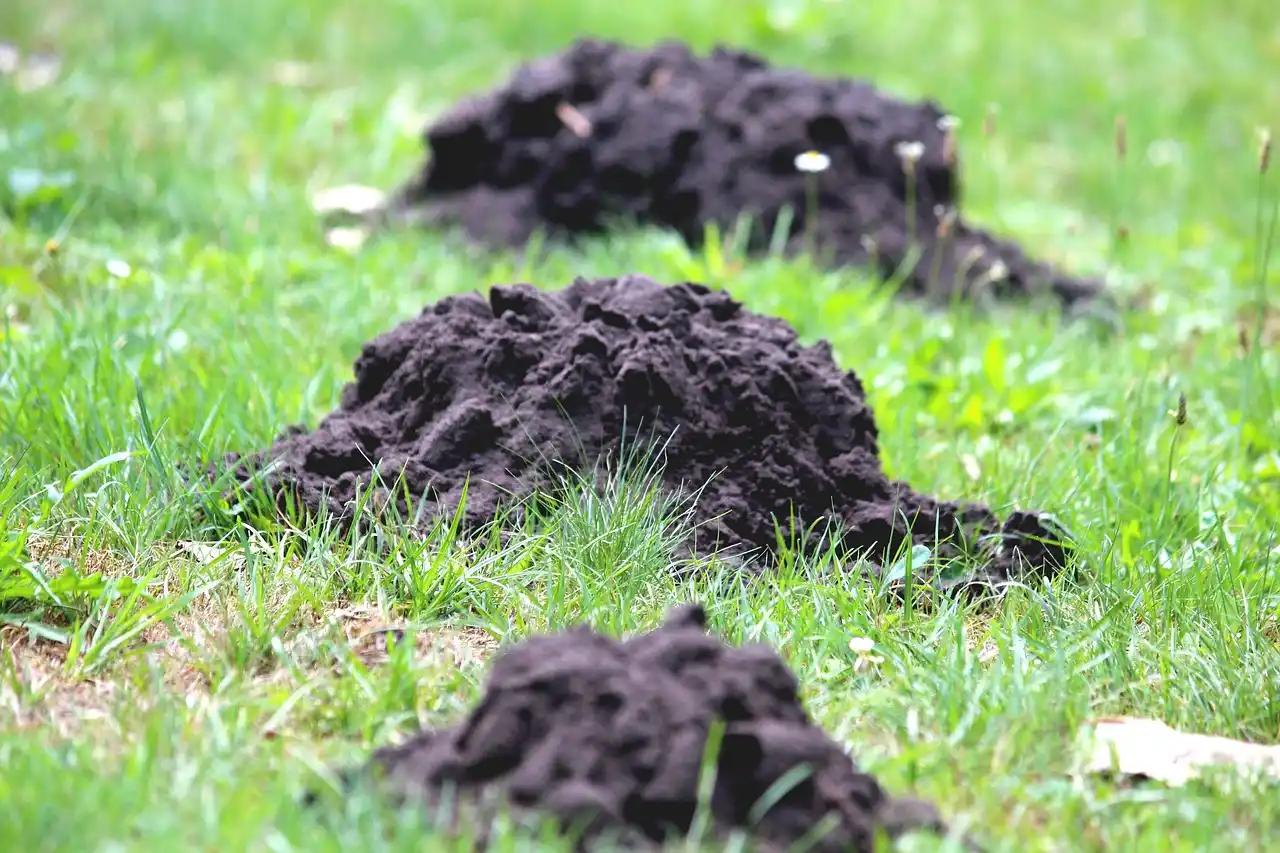


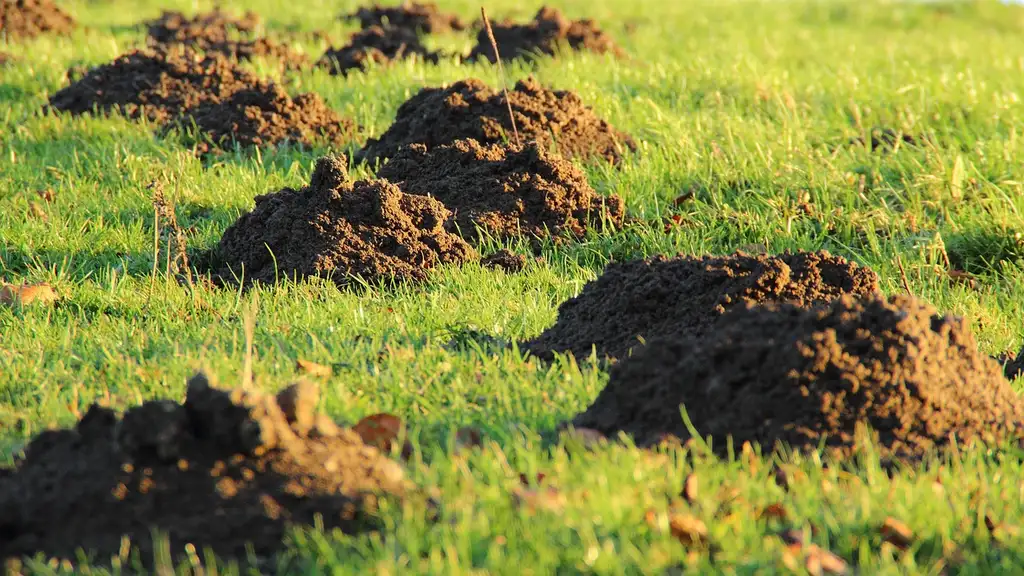
Look first for fresh volcano-shaped mounds, raised surface runs, and loose soil that shifts underfoot. Moles tunnel underground; the visible problem is usually digging, not feeding on leaves or fruit. If the damage pattern is different, you may be dealing with voles or gophers instead of moles.
Volcano mounds and surface runs
Volcano mounds are small, cone-like piles of soil pushed up from an active tunnel. Surface runs may look like shallow ridges or slight soft spots in a bed. Those signs point to travel routes below the soil line, which matters because repellents and traps work better when you know where the animal is moving.
Root disturbance versus plant feeding
Moles do not target vegetables for food. The main plant problem comes from roots being lifted, dried out, or disturbed by tunneling. That means a plant may wilt even if no stem or leaf chewing is visible. Root disturbance can also make irrigation less predictable, because water may move unevenly through disturbed soil instead of staying where roots need it.
How to tell moles from voles and gophers
Moles make tunnel systems and mounds. Voles leave surface paths and often chew stems, roots, and bulbs near the soil line. Gophers make larger earthen mounds and can feed directly on roots and other plant parts. If you pick the wrong pest, you may choose a repellent or barrier that misses the real problem.
Is mole repellent safe for vegetable gardens?
Sometimes, but only under three separate checks: the ingredient itself, the label’s allowed use site, and whether the produce will still be in contact with treated soil. A low-toxicity ingredient can still be a bad choice if the product label excludes food beds or if you apply it where roots or leaves could be exposed.
Ingredient safety versus label safety
Castor oil is a familiar mole repellent ingredient, which is why it shows up often in garden products. But ingredient safety is not the same as product safety. A repellent can use a common ingredient and still be wrong for edible beds if the label limits where it may go, how often it may be used, or whether it belongs only on lawns.
Edible-crop risk in planted beds
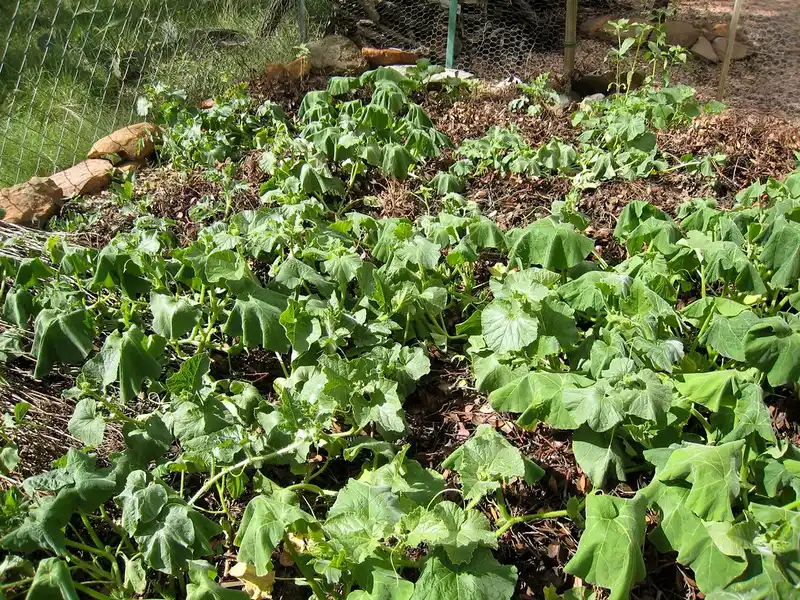
For vegetable gardens, the key question is whether the product is labeled for use around edible crops and whether the application zone stays outside the harvest area. A perimeter treatment has a different risk profile than a direct application across the bed. If the label is vague about food crops, treat that as a warning sign, not a green light.
Pet and child exposure around treatment zones
Safety near vegetables also means thinking about who touches the soil. Pets and children move through borders, beds, and paths, and granules or fresh spray residue can be picked up on paws, hands, or tools. Reentry directions matter because a product may be acceptable outdoors yet still need drying time, watering-in, or distance from active harvest zones.
Castor oil repellent basics
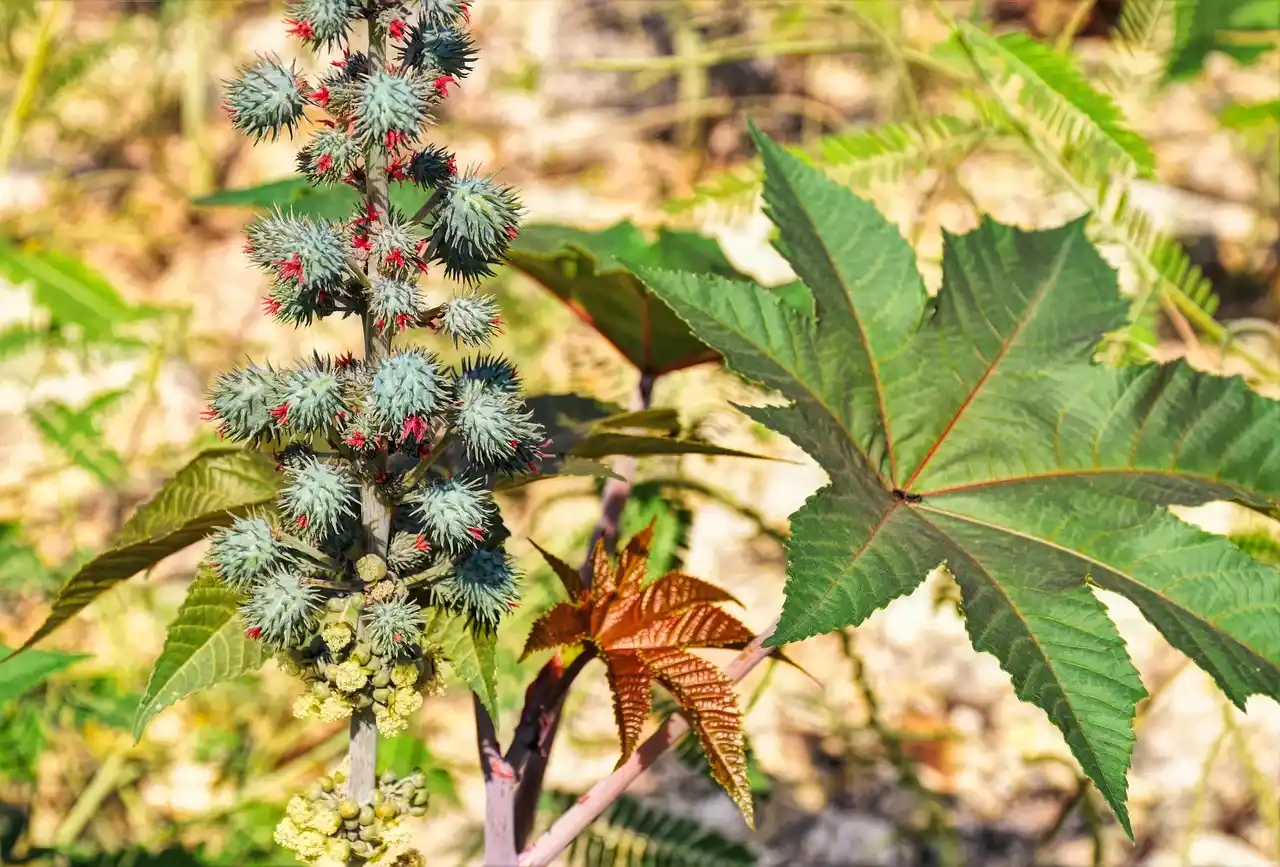
Castor oil repellents are usually temporary deterrents, not a kill method. They aim to make the tunnel environment unpleasant enough that moles move elsewhere. That can help around beds, but it often takes repeated use, and pressure may return if moisture, soil conditions, or food sources stay favorable.
How castor oil deterrents work
These products use castor oil as the active ingredient basis and are usually described as scent or taste deterrents. The goal is not to poison the animal; it is to make an area less attractive.
Sprays, granules, and liquids
Sprays are usually used where you want broad coverage over turf edges or perimeter soil. Granules are often spread over a treatment area and then watered in. Liquids are commonly diluted before use. In vegetable gardens, that difference matters because a product may fit a border treatment better than a bed-wide application.
Perimeter use versus direct bed use
Perimeter use is usually the safer starting point around vegetables. It may push mole traffic away from a bed without forcing you to put product directly where roots and harvest crops are growing. Direct bed use raises the stakes, because the treatment area and the edible area overlap. If the label is unclear, stay outside the bed.
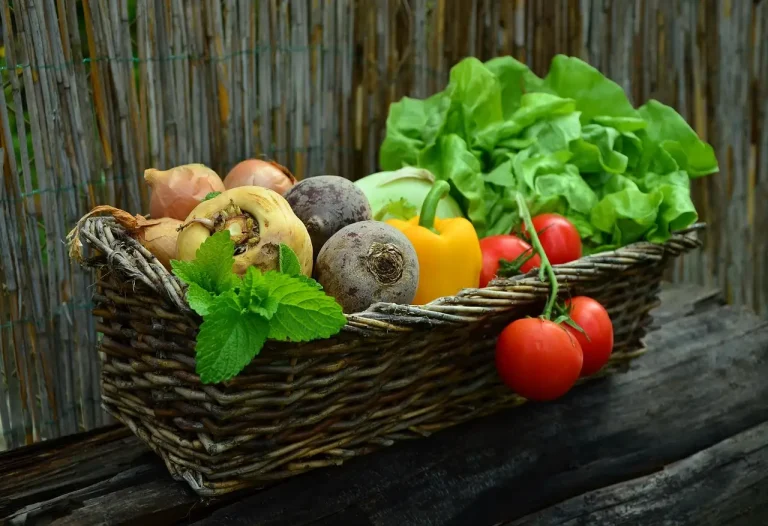
Say a 4-by-8 raised bed has fresh mounds along one long edge, while the lettuce, beets, and carrots are still a few weeks from harvest. A perimeter treatment outside the bed may fit better than a full-bed application, because it keeps the product away from the crop zone while still addressing tunnel traffic.
Temporary control and reapplication limits
Castor oil products can wear off, wash away, or lose effect as tunnel pressure changes. That makes them a temporary deterrent, not a permanent fix. If a product label calls for reapplication after rain or after a set interval, that instruction is part of the safety decision, especially near edible beds.
Is MoleMax safe for vegetable gardens?
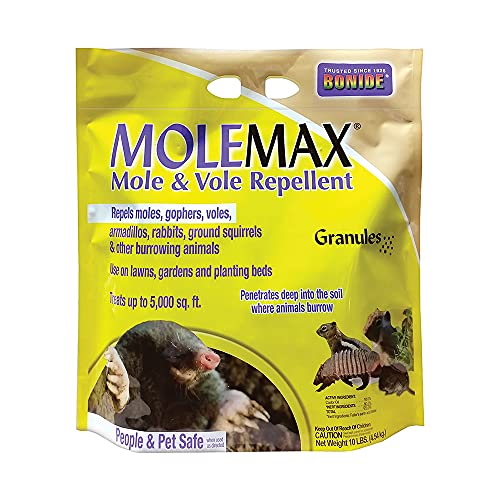
MoleMax is labeled as a ready-to-use outdoor lawn and garden product, and it is described as people and pet safe. The exact active ingredients and edible-site directions can vary by formulation. That makes it a relevant option to review, but the real test for a vegetable garden is still the label: where it may be applied, what animals it targets, and whether it is appropriate close to edible crops.
Granule format and outdoor use
Because MoleMax is a granule format, it fits the same safety questions as other granular repellents: where the granules are placed, whether they are watered in, and whether they can drift or be tracked into planting rows. Granules are often convenient for lawns and borders, but convenience does not equal automatic clearance for a food bed.
Claimed people and pet safety
The product is described as people and pet safe, which is useful for households that worry about contact around the garden edge. Even so, that claim does not remove the need to check the label for edible-site use. Pet safety, child exposure, and crop safety are related, but they are not the same question.
How to read the burrowing-animal target list
The product protects against moles and voles, so it is aimed at burrowing or tunneling pests rather than insects or browsing animals. Read the target list before buying because a product can be marketed for one pest and still miss the one causing the damage. If your issue is gophers or another burrower, the fit may be different.
When to avoid using it near harvest beds
Avoid using any granular repellent close to harvest beds if the label does not clearly allow that use or if you cannot keep granules out of the crop zone. For small beds, that caution matters more, because the treatment area and the eating area may be only inches apart.
Vegetable garden safety matrix
This matrix compares common mole control options by plant safety, edible-crop risk, and exposure risk for pets and children. Use it as a decision tool, not a promise of performance. If a label conflicts with the note here, the label wins.
| Option | Plant safety | Edible-crop risk | Pet/child exposure risk | Best use | Do not use when |
|---|---|---|---|---|---|
| Castor oil repellent | Usually low when used as directed | Low to moderate, depending on label and placement | Low to moderate if granules or spray remain on the surface | Perimeter treatment around beds and adjacent soil | The label excludes food crops, or you need direct treatment on harvest rows |
| MoleMax granules | Generally suited to outdoor lawn and garden use | Depends on edible-site directions and placement | Lower when used outside active play and harvest zones | Border areas, lawns, and garden edges where the label allows use | You cannot keep it out of the planted area or the product label is unclear for food beds |
| Mole traps | High plant safety if placed in tunnels, not beds | Very low because no chemical residue is involved | Moderate to high if not protected or checked carefully | Active tunnel control where you want a faster, more direct response | Children, pets, or pets that roam are likely to contact the trap zone |
| Hardware cloth barrier | High when installed below the root zone | Very low once installed correctly | Low after installation | Raised beds, new bed builds, and perimeter exclusion | You need a same-day fix for active damage |
What should you avoid near vegetables?
Avoid toxic chemicals, bait products, and any home mix that has no label instructions for edible areas. Near vegetables, the question is not only whether something kills a pest. It is whether the product can contact soil, roots, harvest crops, pets, or children without creating a separate safety problem.
Toxic chemicals and bait products
Toxic bait has no place near a vegetable bed unless the label specifically allows that use, and many do not. The danger is not limited to the target animal. Soil contact, runoff, and accidental handling can create risk for people, pets, and beneficial soil life. Around edibles, that margin is too small for guesswork.
Home mixes with no label guidance
Unlabeled home mixes are a poor fit for harvest beds because you cannot check application zone, reentry timing, or reapplication limits. A recipe found online may mention castor oil, soap, or other ingredients, but that does not make it suitable for vegetables. If the product has no crop-use directions, keep it out of the bed.
Products that ignore crop, soil, or reentry instructions
Do not use a repellent that leaves out where it may be applied, how long people and pets should stay away, or whether it may be used near edible crops. Those details are not fine print. They are the safety rules that separate a perimeter deterrent from a treatment that does not belong near food.
Suppose a gardener spreads a granular repellent across a roughly 3-foot-wide carrot bed because the package says “garden use” but does not clearly address edibles. That is the wrong use of the product, even if the ingredient sounds natural. Garden use does not automatically mean harvest-bed use.
Better long-term mole control
For lasting control, repellents usually work best as part of a larger plan. Traps can remove active animals faster, while barriers prevent re-entry and soil management makes the site less attractive. If you only treat the symptom, mounds often return in the same moist, worm-rich ground that drew moles there first.
Mole traps and active tunnel placement
Mole control can use scissor or harpoon traps, and they work best in active tunnels. Place them where fresh runs are visible, then check them each day. That daily check is not optional. It matters for both effectiveness and safety, especially in gardens where pets, children, and harvest traffic move nearby.
Hardware cloth depth for raised beds
Hardware cloth can be installed under the bed base or around the perimeter as a mesh barrier. It is listed as a barrier method because it blocks tunneling rather than trying to drive the pest away after it arrives. In raised beds, the under-bed mesh floor is often the key barrier.
Moisture and soil management to reduce pressure
Moist, easy-to-dig soil can keep mole pressure high. Reduce overwatering, fix leaks, and avoid creating persistently soft edges around beds. That does not eliminate every mole, but it can make the site less attractive. Repellents fail more often when the garden stays an easy travel corridor with plenty of food below ground.
Frequently asked questions
What mole repellent is safe for vegetable gardens?
The safest choice is a product that is explicitly labeled for edible gardens and used exactly as directed. Castor oil-based products are a common repellent option, but the label still decides whether they belong in a vegetable bed, beside it, or only on surrounding lawn.
Is Repels All safe for vegetable gardens?
Check the exact label before using Repels All near vegetables. “Natural” does not mean automatically safe for edible beds, and the product name alone is not enough. If the label does not clearly allow use around food crops, keep it out of the bed and use a perimeter-only approach or a barrier instead.
Will castor oil repellent hurt vegetable plants?
Castor oil repellents are generally used as deterrents rather than plant killers, but direct contact with crops is still a label question. A product can be low-toxicity and still be poorly placed. If you apply it at the perimeter and the label allows that use, plant risk is usually lower than with harsh chemicals.
Are mole repellent granules safe around edible crops?
Granules can be safe only when the specific product label allows use around edible crops and you keep the material out of the harvest zone. Because granules can stay on the soil surface and be moved by water, tools, or feet, they deserve extra caution near small beds.
What should you avoid using near a vegetable garden for moles?
Avoid toxic chemicals, unlabelled home remedies, and any bait or repellent that does not give crop-use, reentry, and application-zone instructions. If a product cannot tell you where it belongs and how it may contact food crops, it is not a good fit for vegetables. Traps and barriers are usually cleaner choices.
Is a mole repellent safe for pets and kids near vegetables?
Sometimes, but only with careful placement and label review. Products described as people and pet safe can still create exposure if granules sit where hands, paws, or tools can reach them. Keep treatment outside play areas, follow reentry directions, and avoid direct use in harvest rows unless the label clearly allows it.