Best shade trees for botanical garden seating areas
Choose shade trees with broad, high canopies, roots that are less likely to cause problems, and light litter: for seating areas, consider spacing that feels open and comfortable, then add smaller companions only if sun angles stay comfortable. Poor choices mean hot benches, root-lifted paving, clogged drains, and weak visitor use. This guide covers canopy form, root behavior, litter load, seasonal shade, and tree picks for public garden seating zones.
What makes a shade tree good for seating areas?
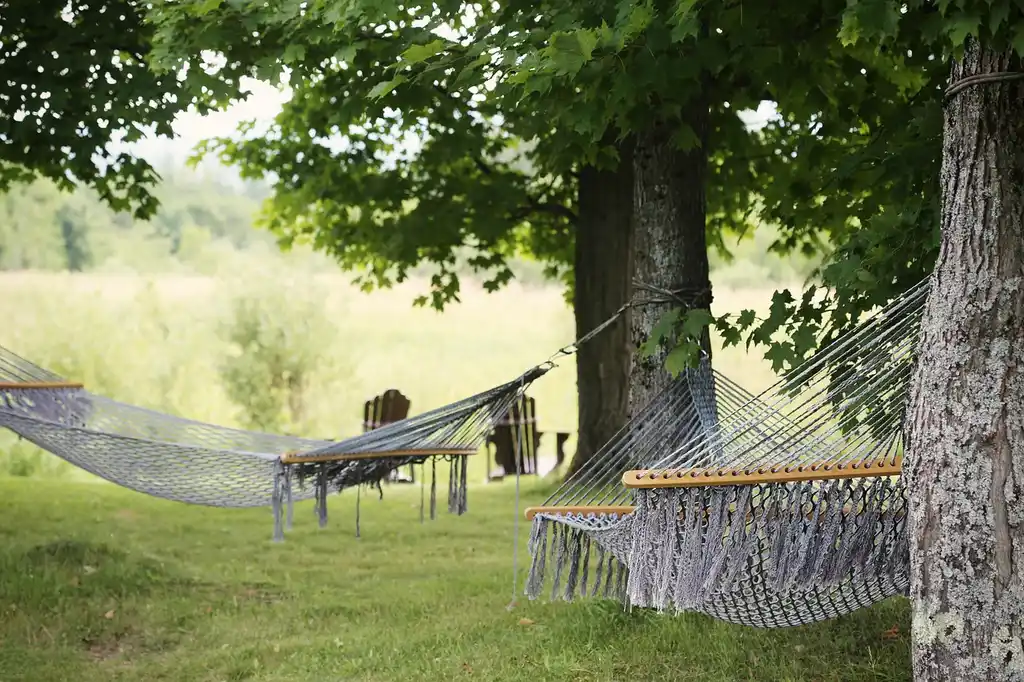
A good seating tree puts shade where people sit. It should keep benches cooler in afternoon sun, allow airflow, avoid surface-root damage, and leave clear sightlines for access and safety. In public gardens, the best tree is the one that keeps people comfortable without constant cleanup or repair work.
Shade density and comfort
Not all shade is the same. Shade can be light shade, partial shade, or dappled shade, and each one changes how long visitors stay in a space. Partial shade means plants get sun for some of the day. Dappled shade is blotchy shade under overhead foliage.
Dense shade can feel cool at noon, then gloomy later if the canopy closes too much. Light shade suits active seating where people come and go. Dappled shade can work well for longer visits because it cuts glare while still letting in some light and air movement.
Canopy shape, airflow, and sightlines
High branching matters because low, heavy canopies trap heat and block views. A broad crown with lifted limbs gives bench shade while keeping the seat zone open. That also helps understorey planting, because low light under a dense tree limits what can grow beneath it.
For botanical garden seating, the canopy should shade the sitting surface, not seal off the whole area. Airflow matters too. A tree that filters the sun but still lets breezes pass will cool a patio or bench row better than a heavy, low canopy that stops air from moving.
Why seating zones need different tree traits than borders
Border trees can take more mess, more roots, and less exact shade. Seating zones cannot. Visitors notice litter, roots, glare, and blocked paths immediately, so tree choice must account for maintenance staff time as well as comfort.
Picture a 12-foot bench under a tree that drops sticky fruit every week. The seat may stay empty even if the shade is good. In a seating zone, function comes first: shade quality, root behavior, and cleanup burden matter more than decorative effect alone.
How much shade do benches, café tables, and overflow zones need?
Benches, café tables, and overflow areas need different shade levels because people use them differently. Light shade suits short stops and high-turnover seating. Partial shade fits mixed use, where visitors want both sun and shade. Dappled shade works for longer dwell time, especially in summer, when glare and heat are stronger.
Light shade for active seating
Light shade is often a good fit where people pause briefly, wait, or pass through. It keeps the area from overheating without making it feel closed in. That works well near entry benches, ticketing areas, and informal rest spots.
Light shade also supports brighter underplanting. Pale colors show up best in shade, and variegated plants can add cream, yellow, and white splashes. Too many dark greens in shady spaces can look gloomy.
Partial shade for mixed sun and shade use
Partial shade usually means some direct sun reaches the area for part of the day. That is a strong fit for café tables and casual seating, because people often want a choice between sun and shade. It also supports a broader planting palette than deeper shade.
Use partial shade where the afternoon sun is the main comfort issue. A tree that blocks the hottest sun but lets morning light through can keep a seating zone more usable across seasons. This is often the best balance for public gardens with mixed visitor needs.
Dappled shade for longer dwell time
Dappled shade gives the most forgiving seating light when overhead foliage creates moving patches of sun and shade. It softens glare while keeping the area from feeling sealed. That makes it useful for benches near display beds, reading spots, and informal gathering areas.
Strong canopy density can still help here, but only if the crown stays lifted. If the canopy closes too much, the zone may become cool, dim, and less inviting. Botanical garden seating usually works best when the shade changes through the day rather than staying heavy and dark.
Which trees work best in dry shade under mature canopies?
Dry shade forms because tree roots take up water and canopies direct rainfall away from the planting zone. Under mature trees, the soil may stay dry and compacted, especially near trunks and hard paths. Trees for these places need tolerance for low moisture, root competition, and limited rain capture.
Why dry shade forms
Tree shade areas are often dry because roots take up water. At the same time, tree canopies can direct rainfall away from the planting zone. That combination leaves less moisture for both new plantings and nearby seating-edge groundcovers.
Before planting under a canopy, check soil moisture rather than assuming shade means damp soil. Many shaded seats sit in dry ground, not wet ground. That matters for understory planting, irrigation planning, and tree selection near benches.
When to favor drought-tolerant shade trees
Favor trees that tolerate low water once established and do not need frequent irrigation near paved seating. In public gardens, that reduces summer stress on both staff and plants. Trees with tougher leaves, deep rooting habits, and moderate litter are usually easier to manage in dry shade.
For the understory, use pale foliage, variegation, and a few flowering shade plants rather than dense dark greens alone. Bellflower is noted as a magnet for bees and other pollinators. Foxglove thrives in dappled or partial shade.
How far should shade trees sit from benches and paths?
Bench setback should account for mature spread, surface roots, and future canopy radius. A seating tree needs room for roots below and branches above, plus safe access along paths. If a tree is too close, roots can lift paving and crowd the bench zone, while low limbs can reduce sightlines and comfort.
Bench setback and root zone tolerance
Set benches outside the tree’s active root flare and give paving enough room to stay level over time. Surface root risk is highest near the trunk and along compacted edges where oxygen and water are limited. Trees with strong surface rooting are poor choices beside fixed seating or tight walkways.
Soil compaction tolerance matters as well. Seating zones receive repeated foot traffic, which can reduce infiltration and stress roots. Trees that handle compacted soils better tend to perform more reliably near public circulation routes.
Mature spread and shade radius
Canopy spread determines whether the shade actually reaches the seat. Mature width should match the target seating area, not just the bed size. If the crown is too narrow, benches stay hot; if it is too broad, the area may lose too much sky view and airflow.
A common planning approach is to place the tree so its mature crown shades the sitting surface by midday to afternoon, with enough room for branch spread beyond the bench line. Paths need clearance too, so the canopy edge should not force repeated pruning to keep traffic moving.
Deciduous or evergreen: which fits the seating zone?
Deciduous trees are usually better where seasonal sun access matters, because they shade in summer and admit winter light after leaf drop. Evergreen trees give year-round screening and wind protection, but they can hold a seating area in shade through the cold season and make it feel darker if used too heavily.
Summer shade versus winter sun access
For south-facing or open seating, deciduous trees often fit best. They cool benches in warm months, then allow more sun in winter. That seasonal pattern matters in botanical gardens where visitor use continues beyond summer.
Evergreen trees can be useful where cold wind makes outdoor seating unpleasant. They shield benches and café corners from exposed edges. Use them carefully, though, because heavy evergreen cover can reduce winter sunlight and leave nearby planting zones permanently dim.
Year-round screening and cleanup tradeoffs
Evergreens avoid leaf fall, but they still bring litter from cones, needles, or old foliage. Deciduous trees bring a stronger autumn cleanup load, yet they often create better winter seating conditions. The right choice depends on which season the garden uses the seat most.
For public gardens, maintenance intensity includes pruning frequency, litter drop, and irrigation needs. Trees with heavy fruit, sticky sap, or brittle twigs can increase daily upkeep near benches. That burden matters as much as canopy shape.
Tree selection matrix for botanical garden seating areas
This matrix turns shade choice into a seating decision. Score each candidate tree on a simple scale for canopy density, mature spread, root impact, litter, seasonal sun access, and maintenance load. Higher scores are better for seating zones, except for seasonal sun access where the best score matches the seating goal.
| Tree trait | Score 1 | Score 3 | Score 5 | Why it matters for seating |
|---|---|---|---|---|
| Canopy density | Very open | Filtered / partial | Broad, well-lifted shade | Controls bench comfort, glare, and airflow |
| Mature spread | Narrow crown | Moderate width | Wide shade radius | Determines whether benches sit in usable shade |
| Root impact | High surface-root risk | Moderate | Low conflict near paving | Affects paving, bench stability, and compaction tolerance |
| Litter load | Heavy fruit / sap / twig drop | Seasonal cleanup | Light cleanup | Sets labor needs near public seats |
| Seasonal sun access | Blocks winter sun | Mixed seasonal pattern | Admits winter light well | Important for comfort in cool months |
| Maintenance load | Frequent pruning and irrigation | Moderate care | Low care | Fits staffing and budget across seasons |
How to apply the matrix
For intimate benches, prioritize moderate canopy density, roots that are less likely to cause problems, and light litter. For café patios, favor broader crowns with good airflow and winter sun access. For event overflow zones, choose trees that shade a large footprint without constant pruning or paving repairs.
Suppose a 20-by-30-foot patio needs lunch-hour shade. A tree with a broad canopy, moderate litter, and low root conflict scores better than a dense evergreen that drops little debris but darkens the space year-round. The seating goal should guide the score, not the tree habit alone.
Which shade trees are best for low-maintenance public gardens?
Low-maintenance trees usually combine native species value, moderate litter, and predictable form. Native species often fit local habitat needs and public-garden resilience better than high-input ornamentals. Around seating, the best choices are trees that shade well, prune cleanly, and do not need frequent irrigation once established.
Native species and habitat value
Native trees can support local insects and birds while fitting regional climate patterns more reliably. That matters in botanical gardens, where ecological value should work alongside visitor comfort. A native tree that holds a clean crown and tolerates public use is often a stronger long-term choice than a flashier but harder-to-manage species.
When a garden wants pollinator activity near seating, pair the tree with pollinator-friendly underplanting. Bellflower draws bees and other pollinators, while foxglove handles dappled or partial shade. Keep these near seats only where access and safety fit the planting design.
Lower pruning and irrigation demand
Choose trees with naturally stable branching and limited storm breakage. That reduces pruning cycles and keeps the seating edge open. Trees that need frequent corrective cuts can become expensive around patios and benches, especially where staff must also manage irrigation and litter.
For long-lived public seating, the best tree is usually the one that stays in scale with the site. A smaller garden room may need one clean, broad canopy tree rather than several smaller trees that each add separate pruning and root issues.
Frequently asked questions
What are the best shade trees for a seating area in a botanical garden?
The best trees have broad, lifted canopies, low root conflict, and manageable litter. For seating, deciduous trees often suit the need for summer shade and winter sun access, while some evergreens work where screening or wind protection matters more than seasonal light. Match the tree to the seating use, not just the planting bed.
Which trees provide enough shade without making the area too dark?
Look for trees with partial shade or dappled shade rather than heavy, closed canopies. High branching and filtered crowns keep benches cooler without shutting out airflow or natural light. In seating zones, a little sun movement often feels better than deep, static shade.
What shade trees are best for dry shade under mature canopies?
Choose trees and companion plants that tolerate low moisture, because dry shade forms where roots compete and canopies block rainfall. Mature tree areas often need plants that handle dry soil, not just shade. Check soil moisture before planting, then favor drought-tolerant choices with modest irrigation needs.
How much space do shade trees need near benches and paths?
Give the tree enough room for mature spread, root development, and safe circulation. Benches should sit beyond the most active root zone, and paths need clearance from branches as the canopy expands. A seating tree should shade the area without forcing repeated pruning to keep people moving safely.
Which shade trees are low maintenance for public gardens?
Low-maintenance trees usually have light litter, steady structure, and moderate water demand after establishment. Native species often fit that profile well because they match local conditions and habitat needs. Avoid trees with sticky fruit, heavy twig drop, or aggressive surface roots near seating and paving.
Which shade trees are best for pollinators around seating areas?
Choose trees that support local habitat and pair them with nearby shade-tolerant flowers. Around seating, bellflower is noted as a magnet for bees and other pollinators, and foxglove thrives in dappled or partial shade. Keep the planting layout open enough that pollinator activity does not crowd circulation.