Best Trees for a Botanical Garden Canopy: Top Picks
For a botanical garden canopy, I’d choose a modest mix of tree species with broad crowns, dappled shade, and lower-risk options matched to soil, moisture, and climate. Skip a single dominant canopy if you want the planting to hold up over time. Bad canopy choices mean scorched understories, root conflicts, storm losses, and years of costly pruning or replacement. This guide gives a practical shortlist, compares mature size, shade behavior, site fit, and maintenance risk, and groups trees by visitor experience and planting function.
What makes a good canopy tree in a botanical garden?
A good canopy tree is an upper-story tree, usually at least 30 feet tall, that sets shade, structure, and climate for everything below it. In a public garden, I judge the best trees by mature spread as much as height, plus how they affect paths, beds, views, and upkeep.
Think like a curator, not a homeowner
A canopy tree does more than fill space. It frames rooms, cools visitor routes, and changes which understory plants will survive. Species with broad crowns and moderate litter can work well near lawns and education spaces. Species with heavy drop, weak wood, or wandering roots usually create more labor than value.
Why mature spread matters as much as height
Height tells only part of the story. A tree may grow tall yet cast a narrow footprint, while another with a wide crown can cover benches, signage, and specimen beds faster. Mature spread determines light loss, path clearance, and how far roots and shade reach into the collection.
How canopy shade changes understory planning
As saplings close in, shade shifts from patchy to deep. That change matters for fern beds, woodland perennials, and labeled collections under the trees. I pick understory plants for the future shade footprint, not the bright conditions they see at planting.
According to trees.com — Trees.com lists shade trees in USDA zones 2 through 11.
How do you choose canopy trees for your site?
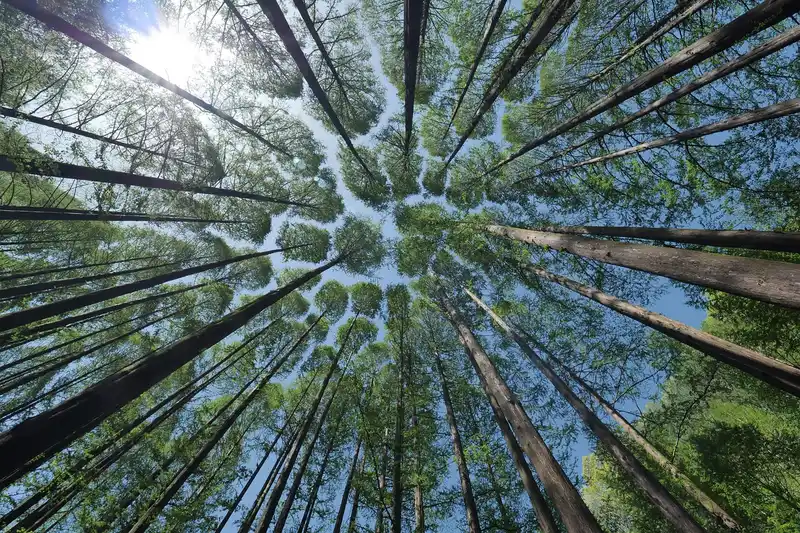
Start with climate, then moisture, then space. Match the USDA hardiness zone first, then sort by drainage, sun, and the room available for roots and crown. Sun exposure, drainage, and clearance for paths, beds, and sightlines decide whether a tree becomes a feature or a problem.
Match USDA hardiness zone first
Use zone compatibility to narrow the list before looking at form or color. Trees.com lists shade trees in USDA zones 2 through 11, which shows how broad the range can be. Black tupelo is adapted to zones 4 to 9, so it fits many temperate gardens with less risk than a marginal choice.
Check sun, soil moisture, and drainage
Most canopy trees want full sun when young, though some tolerate part shade. Soil drainage matters because the same species can succeed in loam and fail in waterlogged clay. Some trees tolerate wet ground. Others do best in well-draining soil, sandy soil, or acidic sites.
Measure clearance for paths, beds, and views
Before planting, measure the open ground available at maturity, not at nursery size. Leave room for trunks, root flare, and crown spread. A tree beside a path needs more clearance than a tree in an open lawn. A specimen near a view corridor should not block the sightline once mature.
- Confirm USDA zone fit.
- Check sun exposure and seasonal shade pattern.
- Test drainage and note wet or dry pockets.
- Measure mature height and spread against nearby paths, beds, and structures.
- Decide whether the tree is for shade, habitat, structure, or display.
Best canopy trees by function
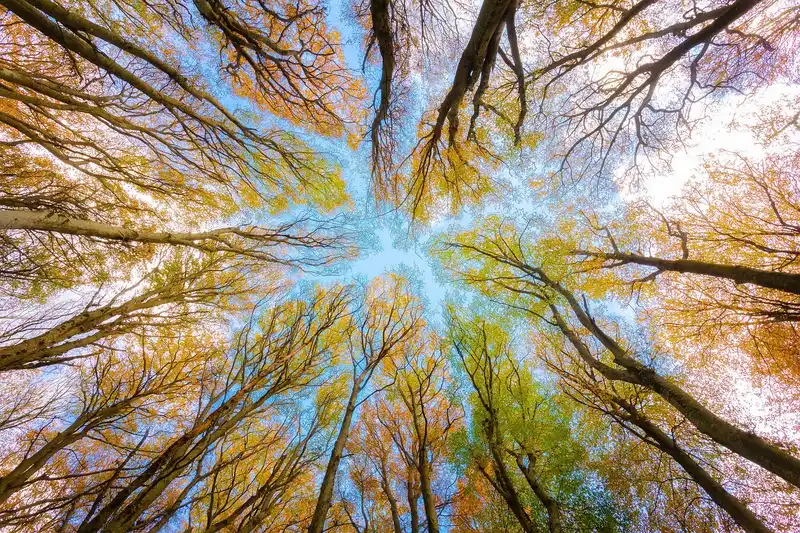
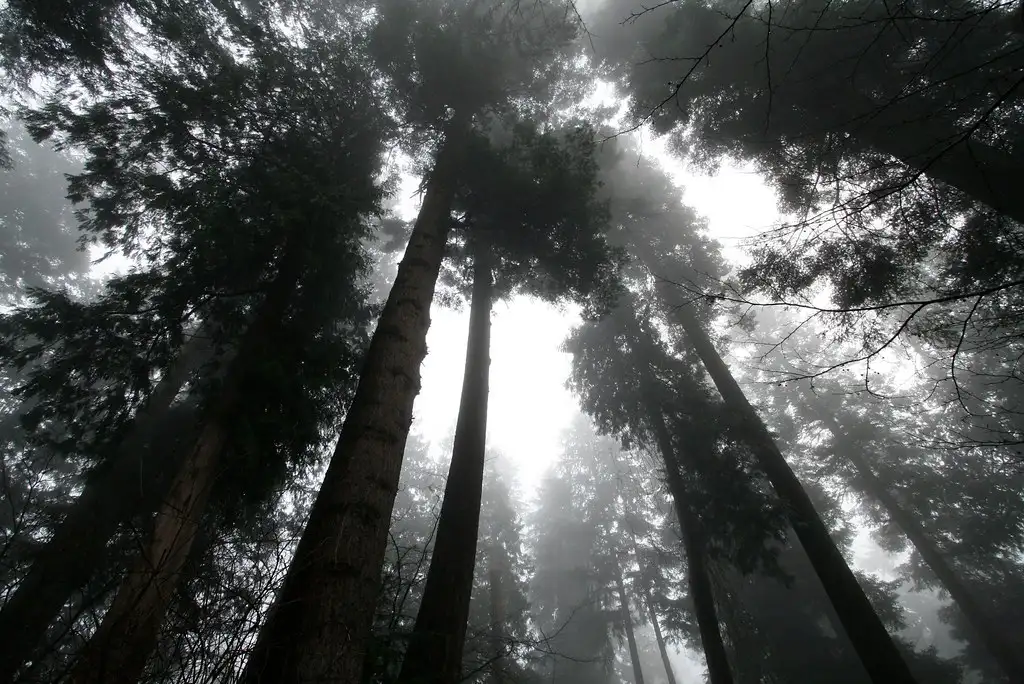
The best canopy tree depends on the job. Some species give quick shade. Others are better in wet ground, dry exposure, or wildlife-focused collections. In a botanical garden, function should lead the selection, because the upper story sets the conditions for the rest of the planting.
Fast-growing trees for quicker shade
American sycamore can build a large canopy quickly and reach a 100-foot spread, which makes it useful for big open areas where early shade matters. American elm also grows broadly, reaching 80 feet tall and 60 feet wide. Fast growth helps, but it often comes with more pruning, more litter, or weaker wood.
Trees for wet soils and low spots
For low ground that stays moist, black tupelo is a strong candidate because it handles flooding as well as drought. That kind of tolerance is useful near pond margins, rain gardens, or drainage swales. Willows and sycamores can also suit wetter zones, but they need room and careful placement.
Trees for dry sites and heat
Dry, hot exposure narrows the field. Black tupelo again stands out for its broad stress tolerance. Oaks and some maples can also work when the soil drains well and the root zone is not compacted. In dry settings, the real test is not survival alone, but how much irrigation the tree needs after establishment.
Trees with strong wildlife value
Native oaks, maples, elms, beeches, and tupelos support birds, insects, and other wildlife in different ways. The best wildlife trees also feed the collection mission. A garden that mixes canopy food plants with labeled understory beds gets both habitat value and interpretation value.
Which canopy trees work best in large botanical garden spaces?
Large garden spaces can hold broad-crowned species that would overwhelm smaller sites. These trees work best where visitors can move around them, view them from a distance, and experience the full crown shape without crowding nearby beds, paths, or built features.
Large shade trees that hold a broad crown
American ash can reach up to 120 feet tall and spread 50 to 75 feet. American beech can reach up to 80 feet tall and spreads to 40 feet wide. Basswood reaches up to 80 feet tall. Those numbers matter because they define the floor plan of the canopy room.
Species that fit lawns, courts, and open collections
American elm suits open courts where its broad canopy can read clearly from all sides. American sycamore fits lawns and water edges where its trunk and crown can be appreciated at scale. Beech works well where a dense, stately form is wanted and the site can accept slower canopy development.
Trees that need extra room at maturity
A tree with a wide mature spread needs more than a wide planting hole. It needs crown clearance, root buffer, and breathing room from hardscape. American sycamore, with its 100-foot spread, belongs in places where a very large crown will not trap circulation or crowd adjacent collections.
Use the canopy tree matrix to compare candidates
This matrix is a curator’s quick filter. It compares mature height, mature spread, root behavior, shade density, maintenance risk, native value, and the best-use setting. The scores are practical ratings for garden planning, not absolute biology.
| Tree | Mature height | Mature spread | Root behavior | Shade density | Maintenance risk | Native value | Best-use setting |
|---|---|---|---|---|---|---|---|
| American sycamore | Very tall | Very wide | Aggressive | Deep | Moderate | High | Large lawns, wet margins, open courts |
| American elm | Very tall | Wide | Moderate | Deep | Moderate | High | Grand promenades, open collections |
| American beech | Tall | Moderate | Moderate | Dense | Low to moderate | High | Woodland rooms, specimen groves |
| Basswood | Tall | Broad | Moderate | Dense | Moderate | High | Pollinator zones, formal shade groves |
| Black tupelo | Medium-tall | Moderate | Moderate | Medium | Low | High | Mixed borders, wet to dry transitions |
| Willow | Tall | Broad | Aggressive | Light to medium | High | Moderate | Wet sites, water edges, large buffers |
How to read mature height and mature spread
Use height to judge skyline impact and spread to judge ground coverage. In a garden, spread usually matters more because it controls shade reach, path adjacency, and how much room the tree needs to read as healthy rather than cramped.
How to score root behavior and maintenance risk
Strong, far-ranging roots can be useful in the right place and a headache near paving. High maintenance risk usually means brittle wood, heavy litter, or repeated pruning. Trees with aggressive roots or storm-prone limbs should stay away from narrow circulation zones and close hardscape.
How to weigh native value and best-use setting
Native value matters because native canopy trees usually carry better wildlife function and better regional fit. Best-use setting turns that value into design logic. A native tree can still be the wrong choice if it drops messy fruit over a café patio or blocks a planted view.
Which trees are native and wildlife-friendly?
Native canopy trees matter because they usually support local insects, birds, and food webs more directly than many exotics. In a public collection, the best strategy is not all native or all exotic, but a mix that serves habitat, education, and horticultural range.
Why native canopy trees matter in a public collection
Native trees often fit local soils and climate patterns better, which lowers failure risk. They also give visitors a clear story about regional ecology. In a botanical garden, that story is strongest when canopy trees are paired with shrubs and understory plants from the same region.
Balancing native, exotic, and rare specimens
A canopy plan works best when it includes dependable native anchors, a few exotic specimens for comparison, and rare trees placed where their needs can be met. That mix keeps the upper layer interesting without turning the whole garden into a maintenance burden.
Species choices that support birds and insects
Oak, maple, elm, beech, basswood, and tupelo are all useful canopy groups to study for wildlife value. Their flowers, seeds, leaves, and bark support different species through the season. In public gardens, that support should be balanced against litter, root spread, and visitor traffic.
What problems should you avoid with canopy trees?
The main failures are structural, not cosmetic. Brittle limbs, invasive roots, messy drop, and disease-prone species can turn a canopy tree into a liability. In public gardens, the wrong tree can also outgrow circulation space and force repeated pruning that damages form.
Brittle limbs and storm risk
Some large trees look impressive until wind loads hit them. Limbs that split easily or shed large branches are poor choices near paths, seats, and crowded beds. A tree with a strong crown and predictable structure is easier to place in public space.
Invasive or aggressive roots near hardscape
Roots that lift paving, crowd drains, or invade walls can create expensive repairs. This is where site function matters most. A tree that tolerates wet ground is not a good choice beside a terrace if its roots are likely to seek water under the slab.
Messy fruit, seed, or twig drop
Heavy drop can be fine in a woodland room and annoying on a main walk. Sycamore, willow, and other coarse-drop trees may fit large lawns but not busy event spaces. In public gardens, litter should be judged by cleaning cost as well as appearance.
Disease-prone species in public gardens
Some canopy trees are historically valuable but chemically and culturally demanding. Disease pressure, pest pressure, and pruning load can change whether a tree belongs in a collection or a headache list. The curator’s job is to place risk where it can be absorbed, not spread.
Frequently asked questions
What are the best trees for a botanical garden canopy?
The best canopy trees combine broad mature spread, reliable structure, and a fit with the site’s soil and moisture. American elm, American sycamore, American beech, basswood, and black tupelo are all strong candidates when matched to space and maintenance capacity. The best choice depends on the garden’s mission.
Which canopy trees grow tall enough to shade a botanical garden?
Any true canopy tree can shade a botanical garden once mature, because canopy trees are usually at least 30 feet tall. For larger shade blocks, American ash can reach up to 120 feet tall, while American beech and American elm can reach up to 80 feet tall.
What trees work best in large botanical garden spaces?
Large spaces can handle trees with broad crowns and heavy shade impact. American sycamore, American ash, American elm, and basswood work well where there is room for their mature spread and root zone. These trees fit lawns, courts, and open collections better than tight circulation areas.
Which canopy trees are native and wildlife-friendly?
Native canopy trees often give the best wildlife value in a public garden. Oaks, maples, elms, beeches, basswood, and black tupelo all have strong habitat value when used in the right region. They support insects, birds, and seasonal food webs while also giving the garden a clear ecological story.
How do I choose a canopy tree for my USDA zone?
Start by narrowing the list to species known to perform in your USDA hardiness zone. Then check sun, drainage, and mature size. Black tupelo is adapted to zones 4 to 9, and shade trees are listed across USDA zones 2 through 11, so climate matching is wide but still essential.
How much space does a canopy tree need at maturity?
Space needs depend on mature spread, not just height. A tree like American elm, which can grow 60 feet wide, needs room for crown width, root expansion, and safe clearance from paths and beds. Measure the full mature footprint before planting, then add buffer for circulation and maintenance access.
Which canopy trees grow fast for a botanical garden?
Fast-growing canopy trees can give shade sooner, but they often ask for more pruning or accept a shorter useful life. American sycamore is a common choice for quick structure in large open sites. Willow can also fill space rapidly in wet ground, though it brings more maintenance risk.
What trees create deep shade without failing in tough soils?
Black tupelo is a strong choice when the site swings between wet and dry stress, because it resists drought, heat, flooding, and pollution. American beech and basswood also create solid shade where soils are suitable. The key is matching the species to drainage and soil texture first.