Why Plants Need Oxygen Too
Plants need oxygen for respiration, the process that turns stored sugars into usable energy; roots especially depend on oxygen from air spaces in soil, and saturated soil can shut that supply down within a relatively short time. Without enough oxygen, roots weaken, growth stalls, and overwatered plants can yellow, wilt, and rot. This guide explains why plants need oxygen, how that fits with photosynthesis, and why wet or compacted soil causes trouble indoors.
Why plants need oxygen
Plants need oxygen because they respire continuously, including in darkness. Cellular respiration uses oxygen to break down stored sugars and release energy for growth, repair, nutrient movement, and basic maintenance in roots, stems, and leaves.
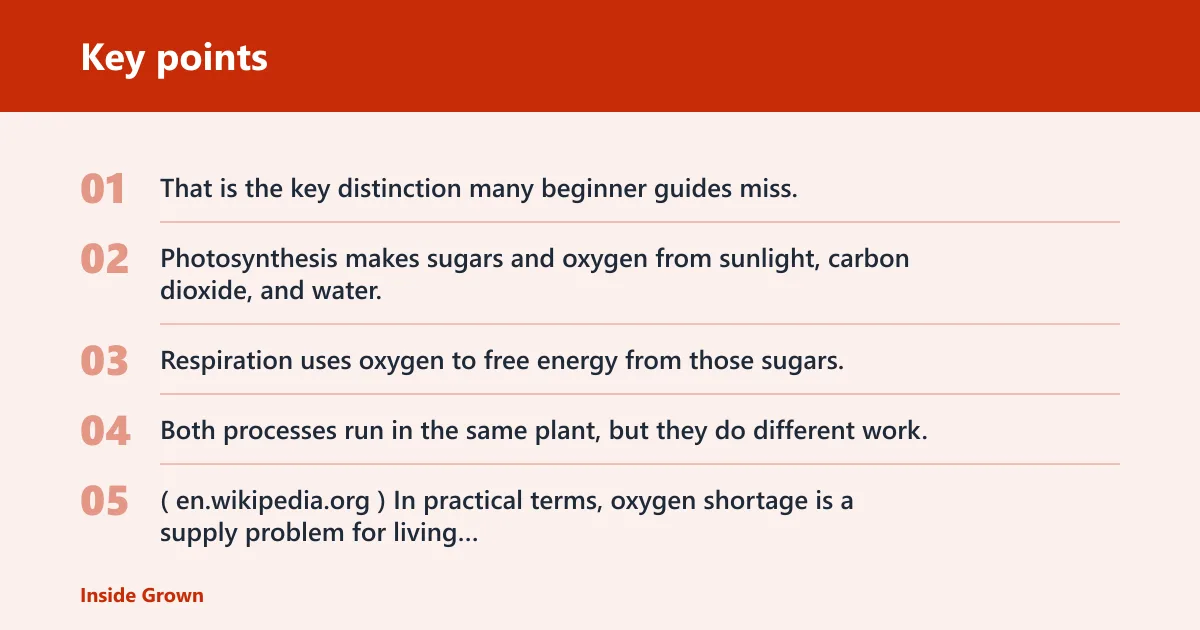
That is the key distinction many beginner guides miss. Photosynthesis makes sugars and oxygen from sunlight, carbon dioxide, and water. Respiration uses oxygen to free energy from those sugars. Both processes run in the same plant, but they do different work. (Wikipedia)
In practical terms, oxygen shortage is a supply problem for living tissue. The plant may still have water, light, and fertilizer, yet slow down because its cells cannot make enough usable energy.
Why this happens all day and night
Respiration continues when there is no sunlight. Leaves keep exchanging gases during the day, and roots keep respiring in the dark as well. Light drives photosynthesis, but oxygen use does not stop at sunset.
That is why a plant can be both a source of oxygen and a user of oxygen. The direction of gas flow changes with time, tissue type, and light level. The plant is not either breathing or photosynthesizing; it is doing both, in different ways.
What oxygen does for growth
Oxygen supports the metabolism that powers new cells. When roots, stems, or leaves cannot respire well, growth slows first. New leaves may stay small, stems may stretch weakly, and roots may stop exploring fresh potting mix.
Suppose a pothos sits in a pot with a tight, soggy mix after repeated watering. The leaves may droop and look thirsty, yet the real issue is that the roots cannot get enough air. More water makes that worse, not better.
Do plants need oxygen to grow?
Yes. Plants need oxygen to grow because growth depends on energy, and oxygen is part of respiration. If oxygen supply drops, the plant still has cells, but those cells cannot keep up with the demand needed for new shoots, roots, and leaves.
Roots are usually the first bottleneck. Aboveground tissue can look fine for a while, but the root zone is where oxygen shortage starts when soil stays wet, dense, or packed down. Growth loss often shows up there before it shows up in the canopy.
Low oxygen can also look like ordinary watering trouble. Wilt, yellowing, and slow recovery after watering can mean roots are stressed, not dry. That is why overwatered plants sometimes appear both limp and heavy with moisture.
Roots are usually the first bottleneck
Roots need oxygen because they are living tissue with active metabolism in soil. Oxygen in the pore space between particles supports root function. When that pore space fills with water, oxygen diffusion slows sharply and roots struggle.
Think of a small pot filled with fine, dense mix. Even if the surface looks dry, the lower half can stay wet and air-poor. In that case, the problem is not simply how much water you add; it is how long the root zone stays oxygen-poor.
How plants take in and move gases
Plants respire through stomata and lenticels. Stomata are tiny leaf openings for gas exchange, and they often sit on the underside of leaves. Lenticels are gas-exchange openings in stems and bark that help non-leaf tissues exchange gases.
Roots also exchange gases in soil. They do not have stomata, so they depend on air spaces around the root system. If soil stays saturated or compacted, the roots lose access to oxygen even when the top of the pot looks normal.
Stomata and leaf gas exchange
Stomata let oxygen out and carbon dioxide in. That exchange supports both respiration and photosynthesis, depending on the time of day and the plant’s needs. Many leaves have more stomata on the underside, which helps limit water loss while gas exchange continues.
Lenticels in stems and bark
Lenticels handle gas exchange in woody stems and bark. They matter because stems are living tissue too. Even when a plant is not leafy all year, those tissues still need oxygen for respiration.
How roots exchange gases in soil
Roots rely on oxygen moving through the pore spaces in soil or potting mix. Well-drained media leave enough air between particles. Dense, compressed, or waterlogged media leave less air, which makes root respiration harder.
Why wet soil can starve roots
Wet soil can starve roots of oxygen because water fills the spaces where air should be. Roots need oxygen for respiration, and low-oxygen soils can stress them fast. This is why repeated overwatering, poor drainage, and compacted mix create the same basic problem.
Compaction makes the issue worse. Pressed-down potting mix has fewer open pores, so oxygen reaches roots more slowly. A pot without clear drainage holes can trap excess water at the bottom and leave roots sitting in air-poor conditions.
Early signs of root oxygen stress
Early signs often include yellowing after overwatering, limp foliage in compacted soil, and slow growth in dense potting mix. You may also see a plant that does not recover between waterings because the roots cannot function well enough to support the top growth.
A common first-timer mistake is to treat that wilt as a thirst signal and water again. If the root zone is already low in oxygen, another drink can push the plant closer to rot.
Do plants give off oxygen?
Yes, plants give off oxygen during photosynthesis. In daylight, photosynthesis makes sugars and oxygen from sunlight, carbon dioxide, and water. At the same time, respiration continues and uses oxygen. The net gas balance changes through the day.
That is why “plants give oxygen” is true in one sense but incomplete. They do release oxygen, but they also use oxygen constantly. The amount moving in or out depends on light, tissue type, and the plant’s metabolic state.
Why the net result changes through the day
In bright light, photosynthesis can outpace respiration, so the plant gives off oxygen overall. In darkness, photosynthesis stops, but respiration keeps going, so the plant still uses oxygen. The daily pattern is a balance, not a single fixed answer.
The truth about night oxygen plants
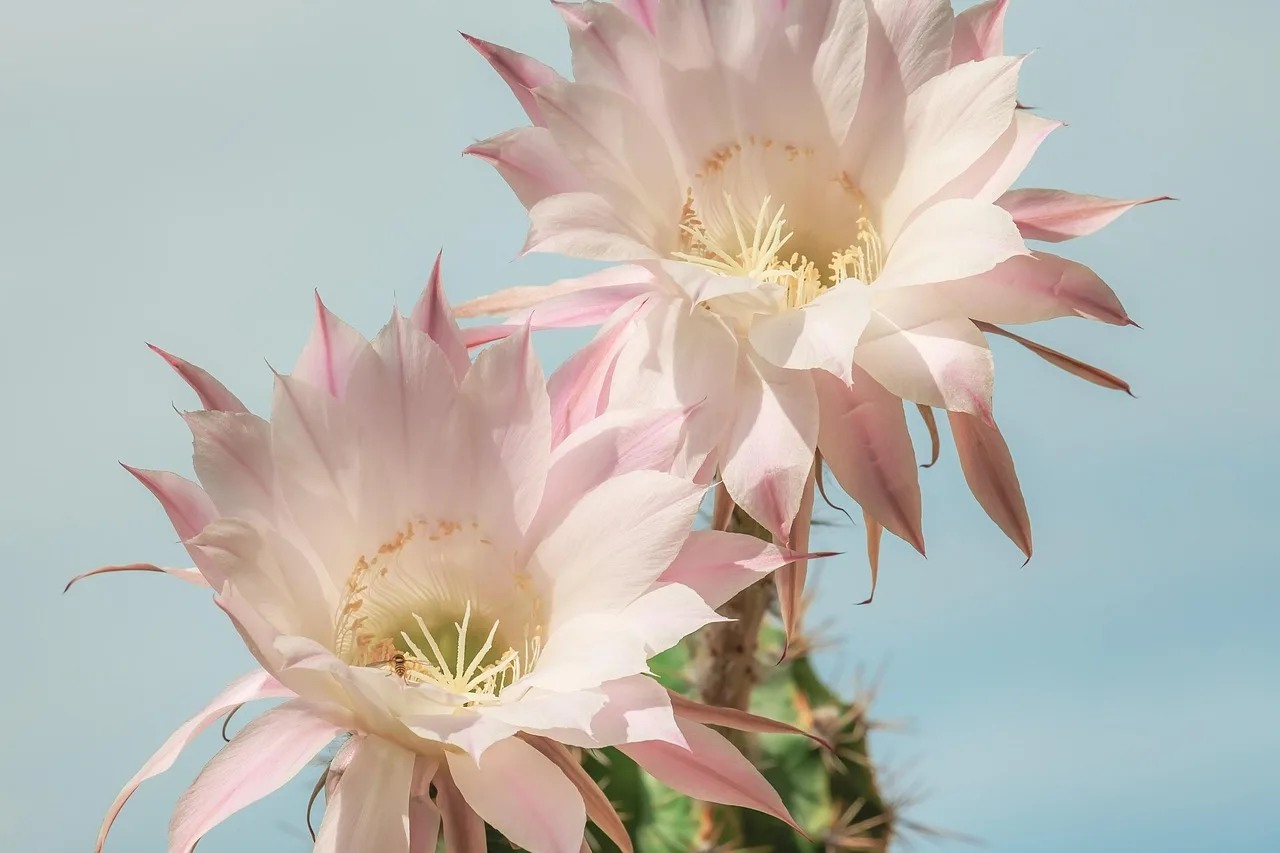
Some plants do shift gas exchange after dark, especially CAM plants. Snake plant and aloe vera are the common examples people hear about. The important correction is that night oxygen claims are limited because the amount is small, and these plants do not replace ventilation in a sealed room.
CAM photosynthesis opens stomata at night instead of during the hottest part of the day. That helps reduce water loss. It does mean nocturnal gas exchange is real, but it does not turn a houseplant into a room oxygen system.
Snake plant and aloe vera as examples
Snake plant, or Sansevieria trifasciata, is often promoted as a bedroom plant that releases oxygen at night. Aloe vera is a genuine CAM species and stores water in thick, fleshy leaves. Both are useful examples of the mechanism, not proof of major indoor oxygen output.
Peace lily is also often listed in indoor air discussions. It is a low- to medium-light plant, but it should not be treated as a special oxygen source. The same limits apply: a houseplant may help air quality at the margins, but a lot are needed for major impact.
Plants cannot replace ventilation in a sealed room. They also cannot replace medical oxygen. Indoor plants can improve air quality, but the effect is small compared with opening windows, using mechanical ventilation, or addressing the actual source of stale air.
Is it oxygen stress?
This table helps separate oxygen shortage from watering mistakes, light issues, and a few common look-alikes. Start with the root zone first. In many indoor cases, the problem is airless soil rather than a lack of light or fertilizer.
| Symptom | Likely cause | What to check first |
|---|---|---|
| Yellowing after overwatering | Low oxygen around roots, early root stress | Drainage holes, soggy bottom layer, sour smell from mix |
| Limp foliage in compacted soil | Poor air movement in dense root zone | Whether the mix feels packed and slow to dry |
| Slow growth in dense potting mix | Roots cannot respire well enough to support new growth | Whether the potting mix is fine-textured and holds water too long |
| Wilting soon after watering | Roots are stressed, not thirsty | How long the soil stays wet after a drink |
| Leaves drop while soil feels wet | Root function is impaired by low oxygen or rot | Root color, firmness, and pot drainage |
| Plant looks tired at night but fine in daylight | Gas exchange shifts after dark, which is normal | Whether the species is a CAM plant such as snake plant or aloe vera |
| Brown tips plus soggy mix | Root stress with poor drainage | Watering frequency and whether excess water drains quickly |
| Top growth stalls after repotting into heavy mix | New medium is too dense for good root aeration | Texture of the new mix and whether it was pressed down hard |
Why plants oxygen too checklist
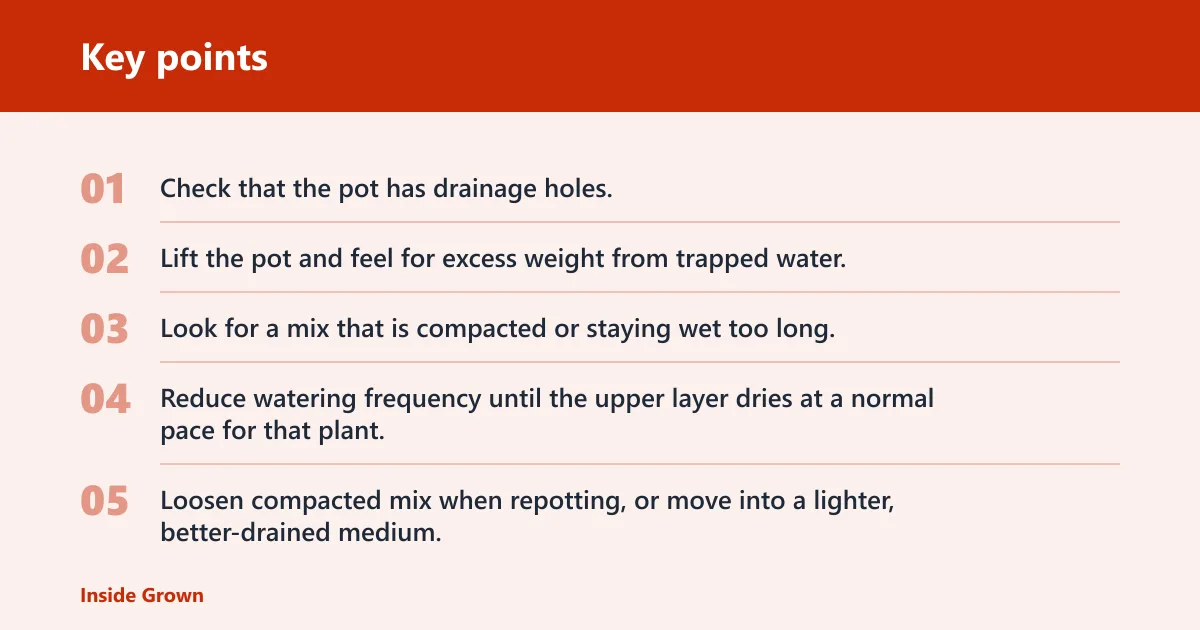
If the plant points to oxygen stress, start with the root zone before changing light or fertilizer. These steps are the fastest way to restore air spaces around the roots.
- Check that the pot has drainage holes.
- Lift the pot and feel for excess weight from trapped water.
- Look for a mix that is compacted or staying wet too long.
- Reduce watering frequency until the upper layer dries at a normal pace for that plant.
- Loosen compacted mix when repotting, or move into a lighter, better-drained medium.
- Inspect roots for rot: mushy texture, dark color, or a sour smell are warning signs.
- Trim clearly rotten roots before repotting into fresh mix.
- Raise the pot slightly so excess water can drain freely and air can move under it.
When to suspect something else
If the plant is in bright direct sun and the leaves are bleached or crispy, light stress may be the main issue. If you see pests, webbing, sticky residue, or spotted leaves, look there too. Oxygen stress is common, but it is not the only problem that can mimic wilt.
Frequently asked questions
Do plants need oxygen?
Yes. Plants need oxygen for respiration, which breaks down stored sugars and releases energy. That process runs in roots, stems, and leaves all the time, including at night. Photosynthesis makes oxygen in daylight, but respiration keeps using oxygen even when the sun is down.
Why do plants produce oxygen?
Plants produce oxygen during photosynthesis. Sunlight, carbon dioxide, and water are used to make sugars, and oxygen is released as part of that process. The oxygen is not the plant’s main goal. It is a byproduct of making food from light.
Why do plant roots need oxygen?
Roots need oxygen because they are living tissue that respires. Oxygen supports root metabolism in soil, where energy is needed for nutrient uptake and maintenance. When soil is waterlogged or tightly packed, oxygen supply drops and roots can stress quickly.
Can plants survive without oxygen?
No plant can function without oxygen for long, because respiration depends on it. A plant may endure short periods of low oxygen, but prolonged shortage damages roots and slows growth. Saturated soil can create that problem fast, especially in pots with poor drainage.
Do plants give off oxygen: yes, plants give off oxygen?
Yes, plants give off oxygen during photosynthesis, mainly in daylight. They also use oxygen for respiration at the same time. The net result changes through the day, so the answer is true but incomplete unless you separate photosynthesis from respiration.