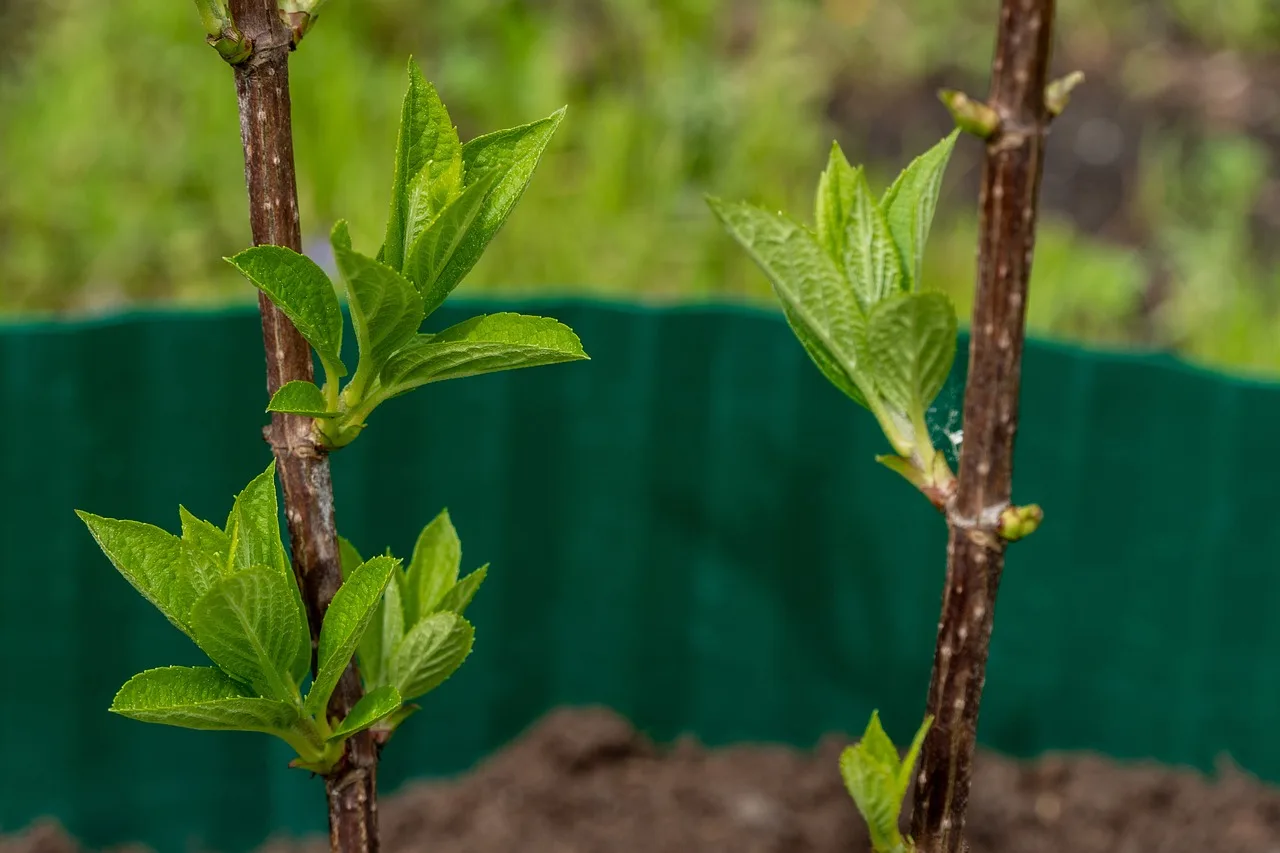
Why Some Plants Have Woody Stems and Others Do Not
Plants make woody stems when they build lignified secondary growth. That thickens stems, hardens them, and can support greater height, longer life, and better resistance to damage; plants that do not develop this remain herbaceous and softer. Mistaking one type for the other can lead to poor pruning, bad winter care, or the wrong plant choices for a site. This guide explains why the two stem types exist and gives quick clues for telling them apart in the field.
Woody stems vs soft stems
Woody stems contain lignified supportive tissue, while herbaceous stems stay soft and flexible because they lack much secondary growth. The difference is not only texture. It is about how the stem is built, how long it lasts, and whether it keeps thickening year after year.
What counts as woody tissue
In woody stems, lignin strengthens cell walls and helps the stem stand upright without collapsing under its own weight. That stiffness lets trees and shrubs build taller, longer-lived stems. The wood is not the same as bark, and it is not the same as transport tissue alone.
What makes a stem herbaceous
Herbaceous stems are usually green, soft, and easy to bend. They often lack strong secondary growth, so they do not keep adding much girth. Many annual plants and many perennials have this type of stem, and many of them die back aboveground after the growing season.
Where lignin fits
Lignin is the material that gives cell walls extra rigidity. It does not move water by itself. Instead, it works with stem structure so the plant can resist bending, hold leaves higher in the light, and keep outer tissues from collapsing as the plant ages.
How stems become woody
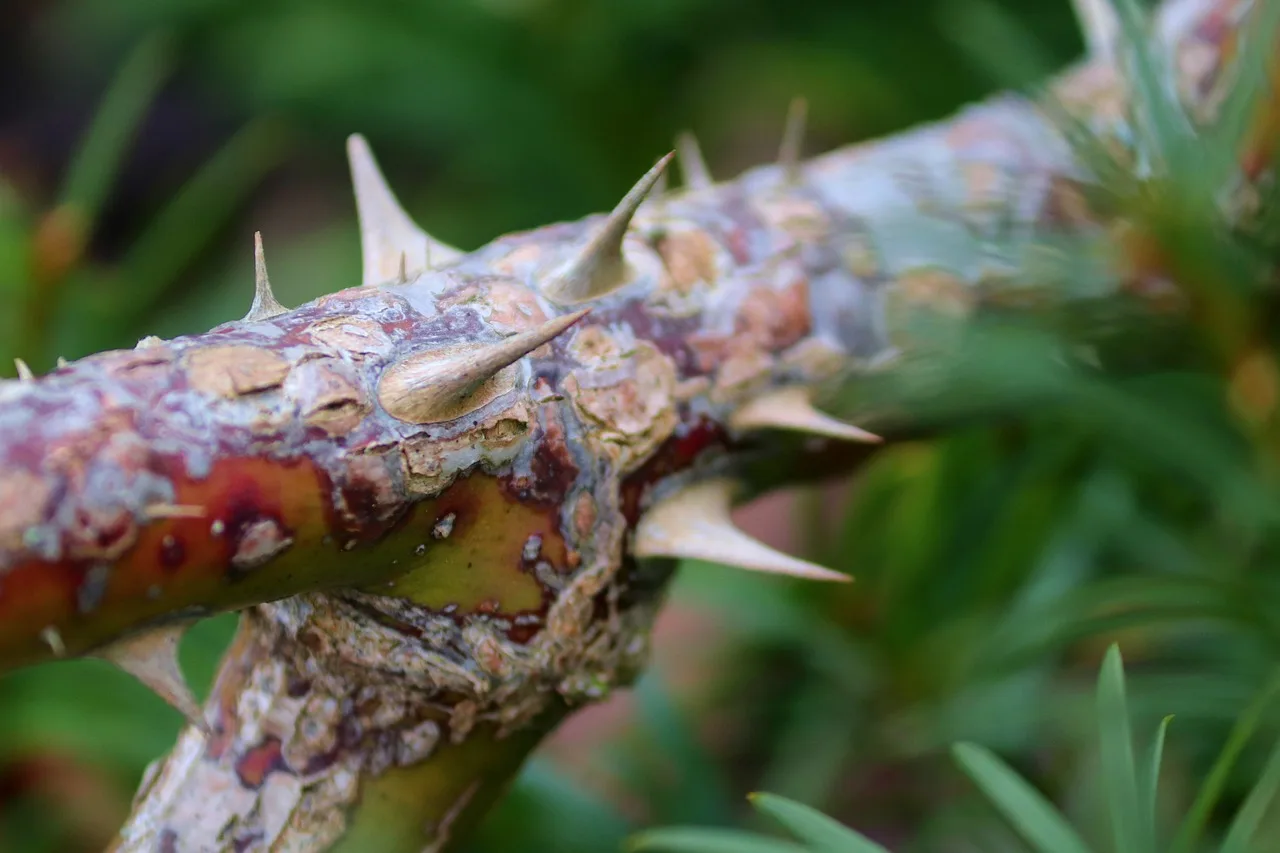
Stems become woody through secondary growth, which makes them thicker instead of only taller. That thickening comes from meristematic tissues that keep adding new layers inward and outward. In woody plants, this process is what turns a small green stem into a harder, wider stem over time.
Vascular cambium and thickening
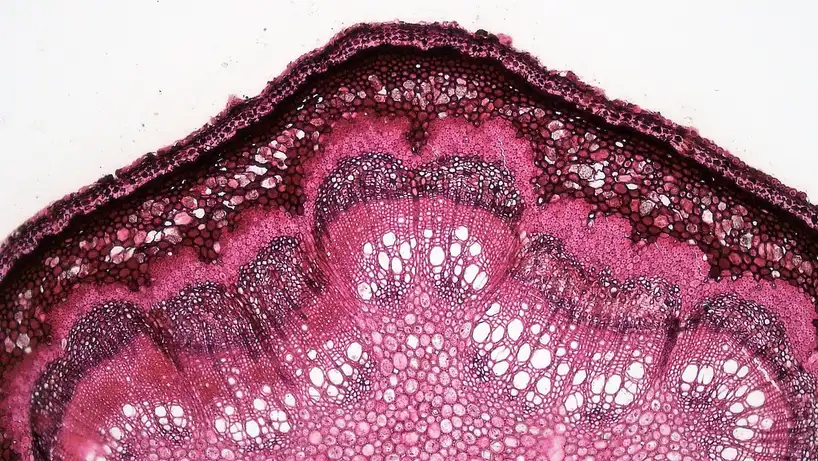
The vascular cambium is the meristem that adds xylem inward and phloem outward. Xylem forms much of the wood and moves water and minerals. Phloem sits outside the xylem and moves sugars and other assimilates. Together they are part of vascular tissue, but they do different jobs.
How bark fits
Bark is the protective outer covering of woody stems. It includes tissues outside the vascular cambium and helps shield inner tissues from damage, drying, and pests. Bark protects the stem; it does not replace the wood inside it.
Secondary growth also happens in roots, where it helps make support tissues thicker belowground. In many dicots and gymnosperms, this process is standard. Some monocots, like palms and bamboo, do not have true secondary growth, which is one reason their stems do not thicken like a tree trunk does.
Why some plants stay herbaceous
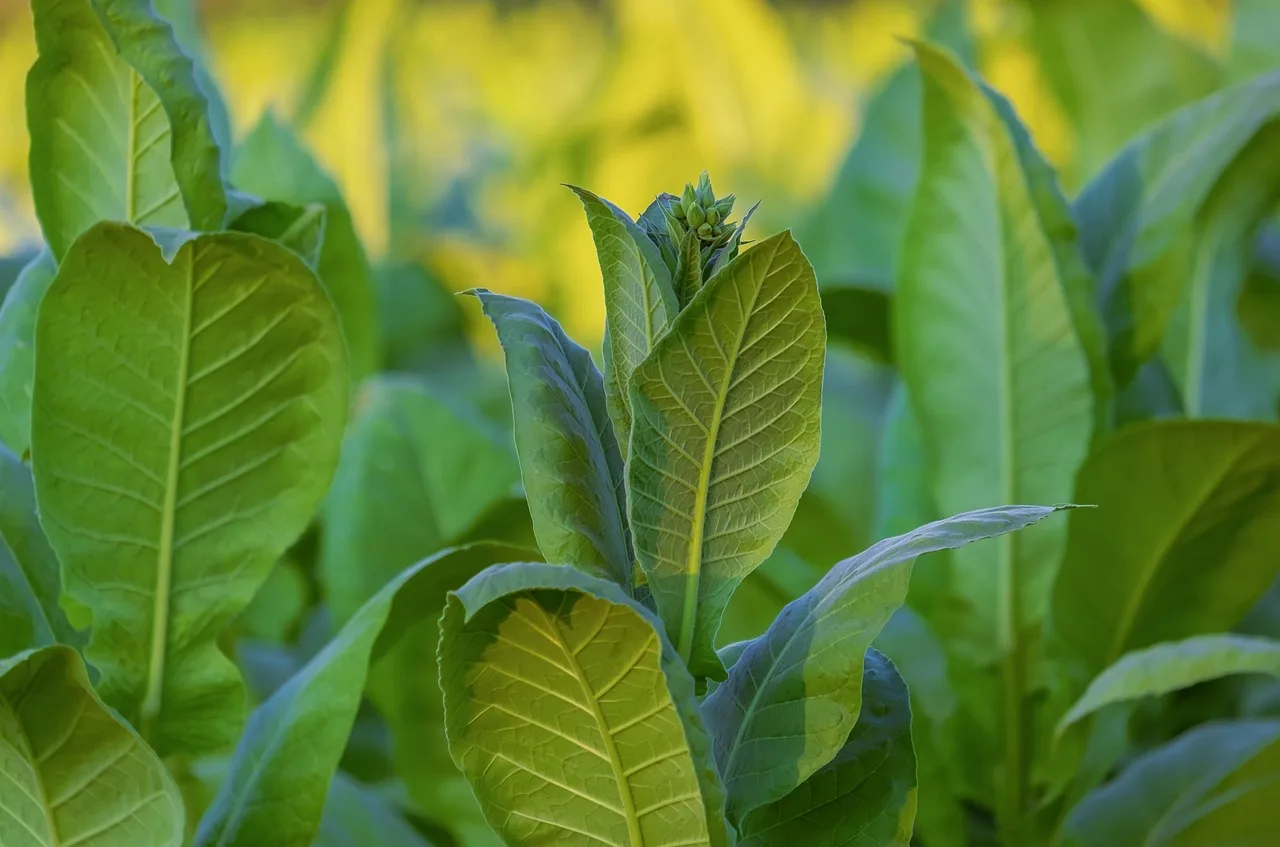
Some plants stay soft because their strategy is fast growth, quick reproduction, and less long-term investment in thick support tissue. That tradeoff works well when a plant can finish its life cycle quickly or spread by other means. It does not suit every habitat.
Fast growth versus long-term support
Making wood takes resources. A plant that puts more energy into leaf production, flowering, or rapid stem extension may grow faster in the short term, but it gives up some structural strength and long-term persistence. Herbaceous growth can fit open spaces, disturbed soil, or short growing seasons.
Annuals and many perennials
An annual plant completes its life cycle in one season and often has herbaceous stems. It usually does not form much wood because there is less payoff in building a long-lived trunk. Many herbaceous perennials also die back aboveground and regrow from roots, crowns, bulbs, or other storage tissues.
Why grasses are different
Grasses can grow tall without forming true wood because they rely on a different stem plan. Their stems are built to stay flexible and fast-growing rather than thick and woody. That is why a field of grass can stand up in mass without each stem acting like a trunk.
Picture a tomato plant in midsummer after a week of rain. The stem may reach several feet tall, yet it still bends easily and stays green. That plant is tall, but it is still herbaceous because height alone does not make a stem woody.
Why woody stems pay off
Woody stems pay off when a plant needs height, longevity, or repeated exposure to wind, cold, and browsing. They let stems support more leaves and branches for longer periods, and they help plants overwinter aboveground instead of rebuilding the whole framework each year.
Height and support
A tree usually has a single, tall stem called a trunk. The trunk supports many branches and leaves, and tree trunks contain woody tissue for strength. That structure lets the plant lift its canopy high enough to capture more light than a low herbaceous stem usually can.
Longevity and overwintering
Woody stems often survive from one year to the next with the same framework in place. That matters in cold climates, where a stem that stays aboveground through winter can resume growth faster in spring. Herbaceous plants often handle winter by dying back aboveground and restarting from protected buds or underground parts.
Damage resistance and pruning response
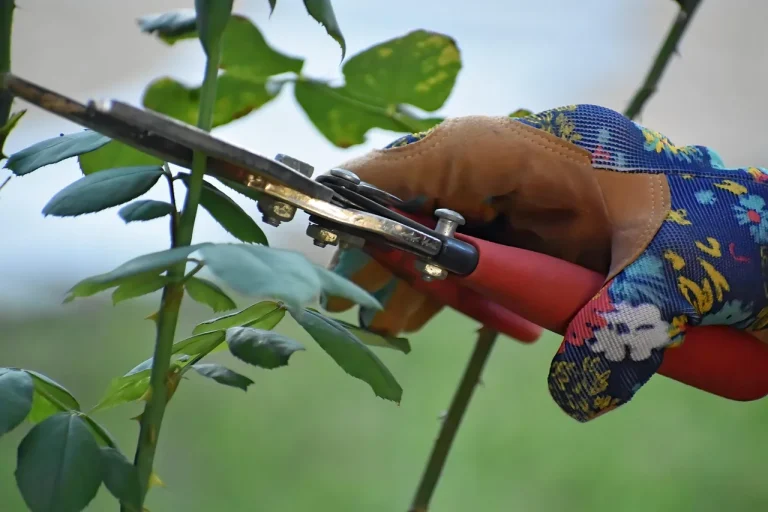
Wood and bark can improve resistance to bending and minor damage, though not every woody plant supports itself the same way. Some shrubs are multi-stemmed rather than trunked, but they still undergo secondary growth. Pruning response also differs: woody plants may branch from dormant buds, while herbaceous plants often respond with softer new shoots from lower nodes.
Woody stem comparison table
This table compares the main stem types gardeners are likely to meet. It separates support from transport, because the two are related but not the same thing.
| Feature | Woody stem | Herbaceous stem | In-between stems |
|---|---|---|---|
| Support | Strong support from lignified tissue and secondary growth | Soft support, usually flexible and less rigid | Some stiffness at the base, softer new growth above |
| Lifespan | Often long-lived; stem framework persists for years | Often short-lived aboveground; many die back after one season | May persist for several years, but only partly woody |
| Overwintering | Commonly keeps aboveground framework through winter | Often dies back aboveground and regrows from protected tissues | May keep a woody base and lose soft top growth |
| Pruning response | Often resprouts from dormant buds on older wood | Usually responds with new soft shoots from active growing points | Can resprout from woody lower stems and soft upper stems |
| Water transport | Xylem moves water and minerals; phloem moves sugars outside the xylem | Also uses xylem and phloem, but with little woody thickening | Transport tissues are present, with limited woody buildup |
| Examples gardeners commonly grow | Apple tree, lilac, rose, oak, many shrubs | Tomato, basil, marigold, zinnia, many beans | Lavender, some salvias, hibiscus in warm climates, semi-woody herbs |
How to identify stem type fast
You can usually sort out stem type in under a minute by checking texture, flexibility, bark, and growth pattern. Do not rely on height alone. A tall plant can still be herbaceous, and a short plant can still be woody.
- Look at the stem surface. Green, soft, and bendy usually points to herbaceous growth.
- Check for bark. A dry, protective outer layer usually points to a woody stem.
- Look for thickening at older parts of the plant. Woody stems usually get wider over time.
- Find the branching pattern. A single main trunk suggests a tree; several woody stems from the base suggests a shrub.
- Ask what happens in winter. If the top dies back and returns from the base, the plant is often herbaceous.
A common first-timer mistake is calling every tall plant a tree. Suppose a 5-foot canna in a warm border has upright leaves, a thick-looking base, and no real bark. It may look tree-like at a glance, but if the stem stays soft and dies back in cold weather, it is not acting like a true woody stem.
Are all woody plants the same?
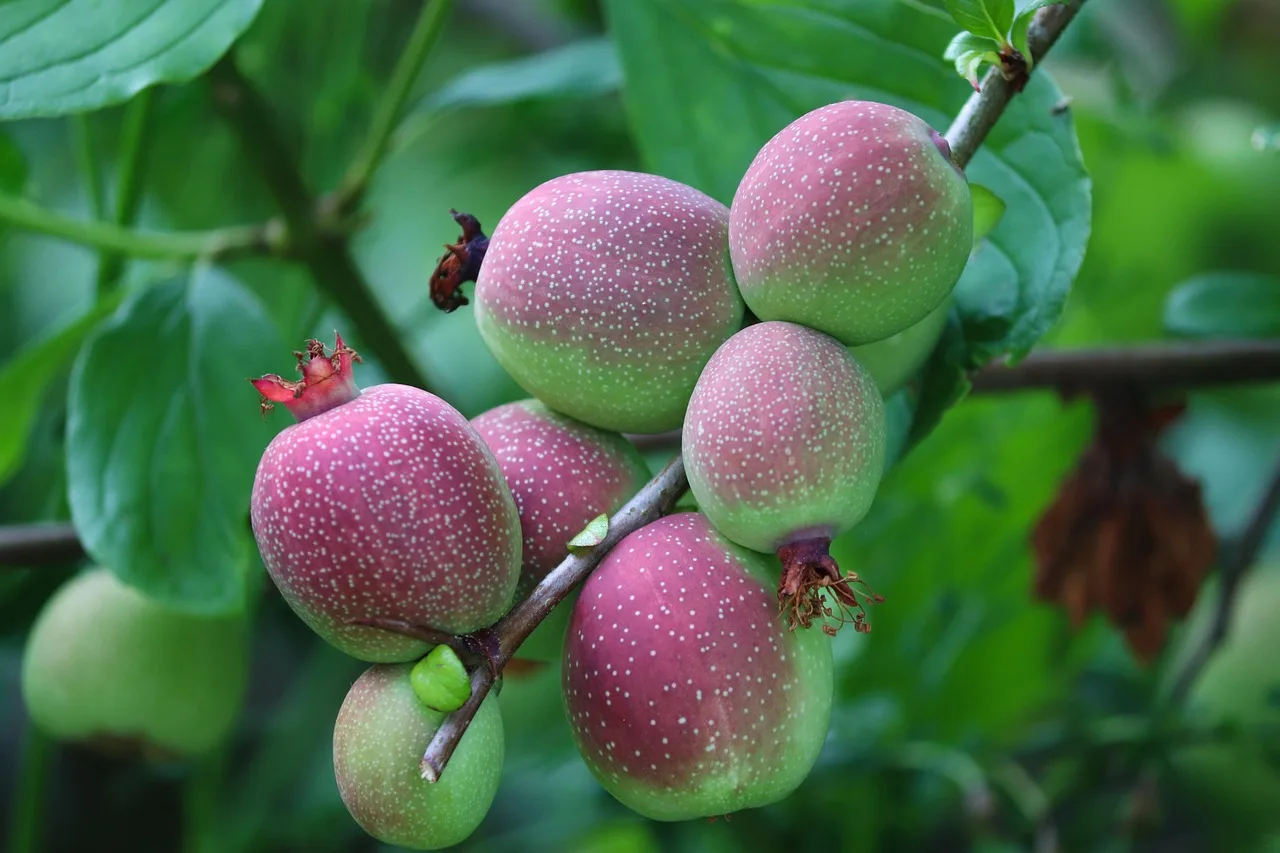
No. Woody plants do not all have the same stem pattern or the same kind of support. Trees usually have one main trunk, while shrubs often have multiple woody stems from near the base. Both can have secondary growth, but they build their framework in different ways.
Trees versus shrubs
A tree usually has a single, tall stem called a trunk. The trunk supports many branches and leaves. A shrub is a woody plant with multiple stems, often shorter than a tree, and it still undergoes secondary growth in those stems.
In-between stems and semi-woody growth
Some plants sit between clearly woody and clearly herbaceous growth. Their lower parts may harden while the tips stay soft, or their stems may become woody only near the base. Those plants can be tricky to classify, especially when young or grown in mild climates.
Why some stems split under stress
Stem splits can happen after rapid growth when inner cells expand quickly. Drought followed by heavy water uptake can split stems, and windy conditions can strain stems until they split vertically. Low light can make plants leggy and droopy, which adds to weak stem form, and top-heavy plants can strain stems until they break under pressure.
Splitting exposes inner tissue to pests, fungus, and bacteria. That is why sudden wetting after dry weather can be a problem, especially on fast-growing stems with limited wood. A split is a stress problem, not proof that the plant is supposed to be woody.
Frequently asked questions
Why do some plants have woody stems while others stay soft?
Plants with woody stems invest in lignified secondary growth, which gives them stronger support, longer life, and more resistance to bending. Plants that stay soft usually put more energy into fast stem extension, flowering, or short life cycles. The two strategies solve different biological problems.
What makes a stem woody instead of herbaceous?
A woody stem contains lignified tissue and usually develops through secondary growth. A herbaceous stem stays soft and flexible and usually lacks strong secondary thickening. Bark, wood, and thicker supporting tissue are part of woody growth, while green, bendy stems are typical of herbaceous plants.
Why do trees and shrubs get thick stems but grasses do not?
Trees and shrubs use secondary growth from the vascular cambium and cork cambium to add xylem inward and phloem outward, which thickens stems over time. Grasses generally do not form true secondary growth, so they keep a different, more flexible stem design that supports rapid growth instead of wood.
Do all woody plants have the same kind of stem support?
No. A tree trunk, a shrub stem, and a semi-woody stem can all be woody, but they do not support the plant in the same way. Trunks hold a canopy on one main stem, shrubs spread support across several stems, and semi-woody plants may harden only at the base.
How does secondary growth make stems woody?
Secondary growth thickens stems by adding new tissue from the vascular cambium. That cambium makes xylem inward and phloem outward, while the cork cambium contributes to protective outer layers. The result is a thicker stem with more support tissue and more durable outer protection.
What is the difference between a trunk and a stem?
A trunk is a woody stem, usually the main upright stem of a tree. It supports many branches and leaves and usually shows secondary growth. A stem is the broader term for any aboveground plant axis, including soft herbaceous stems and woody trunks.
Are all tall plants trees?
No. Tall plants can still be herbaceous if their stems stay soft and do not form true wood. Some monocots, like palms and bamboo, also do not have true secondary growth. Height alone does not make a plant a tree; stem structure does.